Public Wi-Fi and a Phone Call: How They Became the Perfect Trap to Steal $5000 in Crypto Assets?

比推發佈於 2026-01-09更新於 2026-01-09

文章摘要

An individual lost approximately $5,000 in cryptocurrency assets after connecting to a public hotel Wi-Fi network during a vacation. The attack began when the victim was overheard discussing crypto and using a Phantom wallet in a public area, making them a target. While browsing on the unsecured Wi-Fi, the attacker executed a man-in-the-middle attack, injecting malicious code into a seemingly legitimate webpage. The victim was using Jupiter Exchange to swap tokens when a fraudulent transaction approval request was triggered, disguised as a normal operation. Instead of a direct fund transfer, the request asked for “authorization” or “session approval,” granting the attacker permission to act on the wallet. The victim approved, believing it was part of the Jupiter transaction. The attacker waited until the victim left the hotel to drain the wallet of SOL, tokens, and NFTs. Key mistakes included: using public Wi-Fi instead of a mobile hotspot, discussing crypto in public, and approving a transaction without thorough verification. The wallet was a secondary hot wallet, not the main storage, preventing greater losses. The incident highlights the risks of public networks and the importance of transaction scrutiny.

Author: The Smart Ape

Compiled by: Deep Tide TechFlow

Original title: After Three Days on Hotel Wi-Fi, My Crypto Wallet Was Drained of $5000


A few days ago, I went with my family to a very nice hotel for a year-end holiday. One day after leaving the hotel, my wallet was completely emptied. I was puzzled, as I had neither clicked on any phishing links nor signed any malicious transactions.

After hours of investigation and seeking help from experts, I finally figured out the truth. It turned out to be due to the hotel's Wi-Fi network, a brief phone call, and a series of foolish mistakes.
Like most cryptocurrency enthusiasts, I brought my laptop with me, thinking I could squeeze in some work while on vacation with my family. My wife repeatedly insisted that I not work during these three days—I really should have listened to her.

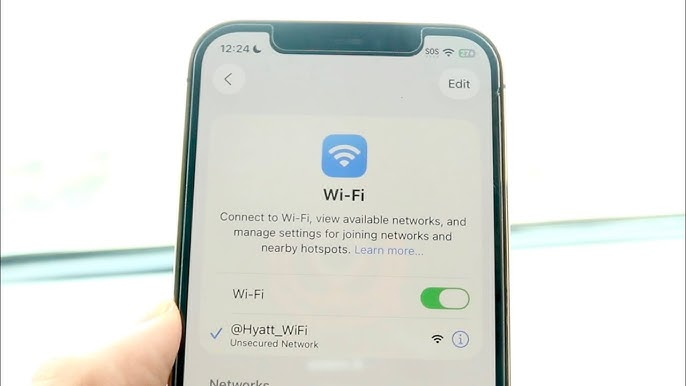
Like other guests, I connected to the hotel's Wi-Fi network. This network didn't require a password; it only needed to be logged in through a captive portal.
I worked as usual in the hotel without doing anything risky: I didn't create new wallets, click on strange links, or access suspicious decentralized applications (dApps). I just checked X (Twitter), my balances, Discord, Telegram, etc.

At one point, I received a call from a crypto friend, and we chatted about market trends, Bitcoin, and other cryptocurrency-related matters. But what I didn't know was that someone nearby was eavesdropping on our conversation and realized I was involved in cryptocurrency. This was my first mistake. The eavesdropper learned from our conversation that I was using a Phantom wallet and that I was a user with a significant holding.

This made me his target.

In a public Wi-Fi network, all devices share the same network, and the visibility between devices is actually higher than you might think. There is almost no real protection between users, which creates an opportunity for a "Man-in-the-Middle Attack." The attacker acts like a middleman, quietly inserting themselves between you and the internet, much like someone secretly reading and tampering with your mail before it reaches you.
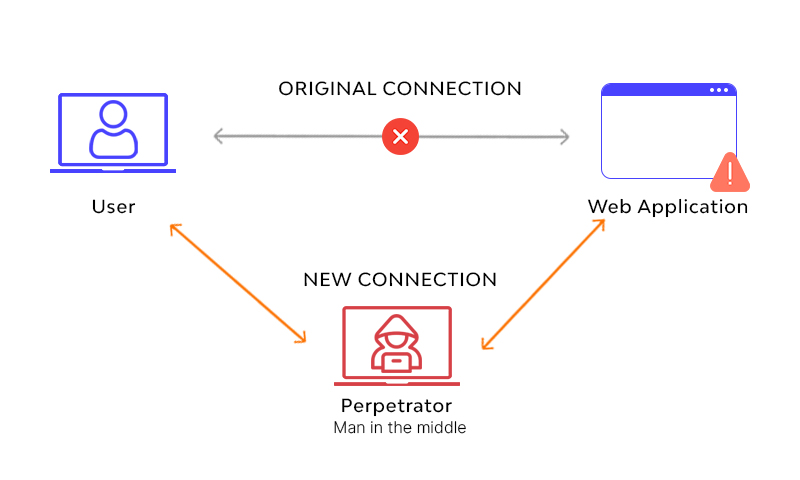
While I was browsing the web on the hotel Wi-Fi, one website appeared to load normally, but in reality, malicious code had been injected behind the page. I didn't notice anything unusual at the time. If I had installed some security tools, I might have detected these issues, but unfortunately, I hadn't.

Normally, a website might request your wallet to sign certain operations. The Phantom wallet would pop up a window where you could choose to approve or reject. Generally, you would trust the website and browser and sign without worry. However, that day, I shouldn't have.

Just as I was performing a token swap on @JupiterExchange, the malicious code triggered a wallet request that replaced my normal swap operation. I could have detected it as a malicious request by carefully checking the transaction details, but because I was already performing a swap on Jupiter, I didn't suspect a thing.
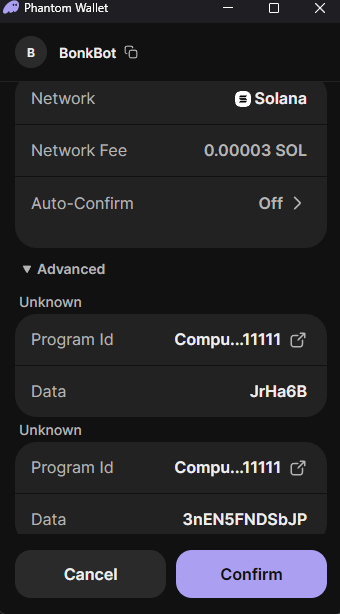
That day, I didn't sign any transaction to transfer funds; instead, I signed an authorization. This was exactly why my assets were stolen days later.

The malicious code didn't directly ask me to send SOL (Solana), as that would have been too obvious. Instead, it requested me to "authorize access," "approve account," or "confirm session." In simple terms, I was actually giving another address permission to operate on my behalf.

I approved it because I mistakenly thought it was related to my operation on Jupiter. At the time, the message popped up by the Phantom wallet looked technical, didn't show any amount, and didn't prompt for an immediate transfer.

And that was all the attacker needed. He patiently waited until I left the hotel before taking action. He transferred my SOL, withdrew my tokens, and moved my NFTs to another address.
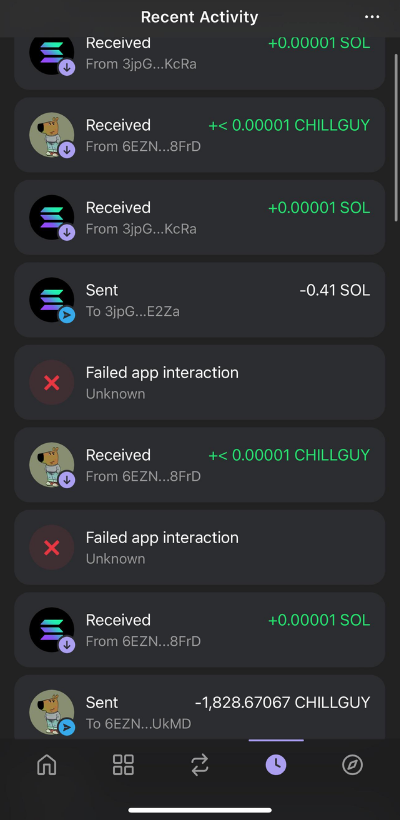
I never thought something like this would happen to me. Fortunately, this wasn't my main wallet but a hot wallet used for specific operations, not for long-term asset holding. Even so, I made many mistakes, and I believe I am primarily responsible.

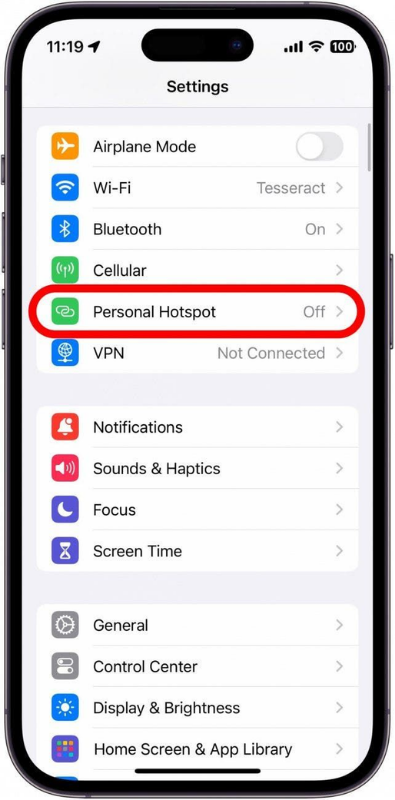
First, I should never have connected to the hotel's public Wi-Fi. I should have used my phone's hotspot instead.
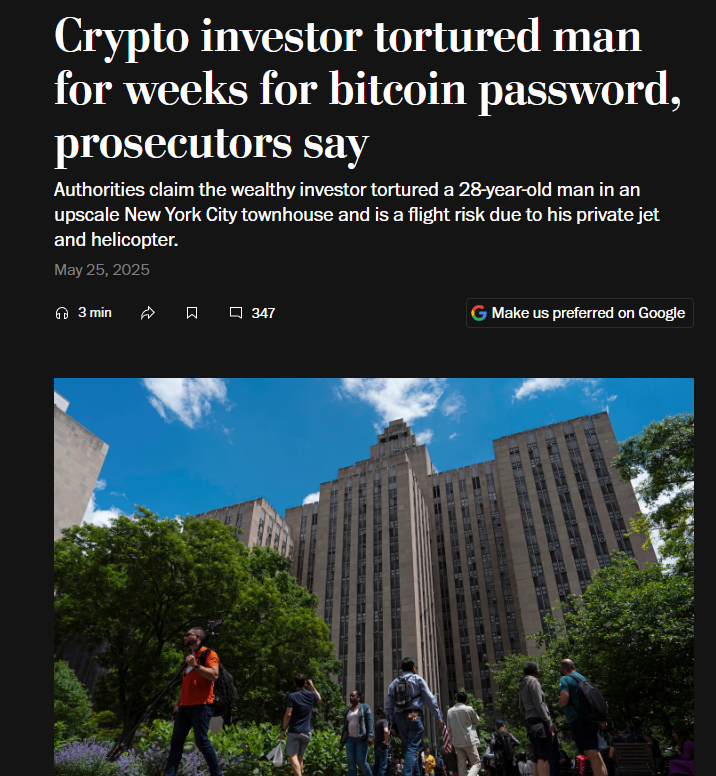
My second mistake was talking about cryptocurrency in the hotel's public area, where many people could have overheard our conversation. My father once warned me never to let others know you're involved in cryptocurrency. This time, I was lucky; some people have even faced kidnapping or worse because of their crypto assets.
Another mistake was approving the wallet request without paying full attention. Because I was sure the request came from Jupiter, I didn't analyze it carefully. In fact, every wallet request should be carefully reviewed, even on trusted applications. Requests can be intercepted and may not actually come from the app you think.

In the end, I lost about $5000 from a secondary wallet. While it's not the worst-case scenario, it's still very frustrating.


Twitter:https://twitter.com/BitpushNewsCN

BitPush TG Discussion Group:https://t.me/BitPushCommunity

BitPush TG Subscription: https://t.me/bitpush

Original article link:https://www.bitpush.news/articles/7601380

相關問答

QWhat was the primary method the attacker used to compromise the victim's crypto wallet?

AThe attacker used a Man-in-the-Middle (MitM) attack by exploiting the insecure public hotel Wi-Fi network. They intercepted the victim's web traffic and injected malicious code into a webpage, which triggered a deceptive wallet authorization request.

QWhat specific mistake did the victim make that allowed the attacker to identify him as a target?

AThe victim discussed cryptocurrency, his use of the Phantom wallet, and his substantial holdings during a phone call in a public area of the hotel, which was overheard by the attacker.

QWhat type of transaction did the victim accidentally sign, instead of a direct fund transfer?

AThe victim signed an authorization or approval request, which granted permission for another address to operate on their behalf. This did not immediately transfer funds but gave the attacker the ability to do so later.

QWhy didn't the victim suspect the malicious transaction request when it appeared?

AThe request appeared while he was performing a legitimate token swap on the Jupiter Exchange platform. He assumed the request was part of that normal operation and did not carefully inspect the technical details of the transaction, which showed no immediate transfer of funds.

QWhat were the two security precautions the victim identified that could have prevented this attack?

AFirst, he should not have used the hotel's public Wi-Fi and instead used his phone's mobile hotspot. Second, he should never have discussed his cryptocurrency activities in a public space where he could be overheard.

你可能也喜歡

国内光产业链的“芯”酸与破局

在全球AI竞赛中,算力芯片是主角,但光连接才是决定AI集群规模上限的关键底层要素。光模块作为电信号与光信号的“翻译官”,是构建高速算力网络的基石,其性能直接影响AI训练效率。当前,800G、1.6T等高端光模块的核心——DSP电芯片,全球市场约90%份额被美国企业迈威尔和博通垄断,中国光模块厂商(如中际旭创、新易盛)的海外高端业务高度依赖这两家供应商。 中国虽是全球最大光模块生产基地,但在高端DSP和高速EML激光器芯片上仍受制于海外。不过,产业链相互依存:迈威尔过半收入来自大中华区,且其芯片封测、光学器件也依赖中国供应链。与DSP的双寡头垄断相比,高速光芯片领域有多家海外供应商,且国内源杰科技、光迅科技等企业的国产替代进程更快。 为应对潜在断供风险,短期可采取分散供应链、锁定长协订单、开拓多元市场等策略。中长期根本出路在于加速高速DSP和高端光芯片的国产化,通过市场化企业研发、设备商自研、政企联合扶持等多路径突破。同时,布局硅光、CPO等前沿技术可降低对独立高端DSP的依赖。国内市场作为重要的缓冲与反制空间,可为国产芯片提供验证与成长机会。 最终,掌握产业链主动权的关键在于持续推进核心芯片的自主研发与规模化应用,这需要技术、资本、时间和生态的持续投入。

marsbit13 分鐘前

国内光产业链的“芯”酸与破局

marsbit13 分鐘前

USDe 绕开 GENIUS Act 收益禁令:合成美元如何成为加密最成功的灰色地带?

当美国《GENIUS法案》禁止支付型稳定币向持有者支付利息时,Ethena的合成美元稳定币USDe却利用监管定义上的空白,成功绕开了这一限制。USDe并非由法币或国债支持,其核心机制是通过接收加密资产作为抵押,并同时开设对冲的永续合约空头头寸,在维持美元价值稳定的同时,从该交易策略中获取收益(如正向的资金费率),并将收益分配给sUSDe质押者。 这一定位使其不被归类为《GENIUS法案》所监管的“支付型稳定币”,从而形成了一个监管缺口。USDe规模一度超过140亿美元,成为仅次于传统储备型稳定币的第三大美元计价加密资产。尽管其模型依赖市场条件(如长期正资金费率)并存在特定风险(如在极端市场压力下可能脱锚),但它仍吸引了包括大型资管公司在内的机构采用。 监管态度出现分歧:欧盟将其视为未注册证券予以限制,而美国机构资金则开始接纳。文章指出,核心问题在于USDe(一种衍生品策略代币)与USDC(传统储备型稳定币)虽然都被称为“稳定币”,但本质迥异。现行法律只规范了后者,却未对前者明确定义,这可能导致风险认知的混淆。未来的监管关键,在于是否会为“合成美元”这类新型工具专门划定边界。

marsbit18 分鐘前

USDe 绕开 GENIUS Act 收益禁令:合成美元如何成为加密最成功的灰色地带?

marsbit18 分鐘前

Solana 隐私生态全景图,从计算到 AI 的完整隐私栈

**Solana 隐私生态全景图:从计算到 AI 的完整隐私栈** Solana 的隐私生态目前仍处于早期发展阶段。一个成熟的隐私栈需要包含形式化验证、无委员会、不可变性和开源代码等要素。在 Solana 上,隐私开发主要聚焦于两大垂直领域:新银行(Neobanks)和隐私 DeFi。其独特的架构(如 ZK 压缩)有望实现无需持久性 Rollup 的大规模可组合隐私。 **隐私计算基础设施** 目前有两家主要提供商: * **Arcium**:利用多方计算(MPC)网络处理任意数据,确保节点无法查看单个输入。其结算层在 Solana 上。Arcium 正在构建机密 SPL 代币标准(C-SPL),并已支持如私密转账(Umbra)、加密挖矿(ZINC)和密封竞价融资(Crafts)等应用。 * **Magic Block**:通过可信执行环境(TEE)创建临时隐私 Rollup(PER),在硬件验证的黑箱中处理交易后提交回 Solana,保证机密性、可扩展性和可组合性。 两者都能为私密订单簿、暗池等应用提供基础设施。 **私密转账与余额** 基于上述基础设施,出现了隐私转账应用: * **Umbra**:基于 Arcium 构建,提供加密代币账户,实现交易金额、余额和关联关系的隐私,并支持合规审查。 * **Privacy Cash**:使用类似 Tornado 的屏蔽池处理 SOL,通过零知识证明切断存取款地址关联。 * **Hush**:受 Zcash 启发,用户存入 SOL 可自动赚取收益,池内转账完全隐私,并集成了 Jupiter 进行私密兑换,具备合规特性。 **无链上痕迹的交易** 为了保护日常交易策略不被窥探和利用: * **encifherio**:通过 Jupiter 路由交易,但利用 TEE 加密交易细节,仅公开包装资产信息,实现大规模私密兑换。 * **VanishTrade**:通过屏蔽流动性路由交易,保护策略隐私,并内置合规框架防止非法交易。 * **Darklake**:构建 ZK 原生的流动性基础设施和暗池,其“盲点滑点池”在执行前隐藏订单意图,防止三明治攻击。 **隐私预测市场与隐私 AI** * **私密预测市场**:如 Melee Markets 利用 Arcium 的 MPC 基础设施加密订单簿,使参与者可以隐藏其市场方向直到结算。 * **私密 AI**:例如 Loyal 协议,结合 Magic Block 和 Arcium 的技术,在链上加密存储用户的 AI 对话、查询和个人数据,确保用户拥有数据所有权并实现私密的链上交互与资产管理。 总体而言,Solana 隐私生态正通过结合零知识证明(ZK)、全同态加密(FHE)、MPC 和 TEE 等多种技术,从底层计算到上层应用(支付、DeFi、预测市场、AI)构建一个完整且可组合的隐私栈。尽管生态仍处早期,但基础设施的完善正驱动着多样化的隐私应用涌现。

marsbit23 分鐘前

Solana 隐私生态全景图,从计算到 AI 的完整隐私栈

marsbit23 分鐘前

交易

現貨
合約

熱門文章

什麼是 APECOIN

理解亞太電子貨幣 ($APECoin) 在技術與環保交匯愈加重要的時代,數字貨幣正逐漸成為潛在變革的催化劑。在這些創新中,亞太電子貨幣 ($APECoin) 脫穎而出,作為一個旨在支持亞太地區環保倡議的獨特項目。本文探討 $APECoin 的基礎、獨特特徵及其在更廣泛區塊鏈生態系統中的影響。 什麼是亞太電子貨幣 ($APECoin)? 亞太電子貨幣 ($APECoin) 是一種 ERC20 和 TRC20 代幣,於 2020 年 4 月推出,該想法最早於 2019 年 12 月提出。這一創新源於促進環保實踐和支持旨在可持續性與綠色倡議的環保項目的願望。 目標與宗旨 $APECoin 不僅僅是一種數位貨幣;它被設想為一種交換媒介,讓用戶能夠進行直接惠及環保事業的交易。其生態系統旨在促進各種金融活動,同時推廣綠色實踐的採用。這種貨幣的主要目標是: 支持環保倡議: 每筆交易中會分配一部分資金用於資助旨在保護和可再生能源的可持續項目。 促進環保創新: 鼓勵與環保可持續性對齊的初創企業和項目,通過將其代幣作為價值手段。 創建可持續市場: 該平台包含一個電子市場,在此架構下可以進行金融交易,專注於促進綠色實踐。 亞太電子貨幣 ($APECoin) 的創建者 雖然$APECoin的具體創建者並未公開披露,但該項目得到了亞太經合組織(APEC Group)的強大支持,該聯盟專注於倡導環保倡議。這種支持為項目增加了可信度和重要性,將其連接到一個致力於可持續性和環保實踐的更廣泛網絡。 亞太電子貨幣 ($APECoin) 的投資者 圍繞 $APECoin 的投資格局仍大致未公開。支持這一加密貨幣的具體投資基金或組織名稱尚未披露。然而,顯而易見的是,越來越多的投資者對支持具有影響力的可持續項目表示濃厚的興趣。 亞太電子貨幣 ($APECoin) 如何運作? $APECoin 因其創新的運作模式而脫穎而出,這一模式利用了區塊鏈技術和智能合約。這一組合不僅保證了交易效率,還強化了遵守監管框架的能力,提高了交易的安全性和透明度。 $APECoin 的獨特特徵 基於區塊鏈的運營: 通過在區塊鏈平台上建立其運營,$APECoin 確保所有交易是不可變的,並通過先進的加密技術獲得保障。這種去中心化強調了代幣在其生態系統中的完整性。 智能合約: $APECoin 使用智能合約,促進無縫交易,並確保符合適用的法規。這些自動化協議最小化了爭議的可能性,簡化了流程,並有助於形成可靠的交易框架。 電子市場: $APECoin 的一大特色是其專屬的電子市場。這一數字環境作為服務支持環保實踐的中心,提供了一個促進項目綠色願景的交易平台。 通過這些特徵,$APECoin 在廣闊的加密貨幣市場中為其自身開闢了一個利基,有效地將區塊鏈原則與環境保護結合起來。 亞太電子貨幣 ($APECoin) 的時間線 理解 $APECoin 的發展軌跡,有助於洞悉其發展里程碑和未來願景。以下是該項目歷史上重要事件的時間線: 2019 年 12 月: 亞太電子貨幣的構思,旨在通過加密貨幣推動可持續性。 2020 年 4 月: $APECoin 的正式推出,標誌著其作為環保項目的專用代幣進入市場。 2020-2021 年: 開展初始交易所發售(IEO),使用戶能夠購買 $APECoin,並與各大電子交易平台註冊以提高可及性。 在相對短暫的旅程中,$APECoin 在為以環境目標驅動的安全和有影響力的加密貨幣奠定基礎方面取得了重大進展。 結論 亞太電子貨幣 ($APECoin) 代表了技術與環境責任的結合,促進了加密生態系統的增長,同時倡導可持續性。憑藉其獨特的結構、可靠機構的支持和對綠色未來的願景,$APECoin 不僅僅是一種數位貨幣;它是一個旨在培養亞太地區負責任創新的先鋒項目。通過其對金融包容性的承諾及對環保倡議的支持,它成為數字貨幣如何被利用以實現積極社會影響的有力範例。 隨著項目的不斷發展,加密社區及更廣泛的利益相關者將熱切關注 $APECoin 如何塑造可持續實踐的對話,進一步拓展加密貨幣的新興世界。

183 人學過發佈於 2024.12.03更新於 2024.12.03

什麼是 APECOIN

如何購買APE

歡迎來到HTX.com!在這裡,購買ApeCoin (APE)變得簡單而便捷。跟隨我們的逐步指南,放心開始您的加密貨幣之旅。第一步:創建您的HTX帳戶使用您的 Email、手機號碼在HTX註冊一個免費帳戶。體驗無憂的註冊過程並解鎖所有平台功能。立即註冊第二步:前往買幣頁面,選擇您的支付方式信用卡/金融卡購買:使用您的Visa或Mastercard即時購買ApeCoin (APE)。餘額購買:使用您HTX帳戶餘額中的資金進行無縫交易。第三方購買:探索諸如Google Pay或Apple Pay等流行支付方式以增加便利性。C2C購買:在HTX平台上直接與其他用戶交易。HTX 場外交易 (OTC) 購買:為大量交易者提供個性化服務和競爭性匯率。第三步:存儲您的ApeCoin (APE)購買ApeCoin (APE)後,將其存儲在您的HTX帳戶中。您也可以透過區塊鏈轉帳將其發送到其他地址或者用於交易其他加密貨幣。第四步:交易ApeCoin (APE)在HTX的現貨市場輕鬆交易ApeCoin (APE)。前往您的帳戶,選擇交易對,執行交易,並即時監控。HTX為初學者和經驗豐富的交易者提供了友好的用戶體驗。

290 人學過發佈於 2025.02.24更新於 2026.06.02

如何購買APE

相關討論

歡迎來到 HTX 社群。在這裡,您可以了解最新的平台發展動態並獲得專業的市場意見。 以下是用戶對 APE (APE)幣價的意見。

活动图片














