The largest US federation of trade unions has asked US Senators to reject the Senate’s version of the crypto market structure bill due to serious concerns and a lack of proper safeguards for workers.
Senate’s Crypto Bill Faces Backlash
On Tuesday, Jody Calemine, Director of Government Affairs at The American Federation of Labor and Congress of Industrial Organizations (AFL-CIO), sent a letter to the US Senate Banking Committee sharing multiple concerns about the highly anticipated Responsible Financial Innovation Act (RFIA).
Calemine affirmed that the bill “does not protect consumers, workers or the financial system,” arguing that RFIA’s treatment of crypto assets “poses risks to both retirement funds and to the overall financial stability of the U.S. economy.”
According to the letter, the current state of the legislation would enable the crypto industry to “operate in wider and deeper ways” without sufficient oversight or “meaningful safeguards,” which would potentially increase financial instability.
While currently most pensions do not carry crypto assets because of the risks associated with them, the bill provides the facade of regulation that may make cryptocurrency and associated assets more mainstream in portfolios. Passing this legislation will allow the proliferation of assets that investors will wrongly perceive as safe.
The AFL-CIO director warned that the proposed bill also increases systemic risks, as it would expose banks and put the Federal Deposit Insurance Corporation (FDIC)’s taxpayer-backed Deposit Insurance Fund at greater risk.
Additionally, the labor union considers that the legislation “codifies the tokenization of securities and assets such that private companies have a pathway to create a shadow public stock outside of SEC oversight.”
Labor Union, State Regulators Call For “Proper Safeguards”
The letter concluded that the Senate’s version of the crypto market structure bill “substantially weakens” both federal and state enforcement tools to regulate digital assets.
It’s worth noting that the Senate’s RFIA is expected to come before the Committee, led by Chairman Tim Scott, soon as the US Congress’s upper chamber races to advance the bill to a floor vote next month and potentially send it to the President’s desk before the end of the year.
The legislation has also received backlash from multiple state authorities, which have warned that it may “diminish their ability to pursue wrongdoers” and allow criminals to “wiggle out” of prosecution.
As reported by Bitcoinist, regulators from Alabama to Montana recently argued that the bill does not give state-level regulatory agencies implicit authority to supervise crypto companies, which could mean that these regulatory agencies may not be able to prosecute offenders for fraud.
State regulators have proposed changes to the market structure bill, like adding language that specifies businesses to register and respond to their inquiries, and rejecting the provisions that redefine the investment contract test.
Similarly, the AFL-CIO suggested that working people need policies that effectively regulate financial markets and ensure their hard-earned retirement benefits are not endangered.
Ultimately, Calemine asked the Senate Banking Committee members to oppose the bill, and “make sure that the financial system is stable instead of creating a casino for crypto billionaires to make more profits.”
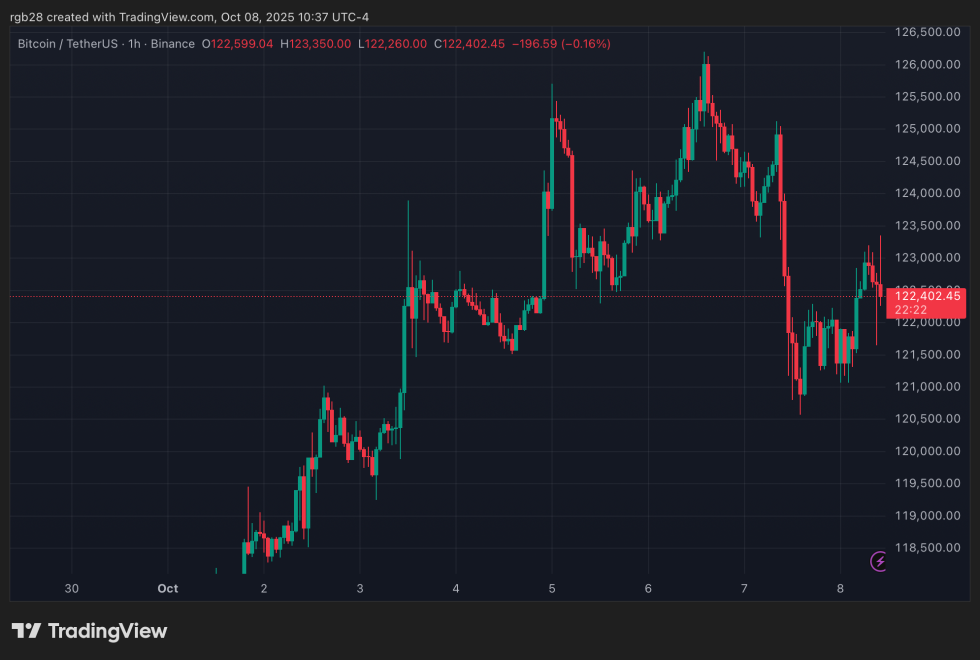
Bitcoin (BTC) trades at $112,402 in the one-week chart. Source: BTCUSDt on TradingView

Related Posts