An Indian parliament member has urged the government to increase the tax on crypto income from the current proposed rate of 30%, stressing that crypto trading is similar to gambling. He has also requested that the goods and services tax (GST) be imposed on the total transaction value of crypto.
Indian Parliament Member Wants to Tax Crypto Income More Than 30%
India’s Finance Bill 2022 containing the proposed 30% tax on crypto income is now being considered in Rajya Sabha, the upper house of India’s parliament.
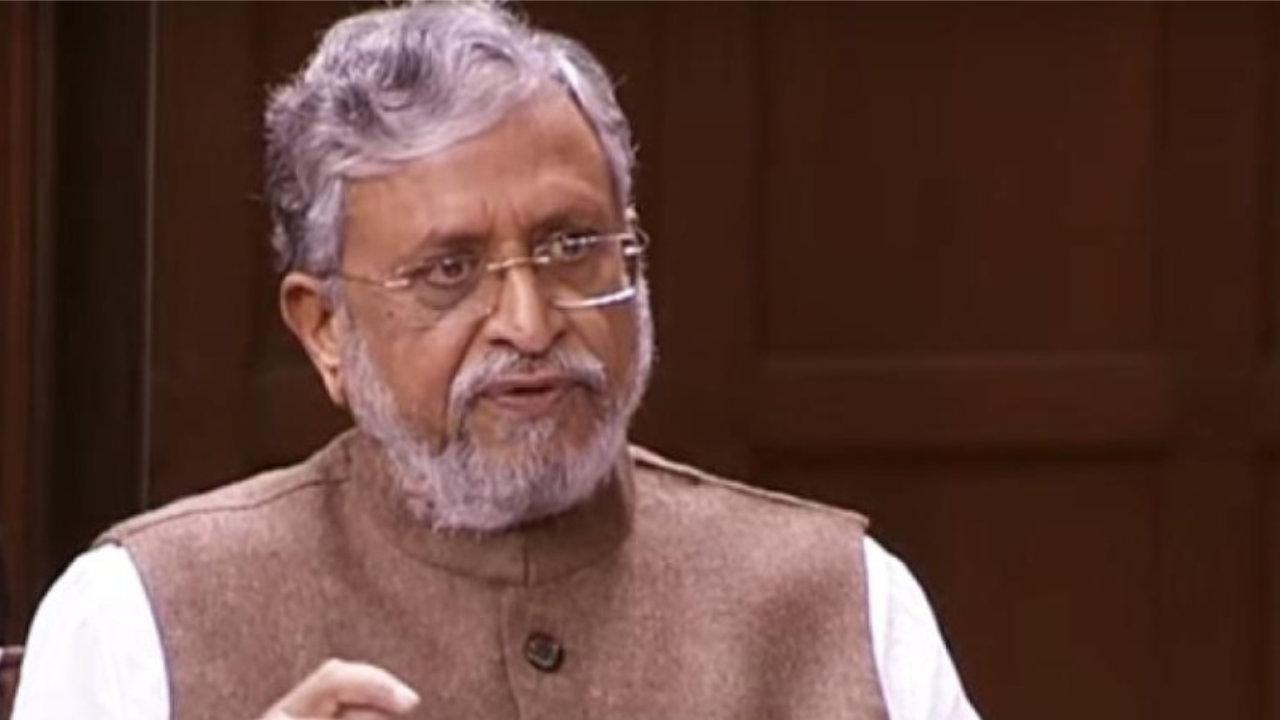
Parliament member Sushil Kumar Modi asked the government Monday to increase the tax on cryptocurrency income from the current rate of 30%. He said:
I would like to request the finance minister that the 30% tax that you have imposed on crypto, please consider in the coming days if this tax can be further increased.
Parliament member Modi argued that cryptocurrency is not a commodity, an asset, goods, or a service, emphasizing that it does not have intrinsic value.
He added that while stocks are backed by companies behind them, “crypto is gambling.” He further questioned, “Who are behind crypto?”
The parliament member further pointed out that the 18% goods and services tax (GST) is only levied on crypto service providers, such as exchanges, emphasizing that this needs to be increased. Modi opined:
Cryptos are similar to lottery, casinos betting, gambling and horse racing. In all these activities, 28% tax (GST) is imposed on the total transaction value … So I request to you that the GST council needs to consider imposing GST on the total transaction value of crypto.
“Investors are attracted by extraordinary profits,” Modi stressed, adding that “no one knows what is the value of crypto.”
Modi proceeded to give examples of countries that have imposed higher taxes on crypto. He said Japan has imposed a 55% tax while Germany, France, and Australia have imposed up to 45%.
The parliament member further claimed that investors have been storing cryptocurrencies in private wallets before April 1 and “$8 billion worth of crypto assets are expected to go out of the country.”
Besides the 30% tax on crypto income, Indian Finance Minister Nirmala Sitharaman also proposed imposing a 1% tax deducted at source (TDS) on every crypto transaction. The 1% TDS will go into effect on July 1 while the 30% income tax will start levying on April 1. An Indian parliament member has warned that imposing a 1% TDS on every crypto transaction will kill the nascent asset class.