‘Beyond code errors’ – How Drift Protocol’s $285mln drain shifts DeFi security bar
ambcrypto发布于2026-04-06更新于2026-04-06
文章摘要
The Drift Protocol exploit, resulting in a $285 million loss, marks a significant shift in DeFi security threats, moving beyond simple code errors to sophisticated attacks on governance and operational control layers. The attacker used pre-signed transactions and manipulated a multi-signature mechanism to gain admin access rapidly. This incident underscores that security now depends more on protecting protocol operations and user assets than solely fixing smart contract bugs.
Drift’s response demonstrated the critical role of fast crisis management—halting deposits and withdrawals quickly, coordinating with security partners, and providing transparency—which helped contain cross-protocol risks and maintain market confidence.
The event reflects a broader trend in DeFi, where attackers increasingly target access and control mechanisms. This has elevated the importance of operational security, prompting protocols to compete not only on yield but also on their ability to manage risk, protect capital, and respond effectively during crises. Industry data shows a growing focus on security investments, such as signer rotation and emergency controls, as key factors in building resilience and trust.
Drift Protocol’s exploit shows a clear shift in how DeFi attacks happen, moving beyond simple code errors into control of protocol operations. The attacker drained about $285 million by using pre-signed transactions and manipulating a multi-signature to gain admin access quickly.
This matters because attackers now focus on governance and control layers, where taking over systems becomes more effective than exploiting code.
Elliptic links the activity to Democratic People’s Republic of Korea (DPRK) -style operations, showing higher coordination and planning.
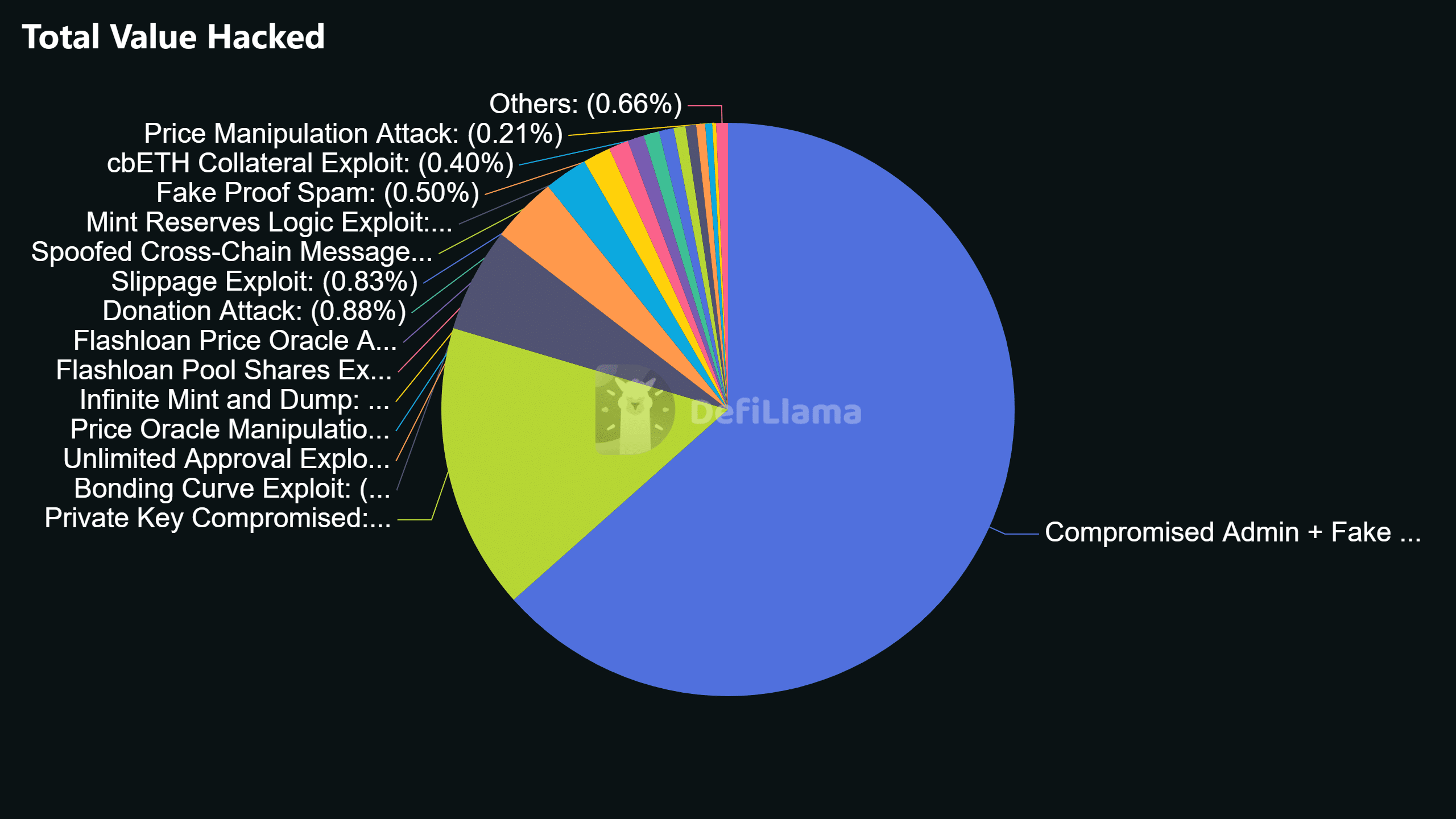
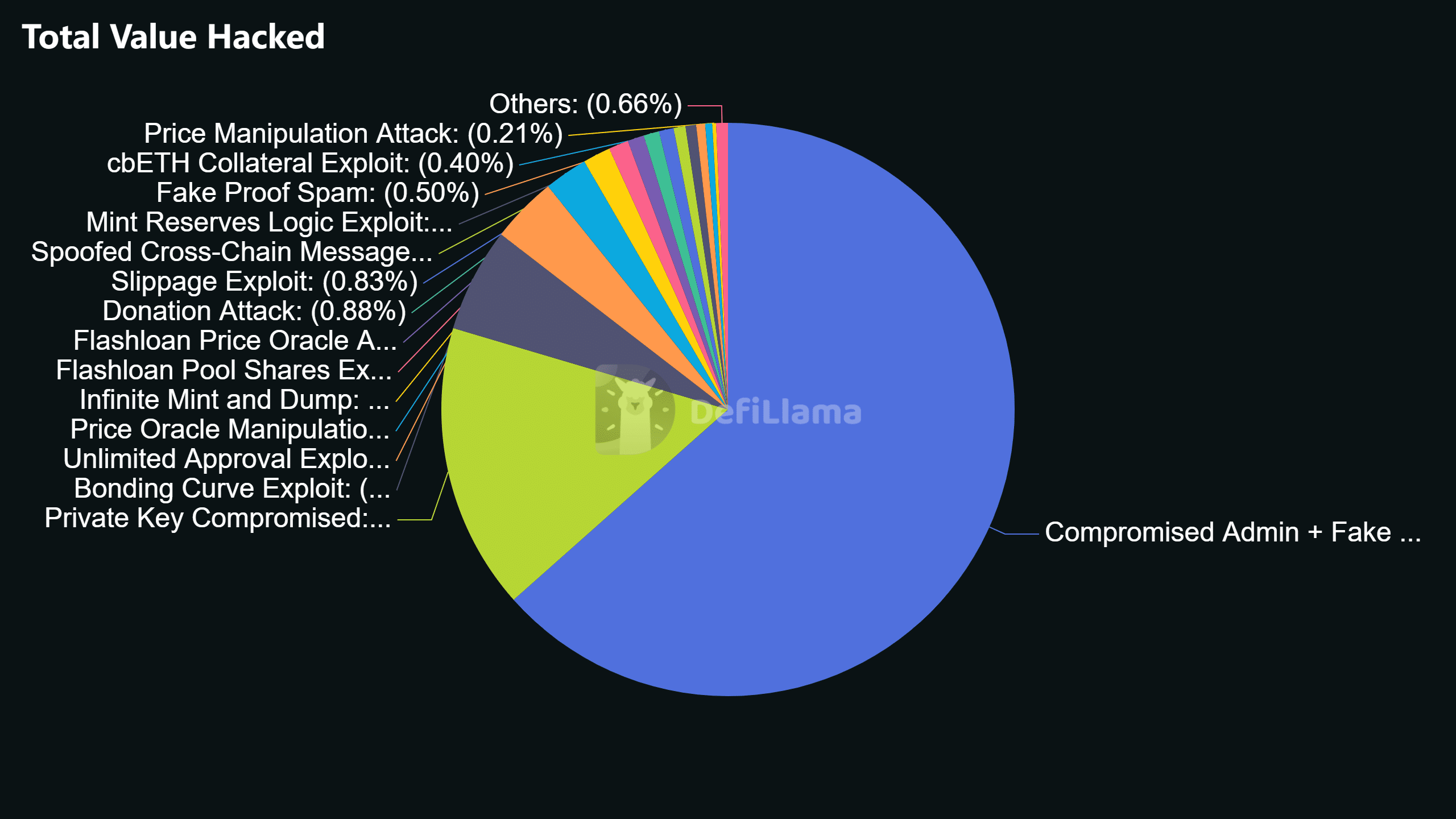
Source: DeFiLlama
The impact spreads across connected protocols, as shared liquidity increases risk beyond one platform. Q1 2026 losses reach about $169 million across 34 incidents, with attacks now centered on access and control. This shows security depends more on protecting operations and users, not just fixing smart contract bugs.
Drift response shows the role of fast crisis management
Drift’s response shows how crisis handling now shapes market confidence as much as the exploit itself. Within minutes, the team confirmed an active attack and halted deposits and withdrawals, signaling immediate control.
This rapid disclosure matters because it reduces uncertainty, allowing users and partners to react before risks spread further. Coordination with security firms, bridges, and exchanges followed quickly, limiting cross-protocol impact.
This pattern highlights a new standard, where response speed and transparency influence trust. Protocols now compete on how effectively they manage risk in real time.
Security becomes a key factor in DeFi competition
This response dynamic now extends into how protocols compete, as handling risk becomes as important as offering returns. Yields have compressed to about 6.8%–13.5%, which shifts focus away from chasing higher returns.
This shift builds as incidents like Drift’s $285 million exploit highlight operational weaknesses rather than code flaws. Users now assess how well protocols manage and contain risk.
At the same time, industry data shows that DAO security spending rose about 32% in 2025, reflecting a stronger focus on operational security. Measures like signer rotation and emergency controls define resilience.
This changes competition, where protocols attract liquidity not just through yield, but through their ability to protect and stabilize capital.
Final Summary
Drift Protocol highlights a shift toward governance and operational exploits, where control-layer attacks and rapid response now define protocol resilience.
Drift also shows DeFi competition evolving, as security execution and containment speed become key drivers of trust and capital retention.
QWhat was the primary method used by the attacker to drain funds from Drift Protocol?
AThe attacker used pre-signed transactions and manipulated a multi-signature to gain admin access quickly.
QAccording to the article, what is the Drift Protocol exploit indicative of in the broader DeFi landscape?
AIt shows a clear shift in how DeFi attacks happen, moving beyond simple code errors into the control of protocol operations and governance layers.
QHow did Drift Protocol's team respond to the attack, and why was this response significant?
AWithin minutes, the team confirmed the attack and halted deposits and withdrawals. This rapid response reduced uncertainty, allowed users to react, and limited cross-protocol impact, showing that crisis management is now crucial for market confidence.
QWhat broader trend in DeFi security spending does the article mention?
ADAO security spending rose about 32% in 2025, reflecting a stronger industry focus on operational security measures like signer rotation and emergency controls.
QHow is the nature of competition between DeFi protocols changing, according to the article?
ACompetition is evolving where protocols now attract liquidity not just through high yields, but through their ability to protect and stabilize capital, with security execution and risk containment becoming key drivers of trust.