The Turn of 'The Greatest Crypto Investor in History' Kyle Samani, and the Mirror Image from a Decade Ago

比推Xuất bản vào 2026-02-09Cập nhật gần nhất vào 2026-02-09

Tóm tắt

Kyle Samani, co-founder of Multicoin Capital and one of crypto's most prominent investors, announced in early 2026 that he would step back from daily management to focus on AI, robotics, and life sciences, while maintaining personal crypto investments. His earlier deleted statement expressing disillusionment with Web3 and dApps sparked industry-wide concern, interpreted by some as a loss of faith in crypto’s non-financial applications. Samani’s journey began after his first venture, Pristine—a Google Glass software startup—failed due to platform risk when Google discontinued consumer sales. This experience drew him to decentralized systems, leading to the founding of Multicoin in 2017. Though initially inspired by Ethereum, he became a vocal critic and instead championed Solana, making early and highly profitable investments. Known for his provocative style, Samani aggressively advocated for Solana while dismissing Ethereum’s scalability. Despite successes, Multicoin faced challenges, including significant exposure to FTX’s collapse and criticism over fund management during SOL’s price volatility. Samani’s partial exit mirrors his departure from Pristine a decade earlier—a shift prompted by narrative contraction, not failure. Just as Pristine’s technology eventually found new life through acquisitions and emerging tech, crypto’s current struggles may lead to renewed growth under better conditions, such as improved regulation, infrastructure, or AI integration. The industry...

Author: Zen, PANews

Original title: "The Turn of 'The Greatest Crypto Investor in History' Kyle Samani, and the Mirror Image from a Decade Ago"


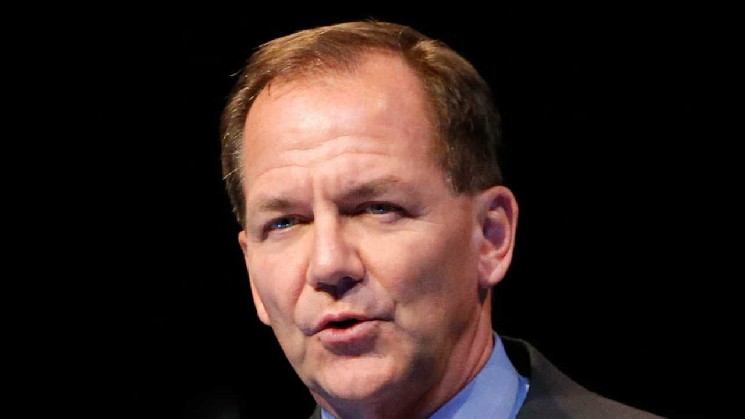
In early February 2026, Kyle Samani, regarded by many as the most staunch evangelist of Solana, announced his step back from the day-to-day management of Multicoin, stating he would shift his focus to new technological fields such as AI, robotics, and life sciences, while still maintaining personal crypto investments.

What stung the industry's sentiment more was a message he posted and quickly deleted shortly before the official announcement: "Crypto isn't as interesting as many people (including myself) once thought. I used to believe in the vision of Web3 and dApps, and I no longer do."

This "semi-exit" was easily read as a verdict. When the industry's most formidable crypto investor chooses to abandon the narrative of the "next generation of the internet," does it mean the vision of non-financial killer applications for the industry can be declared bankrupt?

However, looking back at Samani's career, you'll find this is not essentially a collapse of faith, but more like a risk migration driven by his inherent character. In this "bittersweet moment," this is not a clear-cut exit, just as his past choices were not necessarily wrong, but also not necessarily right.

The Decentralized Enlightenment of the "Greatest" Crypto Venture Capitalist

When telling the story of blockchain's decentralized理念, the amusing anecdote of Ethereum founder Vitalik Buterin being "forced" to quit his internet addiction has always been a津津乐道 tale. The teenage Vitalik once had his favorite Warlock's skill removed by Blizzard in "World of Warcraft,"愤而 awakening his consciousness to resist centralized platforms. Before entering the crypto industry, Kyle Samani actually had a similar experience of being "betrayed" by a centralized company.

Samani grew up in an affluent community in Austin, Texas. His father was the owner of a local electronic medical record system development company called VersaSuite. At the age of 11, Samani began learning programming, but he had little interest in what he considered the uncool job of a programmer. Therefore, after enrolling at New York University, Samani chose to study finance, aiming to become a stylish Wall Street elite.

In university, the strong-willed and driven Samani became close friends with his introverted classmate Tushar Jain. During that period, Bitcoin had already begun operating quietly, but the two young men, who would later co-found Multicoin Capital, did not yet know where their future paths lay. Samani only knew that after two years of university study, he decided he wasn't cut out to be a banker either, so he started studying programming again.
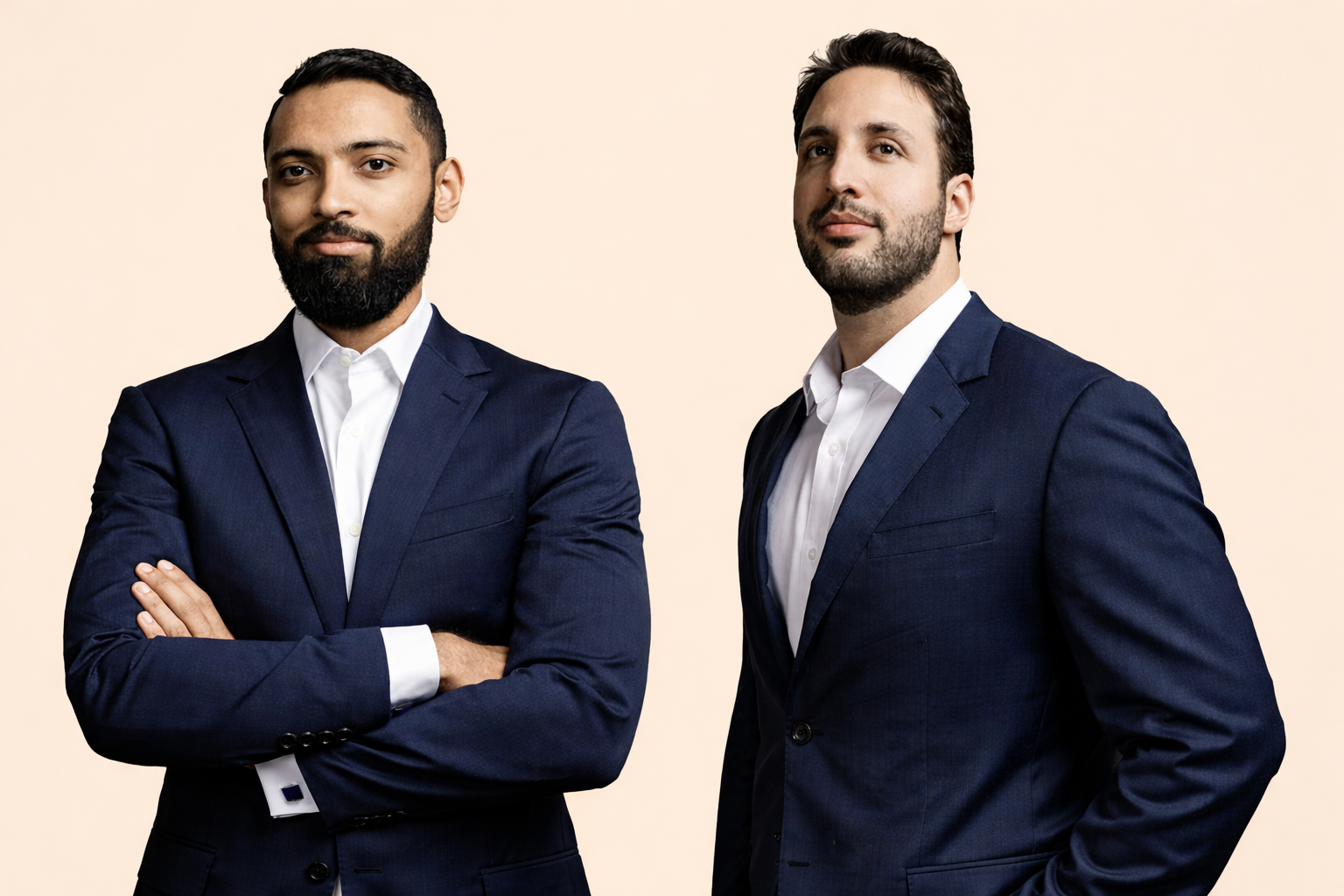
Tushar Jain (left) and Kyle Samani (right)

After graduating in 2012, both Samani and Jain worked briefly at Samani's father's medical records company. Subsequently, the two embarked on their own entrepreneurial ventures around medical technology. Jain founded a data company to help doctors find patients for clinical trials; Samani, captivated by the recently released Google Glass, co-founded a company called "Pristine" to develop Google Glass software for surgeons.

Although Samani raised over $5 million in venture capital and expanded the team to nearly 30 employees, two years after Pristine's founding, when Google announced in 2015 that it would stop selling Google Glass to consumers, the "consumer adoption narrative" was put on pause. Samani realized he had to adjust his personal direction and left Pristine at the end of that same year.

This entrepreneurial experience made Samani feel the "pain of platform risk." Therefore, the idea of having an open platform where such events wouldn't happen was extremely appealing to him. In March 2016, Samani stumbled upon Ethereum. The new chapter of his life thus began, eventually leading him into the field of cryptocurrency investment.

Samani, Ethereum, and Solana

In August 2017, Multicoin Capital was officially established in Austin.

"In the early days of starting the business, we were really people scrambling to make money." Samani said that when Multicoin was raising funds, they had no brand, no track record, and no operational infrastructure. They contacted everyone in their network: friends, family, friends of friends, and other entrepreneurial networks.

"The secret to getting through is to focus on what you're truly passionate about." In an early interview with Business Insider, Samani stated that passion was the main thread running through his entrepreneurial journey and the driving force behind his 15 to 20 hours of work per day.

In a vibrant, fiercely competitive industry cycle, Samani led Multicoin to charge forward at high speed. According to public documents, as of May 2025, Multicoin's assets under management were valued at $5.9 billion. And Samani became a candidate for the "GOAT" (Greatest of All Time) of crypto venture capital in the minds of many entrepreneurs and investors in the cryptocurrency industry.

During Multicoin's rapid growth, Samani established distinct views and an investment style. The most well-known is that even though Ethereum was the "guide" to his blockchain career, he later became one of its most merciless and outspoken critics. He believed that Ethereum's failure to solve its scaling problems after its early prosperity was extremely disappointing,评价Vitalik and his team as "fundamentally not knowing what they are doing."

The DevCon developer conference held in November 2017正式 turned Samani from a fan to a critic of Ethereum. He eagerly awaited Vitalik's keynote speech, but the latter spent the entire speech reviewing Ethereum's history without talking about the future. Samani felt that Ethereum wasn't even willing to acknowledge the problems it faced. At that moment, the dream that "Ethereum would become the future of finance" shattered. He began looking for alternatives to Ethereum and soon found the answer he认可—the emerging high-performance public chain Solana.

In summary, Samani's general direction was "speed first," and Solana's advantages of fast transaction speed and low cost正好 hit the market's pulse. Thus, Samani led Multicoin to invest in Solana early on. This heavy bet would make them famous together in the future and became an important page in the history of crypto venture capital.

Of course, these investments also brought Samani extremely rich returns. In December 2021, while appearing on the podcast "The Wolf Of All Streets," Samani revealed that Multicoin purchased SOL tokens at prices of $0.04, $0.20, and $0.23 in three private placement rounds.

The Radical and Provocative Standard-Bearer for Solana

Throughout his years of investing, Samani has been known for daring to express sharp views and became the most vigorous and radical standard-bearer for the Solana ecosystem.

In 2021, he once抛出一个 controversial argument on Twitter: "Why must security be the top priority? Honestly, I care more about speed."

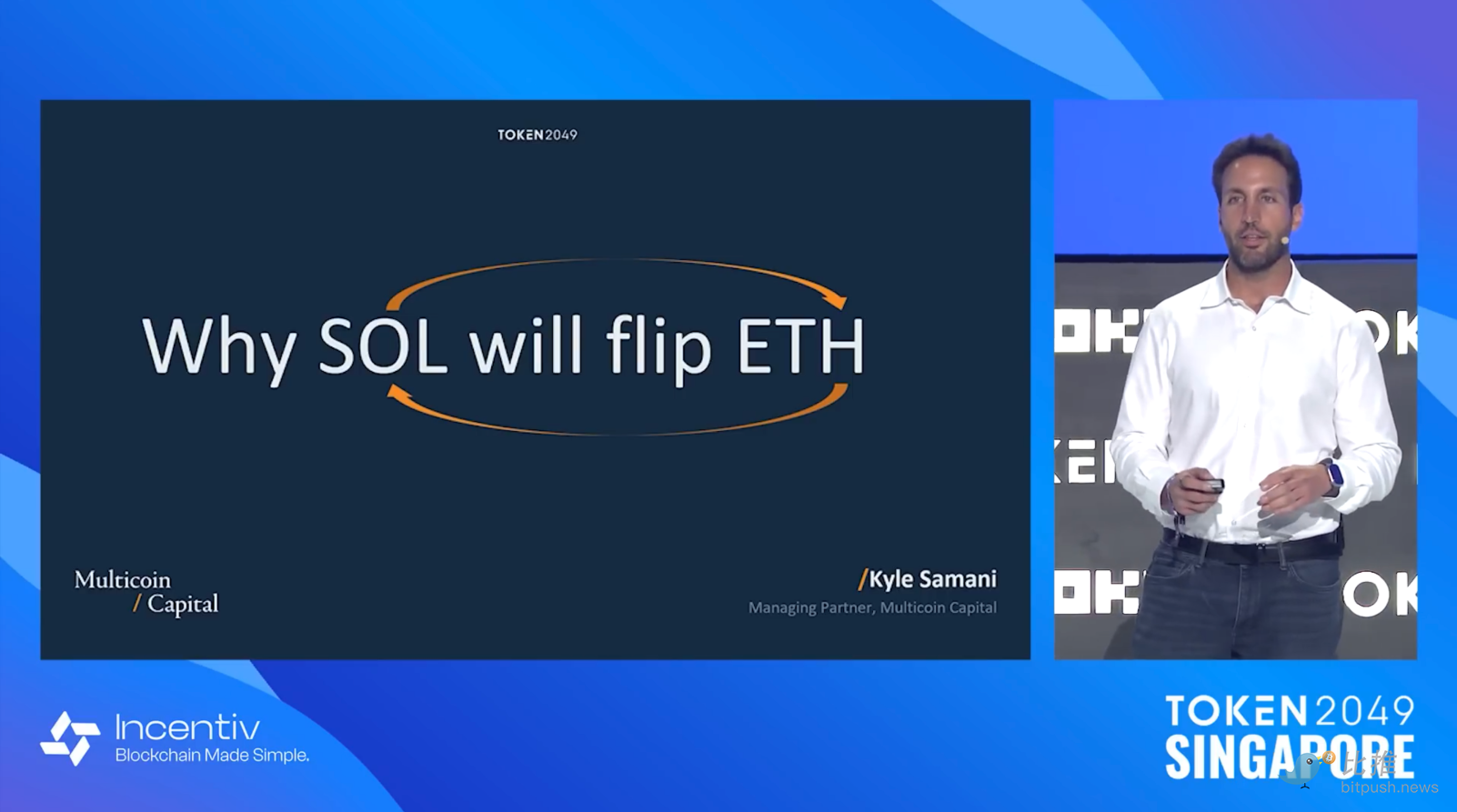
Enjoying provocation and making comparisons is also a very distinct characteristic of Samani. At the Token2049 conference in 2024, Samani gave a speech titled "Why SOL Will Disrupt ETH." He mercilessly criticized Ethereum's slow progress, stating it still had numerous problems after nine years of operation. He also said people had been too tolerant of it, giving it an excessively long buffer period. Samani even directly asserted: Ethereum assets no longer have room for appreciation.
However, although Samani bet correctly on Solana, as well as top brands like Binance and Helium, his vision wasn't always so accurate. For example, Samani once stated in 2020: In two years, Zcash will be worthless. Yet this privacy-focused cryptocurrency remains one of the mainstream altcoin projects, and its price even surged to nearly $700 in the second half of last year. In terms of investments, Multicoin also bet on "doomed" projects like EOS.

Furthermore, both Multicoin Capital and Solana had close ties to the bankrupt exchange FTX. And with the collapse of FTX, Samani and Multicoin's aggressive investments once again entered dangerous territory.

In November 2022, several anonymous LPs reported to media outlet Axios: Multicoin cashed out a large amount of crypto assets at the end of the 2021 bull market but did not follow the常规 practice of distributing most of the proceeds to LPs to cover taxes. Instead, the funds were used to continue buying Solana's SOL tokens.按理, after a large liquidation, about 40% should be distributed to LPs to cover taxes, but the fund did not execute this operation at the time.

The result was that after the sharp drop in SOL's price in 2022, LPs not only failed to realize profits in time but were also burdened with high tax bills. Sources also pointed out that management seemed indifferent to SOL's nearly 90% drawdown. Additionally, when FTX went bankrupt, it was revealed that Multicoin had about 15% of its assets locked on the exchange, further exacerbating investor dissatisfaction.

A Semi-Exit Stance, Yet Abandoning the Web3 Vision?

Although the narratives and behaviors surrounding Samani are full of controversy, as a top-tier investor in the industry, few would question Samani's weight. This is also why Samani's semi-resignation announcement in early 2026 caused such a huge轰动 and emotional resonance.

In his open letter, Samani stated that he would fade out of his management role at Multicoin, transition to an advisory role for a temporary rest, and explore new technology fields such as artificial intelligence, life sciences, and robotics. He also said he believes more than ever that crypto technology will彻底 reshape the financial system and emphasized that although he will professionally step away, he will continue to invest personally in crypto projects, particularly看好 the new opportunities brought by US crypto regulations.

However, in a post published a few hours earlier that was later deleted, Samani did not appear so gracious—he criticized that cryptocurrency wasn't as interesting as expected and stated that he used to believe in the vision of Web3 and decentralized applications (DApps), but no longer does. This somewhat "turning from fan to critic" statement quickly sparked controversy.
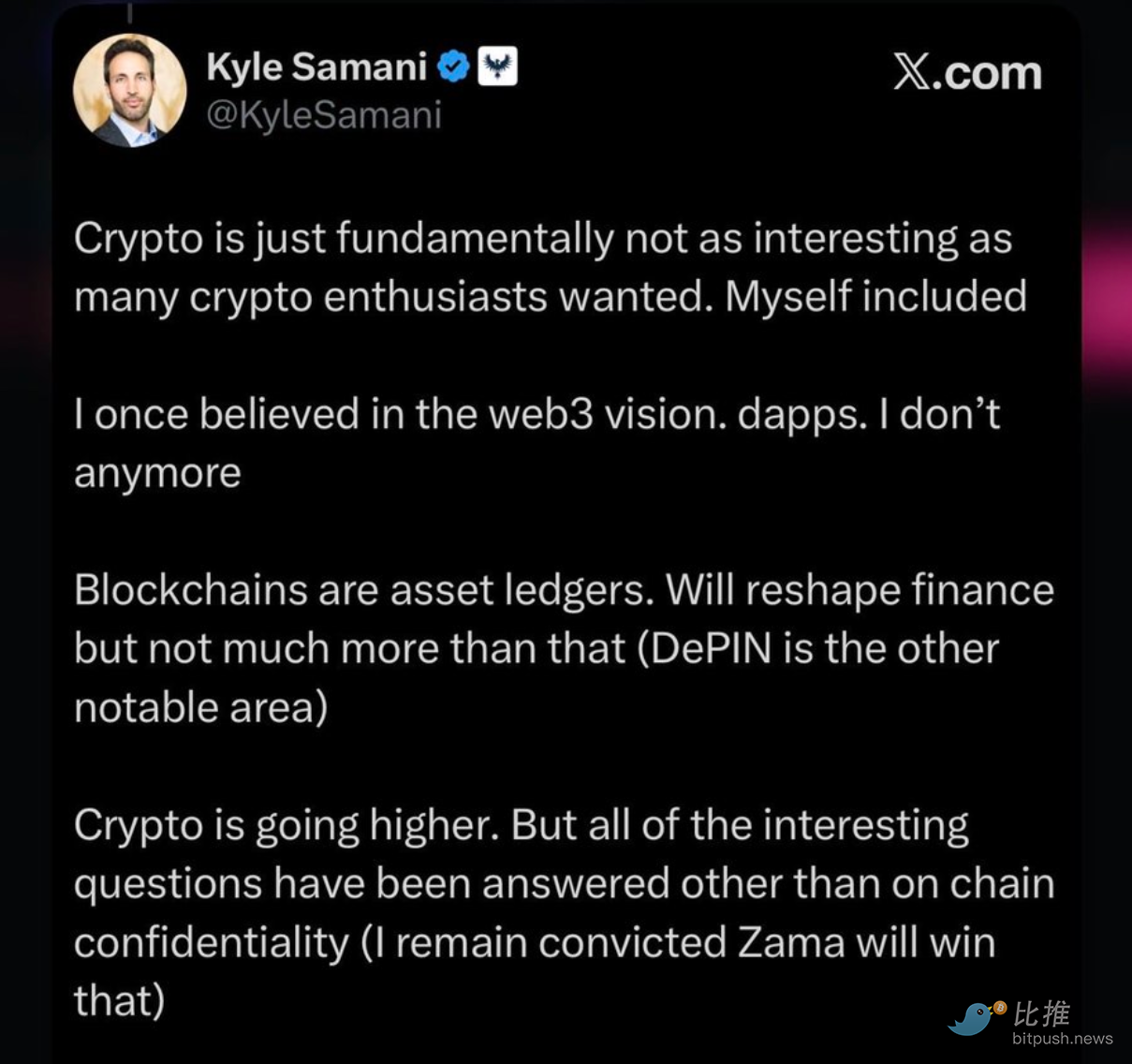
In replies to some comments, Samani himself tried to downplay the situation. He stated that he still holds large long positions in SOL and cryptocurrencies and will continue to participate in the crypto market "in a personal capacity and as Chairman of the Solana treasury company Forward Industries." Samani also stated he would apply to redeem his Multicoin fund shares with Forward stock, meaning he will increase his stake in Forward. This operation also proves that, despite "stepping back," Samani's personal financial bet on Solana has not decreased.

Perseverance Leads to Clear Skies and the Moon

Regarding Samani's exit, many see it as the end of an era. When one of the best crypto investors no longer believes in the industry's development, it further catalyzes the current pessimistic sentiment and atmosphere.

We can bring the story back to Pristine, Samani's first entrepreneurial "semi-finished product." In fact, although Pristine, riding the wave of Google Glass, faced the collapse of the "consumer adoption narrative" at the time, making the industry's prospects and pace unclear, and Pristine as a company was later acquired and exited.

But what disappeared was the company name and capital structure; what remained was the capability spectrum and commercialization path.

The product capabilities represented by Pristine—"first-person video streaming," "remote expert collaboration"—were not failures. They were integrated into larger platforms and continued to iterate. Pristine was acquired in 2017 by Upskill, a leading US AR software company; the latter was then acquired by German tech company TeamViewer in 2021, and its AR platform was integrated into TeamViewer's industrial frontline digital product line.

Today, with the great strides in AI development, the Google Glass era may be over, but Google's announcement at the end of 2024 to重新押注AI smart glasses under the Android XR system has once again laid out a commercial blueprint for the赛道 where Pristine once was. This return to platformization means that the imagination once folded due to hardware limitations may unfold again in another way.
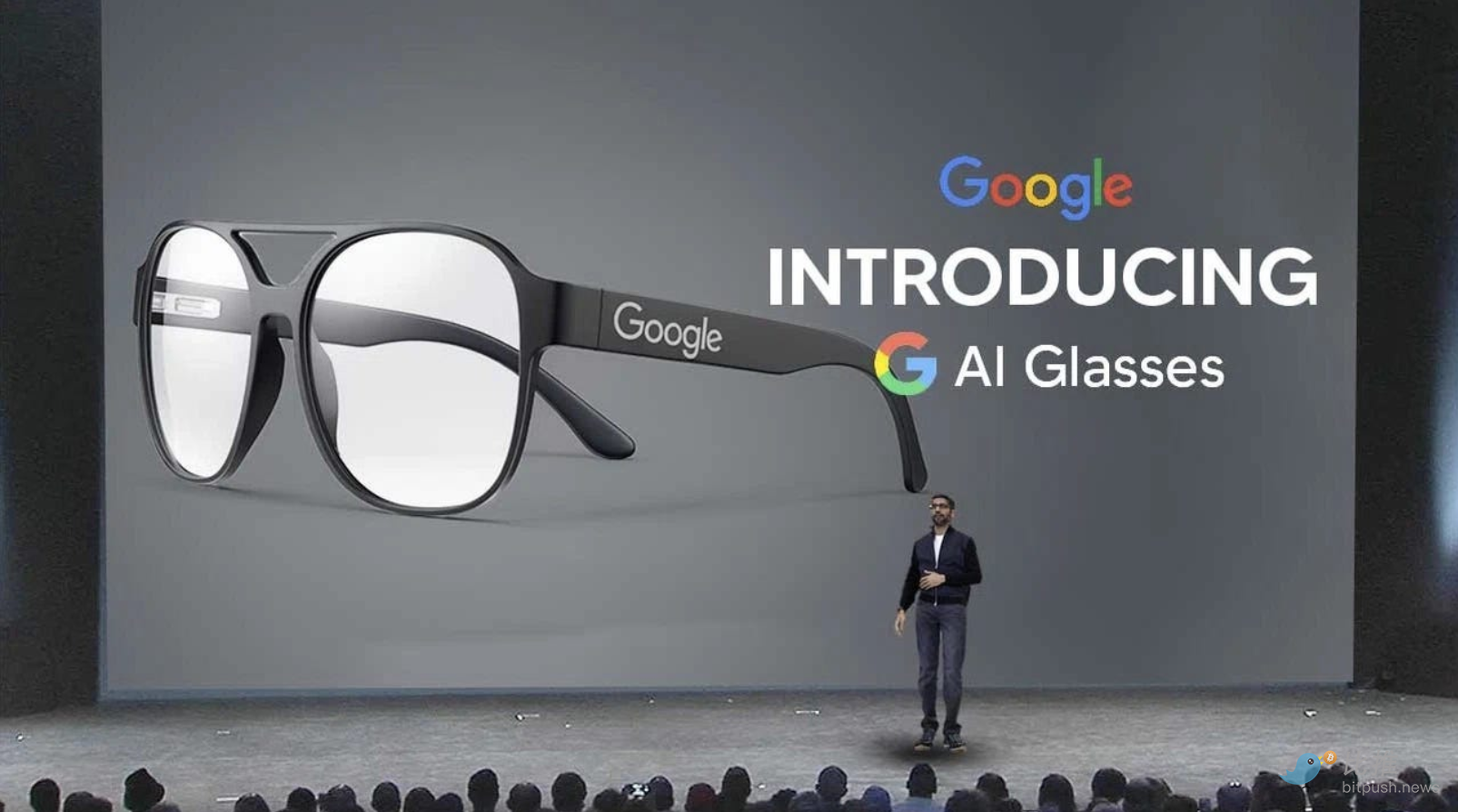
To some extent, the point where Samani left Pristine a decade ago can form a mirror image with today's cryptocurrency industry.

In Samani's deleted statement, what he negated was not the narrative of whether blockchain can change finance, but the grand vision of whether Web3/consumer-grade dApps can still give birth to killer applications. The crypto industry is currently also experiencing a contraction of vision, but narrative contraction does not equal narrative death.

The "platform risk" that made Samani exit ten years ago did not pronounce the final verdict on the赛道. It只是 pushed the赛道 into a longer period of dormancy. The fate of Pristine and its technological products was not "waiting for spring," but transforming themselves into a form that could survive the winter. Until stronger AI capabilities, more mature platforms, and more realistic product forms appear, thus opening up space again.

The crypto industry may be the same. What is being denied today is the grand narrative of the "next generation of the internet," but it does not mean it can never孕育 non-financial killer applications.

It might just need new "platform conditions" to complete its second development: clearer regulatory boundaries, stronger user-grade privacy and identity infrastructure, more usable on-chain interaction paradigms, or more innovative AI+Web3 paradigms.

As a16z Crypto founder Chris Dixon said: "The messy years are what make the glory years later."

No one is a先知 who guesses everything correctly, but perseverance leading to clear skies and the moon, and finding a new village after dark willows and bright flowers, often play out repeatedly.


Twitter:https://twitter.com/BitpushNewsCN

Bitpush TG Discussion Group:https://t.me/BitPushCommunity

Bitpush TG Subscription: https://t.me/bitpush

Original link:https://www.bitpush.news/articles/7610404

Tiền kỹ thuật số thịnh hành

Câu hỏi Liên quan

QWhy did Kyle Samani step back from daily management at Multicoin Capital in early 2026?

AKyle Samani stepped back from daily management at Multicoin Capital to shift his focus towards new technology areas such as AI, robotics, and life sciences, while still maintaining personal investments in cryptocurrency.

QWhat was the controversial statement Kyle Samani made and later deleted before his official announcement?

AHe stated that 'cryptocurrency is not as interesting as many (including myself) once imagined' and that he no longer believes in the vision of Web3 and dApps, despite having previously supported it.

QWhat event in 2017 caused Kyle Samani to become critical of Ethereum and turn towards Solana?

AThe DevCon developer conference in November 2017, where Vitalik Buterin's keynote speech focused on reviewing Ethereum's history rather than addressing its future challenges, particularly scalability issues, led Samani to lose faith in Ethereum and seek alternatives like Solana.

QHow did Kyle Samani's early entrepreneurial experience with Pristine influence his interest in blockchain technology?

AHis company Pristine, which developed software for Google Glass, faced significant platform risk when Google discontinued consumer sales of the product. This experience made him attracted to the idea of an open platform immune to such risks, leading him to explore Ethereum and cryptocurrency.

QWhat does the article suggest about the future of cryptocurrency and Web3 despite Samani's shifted focus?

AThe article suggests that while the grand narrative of 'the next generation of the internet' may be contracting, it does not mean the death of the vision. The industry might need new platform conditions, such as clearer regulations, better privacy infrastructure, or innovative AI+Web3 paradigms, to eventually develop non-financial killer applications.

Nội dung Liên quan

SpaceX, AI và XRP: Tại sao lần chuyển dịch tài sản tiếp theo có thể khác biệt?

Bài viết khám phá sự hội tụ tiềm năng của ba lĩnh vực công nghệ - Cơ sở hạ tầng vũ trụ (đại diện bởi SpaceX), Trí tuệ nhân tạo (AI) và mạng lưới thanh toán blockchain (như XRP) - như là động lực chính cho một đợt chuyển dịch tài sản và chu kỳ đầu tư cơ sở hạ tầng mới. Nội dung chính cho rằng, khi các động lực tăng trưởng truyền thống chậm lại, vốn toàn cầu đang tìm kiếm các hệ thống nền tảng mới. Các dự án cơ sở hạ tầng không gian, mạng lưới vệ tinh, trung tâm dữ liệu và năng lực tính toán AI sẽ thúc đẩy nhu cầu lớn về hàng hóa cơ bản. Đồng thời, các hoạt động kinh tế mới nổi này sẽ cần một lớp giải quyết thanh toán toàn cầu hiệu quả, nơi các tài sản kỹ thuật số tập trung vào thanh toán và khả năng tương tác như XRP có thể đóng vai trò then chốt. Bài viết nhấn mạnh sự chuyển dịch từ một "câu chuyện đầu cơ" sang một "câu chuyện cơ sở hạ tầng" trong thị trường tài sản kỹ thuật số, nơi giá trị sẽ ngày càng được xác định bởi tiện ích thực tế như khối lượng giao dịch, hoạt động thanh toán và sự tích hợp với AI (ví dụ: các tác nhân AI thực hiện giao dịch tự động). Sự rõ ràng về mặt quy định được coi là yếu tố quan trọng để thúc đẩy việc áp dụng rộng rãi hơn bởi các tổ chức. Tóm lại, tác giả đưa ra viễn cảnh về một nền kinh tế tương lai, nơi các hệ thống cơ sở hạ tầng vật chất (vũ trụ, AI), nhu cầu nguyên vật liệu và lớp tài chính kỹ thuật số (blockchain) hội tụ, tạo ra cơ hội đầu tư sớm cho những ai nhận ra xu hướng này.

marsbit1 giờ trước

SpaceX, AI và XRP: Tại sao lần chuyển dịch tài sản tiếp theo có thể khác biệt?

marsbit1 giờ trước

Đếm ngược GPT-5.6: Từ bỏ ảo tưởng API đơn nhất, tốc độ lặp lại sức mạnh tính toán nhanh đến mấy cũng không chống nổi một tờ quy định tuân thủ

Giữa tháng 6, ba sự kiện – Fable 5 bị giới hạn tuân thủ, GLM-5.2 được mã nguồn mở và thời điểm ra mắt GPT-5.6 bị rò rỉ – đánh dấu bước ngoặt cho ngành AI toàn cầu. Các logic vận hành cơ bản đang được định hình lại: 1. **"Khả năng sử dụng" quan trọng hơn "tính tiên tiến":** Chuỗi cung ứng mô hình lớn bước vào giai đoạn "hai luồng" với mã nguồn đóng được kiểm soát và mã nguồn mở triển khai cục bộ cùng tồn tại. 2. **Rào cản cạnh tranh thay đổi:** Các gã khổng lồ mã nguồn đóng chuyển trọng tâm từ "trí tuệ ngôn ngữ" sang "trí tuệ không gian (mô hình thế giới)" đòi hỏi lượng lớn sức mạnh tính toán. 3. **Thiết kế "phi mô hình" là yêu cầu sống còn:** Để đối phó rủi ro tuân thủ xuyên quốc gia, các nhà phát triển ứng dụng phải đảm bảo tính liên tục kinh doanh bằng cách tách biệt logic nghiệp vụ khỏi một mô hình cụ thể. Sự kiện Fable 5 của Anthropic bị hạn chế truy cập chỉ sau 72 giờ đối với người dùng không phải công dân Mỹ cho thấy rủi ro tuân thủ có thể vô hiệu hóa bất kỳ lợi thế công nghệ nào. Trong bối cảnh đó, các mô hình mã nguồn mở như GLM-5.2 của Trí Phổ AI trở thành lựa chọn dự phòng chiến lược, nhờ hiệu suất được cải thiện, chi phí thấp hơn đáng kể và khả năng triển khai cục bộ. Để tái khẳng định giá trị, các hãng mã nguồn đóng như OpenAI đang định vị lại. GPT-5.6 (dự kiến ra mắt) chuyển trọng tâm sang "trí tuệ không gian", nhằm tạo khoảng cách thế hệ mới trong các lĩnh vực như mô phỏng công nghiệp và robot – nơi đòi hỏi sức mạnh tính toán khổng lồ. Bài học rõ ràng: Trong môi trường hiện nay, việc đánh giá cơ sở hạ tầng AI không thể chỉ dựa trên hiệu suất kỹ thuật. Khả năng truy cập ổn định và tuân thủ quy định đã trở thành các yếu tố tiên quyết ngang bằng. Đối với các doanh nghiệp, việc phụ thuộc hoàn toàn vào API của một nhà cung cấp duy nhất là rủi ro cao. Thiết kế kiến trúc "phi mô hình" để có thể chuyển đổi linh hoạt giữa các giải pháp là điều tối cần thiết để đảm bảo tính liên tục trong kinh doanh.

marsbit2 giờ trước

Đếm ngược GPT-5.6: Từ bỏ ảo tưởng API đơn nhất, tốc độ lặp lại sức mạnh tính toán nhanh đến mấy cũng không chống nổi một tờ quy định tuân thủ

marsbit2 giờ trước

Cuộc Chiến 'Trợ Cấp Token' của Những Gã Khổng Lồ AI Sắp Kết Thúc Chưa?

Cuộc chiến trợ cấp Token giữa các gã khổng lồ AI như OpenAI, Anthropic và Google đang diễn ra quyết liệt. Hiện tại, người dùng đang được hưởng mức giá "bẻ gãy" khi các công ty này bù lỗ nặng để thu hút và giữ chân người dùng, đặc biệt là các gói cao cấp. Tuy nhiên, khác với các cuộc chiến trợ cấp thời internet, token AI hầu như không tạo ra hiệu ứng "khóa" người dùng do việc chuyển đổi giữa các nền tảng là quá dễ dàng. Bill Maris, người sáng lập Google Ventures, dự đoán 100% rằng Google - với lợi thế từ cỗ máy in tiền quảng cáo khổng lồ - có thể hạ giá token thêm 80%, gây áp lực khủng khiếp lên các đối thủ phụ thuộc vào vốn đầu tư như OpenAI và Anthropic. Điều này đặt ra câu hỏi về tính bền vững của mô hình kinh doanh khi họ phải công khai báo cáo tài chính sau IPO. Bài viết phân tích hai kịch bản có thể xảy ra: 1) Mô hình "dịch vụ internet" với một vài công ty thống trị rồi tăng giá, hoặc 2) Token trở thành cơ sở hạ tầng tiêu chuẩn như "điện, nước", nơi cạnh tranh đẩy giá xuống sát chi phí và lợi nhuận trở nên rất thấp. Do thiếu hiệu ứng khóa chân người dùng, kịch bản thứ hai có vẻ thực tế hơn. Cuộc chiến này có thể không có kẻ chiến thắng rõ ràng, mà là một cuộc chạy đua tiêu hao kéo dài nhằm giữ vị trí trên "bàn chơi", thúc đẩy AI trở thành một tiện ích cơ sở hạ tầng công cộng mà không công ty nào có thể độc chiếm. Đối với người dùng, điều này có nghĩa là họ có thể tiếp tục được hưởng lợi từ các giao dịch "hời" trong một thời gian dài hơn.

marsbit2 giờ trước

Cuộc Chiến 'Trợ Cấp Token' của Những Gã Khổng Lồ AI Sắp Kết Thúc Chưa?

marsbit2 giờ trước

Ngoài sân cỏ: Trò chơi đầu cơ xoay quanh World Cup

Bên cạnh sân cỏ, World Cup 2026 đã tạo ra một mạng lưới đầu cơ đa dạng, biến sự kiện thể thao thành một thí nghiệm đầu tư toàn cầu kéo dài hàng tháng. Thị trường dự đoán (như Polymarket, Kalshi) nổi lên như một kịch bản đầu cơ mới, thu hút khối lượng giao dịch khổng lồ, thậm chí lấn át sự phát triển của các nền tảng cá cược truyền thống vốn vẫn là thị trường cơ bản lớn nhất. Các cổ phiếu khái niệm liên quan đến World Cup, như cổ phiếu "gà rán" của Hàn Quốc hay cổ phiếu liên quan đến đội tuyển Nhật Bản, biến động mạnh theo kết quả thi đấu và tâm lý người hâm mộ. Thị trường vé xem trở thành sân chơi đầu cơ phức tạp, với việc bán lại vé, giao dịch quyền mua vé (RTB) và cả hành vi "bán khống" vé trên các sàn thứ cấp. Các mặt hàng sưu tầm như sticker Panini hay áo đấu phiên bản giới hạn cũng được săn đón và định giá lại trên thị trường thứ cấp. Lĩnh vực tiền điện tử chứng kiến sự bùng nổ của các meme coin lợi dụng chủ đề World Cup, mang lại lợi nhuận siêu tốc cho một số ít nhưng cũng tiềm ẩn rủi ro sụp đổ lớn. Cuối cùng, một lớp dịch vụ khác thu lợi bằng cách cung cấp công cụ theo dõi giá vé, thông tin hoặc lời khuyên cá cược cho chính những người tham gia vào cuộc chơi đầu cơ này. Tóm lại, World Cup không chỉ là lễ hội bóng đá mà còn là một cửa sổ toàn cầu hiếm có, nơi sự chú ý, cảm xúc và nguồn lực được nén lại, tạo ra một hệ sinh thái đầu cơ đa tầng phức tạp xoay quanh nó.

marsbit3 giờ trước

Ngoài sân cỏ: Trò chơi đầu cơ xoay quanh World Cup

marsbit3 giờ trước

Tuyên Bố ETF Hyperliquid Thu Hút Sự Chú Ý Khi Câu Chuyện HYPE Phát Triển Trên X

Tuyên bố từ AlphaOnChain trên X (trước đây là Twitter) ngày 20 tháng 6 cho biết ba quỹ ETF Hyperliquid (HYPE) được ra mắt vào tháng 5 năm 2026 đã tích lũy tổng cộng 158 triệu USD tài sản. Trong đó, ETF Bitwise HYPE được cho là có 88 triệu USD và ETF 21Shares HYPE có 66 triệu USD. Thông tin này đã thu hút sự chú ý vào cuối tuần, củng cố cho nhận định rằng HYPE đang trở thành một trong những đồng altcoin được theo dõi sát sao, khi các nhà giao dịch tìm kiếm cơ hội vượt trội ngoài Bitcoin và Ethereum. Tuy nhiên, bài viết nhấn mạnh một cảnh báo quan trọng: các con số này đến từ một bài đăng trên mạng xã hội, chưa được xác minh bởi dữ liệu chính thức từ nhà phát hành quỹ, hồ sơ trao đổi hoặc trang thông tin quỹ. Do đó, chúng nên được coi là một tín hiệu cho thấy sự quan tâm ngày càng tăng xung quanh đồng tiền HYPE, chứ không phải là bằng chứng cuối cùng về dòng tiền thực tế. Hyperliquid thu hút cộng đồng nhờ hệ sinh thái tập trung vào giao dịch perpetual trên chuỗi và cơ sở hạ tầng sàn giao dịch. Nếu các sản phẩm ETF liên quan đến HYPE thực sự thu hút được lượng tài sản đáng kể, điều này có thể cho thấy nhu cầu từ cả tổ chức và nhà đầu tư cá nhân đang bắt đầu mở rộng sang các tài sản crypto có rủi ro cao hơn. Đối với các nhà giao dịch, dù sự quan tâm trên mạng xã hội có thể tác động ngắn hạn đến thị trường, nhưng sự tăng trưởng bền vững thường cần đến nhu cầu đã được xác nhận, thanh khoản và sự phát triển liên tục của hệ sinh thái.

bitcoinist4 giờ trước

Tuyên Bố ETF Hyperliquid Thu Hút Sự Chú Ý Khi Câu Chuyện HYPE Phát Triển Trên X

bitcoinist4 giờ trước

Giao dịch

Giao ngay
Hợp đồng Tương lai

Bài viết Nổi bật

Làm thế nào để Mua ZEN

Chào mừng bạn đến với HTX.com! Chúng tôi đã làm cho mua Horizen (ZEN) trở nên đơn giản và thuận tiện. Làm theo hướng dẫn từng bước của chúng tôi để bắt đầu hành trình tiền kỹ thuật số của bạn.Bước 1: Tạo Tài khoản HTX của BạnSử dụng email hoặc số điện thoại của bạn để đăng ký tài khoản miễn phí trên HTX. Trải nghiệm hành trình đăng ký không rắc rối và mở khóa tất cả tính năng. Nhận Tài khoản của tôiBước 2: Truy cập Mua Crypto và Chọn Phương thức Thanh toán của BạnThẻ Tín dụng/Ghi nợ: Sử dụng Visa hoặc Mastercard của bạn để mua Horizen (ZEN) ngay lập tức.Số dư: Sử dụng tiền từ số dư tài khoản HTX của bạn để giao dịch liền mạch.Bên thứ ba: Chúng tôi đã thêm những phương thức thanh toán phổ biến như Google Pay và Apple Pay để nâng cao sự tiện lợi.P2P: Giao dịch trực tiếp với người dùng khác trên HTX.Thị trường mua bán phi tập trung (OTC): Chúng tôi cung cấp những dịch vụ được thiết kế riêng và tỷ giá hối đoái cạnh tranh cho nhà giao dịch.Bước 3: Lưu trữ Horizen (ZEN) của BạnSau khi mua Horizen (ZEN), lưu trữ trong tài khoản HTX của bạn. Ngoài ra, bạn có thể gửi đi nơi khác qua chuyển khoản blockchain hoặc sử dụng để giao dịch những tiền kỹ thuật số khác.Bước 4: Giao dịch Horizen (ZEN)Giao dịch Horizen (ZEN) dễ dàng trên thị trường giao ngay của HTX. Chỉ cần truy cập vào tài khoản của bạn, chọn cặp giao dịch, thực hiện giao dịch và theo dõi trong thời gian thực. Chúng tôi cung cấp trải nghiệm thân thiện với người dùng cho cả người mới bắt đầu và người giao dịch dày dạn kinh nghiệm.

Tổng lượt xem 332Xuất bản vào 2024.12.12Cập nhật vào 2026.06.02

Làm thế nào để Mua ZEN

Thảo luận

Chào mừng đến với Cộng đồng HTX. Tại đây, bạn có thể được thông báo về những phát triển nền tảng mới nhất và có quyền truy cập vào thông tin chuyên sâu về thị trường. Ý kiến ​​của người dùng về giá của ZEN (ZEN) được trình bày dưới đây.

活动图片