The 'Crisis Helmsman' of Financial Markets Passes Away: Reflecting on Greenspan's Federal Reserve Career

marsbitXuất bản vào 2026-06-22Cập nhật gần nhất vào 2026-06-22

Tóm tắt

Former Federal Reserve Chairman Alan Greenspan, known as the 'crisis helmsman' of financial markets, has passed away at 100. His nearly 19-year tenure spanned four presidencies, from the 1987 stock market crash to the internet boom. Initially hailed as the 'Maestro' for his crisis management—famously intervening after Black Monday and during the LTCM collapse—his legacy became intertwined with the 2008 financial crisis. His market-friendly philosophy and the "Greenspan Put," an expectation of Fed support during downturns, were praised for fostering stability and growth in the 1990s but later criticized for encouraging excessive risk-taking and contributing to the housing bubble. Greenspan's career encapsulates the central debate of his era: whether markets can self-correct and if central banks should actively deflate asset bubbles. His passing reignites questions about the fine line between stabilizing markets and inadvertently sowing the seeds for the next crisis.

Former US Federal Reserve Chairman Alan Greenspan passed away on Monday at his home in Washington at the age of 100, due to complications from Parkinson's disease. His wife, Andrea Mitchell, NBC News' chief Washington correspondent, announced the news. To global markets, Greenspan was more than just the name of a former central banker: he presided over the Fed for nearly 19 years, witnessing America's journey from the 1987 stock market crash to the internet boom, and later becoming a central figure in the historical questioning surrounding the 2008 financial crisis after leaving office.
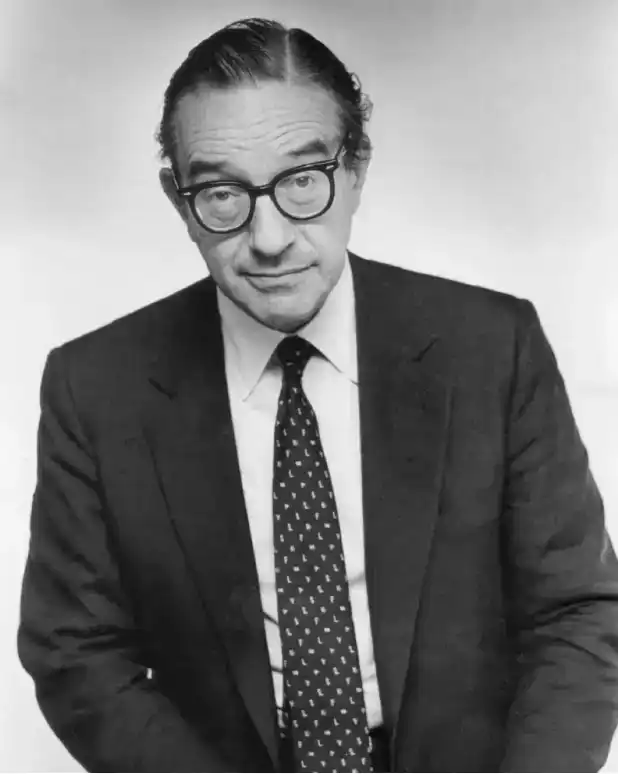
His life almost encapsulates the core debates of the US capital markets over the past few decades: whether markets can truly self-regulate, and whether central banks should actively intervene to prevent bubbles.

Presided over the Fed for Nearly 19 Years, Spanning Four Presidents

Greenspan assumed the role of Federal Reserve Chairman in August 1987 and served until January 2006, a tenure of nearly 19 years, making him the second-longest-serving Fed Chair in US history, second only to William McChesney Martin.

This tenure spanned the administrations of Ronald Reagan, George H.W. Bush, Bill Clinton, and George W. Bush, and covered the late Cold War, the internet wave, accelerated globalization, and the expansion of financial innovation. His ability to secure consecutive appointments across partisan administrations itself spoke to his unique position bridging Washington and Wall Street.

At his peak, Greenspan was often referred to as the "Maestro." This title wasn't merely personal acclaim; it represented the strong confidence in technological progress, free markets, and capital market efficiency that characterized the US in the 1990s. During that period of prolonged economic expansion, with inflation remaining moderate and stock markets and productivity rising in tandem, there was a widespread belief that central banks could sustain growth and stability without heavy-handed market intervention.

Greenspan's public persona was also marked by that of a technocrat. He was known for his cautious, often obscure, speech, yet markets would dissect his every word, searching for hints about the direction of interest rates. This era, where "a single sentence from the Fed Chair could sway global markets," reached its zenith during his tenure.

From the 1987 Crash to 9/11, He Was Once Seen as the Crisis Helmsman

Greenspan faced his first major test shortly after taking office. In October 1987, the US stock market experienced "Black Monday," with the Dow Jones Industrial Average plummeting in a single day. The Federal Reserve's swift injection of liquidity to support the markets was seen as a crucial step in stabilizing the financial system.

Thereafter, he navigated the Asian financial crisis, the Russian debt crisis, the Long-Term Capital Management (LTCM) turmoil, and the market shock following the September 11, 2001 attacks. At these junctures, the Fed's liquidity support and rate cuts reinforced Greenspan's image as a "crisis manager."

This policy style later became known in market parlance as the "Greenspan Put." It wasn't a formal policy but rather a market expectation: when asset prices fell sharply and the financial system was under pressure, the Fed would step in to provide a backstop. For investors, this expectation reduced panic; but from another perspective, it could also encourage higher leverage and more aggressive risk-taking.

Greenspan himself was not simply synonymous with "forever easy" policy. In 1996, he famously warned of stock market excess with the phrase "irrational exuberance," a line that became legendary in financial history. The problem, however, was that the warning did not translate into forceful policy action to suppress the asset bubble. For him, it was difficult for a central bank to accurately judge when a bubble was forming, and equally hard to preemptively burst it without harming the real economy.

This judgment appeared pragmatic during the boom times but became a starting point for controversy after the crisis.

Market-Friendly Philosophy, Re-examined After 2008

The underlying philosophy of Greenspan's policy was market-friendly. He believed market prices aggregated information, that financial innovation dispersed risk, and that excessive regulation would undermine efficiency. He was also a long-term supporter of free trade, deregulation, and technology-driven productivity gains.

This philosophy aligned perfectly with the economic atmosphere of the US in the 1990s. Following the Cold War's end, the expansion of globalization and information technology brought immense optimism. Financial innovation accelerated on Wall Street, with complex derivatives, securitized products, and bank off-balance-sheet activities proliferating. Before the crisis erupted, these instruments were often described as progress that improved capital allocation efficiency and dispersed financial risk.

But the 2008 financial crisis reshaped Greenspan's historical standing.

Critics argued that the Fed maintained low interest rates for too long after the dot-com bubble burst and 9/11, fueling housing market overheating; that regulators were overly tolerant of risk expansion by banks and Wall Street, failing to curb the growth of mortgage-backed securities, leverage, and complex financial products; and that the central bank, aware that asset prices might be deviating from fundamentals, was unwilling to directly confront bubbles.

This criticism does not mean the 2008 crisis can be attributed to Greenspan alone. Its causes were multifaceted, including regulatory structures, institutional incentives, rating systems, housing policies, global capital flows, and more. However, as the preeminent monetary policymaker and a leading proponent of free-market ideology before the crisis, it was perhaps inevitable that he would become a focal point of the debate.

Greenspan defended his policy legacy in his later years. He acknowledged a flaw in his judgment regarding the self-restraint capacity of financial institutions but also emphasized that bubbles are often difficult to accurately identify as they form, and that policymakers cannot possibly grasp the full picture of a crisis in advance.

His Historical Assessment Remains Suspended Between Two Eras

The reason Greenspan's passing still captures global market attention is that the debates surrounding him have not faded with time.

In the eyes of his supporters, he was the central bank helmsman during a prolonged period of American prosperity, maintaining financial system stability through multiple external shocks and helping guide the US economy through a critical transition from high-inflation memories to a low-inflation growth phase. Without the Greenspan era, it would be difficult to understand the optimism of the 1990s US capital markets and the global investor trust in the Federal Reserve.

In the eyes of his critics, he is also an iconic figure of an era of financial permissiveness. Low interest rates, light-touch regulation, and faith in the market's self-correcting abilities ultimately exposed their costs in the housing bubble, subprime crisis, and global financial system imbalances. After 2008, the shift in the Fed and the US regulatory system toward stronger oversight and larger-scale intervention was, in some ways, a reaction against the Greenspan era.

This is precisely the complexity of Greenspan's legacy: he was neither purely a creator of prosperity, nor can he be simply labeled the architect of crisis. He represented an era that believed markets, technology, and financial innovation could continuously improve economic performance; and the conclusion of that era has forced the world to re-examine the boundaries between central banks, regulation, and markets.

For investors today, Greenspan's death is not merely a historical footnote. Whenever markets bet the Fed will pivot to easing in a crisis, whenever rising asset prices coexist with financial stability risks, the questions of the "Greenspan era" resurface: Is the central bank stabilizing the markets, or is it encouraging the next round of risk accumulation? That question still has no definitive answer.

Câu hỏi Liên quan

QWho was Alan Greenspan, and what was his role in the U.S. Federal Reserve?

AAlan Greenspan was a former Chairman of the United States Federal Reserve. He served in this role for nearly 19 years, from August 1987 to January 2006, making him the second-longest serving Fed Chair in U.S. history.

QWhat was the 'Greenspan Put' and what did it represent in financial markets?

AThe 'Greenspan Put' was not an official policy, but a market expectation that developed during Greenspan's tenure. It referred to the belief that the Federal Reserve, under Greenspan, would intervene with monetary easing or liquidity support to stabilize markets and asset prices during periods of significant financial stress or decline.

QWhat major criticism did Alan Greenspan face following the 2008 financial crisis?

AFollowing the 2008 financial crisis, Greenspan faced criticism for his market-friendly, deregulatory philosophy. Critics argued that the Fed maintained low interest rates for too long after the dot-com bust and 9/11, which helped fuel the housing bubble, and that regulatory oversight was too lax regarding the expansion of risky financial products and leverage in the banking system.

QHow is Alan Greenspan's legacy viewed in the context of two different economic eras?

AGreenspan's legacy is viewed as complex and straddling two eras. Supporters see him as the 'Maestro' who steered the U.S. through a period of long expansion and managed multiple crises, fostering trust in the Fed. Critics view him as a symbol of an era of financial deregulation and excessive faith in market self-correction, whose policies are seen as contributing to the conditions that led to the 2008 crisis.

QWhat is the enduring question about central bank policy that Greenspan's career highlights?

AGreenspan's career highlights the enduring question of whether a central bank, by acting to stabilize markets during downturns (like through the 'Greenspan Put'), is genuinely ensuring stability or inadvertently encouraging the accumulation of risk for the next financial bubble. The debate continues over the proper boundary between market intervention and non-intervention.

Nội dung Liên quan

Bot MEV Khét Tiếng JaredFromSubway Bị Rút Cạn 7,5 Triệu Đô La

Một trong những bot MEV khét tiếng nhất trên Ethereum, có biệt danh JaredFromSubway, đã bị rút cạn khoảng 7,5 triệu USD sau khi các hợp đồng do kẻ tấn công kiểm soát đánh lừa hệ thống tự động của nó cấp phê duyệt token. Theo báo cáo từ công ty an ninh Blockaid, kẻ tấn công đã chuẩn bị bẫy bằng cách sử dụng các đường giao dịch hoặc hợp đồng giả mạo mà bot này diễn giải là cơ hội có lời. Một khi các phê duyệt được cấp, kẻ tấn công đã sử dụng chúng để chuyển tài sản bao gồm WETH, USDC và USDT ra khỏi hợp đồng của bot. Sự cố này nhấn mạnh một rủi ro trong các hệ thống giao dịch tự động: tốc độ có thể trở thành điểm yếu. Các bot cạnh tranh trên thị trường MEV cần hành động nhanh hơn nhưng điều đó cũng đồng nghĩa chúng có thể dễ bị tổn thương bởi các bẫy được thiết kế cẩn thận. Bài học kỹ thuật rộng hơn là bất kỳ hệ thống nào cấp phê duyệt token dựa trên tương tác hợp đồng tự động đều cần các biện pháp bảo vệ nghiêm ngặt, mô phỏng và xác minh đường giao dịch. Vụ việc có vẻ là một cuộc khai thác nhắm mục tiêu vào logic của một bot giao dịch cụ thể, không phải là sự kiện bảo mật ảnh hưởng đến toàn mạng lưới Ethereum. Tác động chính có khả năng là về mặt danh tiếng đối với cơ sở hạ tầng MEV và đối với các nhà vận hành bot, những người giờ đây cần xem xét logic phê duyệt của họ một cách thận trọng hơn.

bitcoinist1 giờ trước

Bot MEV Khét Tiếng JaredFromSubway Bị Rút Cạn 7,5 Triệu Đô La

bitcoinist1 giờ trước

Phân tích Báo cáo: JPMorgan Giải thích Chi tiết Tâm lý Người mua Trước Ngày Công bố Báo cáo Hàng quý của Micron, Tình hình Gần đây của Mảng Phần cứng

Phân tích báo cáo của J.P. Morgan: Tổng quan tâm lý nhà đầu tư trước báo cáo tài chính của Micron và tình hình ngành phần cứng. **Điểm chính:** 1. **Tâm lý tích cực về Micron & ngành bộ nhớ:** Bộ nhớ vẫn là lĩnh vực được kỳ vọng cao nhất trong AI. Nhu cầu AI mạnh mẽ và giá bán (ASP) tiếp tục tăng. Thị trường tập trung vào: khả năng duy trì biên lợi nhuận cao (>80%) của Micron, tiềm năng tăng ASP từ AI và mức độ chi tiết về các hợp đồng dài hạn (SCA) sắp được công bố. 2. **Nhu cầu phần cứng AI mạnh, cổ phiếu phân hóa:** Chuỗi cung ứng phần cứng cho thấy nhu cầu liên quan đến AI vẫn mạnh, nhưng tình hình các công ty khác nhau: * **Celestica (CLS):** Triển vọng biên lợi nhuận cải thiện, tự tin hơn về các dự án mạng AI. * **Western Digital & Seagate:** Hưởng lợi từ môi trường nguồn cung hạn chế và giá cả được cải thiện. * **Fabrinet (FN):** Khả năng dự báo tăng trưởng cho mô-đun quang AI được cải thiện. * **Teradyne (TER):** Doanh thu nửa cuối năm dự kiến giảm, nhưng Google có thể trở thành khách hàng mới quan trọng. 3. **Dự báo chi tiêu vốn AI được điều chỉnh tăng:** J.P. Morgan nâng dự báo tăng trưởng thị trường thiết bị sản xuất wafer (WFE) lên 28% cho năm 2026 và 29% cho năm 2027. DRAM, TSMC, Intel, Samsung Foundry là những nguồn tăng trưởng chính. Các điều kiện tài trợ cho cơ sở hạ tầng AI đang trở nên thuận lợi hơn. **Tín hiệu đáng chú ý từ Celestica:** Sự tự tin về khả năng chuyển chi phí và theo đuổi các dự án mạng AI cho thấy nhu cầu vẫn tập trung vào các nhà cung cấp hàng đầu, và khả năng phân bổ chuỗi cung ứng đang trở thành lợi thế cạnh tranh. **Các yếu tố cần theo dõi:** * Mức độ chi tiết về Hợp đồng Dài hạn (SCA) và triển vọng biên lợi nhuận từ Micron. * Khả năng Arista Networks điều chỉnh tăng hướng dẫn cả năm. * Tiến độ tăng doanh thu từ mô-đun quang cho Amazon của Fabrinet.

marsbit2 giờ trước

Phân tích Báo cáo: JPMorgan Giải thích Chi tiết Tâm lý Người mua Trước Ngày Công bố Báo cáo Hàng quý của Micron, Tình hình Gần đây của Mảng Phần cứng

marsbit2 giờ trước

Phân Tích Báo Cáo: Chủ Tịch Mới Của Fed Ra Mắt, Thay Người Lãnh Đạo Nhưng Kịch Bản Có Đổi?

Bài viết diễn giải báo cáo của Morgan Stanley về cuộc họp FOMC đầu tiên dưới thời Chủ tịch Fed mới Kevin Warsh. Báo cáo đưa ra ba kết luận chính. Thứ nhất, Chủ tịch Warsh đã cố ý không đưa ra lộ trình lãi suất rõ ràng, phù hợp với triết lý cá nhân về việc giảm "hướng dẫn triển vọng". Đồ thị điểm cho thấy dự báo tăng lãi suất một lần trong năm nay, nhưng nếu lạm phát cơ bản giảm mạnh hơn dự kiến, lý lẽ cho việc tăng lãi suất này có thể không còn vững chắc. Thứ hai, lộ trình thu hẹp bảng cân đối kế toán (QT) có thể tích cực hơn dự kiến của thị trường, nhưng tác động thực tế có thể nhỏ hơn lo ngại. Báo cáo chỉ ra các biện pháp như cắt giảm một nửa số dư tài khoản Kho bạc có thể giúp thu hẹp bảng cân đối khoảng 5000 tỷ USD với ít xáo trộn thị trường. Rủi ro chính là nếu Fed chủ động bán các chứng khoán được thế chấp bằng tài sản thế chấp (MBS). Thứ ba, khung chính sách cốt lõi của Fed đang được xem xét lại, nhưng mục tiêu lạm phát 2% trong ngắn hạn sẽ không thay đổi. Việc Fed tinh giản và sắp xếp lại thông cáo FOMC được xem là sự điều chỉnh về hình thức hơn là thay đổi cơ bản về chính sách. Tóm lại, báo cáo cho rằng những thay đổi trong cách Fed giao tiếp có thể bị đánh giá cao quá mức, và thị trường nên chú ý nhiều hơn đến khả năng lạm phát giảm mạnh và quy mô QT mở rộng, thay vì tập trung quá mức vào lộ trình lãi suất.

marsbit2 giờ trước

Phân Tích Báo Cáo: Chủ Tịch Mới Của Fed Ra Mắt, Thay Người Lãnh Đạo Nhưng Kịch Bản Có Đổi?

marsbit2 giờ trước

Tuần Lễ Đối Đầu Quyết Định: BTC Kiểm Tra Lại và Cuộc Chiến Giành Giữ Hỗ Trợ HYPE | Phân Tích Đặc Biệt

**Tuần đối đầu then chốt: BTC kiểm tra lại và cuộc chiến tại vùng hỗ trợ HYPE** Thị trường bước vào giai đoạn đối đầu quan trọng. Phân tích kỹ thuật chỉ ra rằng BTC đang trong giai đoạn kiểm tra lại (pullback) sau khi phá vỡ kênh tăng ngắn hạn (hỗ trợ ~64,500-65,000 USD). Kết quả của đợt kiểm tra này sẽ quyết định hướng đi tiếp theo: hoặc tiếp tục thử thách vùng kháng cự 69,500-70,500 USD, hoặc quay lại thử nghiệm vùng hỗ trợ chính 59,000-60,000 USD. Mô hình theo dõi vị thế hiện xác nhận cấu trúc thị trường nghiêng về phe bán. Đối với HYPE, giá đang hồi về vùng hỗ trợ then chốt 64-66 USD sau khi lập đỉnh cao mới. Kết quả tranh giành tại vùng này rất quan trọng: giữ vững hỗ trợ có thể mở đường cho đà tăng tiếp diễn, trong khi mất vùng này có thể kéo dài thời gian điều chỉnh về vùng 52-54 USD. **Chiến lược giao dịch tuần này:** * **BTC (Trung & Ngắn hạn):** Ưu tiên theo dõi các cơ hội bán ở vùng kháng cự (64,500-65,000 USD và 69,500-70,500 USD) nếu có tín hiệu đảo chiều, với kế hoạch A/B/C cụ thể. Quản lý rủi ro chặt chẽ. * **HYPE (Ngắn hạn):** Tập trung vào chiến lược mua khi giá hồi về và tìm điểm đảo chiều tại các vùng hỗ trợ chính (64-66 USD hoặc 52-54 USD), với khối lượng vừa phải. **Lưu ý đặc biệt:** Mọi phân tích và chiến lược đều cần được điều chỉnh linh hoạt theo diễn biến thị trường. Đây là nhật ký giao dịch cá nhân, không phải lời khuyên đầu tư. Luôn tuân thủ kỷ luật cắt lỗ và quản lý vốn.

marsbit3 giờ trước

Tuần Lễ Đối Đầu Quyết Định: BTC Kiểm Tra Lại và Cuộc Chiến Giành Giữ Hỗ Trợ HYPE | Phân Tích Đặc Biệt

marsbit3 giờ trước

Diễn giải báo cáo: Citi tham dự hội nghị AWS, lạc quan về việc tăng tốc kinh doanh đám mây nhưng quản trị dữ liệu vẫn là biến số then chốt

Phân tích từ Citigroup: AWS chuyển trọng tâm từ thử nghiệm sang triển khai AI quy mô lớn, nhưng quản trị dữ liệu vẫn là yếu tố then chốt. Sau khi tham dự AWS Summit New York và trao đổi với hơn 10 khách hàng, đối tác, nhóm phân tích Tyler Radke của Citigroup cho rằng hội nghị năm nay đánh dấu bước tiến của AWS trong việc đưa AI Agent (trí tuệ nhân tạo tác tử) vào "triển khai có thể mở rộng". Báo cáo nhấn mạnh ba điểm chính: 1. **Chuyển dịch chiến lược:** AWS đã chuyển từ giai đoạn chứng minh khái niệm sang tập trung vào triển khai quy mô doanh nghiệp. Các sản phẩm mới như AWS Context (xây dựng đồ thị tri thức tự động), Amazon Quick (trợ lý AI xuyên ứng dụng) và Continuum (an ninh) nhắm vào các điểm khó trong triển khai thực tế. 2. **Lợi ích cho hạ tầng dữ liệu:** Các công ty cung cấp hạ tầng dữ liệu như Snowflake, Elastic, Oracle và ClickHouse được hưởng lợi trực tiếp từ xu hướng mở rộng quy mô AI, khi nhu cầu lưu trữ, xử lý và phân tích dữ liệu phức tạp tăng lên. 3. **Quản trị dữ liệu là chìa khóa:** Khi số lượng AI Agent tăng từ hàng trăm lên hàng nghìn, việc đảm bảo mỗi Agent truy cập đúng dữ liệu với đúng quyền hạn trở thành vấn đề sống còn để AI có thể xử lý nghiệp vụ cốt lõi. AWS Context được xem là bước đi chiến lược của AWS trong việc cung cấp lớp cơ sở hạ tầng cho quản trị dữ liệu, một yếu tố quyết định việc chuyển đổi AI từ dự án thí điểm thành phần then chốt trong quy trình doanh nghiệp. Citigroup duy trì đánh giá "Mua" đối với Amazon, dự báo tốc độ tăng trưởng doanh thu AWS sẽ tăng tốc lên 37% vào năm tài chính 2027 (so với 30% của FY26). Các tín hiệu cần theo dõi bao gồm tốc độ tăng trưởng doanh thu AWS, tốc độ tăng trưởng khối lượng công việc trên AWS Bedrock AgentCore và tác động của biến động giá cả từ các nhà cung cấp hạ tầng dữ liệu đến nhu cầu thực tế.

marsbit3 giờ trước

Diễn giải báo cáo: Citi tham dự hội nghị AWS, lạc quan về việc tăng tốc kinh doanh đám mây nhưng quản trị dữ liệu vẫn là biến số then chốt

marsbit3 giờ trước

Giao dịch

Giao ngay
Hợp đồng Tương lai
活动图片