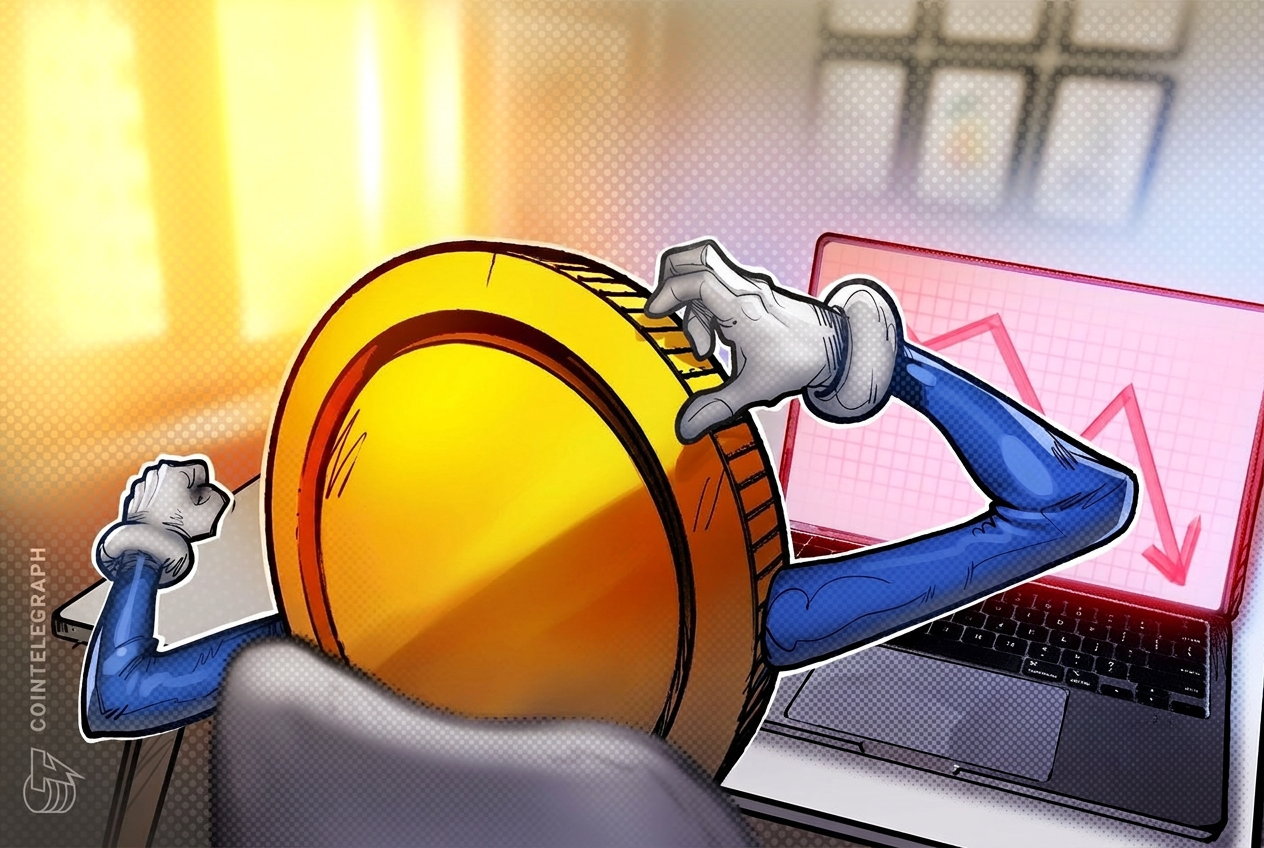
Stablecoins Are Becoming a Bank Run Risk — and Banks Know It

ccn.comXuất bản vào 2026-02-01Cập nhật gần nhất vào 2026-02-01

Tóm tắt

Stablecoins, initially designed as digital dollar equivalents, are now seen as a potential risk for bank runs, prompting regulatory and market responses. In Washington, policymakers are debating legislation that could restrict features like rewards to prevent stablecoins from becoming deposit alternatives, which banks fear could drain hundreds of billions from their funding base. Meanwhile, stablecoins are increasingly used as payment infrastructure, with major firms like Visa and Stripe integrating them into settlement systems. The core conflict revolves around whether stablecoins should remain payment tools or evolve into deposit-like products, balancing innovation against financial stability concerns. Global jurisdictions like the EU and Hong Kong are already implementing regulatory frameworks, increasing pressure on the U.S. to act.

Stablecoins, digital assets designed to track the United States dollar, were supposed to be boring.

A dollar token. A digital cashier’s check. A way to move money without taking a view on the price of Bitcoin (BTC).

Now they are being treated as something else entirely: a live test of who gets to “own” dollars in motion, and whether banks can keep deposits from leaking out of the system.

That tension is showing up in two places at once.

In Washington, stablecoin policy has become a legislative traffic jam, with the White House reportedly convening senior banking and crypto executives to find a path forward on crypto market structure.

In markets, stablecoins are behaving less like a crypto niche and more like payments infrastructure, as major financial and fintech firms put stablecoin settlement and stablecoin payments into production tooling.

The fight looks technical—licensing, reserves, redemption rights, disclosure. The emotional core is not technical at all.

It is deposits.

Try Our Recommended Crypto Exchanges
Sponsored
Disclosure
We sometimes use affiliate links in our content, when clicking on those we might receive a commission at no extra cost to you. By using this website you agree to our terms and conditions and privacy policy.
"}' data-trk="67adf8d4f12aaec7e4808bf5" href="https://links.ccn.com/links?code=693291aa4a5bcb62319448b2" rel="nofollow" target="_blank">
Bitget"}' data-trk="67adf8d4f12aaec7e4808bf5" href="https://links.ccn.com/links?code=693291aa4a5bcb62319448b2" rel="nofollow" target="_blank">

Bitget

promotions
New user rewards up to 6,200 USDT."}' data-trk="67adf8d4f12aaec7e4808bf5" href="https://links.ccn.com/links?code=693291aa4a5bcb62319448b2" rel="nofollow" target="_blank"> New user rewards up to 6,200 USDT.
Coins
88
  • Bitcoin
  • Ethereum
  • Tether
  • Litecoin
  • Bitcoin Cash
  • TRON
  • Ripple
  • Cardano
  • Binance USD
  • USD Coin
  • Polkadot
  • Shiba Inu
  • Basic Attention Token
  • Qtum
  • Ethereum Classic
  • Chainlink
  • Solana
  • Polygon Matic
  • Cosmos
  • Wrapped Bitcoin
  • PancakeSwap
  • The Sandbox
  • Storj
  • iExec RLC
  • Bancor
  • Uniswap
  • Enjin Coin
  • 1inch Network
  • Chiliz
  • Aave
  • Synthetix
  • Maker
  • Compound
  • Theta Network
  • Celo
  • Curve DAO Token
  • Decentraland
  • JUST
  • Axie Infinity
  • Gala
  • Internet Computer
  • The Graph
  • Filecoin
  • dYdX
  • Mask Network
  • Lido DAO Token
  • Reserve Rights
  • Chromia
  • Ankr
  • Ocean Protocol
  • Adventure Gold
  • Origin Protocol
  • Celer Network
  • NKN
  • Bitget Token

  • Alchemix
  • Immutable
  • Ethereum Name Service
  • Avalanche
  • Zilliqa
  • JasmyCoin
  • Toncoin
  • Convex Finance
  • Spell Token
  • Holo
  • Render Token
  • SushiSwap
  • MetisDAO
  • Audius
  • Illuvium
  • ARPA Chain
  • Osmosis
  • Fantom
  • Neo
  • Arweave
  • Algorand
  • Kusama
  • XDC Network
  • APEcoin
  • MultiversX
  • THORChain
  • NEAR Protocol
  • Nexo
  • Amp
  • Livepeer
  • PAX Gold
  • TrueUSD
  • BitTorrent
  • Golem
  • FLUX
  • Helium
  • Dai
  • Build'N'Build
No result
Claim Offer
"}' data-trk="6899b9831836d97539c51aa6" href="https://links.ccn.com/links?code=693293fa4a5bcb6231949c97" rel="nofollow" target="_blank">
Bitunix"}' data-trk="6899b9831836d97539c51aa6" href="https://links.ccn.com/links?code=693293fa4a5bcb6231949c97" rel="nofollow" target="_blank">

Bitunix

promotions
Receive up to $100,000 worth of exclusive gifts for newcomers upon registration."}' data-trk="6899b9831836d97539c51aa6" href="https://links.ccn.com/links?code=693293fa4a5bcb6231949c97" rel="nofollow" target="_blank"> Receive up to $100,000 worth of exclusive gifts for newcomers upon registration.
Coins
151
  • Bitcoin
  • Ethereum
  • Tether
  • USD Coin
  • Solana
  • Ripple
  • Dogecoin
  • Cardano
  • Toncoin
  • Shiba Inu
  • Avalanche
  • TRON
  • Chainlink
  • Polygon Matic
  • Polkadot
  • Wrapped Bitcoin
  • Litecoin
  • Dai
  • NEAR Protocol
  • Bitcoin Cash
  • Stellar
  • Cosmos
  • Filecoin
  • Ethereum Classic
  • Aptos
  • Hedera Hashgraph
  • Immutable
  • Optimism
  • Arbitrum
  • VeChain
  • The Sandbox
  • Decentraland
  • Axie Infinity
  • Injective Protocol
  • Render
  • The Graph
  • Maker
  • Aave
  • Chiliz
  • Helium
  • PAX Gold
  • Compound
  • Lido DAO Token
  • Sui
  • Conflux Network
  • Lido Staked ETH
  • OKB
  • Uniswap
  • Pepe
  • Ondo
  • Mantle
  • First Digital USD
  • XDC Network
  • Artificial Superintelligence Alliance
  • Jupiter
  • Quant
  • Worldcoin
  • Bonk
  • Tether Gold
  • JITO
  • JasmyCoin
  • Core
  • Floki Inu
  • Ethereum Name Service
  • SushiSwap
  • 1inch Network
  • Tezos
  • Algorand
  • Flow
  • Trust Wallet Token
  • Curve DAO Token
  • MultiversX
  • Basic Attention Token
  • Enjin Coin
  • Ethena
  • Ethena Staked USDe
  • Audius
  • Alchemy Pay
  • Arkham
  • API3
  • Bounce Token
  • Altlayer
  • Aergo
  • Amp
  • Aevo
  • Ankr
  • Axelar
  • Alpaca Finance
  • Blur
  • Biconomy
  • Tranchess
  • Celer Network
  • Shentu
  • Civic
  • Convex Finance
  • Cartesi
  • Cyber
  • COTI
  • DIA
  • dYdX
  • ether.fi
  • FLUX
  • Ampleforth
  • Golem
  • Holo
  • Illuvium
  • JUST
  • Livepeer
  • Memecoin
  • Manta Network
  • Treasure
  • Mask Network
  • Origin Protocol
  • ORDI
  • Ontology
  • Phala Network
  • Pendle
  • Portal
  • Pyth Network
  • ConstitutionDAO
  • iExec RLC
  • Reserve Rights
  • Ravencoin
  • Storj
  • Status
  • Spell Token
  • Sun (New)
  • SuperVerse
  • Tellor
  • LayerZero
  • Scroll
  • Usual
  • Eigenlayer
  • Hamster Kombat
  • Catizen
  • Berachain
  • KAITO
  • Pudgy Penguins
  • Solayer
  • Bio Protocol
  • ChainGPT
  • Cookie DAO
  • Solv Protocol
  • Movement
  • DeXe
  • Nexo
  • Hyperliquid
  • STEPN
  • Synthetix
  • Neo
  • APEcoin
  • Gala
  • Internet Computer
  • Pi Network
  • IoTex
  • Build'N'Build
No result
Claim Offer
"}' data-trk="68f8c175c334f42ea614a1a4" href="https://links.ccn.com/links?code=693294144a5bcb623194a054" rel="nofollow" target="_blank">
BTCC"}' data-trk="68f8c175c334f42ea614a1a4" href="https://links.ccn.com/links?code=693294144a5bcb623194a054" rel="nofollow" target="_blank">

BTCC

promotions
Get up to 10,055 USDT when you register, verify, and make the first deposit and the first trades."}' data-trk="68f8c175c334f42ea614a1a4" href="https://links.ccn.com/links?code=693294144a5bcb623194a054" rel="nofollow" target="_blank"> Get up to 10,055 USDT when you register, verify, and make the first deposit and the first trades.
Coins
162
  • Ethereum
  • Tether
  • USD Coin
  • Solana
  • Ripple
  • Dogecoin
  • Cardano
  • Toncoin
  • Shiba Inu
  • Avalanche
  • TRON
  • Chainlink
  • Polygon Matic
  • Polkadot
  • Litecoin
  • NEAR Protocol
  • Bitcoin Cash
  • Stellar
  • Cosmos
  • Filecoin
  • Ethereum Classic
  • Aptos
  • Immutable
  • Optimism
  • Arbitrum
  • VeChain
  • The Sandbox
  • Decentraland
  • Axie Infinity
  • Injective Protocol
  • The Graph
  • Hedera Hashgraph
  • Render Token
  • Aave
  • Chiliz
  • PAX Gold
  • Compound
  • Lido DAO Token
  • THORChain
  • Stacks
  • Arweave
  • Sui
  • Conflux Network
  • Uniswap
  • Pepe
  • Ondo
  • Mantle
  • First Digital USD
  • Bittensor
  • Kaspa
  • Celestia
  • Artificial Superintelligence Alliance
  • Jupiter
  • Quant
  • Worldcoin
  • PayPal USD
  • Bonk
  • Rocket Pool ETH
  • Tether Gold
  • Sei
  • JITO
  • JasmyCoin
  • PancakeSwap
  • Floki Inu
  • Ethereum Name Service
  • SushiSwap
  • 1inch Network
  • Algorand
  • Flow
  • Trust Wallet Token
  • Curve DAO Token
  • Basic Attention Token
  • Enjin Coin
  • Ethena
  • Ethena USDe
  • Pi Network
  • Adventure Gold
  • Audius
  • Acala Token
  • Alchemy Pay
  • Arkham
  • API3
  • Bounce Token
  • Altlayer
  • Amp
  • Aevo
  • ARPA Chain
  • Ankr
  • Blur
  • Biconomy
  • Chromia
  • Celer Network
  • Celo
  • Civic
  • Convex Finance
  • Cartesi
  • COTI
  • DigiByte
  • DIA
  • Dymension
  • dYdX
  • ether.fi
  • FUNToken
  • FLUX
  • Ampleforth
  • Golem
  • GMX
  • Holo
  • IoTex
  • Illuvium
  • JUST
  • Liquity
  • Livepeer
  • Memecoin
  • Manta Network
  • Treasure
  • Mask Network
  • NKN
  • Neutron
  • Ocean Protocol
  • Origin Protocol
  • ORDI
  • Osmosis
  • Powerledger
  • Phala Network
  • Pendle
  • Portal
  • Pyth Network
  • ConstitutionDAO
  • iExec RLC
  • Rocket Pool
  • Reserve Rights
  • Storj
  • Starknet
  • Spell Token
  • Sun (New)
  • Saga
  • SuperVerse
  • Toko Token
  • Tellor
  • LayerZero
  • Usual
  • Cetus Protocol
  • Eigenlayer
  • Hamster Kombat
  • Neiro - First Neiro on Ethereum
  • Catizen
  • Berachain
  • KAITO
  • Pudgy Penguins
  • Solayer
  • Alchemix
  • Bitcoin
  • Bitcoin SV
  • Movement
  • Nexo
  • Hyperliquid
  • Nervos Network
  • TrueUSD
  • Mina
  • STEPN
  • Synthetix
  • APEcoin
  • Gala
  • Cronos
  • Internet Computer
  • Build'N'Build
No result
Claim Offer
Explore All Offers

Washington Tries To Break the Stablecoin Logjam

The immediate hook is political: Reuters reported the White House is set to meet with executives from major banks and crypto firms as lawmakers attempt to revive a market-structure bill that has bogged down amid open conflict between the two sectors.

The argument is about what stablecoins are allowed to become.

Banks have pushed for hard constraints on anything that makes a stablecoin feel like a better bank account, especially “rewards,” a loose category that can include issuer-paid interest, platform incentives, or yield passed through from third parties.

Crypto firms, by contrast, see restrictions on rewards as protectionism dressed up as stability policy.

In other words, the U.S. is trying to decide whether stablecoins stay in the payments lane, or graduate into a deposit-like product at scale.

Why “Rewards” Are a Red Line for Banks

Banks are not being subtle about the threat model.

A stablecoin that pays something—even indirectly—starts to compete with deposits on the feature most consumers actually care about: “Why should my dollars sit here instead of there?”

Deposits are not just a customer relationship. They are a core funding base. Banks use them to finance lending and to manage liquidity.

If deposits migrate into stablecoins, banks either shrink their balance sheets or pay up to keep customers, both of which can tighten credit and raise funding costs.

Standard Chartered put a number on the scenario in a Reuters-cited note: stablecoins could pull around $500 billion from U.S. bank deposits by the end of 2028, with regional banks most exposed.

The point is not that the figure is destiny. It is that the industry now has a “bank run” narrative with a plausible magnitude attached to it.

Rewards matter because they change behavior. A zero-yield token is easier to frame as a payments tool. A token with incentives starts to look like a money-market substitute that happens to settle 24/7.

A Bank Run, but in One Click

Traditional bank runs are slow until they are not. Stablecoin runs are designed to be fast from the start.

If users decide they would rather hold tokenized dollars than bank deposits, they do not need a branch, a wire, or business hours.

They can convert and move value instantly, any time of day, often inside the same app they already use to trade or pay.

That is the stability anxiety: not simply that money can leave, but that it can leave all at once, in a single interface, with almost no friction.

This is also why reserve composition and redemption mechanics keep returning to the center of policy debates.

A stablecoin’s promise is simple—“$1 in, $1 out”—but keeping that promise under stress depends on how liquid the reserves really are, and how quickly redemptions can be honored.

Research has also started to quantify spillovers.

A 2025 BIS working paper found stablecoin flows can move short-term U.S. Treasury yields, with outflows producing larger yield effects than inflows—an asymmetry that matters in a stress event.

Stablecoins Are Also Becoming a Payments Network

Stablecoins are scaling as settlement rails.

A Bitget Wallet onchain finance report said stablecoins processed roughly $33 trillion in on-chain settlement while total supply grew more than 50% to about $308 billion.

It frames the growth as a post-clarity wave, with regulatory frameworks rolling out across the U.S., EU, and Hong Kong, and it points to a shift in usage.

USDC is overtaking USDT in annual transaction volume, a sign the flow mix is trending toward institutional and B2B settlement rather than retail trading.

Even if you discount headline numbers, the direction is hard to miss: stablecoins are no longer “crypto plumbing.” They are increasingly payments plumbing.

That dual identity is why the policy fight is so sharp.

If stablecoins are a settlement network, policymakers worry about oversight, consumer protection, and illicit finance controls.

If stablecoins are also a deposit alternative, policymakers worry about bank funding, credit creation, and run dynamics.

Both can be true.

Payment Giants Are Quietly Building the Rails

The most consequential adoption stories are not always the loudest. They are the integrations that make stablecoins disappear behind familiar payment experiences.

Visa has been expanding stablecoin settlement, including a push to bring stablecoin settlement capabilities into the U.S. and a broader effort to position stablecoins inside institutional payments workflows.

Stripe, meanwhile, has been rolling out stablecoin payment capabilities, including support aimed at recurring or subscription-style payments, starting with USDC-based flows in initial implementations.

This is what scares banks in a slower, more structural way. A consumer does not need to “adopt crypto” for stablecoins to drain deposits.

They just need a wallet or a checkout flow that makes stablecoin settlement feel like a better version of what they already do.

When stablecoins become the invisible settlement layer, “crypto adoption” turns into “payments modernization,” and the center of gravity shifts.

Stablecoin Regulation Is Getting Clearer Elsewhere

The U.S. is not legislating in a vacuum.

Other jurisdictions have moved ahead with stablecoin regimes that set baselines for reserves, licensing, governance, and disclosure.

  • In the EU, the Markets in Crypto-Assets Regulation (MiCA) phased rollout made stablecoin-related rules applicable before the broader crypto service-provider framework, pushing issuers toward more formal compliance expectations.
  • In Hong Kong, the Hong Kong Monetary Authority (HKMA) describes a licensing regime for fiat-referenced stablecoin issuers under the Stablecoins Ordinance, implemented from Aug. 1, 2025.
  • Global standard setters have also been explicit. The Financial Stability Board’s high-level recommendations call for consistent regulation and oversight of global stablecoin arrangements, specifically because of the financial stability risk they can pose at scale.

That global momentum matters for U.S. politics.

Crypto firms can argue, credibly, that if the U.S. blocks product features too aggressively, activity will route around it.

Banks can argue, credibly, that if the U.S. allows deposit-like stablecoins without bank-grade oversight, it invites instability.

The Real Question: Who Earns the Spread on Digital Dollars?

Underneath the slogans is a very old fight in a very new outfit: who earns the economics of money?

Banks earn on the spread between what deposits cost them and what loans or assets return.

Stablecoin issuers earn on the return from reserves (often Treasuries) net of operational costs, and sometimes share economics with platforms that distribute the coins.

At scale, that is not a side business. It is a parallel model for capturing monetary plumbing profits.

That is why banks keep returning to the same line: stablecoins should not become deposit substitutes without deposit-like regulation.

That is also why crypto firms keep returning to their line: stablecoins are an upgrade to payments and should not be kneecapped to protect incumbents.

What To Watch Next

Three practical signals matter more than rhetoric:

  • How “rewards” gets defined. A narrow ban can be sidestepped via third-party incentives. A broad ban may push activity offshore or into less transparent structures.
  • Reserve and redemption standards. In stress, the mechanics matter more than the marketing.
  • Whether stablecoin settlement becomes normal business infrastructure. Visa and Stripe moving from pilots to repeatable tooling is not about hype—it is about habit formation in payments.

Stablecoins are not just “crypto money.” They are a redesign of how dollars move, and a contest over whether bank deposits remain the default place those dollars live.

And banks, very clearly, are acting like they know it.

Tiền kỹ thuật số thịnh hành

Câu hỏi Liên quan

QWhy are stablecoins considered a bank run risk according to the article?

AStablecoins are considered a bank run risk because they can facilitate the rapid and frictionless movement of funds out of traditional bank deposits. If users decide to hold tokenized dollars instead of bank deposits, they can convert and move value instantly, 24/7, potentially causing a large-scale, rapid withdrawal of deposits that could tighten credit and raise funding costs for banks.

QWhat is the core emotional and non-technical issue at the heart of the stablecoin policy debate in Washington?

AThe core emotional and non-technical issue is deposits. The debate is fundamentally about who gets to 'own' dollars in motion and whether banks can prevent deposits from leaking out of the traditional banking system into stablecoins.

QHow do 'rewards' for stablecoin holders pose a threat to traditional banks?

ARewards, which can include issuer-paid interest or platform incentives, make stablecoins compete directly with bank deposits on a key feature consumers care about: earning a return. This can incentivize users to move their money out of bank accounts and into stablecoins, eroding the core funding base that banks use for lending and liquidity management.

QWhat major financial companies are integrating stablecoins into their payment systems, as mentioned in the article?

AVisa and Stripe are major financial companies integrating stablecoins. Visa is expanding stablecoin settlement capabilities for institutional payments, while Stripe is rolling out stablecoin payment features, including support for recurring subscriptions, starting with USDC.

QAccording to the article, what is the estimated potential impact on U.S. bank deposits from stablecoins by 2028?

AAccording to a note from Standard Chartered cited in the article, stablecoins could pull around $500 billion from U.S. bank deposits by the end of 2028, with regional banks being the most exposed to this risk.

Nội dung Liên quan

Nhà đầu tư bắt đầu “thay bàn chơi”

Một bước ngoặt mới đang diễn ra trong giới đầu tư mạo hiểm (VC) Trung Quốc: nhiều nhà đầu tư chuyển hướng sang làm việc trực tiếp tại các doanh nghiệp công nghệ. Bối cảnh thị trường vốn đầu tư mạo hiểm sôi động, đặc biệt ở các lĩnh vực công nghệ cốt lõi như AI và robotics, với nhu cầu gọi vốn tăng mạnh. Tuy nhiên, sự cạnh tranh khốc liệt giữa các quỹ, những thay đổi trong quy định và rủi ro từ chênh lệch định giá khi phát hành cổ phiếu lần đầu (IPO) khiến nhiều nhà đầu tư cân nhắc lại con đường sự nghiệp. Khác với những đợt chuyển dịch trước đây do áp lực, lần này là sự lựa chọn chủ động. Các nhà đầu tư kỳ cựu, bao gồm cả đối tác quỹ, đang được các công ty công nghệ hàng đầu săn đón cho các vị trí quan trọng như Phó Chủ tịch, Giám đốc Điều hành, thậm chí là Đồng sáng lập, với mức đãi ngộ hấp dẫn. Ngược lại, các doanh nghiệp đang trong giai đoắc gọi vốn nhanh và lớn cần những chuyên gia am hiểu thị trường vốn để quản lý quá trình này. Đây được xem là cuộc "chuyển bến" hai chiều. Các doanh nghiệp tiếp cận được nguồn nhân lực chất lượng cao, trong khi các nhà đầu tư tìm thấy cơ hội mới trực tiếp tham gia vào hoạt động sản xuất kinh doanh, thoát khỏi áp lực cạnh tranh và bất định trong môi trường quỹ. Tuy nhiên, sự chuyển đổi này cũng đi kèm thách thức về việc thích ứng với văn hóa doanh nghiệp và tư duy vận hành khác biệt. Dù vậy, xu hướng này cho thấy ranh giới nghề nghiệp của nhà đầu tư đang được mở rộng, phản ánh sự biến chuyển năng động của hệ sinh thái khởi nghiệp và đầu tư.

marsbit18 phút trước

Nhà đầu tư bắt đầu “thay bàn chơi”

marsbit18 phút trước

Cộng đồng Ethereum đang tranh cãi kịch liệt! EIP-8363 đang động vào phần bánh của ai?

Bài viết thảo luận về EIP-8363, một đề xuất gây tranh cãi trong cộng đồng Ethereum nhằm sửa đổi phần thưởng cho người xác thực (staker). Hiện tại, phần thưởng phát hành trên tầng đồng thuận giảm khi tổng lượng ETH đặt cọc tăng, nhưng vẫn có mức sàn lý thuyết ~1.5%. EIP-8363 đề xuất một cơ chế "đốt dần" phần thưởng này. Khi tổng ETH đặt cọc tiến gần đến 50% tổng nguồn cung (khoảng 60.25 triệu ETH), phần thưởng phát hành ròng cho người xác thực sẽ dần tiến về 0. Mục tiêu là giảm áp lực lạm phát lên người nắm giữ ETH không đặt cọc và tăng tính cạnh tranh của ETH gốc so với các token đại diện (LST). Đề xuất có thời gian chuyển tiếp 18 tháng và không ảnh hưởng đến thu nhập từ phí ưu tiên hay MEV. Phản ứng cộng đồng nghiêng về phía tiêu cực. Các chỉ trích tập trung vào: * **Tính tập trung hóa:** Lợi nhuận thấp có thể đẩy các staker cá nhân (solo staker) ra ngoài, trong khi các tổ chức lớn với chi phí vốn thấp hơn có thể tồn tại, dẫn đến sự tập trung quyền xác thực. * **Tác động đến hệ sinh thái:** Làm suy yếu các chiến lược DeFi dựa trên chênh lệch lãi suất từ LST, giảm tính hấp dẫn của ETH như một tài sản có dòng tiền dự đoán được cho các tổ chức. * **Quy trình:** Đề xuất được đưa ra gần thời hạn cho bản nâng cấp Hegotá, khiến thời gian thảo luận bị hạn chế. Những người ủng hộ cho rằng điều chỉnh này là cần thiết để kiểm soát sự pha loãng giá trị, củng cố vị thế của ETH gốc và ngăn sự thống trị của một vài nhà cung cấp dịch vụ đặt cọc lớn. Tóm lại, EIP-8363 đặt ra câu hỏi cơ bản về sự đánh đổi giữa an ninh mạng (thông qua phần thưởng đặt cọc) và tính trung lập/sức hấp dẫn của ETH với tư cách là một tài sản. Nếu được thông qua, nó sẽ tác động trực tiếp đến staker cá nhân, các giao thức LST, chiến lược DeFi và sự quan tâm của tổ chức, trong khi có thể mang lại lợi ích chung cho tất cả người nắm giữ ETH thông qua việc giảm lạm phát.

marsbit49 phút trước

Cộng đồng Ethereum đang tranh cãi kịch liệt! EIP-8363 đang động vào phần bánh của ai?

marsbit49 phút trước

Giao dịch

Giao ngay

Bài viết Nổi bật

$BANK là gì

Ngân Hàng AI: Một Bước Đột Phá Cách Mạng Trong Tương Lai Ngành Ngân Hàng Giới thiệu Trong một thời đại được đánh dấu bởi những tiến bộ nhanh chóng trong công nghệ, Ngân hàng AI đứng tại giao điểm của trí tuệ nhân tạo (AI) và dịch vụ ngân hàng. Dự án đổi mới này nhằm định hình lại cảnh quan tài chính, nâng cao hiệu quả hoạt động, các biện pháp an ninh và trải nghiệm của khách hàng thông qua sức mạnh của AI. Khi chúng ta bắt đầu cuộc khám phá về Ngân hàng AI, chúng ta sẽ tìm hiểu về nội dung của dự án, động lực hoạt động của nó, bối cảnh lịch sử và những cột mốc quan trọng. Ngân Hàng AI là gì? Về bản chất, Ngân hàng AI đại diện cho một sáng kiến biến đổi nhằm tích hợp trí tuệ nhân tạo vào các hoạt động ngân hàng khác nhau. Dự án này tận dụng khả năng của AI để tự động hóa quy trình, cải thiện các quy trình quản lý rủi ro và nâng cao tương tác với khách hàng thông qua các dịch vụ cá nhân hóa. Mục tiêu chính của Ngân hàng AI bao gồm: Tự động hóa các chức năng ngân hàng: Bằng cách tận dụng công nghệ AI, Ngân hàng AI nhằm tự động hóa các nhiệm vụ thường nhật, giảm gánh nặng cho nhân lực và nâng cao hiệu quả. Quản lý rủi ro nâng cao: Dự án sử dụng các thuật toán AI để dự đoán và xác định rủi ro, từ đó củng cố các biện pháp an ninh chống lại gian lận và các mối đe dọa khác. Cá nhân hóa dịch vụ ngân hàng: Ngân hàng AI tập trung vào việc cung cấp các sản phẩm và dịch vụ tài chính được điều chỉnh theo nhu cầu của từng khách hàng bằng cách phân tích dữ liệu và hành vi của họ. Cải thiện trải nghiệm khách hàng: Việc triển khai các giải pháp sử dụng AI như chatbot và trợ lý ảo nhằm cung cấp cho người dùng những tương tác giống như con người hơn, cách mạng hóa cách khách hàng tương tác với ngân hàng. Với những mục tiêu này, Ngân hàng AI định vị mình như một nhân tố quan trọng trong việc làm cho ngân hàng trở nên hiệu quả hơn, an toàn hơn và tập trung vào người dùng. Ai là người sáng tạo ra Ngân Hàng AI? Thông tin về người sáng tạo ra Ngân hàng AI vẫn chưa rõ ràng. Do đó, không có cá nhân hay tổ chức cụ thể nào được xác định trong thông tin hiện có. Sự ẩn danh xung quanh sự ra đời của dự án đặt ra nhiều câu hỏi nhưng không giảm bớt tầm nhìn và mục tiêu đầy tham vọng của nó. Ai là nhà đầu tư của Ngân Hàng AI? Tương tự như người sáng tạo của dự án, thông tin cụ thể về các nhà đầu tư hoặc các tổ chức hỗ trợ Ngân hàng AI chưa được công bố. Thiếu thông tin này, thật khó để nêu rõ sự hỗ trợ tài chính và hỗ trợ từ các tổ chức có thể thúc đẩy dự án tiến triển. Tuy nhiên, tầm quan trọng của việc có một nền tảng đầu tư vững chắc là rất quan trọng để duy trì sự phát triển trong một lĩnh vực đổi mới như vậy. Ngân Hàng AI hoạt động như thế nào? Ngân hàng AI hoạt động trên nhiều lĩnh vực đổi mới, tập trung vào những yếu tố độc đáo phân biệt nó với các khuôn khổ ngân hàng truyền thống. Dưới đây là các đặc điểm hoạt động chính: Tự động hóa: Bằng cách áp dụng các thuật toán học máy, Ngân hàng AI tự động hóa nhiều quy trình thủ công trong ngân hàng. Điều này dẫn đến việc giảm chi phí hoạt động và cho phép nhân viên chuyển hướng nỗ lực của họ vào các hoạt động chiến lược hơn. Quản lý rủi ro nâng cao: Việc tích hợp AI vào các thực hành quản lý rủi ro trang bị cho các ngân hàng các công cụ để dự đoán chính xác các mối đe dọa tiềm ẩn như gian lận, đảm bảo rằng thông tin và tài sản của khách hàng luôn được bảo vệ. Khuyến nghị tài chính được cá nhân hóa: Thông qua việc học liên tục từ các tương tác của khách hàng

Tổng lượt xem 270Xuất bản vào 2024.04.06Cập nhật vào 2024.12.03

$BANK là gì

Làm thế nào để Mua BANK

Chào mừng bạn đến với HTX.com! Chúng tôi đã làm cho mua Lorenzo Protocol (BANK) trở nên đơn giản và thuận tiện. Làm theo hướng dẫn từng bước của chúng tôi để bắt đầu hành trình tiền kỹ thuật số của bạn.Bước 1: Tạo Tài khoản HTX của BạnSử dụng email hoặc số điện thoại của bạn để đăng ký tài khoản miễn phí trên HTX. Trải nghiệm hành trình đăng ký không rắc rối và mở khóa tất cả tính năng. Nhận Tài khoản của tôiBước 2: Truy cập Mua Crypto và Chọn Phương thức Thanh toán của BạnThẻ Tín dụng/Ghi nợ: Sử dụng Visa hoặc Mastercard của bạn để mua Lorenzo Protocol (BANK) ngay lập tức.Số dư: Sử dụng tiền từ số dư tài khoản HTX của bạn để giao dịch liền mạch.Bên thứ ba: Chúng tôi đã thêm những phương thức thanh toán phổ biến như Google Pay và Apple Pay để nâng cao sự tiện lợi.P2P: Giao dịch trực tiếp với người dùng khác trên HTX.Thị trường mua bán phi tập trung (OTC): Chúng tôi cung cấp những dịch vụ được thiết kế riêng và tỷ giá hối đoái cạnh tranh cho nhà giao dịch.Bước 3: Lưu trữ Lorenzo Protocol (BANK) của BạnSau khi mua Lorenzo Protocol (BANK), lưu trữ trong tài khoản HTX của bạn. Ngoài ra, bạn có thể gửi đi nơi khác qua chuyển khoản blockchain hoặc sử dụng để giao dịch những tiền kỹ thuật số khác.Bước 4: Giao dịch Lorenzo Protocol (BANK)Giao dịch Lorenzo Protocol (BANK) dễ dàng trên thị trường giao ngay của HTX. Chỉ cần truy cập vào tài khoản của bạn, chọn cặp giao dịch, thực hiện giao dịch và theo dõi trong thời gian thực. Chúng tôi cung cấp trải nghiệm thân thiện với người dùng cho cả người mới bắt đầu và người giao dịch dày dạn kinh nghiệm.

Tổng lượt xem 1.1kXuất bản vào 2025.05.09Cập nhật vào 2026.06.02

Làm thế nào để Mua BANK

Thảo luận

Chào mừng đến với Cộng đồng HTX. Tại đây, bạn có thể được thông báo về những phát triển nền tảng mới nhất và có quyền truy cập vào thông tin chuyên sâu về thị trường. Ý kiến ​​của người dùng về giá của BANK (BANK) được trình bày dưới đây.

活动图片