South Korean Exchanges 'Battle' Regulators, Challenging the Boundaries of Enforcement and Legislation

marsbitXuất bản vào 2026-05-11Cập nhật gần nhất vào 2026-05-11

Tóm tắt

South Korea's cryptocurrency industry is engaged in a rare, direct confrontation with regulators. The Financial Intelligence Unit (FIU), the primary anti-money laundering (AML) watchdog, has recently imposed heavy penalties on major exchanges like Upbit and Bithumb for alleged violations involving unregistered overseas VASPs and AML procedures. However, exchanges are now actively challenging these actions in court and through industry associations. In a significant shift, the Seoul Administrative Court ruled in favor of Upbit's operator, Dunamu, overturning part of an FIU-ordered business suspension. The court found the FIU's penalty criteria and justification insufficiently clear. Similarly, the court suspended the enforcement of a six-month business suspension against Bithumb pending a final ruling, citing potential irreversible harm to the exchange. Beyond legal battles, the industry is contesting proposed legislative amendments. The Digital Asset eXchange Alliance (DAXA) strongly opposes a draft rule that would mandate Suspicious Transaction Reports (STRs) for all crypto transfers over 10 million KRW (~$6,800). DAXA argues this "poison pill" clause violates legal principles and would overwhelm the STR system, increasing reports from 63,000 to an estimated 5.45 million annually for major exchanges, thereby crippling effective AML monitoring. This conflict highlights a structural tension in South Korea's crypto governance: comprehensive digital asset laws are still devel...

Author: Zen, PANews

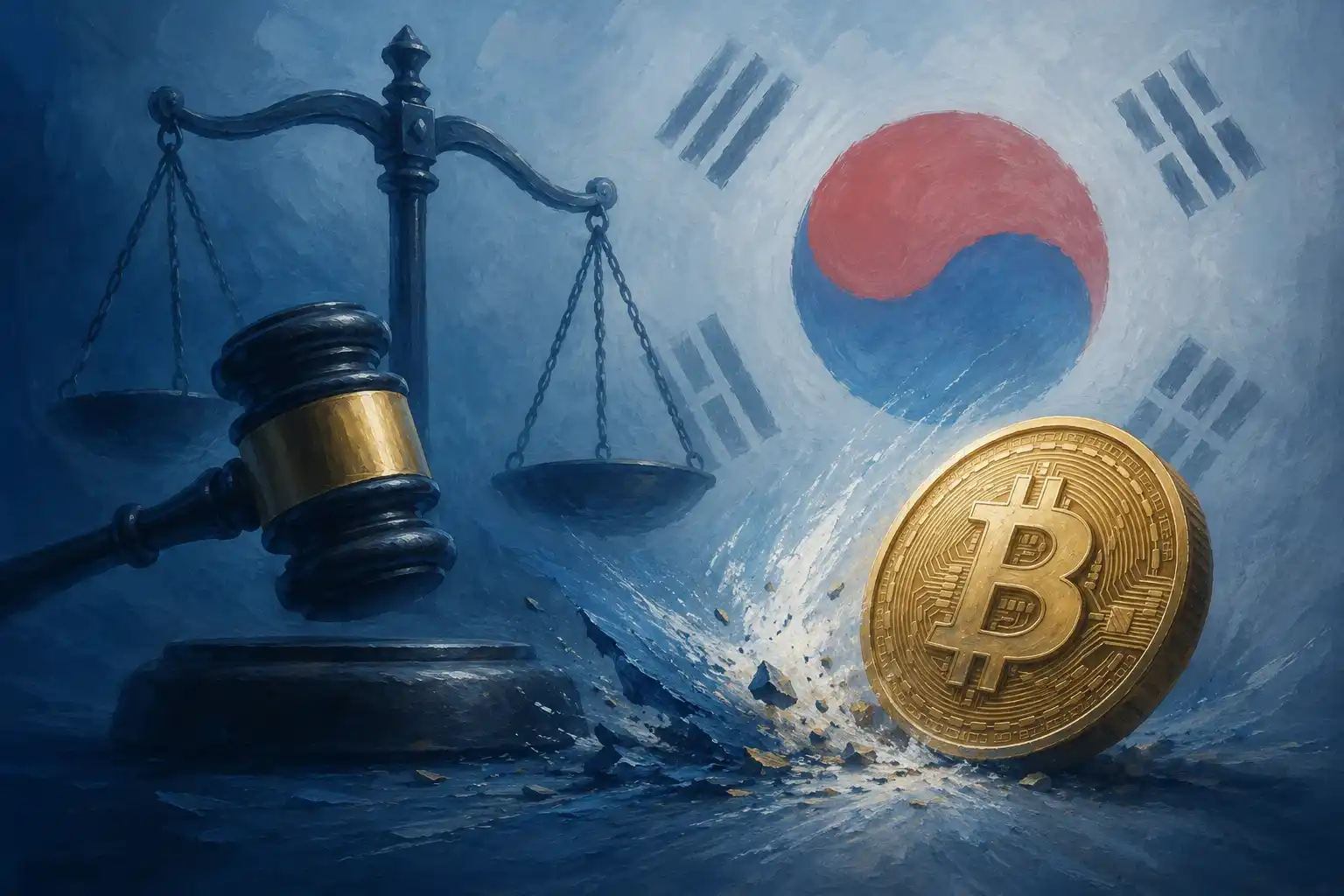
The South Korean cryptocurrency industry is entering a rare period of direct confrontation with regulators.

In recent years, the Korea Financial Intelligence Unit (FIU) has been the primary anti-money laundering (AML) regulator for cryptocurrency exchanges in South Korea. Focusing on undeclared overseas VASPs, customer identification obligations (KYC/CDD), the Travel Rule, and Suspicious Transaction Reports (STRs), the FIU has levied heavy fines on several leading exchanges in succession, signaling a clear tightening of regulatory posture.

Recently, however, exchanges are no longer just passively accepting penalties. They have begun systematically challenging the FIU's disciplinary grounds and rule design through court lawsuits and industry association opinion statements.

After FIU's Heavy Penalties, Courts Repeatedly Apply the Brakes

The first battlefront between exchanges and regulators has emerged in the courts.

In early April, the Seoul Administrative Court ruled in favor of Upbit's operator Dunamu in the first instance, partially overturning the FIU's business suspension order. The FIU had accused Dunamu of processing withdrawal transactions under 1 million KRW between August 2022 and August 2024 that were later linked to undeclared VASPs, imposing a 3-month partial business suspension and a substantial fine.

The court did not deny the exchange's AML obligations. However, it found the FIU's explanation of the violation criteria and the basis for the business suspension insufficiently clear. The court ruled that for transactions under 1 million KRW, the regulatory standards and specific operational guidelines were not fully clarified at the time. Given that Dunamu had implemented certain blocking and monitoring measures, it was difficult to directly conclude there was intentional or gross negligence.

In other words, the court's review focused not only on the AML obligations themselves but also emphasized the standards the FIU must use to justify severe penalties. This is a crucial judicial signal to the FIU, indicating that to use heavy penalties like "business suspension," the regulator must prove the exchange clearly violated its obligations under explicit rules, and cannot infer gross negligence based on ex-post facto outcomes.

However, the FIU has expressed dissatisfaction with the court's ruling and recently appealed the Dunamu case.

A similar trend is evident in the Bithumb case. In March, the FIU imposed a 6-month partial business suspension and a 36.8 billion KRW fine on Bithumb, citing transactions with undeclared overseas VASPs and inadequate customer due diligence, marking another high-intensity penalty by the regulator.

But on April 30, the Seoul Administrative Court also accepted Bithumb's application for a stay of execution, suspending the effect of the 6-month partial business suspension until 30 days after the final judgment in the main case. The court reasoned that if the penalty were enforced, Bithumb might suffer the effects of the suspension during the trial period. Even if the penalty were later overturned, negative impacts like restricted new client acquisition and reputational damage could not be fully recovered.

Following these legal battles, the FIU's enforcement logic is facing sustained counterattacks from exchanges in the judicial arena. For the FIU, its past reliance on administrative penalties to drive industry compliance is now encountering higher procedural and evidentiary requirements.

Industry Self-Regulatory Body DAXA Protests "Poison Pill Clause"

Beyond actively defending platform rights in court, South Korean exchanges have also opened a "second front" by directly challenging legislation and administrative rules.

Korean financial authorities are advancing revisions to the Act on Reporting and Use of Specific Financial Transaction Information (Specific Financial Information Act), aiming to further strengthen mechanisms for crypto asset transfers, customer verification, the Travel Rule, and STRs. One provision, which could subject all crypto asset transfers over 10 million KRW (approximately $6,800) to mandatory STR reporting, has sparked strong industry backlash.

The Digital Asset eXchange Alliance (DAXA), the self-regulatory body of South Korea's five major cryptocurrency exchanges, was the first to label this a "poison pill clause," arguing that its STR standard might violate the principle of legality. Under the current Specific Financial Information Act, the logic for STRs is that financial institutions report when they have reasonable grounds to suspect a transaction involves illegal proceeds or money laundering. However, the industry interprets the revision as mandating reports to the FIU for any crypto transfer exceeding 10 million KRW. DAXA contends this essentially creates a new reporting obligation based solely on amount through subordinate legislation, exceeding the scope authorized by the superior law.

Alongside this principled stance, DAXA also calculated the potential operational impact on exchanges. According to DAXA's simulation, if this rule is implemented, the annual number of STRs from South Korea's five major KRW-based exchanges would surge from the current approximately 63,000 to about 5.445 million—an increase of roughly 85 times. This massive volume could effectively paralyze normal AML monitoring systems.

These numbers touch on the very essence of the STR system. The value of STRs originally lies in "suspicion-based screening": exchanges identify anomalous transactions based on factors like customer identity, fund source, transaction path, on-chain address risk, and behavioral patterns, then report them to the FIU. However, if a large volume of regular large transfers are included in STRs merely for exceeding a monetary threshold, the reporting system would be flooded with low-quality signals, potentially reducing the FIU's capacity to process genuinely high-risk transactions.

This is the core of the industry's argument that "excessive regulation may actually weaken AML efficiency." DAXA is not opposing AML strengthening per se but argues that regulation should preserve a risk-based approach rather than simplifying "suspicious transaction reporting" into a one-size-fits-all rule based on transaction amount.

South Korea's Crypto Regulation: "Legislative Shortcomings" and "Overly Dense Enforcement"

South Korea's cryptocurrency regulation has long had a structural contradiction. On one hand, it is one of the world's most active crypto trading markets, with high retail trading volume, concentrated exchange dominance, and significant influence of the KRW market. On the other hand, its comprehensive regulatory framework—including a Digital Asset Basic Act and regulations for stablecoins, exchanges, and issuers—is not yet fully mature. Much regulatory action has primarily relied on the Specific Financial Information Act, the AML system, and FIU enforcement.

This model had practical rationale in the early stages. The crypto industry carries high risks, with scams, cross-border money laundering, undeclared overseas platforms, and anonymous on-chain transfers requiring strong regulatory intervention. Bringing exchanges under regulation through AML obligations via the FIU was a crucial step in establishing order in South Korea's crypto market.

In the past, South Korean crypto exchanges facing FIU penalties mostly responded through explanations, defenses, and corrections within administrative procedures. Now, the industry is pushing disputes into courts and legislative opinion procedures. This signals that South Korea's crypto regulation is entering a new phase: regulators are no longer the sole rule-makers and enforcers; their interpretation of rules, basis for penalties, and procedural fairness are also being scrutinized by exchanges, industry associations, and the courts.

At a deeper level, the resistance and challenges from leading South Korean exchanges against regulators represent a recalibration of the regulatory paradigm. Ultimately, this conflict aims to resolve how regulation can become more sustainable.

In the short term, the tug-of-war between the FIU and exchanges may intensify. The Dunamu case is under appeal, Bithumb's main lawsuit is ongoing, and revisions to the Specific Financial Information Act still have room for adjustment. In the long run, however, this conflict may contribute to South Korea developing a more mature cryptocurrency regulatory framework.

Tiền kỹ thuật số thịnh hành

Câu hỏi Liên quan

QWhat is the main conflict described in the article between South Korean exchanges and regulators?

AThe main conflict is a systematic, multi-front challenge by South Korean cryptocurrency exchanges against the Financial Intelligence Unit (FIU). Exchanges are no longer just passively accepting penalties but are actively challenging the FIU's disciplinary actions and rule-making through court lawsuits and industry association position papers, contesting the clarity, justification, and proportionality of the regulations.

QWhat was a key reason the Seoul Administrative Court ruled in favor of Dunamu (Upbit's operator) against the FIU?

AA key reason was that the court found the FIU's explanation of the violation standards and the basis for the business suspension penalty to be insufficiently clear, particularly for transactions below 1 million KRW. The court stated that the regulatory standards and specific operational guidelines were not fully clear at the time, and it was difficult to directly attribute intentional or gross negligence to Dunamu since it had implemented certain blocking and monitoring measures.

QWhat is the 'poison pill clause' in the proposed revisions to the Specific Financial Information Act, and why is DAXA opposing it?

AThe 'poison pill clause' refers to a proposed rule that would mandate Suspicious Transaction Reports (STRs) for all cryptocurrency transfers exceeding 10 million KRW (approx. $6,800). DAXA opposes it because they argue it violates the legal principle of 'no penalty without law,' as it essentially creates a new reporting obligation based solely on amount, which exceeds the scope authorized by the higher-level law. They also warn it would overwhelm the AML system, increasing STRs by about 85 times and drowning out truly suspicious transactions.

QAccording to the article, what is the structural contradiction in South Korea's cryptocurrency regulatory approach?

AThe structural contradiction is between 'legislative insufficiency' and 'enforcement density.' South Korea has a highly active crypto market but lacks a comprehensive, fully mature legal framework like a Digital Asset Basic Law. Instead, much of the regulation relies on the Specific Financial Information Act, AML systems, and aggressive enforcement actions by the FIU, creating a gap between the market's complexity and the foundational laws governing it.

QWhat potential long-term outcome does the article suggest might result from the current conflicts between exchanges and the FIU?

AThe article suggests that in the long term, these conflicts might help South Korea develop a more mature and sustainable cryptocurrency regulatory framework. By pushing disputes into courts and legislative review processes, the exchanges are forcing a recalibration of regulatory paradigms, which could lead to clearer rules, more justified enforcement, and a better balance between market oversight and industry growth.

Nội dung Liên quan

Vừa qua, DeepSeek V4 cập nhật DSpark, tốc độ suy luận tăng 80%

Vừa qua, DeepSeek V4 đã được cập nhật với framework giải mã suy đoán mới là **DSpark**, giúp tăng tốc độ suy luận lên tới 80%. Cốt lõi của bản cập nhật này là framework **DSpark**, một kỹ thuật giải mã suy đoán được triển khai trên DeepSeek-V4-Pro hiện có để tăng tốc độ suy luận, chứ không phải là nâng cấp kiến trúc mô hình. DSpark giải quyết các điểm nghẽn về độ trễ và thông lượng trong môi trường sản xuất, đặc biệt ở các tình huống có tải cao. DSpark kết hợp hai cải tiến chính: 1. **Kiến trúc sinh bán tự hồi quy (Semi-Autoregressive Generation)**: Giữ lợi thế về thông lượng cao của mô hình phác thảo song song, đồng thời thêm mô-đun nối tiếp nhẹ để mô hình hóa mối quan hệ phụ thuộc giữa các token, giúp giảm thiểu tỷ lệ chấp nhận suy giảm. 2. **Xác minh theo lịch trình độ tin cậy, nhận biết phần cứng (Confidence-Scheduled Verification)**: Một "đầu độ tin cậy" (Confidence Head) được sử dụng để đánh giá xác suất tồn tại của mỗi token phác thảo. Hệ thống điều phối sẽ xác định độ dài xác minh tối ưu một cách linh hoạt dựa trên đặc điểm tải và phần cứng, chỉ phân bổ tài nguyên tính toán cho những token có khả năng được chấp nhận cao nhất. Trong các thử nghiệm trên nhiều lĩnh vực như suy luận toán học, tạo mã và hội thoại, DSpark vượt trội so với các phương pháp tiên tiến hiện tại như Eagle3 và DFlash. So với cơ sở sinh token đơn trước đó (MTP-1), DSpark đã **tăng tốc độ phản hồi cho người dùng từ 57% đến 85%** (tuỳ thuộc vào việc sử dụng mô hình Flash hay Pro) trong khi vẫn duy trì cùng tổng thông lượng. Cùng với DSpark, DeepSeek cũng công khai mã nguồn **DeepSpec**, một bộ công cụ toàn diện để đào tạo và đánh giá các mô hình phác thảo cho giải mã suy đoán. DeepSpec cung cấp một đường ống công việc tiêu chuẩn bao gồm chuẩn bị dữ liệu, đào tạo và đánh giá, hỗ trợ nhiều thuật toán (DSpark, DFlash, Eagle3) và mô hình mục tiêu (hiện tại là Qwen3 và Gemma).

marsbit2 giờ trước

Vừa qua, DeepSeek V4 cập nhật DSpark, tốc độ suy luận tăng 80%

marsbit2 giờ trước

Cách mà thần đồng Karpathy sử dụng Claude, hóa ra là như thế này?

Andrej Karpathy, một chuyên gia hàng đầu trong lĩnh vực AI, được cho là đã sử dụng một tệp CLAUDE.md cá nhân để hướng dẫn Claude - công cụ AI lập trình từ Anthropic - hoạt động hiệu quả hơn. Dù tính xác thực của tệp này chưa được kiểm chứng, nhưng nội dung của nó phản ánh chính xác những nguyên tắc Karpathy thường chia sẻ. Tài liệu này đưa ra các quy tắc then chốt để tránh những lỗi phổ biến khi AI viết code. Trọng tâm bao gồm: **Đọc kỹ code hiện có** trước khi viết mới để đảm bảo tính nhất quán; **Suy nghĩ thấu đáo** về yêu cầu và các phương án triển khai trước khi bắt tay vào code; **Giữ mọi thứ đơn giản nhất có thể**, tránh thiết kế thừa và chỉ xử lý những vấn đề thực sự tồn tại; **Sửa đổi một cách "phẫu thuật"**, chỉ thay đổi phần cần thiết và tuân thủ phong cách code sẵn có của dự án. Các hướng dẫn khác bao gồm việc luôn **xác minh code** bằng kiểm thử, làm việc **theo mục tiêu rõ ràng**, **gỡ lỗi có phương pháp**, thận trọng khi thêm **phụ thuộc mới**, và **giao tiếp hiệu quả** về những thay đổi. Tài liệu cũng chỉ ra các "mẫu thất bại" thường gặp như làm quá nhiều việc cùng lúc, tạo ra sự trừu tượng hóa không cần thiết, hoặc lạc quyết định ban đầu. Về cơ bản, những nguyên tắc này nhằm biến Claude từ một thực thể tạo code chung chung thành một trợ lý lập trình thực sự hiểu ngữ cảnh, tuân thủ dự án và giảm thiểu nhu cầu viết lại code. Dù tệp gốc có phải của Karpathy hay không, các nguyên tắc này được cộng đồng đánh giá cao và đã có dự án trên GitHub tổng hợp chúng, được cho là giúp giảm tỷ lệ lỗi code do AI tạo ra một cách đáng kể.

marsbit3 giờ trước

Cách mà thần đồng Karpathy sử dụng Claude, hóa ra là như thế này?

marsbit3 giờ trước

BIT Nghiên cứu: Halving năm 2028 không phải là dấu chấm hết, cuộc đại phẫu thật sự của ngành khai thác Bitcoin chỉ mới bắt đầu

Ngành công nghiệp khai thác Bitcoin hiện đang trải qua đợt điều chỉnh cấu trúc phức tạp nhất từ trước đến nay. Dù giá Bitcoin duy trì quanh 61.000 USD và hashrate toàn mạng gần chạm mức lịch sử 1 ZH/s, lợi nhuận của thợ đào liên tục xấu đi. Mô hình kinh tế cho thấy, giá sản xuất dưới hiện tại là 46.744 USD, nhưng thực tế, thu nhập thực tế của thợ đào thấp hơn 136% so với mức lý thuyết ở mức giá này. Doanh thu từ phí giao dịch cũng ở mức thấp. Áp lực chi phí gia tăng, với điện chiếm 71.5% tổng doanh thu năm 2025. Ngưỡng hòa vốn toàn ngành ước tính khoảng 65.000 USD. Sau đợt halving năm 2028, giá sản xuất dưới dự kiến tăng lên khoảng 93.289 USD, đẩy nhanh quá trình đào thải. Ngành công nghiệp đang chuyển từ kinh doanh khai thác đơn thuần sang mô hình kinh doanh cơ sở hạ tầng. Các công ty khai thác đang đa dạng hóa sang các lĩnh vực như vận hành cơ sở hạ tầng năng lượng, cung cấp dịch vụ điện toán AI/HPC. Những công ty lớn, có nguồn vốn mạnh, nguồn điện chi phí thấp và nguồn thu đa dạng sẽ có lợi thế cạnh tranh. Điểm then chốt cho các nhà đầu tư không chỉ là sự kiện halving, mà là khả năng chuyển đổi mô hình kinh doanh và xây dựng lợi thế bền vững của các công ty khai thác.

marsbit3 giờ trước

BIT Nghiên cứu: Halving năm 2028 không phải là dấu chấm hết, cuộc đại phẫu thật sự của ngành khai thác Bitcoin chỉ mới bắt đầu

marsbit3 giờ trước

Giao dịch

Giao ngay

Bài viết Nổi bật

Làm thế nào để Mua ZEN

Chào mừng bạn đến với HTX.com! Chúng tôi đã làm cho mua Horizen (ZEN) trở nên đơn giản và thuận tiện. Làm theo hướng dẫn từng bước của chúng tôi để bắt đầu hành trình tiền kỹ thuật số của bạn.Bước 1: Tạo Tài khoản HTX của BạnSử dụng email hoặc số điện thoại của bạn để đăng ký tài khoản miễn phí trên HTX. Trải nghiệm hành trình đăng ký không rắc rối và mở khóa tất cả tính năng. Nhận Tài khoản của tôiBước 2: Truy cập Mua Crypto và Chọn Phương thức Thanh toán của BạnThẻ Tín dụng/Ghi nợ: Sử dụng Visa hoặc Mastercard của bạn để mua Horizen (ZEN) ngay lập tức.Số dư: Sử dụng tiền từ số dư tài khoản HTX của bạn để giao dịch liền mạch.Bên thứ ba: Chúng tôi đã thêm những phương thức thanh toán phổ biến như Google Pay và Apple Pay để nâng cao sự tiện lợi.P2P: Giao dịch trực tiếp với người dùng khác trên HTX.Thị trường mua bán phi tập trung (OTC): Chúng tôi cung cấp những dịch vụ được thiết kế riêng và tỷ giá hối đoái cạnh tranh cho nhà giao dịch.Bước 3: Lưu trữ Horizen (ZEN) của BạnSau khi mua Horizen (ZEN), lưu trữ trong tài khoản HTX của bạn. Ngoài ra, bạn có thể gửi đi nơi khác qua chuyển khoản blockchain hoặc sử dụng để giao dịch những tiền kỹ thuật số khác.Bước 4: Giao dịch Horizen (ZEN)Giao dịch Horizen (ZEN) dễ dàng trên thị trường giao ngay của HTX. Chỉ cần truy cập vào tài khoản của bạn, chọn cặp giao dịch, thực hiện giao dịch và theo dõi trong thời gian thực. Chúng tôi cung cấp trải nghiệm thân thiện với người dùng cho cả người mới bắt đầu và người giao dịch dày dạn kinh nghiệm.

Tổng lượt xem 336Xuất bản vào 2024.12.12Cập nhật vào 2026.06.02

Làm thế nào để Mua ZEN

Thảo luận

Chào mừng đến với Cộng đồng HTX. Tại đây, bạn có thể được thông báo về những phát triển nền tảng mới nhất và có quyền truy cập vào thông tin chuyên sâu về thị trường. Ý kiến ​​của người dùng về giá của ZEN (ZEN) được trình bày dưới đây.

活动图片