SEC Opens Legal Channel for Crypto Projects to Issue Tokens: Not Judging for Investors, Only Requiring Full Disclosure

marsbitXuất bản vào 2026-08-20Cập nhật gần nhất vào 2026-08-20

Tóm tắt

The SEC has proposed new crypto asset regulations, establishing a pathway for projects to legally issue tokens in the U.S. The core principle is disclosure-based regulation: projects must provide clear, comprehensive information to investors, but the SEC will not judge the merit or value of the tokens. This approach returns to the agency's founding philosophy, as outlined by President Franklin D. Roosevelt and legal scholar Louis Brandeis, which emphasizes that sunlight (transparency) is the best disinfectant for markets. The proposal includes exemptions allowing token sales, provided issuers adhere to anti-fraud laws and offer "principles-based narrative disclosures." This framework shifts responsibility to investors to make informed decisions based on disclosed facts. The article references the Blockworks Token Transparency Framework (TTF) as an existing industry-led effort for standardized crypto asset disclosure, suggesting such models could inform final SEC rules.

Author:Byron Gilliam

Compiled by: Deep Tide TechFlow

Deep Tide's Guide: The U.S. Securities and Exchange Commission has finally released its proposal for cryptocurrency asset regulation. The full text is a lengthy 402 pages, but the core principle isn't complicated: let the project teams tell the full story and lay out the risks clearly, then leave the rest to the investors' own judgment. For crypto entrepreneurs, this might represent the first clear path to legally selling tokens for fundraising in the U.S.; for investors, information disclosure standards will become an important tool for screening projects.

The "Crypto Asset Regulation" is finally here. All 402 pages.

Fortunately, there's no need to read it all.

The summary states: "The proposed offering regime is designed to facilitate capital formation and accommodate innovation in the crypto asset markets, while ensuring investors are adequately protected and provided with the information necessary to make informed investment decisions."

To "accommodate innovation," the SEC proposed two exemptions that would allow new crypto projects to issue tokens to users and investors without violating securities laws.

This will be the most watched part: crypto founders will finally be able to raise funds by selling tokens. And in the U.S.!

To ensure U.S. investors are "adequately protected," the SEC proposed that anti-fraud laws continue to apply, regardless of any exemption, and that "bad actors" would be disqualified.

This is somewhat stating the obvious: an exemption from securities laws does not equal an exemption from other laws. Fraud is still fraud.

To provide investors with the "information necessary to make informed investment decisions," the SEC proposed that issuers relying on either exemption must make publicly available "principles-based narrative disclosures."

This is essentially the SEC's entire job: ensure investors are fully informed, and then (most of the time) step aside.

Or, at least, it's what its job was supposed to be.

Below is part of the message President Franklin D. Roosevelt sent to Congress in 1933 as its members debated how the federal government should regulate securities:

Of course, the federal government cannot and should not take any action which might be construed as approving or guaranteeing that newly issued securities are sound in the sense that their value will be maintained or that the properties they represent will earn profit.

There is, however, an obligation upon us to insist that every issue of new securities to be sold in interstate commerce shall be accompanied by full publicity and information, and that no essentially important element attending the issue shall be concealed from the buying public.

This proposal adds to the ancient rule of caveat emptor, the further doctrine “let the seller also beware.” It puts the burden of telling the whole truth on the seller. It should give impetus to honest dealing in securities and thereby bring back public confidence.

The purpose of the legislation I suggest is to protect the public with the least possible interference to honest business.

In short, Roosevelt told Congress the SEC should be built on the principle of "disclosure regulation": it should protect investors primarily by ensuring they have the information they need to make intelligent decisions.

This, however, was not the only approach at the time. Most U.S. states at the time did the opposite: "merit regulation"—that is, regulators judged securities based on their perceived merits as investments.

In Texas and Wisconsin, for example, regulators could—and often did—block proposed securities offerings because they thought the securities were overpriced or otherwise unfair to investors.

The SEC, by contrast, would judge proposed offerings based solely on the quality and completeness of their disclosures.

This light-touch approach was inspired by the legal scholar Louis Brandeis. Writing in 1914, he argued securities should be regulated like food. The Federal Pure Food Law, he explained, doesn’t guarantee quality or price; it allows consumers to judge quality for themselves by requiring disclosure of ingredients.

The same, he argued, should apply to securities, provided the information is easily accessible:

>To be effective, knowledge of the facts must be actually brought home to investors, and the best way to do that which has as yet occurred to anybody is to require the facts to be stated in every notice, circular, letter and advertisement inviting investors to purchase. Compliance with that requirement should also be obligatory, and not something that the investor could waive.

"Sunlight is said to be the best of disinfectants," he added, "electric light the most efficient policeman."

When the SEC was established two decades later, its first chairman, Joseph Kennedy, explained it would follow Brandeis' lead:

Gentlemen, now, the Securities Act does not make the Government a judge of values. It gives no advice; it expresses no approval. You may ask: what does it do? It sets up a department to which persons responsible for corporations must submit the information called for by required questions and file that information in the department. Before anyone can ask you to invest in any enterprise, there must be on file in Washington a record of essential facts which will guide your judgment.

Yet the SEC has not always hewed to its founding principle.

In a 2024 speech, SEC Commissioner Hester Peirce accused the agency of straying from its original disclosure-based mandate:

Yet, since the turn of the century, as we have expanded our rule book at a record pace, the Commission’s regulatory approach has become increasingly prescriptive. Some of that prescriptiveness is from the statute, but a lot of it is the result of Commission discretion. Public companies face an ever-lengthening list of disclosure mandates. Some mandatory disclosures seem intended to alter how a company operates, not elicit material disclosure.

She added, "Congress did not design the SEC as a merit regulator," and concluded by urging the agency to return to its original disclosure-focused mandate.

Now, it is returning.

"Crypto Asset Regulation" represents a return to the SEC's founding principle: disclosure enables investors to assess risk for themselves.

Setting the Standard

The SEC's proposal requires crypto projects selling tokens under an exemption to make disclosures, but does not mandate how the disclosure should be accomplished.

It's unclear whether the final rule will contain rules on how to disclose. The SEC might choose to recognize standards developed by an industry group, as it has with accounting and compliance rules.

Either way, though, the Commission has an evolving industry effort to draw from: Blockworks' Token Transparency Framework (TTF)—the first open-source disclosure standard for digital assets.

Since launching in June 2025, 75 protocols have voluntarily submitted standardized disclosure documents to the TTF.

TTF's "B-1" is a one-time filing, submitted around the time a token first begins trading, just as a company files an S-1 ahead of an IPO.

(The photo above is of Bob Woodward and Carl Bernstein looking at some B-1s.)

The B-2, then, is a filing submitted to keep information current, just as a company files a 10-K.

(I guess "B-K" sounded too much like a hamburger code?)

69 industry participants—exchanges, custodians, and asset managers—have joined the Transparent Alliance. The group works with Blockworks to develop common disclosure standards for digital assets.

Perhaps more importantly, these participants collectively represent over $400 billion in market cap. They have made TTF filings a core input into their due diligence processes.

For asset managers, the filings are just a starting point for their investment process. They still need to do their own research (as the saying goes).

As Blockworks explains: "Each filing assesses completeness, not quality."

FDR would say that's all we really need.

Câu hỏi Liên quan

QWhat is the core principle behind the SEC's newly proposed regulatory framework for crypto assets?

AThe core principle is disclosure-based regulation. The SEC's proposal focuses on ensuring that crypto projects provide clear and complete information and disclose all risks to investors, who can then make their own informed decisions, rather than the SEC judging the merits of the assets.

QAccording to the article, what did FDR's message to Congress establish as the SEC's founding philosophy?

AFranklin D. Roosevelt's message established the philosophy of 'disclosure regulation.' He stated that the government should not approve or guarantee securities, but has an obligation to ensure that every new security offered in interstate commerce is accompanied by full and truthful disclosure of information, putting the burden of telling the whole truth on the seller.

QWhat are the two key exemptions proposed by the SEC for new crypto projects in this framework?

AThe article mentions that the SEC proposed 'two exemptions' to allow new crypto projects to issue tokens to users and investors without violating securities laws. While the specific names of the exemptions are not detailed, their purpose is to facilitate capital formation and accommodate innovation in the crypto asset market.

QWhat is the Blockworks Token Transparency Framework (TTF), and how is it relevant to the SEC's proposal?

AThe Blockworks Token Transparency Framework (TTF) is an open-source disclosure standard for digital assets. It includes documents like the 'B-1' (similar to an S-1 for an IPO) and 'B-2' (for ongoing updates). It's relevant because the SEC's proposal requires disclosure but doesn't mandate how it's done. The TTF, adopted by many industry players, serves as a potential model or existing industry effort that the SEC could acknowledge or build upon.

QHow does the article contrast the SEC's traditional 'disclosure regulation' approach with the 'merit regulation' approach used by some states historically?

AThe article contrasts 'disclosure regulation' (the SEC's approach) with 'merit regulation.' Under disclosure regulation, the regulator judges a proposed offering based only on the quality and completeness of its disclosures. Under merit regulation, historically used by states like Texas and Wisconsin, regulators could block proposed securities offerings because they deemed the securities to be overpriced or otherwise unfair to investors, essentially judging the investment's merits.

Nội dung Liên quan

HYPE tăng 26,86%, tiến gần mức cao nhất mới, thị trường đang mua gì?

Trong bối cảnh thị trường tiền mã hóa phục hồi mạnh mẽ, HYPE đã ghi nhận mức tăng ấn tượng 26.86% trong 24 giờ, tiến sát mức đỉnh lịch sử. Động lực chính đến từ thông tin cựu Tổng thống Mỹ Donald Trump đề cập rằng Chủ tịch CFTC Michael Selig đang thúc đẩy để Hyperliquid vào thị trường Mỹ một cách hoàn toàn tuân thủ. Hyperliquid đã chủ động vận động hành lang thông qua trung tâm chính sách của mình, cùng với trade.xyz, đề xuất với SEC về việc đưa hợp đồng vĩnh viễn trước IPO (IPOP) vào khuôn khổ cải cách, nhằm tạo cơ chế định giá công khai cho cổ phiếu trước khi niêm yết. Điều này có thể giúp giành quyền định giá trước giờ mở cửa thị trường chứng khoán. Mối quan hệ của Hyperliquid với cựu Chủ tịch CFTC Giancarlo, người từng là cố vấn pháp lý, được cho là đã tạo kết nối quan trọng với Chủ tịch CFTC đương nhiệm Selig, mở đường cho quá trình hợp thức hóa. Các con đường khả thi để Hyperliquid tiếp cận thị trường Mỹ bao gồm: hợp tác với các tổ chức thanh toán hoặc sàn giao dịch đã có giấy phép (như Coinbase, Kalshi), hoặc xây dựng một nền tảng mới tuân thủ đầy đủ. Dù cần thêm thời gian, việc Hyperliquid tiến vào thị trường Mỹ đang ở giai đoạn vận động tích cực, củng cố triển vọng tăng trưởng và có thể đẩy giá HYPE lên mức cao mới.

Odaily星球日报25 phút trước

HYPE tăng 26,86%, tiến gần mức cao nhất mới, thị trường đang mua gì?

Odaily星球日报25 phút trước

Tổng kết BIP-110 của Jameson Lopp: Bitcoin được thúc đẩy bởi lý thuyết trò chơi, không phải đạo đức

Bài viết của Jameson Lopp phân tích sự thất bại của BIP-110, một đề xuất gây tranh cãi nhằm hạn chế dữ liệu tùy ý trên chuỗi khối Bitcoin thông qua một soft fork bắt buộc. Lopp chỉ ra bốn dự đoán của ông từ tháng 2/2026 đều thành hiện thực: BIP-110 không bao giờ đạt ngưỡng kích hoạt 55%, dẫn đến việc tách chuỗi vào tháng 8; chỉ có một nhóm nhỏ và duy nhất là pool đào OCEAN ủng hộ; và các thợ đào duy lý đã nhanh chóng từ bỏ chuỗi fork không có giá trị kinh tế. Ông nhấn mạnh Bitcoin được dẫn dắt bởi động lực kinh tế và lý thuyết trò chơi, không phải đạo đức. BIP-110 thiếu sự ủng hộ từ các thực thể kinh tế trọng lượng, và những gì nó hứa hẹn (sự "trong sạch", giảm doanh thu cho thợ đào) không tạo ra động lực thúc đẩy. Về mặt kỹ thuật, đề xuất này thất bại trong việc ngăn chặn hiệu quả dữ liệu tùy ý, với nhiều lỗ hổng và có thể bị qua mặt dễ dàng, như đã được chứng minh. Lopp phê phán chiến thuật của những người ủng hộ BIP-110 khi ngày càng sử dụng lập luận cực đoan, gán ghép đối thủ với tội ấu dâm, thay vì tranh luận dựa trên thực tế và logic. Ông cũng điểm lại các lập luận chính của phe ủng hộ, từ cơ chế kích hoạt, lý thuyết trò chơi đến các tiền lệ lịch sử, và cho rằng chúng đều sai lầm hoặc không phù hợp. Cuối cùng, Lopp dự đoán những người theo chủ nghĩa thuần túy (purist) sẽ tiếp tục phàn nàn, có thể bán Bitcoin của họ - một quyết định tài chính tồi - và chuỗi fork của họ sẽ không có giá trị. Bài học rút ra là một UASF (User-Activated Soft Fork) không thể thành công nếu chỉ có một nhóm thiểu số ồn ào ủng hộ, và việc chia rẽ cộng đồng bằng những lời cáo buộc cực đoan không bao giờ là một chiến lược tốt để xây dựng sự đồng thuận.

marsbit26 phút trước

Tổng kết BIP-110 của Jameson Lopp: Bitcoin được thúc đẩy bởi lý thuyết trò chơi, không phải đạo đức

marsbit26 phút trước

Quy mô token hóa đạt 4,3 tỷ USD, tại sao Securitize lại lỗ 5,5 triệu USD?

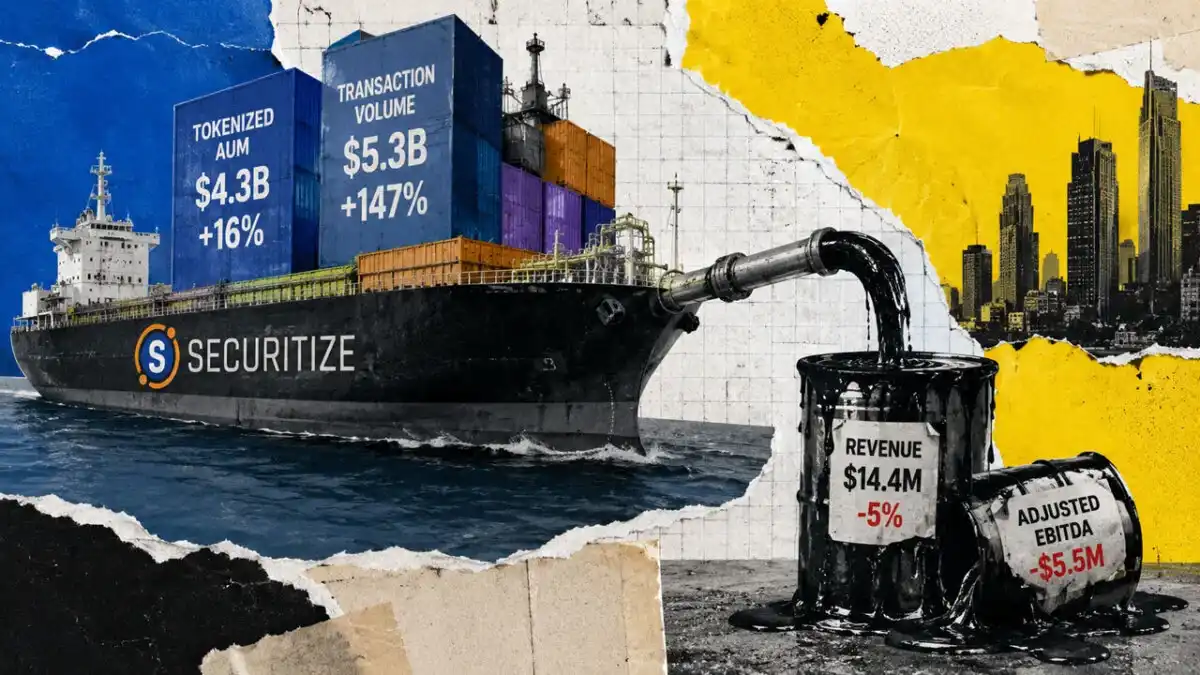
Securitize công bố báo cáo tài chính quý đầu tiên sau niêm yết. Mặc dù quy mô tài sản được token hóa đạt mức cao kỷ lục 43 tỷ USD và khối lượng giao dịch tăng vọt lên 53 tỷ USD, tổng doanh thu lại giảm 5% so với cùng kỳ, chỉ còn 14,4 triệu USD. Doanh thu từ hoạt động token hóa giảm khoảng 12% và lợi nhuận trước thuế, lãi vay, khấu hao và khấu trừ đã điều chỉnh (Adjusted EBITDA) chuyển thành lỗ 5,5 triệu USD. Giám đốc tài chính Francisco Flores giải thích rằng phần lớn khối lượng giao dịch hiện chưa được thương mại hóa. Doanh thu chủ yếu đến từ các dự án tích hợp mới, còn việc kiếm tiền từ hoạt động giao dịch là cơ hội trung và dài hạn. Các chuyên gia cho rằng đây là thách thức chung của ngành. Edwin Mata (Brickken) chỉ ra sự tách biệt giữa việc mở rộng quy mô tài sản và khả năng mở rộng mô hình kinh doanh. Các khoản thu nhập hiện nay chủ yếu từ dịch vụ triển khai dự án một lần, thay vì từ cơ sở hạ tầng tạo ra thu nhập thường xuyên. Utkarsh Ahuja (Moon Pursuit Capital) nhấn mạnh rằng ngành công nghiệp đang bước vào giai đoạn thử nghiệm tính bền vững của mô hình kinh doanh. Việc đơn thuần chia doanh thu cho khối lượng giao dịch tạo ra một tỷ lệ phí "ảo", vì phần lớn giao dịch không tạo ra doanh thu. Kịch bản lạc quan: Securitize tập trung vào token hóa cổ phiếu để tạo ra giao dịch tần suất cao và thu phí giao dịch, nhưng đây là chiến lược trung hạn. Kịch bản tiêu cực: Quy mô tài sản tiếp tục tăng nhưng mô hình kinh doanh vẫn phụ thuộc vào các dự án tùy chỉnh, khiến lợi nhuận khó cải thiện. Bài kiểm tra cốt lõi cho ngành là liệu các nền tảng có thể tạo ra thu nhập bền vững từ chính quy mô tài sản hiện có mà không cần dự án mới hay không.

marsbit30 phút trước

Quy mô token hóa đạt 4,3 tỷ USD, tại sao Securitize lại lỗ 5,5 triệu USD?

marsbit30 phút trước

Năm Nghịch Lý của Trí Tuệ Nhân Tạo

Đây là kỷ nguyên của trí tuệ nhân tạo, được đánh dấu bởi năm nghịch lý nổi bật: 1. **Nghịch lý dự đoán**: Các chuyên gia, từ học giả đến doanh nhân, liên tục đưa ra những dự đoán không chính xác về tương lai của AI - hoặc quá lạc quan hoặc quá thận trọng. Ví dụ, những tiên tri về AI đạt trí thông minh ngang con người (AGI) trong vài năm vẫn chưa thành hiện thực, và các dự báo về thời điểm đạt được AGI vẫn rất phân hóa. 2. **Nghịch lý định lượng việc làm**: Mặc dù nhiều tổ chức quốc tế và công ty tư vấn công bố các báo cáo định lượng về tác động của AI đến việc làm, kết quả giữa các báo cáo này chênh lệch rất lớn (từ 0.4% đến 67%), gần như không thể so sánh. Việc cô lập và đo lường tác động thuần túy của AI là cực kỳ khó khăn do nhiều yếu tố kinh tế - xã hội đan xen. 3. **Nghịch lý năng suất**: Mặc dù AI phát triển mạnh mẽ (thuật ngữ đã có 70 năm, làn sóng học máy 14 năm, và các mô hình mới liên tục xuất hiện), tốc độ tăng năng suất lao động ở nhiều nơi như EU vẫn ở mức thấp, trong khi Mỹ cũng chỉ duy trì mức trung bình lịch sử. Hiện tượng "công nghệ tiến bộ nhưng năng suất không tăng tương ứng" này từng xảy ra với máy tính và được giải thích chủ yếu bằng độ trễ thời gian - cần có các đổi mới bổ sung và thay đổi tổ chức để phát huy tác dụng. 4. **Nghịch lý giá trị dữ liệu**: Dữ liệu được coi là "dầu mỏ mới", quyết định khả năng của AI, nhưng giá trị của nó chủ yếu nằm ở việc sử dụng chứ khó chuyển đổi thành giá trị giao dịch hoặc tiền tệ trực tiếp. Việc "đưa dữ liệu vào bảng cân đối kế toán" ở các công ty vẫn còn rất hạn chế, với giá trị chỉ chiếm tỷ lệ rất nhỏ trong tổng tài sản. 5. **Nghịch lý Cách mạng Công nghiệp**: Gần như mọi làn sóng công nghệ lớn trong nửa thế kỷ qua (vi điện tử, internet, blockchain, v.v.) đều từng được gán là "Cuộc Cách mạng Công nghiệp lần thứ tư". Hiện nay, AI được coi là ứng cử viên chính. Tuy nhiên, lịch sử cho thấy các cuộc cách mạng công nghiệp thường chỉ được nhận diện rõ ràng sau nhiều thập kỷ, chứ không phải ngay trong lúc diễn ra. Bài viết kết luận rằng chúng ta đang tiến bước giữa những nghịch lý này, và tương lai của AI vẫn chứa đầy sự bất ngờ, do được định hình bởi nhiều lựa chọn và sự kiện không thể đoán trước.

marsbit32 phút trước

Năm Nghịch Lý của Trí Tuệ Nhân Tạo

marsbit32 phút trước

Giao dịch

Giao ngay
活动图片