Pump.fun 2026 Outlook: Where Lies the Path to Breakthrough for the King of Memes?

marsbitXuất bản vào 2025-12-17Cập nhật gần nhất vào 2025-12-17

Tóm tắt

Pump.fun, highlighted in Delphi Digital's 2026 outlook, remains a key consumer crypto app but faces challenges in balancing short-term crypto dynamics with long-term vision. Its foray into crypto-native livestreaming and creator coins has struggled, with the notable exception of "Bagwork," which briefly demonstrated a successful viral-token flywheel. However, structural issues persist: creator tokens often trend to zero, lacking sustainable incentives for both creators and traders. Pump's shift to using 100% net revenue for token buybacks spurred a price rebound, yielding a high buyback yield, yet market skepticism remains over future unlocks and revenue sustainability. The acquisition of Padre indicates multi-chain ambitions, but the core focus for 2026 must be resolving the creator-token economic model. Potential growth areas include iGaming, which aligns with its speculative user base, and mobile app expansion. Despite uncertainties, Pump retains dominance in the memecoin launch sector and significant potential for broader breakout.

Original: Simon, Delphi Digital

Adaptation: Yuliya, PANews

In Delphi Digital's upcoming "2026 Application Outlook" report, Pump.fun is regarded as one of the most noteworthy consumer applications to watch in the coming year. The report points out that since Delphi Digital first published its analysis before Pump's funding round, although many predictions have come true, the platform's development in some areas has fallen short of expectations, disappointing users and investors, and its core challenges still persist. To achieve a grander vision, the Pump team must find a balance between the inherent short-termism of the crypto world and the platform's long-term ambitions. The report further emphasizes that once a project launches a token, its operating environment changes accordingly, because the token itself becomes a product with intrinsic reflexivity, continuously shaping user expectations—Pump is no exception.

The Dilemma of the Creator Economy and the Fleeting Success of "Bagwork"

Since the funding round, the Pump team has continued to invest in the crypto-native live streaming space, but this has not unfolded as Delphi Digital had expected, at least not yet.

Pump has failed to attract influential creators from outside the crypto ecosystem, and the CCM (Creator Capital Market) model, which briefly flourished on Pump, quickly died out. The most notable moment came from the rise of "Bagwork," which highlighted both the potential of creator-driven tokens and the structural issues that still hinder the development of this model.
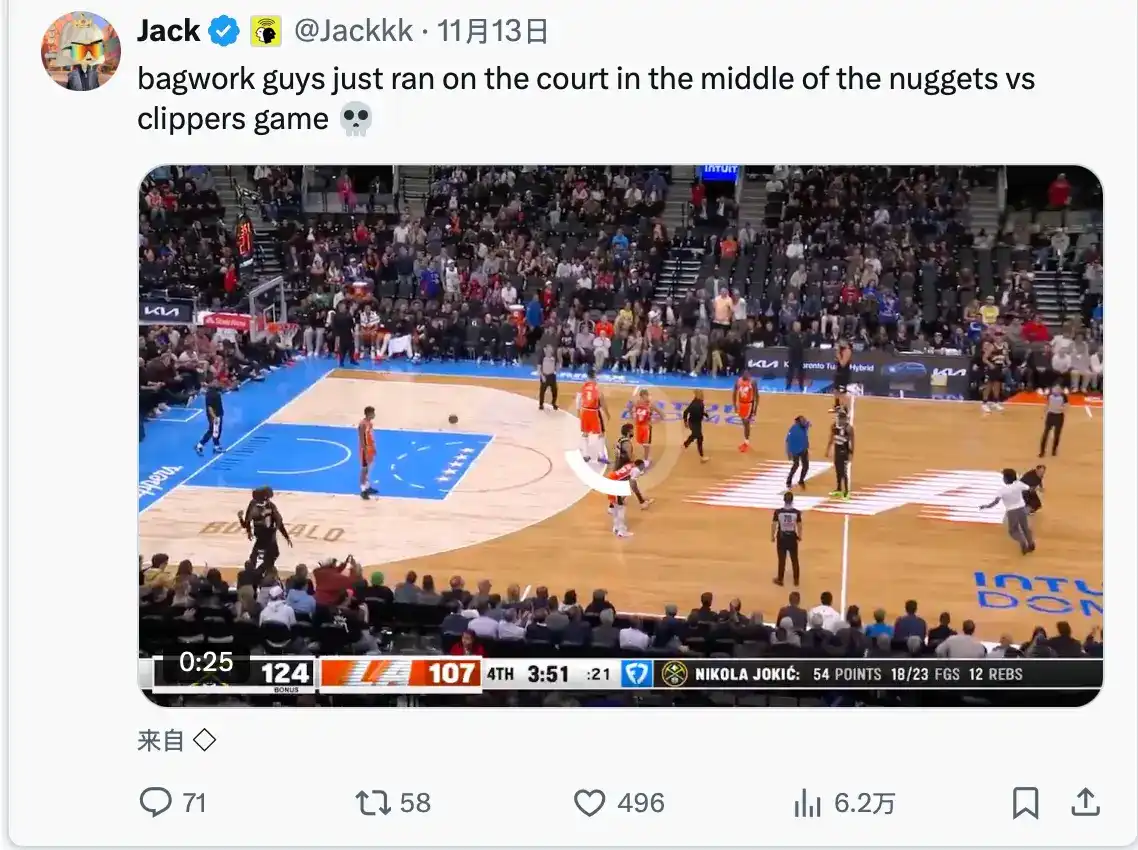
This breakthrough was led by a group of teenagers and partially supported by Pump. They orchestrated a series of viral stunts: stealing fitness influencer Bradley Martyn's hat, rushing onto the field during a Dodgers game, storming the Knicks' court, and even getting tattoos of Pump.fun and Bagwork.

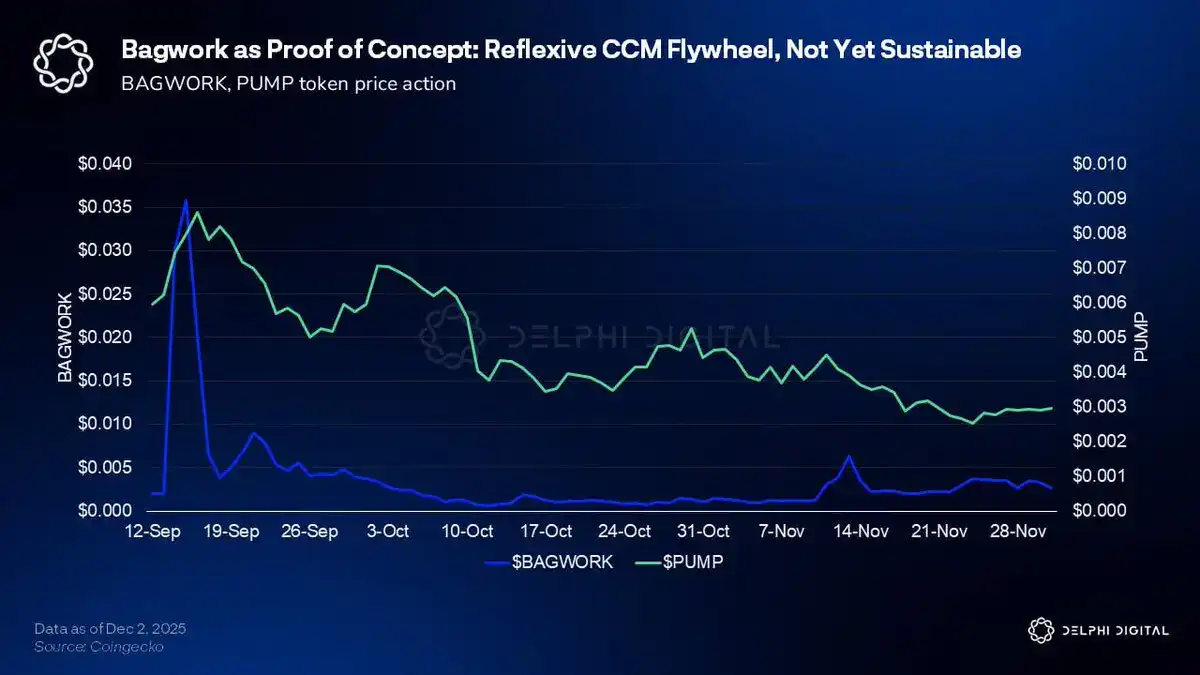
The emergence of "Bagwork" almost perfectly coincided with Pump.fun's peak moment in mid-September, when the fully diluted valuation (FDV) of the $PUMP token reached approximately $8.5 billion, and the market capitalization of the Bagwork token $BAGWORK briefly exceeded $50 million. Since then, no creator token has come close to replicating that level of organic growth momentum or peak valuation. The Knicks court stunt occurred long after the initial hype cycle, and today Bagwork's market capitalization is around $2 million.
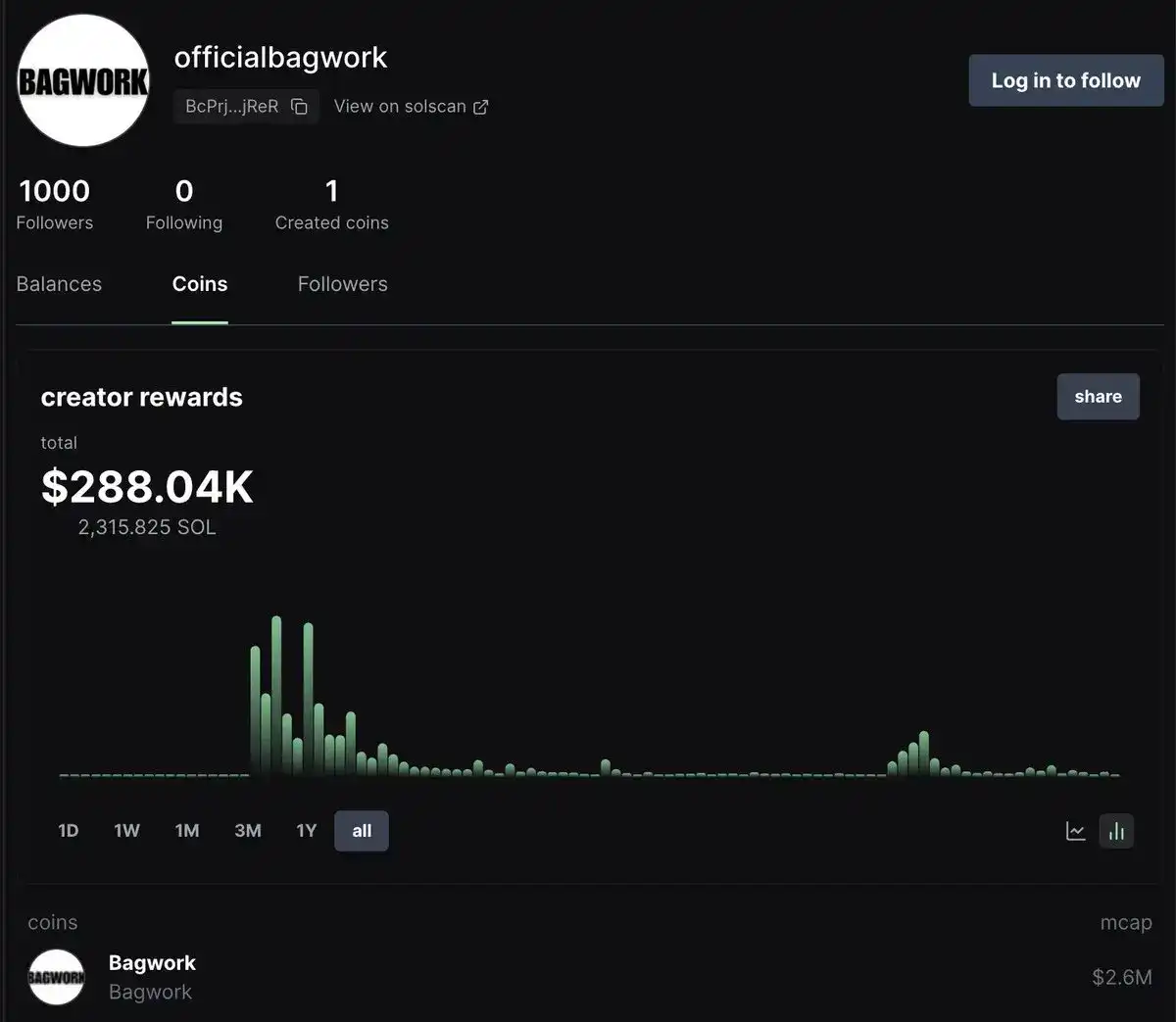
Bagwork was one of the few cases in Pump's live streaming experiment that truly worked as intended. The Bagwork team earned over 2,300 SOL in creator revenue from $BAGWORK trading fees (approximately $300,000 at current prices). Note that all of this was achieved without the team needing to sell any of their holdings. These viral stunts directly translated into attention, trading volume, and fees, creating the closest case to a genuine creator token flywheel effect that Pump has seen so far.

However, apart from Bagwork, Pump has struggled to realize its ambitions in the live streaming space. The value of creator tokens continues to decline, which brings us back to the structural issue of the token itself being part of the product.

Structural Issues and the Path Forward

Currently, the economic incentive to hold or support a creator token remains unclear. Bagwork's early success quickly faded, and every major creator token since has failed to gain similar traction and eventually trended toward zero.
Creators can earn short-term revenue through the CCM fee structure, but the reputational cost associated with a continuously depreciating token makes this model unattractive to more established influencers who could help attract a broader audience. From a trader's perspective, these tokens remain a zero-sum game environment rather than genuine communities.

This is the most critical issue Pump needs to address as it enters 2026.

The team has yet to conduct meaningful experiments in deeper creator incentives, and its airdrop allocation quota remains unused. Apart from the support provided informally during Bagwork's rise, Pump has not made any coordinated attempts, such as targeted airdrops, creator rewards, or other incentive mechanisms. These mechanisms could have been used to bootstrap early activity, create more PvE (Player vs. Environment)-style incentives, and give creators room to experiment without immediately destroying their communities.
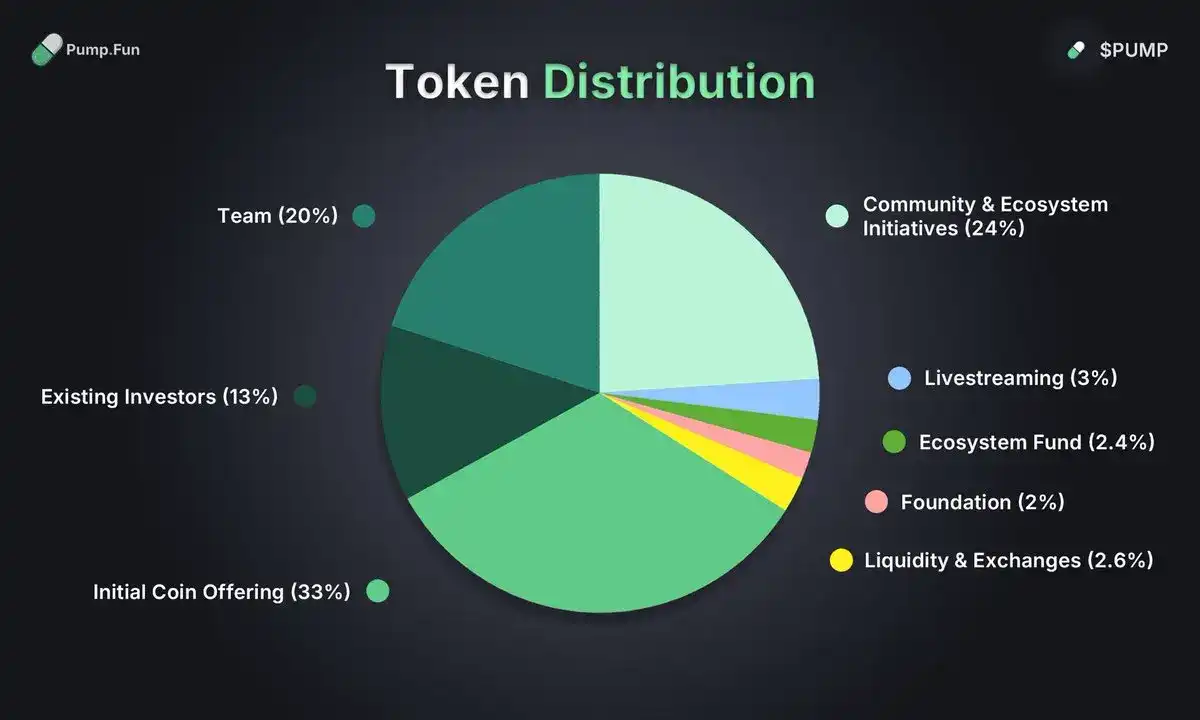
The good news is that this gives Pump significant room for choice. The unused "Community & Ecosystem Initiative" treasury is a major lever the team can pull once the model is ready. If Pump can design a sustainable incentive structure for creator tokens, it will unlock a whole new economic category for creators looking to leverage crypto mechanisms to monetize and grow their audience. The upside potential is real, but until then, the live streaming feature will continue to exist as a series of short-lived hype cycles rather than a lasting, repeatable business vertical.

Tokenomics and Market Performance

On the token side, the primary catalyst for the $PUMP price rebound from around $0.025 to $0.085 was the team's decision to use 100% of net revenue for buybacks.
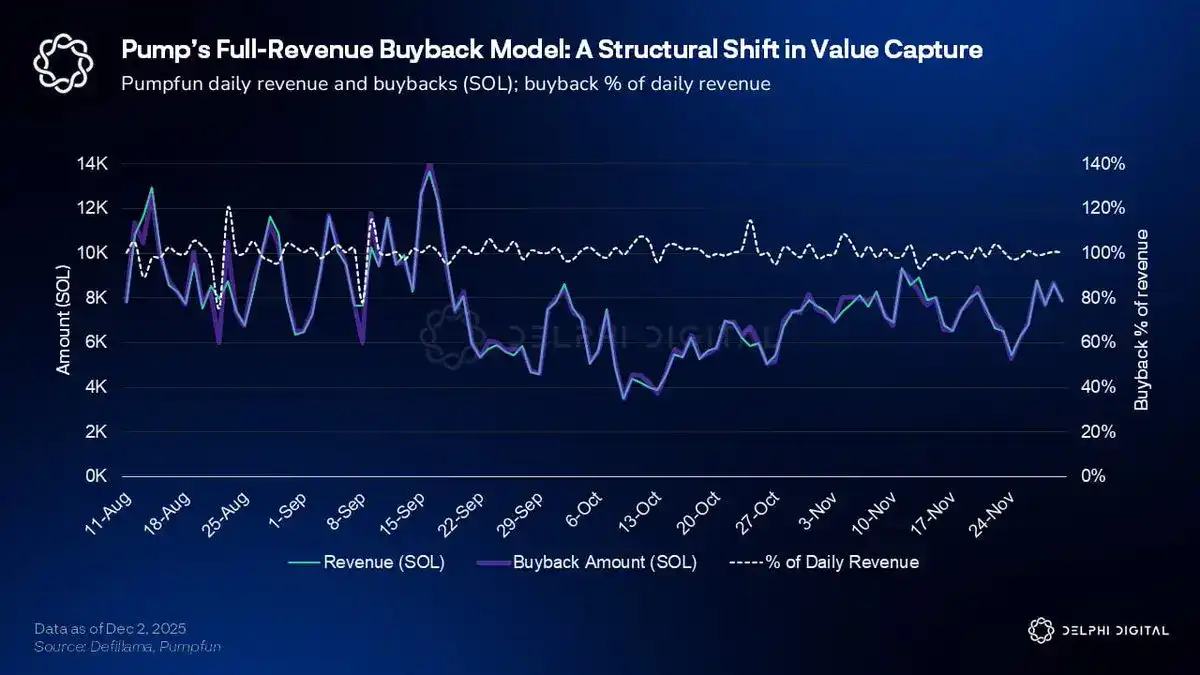
After the market made it clear that a partial buyback strategy would not be rewarded, Pump shifted from initially planning to use about a quarter of its revenue for buybacks to essentially adopting a full Hyperliquid-like model. In an illiquid and harsh altcoin environment, this shift helped ignite one of the strongest large-cap token rallies of the year.
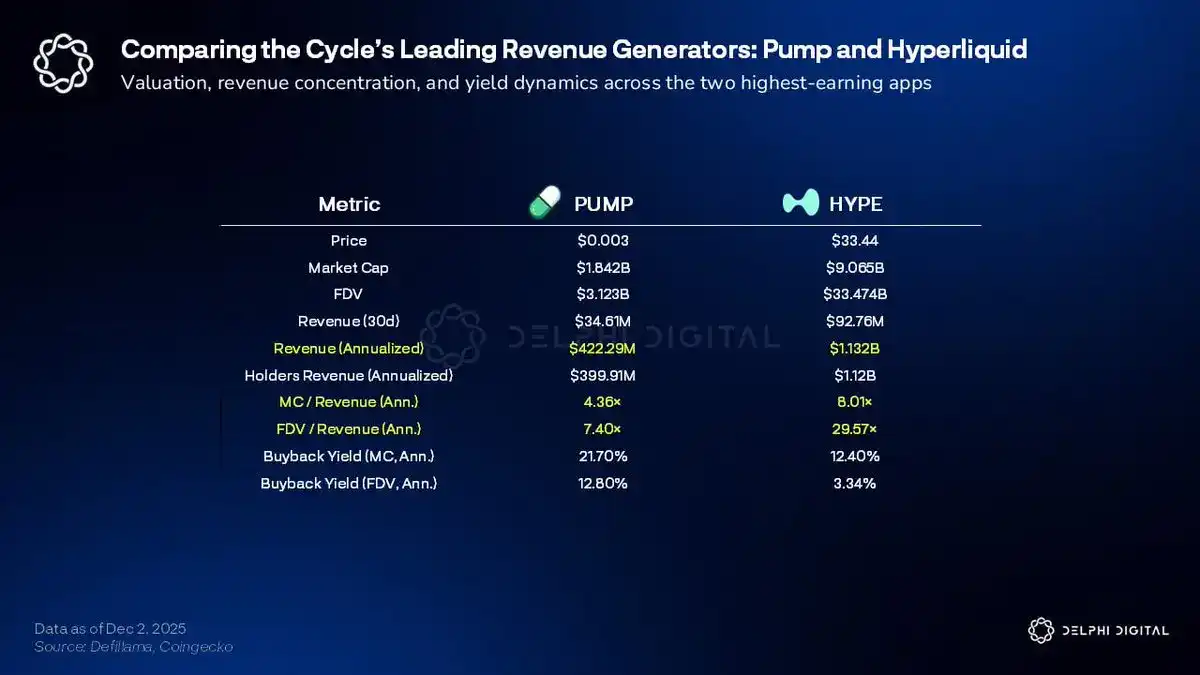
In terms of the buyback-to-market-cap ratio, no other mainstream token trades at a cheaper multiple than $PUMP. Based on current data, Pump's annualized revenue is $422 million, while its market capitalization is $1.84 billion, meaning its market-cap-to-revenue multiple (MC/Rev) is 4.36x, with an annualized buyback yield of about 12.8%. These levels are significantly lower than all other large-cap tokens, including Hyperliquid's approximately 8.01x MC/Rev and about 3.34% yield.

Even so, the market remains skeptical about Pump's long-term business development trajectory. Concerns may include: whether the team can continue to launch meaningful products, the impact of future token unlocks (about 40% of the supply is still locked), and uncertainty about how airdrop and creator incentive distributions will ultimately be implemented. Additionally, the general contraction in Memecoin and end-user activity, as well as ongoing doubts about the durability of Pump's revenue base, exacerbate these concerns.
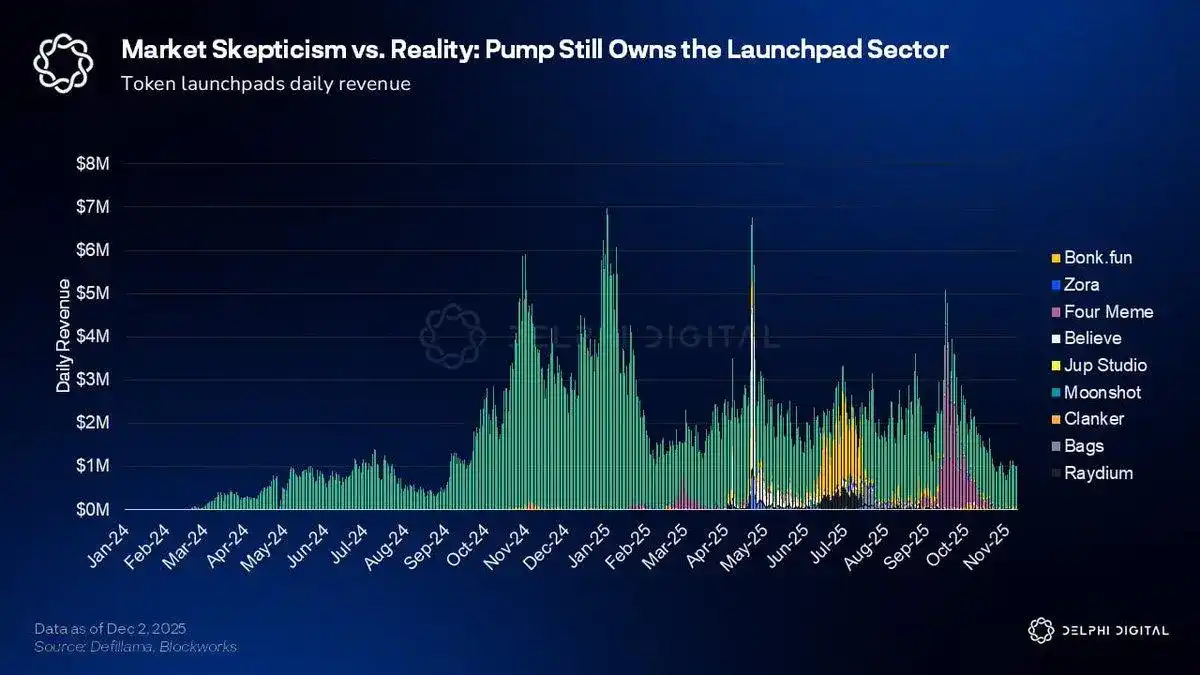
Despite these concerns, Pump continues to dominate the Memecoin launchpad space and still earns (and buys back) approximately $1 million daily, even in an extremely tough market environment. Its daily launchpad revenue has fallen nearly 85% from its peak of nearly $14 million per day earlier this year to around $2 million per day now, but competitors, aside from brief challenges, have not substantially shaken Pump's position. This aligns with the expectations in Delphi Digital's initial report during the Bonk and Raydium challenger phase: even facing periodic trading volume compression, Pump maintains a structurally dominant share of industry activity.

Strategic Moves and Future Direction
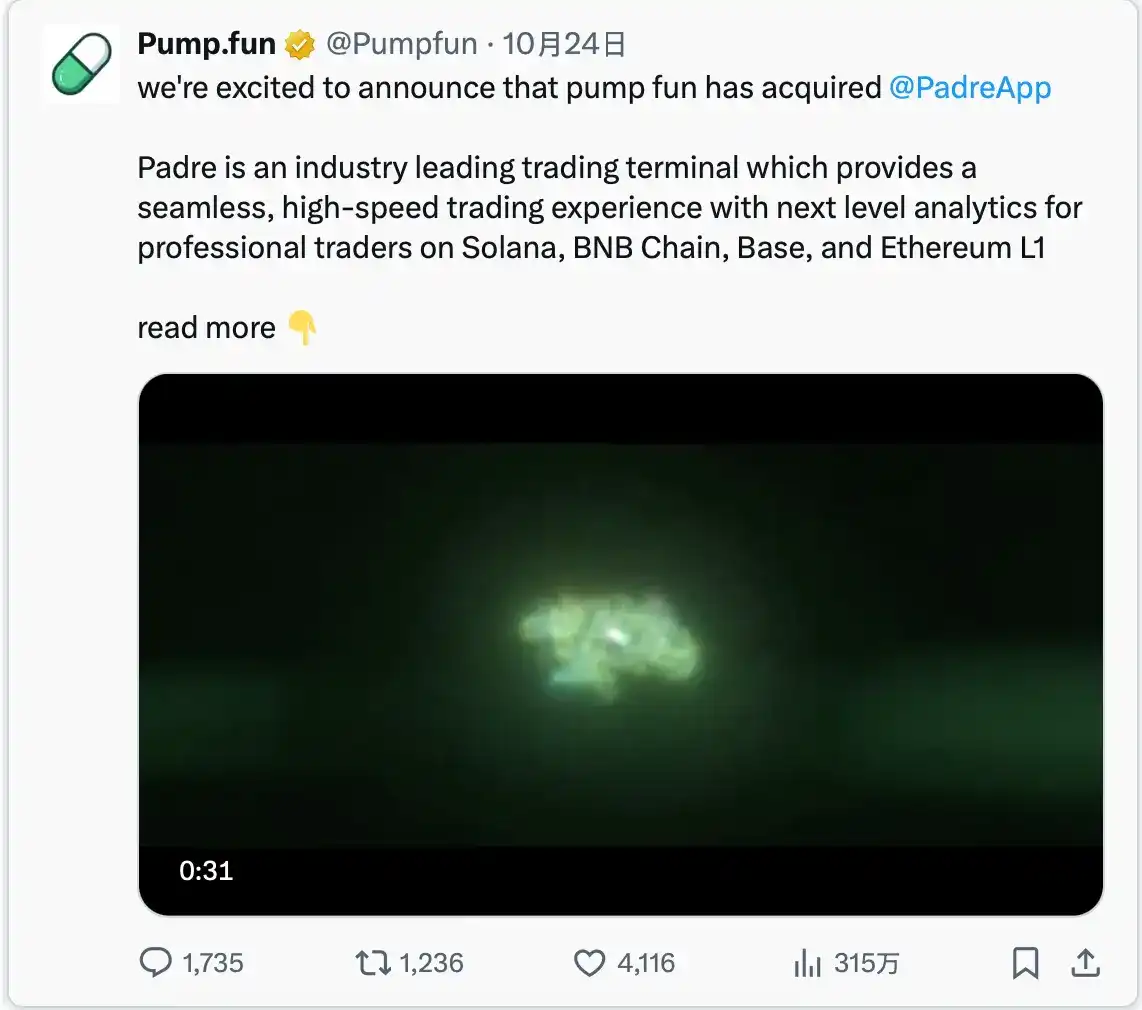
The acquisition of Padre indicates that Pump intends to expand beyond Solana, reach multi-chain users, and has already achieved support for BNB ecosystem assets through Padre's frontend. This also aligns with Delphi Digital's earlier prediction that Pump would eventually acquire a terminal or terminal-related asset to strengthen its traffic entry point and integrate more of the user journey. However, beyond these moves, the team has remained quiet. An investor call has been scheduled but had not taken place at the time of writing, so more clarity may be forthcoming.

Pump's leadership has also expressed interest in the broader ICM (Internet Capital Market) category, but this is not an area Delphi Digital considers core, nor does it align with Pump's current core identity or product strengths. The initial attempt at this model was made by Believe but failed to gain real traction, and MetaDAO has since become the dominant player in the "high-quality founder + community" funding space. ICM is also culturally and structurally misaligned with Pump's brand feel, which is built on speculation, speed, and creator meme culture, rather than long-form governance or prophet governance-style systems.

To succeed in the ICM space, Pump would need to delve deep into heavy governance structures and attract non-crypto teams looking to operate on-chain, which is not where most of Pump's current users or creators are. Although there is theoretical upside if the team commits seriously, I view this as a secondary or optional direction, not a natural extension of Pump's existing flywheel as it enters 2026.
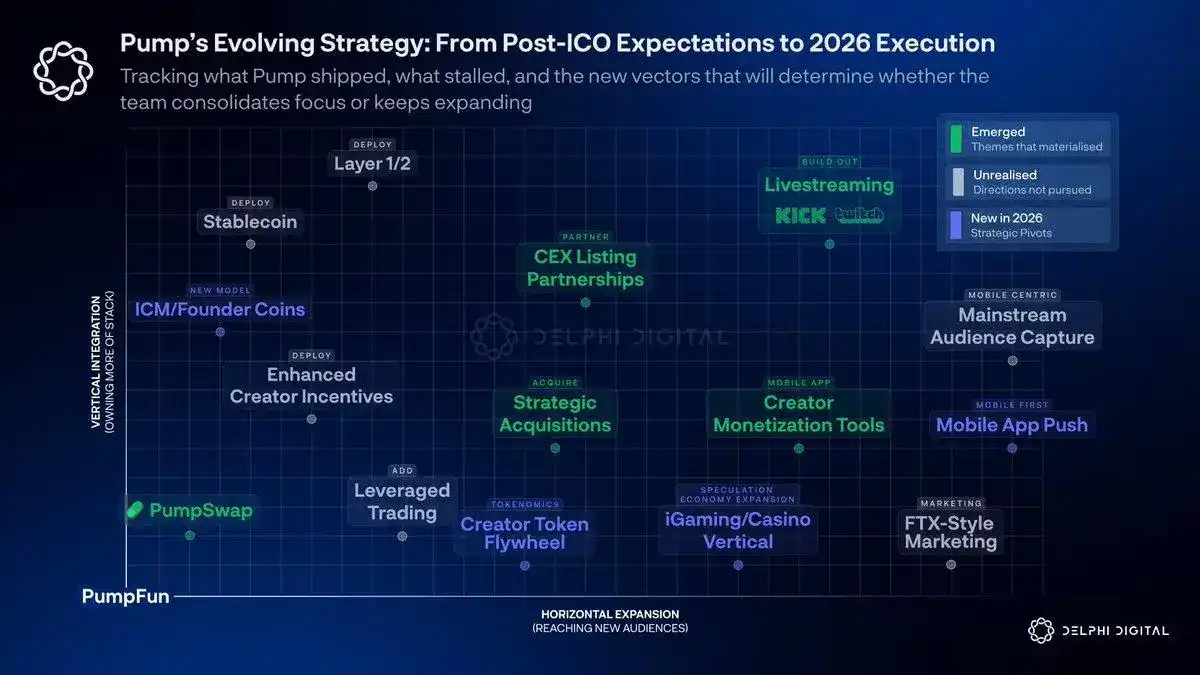
Looking ahead to 2026, the main questions revolve around whether Pump can finally create an incentive-aligned model for creator tokens, whether it can meaningfully expand into multi-chain markets through Padre, how it will manage token unlocks and declining revenue visibility, and which product vertical it will choose as its most aggressive entry point. Currently, its strategy seems scattered across multiple layers, from live streaming to ICM to mobile. At some point, the team may need to identify a primary focus, and for most of 2025, that focus seemed to be live streaming. Now, that is less clear.

Potential Breakthroughs: iGaming and Mobile

The bigger question is whether Pump can still attract larger non-crypto creators. This may require reinventing the creator token flywheel, introducing stronger, longer-term incentives to sustain virality beyond the crypto-native crowd. The raw ingredients exist. In 2025, Bagwork's run gave Delphi Digital a glimpse of what it looks like when this model works, a time when Pump seemed close to crossing the chasm.
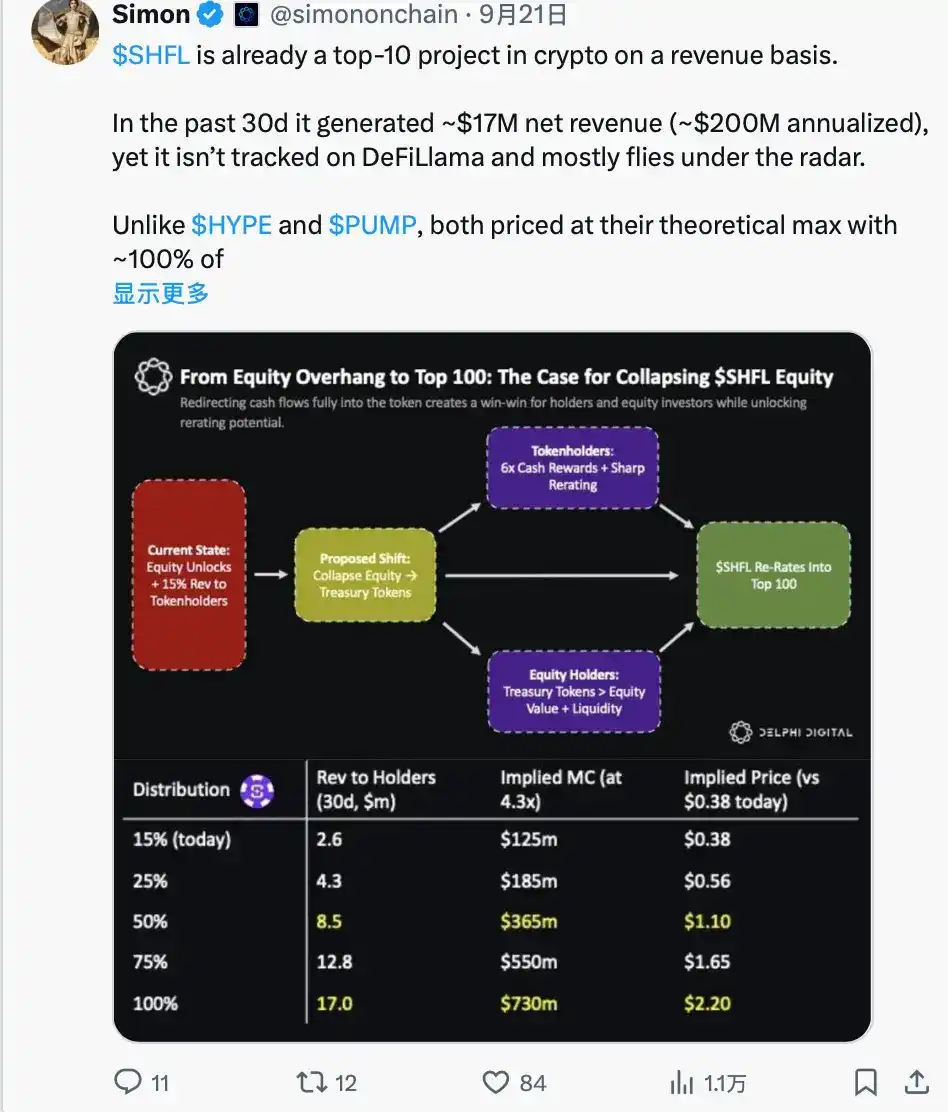
Pump also retains significant room to expand its product suite. One strategic direction the team should seriously evaluate is entering the iGaming or casino-related vertical; a Kick/Stake-like model would naturally fit with Pump's speculation-driven user base. This would create deep synergies with its memecoin and live streaming ambitions, and the profit potential of this category is already proven. Shuffle's net gaming revenue and weekly lottery distributions demonstrate how large this opportunity can be when executed well.

Pump's mobile app is another underutilized advantage. Deeper promotion on mobile could broaden the traffic funnel, make the product more accessible to mainstream users, and provide creators with more monetization space. If combined with iGaming, this would meaningfully expand Pump's potential user base while strengthening parts of the platform that already work.

Despite the uncertainties, Pump remains one of the most resilient consumer applications of this cycle, maintaining dominance even as the broader macro environment shifted. Making substantive progress in any single direction could catalyze a meaningful market sentiment reset and prepare Pump for broader breakthrough beyond the crypto-native crowd.

Tiền kỹ thuật số thịnh hành

Câu hỏi Liên quan

QWhat is the core challenge that Pump.fun must address to achieve its grand vision according to Delphi Digital's report?

APump.fun must find a balance between the inherent short-termism of the crypto world and the platform's long-term ambitions.

QWhat was the 'Bagwork' phenomenon and why was it significant for Pump.fun's creator economy model?

ABagwork was a creator-driven token that went viral through a series of stunts, generating over 2300 SOL in creator fees and showcasing the potential flywheel effect of a successful creator token, though it was short-lived and has not been replicated.

QWhat major change in tokenomics acted as the primary catalyst for the $PUMP price rebound from $0.025 to $0.085?

AThe team's decision to use 100% of net revenue for token buybacks, shifting from an initial plan to use only about a quarter of the revenue.

QWhat strategic acquisition did Pump.fun make to expand beyond the Solana ecosystem, and what does it enable?

APump.fun acquired Padre, which allows it to reach multi-chain users and has already enabled support for BNB ecosystem assets through Padre's front-end.

QWhat are the two potential strategic directions mentioned in the report that could provide a breakthrough for Pump.fun in 2026?

AEntering the iGaming or casino-related verticals, which aligns with its speculation-driven user base, and further leveraging its underutilized mobile application to broaden its reach and accessibility.

Nội dung Liên quan

Tăng trưởng mạnh mẽ, nâng lãi suất nhẹ nhàng, giá dầu kiểm soát được, thị trường đang định giá một sự hoàn hảo không tồn tại

Thị trường tài chính toàn cầu đang đồng thời định giá kỳ vọng vào tăng trưởng mạnh mẽ, lãi suất tăng nhẹ, cú sốc nguồn cung năng lượng được kiểm soát và giá dầu giảm. Sự kết hợp "hoàn hảo" này có vẻ có lợi cho tài sản rủi ro, nhưng để nó thành hiện thực, hầu như không có chỗ cho sai sót về chính sách, lạm phát và địa chính trị. Các chỉ báo rủi ro như chỉ số chứng khoán Mỹ ở mức cao kỷ lục và chênh lệch tín dụng thấp phản ánh niềm tin vào sức bền của tăng trưởng kinh tế. Tuy nhiên, thị trường lãi suất chỉ định giá mức tăng lãi suất rất hạn chế từ Cục Dự trữ Liên bang (Fed) trong năm tới, mâu thuẫn với dữ liệu lạm phát vẫn còn cao và dự báo tăng trưởng mạnh. Lịch sử cho thấy Fed có thể thắt chặt chính sách mạnh hơn nhiều so với kỳ vọng hiện tại của thị trường nếu tăng trưởng và lạm phát vẫn kiên cường. Trên thị trường dầu mỏ, giá dầu đã giảm so với đỉnh gần đây, nhưng kỳ vọng này dựa nhiều vào việc eo biển Hormuz sẽ sớm thông trở lại – một điều chưa xảy ra. Rủi ro đối với hạ tầng năng lượng, như các cuộc tấn công vào cơ sở lọc dầu, vẫn tồn tại. Giá dầu biến động mạnh trong năm nay cho thấy cú sốc nguồn cung chưa biến mất và rủi ro lạm phát có thể bị đánh giá thấp. Các tín hiệu từ các loại tài sản khác nhau không đồng bộ. Trong khi thị trường chứng khoán và tín dụng phản ánh viễn cảnh "tăng trưởng bền vững, dầu kiểm soát", thì thị trường trái phiếu (lợi suất tăng) dường như vẫn tính đến tác động lâu dài của xung đột và cú sốc năng lượng. Tóm lại, kịch bản hoàn hảo mà thị trường đang định giá đòi hỏi nhiều điều kiện lạc quan phải đồng thời xảy ra: tăng trưởng mạnh từ phía cung, lạm phát giảm, rủi ro địa chính trị hạ nhiệt và nguồn cung năng lượng ổn định. Bài học then chốt là thị trường đang để lại rất ít "khoảng đệm" cho sai lệch. Bất kỳ yếu tố nào trong số này không đạt như kỳ vọng đều có thể khiến nhà đầu tư phải định giá lại hoàn toàn triển vọng tăng trưởng, lãi suất và tài sản rủi ro.

marsbit7 phút trước

Tăng trưởng mạnh mẽ, nâng lãi suất nhẹ nhàng, giá dầu kiểm soát được, thị trường đang định giá một sự hoàn hảo không tồn tại

marsbit7 phút trước

StonkBroker có phải là rồng thứ hai không thể chối cãi của Robinhood Chain?

StonkBroker có thực sự là dự án lớn thứ hai trên Robinhood Chain? StonkBroker (STONKBROKER) đã gây chú ý với mức tăng 9 lần chỉ sau 14 ngày, vốn hóa đạt 1 tỷ USD và bộ sưu tập NFT của nó có giá sàn vượt 13 ETH, cao hơn cả BAYC. Nhiều người coi đây là dự án lớn thứ hai (long nhị) trên Robinhood Chain, sau CASHCAT. Tuy nhiên, phân tích sâu cho thấy phần lớn doanh thu hiện tại của dự án đến từ "Phí giao dịch NFT AMM" và "Phí kích hoạt Broker", vận hành dựa trên một vòng xoáy tăng giá giữa NFT và token. Mô hình này thành công trong việc thu hút sự chú ý và tạo thanh khoản, nhưng về bản chất vẫn giống một hình thức staking thúc đẩy tăng giá kép, chưa phải là doanh thu ổn định từ các sản phẩm cốt lõi đã hoàn thiện như Launchpad. Mặc dù vậy, sự tăng trưởng mạnh mẽ cho thấy đội ngũ phía sau có năng lực và cộng đồng có độ gắn kết. Dự án sắp ra mắt Launchpad chính thức với token $CLOCKIN, và kết quả của nó sẽ tác động lớn đến hiệu suất của token chính STONKBROKER. Tóm lại, việc khẳng định StonkBroker là long nhị còn hơi sớm. Tương lai của nó phụ thuộc vào khả năng tạo ra lợi nhuận thực sự cho người dùng và cạnh tranh thị phần khi các sản phẩm như Launchpad đi vào hoạt động. Nhà đầu tư nên thận trọng quan sát sự phát triển của các dự án con (như $CLOCKIN) và cân nhắc kỹ rủi ro cũng như tỷ lệ cược trước khi đưa ra quyết định.

marsbit16 phút trước

StonkBroker có phải là rồng thứ hai không thể chối cãi của Robinhood Chain?

marsbit16 phút trước

Chặng cuối cùng của stablecoin: MoneyGram kết nối ví tiền mã hóa với hơn 170 quốc gia thông qua mạng lưới tiền mặt

Ổn định tiền đã giải quyết vấn đề tốc độ và chi phí chuyển tiền xuyên biên giới, nhưng vẫn còn một vấn đề cơ bản: làm thế nào để chuyển tiền thành tiền mặt trên toàn cầu? Vào ngày 11 tháng 8, MoneyGram, một công ty chuyển tiền hàng đầu, thông báo dịch vụ MoneyGram Ramps chính thức khởi động trên Solana. Thông qua một API, nhà phát triển có thể kết nối gần 500.000 điểm giao dịch tiền mặt của MoneyGram tại hơn 170 quốc gia vào ứng dụng của họ. Người dùng có thể mang USDC đến đại lý MoneyGram tại địa phương để đổi thành tiền mặt bản địa hoặc nạp tiền mặt để mua USDC. MoneyGram có lịch sử từ năm 1940, hoạt động trong lĩnh vực chuyển tiền toàn cầu và sở hữu mạng lưới rộng khắp. Sau khi được tư nhân hóa vào năm 2023, công ty đẩy mạnh chuyển đổi thành nền tảng fintech. Giá trị cốt lõi của MoneyGram Ramps là cho phép các nhà phát triển ví hoặc sàn giao dịch tiền mã hóa cho phép người dùng chuyển đổi giữa tiền mã hóa và tiền mặt trên toàn cầu mà không cần tự xây dựng hệ thống tuân thủ hoặc mạng lưới tiền mặt. MoneyGram đảm nhận xác minh danh tính KYC, kiểm tra tuân thủ và thanh toán tiền pháp định. Điều này giải quyết trở ngại cuối cùng về mặt vật lý cho việc áp dụng ổn định tiền. Mạng lưới đại lý rộng khắp của MoneyGram đóng vai trò cầu nối giữa USD trên chuỗi và nền kinh tế ngoại tuyến. Việc chọn Solana là do chi phí giao dịch cực thấp, tốc độ xác nhận nhanh và hệ sinh thái nhà phát triển hướng đến ứng dụng tiêu dùng. Con đường thực tế để ổn định tiền đi vào chuyển tiền hàng ngày phụ thuộc vào việc tích hợp mạng lưới vật lý truyền thống như của MoneyGram vào quy trình thanh toán dựa trên blockchain.

marsbit33 phút trước

Chặng cuối cùng của stablecoin: MoneyGram kết nối ví tiền mã hóa với hơn 170 quốc gia thông qua mạng lưới tiền mặt

marsbit33 phút trước

Sau phiên bản mới, lật ngược thế cờ xuất hiện thường xuyên, làm thế nào để thích ứng với thay đổi khi giao dịch tại phân khúc LOL trên Polymarket?

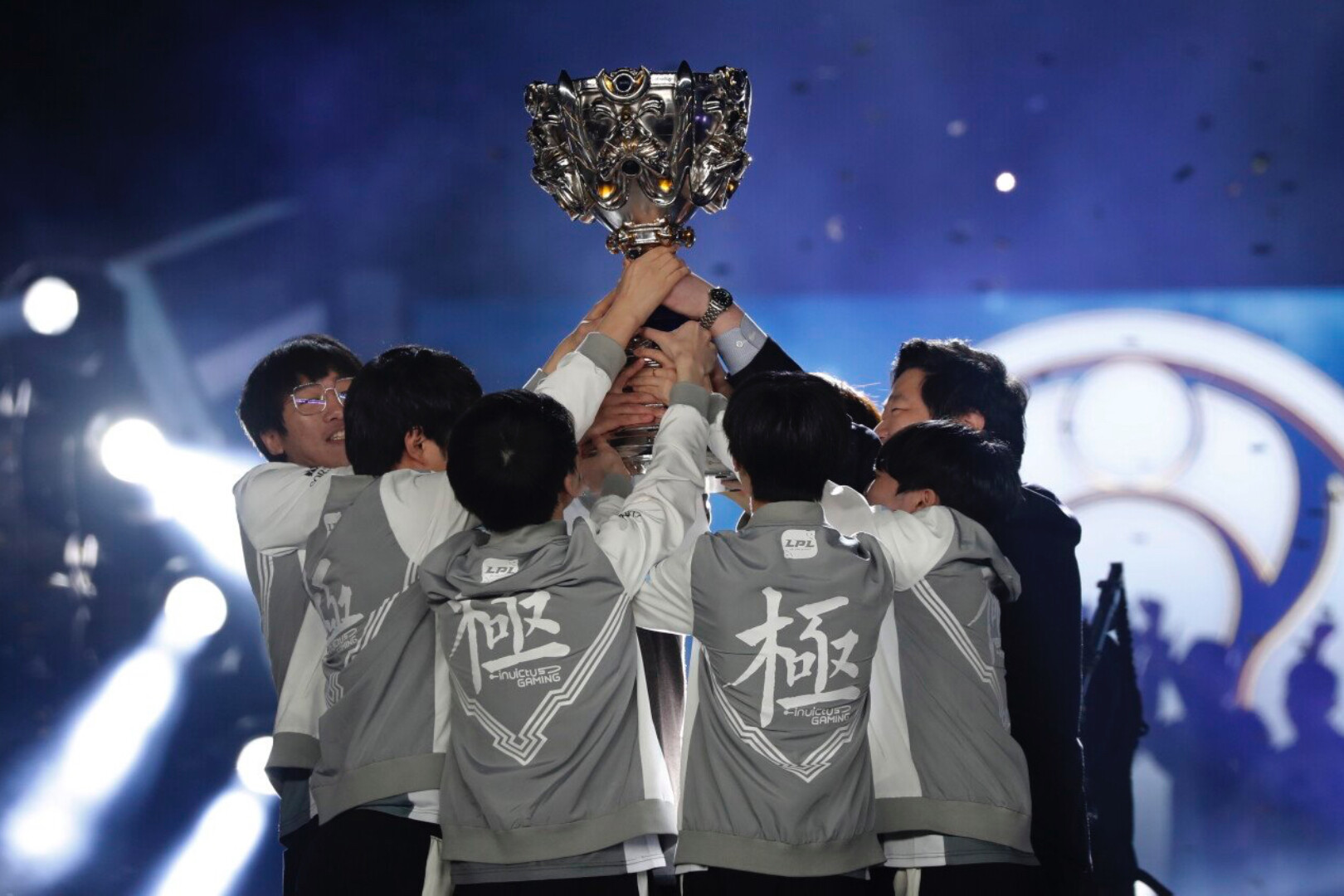
Trong phiên bản mới của LMHT, khả năng kết thúc trận đấu đã thay đổi đáng kể, dẫn đến nhiều ván lật ngược dù đội có lợi thế lớn về kinh tế. Bài viết phân tích nguyên nhân: trọng lượng của kinh tế sớm giảm, trong khi việc chuyển hóa lợi thế, trao đổi tài nguyên, sức mạnh đội hình và thực hiện giao tranh trở nên quan trọng hơn. Cơ chế như tiền thưởng kết liễu, điểm chiến lược và phần thưởng Rồng Hắc Ám được điều chỉnh giúp đội yếu thế dễ đuổi kịp. Ngoài ra, sự phổ biến của các tướng Pháp sư ở đường dưới làm giảm sát thương ổn định. Để giao dịch hiệu quả hơn trên Polymarket, người chơi cần lựa chọn khu vực thi đấu phù hợp (ưu tiên LPL, LCK, LEC, LCS) và các giải đấu quan trọng ảnh hưởng đến điểm số đi Chung Kết Thế Giới. Các giải nhỏ như CBLOL hay LCK Challengers thường khó dự đoán và dễ xảy ra kết quả bất ngờ. Về chiến lược giao dịch, cần phân tích đội hình (tướng mở giao tranh, sát thương ổn định, combo) và phong độ tuyển thủ. Một số chiến thuật được đề xuất: - Đặt lệnh mua thấp hơn thị giá 5-15 xu cho đội mạnh rõ ràng. - Với trận cân bằng, có thể đặt lệnh mua cả hai đội ở mức giá thấp (ví dụ 25-40 xu mỗi bên) để kiếm lời nếu tổng chi phí dưới 100. - Tận dụng giai đoạn mạnh của đội hình để giao dịch theo đợt. - Quan trọng nhất là chốt lời kịp thời (ví dụ bán 75% vị thế ở mức 85-90 xu nếu mua vào ở 50-60 xu) và quản lý vốn cẩn thận (không đầu tư quá 5-10% vốn cho một trận, tránh cảm tính). Tóm lại, để thích ứng với meta mới, người chơi cần theo dõi kỹ các trận đấu quan trọng, hiểu rõ tác động của kinh tế, đội hình và phong cách thi đấu của từng khu vực.

Odaily星球日报45 phút trước

Sau phiên bản mới, lật ngược thế cờ xuất hiện thường xuyên, làm thế nào để thích ứng với thay đổi khi giao dịch tại phân khúc LOL trên Polymarket?

Odaily星球日报45 phút trước

Giao dịch

Giao ngay

Bài viết Nổi bật

Làm thế nào để Mua PUMP

Chào mừng bạn đến với HTX.com! Chúng tôi đã làm cho mua Pump.fun (PUMP) trở nên đơn giản và thuận tiện. Làm theo hướng dẫn từng bước của chúng tôi để bắt đầu hành trình tiền kỹ thuật số của bạn.Bước 1: Tạo Tài khoản HTX của BạnSử dụng email hoặc số điện thoại của bạn để đăng ký tài khoản miễn phí trên HTX. Trải nghiệm hành trình đăng ký không rắc rối và mở khóa tất cả tính năng. Nhận Tài khoản của tôiBước 2: Truy cập Mua Crypto và Chọn Phương thức Thanh toán của BạnThẻ Tín dụng/Ghi nợ: Sử dụng Visa hoặc Mastercard của bạn để mua Pump.fun (PUMP) ngay lập tức.Số dư: Sử dụng tiền từ số dư tài khoản HTX của bạn để giao dịch liền mạch.Bên thứ ba: Chúng tôi đã thêm những phương thức thanh toán phổ biến như Google Pay và Apple Pay để nâng cao sự tiện lợi.P2P: Giao dịch trực tiếp với người dùng khác trên HTX.Thị trường mua bán phi tập trung (OTC): Chúng tôi cung cấp những dịch vụ được thiết kế riêng và tỷ giá hối đoái cạnh tranh cho nhà giao dịch.Bước 3: Lưu trữ Pump.fun (PUMP) của BạnSau khi mua Pump.fun (PUMP), lưu trữ trong tài khoản HTX của bạn. Ngoài ra, bạn có thể gửi đi nơi khác qua chuyển khoản blockchain hoặc sử dụng để giao dịch những tiền kỹ thuật số khác.Bước 4: Giao dịch Pump.fun (PUMP)Giao dịch Pump.fun (PUMP) dễ dàng trên thị trường giao ngay của HTX. Chỉ cần truy cập vào tài khoản của bạn, chọn cặp giao dịch, thực hiện giao dịch và theo dõi trong thời gian thực. Chúng tôi cung cấp trải nghiệm thân thiện với người dùng cho cả người mới bắt đầu và người giao dịch dày dạn kinh nghiệm.

Tổng lượt xem 689Xuất bản vào 2024.12.12Cập nhật vào 2026.07.09

Làm thế nào để Mua PUMP

Thảo luận

Chào mừng đến với Cộng đồng HTX. Tại đây, bạn có thể được thông báo về những phát triển nền tảng mới nhất và có quyền truy cập vào thông tin chuyên sâu về thị trường. Ý kiến ​​của người dùng về giá của PUMP (PUMP) được trình bày dưới đây.

活动图片