Polymarket Settlement Disputes Intensify, Ethereum Technical Plans Questioned: What Is the Overseas Crypto Community Discussing Today?

marsbitXuất bản vào 2026-01-07Cập nhật gần nhất vào 2026-01-07

Tóm tắt

In the past 24 hours, the crypto community focused on several key issues. Polymarket faced significant backlash over its settlement of a prediction market related to the U.S. military action in Venezuela, which was deemed not an "invasion," sparking accusations of arbitrary rule changes and concerns over its oracle-based resolution system. Suspected insider trading emerged, as large bets were placed just hours before the event, leading to calls for restrictions on government officials using prediction markets. Berachain’s TVL plummeted over 90%, attributed to fading hype and lack of sustainable product demand. TON also saw price declines, partly linked to alleged team token sales. On the ecosystem front, Solana’s network health was questioned due to validators delaying transactions to maximize MEV extraction, threatening its real-time processing advantage. Ethereum faced internal debate over its roadmap, with critics arguing it prioritizes minimal trust over practical utility, while technical progress was noted with EIP-7805 for enhanced censorship resistance. Lighter introduced a fee-based buyback mechanism for its token, viewed positively for value capture, while Perp DEX market makers saw compressed margins. Other updates included Infinex’s burn rate clarification, Tempo’s new token standard, and MegaETH’s Coinbase listing speculation.

Over the past 24 hours, mainstream topics in the crypto market have focused on the settlement disputes and potential insider risks of Polymarket in geopolitical events; in terms of ecosystem development, concerns have been raised about Solana's network health and MEV behavior, Ethereum's route divergence continues to ferment, and the Perp DEX track is accelerating differentiation amid buyback mechanisms and market maker compression.

I. Mainstream Topics

1. Settlement Disputes Over Polymarket's Venezuela "Invasion" Market

On January 3, the United States launched a military operation against Venezuela, successfully arresting President Maduro and his wife and extraditing them to the U.S. for trial. The Trump administration characterized the operation as a "law enforcement action" rather than a "military invasion."

On Polymarket, related prediction markets (such as "Will the U.S. invade Venezuela?") ultimately ruled that the "Yes" option did not hold, on the grounds that the action did not meet the market's preset definition of "invasion," i.e., a traditional large-scale ground military invasion rather than a rapid, targeted raid.


This settlement result sparked strong backlash in the community, with many users accusing it of "arbitrarily interpreting rules" and "changing their stance after the fact," and pointing fingers at the dispute resolution mechanism dominated by UMA holders. Numerous posts self-deprecatingly cited "the house always wins," further amplifying doubts about the fairness and credibility of prediction markets. Related discussions quickly exceeded millions of views, becoming the core topic of the day.

2. Insider Trading Suspicions Sparked by the Maduro Incident

More controversially, hours before the military action, several new wallets appeared on-chain, placing large bets on "Maduro will step down by January 31" or "the U.S. will intervene in Venezuela" while the probability was only about 6%–8%. One account invested approximately $35,000 and ultimately profited over $400,000.


The community immediately questioned whether there was insider information leakage, even suggesting the possibility of involvement with government or intelligence systems. Although some argued that prediction markets themselves have limited liquidity and high noise, making it difficult to draw conclusions from a single transaction, the precise timing was still deemed "too coincidental."


The incident has triggered higher-level discussions, with some lawmakers proposing restrictions or bans on government officials participating in prediction markets to prevent potential insider trading risks. Combined with the aforementioned settlement disputes, Polymarket's institutional risks became the absolute focus of today's discussions.

3. Berachain Ecosystem TVL's Cliff-like Decline

Another widely shared content came from Berachain. This L1 project, which was highly hyped in 2025 (with frequent high-profile events and TVL once exceeding $3 billion), has seen its total value locked (TVL) drop to approximately $184 million, a decline of over 90%.


Community discussions generally attributed the原因 to "hype fading后, lack of product and real demand" and "incentives衰减 leading to rapid capital outflow." Some users调侃 it as "bear chain" (as Berachain sounds similar to bear chain). Comments from major influencers like CZ also focused on the same point: marketing cannot long-term replace sustainable products and cash flow. Such discussions reflect a reassessment of the long-term viability of new public chains.

4. TON Team Selling Rumors

TON's price has fallen about 66% from its peak, with some posts attributing it to team selling行为, sparking brief discussions. Overall, however, the topic's热度 was significantly lower than Polymarket and Berachain, and it was more倾向于被视为 a case in the overall market correction cycle, without forming sustained controversy.

II. Mainstream Ecosystem Dynamics

1. Solana

Block Packing Issues Raise Network Health Concerns

New tools (such as ibrl.wtf) revealed that some validators are adopting so-called late packing strategies, deliberately delaying transactions to the end of blocks to maximize MEV extraction profits.


The community generally believes that this behavior is eroding Solana's core technical advantage: the real-time processing model, originally marketed as transaction streaming, has become a "burst" state, where state is only visible at the end of the slot, thereby affecting transaction real-time performance and breaking execution fairness.
Jito governance lead @DrNickA described it as Solana's "existential crisis moment," noting that such behavior could directly constrain the development of high-level applications like on-chain CLOBs. He called for coordination at the staker level (delegation) to penalize不良 validators or guide stakes to nodes with better IBRL ratings (e.g., Jito SOL).


Community consensus is that: in the short term,只能依赖 social layer coordination; long-term, protocol-level solutions (such as BAM / MCP proposals) are needed to technologize constraint mechanisms. The topic's high热度 reflects the market's collective anxiety about whether Solana's long-term value proposition will be eroded by MEV behavior.

2. Ethereum

Route Divergence and Anti-Censorship Upgrades Progress in Parallel

Former EF researcher Dankrad Feist publicly questioned Vitalik's emphasized "trust minimization and resilience first" route, arguing that it might push Ethereum towards an "improved version of Bitcoin-style digital gold," thereby sacrificing its potential to carry real economic activity. He advocates prioritizing high-value DeFi activity back on L1.

Multicoin Capital partner Kyle Samani's criticism was more direct, stating that EF's development focus is not on serving user needs but revolves around Vitalik's personal vision. This statement quickly sparked polarized reactions: one side supports the long-termism of "sovereignty and anti-censorship first," while the other worries that Ethereum is gradually deviating from practicality and market competition.

Parallel to the ideological debate was a positive technical development. Soispoke.eth analyzed on the Ethereum Magicians forum that EIP-7805 (FOCIL: Fork Choice-enforced Inclusion Lists) is expected to be included in the Hegotá upgrade (successor to Glamsterdam).

FOCIL enhances anti-censorship capabilities, transaction timeliness, and execution neutrality by allowing multiple validators to强制 include valid transactions. The proposal was previously excluded from Glamsterdam due to test scope control issues but has now gained more support among core developers, and with the prototype ready, it is seen as beneficial for普通 users, L2s, institutional participants, and the application layer.

3. Perp DEX: Positive Signals from Lighter

Lighter officially launched a mechanism where protocol fees are used for continuous on-chain buybacks of $LIT, with related buybacks publicly trackable via a dedicated treasury account. The community generally views this as a rare,真实 value capture model that can scale linearly with platform usage, with $LIT's recent price performance also seen as a direct response to this.

Simultaneously, market maker spread and margin analysis show that the short-term profit margins of leading market makers like Selini Capital and Jump Crypto are significantly compressing. Data shows Jump accounts for 47% of成交 in latency arbitrage, and since September–October 2025, overall market maker margins have continued to narrow, with机械化 market-making strategies facing greater pressure under a 0.2 bps fee structure.

4. Other Project Dynamics

Infinex: The founder disclosed a monthly burn rate of approximately $1.1 million (team of about 60 people), leading some in the community to question excessively high employee compensation. However, subsequent clarification showed the figure includes infrastructure and various operational costs, and the争议 quickly cooled down.

Tempo: Released the TIP-20 token standard, optimized for stablecoins and payment scenarios, supporting transfer memos, compliance strategies, yield distribution, and "paying Gas with any stablecoin," and has partnered with AllUnity, Bridge, LayerZero, etc.

MegaETH (MEGA): Included in Coinbase's listing roadmap, the community sees this as a positive signal of mainstream platform recognition for high-performance L2s, with speculation about an imminent TGE.

TON: Old news resurfaced: the team sold approximately $450 million in tokens in 2025, which some users see as a key reason for the price's ~66% drop from its peak, with discussions mostly consisting of调侃 and post-hoc summaries.


Tiền kỹ thuật số thịnh hành

Câu hỏi Liên quan

QWhat was the main reason for the settlement controversy on Polymarket regarding the US action in Venezuela?

AThe controversy arose because Polymarket ruled the 'Yes' option for 'Will the US invade Venezuela?' as invalid, arguing the US military action was a 'law enforcement operation' involving a rapid, targeted raid rather than a traditional large-scale ground invasion as defined by the market.

QWhat significant concern emerged from the chain activity hours before the military action against Maduro?

AHours before the action, new wallets made large bets on markets like 'Maduro out by Jan 31' or 'US intervention in Venezuela' when probabilities were only 6-8%, with one account turning ~$35k into over $400k, leading to widespread suspicion of insider trading potentially linked to government or intelligence sources.

QAccording to community discussion, what is the primary reason for Berachain's TVL dropping over 90% from its peak?

AThe community attributes Berachain's dramatic TVL drop to 'hype fading without sufficient product and real demand' and 'incentives decaying causing rapid capital outflow,' highlighting that marketing cannot substitute for sustainable products and cash flow.

QWhat MEV-related issue on Solana is causing concern about network health and its core technical advantages?

AValidators are using 'late packing' strategies, deliberately delaying transactions to the end of a block to maximize MEV extraction. This erodes Solana's real-time processing model, turning it into a 'burst' state that harms transaction immediacy and execution fairness, posing an existential crisis for the chain.

QWhat is the key benefit of the EIP-7805 (FOCIL) proposal potentially included in a future Ethereum upgrade?

AEIP-7805 (FOCIL) enhances censorship resistance, transaction timeliness, and execution neutrality by allowing multiple validators to forcibly include valid transactions, which is seen as beneficial for ordinary users, L2s, institutional participants, and the application layer.

Nội dung Liên quan

Chip, mô hình mã nguồn mở và 50 nghìn tỷ USD, Joseph Tsai một lần nữa phân tích lại Alibaba

Tại sự kiện VivaTech, Chủ tịch Alibaba Joseph Tsai đã trình bày tầm nhìn AI dài hạn của tập đoàn. Ông nhấn mạnh thị trường AI tiềm năng lên tới 50 nghìn tỷ USD, tương đương một nửa GDP toàn cầu từ đóng góp của trí tuệ và năng suất con người. Alibaba đang tập trung toàn lực vào AI với chiến lược đầu tư toàn diện trên 4 tầng: chip, cơ sở hạ tầng điện toán đám mây, mô hình (như Qwen - một trong những mô hình mã nguồn mở phổ biến nhất) và ứng dụng. Công ty tránh đầu tư vào tầng năng lượng do hiệu quả chi phí tại Trung Quốc. Cách tiếp cận này giúp Alibaba hiện diện ở mọi tầng giá trị tương lai, dù không chắc chắn giá trị cuối cùng sẽ tập trung ở đâu. Tsai bác bỏ quan điểm về bong bóng đầu tư vào cơ sở hạ tầng AI, dẫn đầu tư khổng lồ của các gã khổng lồ công nghệ Mỹ. Ông cho rằng các công ty Trung Quốc cần đầu tư nhiều hơn, và Alibaba may mắn có dòng tiền tự do ~25 tỷ USD/năm từ thương mại điện tử để tài trợ. Về mã nguồn mở, Tsai chỉ ra rằng khi các mô hình hàng đầu của Mỹ đều đóng, thì các công ty Trung Quốc như Alibaba đang dẫn dắt phong trào mã nguồn mở. Ông nhấn mạnh hai lợi ích chính: tính độc lập công nghệ (tránh rủi ro bị "tắt nguồn") và bảo mật dữ liệu (dữ liệu được giữ trong firewall của khách hàng). Điều này đặc biệt quan trọng cho chủ quyền số của các công ty châu Âu. Tsai cũng chia sẻ tầm nhìn về tương lai nơi AI Agent làm việc thay con người, giải phóng thời gian để mọi người tận hưởng cuộc sống, gia đình và giải trí.

marsbit4 phút trước

Chip, mô hình mã nguồn mở và 50 nghìn tỷ USD, Joseph Tsai một lần nữa phân tích lại Alibaba

marsbit4 phút trước

Thế hệ người bình thường Đông Á đang làm giàu nhờ TSMC và cổ phiếu Hàn Quốc liên quan đến AI

Bài viết từ WSJ mô tả cơn sốt đầu tư vào AI và ngành bán dẫn đang tạo ra của cải khổng lồ cho nhiều người bình thường tại Đông Á, đặc biệt là ở Hàn Quốc, Đài Loan và Nhật Bản. Làn sóng này được thúc đẩy bởi nhu cầu toàn cầu về chip phục vụ trí tuệ nhân tạo, biến các gã khổng lồ công nghệ như TSMC, Samsung, SK Hynix thành "người bán xẻng" trong cơn sốt vàng AI. Tại Hàn Quốc, những nhà đầu tư trẻ như Na Se-bin (24 tuổi) dành toàn bộ tiền tiết kiệm để đầu tư cổ phiếu, trong khi giáo viên Choi Sung-ho (35 tuổi) thấy danh mục đầu tư tăng gấp 5 lần. Ở Đài Loan, TSMC không chỉ thống trị thị trường chứng khoán (chiếm hơn 41% chỉ số) mà còn mang lại địa vị xã hội và mức lương cao gấp ba lần cho kỹ sư. Tại Nhật Bản, các công ty như Kioxia và TOTO cũng hưởng lợi nhờ cung cấp linh kiện liên quan. Bài viết cho thấy hiện tượng đầu tư đã trở nên phổ biến trong công chúng, từ học sinh đến tài xế taxi, thúc đẩy chi tiêu xa xỉ và thay đổi thói quen tài chính. Tuy nhiên, thị trường cũng tiềm ẩn biến động mạnh, như đợt sụt giảm 8% của KOSPI hồi tháng 6, dù các nhà lãnh đạo như Jensen Huang của NVIDIA vẫn lạc quan. Cơn sốt này nhấn mạnh sự phụ thuộc của cuộc cách mạng AI vào hạ tầng bán dẫn châu Á và tác động sâu rộng của nó đến xã hội.

Odaily星球日报8 phút trước

Thế hệ người bình thường Đông Á đang làm giàu nhờ TSMC và cổ phiếu Hàn Quốc liên quan đến AI

Odaily星球日报8 phút trước

Thế hệ trẻ Đông Á bình thường được làm giàu từ TSMC và các cổ phiếu Hàn Quốc liên quan đến AI

Bài viết mô tả làn sóng đầu tư và tiêu dùng sôi động ở Đông Á, thúc đẩy bởi cơn sốt AI toàn cầu và sự bùng nổ của các công ty công nghệ bán dẫn hàng đầu như TSMC, Samsung và SK Hynix. Tại Hàn Quốc, những nhà đầu tư trẻ như Na Se-bin (24 tuổi) dồn tiền tiết kiệm vào thị trường chứng khoán, nơi các cổ phiếu liên quan đến chip có thể biến động mạnh chỉ trong vài giây. Tâm lý đầu tư lan rộng, với hàng trăm nghìn tài khoản giao dịch được mở cho trẻ vị thành niên. Lợi nhuận từ thị trường giúp nhiều người nâng cấp lối sống, mua sắm hàng hiệu và xe hơi đắt tiền. Ở Đài Loan, TSMC trở thành biểu tượng của sự thịnh vượng, chiếm hơn 40% giá trị thị trường chứng khoán. Lương cao tại đây không chỉ cải thiện đời sống mà còn mang lại địa vị xã hội. Các nhà đầu tư như Ye Lunhao (37 tuổi) kiếm lời lớn để mua nhà. Cơn sốt còn lan sang cả thị trường hàng hóa kỷ niệm mang logo TSMC. Tại Nhật Bản, các công ty cung cấp vật liệu hoặc linh kiện cho ngành chip, như TOTO hay Ajinomoto, cũng chứng kiến cổ phiếu tăng mạnh. Dù vậy, vẫn có những người trẻ thận trọng như Ryoki Nao (21 tuổi), chờ đợi có thu nhập ổn định trước khi đầu tư. Bài viết nhấn mạnh rằng dù các công ty AI ở Silicon Valley có thành công hay không, các "người bán xẻng" Đông Á cung cấp phần cứng thiết yếu vẫn đang hưởng lợi lớn, tạo ra một cơn sốt tài chính và thay đổi văn hóa tiêu dùng trong khu vực.

marsbit15 phút trước

Thế hệ trẻ Đông Á bình thường được làm giàu từ TSMC và các cổ phiếu Hàn Quốc liên quan đến AI

marsbit15 phút trước

Musk Lại Nhắm Đến Cơ Sở Hạ Tầng AI: Tesla Sắp Bán 'Khối Xếp Hình Sức Mạnh Tính Toán'

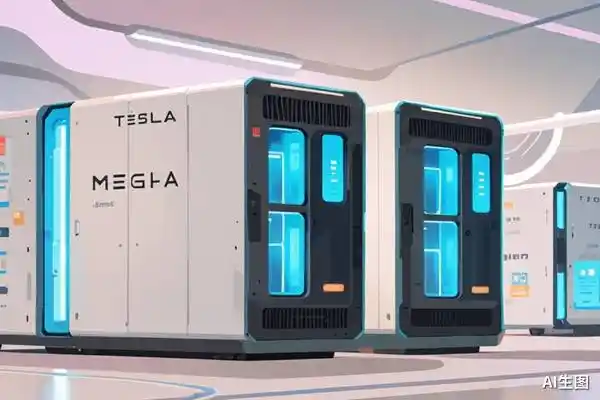
Tesla vừa nộp đơn đăng ký nhãn hiệu "Megapod" cho Cục Sáng chế và Nhãn hiệu Hoa Kỳ (USPTO), kế hoạch kinh doanh phần cứng trung tâm dữ liệu AI mô-đun. Dựa trên mô tả, Megapod là một hệ thống phần cứng trung tâm dữ liệu mô-đun hoàn chỉnh cho tính toán AI, bao gồm máy chủ, phần cứng xử lý dữ liệu AI, thiết bị mạng, đơn vị phân phối điện và hệ thống làm mát. Điều này cho thấy Tesla đang nghiêm túc cân nhắc biến cơ sở hạ tầng AI thành một danh mục phần cứng có thể bán được. Động thái này diễn ra chưa đầy một năm sau khi Tesla giải tán nhóm Dojo - siêu máy tính đào tạo AI tự nghiên cứu duy nhất của họ. Tuy nhiên, Megapod có vẻ không nhằm cạnh tranh trực tiếp với doanh nghiệp GPU của NVIDIA, mà tập trung hơn vào các lĩnh vực như điện lực, lưu trữ năng lượng, làm mát và triển khai mô-đun - những điểm đau hiện tại của trung tâm dữ liệu AI. Tên gọi Megapod tiếp nối logic từ Megapack (pin lưu trữ năng lượng quy mô lớn) và Megablock (hệ thống lưu trữ năng lượng mô-đun quy mô lớn hơn) của Tesla, áp dụng cách tiếp cận "mô-đun hóa" từ hệ thống điện sang hệ thống năng lực tính toán AI. Lợi thế của Tesla nằm ở sản xuất mô-đun, lưu trữ pin, kiểm soát điện năng và nhu cầu AI trong hệ sinh thái của Musk. Mặc dù thị trường phần cứng trung tâm dữ liệu AI phức tạp với nhiều đối thủ cạnh tranh, nhưng nhu cầu về điện, làm mát và tốc độ triển khai từ các công ty AI có thể mở ra cơ hội kinh doanh thực tế cho Tesla. Động thái này cũng có mối liên hệ với hợp đồng cho thuê năng lực tính toán AI trị giá hàng tỷ đô la mỗi tháng của SpaceX, cho thấy một bức tranh cơ sở hạ tầng AI rộng lớn hơn đang được định hình.

marsbit21 phút trước

Musk Lại Nhắm Đến Cơ Sở Hạ Tầng AI: Tesla Sắp Bán 'Khối Xếp Hình Sức Mạnh Tính Toán'

marsbit21 phút trước

Giao dịch

Giao ngay
Hợp đồng Tương lai

Bài viết Nổi bật

Làm thế nào để Mua T

Chào mừng bạn đến với HTX.com! Chúng tôi đã làm cho mua Threshold Network Token (T) trở nên đơn giản và thuận tiện. Làm theo hướng dẫn từng bước của chúng tôi để bắt đầu hành trình tiền kỹ thuật số của bạn.Bước 1: Tạo Tài khoản HTX của BạnSử dụng email hoặc số điện thoại của bạn để đăng ký tài khoản miễn phí trên HTX. Trải nghiệm hành trình đăng ký không rắc rối và mở khóa tất cả tính năng. Nhận Tài khoản của tôiBước 2: Truy cập Mua Crypto và Chọn Phương thức Thanh toán của BạnThẻ Tín dụng/Ghi nợ: Sử dụng Visa hoặc Mastercard của bạn để mua Threshold Network Token (T) ngay lập tức.Số dư: Sử dụng tiền từ số dư tài khoản HTX của bạn để giao dịch liền mạch.Bên thứ ba: Chúng tôi đã thêm những phương thức thanh toán phổ biến như Google Pay và Apple Pay để nâng cao sự tiện lợi.P2P: Giao dịch trực tiếp với người dùng khác trên HTX.Thị trường mua bán phi tập trung (OTC): Chúng tôi cung cấp những dịch vụ được thiết kế riêng và tỷ giá hối đoái cạnh tranh cho nhà giao dịch.Bước 3: Lưu trữ Threshold Network Token (T) của BạnSau khi mua Threshold Network Token (T), lưu trữ trong tài khoản HTX của bạn. Ngoài ra, bạn có thể gửi đi nơi khác qua chuyển khoản blockchain hoặc sử dụng để giao dịch những tiền kỹ thuật số khác.Bước 4: Giao dịch Threshold Network Token (T)Giao dịch Threshold Network Token (T) dễ dàng trên thị trường giao ngay của HTX. Chỉ cần truy cập vào tài khoản của bạn, chọn cặp giao dịch, thực hiện giao dịch và theo dõi trong thời gian thực. Chúng tôi cung cấp trải nghiệm thân thiện với người dùng cho cả người mới bắt đầu và người giao dịch dày dạn kinh nghiệm.

Tổng lượt xem 520Xuất bản vào 2024.12.13Cập nhật vào 2026.06.02

Làm thế nào để Mua T

Thảo luận

Chào mừng đến với Cộng đồng HTX. Tại đây, bạn có thể được thông báo về những phát triển nền tảng mới nhất và có quyền truy cập vào thông tin chuyên sâu về thị trường. Ý kiến ​​của người dùng về giá của T (T) được trình bày dưới đây.

活动图片