OpenAI Experiences Internal Strife Again! Major Leadership Shake-Up on the Eve of IPO

marsbitXuất bản vào 2026-04-06Cập nhật gần nhất vào 2026-04-06

Tóm tắt

OpenAI is experiencing significant internal turmoil and executive reshuffling just as it prepares for a potential IPO later this year. Key changes include COO Brad Lightcap transitioning to a special projects role, Chief Marketing Officer Kate Rouch resigning for health reasons, and Chief App Officer Fidji Simo taking a medical leave. These departures and reassignments have raised concerns about management stability during a critical period. Additionally, tensions have emerged between CEO Sam Altman and CFO Sarah Friar over the IPO timeline. Altman is pushing for a faster launch, aiming to go public before competitor Anthropic, and has publicly committed to $600 billion in future AI infrastructure investments. Friar, however, advocates for a more cautious approach, citing the immense internal preparation required and uncertainties around the company’s financial sustainability given slowing revenue growth and massive compute expenditure commitments. These developments have led to speculation about OpenAI’s ability to execute a successful IPO this year, with external observers and industry insiders questioning both its business model and internal cohesion amid fierce competition and financial pressures.

OpenAI, eager to go public before Company A, turns around only to find:

Ahhh, the house is on fire!!

On one hand, there is intense personnel turmoil at the top—the COO is moving to a special project, and several key executives are leaving or taking leave;

On the other hand, the CEO leading the IPO and the CFO controlling the purse strings are reported to be at odds over the timeline.

How should we put it? Compared to the recent billion-dollar funding round and the new progress on GPT-6, this reversal came way too fast.

As the news broke, netizens also raised new doubts about whether OpenAI can successfully go public this year:

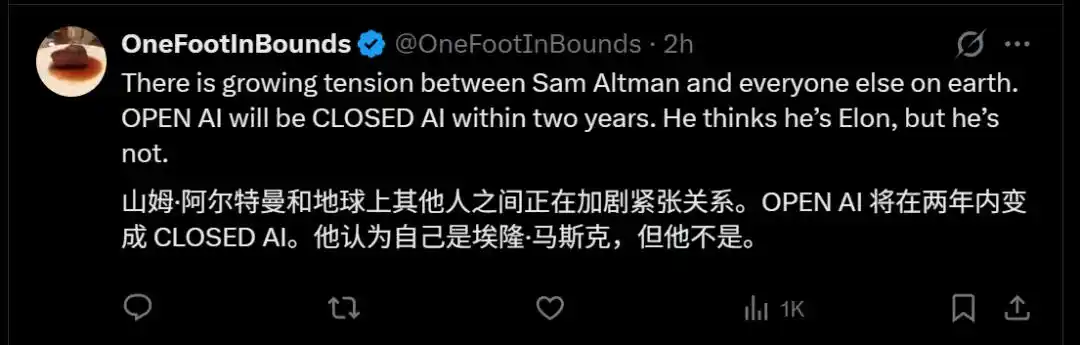
Sam's tensions with everyone else on Earth are intensifying.
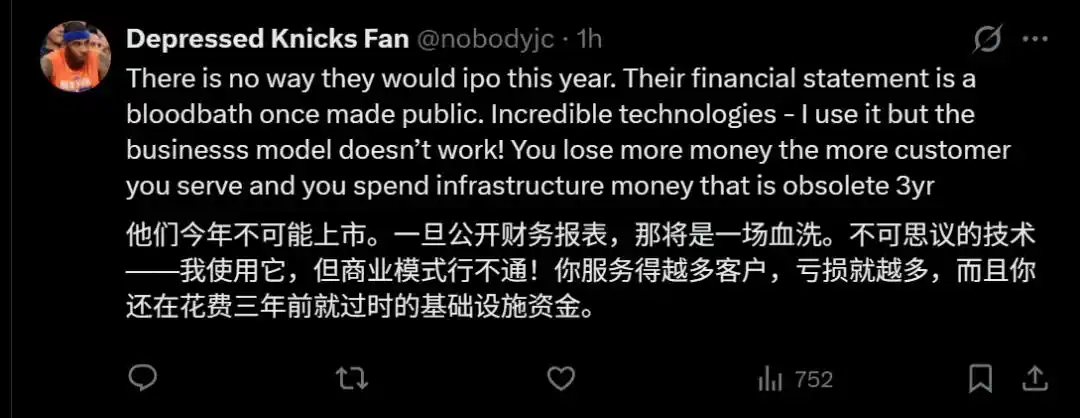
They can't go public this year... After trying it, the business model doesn't seem viable.
So, what exactly is happening at OpenAI?

IPO Imminent, Leadership in Turmoil

The first thing happening at OpenAI is quite intriguing:

Right at the critical juncture of securing a record $122 billion in funding and sprinting towards an IPO, several key executives are either changing roles, taking leave, or leaving.
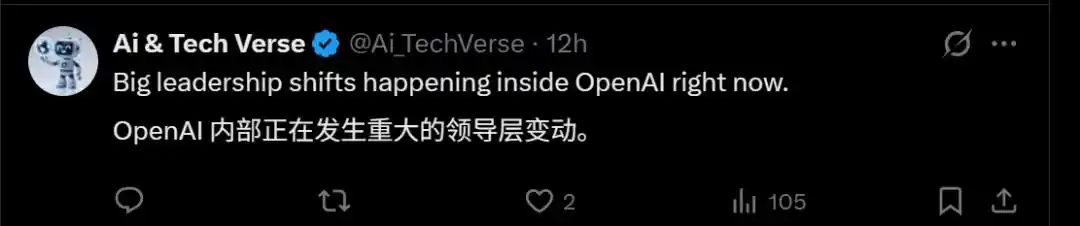
According to Bloomberg, its long-time Chief Operating Officer Brad Lightcap will transition to a new role, leading "special projects" and reporting directly to CEO Altman.

Although the "special projects" are not explicitly defined, one of the responsibilities is related to OpenAI's strategic shift towards the B2B market—

overseeing the formation of joint ventures with private equity firms to sell software to enterprises.

On the surface, Brad Lightcap seems to have been given a significant responsibility, but in terms of title, he has indeed lost his identity as "OpenAI's chief steward."

As a result, netizens unanimously think Brad Lightcap has been "kicked upstairs."

The person replacing Brad Lightcap as COO is Denise Dresser, who was appointed as Chief Revenue Officer at OpenAI just late last year.

Before joining OpenAI, Denise Dresser was the CEO of the globally renowned collaboration platform Slack, particularly skilled in commercial expansion.

But after only three months in the role, she was pushed into the COO position, so this adjustment doesn’t look like a "routine handover" at all.

Taking a step back, even if the changes involving the first two executives are explained as part of OpenAI's normal strategic adjustments—

after all, the overall direction is for commercial considerations.

But the fact that two other executives, one taking leave and the other leaving, and happening around the same time, seems to hint at something else?

One of them on leave is Fidji Simo, who joined OpenAI as Chief App Officer last May.

It's worth noting that she was a major hire for OpenAI—she spent 10 years at Facebook (now Meta), directly responsible for the entire Facebook App, later moved to Instacart as CEO, and took the company public during a overall downturn in tech stocks.

And now, she stated in an internal memo to employees that due to "particularly poor health over the past month," she has decided to take several weeks off for recovery.

During her leave, OpenAI President Greg Brockman will temporarily take over her role, overseeing the product department.

The one leaving is Chief Marketing Officer Kate Rouch, also citing health reasons—leaving to focus on cancer treatment.

She also specifically mentioned that if her condition allows, she might return in a limited capacity later.

OpenAI is currently looking for a new Chief Marketing Officer.

Seeing this, some might ask: Aren't health reasons normal?

Yes, they are. But precisely because it's so normal, so faultless, it makes people even more suspicious.
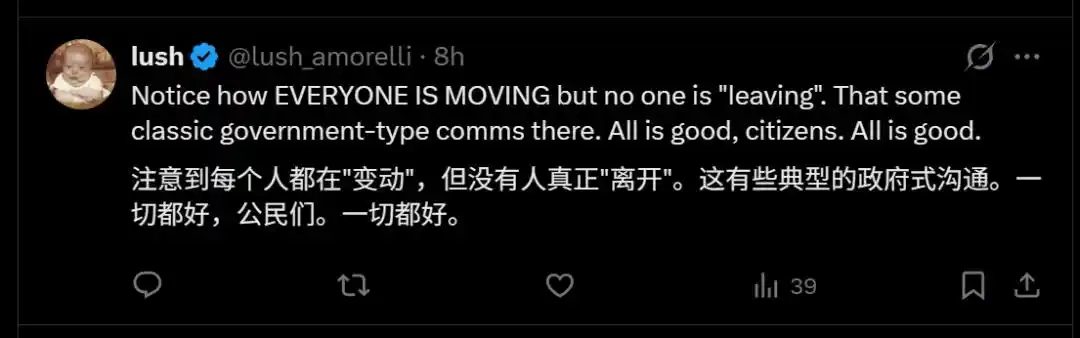
Not to mention, doesn't this seem like a scene from "The Return of the Empress"?

The specific events are familiar to everyone, so we won't elaborate here, just one point—at that time, many people (including the current president of OpenAI) also expressed their stance or temporarily laid low using leave as a reason.

So, on the surface, everything has a reasonable explanation—role change is strategic, leave is for health, and departure is understandable.

But when the timelines overlap, it's hard not to think one step further:

Why exactly at this critical juncture of the IPO sprint?

After all, for a company heading towards the capital market, the most important things are stability and predictability, especially the continuity of the core management team.

And now, OpenAI is collectively staging such a drama.

Altman and CFO Diverge on IPO Timeline

What's worse, there are signs that the relationship between the CEO and CFO, these two key roles, is also quite delicate.

They have major disagreements on the IPO timeline:

Altman seeks "speed", hoping to go public in Q4 of this year before Anthropic (Company A was rumored to be planning an IPO as early as October).

To go public faster, he also publicly承诺 (committed - note: the original Chinese word 承诺 (chéngnuò) means promise/commit) to invest $600 billion over the next five years (anyway, putting the word out first).

And it's important to know that OpenAI itself once estimated that it would burn through over $200 billion before generating positive cash flow.

CFO Sarah Friar seeks "stability", believing the amount of internal preparation work needed for the IPO is enormous, and targeting this year is somewhat aggressive.

As a financial expert who previously took Square public, she expressed her concerns privately to colleagues earlier this year.

Especially since the IPO is backed by Altman's "$600 billion" promise, she is uncertain whether such massive investments in AI servers will truly be needed in the coming years, and whether the slowing revenue growth can support these commitments.
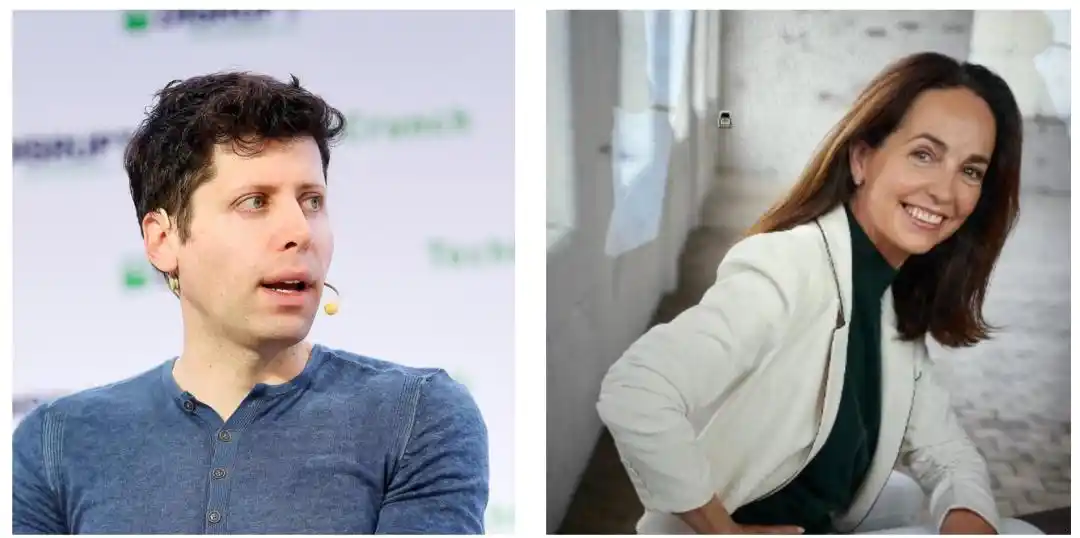
This strategic divergence has also cast a shadow over their working relationship.

It is reported that although the two appeared harmonious at a private dinner Altman hosted for investors earlier this year, those around them have vaguely sensed:

This is only superficial; their relationship has become strained.

A clear example is that in recent months, when Altman was discussing server expenses with senior executives of a top investment firm, Sarah Friar was not included.

If she had never participated before, it might be different, but the key is that Sarah Friar was present at previous events discussing the same topic.

So even other attendees felt that Altman might indeed have done it on purpose.

And even more unusually, since last August, Sarah Friar's reporting line was adjusted—

no longer reporting directly to CEO Altman, but to the head of the applications business.

In the eyes of outsiders, "this is a rare organizational arrangement in any large company."

At this point, the "discord" between the two has gradually come to light.

So the question is, is Sarah Friar's concern justified? Especially regarding Altman's承诺 (commitment) of $600 billion.

The answer is: It really is.

According to public information, this $600 billion is primarily for computing power expenditure—OpenAI has signed long-term server leasing agreements with Oracle, Microsoft, and Amazon totaling approximately $665 billion, valid until 2030.

The key is that this is not a "pay-as-you-go" contract; in some cases, OpenAI must commit billions of dollars years in advance to fund partners building custom data centers for it.

This dramatically increases the spending pressure on OpenAI.

But on the other end, OpenAI's revenue is not proportional to its burn rate—

Although it just secured $122 billion in new funding from NVIDIA, Amazon, etc., they privately warned investors in February that its cash consumption by 2030 would be more than double previous forecasts.

Moreover, due to increasingly fierce competition from Anthropic and Google Gemini, its gross profit margin on revenue already fell short of expectations last year.

Under multiple pressures, the CEO of old rival Company A also jumped in to subtly mock—

If one misjudges the speed of technology-driven revenue growth, locking in massive data center investments years in advance would be "disastrous," even leading to bankruptcy.

Although the OpenAI president later countered this comment in a podcast, the financial pressure on OpenAI has indeed reached a point that cannot be ignored.

One More Thing

It is worth mentioning that CEOs and CFOs "clashing" before an IPO is not uncommon.

A long time ago, Airbnb had a similar situation, but the outcome then was—

The CFO left, the leadership turmoil triggered a wave of executive departures, but the CEO still successfully took Airbnb public.

(P.S.: The Airbnb CEO is also an informal advisor to Altman, and the two have a good personal relationship).

It remains to be seen how this will end.

Reference links:[1]https://x.com/WesRoth/status/2040776475214012560[2]https://www.theinformation.com/articles/openai-ceo-cfo-diverge-ipo-timing[3]https://x.com/i/status/2040894109817393240

This article is from the WeChat public account "QbitAI", author: Focus on Frontier Technology

Câu hỏi Liên quan

QWhat major leadership changes are happening at OpenAI ahead of its planned IPO?

AOpenAI is undergoing significant leadership changes, including COO Brad Lightcap transitioning to a special projects role, Chief Revenue Officer Denise Dresser being promoted to COO, Chief Application Officer Fidji Simo taking a leave of absence, and Chief Marketing Officer Kate Rouch resigning.

QWhat is the reported disagreement between CEO Sam Altman and CFO Sarah Friar?

ACEO Sam Altman wants to pursue a fast IPO in Q4 of this year to beat competitor Anthropic to market, while CFO Sarah Friar advocates for a more cautious approach, believing the internal preparation workload is too large for a 2024 target and expressing concerns about the financial commitments.

QWhat financial pressure is OpenAI facing according to the article?

AOpenAI faces immense financial pressure from long-term server leasing agreements totaling approximately $665 billion with partners like Oracle, Microsoft, and Amazon, which require significant upfront capital commitments. This is compounded by revenue that is not keeping pace with the burn rate and increased competition.

QWhy are the timing and nature of the executive changes seen as suspicious?

AThe changes are seen as suspicious because they are concentrated at a critical juncture just before a planned IPO, a period when stability and predictability in the core management team are paramount for investor confidence. The coincidental timing of multiple high-profile departures and role changes, all with seemingly 'normal' explanations, has led to speculation about internal turmoil.

QWhat precedent does the article mention for a CEO and CFO disagreeing before an IPO?

AThe article mentions that a similar situation occurred at Airbnb, where the CFO departed and executive turmoil led to other高管离职s, but the CEO ultimately still successfully took the company public. It also notes that Airbnb's CEO is an informal advisor to Sam Altman.

Nội dung Liên quan

Sự phân bổ giá trị của stablecoin

Tác giả phân tích sự phân phối giá trị trong ngành stablecoin, chia thành 4 tầng: 1. **Lớp phát hành** (như Tether, Circle): Đúc stablecoin, nắm tài sản dự trữ, hưởng chênh lệch lãi suất. 2. **Lớp cơ sở hạ tầng** (như Bridge, BVNK): Kết nối stablecoin với hệ thống tài chính thực - xử lý nạp/rút tiền pháp định, đối ngân hàng, tuân thủ, quản lý tài sản. Đây là công việc phức tạp, tạo ra rào cản cạnh tranh. 3. **Lớp thu nhận/phân phối** (như Stripe, Coinbase): Tích hợp stablecoin vào hệ thống doanh nghiệp, quản lý thanh toán. 4. **Lớp ứng dụng**: Người dùng và doanh nghiệp cuối cùng. Lớp phát hành thu lợi nhuận lớn nhất. Tuy nhiên, tác giả nhấn mạnh tầm quan trọng tiềm năng của **lớp cơ sở hạ tầng**. Khó khăn thực sự không nằm ở chuyển tiền trên blockchain, mà ở việc kết nối nó với thế giới thực: đối ngân hàng, xử lý quy định, tích hợp vào quy trình nghiệp vụ doanh nghiệp. Các công ty như Stripe (mua lại Bridge) và Mastercard (mua lại BVNK) đang tranh giành để trở thành cổng kết nối mặc định này. Lớp cơ sở hạ tầng hiện ở giai đoạn đầu, vất vả, cần vốn, và bị kẹt giữa các tầng khác. Nhưng một khi stablecoin trở thành phương thức tài chính phổ biến, những công ty đã xây dựng được mạng lưới kết nối rộng khắp và sâu vào hệ thống doanh nghiệp sẽ có vị thế mạnh và quyền định giá.

marsbit4 giờ trước

Sự phân bổ giá trị của stablecoin

marsbit4 giờ trước

Tại sao NVIDIA không thiếu tiền nhưng vẫn muốn vay 200 tỷ USD?

Tóm tắt: Mặc dù có dòng tiền tự do mạnh mẽ (khoảng 486 tỷ USD trong quý gần nhất) và không thiếu tiền mặt, NVIDIA vẫn có kế hoạch phát hành ít nhất 20 tỷ USD trái phiếu (hối phiếu cao cấp) với kỳ hạn lên đến 30 năm. Động thái này không phải vì thiếu vốn, mà là một chiến lược quản lý vốn chủ động, tận dụng xếp hạng tín dụng AA vừa được nâng cấp để huy động vốn dài hạn với chi phí thấp. Mục đích của việc vay nợ bao gồm tái cấp vốn, đầu tư vào cơ sở hạ tầng và trung tâm dữ liệu AI, nghiên cứu & phát triển, thanh toán trước cho chuỗi cung ứng và các khoản đầu tư chiến lược. So với việc phát hành thêm cổ phiếu (làm loãng lợi ích của cổ đông hiện tại), việc phát hành trái phiếu được coi là có lợi hơn cho cổ đông khi NVIDIA có thể vừa duy trì các chương trình mua lại cổ phiếu và cổ tức lớn, vừa tài trợ cho sự mở rộng dài hạn. Hành động của NVIDIA phản ánh một xu hướng rộng hơn trong ngành công nghệ, nơi các gã khổng lồ như Alphabet, Meta và Amazon cũng đang sử dụng vốn vay để tài trợ cho chu kỳ chi tiêu vốn nặng về AI. Điều này cho thấy câu chuyện đầu tư AI đang chuyển sang một giai đoạn mới, đòi hỏi nguồn vốn dài hạn và quy mô lớn cho cơ sở hạ tầng. Thách thức chính trong tương lai là khả năng sinh lời từ các khoản đầu tư AI này phải đủ cao và đúng hạn để biện minh cho kỳ vọng và cấu trúc vốn mới.

marsbit5 giờ trước

Tại sao NVIDIA không thiếu tiền nhưng vẫn muốn vay 200 tỷ USD?

marsbit5 giờ trước

Liberland Sa Thải Bộ Trưởng Công Nghệ Sau Vụ Cố Gắng Chiếm Quyền Blockchain Và Trang Web

Theo một nghị quyết chính thức được công bố, Quốc hội Liberland - một dự án vi quốc gia - đã bỏ phiếu bãi nhiệm Bộ trưởng Công nghệ Dorian Stern Vukotić. Ông bị cáo buộc thực hiện một loạt hành động nhằm giành quyền kiểm soát cơ sở hạ tầng kỹ thuật của dự án, bao gồm việc gỡ bỏ bảo vệ đa chữ ký (multisig) trên tài khoản quản trị Sudo, cố gắng chiếm quyền điều khiển tên miền Liberland.org, chặn quyền bỏ phiếu của Tổng thống Vít Jedlička và phát hành token trái phép. Sự việc này nêu bật những rủi ro quản trị thực tế trong không gian crypto, vượt ra ngoài các lỗ hổng hợp đồng thông minh đơn thuần. Nó liên quan đến quyền kiểm soát các điểm then chốt ngoài chuỗi như tài khoản quản trị, tên miền website, quyền truy cập biểu quyết và thiết kế đa chữ ký. Tranh chấp tại Liberland trở thành một nghiên cứu điển hình về cách thức các dự án phụ thuộc vào sự pha trộn giữa quản trị on-chain và các cơ chế kiểm soát off-chain. Bài học chính cho người dùng crypto là những tuyên bố về phi tập trung cần được kiểm chứng với thực tế vận hành. Nếu chỉ một số ít người có thể kiểm soát các chức năng quản trị hoặc quyền truy cập then chốt, thì hệ thống quản trị vẫn có thể dễ bị tổn thương. Sự kiện này phản ánh xu hướng rộng hơn trong thị trường crypto, nơi cơ sở hạ tầng, bảo mật và quản trị ngày càng trở nên quan trọng ngang bằng với biến động giá.

bitcoinist6 giờ trước

Liberland Sa Thải Bộ Trưởng Công Nghệ Sau Vụ Cố Gắng Chiếm Quyền Blockchain Và Trang Web

bitcoinist6 giờ trước

Làm Thế Nào Để Nghiên Cứu Tốt: Rèn Luyện Những Khả Năng Thực Sự Có Thể 'Luyện Tập Chủ Động'

Chưa ai thực sự dạy bạn cách làm nghiên cứu. Hầu hết mọi người chỉ học cách "trông giống" một nhà nghiên cứu, trong khi năng lực thực sự là sự tích lũy các kỹ năng có thể rèn luyện có chủ ý. **Chọn vấn đề của riêng bạn:** Đừng chỉ tiếp nhận vấn đề từ người khác. Hãy bắt đầu từ một kết quả bạn thực sự muốn đạt được và suy ngược để thiết kế thí nghiệm. Điều này tạo ra tính độc đáo. "Khiếu thẩm mỹ" trong nghiên cứu giống như một cơ bắp, có thể phát triển thông qua việc dự đoán kết quả thí nghiệm và kiểm tra lại các dự đoán đó. **Nâng cấp đầu vào:** Đừng chỉ đọc các xu hướng mới nhất. Tài liệu cũ (như bài phát biểu của Claude Shannon năm 1952) và các lĩnh vực rộng (thần kinh học, thống kê, kiến ​​trúc máy tính) thường mang lại những hiểu biết sâu sắc có giá trị. Hãy đọc chính bài báo gốc, đặc biệt là phần phụ lục và hạn chế. **Viết mọi thứ xuống:** Viết lách là cơ chế phòng thủ rẻ nhất chống lại sự tự lừa dối. Nó phơi bày những lỗ hổng trong suy nghĩ. Giữ một cuốn nhật ký ghi lại giả thuyết, cài đặt, dự đoán, kết quả và bài học. Xem lại nó sẽ dạy bạn sự khiêm tốn. Tóm lại, nghiên cứu hiệu quả dựa trên việc chủ động chọn vấn đề, mở rộng nguồn tri thức và ghi chép trung thực để rèn giũa tư duy.

marsbit7 giờ trước

Làm Thế Nào Để Nghiên Cứu Tốt: Rèn Luyện Những Khả Năng Thực Sự Có Thể 'Luyện Tập Chủ Động'

marsbit7 giờ trước

Tăng Trưởng Vượt 150% Trong Nửa Tháng, Đằng Sau Sự Bùng Nổ Của Backpack

Backpack (BP), token của sàn giao dịch cùng tên, đã tăng hơn 150% trong nửa tháng, đạt mức cao 0,48 USD. Động lực chính đến từ việc ra mắt nền tảng Backpack Securities vào đầu tháng 6, cung cấp dịch vụ môi giới cổ phiếu Mỹ được quy định và hỗ trợ token hóa tài sản truyền thống. Sự kiện đáng chú ý là việc phát hành token SPCX, được neo 1:1 với cổ phiếu SpaceX thật, trên Solana vào ngày 12/6. Sản phẩm này cho phép giao dịch trên chuỗi 24/7 và có thể đổi ngược về tài khoản chứng khoán truyền thống, tạo cầu nối giữa thị trường vốn truyền thống và DeFi. BP có tổng cung 10 tỷ token với cơ chế phân phối độc đáo: 25% đầu tiên được airdrop cho cộng đồng, 37.5% tiếp theo sẽ mở khóa theo các cột mốc phát triển sản phẩm, và 37.5% cuối cùng sẽ được khóa cho đến sau IPO. Đội ngũ phát triển không nhận token ngay từ đầu. Người dùng có thể stake BP để nhận quyền chuyển đổi token thành cổ phần công ty khi công ty IPO, cùng các đặc quyền khác. Hiện khoảng 66% lượng token lưu hành đang được stake. Mặc dù từng có tranh cãi về cơ chế airdrop, sự chú ý của thị trường hiện đang dồn vào sự mở rộng thực tế của nền tảng và tiềm năng lâu dài của token BP trong hệ sinh thái mới kết hợp chứng khoán và tài sản token hóa.

marsbit7 giờ trước

Tăng Trưởng Vượt 150% Trong Nửa Tháng, Đằng Sau Sự Bùng Nổ Của Backpack

marsbit7 giờ trước

Giao dịch

Giao ngay
Hợp đồng Tương lai
活动图片