Author: David, Deep Tide TechFlow
Original Title: The Person Who Exited at the Peak of NFTs Is Now the Most Hidden Winner Behind OpenClaw
OpenClaw is trending, but the one quietly making money in this wave is a company you might not have heard of:
OpenRouter.
To use OpenClaw, you need to connect various AI models to get things done. Claude, GPT, DeepSeek—each has its own pricing and interfaces. What OpenRouter does is bundle these models together. You use them through OpenRouter, and it profits from the margin.
The person behind this business is Alex Atallah. His company just raised $40 million led by a16z, and it's now valued at $500 million.
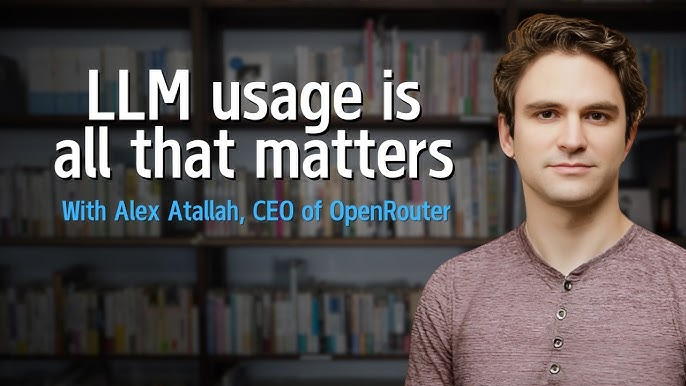
What you might not know is that his previous company was OpenSea, the world's largest NFT marketplace, which once reached a valuation of over $13 billion at its peak.
However, he chose to exit at the height of the NFT craze. A few months later, the NFT market crashed.
Now, he's making money again in the AI boom.
From Liquidity Aggregation to Large Model Aggregation
Alex Atallah, a Stanford computer science graduate.
In 2018, he co-founded OpenSea with Devin Finzer. The idea was simple: others mint NFTs, and they provide a platform for buying and selling, taking a 2.5% cut from each transaction.
OpenSea doesn't produce NFTs or speculate on them; it just provides shelves and aggregates liquidity.
When the NFT craze hit in 2021, breakout projects like Bored Ape Yacht Club became cultural phenomena. At its peak, OpenSea's monthly trading volume exceeded $5 billion. Forbes estimated that he and Finzer had a combined net worth of $2.2 billion.
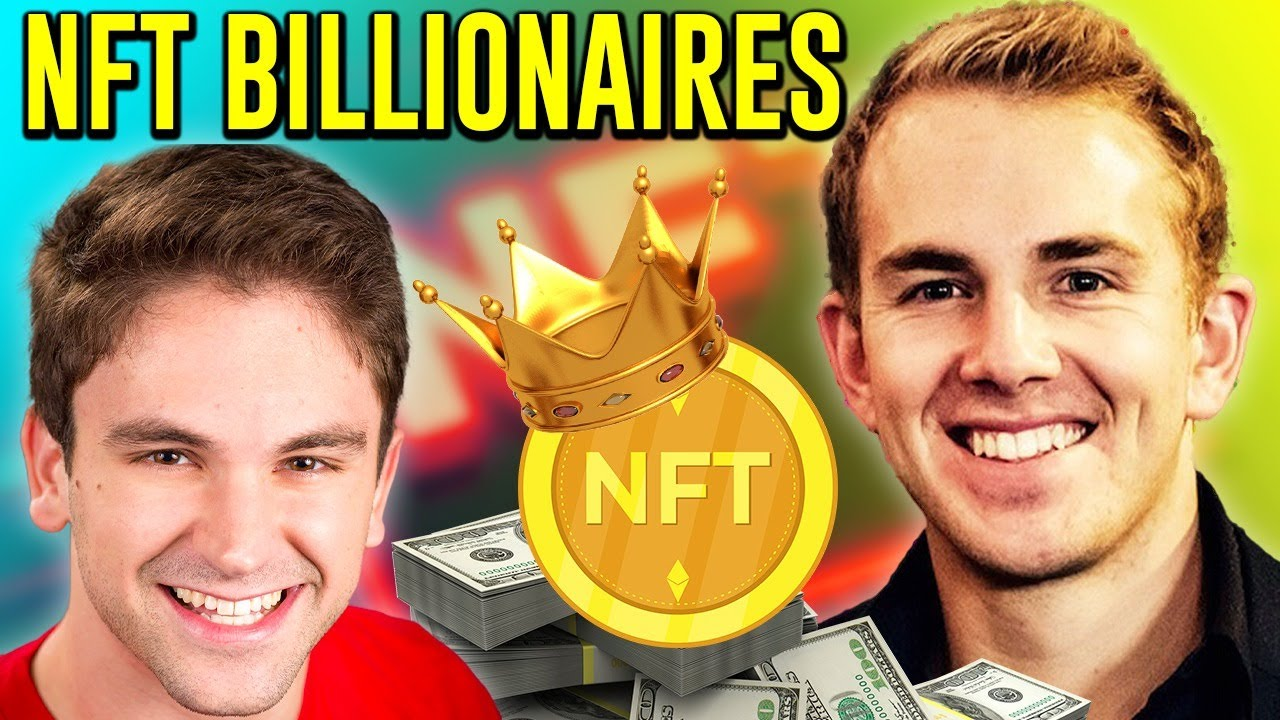
In July 2022, he stepped down as CTO, saying he wanted to work on something new.
What happened next is well-known: NFTs crashed, the market entered a deep freeze, and OpenSea's business was in shambles. However, while the feast had its losers, Alex left before the music stopped.
In 2023, he started working on something called OpenRouter. In a nutshell:
It's an aggregation and routing platform for large models, putting hundreds of model APIs behind a single interface. Developers call them through OpenRouter, which takes a 5% fee.
You might ask, why not just go directly to OpenAI or Anthropic to call Claude or GPT?
Of course, you can.
But nowadays, no one uses just one model. You might use Claude for coding, Gemini for research, and delegate cost-effective tasks to DeepSeek. Each requires separate registration, top-ups, and has different interface formats...
Not to mention that many users who want to use Claude or GPT can't directly access their APIs from within China.
Thus, OpenRouter becomes the path of least resistance. One interface, over 500 models, unified format, automatic switching—one key to rule them all.
You might not have noticed while using OpenClaw, but the default provider (API provider) in the configuration file was OpenRouter.
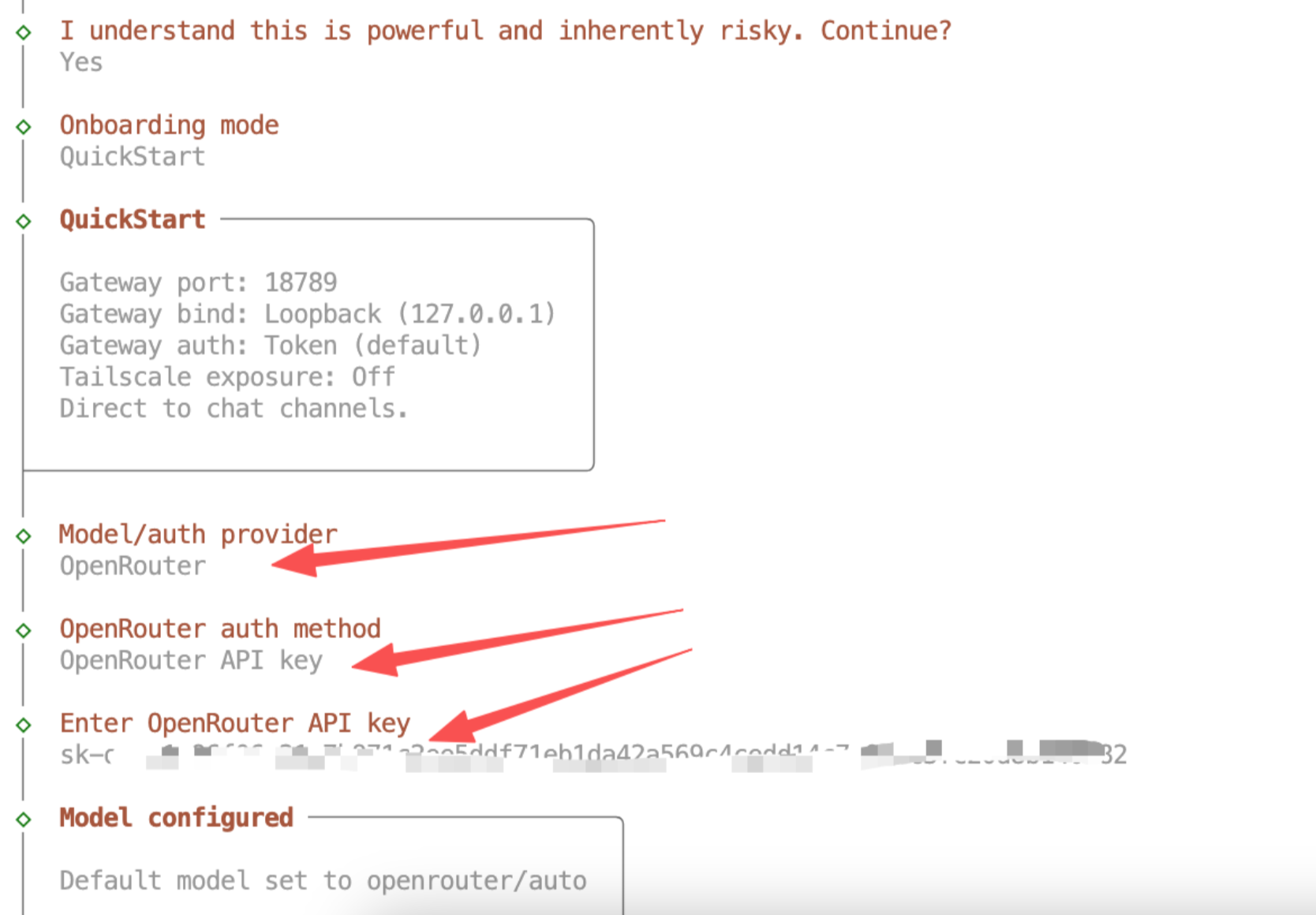
Image source: Zhihu user Feng控炼丹师
When you call Claude or DeepSeek, the request goes to OpenRouter first, then is forwarded to the model provider. Even OpenClaw's documentation states:
If the system doesn't recognize your API key format, it defaults to OpenRouter.
How fast is this business growing?
In October 2024, the amount of money flowing through OpenRouter monthly was $800,000. By May 2025, that number had grown to $8 million.
Seven months, tenfold growth.
Over a year, more than $100 million passed through his hands. He takes a 5% cut, netting $5 million, with a team of fewer than ten people.
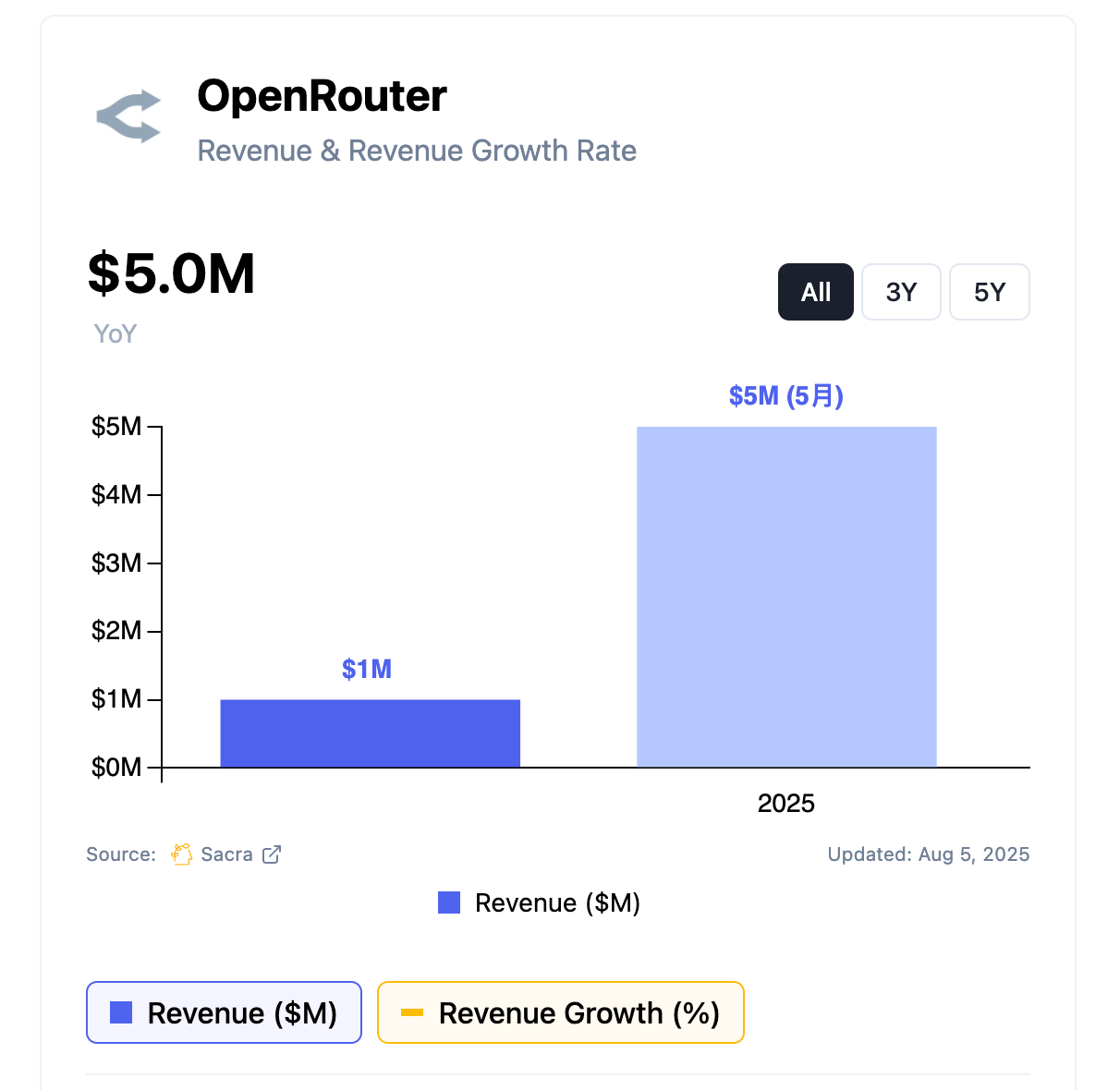
Image source: sacra.com
a16z used his data to write an industry report titled "The State of AI: 100 Trillion Tokens"; Stripe customized a billing system specifically for him.
And with the explosion of OpenClaw this year, more developers and enthusiasts are pouring in, finding creative ways to burn tokens, inevitably needing to call various large models. This has completely fueled OpenRouter's business.
Moreover, a16z led an investment round in the company, valuing it at $500 million.
A seller of shovels has once again become a seller of shovels.
Different Hotspots, Same Model
If you look closely at Alex's two businesses, their structures are actually the same.
OpenSea's business was not minting NFTs but putting others' minted NFTs in one place. Buyers and sellers come to trade, and it takes a 2.5% cut. OpenRouter's business is not training models but putting others' trained models in one place. Developers come to call them, and it takes a 5% cut.
This approach seems to be his comfort zone. Whether it's NFTs or AI, the market structures share very similar characteristics:
The supply side is extremely fragmented, and demand-side buyers don't know where to find the supply. He stands in the middle as the shelf.
How fragmented were NFTs in 2021? Dozens of chains, hundreds of projects, tens of thousands of new collections every day. If you wanted to buy a Bored Ape, you couldn't check each project's website one by one. OpenSea aggregated them; you came to browse and buy, and sellers offered them to you.
How fragmented are large models in 2025? OpenAI, Anthropic, Google, Meta, DeepSeek, Mistral, 01.AI... Dozens of mainstream ones, plus hundreds from the open-source community.
Today, Claude might be best for coding; tomorrow, a new version of Gemini might be stronger for search; the day after, DeepSeek might halve its prices. Each switch requires changing the interface.
Atallah himself once said something that explains this logic very clearly:
"OpenSea brought very fragmented inventory together in one place. AI today looks very similar to that."
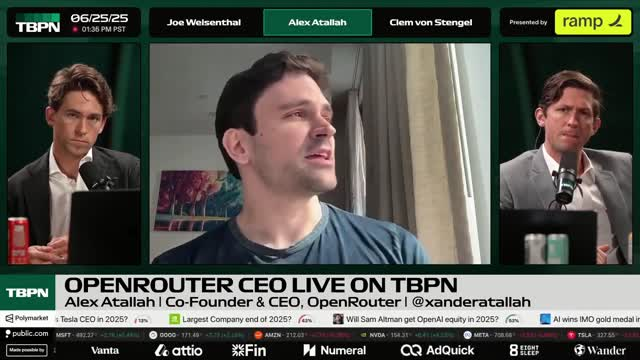
He doesn't need to know which NFT will rise or which model will win. He only needs to know one thing: the more fragmented the supply, the more valuable the middleman.
Moreover, the timing is interesting.
When he left in July 2022, OpenSea's valuation was still high. Although monthly NFT trading volume had fallen from its peak, no one thought it would crash. He said he wanted to "build something new from scratch." Half a year later, ChatGPT was released, and the era of large models began.
Did he see something, or was it just good luck?
I don't know. But one thing is certain:
When he registered OpenRouter in early 2023, AI large model routing products barely existed in the market. By the time everyone realized the need for a unified interface, he was already there.
Last time, he did the same thing in the NFT space. By the time everyone crowded in, he was already the largest platform.
Does It Matter If AI Is Hot?
In every wave of hype, most people ask: What will be hot?
In 2021, it was which NFT would rise; in 2024, which meme coin would 100x; in 2025, which AI application would break out; in 2026, what can be done with crayfish.
Atallah probably asks a different question. I think his thought process is: No matter what becomes hot, where will the money flow?
These two questions seem similar but are actually completely different bets.
Betting on "what will be hot," you need to guess right once. Bored Ape will rise, PEPE will 100x, some AI product will be the next ChatGPT. Guess right and get rich; guess wrong and go to zero. Most people experience the latter.
Betting on "where the money flows," you don't need to guess any single winner correctly. If NFTs rise, transactions happen on OpenSea, and he collects fees. The more fierce the AI model war, the more developers need a unified interface to switch between them, and the busier OpenRouter becomes.
Don't bet on who wins; bet that the battle will be long.
Looking back, those who make the most money in every cycle, in any industry, are usually platforms in this position.
Gold rushers come and go, but the water sellers keep collecting money.
But I think simply saying "selling water" or "selling shovels" isn't enough. Many shovel sellers have also failed. Atallah did something more specific right: he consistently positioned himself at the aggregation point.
Not just any tool can collect tolls. You need to be the one who consolidates fragmented supply. The more fragmented the supply and the higher the switching costs, the more pricing power the aggregation layer in the middle has.
This also explains why he entered both markets so early. Because aggregation businesses have one characteristic:
The first mover signs up the supply, making it hard for others to catch up.
So, Atallah's exceptional skill, I summarize in two sentences:
First, don't guess who will win; find the crossroads everyone must pass through. Second, build the road before others even realize they need a crossroads.
Exceptional People Never Choose the Table
Right now, I feel two voices are particularly loud.
One says AI Agents are toys; installing OpenClaw is useless except for burning tokens. The other says this is just another wave of AI hype, and no one will remember it in three months.
Both views might be right.
But for someone like Alex Atallah, it doesn't really matter.
Whether OpenClaw is useful or not, he's making money. If you think crayfish are boring and uninstall it today, the tokens you burned these two weeks have already passed through his hands.
Some think NFTs are dirty, a Ponzi scheme, a scam. He built a company valued at $13.3 billion on it. Some think AI Agents are a bubble, hype, with no business model. He built a company valued at $500 million on it...
Exceptional people probably don't need us to look down on the fields they're in.
He made money at the NFT table. He's making money again at the AI table. No one knows what the next table will be.
But I guess he'll still be at the door collecting tickets.
Twitter:https://twitter.com/BitpushNewsCN
Bitpush TG Discussion Group:https://t.me/BitPushCommunity
Bitpush TG Subscription: https://t.me/bitpush







