Fermi Crisis: A Case Study of an AI Power Stock's Sudden Decline

marsbitXuất bản vào 2026-04-21Cập nhật gần nhất vào 2026-04-21

Tóm tắt

The article "Fermi Crisis: A Case Study of an AI Power Stock's Collapse" details the rapid rise and fall of Fermi, a company that promised to build the world's largest AI data center campus in Texas. Despite having zero revenue, tenants, or a finished product, it raised $785 million in its October IPO, with its market cap peaking at $12.5 billion. However, its stock plummeted from $37 to $5.40 within months. The collapse began when its anchor tenant, believed to be Amazon, terminated its contract after promised funding failed to materialize. Construction halted as lease terms forbade building without a tenant. The simultaneous departure of the CEO and CFO, alongside insider stock sales totaling $68 million, accelerated the decline. A short-seller report highlighted the CEO's history of alleged fraud at a previous venture. Fermi is presented as a symptom of a broader AI infrastructure bubble. A significant gap exists between announced data center projects and those under construction, hampered by severe supply chain delays for critical components like transformers. While tech giants plan massive investments, many projects face cancellation or indefinite delays. The article warns that Fermi's story may be repeated, as many ventures are built on speculative narratives rather than deliverable infrastructure.

Author: Ada, Deep Tide TechFlow

On April 20th, Fermi's stock price settled at $5.4.

Six months ago, that number was around $37. And it had just had its IPO last October.

A company less than 12 months old, with zero revenue, zero tenants, and no tangible product to speak of, yet it raised $785 million on the Nasdaq, with its market capitalization once soaring to $12.5 billion.

But then, the CEO and CFO resigned on the same day, the construction site halted, insiders sold $68 million worth of stock, a short-seller published a report alleging fraud, and a securities class-action lawsuit has been filed.

This marks the first major collapse of the AI power narrative.

The "World's First" in the Texas Wilderness

Fermi's story began in early 2025.

Former US Energy Secretary Rick Perry and private equity magnate Toby Neugebauer joined forces to found the company. Their core bet was called "Project Matador": to build the world's largest AI data center campus on 5,800 acres of land outside Amarillo, Texas, initially powered by natural gas, with plans to add four nuclear reactors in the future.

The planned capacity was 11GW of power, alongside approximately 18 million square feet of data center facilities. The label "World's Largest" was repeatedly emphasized.

AI's thirst for power is real, nuclear energy is green, and Trump signed an executive order to expand US nuclear capacity from 100GW to 400GW. All the trends aligned.

The market bought it. On October 1st last year, Fermi went public at $21 per share, jumping to $25 at open, fully oversubscribed. The next day, it peaked at $37, 76% above the IPO price. Within days, this company without a cent of revenue saw its market cap break $10 billion.

Back then, everyone was buying AI power concept stocks. No customers needed, no revenue needed, just a PowerPoint presentation and a vision no one else could see.

The Real Crisis

The first crack appeared last December.

Fermi's sole anchor tenant terminated its contract, widely believed to be Amazon. This tenant had committed to prepay up to $150 million in construction costs but ultimately paid nothing.

Short-seller Fuzzy Panda uncovered the reason behind it. Fermi had promised to secure $5 to $5.5 billion in financing to ensure project execution, but this money never materialized. The tenant grew impatient and walked away.

According to the lease terms with Texas Tech University, without a signed tenant, Fermi wasn't even permitted to begin construction. This created a vicious cycle: no tenant meant no financing, no financing meant no construction, no construction meant no tenant.

The construction site stopped. Workers posted on social media saying "we all got laid off."

Then came the recent bombshell: CEO Neugebauer and CFO Miles Everson resigned simultaneously. The company packaged it as a "Fermi 2.0" strategic transformation. But the stock fell another 22%. From the IPO last year, investors who bought FRMI stock faced maximum losses of up to 78%.

And insiders had already started running. The moment the lock-up period ended on March 30th, Griffin Perry, son of co-founder Rick Perry, immediately sold 11 million shares, cashing out $56.3 million. The COO, CFO, and Chief Development Officer followed suit, with insiders collectively selling over $68 million worth of stock.

Fuzzy Panda revealed that before the lock-up expired, Griffin Perry had attempted to offload 30 million shares in a block trade.

This isn't Neugebauer's first company to face crisis.

In 2022, his "anti-woke" bank GloriFi collapsed, filing for bankruptcy after burning through investments from conservative backers like Peter Thiel, Ken Griffin, and Vivek Ramaswamy. The bankruptcy trustee alleged in court filings that Neugebauer engaged in "securities fraud," "egregious self-dealing," and "fraudulent transfers."

Fuzzy Panda's report also pointed out that several members of Fermi's current management team were associates of Neugebauer from his GloriFi days. Chief Site Development Officer Charlie Hamilton was described in bankruptcy filings as a "longtime friend" of Neugebauer. CFO Miles Everson was also accused of participating in unfair transactions涉嫌利益输送 (involving alleged利益输送 - benefit conveyance).

The bankruptcy court ruled that several of Neugebauer's transactions constituted fraudulent transfers. Yet, despite being accused of fraud at his previous company, his next company raised $785 million on Nasdaq. The IPO prospectus even mentioned these lawsuits could distract management. Investors bought anyway. What does that show? It shows that during a bubble, people don't read risk disclosures; they just look for a sexy enough story.

A Microcosm Under the Bubble

Fermi is not an isolated case. It is a microcosm.

According to data from Sightline Climate, as of April 2026, there are about 140 large data center projects scheduled to come online in the US this year, but only one-third are under actual construction. The rest are either delayed or canceled.

The bottleneck lies in electrical components.

Transformers, switchgear, and batteries – these are essential components for every data center build. Before 2020, delivery lead times for large-power transformers were 24 to 30 months. Now, wait times can stretch to five years. For data centers with deployment cycles under 18 months, this is structurally unacceptable. A delay in any single component can halt the entire project.

The deeper issue is a generational mismatch. The US power grid was not designed for the loads required by AI. Data centers can be built in three years, but power generation takes longer. Solar or wind power generation takes three to six years, gas turbine generation about six years, and nuclear power generation over a decade. Network World magazine notes that this mismatch was manageable when data centers were smaller. But the scale required by AI today, with individual facilities consuming hundreds of megawatts, has become an insurmountable bottleneck.

OpenAI's flagship project, Stargate, reportedly costing $500 billion, had no substantial construction progress as of April.

Partners are locked in disputes over site ownership and system control. The 800MW expansion of the flagship Texas campus has been canceled. Stargate projects in the UK and Norway have been paused successively, and three core executives responsible for Stargate have jumped ship to Meta.

Meanwhile, Alphabet, Amazon, Meta, and Microsoft are projected to spend over $650 billion in 2026 to expand AI capacity. Alphabet alone reported $175 to $185 billion, equating to burning $500 million daily. However, the infrastructure supporting this grand ambition cannot develop at the speed the industry requires.

The last time the US saw a energy infrastructure boom of similar scale was in the late 1990s. The dot-com bubble and electricity market deregulation spurred a wave of natural gas power plant construction, investing about $100 billion. After the bubble burst, many power plants sat idle.

This time, the scale is an order of magnitude larger. US utility companies alone have proposed $1.4 trillion in planned expenditures, 27% higher than last year's forecast. Tech companies' investment in energy-related infrastructure is already twice the annual investment of the entire US power industry.

But from Q3 to Q4, new data center deals have fallen by over 40%. Some analysts believe supercomputing companies' capital expenditures could halve this year.

Money is tightening, but the stories are still being told. This is where the danger lies.

A report by Built In summarized: When vendors heavily invest in startups, and those startups turn around and spend the money on the vendors' own products, real demand and artificially created illusions get mixed together. When a company's customers are also its investors, and revenue grows faster than actual usage, that's a signal a bubble is forming.

When the Bubble Bursts

In this food chain, there are three tiers of players.

The first tier consists of the real winners. These are companies that already own operational nuclear power plants, like Constellation Energy. They don't need to build anything new; they just need to transfer contracts from the grid to data centers to reap the AI power红利 (dividend). Meta signed a 20-year, 1.1GW nuclear power supply contract with Constellation. Microsoft spent $1.6 billion to restart the Three Mile Island nuclear plant. These are transactions with physical assets.

The second tier includes various small modular reactor (SMR) startups, like Oklo, whose stock price has been hyped to the sky, but not a single reactor has been built. US nuclear projects are notoriously known for delays and cost overruns, with almost no recent cases completed on the original schedule and budget. But investors don't care about that.

The third tier consists of companies like Fermi, which don't even have nuclear reactors, haven't started building the natural gas power plant, and have no tenants. They are at the bottom of the food chain, selling not power, but a story. When the story collapses, nothing remains.

Fermi's collapse will not be an isolated incident.

When an industry's actual delivery capability lags far behind the promises made in its PowerPoint presentations, a collapse is only a matter of time.

Of the US data center capacity planned to come online in 2027, only 6.3GW is under construction, while the announced total is 21.5GW. A gap of 15GW exists on paper, corresponding to hundreds of billions of dollars and countless promises that will fail to materialize.

Who will be the next Fermi? No one knows. But in this arena, there's $500 billion searching for power, high-power transformers awaiting delivery, and a slew of startups that haven't even secured basic grid interconnection assuring investors that everything is under control.

When the last energy infrastructure bubble burst, at least some power plants were left behind. This time, many projects might not even break ground.

And Fermi's 5,800 acres of land in the Texas wilderness, along with all the unrealized grand narratives, will slowly be buried by time.

Câu hỏi Liên quan

QWhat was the core project that Fermi was betting on, and what was its planned scale?

AFermi's core bet was 'Project Matador,' which aimed to build the world's largest AI data center campus on 5,800 acres in Amarillo, Texas. It planned to provide 11GW of power capacity (initially from natural gas, with future nuclear reactors) and about 18 million square feet of data center facilities.

QWhat was the first major crack in Fermi's story that led to its crisis?

AThe first major crack appeared in December when Fermi's sole anchor tenant, widely believed to be Amazon, terminated its contract. This tenant had promised up to $150 million in prepaid construction funding but never paid anything. The termination was linked to Fermi's failure to secure the $5-5.5 billion in financing it had promised to ensure project execution.

QWhat allegations did the short-seller Fuzzy Panda make against Fermi's management?

AFuzzy Panda alleged that Fermi's CEO Toby Neugebauer had a history of 'securities fraud,' 'egregious self-dealing,' and 'fraudulent transfers' from his previous failed company, GloriFi. The report also noted that several current Fermi executives were associates of Neugebauer from GloriFi and were implicated in questionable transactions.

QAccording to the article, what is the fundamental bottleneck causing delays and cancellations in many large US data center projects?

AThe fundamental bottleneck is the shortage and long lead times for critical electrical components, such as transformers, switchgear, and batteries. Large power transformers that once had a 24-30 month delivery time can now take up to five years. This structural delay, combined with a generational mismatch where the power grid wasn't designed for AI's massive energy demands, causes entire projects to stall.

QHow does the article categorize the three layers of players in the AI power infrastructure 'food chain', and which layer did Fermi belong to?

AThe three layers are: 1) The true winners: companies with existing operational power plants (e.g., Constellation Energy) that can simply redirect power to data centers. 2) SMR startups: companies like Oklo that have hype but no built reactors. 3) Story sellers: companies like Fermi with no power plants, no construction, and no tenants, selling only a narrative. Fermi was in the bottom third layer.

Nội dung Liên quan

Ủy ban Hạ viện Công bố 7 Dự thảo Thuế Tiền mã hóa - Một Cuộc Đại Tu Chính về Cách Đánh Thuế Tài sản Kỹ thuật số

Ủy ban Cách thức và Phương tiện Hạ viện Hoa Kỳ đã công bố 7 dự thảo thảo luận về thuế tiền mã hóa, nhằm tạo khuôn khổ rõ ràng hơn cho việc đánh thuế nhà đầu tư tài sản số. Đây là nỗ lực đầu tiên có sự ủng hộ từ lãnh đạo một ủy ban soạn thảo thuế của Quốc hội, với mục tiêu làm rõ các quy tắc về thời điểm và cách thức đánh thuế. Các dự thảo tập trung vào các vấn đề cốt lõi như: thời điểm đánh thuế đối với token tạo ra từ khai thác (mining) hoặc phần thưởng từ staking; xử lý thuế đối với giao dịch stablecoin, bao gồm khả năng miễn thuế lãi vốn cho một số giao dịch; và áp dụng các hạn chế giao dịch "wash sale" (bán lỗ để mua lại ngay) lên tài sản số, tương tự luật hiện hành với chứng khoán. Đại diện Kevin Hern nhấn mạnh việc giải quyết vấn đề thời điểm và xử lý thuế cho staking và khai thác là trọng tâm. Bộ Tài chính, Thương mại và Nhà Trắng cũng đang tham gia thảo luận. Trong khi đó, các nhà soạn thảo thuế hàng đầu tại Thượng viện cũng đang xây dựng luật riêng, cho thấy xu hướng tiếp cận thống nhất hơn giữa hai viện.

bitcoinist42 phút trước

Ủy ban Hạ viện Công bố 7 Dự thảo Thuế Tiền mã hóa - Một Cuộc Đại Tu Chính về Cách Đánh Thuế Tài sản Kỹ thuật số

bitcoinist42 phút trước

Cục Tình báo TechFlow: Cổ phiếu chip mất nghìn tỷ USD trong một ngày, Bitcoin xuống dưới 60.000 USD, căng thẳng Mỹ-Iran leo thang

Tổng quan thị trường ngày 6 tháng 6 ghi nhận đợt bán tháo mạnh trên nhiều lĩnh vực, chủ yếu do dữ liệu việc làm Mỹ (Nonfarm) tháng 5 vượt xa kỳ vọng, làm dấy lên lo ngại Cục Dự trữ Liên bang (Fed) có thể trì hoãn cắt giảm lãi suất hoặc thậm chí tăng lãi suất. Chỉ số Philadelphia Semiconductor (SOXX) lao dốc 10%, xóa sổ hơn 1 nghìn tỷ USD giá trị vốn hóa chỉ trong một ngày. Bitcoin cũng giảm xuống dưới mốc 60.000 USD, với chỉ số RSI chạm mức bán quá mức tương tự thời điểm sụp đổ do đại dịch Covid-19 năm 2020. Trong lĩnh vực AI/Web3, Anthropic cảnh báo về khả năng AI tự cải tiến (RSI), trong khi cộng đồng tranh luận về chất lượng code do AI tạo ra sau sự cố với rsync. GitHub Copilot mở cửa cho các mô hình cục bộ, còn Ethereum vẫn bị chỉ trích về trải nghiệm thanh toán cho người dùng phổ thông. Căng thẳng địa chính trị leo thang khi Mỹ và Iran trao đổi các cuộc tấn công, với việc Mỹ đánh chặn tên lửa và không kích các trạm radar Iran, đe dọa làm gián đoạn nguồn cung dầu mỏ qua eo biển Hormuz. Bài viết chỉ ra mâu thuẫn sâu sắc: dữ liệu việc làm mạnh mẽ trái ngược với cảnh báo từ các CEO như Kraft hay McDonald's về việc người tiêu dùng Mỹ đang cạn kiệt tiền tiết kiệm. Sự kết hợp của áp lực lạm phát tiềm tàng từ giá dầu và tình hình chính sách tiền tệ thắt chặt đang khiến thị trường định giá lại triển vọng trong một môi trường vĩ mô đầy thách thức, nơi kịch bản "hạ cánh mềm" ngày càng khó xảy ra.

marsbit2 giờ trước

Cục Tình báo TechFlow: Cổ phiếu chip mất nghìn tỷ USD trong một ngày, Bitcoin xuống dưới 60.000 USD, căng thẳng Mỹ-Iran leo thang

marsbit2 giờ trước

Tôi mất một năm để nhìn ra sự thật đau lòng về thanh toán Agent

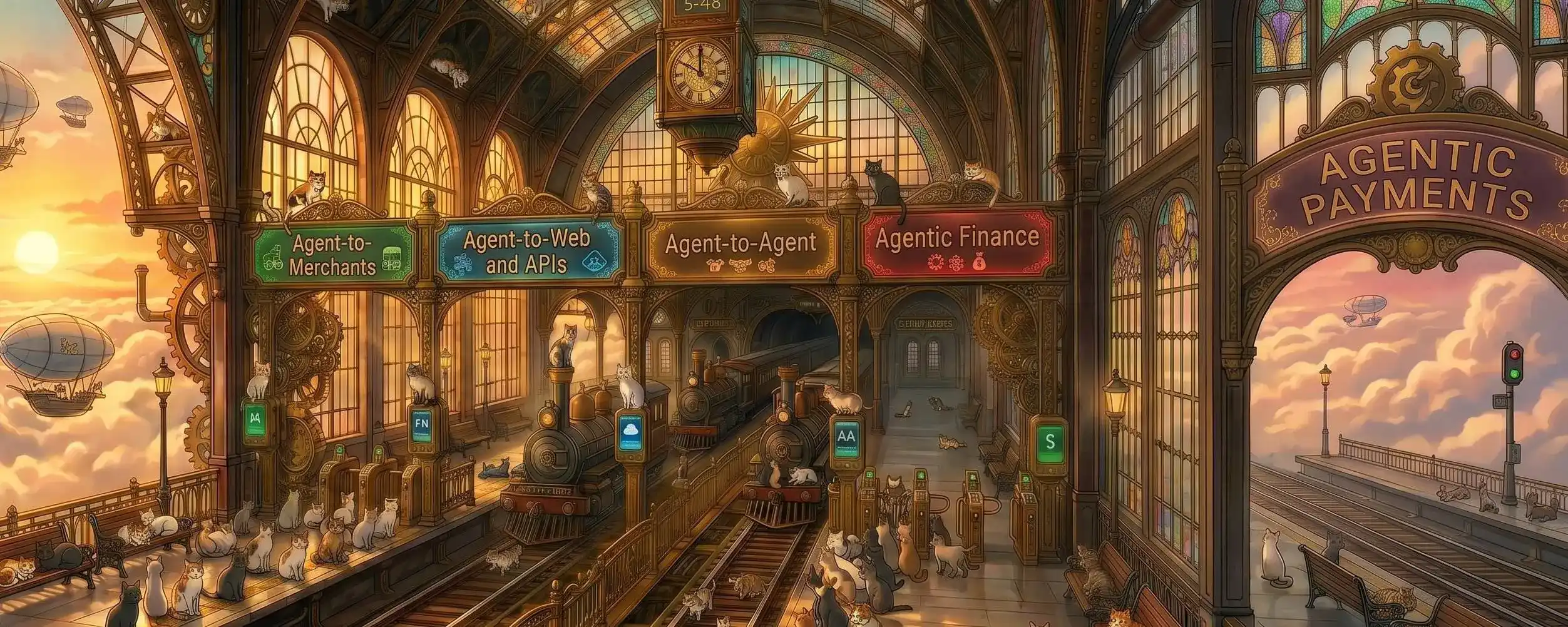
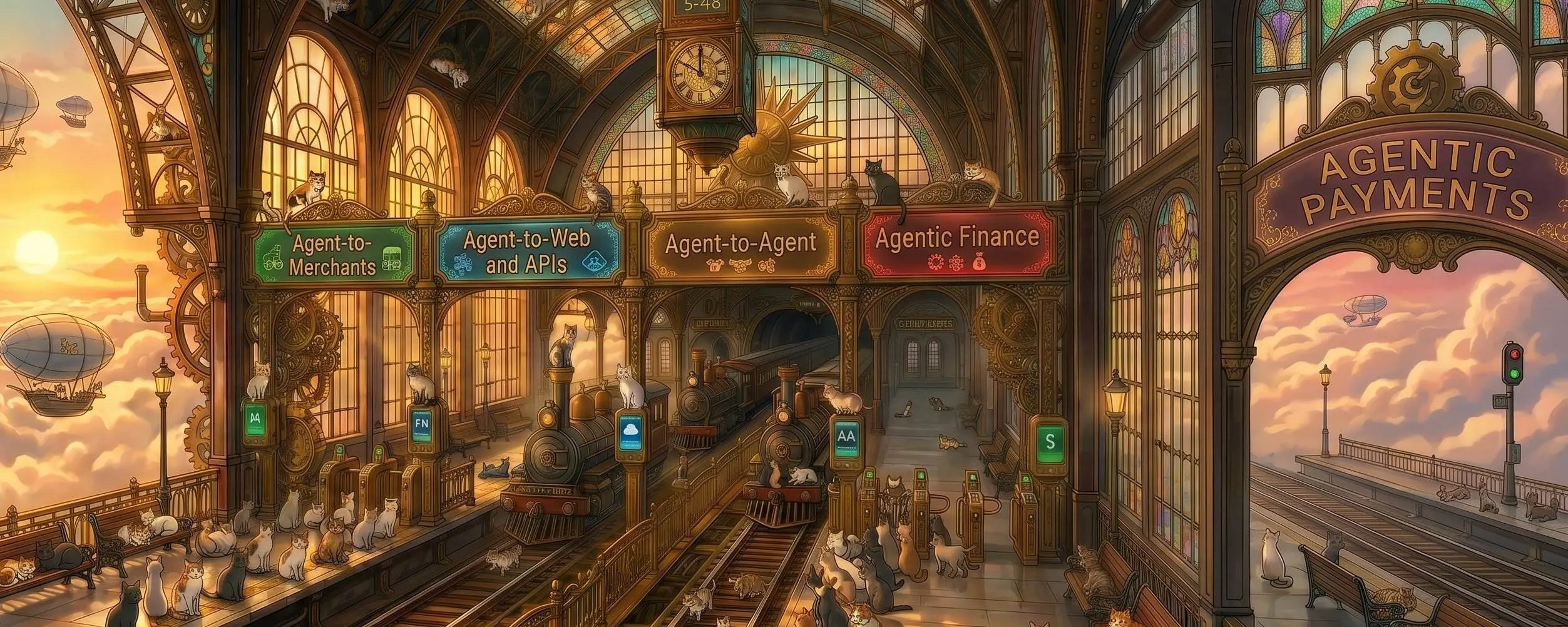
Trong một năm qua, tôi đã làm việc để xây dựng cơ sở hạ tầng cho nền kinh tế Agent, trao đổi với các công ty như Stripe, Visa, Coinbase, Google và nhiều startup. Kết luận chính: nhu cầu thực sự cho thanh toán Agent hiện chưa tồn tại, và các startup đối mặt với nhiều vấn đề cấu trúc. **Phân tích bốn lĩnh vực:** 1. **Agent với Người bán:** Trải nghiệm mua sắm qua chat thường kém hơn giao diện thương mại điện tử trực quan cho các mặt hàng như quần áo, điện tử. Nhu cầu từ người bán chủ yếu là phòng thủ (tối ưu hóa cho Agent - AEO), không phải thiết yếu. Cơ hội tồn tại ở giao dịch tần suất cao, quyết định nhanh (như gọi đồ ăn) hoặc cho các giao diện phức tạp, nhưng đòi hỏi kênh phân phối B2C quy mô lớn – lợi thế của các gã khổng lồ. 2. **Agent với API:** Các nhà phát triển đã có sẵn cơ chế thanh toán (thẻ tín dụng, nạp tiền trước) cho các API. Vấn đề sâu xa là mô hình kinh doanh của nhiều nhà cung cấp SaaS dựa trên hợp đồng doanh nghiệp dài hạn, không thích hợp cho giao dịch vi mô. Cơ hội nằm ở thị trường dài (long-tail) với các dịch vụ nhỏ, nhưng đây là thị trường ngách với người dùng sẵn sàng chi trả thấp. 3. **Agent với Agent:** Đây là tầm nhìn dài hạn, hiện chủ yếu là lý thuyết, chưa có khối lượng giao dịch đáng kể. Kịch bản này sẽ yêu cầu cơ sở hạ tầng thanh toán chuyên biệt cho các giao dịch tốc độ cao, khác biệt với các mô hình hiện có, nhưng là một lĩnh vực đáng đầu tư lâu dài. 4. **Agent với Tài chính:** Đây là lĩnh vực duy nhất có nhu cầu hiện tại rõ ràng, từ các quỹ, nhóm tài chính và người dùng DeFi. AI có thể nâng cao đáng kể khả năng, tạo ra các hành vi mới. Thách thức chính là cạnh tranh với các định chế tài chính lớn đã có giấy phép, quan hệ khách hàng và cơ sở hạ tầng. **Điểm mấu chốt thực sự:** Lý do các công ty vẫn xây dựng là: 1) Các gã khổng lồ có dòng tiền để đặt cược phòng thủ cho tương lai, và 2) Có sự thiên kiến nhận định vấn đề là vấn đề thanh toán. Tuy nhiên, thanh toán chỉ là một phần của vấn đề lớn hơn: **Sự phối hợp (Orchestration)** – điều phối công việc giữa Agent và con người, xác minh kết quả và quyết toán. Thanh toán sẽ nảy sinh từ nhu cầu phối hợp quy mô lớn. Các công ty giải quyết được bài toán phối hợp sẽ chiếm lĩnh thị trường, không phải ngược lại. Khác với các tập đoàn lớn, các startup không có thời gian chờ đợi và cần tìm kiếm thị trường thực sự đang hoạt động và tăng trưởng – một thị trường nằm ngoài bốn danh mục phân tích trên.

marsbit2 giờ trước

Tôi mất một năm để nhìn ra sự thật đau lòng về thanh toán Agent

marsbit2 giờ trước

Tôi mất một năm mới nhận ra sự thật trần trụi về thanh toán Agent

Tác giả, với một năm kinh nghiệm xây dựng cơ sở hạ tầng cho nền kinh tế Agent, chia sẻ những nhận thức thực tế về thị trường thanh toán Agent hiện nay. **Hiện trạng & Thách thức:** - **Nhu cầu thực tế còn hạn chế:** Dữ liệu từ Stripe, Visa, Coinbase cho thấy khối lượng giao dịch Agent thực sự rất thấp, dù có nhiều quan tâm. Các rào cầu pháp lý (như KYC kéo dài, ngưỡng doanh thu cao từ Visa) khiến chỉ các tập đoàn lớn như Amazon mới có thể triển khai. - **Agent vs Người bán (B2C):** Trải nghiệm mua sắm qua chat kém hiệu quả với các mặt hàng cần so sánh trực quan (quần áo, đồ điện tử). Nhu cầu từ người bán hiện chủ yếu mang tính phòng thủ ("tối ưu hóa cho Agent - AEO") chứ không phải từ làn sóng người dùng thực sự. Các điểm sáng như đặt đồ ăn lại bị cản trở bởi thiếu API mở từ các nền tảng lớn và chi phí vận hành cao. - **Agent vs API (B2B):** Nhu cầu thanh toán vi mô cho API tồn tại nhưng khó mở rộng vì mô hình kinh doanh của nhiều nhà cung cấp SaaS dựa vào hợp đồng doanh nghiệp dài hạn. Các giao thức như MPP, x402 phù hợp với thị trường ngách nhưng quy mô nhỏ. - **Agent vs Agent:** Vẫn là tầm nhìn dài hạn, chưa có khối lượng giao dịch đáng kể. Nếu phát triển, nó sẽ cần cơ sở hạ tầng thanh toán chuyên biệt với tốc độ cao, độ trễ thấp. - **Agent vs Tài chính:** Đây có lẽ là lĩnh vực có nhu cầu hiện tại rõ ràng nhất, với người dùng sẵn sàng trả phí (quản lý quỹ, DeFi). Tuy nhiên, thị trường bị chi phối bởi các định chế lâu năm với lợi thế về giấy phép và quan hệ khách hàng. **Điểm mấu chốt thực sự:** Lý do nhiều công ty vẫn xây dựng là: 1) Động cơ phòng thủ của các gã khổng lồ (họ có đủ nguồn lực để đặt cược vào tương lai), và 2) Tư duy thiên lệch khi nhìn mọi vấn đề qua lăng kính "thanh toán". Tuy nhiên, vấn đề cốt lõi không phải là **thanh toán**, mà là **sự phối hợp (coordination)** giữa Agent và con người - bao gồm xác thực công việc, xử lý kết quả và sau đó mới là thanh toán. Thanh toán chỉ là một phần của giải pháp phối hợp. Các công ty giải quyết được bài toán phối hợp quy mô lớn sẽ chiếm lĩnh thị trường. Đối với startup, cần tìm kiếm thị trường thực sự đang hoạt động và tăng trưởng thay vì chờ đợi làn sóng tương lai.

链捕手3 giờ trước

Tôi mất một năm mới nhận ra sự thật trần trụi về thanh toán Agent

链捕手3 giờ trước

Giao dịch

Giao ngay
Hợp đồng Tương lai

Bài viết Nổi bật

Làm thế nào để Mua ADA

Chào mừng bạn đến với HTX.com! Chúng tôi đã làm cho mua Cardano (ADA) trở nên đơn giản và thuận tiện. Làm theo hướng dẫn từng bước của chúng tôi để bắt đầu hành trình tiền kỹ thuật số của bạn.Bước 1: Tạo Tài khoản HTX của BạnSử dụng email hoặc số điện thoại của bạn để đăng ký tài khoản miễn phí trên HTX. Trải nghiệm hành trình đăng ký không rắc rối và mở khóa tất cả tính năng. Nhận Tài khoản của tôiBước 2: Truy cập Mua Crypto và Chọn Phương thức Thanh toán của BạnThẻ Tín dụng/Ghi nợ: Sử dụng Visa hoặc Mastercard của bạn để mua Cardano (ADA) ngay lập tức.Số dư: Sử dụng tiền từ số dư tài khoản HTX của bạn để giao dịch liền mạch.Bên thứ ba: Chúng tôi đã thêm những phương thức thanh toán phổ biến như Google Pay và Apple Pay để nâng cao sự tiện lợi.P2P: Giao dịch trực tiếp với người dùng khác trên HTX.Thị trường mua bán phi tập trung (OTC): Chúng tôi cung cấp những dịch vụ được thiết kế riêng và tỷ giá hối đoái cạnh tranh cho nhà giao dịch.Bước 3: Lưu trữ Cardano (ADA) của BạnSau khi mua Cardano (ADA), lưu trữ trong tài khoản HTX của bạn. Ngoài ra, bạn có thể gửi đi nơi khác qua chuyển khoản blockchain hoặc sử dụng để giao dịch những tiền kỹ thuật số khác.Bước 4: Giao dịch Cardano (ADA)Giao dịch Cardano (ADA) dễ dàng trên thị trường giao ngay của HTX. Chỉ cần truy cập vào tài khoản của bạn, chọn cặp giao dịch, thực hiện giao dịch và theo dõi trong thời gian thực. Chúng tôi cung cấp trải nghiệm thân thiện với người dùng cho cả người mới bắt đầu và người giao dịch dày dạn kinh nghiệm.

Tổng lượt xem 1.1kXuất bản vào 2024.12.10Cập nhật vào 2026.06.02

Làm thế nào để Mua ADA

Thảo luận

Chào mừng đến với Cộng đồng HTX. Tại đây, bạn có thể được thông báo về những phát triển nền tảng mới nhất và có quyền truy cập vào thông tin chuyên sâu về thị trường. Ý kiến ​​của người dùng về giá của ADA (ADA) được trình bày dưới đây.

活动图片