Casper Network Publishes the Casper Manifest, a Multi-Year Roadmap to Power Regulated Real-World Assets and the Machine Economy

TheNewsCryptoXuất bản vào 2026-05-12Cập nhật gần nhất vào 2026-05-12

Tóm tắt

The Casper Association has published "The Casper Manifest," a multi-year technical roadmap for Casper Network. Introduced at the Digital Finance Forum in Bermuda, the roadmap outlines nine coordinated initiatives designed to position the layer-1 blockchain as the infrastructure for regulated real-world asset (RWA) tokenization and the machine-to-machine economy. Key initiatives focus on: 1. **Developer Access:** Adding full Ethereum Virtual Machine (EVM) compatibility alongside its existing WebAssembly (Wasm) execution layer. 2. **User Experience:** Implementing gasless transactions, batch operations, and smart accounts with biometric authentication. 3. **Institutional Compliance & Privacy:** Building compliant security tokens aligned with the ERC-3643 standard and a multi-phase roadmap for confidential transactions with built-in audit tools. 4. **Machine Economy:** Implementing the X402 open payment standard to enable AI agents and machines to make autonomous, programmatic micropayments. 5. **Token Infrastructure:** Creating a Native Token Registry to give all tokens protocol-level status with fixed, predictable costs. 6. **Quantum Safety:** Developing hybrid accounts with both classical and quantum-resistant keys. The first initiative, X402 micropayments, is expected within weeks. Subsequent releases through 2026 and 2027 will include EVM compatibility, compliant security tokens, the Native Token Registry, gasless transactions, and quantum-safe features. The goal is...

ZUG, SWITZERLAND, May 12th, 2026, Chainwire

Nine protocol initiatives that target EVM compatibility, gasless transactions, compliant security tokens, transaction privacy, AI agent micropayments, and quantum-safe cryptography

The Casper Association today published the Casper Manifest, a multi-year technical roadmap designed to make Casper Network the infrastructure layer for regulated real-world asset tokenization and the emerging machine-to-machine economy.

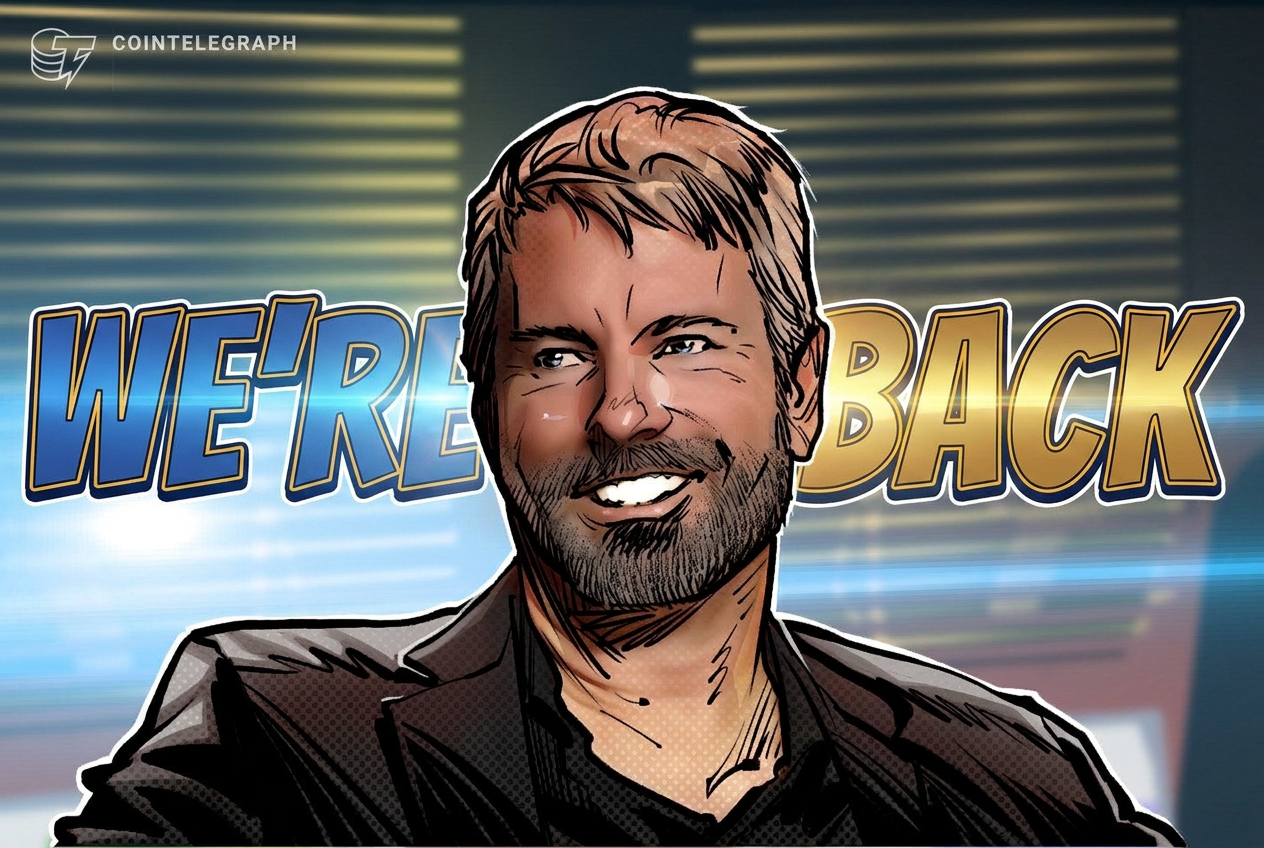
The Manifest was introduced by Casper Association President & CTO Michael Steuer at the Digital Finance Forum in Bermuda, before an audience of leaders from Web3, traditional finance, and institutional finance.

Building on major protocol releases delivered since mid-2025, including Casper 2.0 with deterministic finality and a multi-VM execution layer, the Manifest sets out nine coordinated initiatives around one goal: making blockchain frictionless for users, trusted by institutions, and native for machines. The roadmap brings EVM compatibility to Casper’s WebAssembly foundation, advances gasless transactions and smart accounts for simpler user experiences, and expands the compliance, privacy, micropayment, native token, and quantum-safe infrastructure needed for real-world assets and autonomous systems to operate with greater predictability and less friction.

Building the Infrastructure for Regulated Assets and Autonomous Systems

The nine core initiatives outlined in the Casper Manifest are organized around the following areas:

Access for every developer. The largest blockchain developer ecosystem builds on Ethereum tooling – Solidity, MetaMask, and thousands of audited smart contract libraries. Casper is adding full Ethereum Virtual Machine compatibility alongside its existing WebAssembly execution engines, so developers can bring their existing contracts, tools, and wallets to Casper without modification. A native token registry provides equal access to tokens from either side. One chain, two execution environments, zero fragmentation.

Blockchain that’s frictionless for the user. Someone else pays your transaction fees. Multiple steps collapse into a single action. You sign in with your fingerprint instead of managing cryptographic keys. The Casper Manifest delivers gasless transactions, batch operations, and smart accounts that enable biometric authentication – so using a blockchain application feels like using any other app.

Compliance and privacy as one system. Casper will be the first Layer 1 where regulatory compliance and transaction privacy are designed to work together. Compliant security tokens with on-chain identity verification, transfer restrictions, and jurisdictional controls – built in alignment with the ERC-3643 standard that already governs $28 billion in tokenized assets on chain. As a member of the ERC-3643 Association, Casper Association is helping to expand the standard. Alongside compliance, a multi-phase privacy roadmap delivers confidential transactions with fixed, predictable costs – and built-in tools for auditors and regulators to verify compliance without exposing transaction details to the public. Privacy and compliance as two sides of the same system, designed for the $16 trillion real-world asset tokenization market.

Native infrastructure for the machine economy. AI agents need to pay for services programmatically – per API call, per data query, per computation – without subscriptions, invoices, or human intermediaries. As a member of the X402 Foundation, Casper is implementing the X402 open payment standard, enabling machines to pay each other over HTTP in stablecoins and other fungible tokens, expecting to become the first WebAssembly-native Layer 1 with production X402 support. The same smart accounts and gasless infrastructure built for human users give AI agents scoped spending permissions and autonomous operation out of the box, providing best-in-class controls and compliance for AI agents.

Tokens as first-class citizens. User-created tokens on most blockchains are smart contracts that cost significantly more to operate than native currencies. Casper’s Native Token Registry elevates every token to protocol-level status with the same fixed, predictable costs as native transfers. One pricing model for all tokens. One infrastructure layer shared across WebAssembly, EVM and any other future execution environment on Casper Network. The backbone for everything from DeFi to compliant security tokens to private, confidential transfers.

Quantum-safe from the start. No major smart contract platform has shipped post-quantum transaction signing. Casper will, with hybrid accounts that carry both classical and quantum-resistant keys during a transition period. For institutions evaluating blockchain platforms for decade-long deployments, the answer to “what happens when quantum computers arrive” will be production code, not a research paper.

“Much of the industry is focused on either maximizing hype, or iterating on concepts that service the same existing, crypto-native use cases. Few are building the infrastructure that will onboard the next billion users, the next trillion dollars in tokenized assets, or the first billion machines,” said Michael Steuer, President and CTO of the Casper Association. “Executing the Casper Manifest means that developers can bring over their entire EVM stack. For users, blockchain should be invisible. One tap. Done. For institutions, Casper’s roadmap provides on-chain compliance, transaction privacy and quantum safety. And machines need payment rails that don’t require a human, while being bound to spending limits set by their owners on their smart accounts. That’s the future-proof infrastructure Casper is putting in place.”

Timeline

The nine initiatives do not ship all at once. The first, X402 micropayments, is expected to ship in the next few weeks. Later in 2026, Casper will ship EVM compatibility, networking hardening, and compliant security tokens. This will be followed by the Native Token Registry, Gasless transactions, batch operations, and smart accounts. Transaction privacy and quantum safety build on the earlier initiatives, through 2027. Formal protocol enhancement proposals for each initiative will be published.

Explore a deep dive of the Casper Manifest here: https://casper.network/news/manifest

About Casper Network

Casper Network (CSPR) is a layer 1 Proof-of-Stake blockchain engineered for regulated real-world assets and the machine economy. With deterministic transaction finality, a multi-VM execution layer supporting both WebAssembly and soon EVM smart contracts, and fixed-cost operations enforced at the protocol level, Casper delivers the infrastructure for compliant asset tokenization, frictionless consumer experiences, and autonomous machine-to-machine commerce. The Casper Manifest – the network’s multi-year technical roadmap – advances nine coordinated protocol initiatives spanning developer access, user experience, institutional compliance, privacy, micropayments, and quantum safety. The Casper Association, a non-profit organization based in Zug, Switzerland, oversees protocol development and ecosystem growth. Learn more at https://casper.network.

Full Casper Manifest: https://casper.network/news/manifest

Media Contact: Casper Association press@casper.network

Contact

Casper Association
press@casper.network

Câu hỏi Liên quan

QWhat is the Casper Manifest and what is its primary goal?

AThe Casper Manifest is a multi-year technical roadmap published by the Casper Association. Its primary goal is to make Casper Network the infrastructure layer for regulated real-world asset tokenization and the emerging machine-to-machine economy by making blockchain frictionless for users, trusted by institutions, and native for machines.

QHow does the Casper Manifest plan to attract Ethereum developers?

AThe Casper Manifest plans to add full Ethereum Virtual Machine (EVM) compatibility alongside its existing WebAssembly execution engines. This will allow developers to bring their existing Solidity contracts, tools (like MetaMask), and audited smart contract libraries to Casper Network without modification.

QWhat two key features does Casper aim to combine for institutional use, and what market is this targeting?

ACasper aims to combine regulatory compliance and transaction privacy into one system. This is designed for the $16 trillion real-world asset tokenization market, featuring compliant security tokens with on-chain identity verification and confidential transactions with built-in audit tools.

QAccording to the Manifest, how will Casper Network support the 'machine economy' and AI agents?

ACasper Network will support the machine economy by implementing the X402 open payment standard, enabling machines to make micropayments to each other over HTTP using stablecoins. Smart accounts and gasless infrastructure will give AI agents scoped spending permissions for autonomous operation.

QWhat is Casper's approach to future quantum computing threats, and how does it differ from other platforms?

ACasper's approach is to implement hybrid accounts that carry both classical and quantum-resistant cryptographic keys during a transition period. The article states that no major smart contract platform has shipped post-quantum transaction signing, and Casper plans to deliver production code, not just research, to address this threat.

Nội dung Liên quan

Sự Kiện European Blockchain Convention Trở Lại Barcelona Cho Cuộc Tụ Họp Hậu MiCA Đầu Tiên Ở Châu Âu

Sau 11 tuần kể từ hạn chót áp dụng MiCA của EU, Hội nghị Blockchain Châu Âu lần thứ 12 (EBC12) sẽ trở lại Barcelona vào ngày 16–17 tháng 9 năm 2026. Đây là cuộc họp mặt thể chế lớn đầu tiên của khu vực kể từ khi bộ quy định xuyên biên giới toàn diện đầu tiên trên thế giới về tài sản số có hiệu lực đầy đủ, đánh dấu thời điểm then chốt cho ngành. Với MiCA đã có hiệu lực, trọng tâm thị trường chuyển sang các bước tiếp theo: cấp phép CASP, phát hành stablecoin và vai trò của CBDC trong thanh toán xuyên biên giới. EBC12 là nơi diễn ra các cuộc thảo luận này, quy tụ hơn 300 diễn giả từ các ngân hàng, cơ quan quản lý và nhà quản lý tài sản hàng đầu như J.P. Morgan, Cơ quan Quản lý Tài chính Anh (FCA), Invesco, Coinbase, Fidelity International. Sự kiện kỳ vọng đón hơn 5.000 đại biểu từ 90 quốc gia, bao gồm 80 trong số 100 ngân hàng hàng đầu châu Âu. Bên cạnh chương trình chính, EBC12 có 10.000 cuộc họp 1-1 được sắp xếp trước, tập trung vào phân bổ vốn thể chế, mã hóa tài sản thực, cấu trúc thị trước quy định và tương lai của stablecoin, CBDC.

TheNewsCrypto8 phút trước

Sự Kiện European Blockchain Convention Trở Lại Barcelona Cho Cuộc Tụ Họp Hậu MiCA Đầu Tiên Ở Châu Âu

TheNewsCrypto8 phút trước

Jito Huy Hoàn Qua Sàn Giao Dịch Mới JTX: Tự Cứu Hay Kéo Dài Sinh Mệnh?

**Jito Ra Mắt Sàn Giao Dịch Mới JTX Kèm Cơ Chế Mua Lại Token, Tự Cứu Hay Kéo Dài Sự Sống?** Ngày 13/7/2026, giao thức cơ sở hạ tầng Jito trên Solana đã công bố đề xuất quản trị JIP-38. Đề xuất này cam kết 100% doanh thu chia sẻ từ DAO thu được từ sàn giao dịch mới JTX (tương đương 80% phí nền tảng) sẽ được dùng để mua lại token JTO theo cơ chế lập trình trên thị trường mở và đốt vĩnh viễn. Cam kết này có hiệu lực ít nhất từ khi JTX ra mắt cho đến hết Quý 4/2027. Jito, một dự án cơ sở hạ tầng MEV và staking lỏng trên Solana, đang đối mặt với thách thức khi thị phần sản phẩm staking lỏng chủ lực JitoSOL bị các đối thủ như Sanctum hay Jupiter (JupSOL) cạnh tranh gay gắt. Việc ra mắt sàn giao dịch tự giám sát JTX được xem như một bước mở rộng sang tầng ứng dụng và tạo nguồn thu mới cho DAO. JIP-38 nhằm củng cố mô hình "mạng lưới lấy token làm trung tâm", trong đó phần lớn doanh thu chính của mạng lưới chảy về DAO và do người nắm giữ JTO quyết định thông qua bỏ phiếu. Cơ chế mua lại từ nguồn thu JTX là một cam kết mạnh mẽ nhằm tăng tính hấp dẫn về mặt nắm bắt giá trị cho token JTO. Tuy nhiên, quy mô mua lại phụ thuộc hoàn toàn vào thành công của JTX - một sản phẩm mới bước vào thị trường cạnh tranh khốc liệt. Đồng thời, JTO vẫn đang chịu áp lực từ lịch trình mở khóa token hàng tháng.

Foresight News41 phút trước

Jito Huy Hoàn Qua Sàn Giao Dịch Mới JTX: Tự Cứu Hay Kéo Dài Sinh Mệnh?

Foresight News41 phút trước

Robinhood Chain xuất hiện lừa đảo 'token biến mất': Mua xong là hết, khóa riêng tư an toàn nhưng tiền bốc hơi

Robinhood Chain, một Layer 2 Ethereum không cần cấp phép do Robinhood ra mắt, đang xuất hiện một loại lừa đảo mới chỉ hai tuần sau khi ra mắt. Người dùng báo cáo rằng sau khi mua một số token cụ thể, token ngay lập tức biến mất khỏi ví của họ, khiến số tiền đã chi tiêu không thể thu hồi. Điều đáng chú ý là khóa riêng tư và các tài sản khác trong ví vẫn an toàn, cho thấy đây không phải là trộm cắp thông thường. Dự án giao thức cross-chain Relay đã đưa ra cảnh báo về các "token lừa đảo" được thiết kế đặc biệt để tự động xóa chính nó sau khi được mua. Họ đang chặn các token có vấn đề và xác minh các token an toàn. Tuy nhiên, bản chất không cần cấp phép của Robinhood Chain cho phép bất kỳ ai cũng có thể triển khai hợp đồng token mà không cần sự phê duyệt trước, tạo ra rủi ro "mua trước, kiểm tra sau" cho người dùng. Sự cố này nổi lên trong bối cảnh khối lượng giao dịch trên Robinhood Chain tăng vọt, với sự hỗ trợ từ các nền tảng như Pump.fun. Cảnh báo đặt ra câu hỏi về hiệu quả và tốc độ của các hệ thống cảnh báo và danh sách chặn trên các giao diện giao dịch khác nhau trong việc bảo vệ người dùng trước các giao dịch không thể đảo ngược.

marsbit45 phút trước

Robinhood Chain xuất hiện lừa đảo 'token biến mất': Mua xong là hết, khóa riêng tư an toàn nhưng tiền bốc hơi

marsbit45 phút trước

AI càng biết trả lời, con người càng cần tư duy sâu sắc? Đại học Phúc Đán công bố Sách Xanh Phát triển Thông minh Nhân văn Xã hội 2026

Trí tuệ nhân tạo (AI) ngày càng mạnh mẽ, có thể xử lý nhiều công việc từ phân tích, viết báo cáo đến hỗ trợ ra quyết định. Tuy nhiên, Báo cáo Xanh về Phát triển Thông minh Khoa học Xã hội và Nhân văn 2026 của Đại học Phục Đán nhấn mạnh rằng, chính trong thời đại này, con người càng cần phải giữ và phát huy giá trị của tư duy sâu sắc. Báo cáo chỉ ra rằng mối quan hệ giữa AI và khoa học xã hội nhân văn đang chuyển từ "trao quyền một chiều" sang "hội tụ hai chiều". AI thay đổi phương pháp nghiên cứu, trong khi khoa học xã hội nhân văn phải định hướng việc sử dụng AI, đặt ra giới hạn và các nguyên tắc quản trị. Khi AI trở nên thông thạo hơn trong việc xử lý thông tin và đưa ra câu trả lời, trách nhiệm phán đoán của con người lại càng quan trọng hơn. AI có thể giúp nhận diện đối tượng, tìm kiếm thông tin, tạo văn bản, nhưng nó có xu hướng đơn giản hóa những vấn đề phức tạp thành các định dạng dễ xử lý, biến những câu hỏi cần thấu hiểu thành những vấn đề trông có vẻ đã được giải quyết. Do đó, con người cần chuyển từ nhận diện đối tượng sang thấu hiểu bối cảnh, từ lưu trữ thông tin sang tổ chức kinh nghiệm, và từ tạo sinh sang đánh giá giá trị và tự phản tỉnh. Trong nghiên cứu, AI có thể đẩy nhanh tốc độ viết bài, nhưng điều này không đồng nghĩa với việc tạo ra tri thức mới một cách đáng tin cậy. Nguy cơ nằm ở chỗ AI có thể đóng gói sự trùng hợp ngẫu nhiên trong thống kê thành những phát hiện lý thuyết một cách hiệu quả hơn. Vì vậy, việc xây dựng một chuỗi bằng chứng minh bạch, có thể truy xuất và kiểm chứng được là vô cùng quan trọng. Trong quản trị công, AI có thể được triển khai theo hai mô hình: "ủy quyền" (AI đưa ra quyết định) và "hỗ trợ" (AI cung cấp thông tin, con người quyết định). Sự khác biệt cốt lõi nằm ở việc quyền lực có bị chuyển dịch hay không. Để đảm bảo trách nhiệm, con người phải có quyền can thiệp, điều chỉnh và giải thích trong quy trình, thay vì chỉ là thao tác "xác nhận" kết quả từ máy móc. Tư duy sâu sắc cần được thể chế hóa thành các quy trình nghiên cứu, quản trị và tổ chức. Các khung như STRIDES được đề xuất để phân tách nghiên cứu phức tạp, thiết lập các điểm kiểm tra tại các nút quan trọng, đảm bảo tính minh bạch và khả năng kiểm chứng. Quản trị AI cần bao phủ toàn bộ vòng đời của hệ thống, từ đánh giá rủi ro trước khi triển khai, giám sát trong quá trình vận hành, đến cơ chế xem xét và khắc phục khi có sự cố. Các nguyên tắc cần được chuyển thành các thủ tục thực thi cụ thể. Khoa học xã hội nhân văn có vai trò "trao quyền ngược" lại cho AI bằng cách chuyển hóa các xung đột giá trị thành những sự đánh đổi có thể phân tích, biến các hậu quả xã hội thành các chỉ số có thể đo lường, và cung cấp khung tri thức định hướng cho sự phát triển của công nghệ. AI có thể trả lời các câu hỏi đã được đặt ra, nhưng con người phải quyết định đâu là những câu hỏi đáng giá, và lựa chọn phương hướng giữa những giá trị mâu thuẫn. Phát triển năng lực lâu dài đòi hỏi sự xây dựng đồng bộ về cơ sở hạ tầng dữ liệu, mô hình, công cụ, đào tạo nhân lực và cơ chế hợp tác, chứ không chỉ dừng lại ở một vài dự án hay phòng thí nghiệm riêng lẻ. Tóm lại, khi AI càng giỏi trả lời, con người càng phải biết mình nên hỏi điều gì. Chúng ta không cần chứng minh mình nhanh hơn máy móc ở những nhiệm vụ cụ thể, mà phải tái khẳng định và gánh vác trách nhiệm phán đoán không thể chuyển nhượng trong sản xuất tri thức và vận hành xã hội. Máy móc có thể giúp chúng ta đến nhiều nơi, nhưng lý do khởi hành, đích đến và cuộc sống chúng ta muốn xây dựng ở đó, vẫn là những điều chưa thể hoàn toàn giao phó cho nó.

marsbit1 giờ trước

AI càng biết trả lời, con người càng cần tư duy sâu sắc? Đại học Phúc Đán công bố Sách Xanh Phát triển Thông minh Nhân văn Xã hội 2026

marsbit1 giờ trước

Giao dịch

Giao ngay
活动图片