Bubblemaps trace Polymarket accounts linked to Iran strike bets

ambcryptoXuất bản vào 2026-03-05Cập nhật gần nhất vào 2026-03-05

Tóm tắt

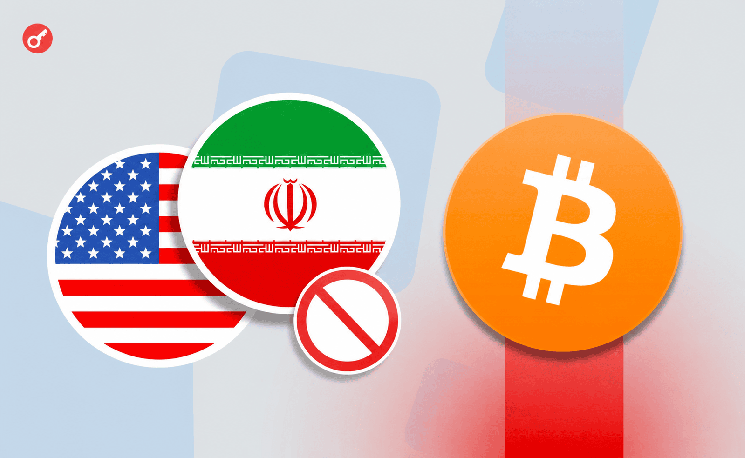
Blockchain analytics firm Bubblemaps has uncovered a network of connected wallets that profited from highly accurate bets on U.S. and Israeli military strikes involving Iran on the prediction market Polymarket. The investigation identified multiple accounts, including one named “nothingeverhappens911,” which moved profits off-platform and was linked via a shared Binance deposit to another account called “Skoobidoobnj.” This second account reportedly earned around $100,000 from bets placed just before strikes on 13 June and 21 June 2025. Two additional connected accounts made approximately $65,000 and $10,000 from bets on a 28 February U.S. strike and a 13 June Israeli operation, respectively. In total, four accounts generated about $240,000 from these trades. These findings follow earlier reports of six wallets making $1.2 million from the 28 February strike, raising concerns about potential use of non-public information. The activity has intensified scrutiny over whether prediction markets incentivize trading on privileged geopolitical knowledge.

Blockchain analytics firm Bubblemaps says it has identified a network of connected wallets that profited from betting on military strikes involving Iran on the crypto prediction market Polymarket.

In a thread published on X, Bubblemaps said it traced funds between several Polymarket accounts that placed highly accurate bets on U.S. and Israeli strikes. This raises questions about whether traders may have had advance knowledge of geopolitical events.

The findings follow earlier reports that six wallets collectively earned about $1.2 million by betting that the United States would strike Iran on 28 February, with many of the positions reportedly opened only hours before the attack.

Wallet tracing links Polymarket accounts

According to Bubblemaps, a wallet identified as 0xa4eb, operating under the Polymarket username “nothingeverhappens911,” recently moved profits off the platform.

Tracing those funds led to another Polymarket account called “Skoobidoobnj,” with the connection established through a shared Binance deposit address.

The second account allegedly made about $100,000 betting “yes” shortly before two separate military developments involving Iran in 2025.

Those events included:

  • 13 June 2025: Israel launched an operation targeting Iranian assets.
  • 21 June 2025: The United States reportedly joined the conflict with strikes on nuclear facilities at Fordow.

Bubblemaps said the on-chain links suggest the accounts may be part of a broader cluster of traders using connected wallets.

Additional accounts identified

The analytics firm said the Polymarket account “Skoobidoobnj” is also linked on-chain to two additional accounts suspected of placing trades at similarly timed intervals.

According to Bubblemaps:

  • One account allegedly earned about $65,000 betting on a U.S. strike on 28 February.
  • Another reportedly made around $10,000 on predictions related to the 13 June Israeli strike.

In total, the firm said four connected Polymarket accounts generated about $240,000 from bets predicting U.S. and Israeli military actions involving Iran.

Earlier $1.2M betting activity raised scrutiny

The latest findings build on the earlier discovery that six recently funded wallets made roughly $1.2 million from the 28 February U.S. strike market.

Many of those wallets were reportedly funded within 24 hours of the event. They placed bets specifically on a strike occurring on that date.

The timing of the trades drew scrutiny from analysts and policymakers, with critics suggesting the activity could indicate traders acting on privileged information.

Prediction markets face growing attention

Crypto-based prediction platforms such as Polymarket allow users to trade on the likelihood of real-world events ranging from elections to geopolitical conflicts.

While supporters argue that prediction markets can aggregate information efficiently, critics warn that they may create incentives for trading on sensitive or nonpublic information.

The Bubblemaps findings add to the ongoing debate over whether blockchain analytics could help identify suspicious trading behavior in decentralized prediction markets.


Final Summary

  • Bubblemaps says on-chain tracing linked several Polymarket accounts that profited from betting on U.S. and Israeli strikes involving Iran.
  • The findings follow earlier reports that six wallets earned about $1.2M from bets predicting a 28 February U.S. strike on Iran.

Câu hỏi Liên quan

QWhat did blockchain analytics firm Bubblemaps identify regarding Polymarket accounts and bets on military strikes involving Iran?

ABubblemaps identified a network of connected wallets that profited from betting on military strikes involving Iran on the crypto prediction market Polymarket, with some accounts placing highly accurate bets shortly before the events.

QHow much did the six wallets collectively earn from betting on the U.S. strike on Iran on 28 February, and what was notable about the timing of their bets?

AThe six wallets collectively earned about $1.2 million from betting on the U.S. strike on Iran on 28 February, with many positions opened only hours before the attack.

QWhich Polymarket username was associated with wallet 0xa4eb, and how was it linked to another account called 'Skoobidoobnj'?

AWallet 0xa4eb operated under the Polymarket username 'nothingeverhappens911' and was linked to another account called 'Skoobidoobnj' through a shared Binance deposit address.

QWhat were the two military events in June 2025 that the account 'Skoobidoobnj' reportedly bet on, and how much profit did it make?

AThe account 'Skoobidoobnj' bet on an Israeli operation targeting Iranian assets on 13 June 2025 and U.S. strikes on nuclear facilities at Fordow on 21 June 2025, making about $100,000 in profit.

QWhat is the total amount that the four connected Polymarket accounts generated from bets predicting U.S. and Israeli military actions involving Iran?

AThe four connected Polymarket accounts generated about $240,000 from bets predicting U.S. and Israeli military actions involving Iran.

Nội dung Liên quan

Nhà vận động hành lang về tiền mã hóa của SEC nói Mã nguồn Blockchain được Hiến pháp bảo vệ

Ủy viên Ủy ban Chứng khoán và Giao dịch Hoa Kỳ (SEC), Hester Peirce, cho rằng việc phát hành mã nguồn mở blockchain là hoạt động được bảo vệ theo Tu chính án thứ nhất của Hiến pháp. Bà lập luận rằng các nhà phát triển phần mềm DeFi không nên tự động bị coi là trung gian chứng khoán chỉ vì người khác sử dụng công cụ họ tạo ra, và trách nhiệm pháp lý nên thuộc về những người thực sự thực hiện hành vi bất hợp pháp. Nhận xét của Peirce diễn ra trong bối cảnh SEC, dưới sự lãnh đạo của Chủ tịch Paul Atkins, đang xem xét lại cách áp dụng luật chứng khoán hiện hành vào tài sản kỹ thuật số và hệ thống phi tập trung. Bà chỉ ra rằng các quy định hiện tại của SEC được thiết kế xung quanh các tổ chức trung gian truyền thống và có thể không phù hợp khi áp dụng cho các mạng blockchain phân tán. Gần đây, SEC cũng đã đưa ra hướng dẫn cho thấy một số giao diện người dùng cung cấp quyền truy cập vào giao thức phi tập trung có thể không bị coi là nhà môi giới theo định nghĩa pháp lý truyền thống. Điều này, cùng với bài phát biểu của Peirce và kế hoạch chiến lược của SEC (nơi coi công nghệ blockchain là ưu tiên dài hạn), cho thấy cơ quan này đang nỗ lực điều chỉnh các ranh giới quy định trong không gian tài chính phi tập trung.

bitcoinist1 giờ trước

Nhà vận động hành lang về tiền mã hóa của SEC nói Mã nguồn Blockchain được Hiến pháp bảo vệ

bitcoinist1 giờ trước

CẬP NHẬT – Michael Saylor Cố Gắng Giảm Nhiệt Cho Cuộc Xung Đột Nội Bộ Trong Bitcoin — Nhưng Ông ấy Có Thành Công?

Michael Saylor, chủ tịch điều hành của MicroStrategy, đã công bố một bài viết phân chia cộng đồng Bitcoin thành bốn nhóm chính: Người theo chủ nghĩa tối đa (Bitcoin Maximalists), Nhà tư bản Bitcoin (Bitcoin Capitalists), Nhà công nghệ Bitcoin (Bitcoin Technologists) và Người theo chủ nghĩa cơ bản (Bitcoin Fundamentalists). Ông cho rằng sự khác biệt này phản ánh sự trưởng thành và phát triển của Bitcoin chứ không phải là dấu hiệu sụp đổ. Mỗi nhóm có quan điểm riêng về cách Bitcoin nên phát triển, từ việc giữ nguyên tính chất "tiền tệ mạnh" chống lạm phát cho đến việc tích hợp sâu vào hệ thống tài chính truyền thống, hay tập trung cải tiến công nghệ và bảo vệ các nguyên tắc phi tập trung ban đầu. Saylor lập luận rằng Bitcoin có thể giữ vững lớp nền tảng (base layer) trong khi vẫn cho phép thị trường và các sản phẩm tài chính phát triển xung quanh nó. Bài viết của ông xuất hiện trong bối cảnh MicroStrategy vừa thực hiện lần bán Bitcoin đầu tiên kể từ năm 2022, gây chú ý trên thị trường. Câu hỏi đặt ra là liệu Saylor có thể xoa dịu những tranh cãi nội bộ này hay không, khi mà tiền bạc, chính trị và nguyên tắc đều đang va chạm trong hệ sinh thái Bitcoin.

bitcoinist5 giờ trước

CẬP NHẬT – Michael Saylor Cố Gắng Giảm Nhiệt Cho Cuộc Xung Đột Nội Bộ Trong Bitcoin — Nhưng Ông ấy Có Thành Công?

bitcoinist5 giờ trước

Giao dịch

Giao ngay
Hợp đồng Tương lai
活动图片