Bloomberg: Assisting Turkey in Freezing $1 Billion in Assets, Tether Is Reshaping Compliance Boundaries

marsbitXuất bản vào 2026-02-15Cập nhật gần nhất vào 2026-02-15

Tóm tắt

On January 30, Turkish authorities froze over $500 million in assets linked to Veysel Sahin, who is accused of operating an illegal gambling platform and money laundering. The operation was executed by an unnamed cryptocurrency company, later revealed to be Tether Holdings SA, the issuer of the $185 billion stablecoin USDT. Tether has been cooperating with global law enforcement agencies to combat crypto-related crimes, including money laundering and sanctions evasion. Tether CEO Paolo Ardoino stated that the company follows legal procedures when assisting authorities, including the U.S. Department of Justice and FBI. The freeze is part of a broader Turkish operation that has seized over $1 billion in assets. A second individual under investigation for similar charges had an additional $500 million in crypto assets frozen, though it is unclear if Tether tokens were involved. According to Elliptic, Tether and its competitor Circle have blacklisted approximately 5,700 wallets holding around $2.5 billion in assets, with three-quarters of them containing USDT. Tether claims to have assisted law enforcement in 62 countries, freezing $3.4 billion in USDT tied to illicit activities. This marks a significant shift from Tether’s earlier conflicts with U.S. regulators, including a 2021 settlement over misrepresenting reserves. The company has recently re-entered the U.S. market with a compliant stablecoin, USAT, and has gained recognition for its cooperation with authorities. Despit...

On January 30, Turkish authorities announced the freezing of assets worth over $500 million in the name of Veysel Sahin, who is accused of operating an illegal gambling platform and suspected of money laundering. The Istanbul Chief Prosecutor revealed that an unnamed cryptocurrency company carried out the freezing operation at the request of the Turkish government.

This company is Tether Holdings SA, the issuer of the stablecoin USDT with a market capitalization of $185 billion. Recently, the company has actively assisted governments worldwide in combating various cryptocurrency-related criminal activities, including money laundering, drug trafficking, and sanctions evasion.

Tether CEO Paolo Ardoino stated in a recent interview with Bloomberg News: "Law enforcement agencies approach us, provide relevant information, we verify the information, and then take action in accordance with the laws of the country. We follow this process when cooperating with agencies such as the U.S. Department of Justice and the FBI."
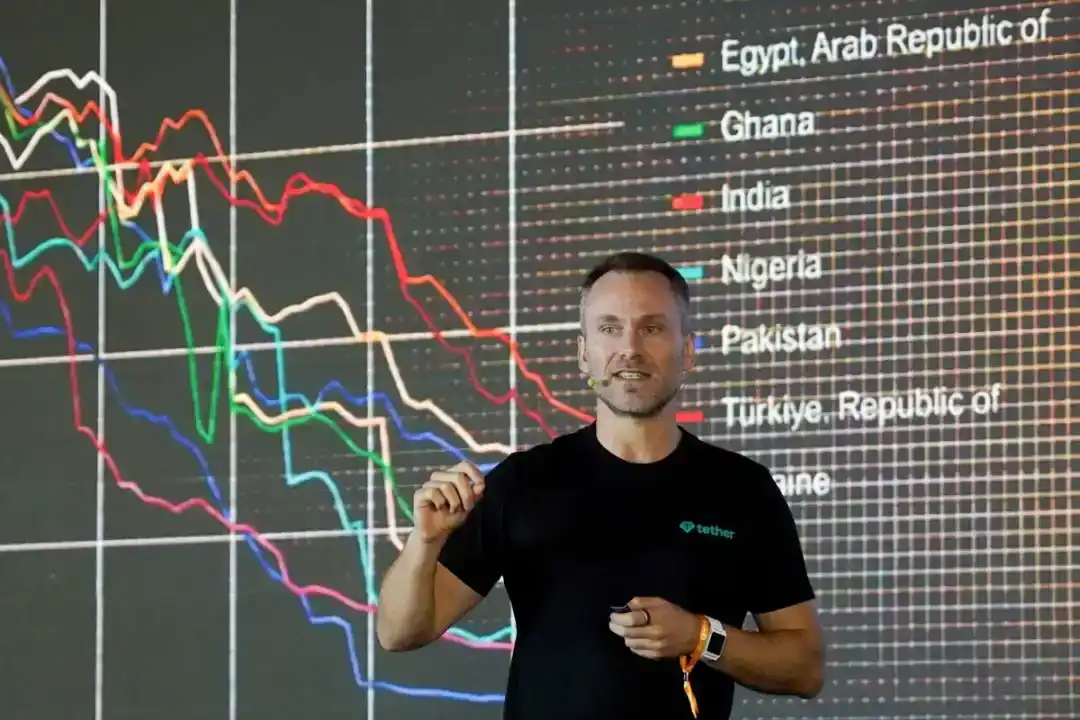
Tether declined to comment further on the case. Bloomberg was unable to reach Sahin. A Turkish official also refused to disclose the name of the company mentioned in the prosecutor's statement.

The frozen assets of 460 million euros (approximately $544 million) are part of a large-scale law enforcement operation in Turkey, with the total value of frozen assets in the case now exceeding $1 billion. According to Turkish television NTV, a few days after the announcement of Sahin's asset freeze, another individual was investigated for suspected money laundering and illegal gambling, and crypto assets worth $500 million in their name were also frozen. However, it is currently unclear whether this asset freeze involved tokens issued by Tether.

A Turkish official, who spoke anonymously on sensitive legal matters to Bloomberg, revealed that authorities discovered the "financial traces" of these suspected illegal proceeds by tracking fund flows and analyzing crypto assets. The official also stated that similar asset freezes would be implemented in the future against individuals involved in illegal gambling and payment systems.

For Tether, this freezing operation is just one of its increasingly frequent asset freezes, highlighting the growing efforts of this cryptocurrency giant to cooperate with global law enforcement agencies.

A report released by analytics firm Elliptic in January showed that by the end of 2025, Tether and its competitor Circle Internet Group Inc. had blacklisted approximately 5,700 wallets, involving assets of about $2.5 billion, a figure that was negligible two years ago. At the time of freezing, three-quarters of these wallets held USDT.

Arda Akartuna, Head of Crypto Threat Intelligence for Asia-Pacific at Elliptic, said: "As the legitimate application of cryptocurrencies and the integration into global payments accelerate, illegal usage has also increased, prompting stablecoin issuers to intervene more actively."

Tether often publicizes its efforts to combat criminal activities, including in communications aimed at attracting potential investors. The company is seeking funding at a valuation of up to $500 billion. According to its website, Tether has assisted law enforcement agencies in 62 countries in handling over 1,800 cases, freezing $3.4 billion worth of USDT related to suspected illegal activities.

Nathan McCauley, Co-founder and CEO of Tether's partner Anchorage Digital Bank, stated in an interview: "They (Tether) are extremely proactive in their cooperation. Among stablecoin issuers, the company has the 'recognized best reputation' with law enforcement agencies."

Anchorage is the issuer of Tether's compliant dollar stablecoin USAT, which was launched in late January, marking Tether's return to the U.S. market.

This represents a significant shift from the tense relationship between Tether and U.S. regulators a few years ago. After clashing with regulators in 2018, Tether largely exited the U.S. market and paid a $41 million settlement in 2021 to resolve allegations of misrepresenting its reserves.

However, the second Trump administration has shown a welcoming attitude towards the cryptocurrency industry. Last year, Ardoino attended, along with several other executives, the ceremony where President Trump signed the stablecoin regulatory bill.
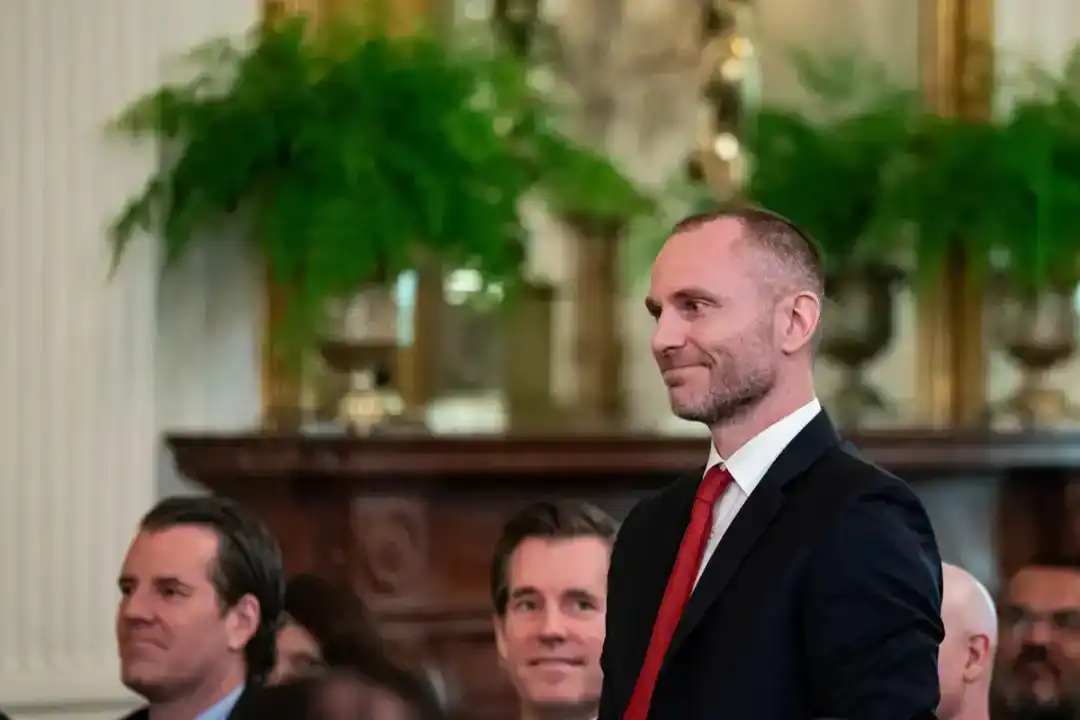
Even so, Tether's USDT continues to face scrutiny from authorities due to its widespread use by criminals.

On January 9, the U.S. Attorney's Office for the Eastern District of Virginia announced charges against a Venezuelan citizen for laundering $1 billion using USDT. A recent report from Elliptic showed that the Central Bank of Iran purchased over $500 million worth of USDT to alleviate its currency crisis and evade U.S. sanctions.

Fugitive Sahin is accused of leading an organization that laundered money for illegal online gambling platforms. According to local media, Sahin was sentenced to 10 years in prison in 2017, released in 2023, and sentenced to another 21 years in prison one month later. His current whereabouts are unknown, but the state-run Anadolu Agency reported on January 30 that "the relevant authorities are advancing the legal process for his extradition back to Turkey."


Câu hỏi Liên quan

QWhat was the unmentioned cryptocurrency company that assisted Turkish authorities in freezing assets, and what is its significance in the market?

AThe unmentioned cryptocurrency company was Tether Holdings SA, the issuer of the USDT stablecoin with a market capitalization of $185 billion. It is a major player in the cryptocurrency market, providing a widely used stablecoin.

QAccording to the article, what specific actions has Tether taken to assist global law enforcement agencies?

ATether has been actively assisting global law enforcement by freezing assets linked to crimes such as money laundering, drug trafficking, and sanctions evasion. They verify information provided by authorities and take action in accordance with the laws of the relevant countries.

QHow does the article describe the shift in Tether's relationship with U.S. regulators over the years?

AThe article describes a significant shift. After a 2018 conflict with regulators and a 2021 settlement over misrepresenting reserves, Tether largely exited the U.S. market. However, the current U.S. administration is more welcoming, and Tether CEO recently attended a ceremony for a stablecoin regulatory bill, marking a return to the market.

QWhat statistics does the article cite from Elliptic regarding the scale of frozen assets by stablecoin issuers?

AAn Elliptic report stated that by the end of 2025, Tether and its competitor Circle had blacklisted approximately 5,700 wallets, involving around $2.5 billion in assets. Three-quarters of these wallets held USDT at the time of freezing.

QBeyond the Turkish case, what other examples of alleged criminal use of USDT are mentioned in the article?

AThe article mentions a U.S. case where a Venezuelan citizen was charged with laundering $1 billion using USDT. It also cites an Elliptic report that Iran's central bank purchased over $500 million in USDT to mitigate a currency crisis and circumvent U.S. sanctions.

Nội dung Liên quan

Tuyên Bố ETF Hyperliquid Thu Hút Sự Chú Ý Khi Câu Chuyện HYPE Phát Triển Trên X

Tuyên bố từ AlphaOnChain trên X (trước đây là Twitter) ngày 20 tháng 6 cho biết ba quỹ ETF Hyperliquid (HYPE) được ra mắt vào tháng 5 năm 2026 đã tích lũy tổng cộng 158 triệu USD tài sản. Trong đó, ETF Bitwise HYPE được cho là có 88 triệu USD và ETF 21Shares HYPE có 66 triệu USD. Thông tin này đã thu hút sự chú ý vào cuối tuần, củng cố cho nhận định rằng HYPE đang trở thành một trong những đồng altcoin được theo dõi sát sao, khi các nhà giao dịch tìm kiếm cơ hội vượt trội ngoài Bitcoin và Ethereum. Tuy nhiên, bài viết nhấn mạnh một cảnh báo quan trọng: các con số này đến từ một bài đăng trên mạng xã hội, chưa được xác minh bởi dữ liệu chính thức từ nhà phát hành quỹ, hồ sơ trao đổi hoặc trang thông tin quỹ. Do đó, chúng nên được coi là một tín hiệu cho thấy sự quan tâm ngày càng tăng xung quanh đồng tiền HYPE, chứ không phải là bằng chứng cuối cùng về dòng tiền thực tế. Hyperliquid thu hút cộng đồng nhờ hệ sinh thái tập trung vào giao dịch perpetual trên chuỗi và cơ sở hạ tầng sàn giao dịch. Nếu các sản phẩm ETF liên quan đến HYPE thực sự thu hút được lượng tài sản đáng kể, điều này có thể cho thấy nhu cầu từ cả tổ chức và nhà đầu tư cá nhân đang bắt đầu mở rộng sang các tài sản crypto có rủi ro cao hơn. Đối với các nhà giao dịch, dù sự quan tâm trên mạng xã hội có thể tác động ngắn hạn đến thị trường, nhưng sự tăng trưởng bền vững thường cần đến nhu cầu đã được xác nhận, thanh khoản và sự phát triển liên tục của hệ sinh thái.

bitcoinist5 phút trước

Tuyên Bố ETF Hyperliquid Thu Hút Sự Chú Ý Khi Câu Chuyện HYPE Phát Triển Trên X

bitcoinist5 phút trước

Codex Sử Dụng Máy Tính Như Thế Nào? Ba Lối Vào Và Ranh Giới Quyền Hạn

Bài viết phân tích ba phương thức chính để Codex tương tác với máy tính: Computer Use, Tiện ích Chrome và Trình duyệt trong ứng dụng. Computer Use là phương thức mạnh mẽ nhất, cho phép Codex điều khiển giao diện đồ họa của các ứng dụng macOS/Windows, cài đặt hệ thống, thậm chí iOS Simulator. Nó phù hợp cho các quy trình không có API hoặc công cụ cấu trúc, nhưng chậm hơn và có ranh giới quyền truy cập rộng nhất, đòi hỏi sự giám sát cẩn thận. Tiện ích Chrome cấp cho Codex quyền truy cập vào trạng thái Chrome đã đăng nhập của người dùng, bao gồm cookie, hồ sơ và các tab mở. Nó lý tưởng cho các tác vụ trên Gmail, LinkedIn, Salesforce, bảng điều khiển nội bộ hoặc nghiên cứu xuyên nhiều trang web, đồng thời hỗ trợ kiểm soát đa tab hiệu quả. Trình duyệt trong ứng dụng là một trình duyệt biệt lập bên trong luồng Codex, không kế thừa trạng thái đăng nhập hay tiện ích mở rộng. Nó hoàn hảo cho việc phát triển và gỡ lỗi web (máy chủ cục bộ, lỗi giao diện, bố cục responsive) và cho phép chú thích trực tiếp trên các phần tử trang, tạo vòng phản hồi nhanh giữa chỉnh sửa mã và xem trước. Appshots không phải là một phương thức điều khiển, mà là công cụ để người dùng cung cấp ngữ cảnh hình ảnh (chụp cửa sổ) cho Codex, giúp nó hiểu vấn đề cần giải quyết. Thông điệp cốt lõi: Không phải mọi tác vụ đều cần Computer Use. Nên chọn phương thức có phạm vi quyền hẹp nhất, an toàn nhất và được cấu trúc hóa nhất cho từng công việc cụ thể. Ưu tiên sử dụng plugin/MCP nếu có, sau đó mới xem xét đến Trình duyệt trong ứng dụng, Tiện ích Chrome, và chỉ dùng Computer Use cho "chặng đường cuối" khi các công cụ khác không đáp ứng được. Điều này đảm bảo hiệu quả và an toàn, đồng thời duy trì quyền giám sát của người dùng đối với các hành động quan trọng.

marsbit17 phút trước

Codex Sử Dụng Máy Tính Như Thế Nào? Ba Lối Vào Và Ranh Giới Quyền Hạn

marsbit17 phút trước

Quy tắc sắt của thiết bị bán dẫn đang bị phá vỡ

Quy tắc bất thành văn lâu nay trong ngành thiết bị bán dẫn, nơi các nhà sản xuất chip thường ép giảm giá (khoảng 10%) cho các đơn hàng lặp lại, đang bị phá vỡ. Gần đây, một số nhà cung cấp thiết bị chính của SK Hynix đã đề nghị tăng giá 3-4%, phản ánh sự thay đổi quyền lực thị trường. Nguyên nhân chính là cơn sốt mở rộng sản xuất để đáp ứng nhu cầu AI, dẫn đến tình trạng thiếu hụt thiết bị nghiêm trọng. Cụ thể, thiết bị TCB (Thermal Compression Bonding) đang "bán chạy" nhờ làn sóng đặt hàng cho sản xuất HBM4, chiplet AI và CPU. Các nhà sản xuất chính như Hanmi Semiconductor, Hanwha Semitech và ASMPT nhận được nhiều đơn hàng lớn. Trong khi đó, công nghệ Hybrid Bonding tiên tiến hơn sẽ được áp dụng rộng rãi hơn từ HBM5, còn ở giai đoạn hiện tại, TCB vẫn là giải pháp thực tế. Không chỉ vậy, sự thiếu hụt còn lan sang chính chuỗi cung ứng thiết bị. Các linh kiện quan trọng để sản xuất thiết bị kiểm tra bán dẫn như FPGA, CPU, Driver IC cũng khan hiếm do bị ưu tiên cung cấp cho các trung tâm dữ liệu AI, làm chậm tiến độ giao hàng thiết bị kiểm tra. Các báo cáo từ SEMI và Counterpoint dự báo một chu kỳ tăng trưởng mạnh mẽ cho ngành thiết bị bán dẫn, thúc đẩy bởi ba xu hướng: mở rộng công nghệ logic tiên tiến (TSMC, Intel, Samsung), bùng nổ sản xuất HBM (SK Hynix, Micron) và đầu tư lớn vào đóng gói tiên tiến (CoWoS, C2S). Tóm lại, các nhà cung cấp thiết bị then chốt nắm giữ công nghệ không thể thay thế trong các lĩnh vực này đang nắm giữ chìa khóa cho năng lực sản xuất trong kỷ nguyên AI, từ đó định hình lại cán cân quyền lực và định giá trong toàn ngành.

marsbit29 phút trước

Quy tắc sắt của thiết bị bán dẫn đang bị phá vỡ

marsbit29 phút trước

Bitcoin Phải Giữ Vững Mức $60,000 Nếu Không Sẽ Đối Mặt Nguy Cơ Sụp Đổ Lớn, Nhà Phân Tích TradingView Cảnh Báo

Bitcoin đang ở mức giá được nhiều nhà giao dịch coi là quan trọng cả về tâm lý lẫn kỹ thuật. Theo phân tích của chuyên gia weslad trên TradingView vào ngày 20/6, BTCUSDT đã chạm vào một vùng cầu mới có thể quyết định đợt biến động lớn sắp tới. Miễn là Bitcoin giữ được vùng hỗ trợ hiện tại, khả năng phục hồi lên vùng cung quanh 81.000 USD vẫn cao. Tuy nhiên, cảnh báo cũng rất rõ ràng. Mức 60.000 USD được xem là "ranh giới" cho phe mua. Nếu Bitcoin đóng cửa quyết định dưới ngưỡng này, triển vọng tăng giá sẽ bị vô hiệu hóa và mở đường cho một đợt sụt giảm sâu hơn. Sự thất bại ở một mức hỗ trợ được nhiều người theo dõi có thể kích hoạt dừng lỗ và thay đổi tâm lý thị trường. Trường hợp phục hồi lên 81.000 USD vẫn cần sự xác nhận. Phe mua cần bảo vệ thành công 60.000 USD, vượt qua các mức kháng cự lân cận và chứng minh nhu cầu đủ mạnh để đảo ngược xu hướng. Hiện tại, tình hình được xem như một bài kiểm tra hỗ trợ nhị phân: giữ vững thì kịch bản phục hồi còn, mất quyết định thì thị trường sẽ hướng tới một đợt điều chỉnh sâu hơn.

bitcoinist2 giờ trước

Bitcoin Phải Giữ Vững Mức $60,000 Nếu Không Sẽ Đối Mặt Nguy Cơ Sụp Đổ Lớn, Nhà Phân Tích TradingView Cảnh Báo

bitcoinist2 giờ trước

Giao dịch

Giao ngay
Hợp đồng Tương lai
活动图片