After 4 Months, Polymarket Helped Trump Catch the Military Operation Leaker, But at a Cost...

Odaily星球日报Xuất bản vào 2026-04-25Cập nhật gần nhất vào 2026-04-25

Tóm tắt

U.S. Army Sergeant Gannon Ken Van Dyke was arrested by the Department of Justice after allegedly using insider information to profit over $409,000 on Polymarket, a prediction market platform. He placed bets totaling $33,933 on events such as whether Venezuelan President Maduro would be ousted and if the U.S. would launch a military operation in Venezuela—events he had advance knowledge of due to his involvement in the military operation that captured Maduro in early January 2026. This case marks the first U.S. crackdown on insider trading within prediction markets. Polymarket had recently strengthened its market integrity rules, explicitly prohibiting trades based on stolen confidential information, illegal insider knowledge, or by individuals capable of influencing event outcomes. The platform has implemented monitoring systems and may ban addresses, pursue legal action, or refer cases to law enforcement. While insider trading had previously contributed to Polymarket’s reputation for early event pricing, the platform now faces a trade-off: stricter enforcement may reduce insider-driven activity and protect regulatory standing, but it could also diminish market foresight and user trust, particularly around address bans and financial security.

Original | Odaily Planet Daily (@OdailyChina)

Author | Golem (@web3_golem)
Not long after, facing the jury, Sergeant Major Gannon Ken Van Dyke would surely recall the moment he stood on the deck of the USS Iwo Jima waiting for sunrise.

On the evening of January 2, 2026, Trump ordered the U.S. military to raid Venezuela and capture the Maduro couple. The mission concluded in the early hours of January 3, and the Maduros were taken to the USS Iwo Jima for transport to the United States. Several hours later, the 38-year-old Sergeant Major Van Dyke, holding a rifle, stood on the deck with three other soldiers, took a photo, and shared it on social media. The atmosphere was relaxed at that moment, but the joy in his heart could not be shared with anyone.

Because he was a leaker, an insider who used inside information to make huge profits on Polymarket. A few days before the U.S. military operation, Van Dyke placed a series of bets on Polymarket, including whether Maduro would step down before January 31, 2026, and whether the U.S. military would attack Venezuela before January 31, 2026. Van Dyke placed a total bet of $33,933 and ultimately profited over $409,000, a return of over 1200%.

Gannon Ken Van Dyke

Van Dyke was not the only one who used inside information to profit from this capture operation. According to monitoring by Odaily Seer先知频道, before the arrest of the Venezuelan president, three addresses on Polymarket had placed bets on his ouster in advance, accumulating profits of $630,400. Among them, address 0x31a5 (0x31a5...8eD9) invested $34,000 and profited $409,000; address 0xa72D (0xa72D...eBd4) invested $5,800 and profited $75,000; address SBet365 invested $25,000 and profited $145,600.

At the time, there was much speculation in the market about the identities of these insider addresses, but it was not known that the address earning the most profit specifically belonged to Van Dyke.

For safety, after seeing reports about the insider trading related to the mission, Van Dyke also deleted his Polymarket account and changed the email address registered with the cryptocurrency exchange account, attempting to cover up the evidence of the transactions.

Despite this, after nearly 4 months of joint investigation by Polymarket and the U.S. Department of Justice, Van Dyke was still caught.

On April 23, the U.S. Department of Justice announced the arrest of Van Dyke. He was charged with crimes including illegally using government confidential information for personal gain, theft of non-public government information, commodities fraud, wire fraud, and conducting illegal monetary transactions. The Department of Justice stated that Van Dyke is expected to appear in court in North Carolina later, and his defense lawyer information has not yet been disclosed.

This is the first arrest action by U.S. authorities against an insider using confidential information to bet on prediction markets. The final trial outcome may have a profound impact on the large amount of insider trading behavior existing in future prediction markets.

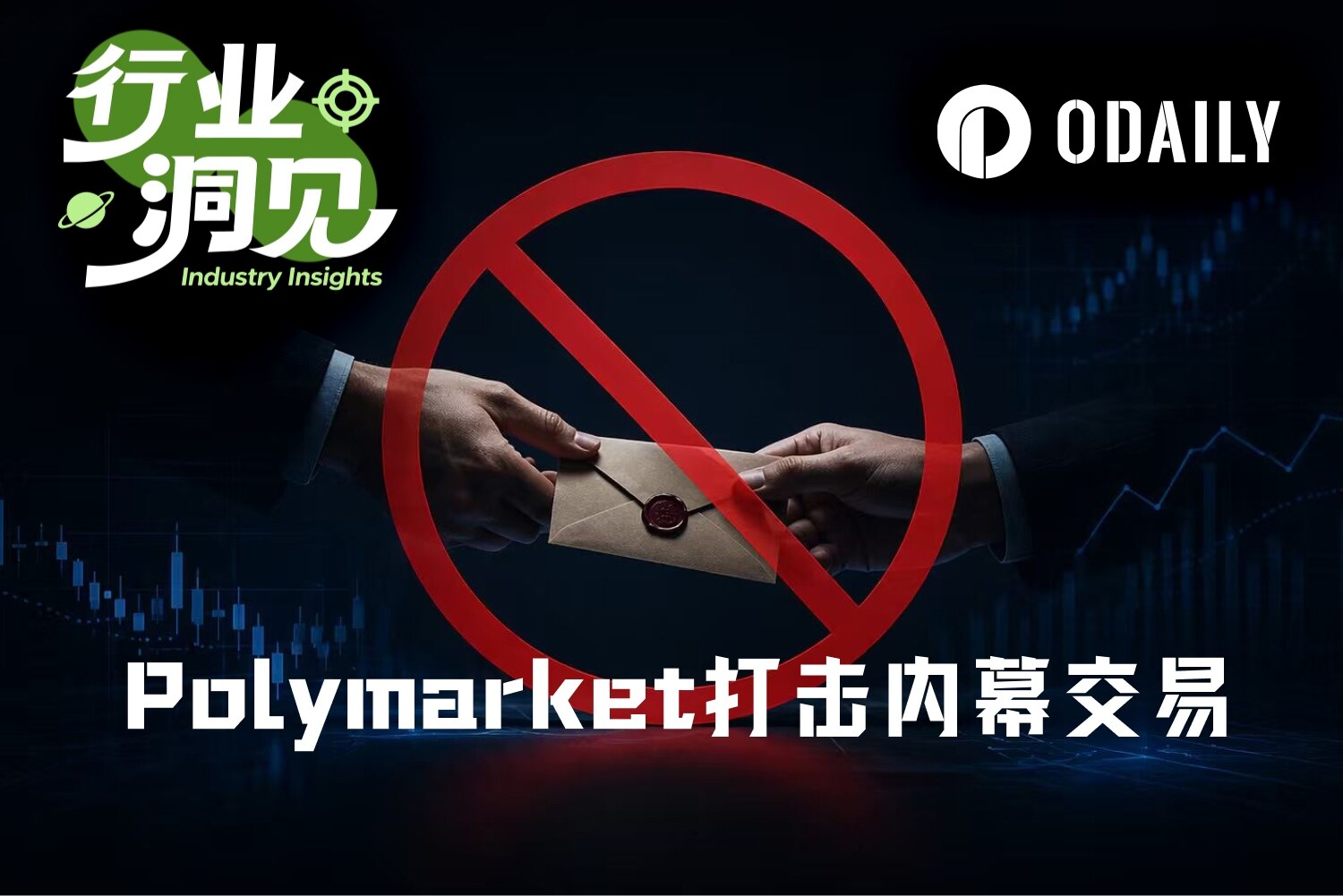
But before this, in fact, Polymarket's new enhanced market integrity rules had already made insiders unable to sit comfortably.

Polymarket's Enhanced Market Integrity Rules

On March 23, Polymarket released enhanced market integrity rules and incorporated them into the user terms of service. The new rules clearly state that insider trading and any transactions by personnel who may influence the outcome are strictly prohibited on Polymarket, specifically the following behaviors:

  • Trading using stolen confidential information: If a user possesses confidential information about the outcome or potential outcome of the subject event, and using this information would violate an existing duty of trust or confidentiality owed to another person or entity, that user must not conduct any contract transactions;
  • Must not trade using illegal insider information: If a user knows or has reason to know that the person providing the information would themselves be prohibited from using it to trade, the user must not use confidential information obtained from a person who owes an existing duty of trust or confidentiality to conduct transactions;
  • Must not trade while able to influence the outcome: If a user has sufficient power or influence to affect the outcome of the subject event, that user must not conduct any contract transactions; users also must not trade on the instructions of persons possessing such power or influence.

To help users better understand what kind of behavior would be defined as insider trading, Polymarket also provided specific examples in the market integrity rules on the Polymarket main site and U.S. site, such as military personnel cannot bet on upcoming military operations, political election candidates cannot personally or encourage anyone to bet on their own election results, company CEOs cannot personally or encourage anyone to bet on 'mention markets' involving themselves, etc.

To effectively combat such insider trading, Polymarket has also established a multi-layer monitoring system. When Polymarket or the community (Odaily Note: Any user can now report suspected insider trading behavior) discovers suspicious trading activity, Polymarket will initiate a review, and if necessary, take disciplinary action, ban wallet addresses, initiate legal proceedings, or refer the matter to law enforcement.

Before Van Dyke's arrest, insiders might have thought Polymarket's market integrity rules were just bluster, because on a platform with no KYC and cryptocurrency settlements, trying to penetrate on-chain addresses to uncover the insider behind the screen is extremely difficult and something Polymarket would not be willing to do.

But this thinking is very naive. First, current regulation and on-chain tracking technology are actually very sophisticated and powerful; users may not perform KYC on Polymarket, but they will definitely perform KYC on exchanges and other entry/exit channels. Except for top-tier hackers, average users facing such investigations basically have nowhere to hide. Second, to争取 (win) support from U.S. regulators, Polymarket will also actively cooperate with law enforcement investigations into insider trading. For typical insider cases like Van Dyke's, they would spare no effort even if it costs manpower and resources.

Analyzing this far, if you are an insider with knowledge of some minor event, you might still侥幸 (be侥幸侥幸侥幸侥幸侥幸侥幸侥幸侥幸侥幸侥幸侥幸侥幸侥幸侥幸侥幸侥幸侥幸侥幸侥幸侥幸侥幸侥幸侥幸侥幸侥幸侥幸侥幸侥幸侥幸侥幸侥幸侥幸侥幸侥幸侥幸侥幸侥幸侥幸侥幸侥幸侥幸侥幸侥幸侥幸侥幸侥幸侥幸侥幸侥幸侥幸侥幸侥幸侥幸侥幸侥幸侥幸侥幸侥幸侥幸侥幸侥幸侥幸侥幸侥幸侥幸侥幸侥幸侥幸侥幸侥幸侥幸侥幸侥幸侥幸侥幸侥幸侥幸侥幸侥幸侥幸侥幸侥幸侥幸侥幸侥幸侥幸侥幸侥幸侥幸侥幸侥幸侥幸侥幸侥幸侥幸侥幸侥幸侥幸侥幸侥幸侥幸侥幸侥幸侥幸侥幸侥幸侥幸侥幸侥幸侥幸侥幸侥幸侥幸侥幸侥幸侥幸侥幸侥幸侥幸侥幸侥幸侥幸侥幸侥幸侥幸侥幸侥幸侥幸侥幸侥幸侥幸侥幸侥幸侥幸侥幸侥幸侥幸侥幸侥幸侥幸侥幸侥幸侥幸侥幸侥幸侥幸侥幸侥幸侥幸侥幸侥幸侥幸侥幸侥幸侥幸侥幸侥幸侥幸侥幸侥幸侥幸侥幸侥幸侥幸侥幸侥幸侥幸侥幸侥幸侥幸侥幸侥幸侥幸侥幸侥幸侥幸侥幸侥幸侥幸侥幸侥幸侥幸侥幸侥幸侥幸侥幸侥幸侥幸侥幸侥幸侥幸侥幸侥幸侥幸侥幸侥幸侥幸侥幸侥幸侥幸侥幸侥幸侥幸侥幸侥幸侥幸侥幸侥幸侥幸侥幸侥幸侥幸侥幸侥幸侥幸侥幸侥幸侥幸侥幸侥幸侥幸侥幸侥幸侥幸侥幸侥幸侥幸侥幸侥幸侥幸侥幸侥幸侥幸侥幸侥幸侥幸侥幸侥幸侥幸侥幸侥幸侥幸侥幸侥幸侥幸侥幸侥幸侥幸侥幸侥幸侥幸侥幸侥幸侥幸侥幸侥幸侥幸侥幸侥幸侥幸侥幸侥幸侥幸侥幸侥幸侥幸侥幸侥幸侥幸侥幸侥幸侥幸侥幸侥幸侥幸侥幸侥幸侥幸侥幸侥幸侥幸侥幸侥幸侥幸侥幸侥幸侥幸侥幸侥幸侥幸侥幸侥幸侥幸侥幸侥幸侥幸侥幸侥幸侥幸侥幸侥幸侥幸侥幸侥幸侥幸侥幸侥幸侥幸侥幸侥幸侥幸侥幸侥幸) think that you are not like Van Dyke engaging in insider trading on such a high-profile event or are not a U.S. citizen, so U.S. regulators or Polymarket can't do anything to you.

Polymarket and regulators certainly cannot treat every case of insider trading the same way they treated Van Dyke. For insider trading behaviors with small profits and limited impact, uncovering the insider's true identity or going through judicial procedures itself seems like "making a fuss over nothing". But Polymarket also has a killer move against these insider trades—banning addresses. And this move is the rule that all insiders, all users, should truly fear, as it is even shaking Polymarket's core narrative.

The Cost

On April 23, the prediction market Kalshi disclosed that it had fined three congressional candidates who bet on their own election results and banned them from the platform for 5 years. Do you think they made huge profits from this? Actually, the combined fines for the three candidates were less than $8,000, and one of them only bet $100.

Being able to handle insider trading so quickly is thanks to the KYC and compliance system Kalshi built from its inception. But if such small-amount, low-impact insider trading were placed on Polymarket, it might not even be noticed, let alone handled.

This is not because Polymarket subjectively condones insider trading, but because the self-regulatory difficulty of Polymarket itself is very high. Due to features like no KYC, low account creation barriers, and on-chain anonymity, Polymarket finds it difficult to manage and review users like Kalshi does. This creates a breeding ground for insiders. When the economic incentive for insider trading is high enough and the risk is low enough, human nature cannot withstand the test.

Odaily Planet Daily previously analyzed when insiders used Polymarket to obtain illegal profits in the Maduro capture operation that insider trading is a double-edged sword for Polymarket (related reading:When War is Settled Before the News: How Prediction Markets 'Priced' the Maduro Capture Action 6 Days Early).

On one hand, insider trading often means releasing information ahead of mainstream media, which brings trading volume and information disclosure speed超越 (surpassing) media to Polymarket. Pricing ahead of time and predicting event outcomes has gradually become Polymarket's core narrative. But on the other hand, insider trading also means information is leaked in advance, and interested parties will naturally resist it. Especially when regulators believe insider trading threatens traditional information security, Polymarket needs to choose between its own safety and the advantages brought by insider trading.

Judging from the results, the introduction of the enhanced market integrity rules has already表明 (indicated) Polymarket's stance, but the cost is that user trust in the platform may also erode.

Banning user addresses is itself a sensitive issue for a decentralized platform, because一旦 (once) abused or误伤 (wrongly applied), it can cause user resentment and concerns about fund safety. Allowing people from all over the world to participate in prediction markets and ensuring free entry and exit of funds has always been one of Polymarket's core competencies. But when Polymarket赋予 (grants) itself the power to ban suspicious user accounts, not only will insiders no longer dare to trade on Polymarket, but normally profitable users will also worry whether the platform will use this as an excuse to prevent withdrawals. Once the floodgates of account banning are opened, they may never be closed again.

In summary, although cracking down hard on insider trading can ensure Polymarket's safety at the regulatory level, it will inevitably weaken Polymarket's前瞻性 (foresight) and准确性 (accuracy) in predicting event outcomes, and will also make users worry more about the safety of their funds. In the end, the matured Polymarket will become an平庸的 (mediocre) adult.


Câu hỏi Liên quan

QWhat was the main reason for the arrest of Gannon Ken Van Dyke by the U.S. Department of Justice?

AHe was arrested for using stolen government classified information to place bets on the Polymarket prediction market, specifically regarding the U.S. military operation in Venezuela and the ousting of President Maduro, making a significant profit.

QHow much profit did Gannon Ken Van Dyke make from his insider trading on Polymarket?

AHe invested $33,933 and made a profit of over $409,000, representing a return of over 1200%.

QWhat are the three specific behaviors strictly prohibited under Polymarket's enhanced market integrity rules?

A1. Trading using stolen confidential information that violates a duty of trust. 2. Trading using illegal insider information obtained from someone who is themselves prohibited from using it. 3. Trading by individuals who have the power or influence to affect the outcome of an event.

QWhat is one major potential consequence for Polymarket itself as a result of its crackdown on insider trading?

AA major potential consequence is that it could undermine user trust in the platform, as users may fear their accounts could be banned or funds frozen, even if they are not engaging in insider trading. This could also diminish the platform's core narrative of providing early and accurate event pricing.

QBesides legal action, what is Polymarket's 'kill switch' for dealing with smaller-scale insider trading cases?

APolymarket's primary tool for dealing with smaller-scale or less impactful insider trading is to ban the user's wallet address, preventing them from accessing the platform and their funds.

Nội dung Liên quan

SpaceX, OpenAI, Anthropic: Ba Gã Khổng Lồ AI Đồng Loạt Chạy Đà Lên Sàn, Nên Đặt Cược Vào Ai?

**Tóm tắt Podcast: SpaceX, OpenAI, Anthropic Đua Nhau IPO - Cơn Khát Vốn AI** Trong tập podcast này, hai host Josh Kale và Ejaaz Ahamadeen thảo luận về làn sóng IPO chưa từng có từ ba gã khổng lồ AI: SpaceX, OpenAI và Anthropic. Tổng số vốn huy động dự kiến lên tới 1800 tỷ USD, lớn hơn cả tổng vốn thời bong bóng dot-com. Lý do chính là nhu cầu chi tiêu vốn (capex) cho cơ sở hạ tầng AI (như chip, trung tâm dữ liệu, điện năng) đang vượt quá khả năng tài chính từ dòng tiền tự do của chính các công ty. **Điểm nổi bật:** * **SpaceX:** IPO của họ có thể thay đổi luật lệ thị trường, với các quỹ chỉ số (index fund) và quỹ hưu trí 401(k) phải mua vào cổ phiếu một cách thụ động chỉ sau vài ngày niêm yết. Tuy nhiên, mô hình kinh doanh trung tâm dữ liệu trong vũ trụ vẫn chưa được chứng minh. * **Anthropic:** Là công ty có tốc độ tăng trưởng doanh thu ấn tượng nhất, đạt 450 tỷ USD doanh thu thường niên hóa (ARR) nhờ Claude Code và các hợp đồng doanh nghiệp. Họ dự kiến sớm có lãi và có độ phủ rộng trong nhóm Fortune 10. * **OpenAI & Google:** OpenAI cần vốn để xây dựng thêm trung tâm dữ liục phục vụ việc đào tạo mô hình. Trong khi đó, Google - một công ty đã niêm yết - cũng huy động 800 tỷ USD bên ngoài để đổ vào cuộc đua AI, phản ánh sự cấp thiết và quy mô chi tiêu khổng lồ. **Quan điểm chính:** Dù có lo ngại về rủi ro bong bóng, các host nhìn chung lạc quan. Họ cho rằng đây không phải là hiện tượng đầu cơ rỗng mà là việc xây dựng nền tảng công nghệ thiết yếu cho tương lai. Nhu cầu về sức mạnh tính toán (compute) hiện vượt xa nguồn cung, bị giới hạn bởi các ràng buộc vật lý như tốc độ sản xuất chip và xây dựng cơ sở hạ tầng. Cuộc chạy đua vốn này có thể dẫn đến một sự tái công nghiệp hóa quan trọng tại Mỹ.

marsbit27 phút trước

SpaceX, OpenAI, Anthropic: Ba Gã Khổng Lồ AI Đồng Loạt Chạy Đà Lên Sàn, Nên Đặt Cược Vào Ai?

marsbit27 phút trước

“Cổ Phiếu Lão Làng” Biến Thành “Quý Tộc Mới”: Từ Dell Đến Nokia, AI Đang Định Giá Lại Cơ Sở Hạ Tầng Cũ Như Thế Nào?

Cách đây một năm, những công ty công nghệ lâu đời như Dell, Nokia, Cisco, Corning, Western Digital thường bị gắn mác "tăng trưởng chậm" và "câu chuyện cũ" trong cơn sốt AI. Tuy nhiên, gần đây, họ lại trở thành những mã chứng khoán được quan tâm trở lại. Sự thay đổi này bắt nguồn từ việc AI đang chuyển từ giai đoạn phát triển mô hình sang giai đoạn triển khai hạ tầng thực tế. Khi các trung tâm dữ liệu AI được xây dựng hàng loạt, thị trường bắt đầu tìm kiếm những công ty có năng lực triển khai, tích hợp hệ thống và cung cấp hạ tầng vật lý. Đây chính là lợi thế của các "cựu binh" với nhiều thập kỷ kinh nghiệm về chuỗi cung ứng, kênh phân phối và dịch vụ khách hàng. Các công ty này được định giá lại chủ yếu theo ba mạch chính trong chuỗi hạ tầng AI: 1. **Máy chủ & Tích hợp hệ thống:** Dell và HPE không sản xuất GPU, nhưng họ đóng vai trò như "nhà thầu chính" lắp ráp, tích hợp hệ thống máy chủ AI hoàn chỉnh (bao gồm làm mát, nguồn điện) và giao hàng cho khách hàng. Doanh thu máy chủ AI tăng mạnh là minh chứng rõ ràng. 2. **Mạng & Kết nối:** AI quy mô lớn đòi hỏi mạng lưới truyền dữ liệu cực nhanh và ổn định. Corning (cáp quang), Nokia (mạng không dây AI-RAN, 6G) và Cisco (thiết bị chuyển mạch trung tâm dữ liệu) trở nên quan trọng khi nhu cầu kết nối tăng vọt. 3. **Lưu trữ:** Nhu cầu lưu trữ khối lượng dữ liệu khổng lồ cho đào tạo mô hình, nhật ký, dữ liệu lạnh... khiến ổ cứng dung lượng cao (HDD) của Western Digital và Seagate trở lại là mặt hàng thiết yếu. Tuy nhiên, không phải công ty cũ nào cũng được hưởng lợi. Một sự định giá lại thực sự cần dựa trên ba tiêu chí: (1) Có đơn hàng và doanh thu AI thực tế; (2) Được điều chỉnh tăng kỳ vọng tăng trưởng; (3) Chất lượng lợi nhuận được cải thiện. Tóm lại, AI không khiến tất cả các công ty cũ trở thành cổ phiếu tăng trưởng, mà chỉ định giá lại những ai đang nắm giữ các mắt xích hạ tầng then chốt và có khả năng biến nhu cầu AI thành lợi nhuận bền vững.

marsbit36 phút trước

“Cổ Phiếu Lão Làng” Biến Thành “Quý Tộc Mới”: Từ Dell Đến Nokia, AI Đang Định Giá Lại Cơ Sở Hạ Tầng Cũ Như Thế Nào?

marsbit36 phút trước

Codex và ChatGPT hợp nhất, cuộc đại phân định công cụ lập trình bắt đầu

OpenAI đang chuyển trọng tâm từ ChatGPT sang Codex, thông báo hợp nhất ba sản phẩm Codex, ChatGPT và Atlas thành một siêu ứng dụng desktop trong vài tuần tới. Động thái này phản ánh nhận thức nội bộ rằng Codex, ban đầu là công cụ lập trình, mới đại diện cho hình thái AI thế hệ tiếp theo. Lý do là trong khi ChatGPT trả lời câu hỏi, Codex giải quyết công việc thực tế. Điều này mang lại giá trị hơn cho doanh nghiệp. Codex đã phát triển từ công cụ bổ sung code thành "đại lý AI" có khả năng gọi công cụ và xử lý tác vụ phức tạp, với người dùng hoạt động hàng tuần tăng lên hơn 5 triệu. Đáng chú ý, 40% người dùng mới gần đây không phải là nhà phát triển, mà là các nhà phân tích, quản lý đầu tư, người làm marketing, quản lý sản phẩm... Điều này cho thấy Codex đang trở thành nền tảng cho lao động tri thức. OpenAI cũng giới thiệu sáu plugin phục vụ các vai trò nghề nghiệp khác nhau, nhắm mục tiêu tái cấu trúc cách thức làm việc của công việc văn phòng. Tham vọng lớn hơn của OpenAI là định hình lại phần mềm tương lai. Với tính năng mới "Sites", Codex có thể tạo website tương tác từ tài liệu, biến các báo cáo hay mô hình phân tích thành trang web tự động cập nhật. Mô hình đang chuyển dịch từ việc người dùng học phần mềm sang việc AI hiểu công việc và tự động gọi các công cụ cần thiết để hoàn thành mục tiêu, biến Codex thành một "nhân viên kỹ thuật số".

marsbit45 phút trước

Codex và ChatGPT hợp nhất, cuộc đại phân định công cụ lập trình bắt đầu

marsbit45 phút trước

Giải Mã Cơ Hội Đầu Tư Thời Đại Thám Hiểm Hàng Hải Mới, Quỹ Invesco Great Wall Công Bố Báo Cáo Doanh Nghiệp Trung Quốc Ra Biển Khơi 2026

Tác giả: Lan Kinh Tân Văn Trong bối cảnh tái cấu trúc chuỗi cung ứng toàn cầu, "xuất khẩu" đang trở thành động lực tăng trưởng mới và là chủ đề đầu tư trọng tâm cho các doanh nghiệp Trung Quốc. Công ty Quản lý Quỹ Jingshun Great Wall đã phát hành báo cáo "Thời đại Hải trình Vĩ đại của Doanh nghiệp Trung Quốc - Triển vọng Xu hướng Mới và Cơ hội Đầu tư Xuất khẩu Năm 2026". Báo cáo chỉ ra rằng xuất khẩu đã phát triển từ phiên bản 1.0 (bố trí năng lực sản xuất để đối phó với ma sát thương mại) sang phiên bản 2.0 hiện tại, không chỉ xuất khẩu sản phẩm mà còn mở rộng năng lực vận hành, năng lực sản xuất và thậm chí cả dịch vụ ra toàn cầu. Các lợi thế cốt lõi như lợi thế kỹ sữ, cơ sở hạ tầng hoàn thiện và hiệu ứng cụm ngành công nghiệp hoàn chỉnh tạo nền tảng vững chắc cho sức cạnh tranh toàn cầu của doanh nghiệp Trung Quốc. Báo cáo nêu bật nhiều cơ hội đầu tư trong làn sóng xuất khẩu: 1. **Hàng tiêu dùng & Dịch vụ:** Chuyển từ ưu thế chi phí sang xây dựng sức mạnh thương hiệu. Xuất khẩu dịch vụ như BD dược phẩm đổi mới và Token mô hình lớn đang tăng tốc. 2. **Hàng vốn (Máy móc, Thiết bị):** Đóng vai trò "người bán xẻng", hưởng lợi từ nhu cầu toàn cầu về xây dựng cơ sở hạ tầng AI, khai thác tài nguyên và nâng cấp lưới điện. Các lĩnh vực như thiết bị điện, máy xây dựng, máy biến áp và dự án lưu trữ năng lượng có triển vọng cao. 3. **Công nghệ cao:** Xe năng lượng mới, mô-đun quang học và ứng dụng AI là những lĩnh vực xuất khẩu then chốt. Các công ty Trung Quốc đã nhúng sâu vào chuỗi cung ứng cốt lõi của các gã khổng lồ công nghệ toàn cầu. 4. **Dược phẩm Đổi mới:** Lợi thế về tốc độ thử nghiệm lâm sàng và chi phí thấp tạo ra cơ hội đầu tư tiềm năng lớn, đặc biệt trong các lĩnh vực như ung thư và giảm cân. Các chuyên gia quỹ tin rằng xu hướng xuất khẩu không phải là nhất thời mà sẽ là một chủ đề dài hạn, mang lại không gian tăng trưởng rộng mở và mức định giá cao hơn cho các doanh nghiệp có tỷ lệ doanh thu nước ngoài cao. Tuy nhiên, các thách thức như chính trị địa lý, rào cản văn hóa và tuân thủ quy định địa phương đòi hỏi doanh nghiệp phải có chiến lược bản địa hóa vững chắc để thành công lâu dài.

marsbit56 phút trước

Giải Mã Cơ Hội Đầu Tư Thời Đại Thám Hiểm Hàng Hải Mới, Quỹ Invesco Great Wall Công Bố Báo Cáo Doanh Nghiệp Trung Quốc Ra Biển Khơi 2026

marsbit56 phút trước

Giao dịch

Giao ngay
Hợp đồng Tương lai

Bài viết Nổi bật

Làm thế nào để Mua 4

Chào mừng bạn đến với HTX.com! Chúng tôi đã làm cho mua 4 (4) trở nên đơn giản và thuận tiện. Làm theo hướng dẫn từng bước của chúng tôi để bắt đầu hành trình tiền kỹ thuật số của bạn.Bước 1: Tạo Tài khoản HTX của BạnSử dụng email hoặc số điện thoại của bạn để đăng ký tài khoản miễn phí trên HTX. Trải nghiệm hành trình đăng ký không rắc rối và mở khóa tất cả tính năng. Nhận Tài khoản của tôiBước 2: Truy cập Mua Crypto và Chọn Phương thức Thanh toán của BạnThẻ Tín dụng/Ghi nợ: Sử dụng Visa hoặc Mastercard của bạn để mua 4 (4) ngay lập tức.Số dư: Sử dụng tiền từ số dư tài khoản HTX của bạn để giao dịch liền mạch.Bên thứ ba: Chúng tôi đã thêm những phương thức thanh toán phổ biến như Google Pay và Apple Pay để nâng cao sự tiện lợi.P2P: Giao dịch trực tiếp với người dùng khác trên HTX.Thị trường mua bán phi tập trung (OTC): Chúng tôi cung cấp những dịch vụ được thiết kế riêng và tỷ giá hối đoái cạnh tranh cho nhà giao dịch.Bước 3: Lưu trữ 4 (4) của BạnSau khi mua 4 (4), lưu trữ trong tài khoản HTX của bạn. Ngoài ra, bạn có thể gửi đi nơi khác qua chuyển khoản blockchain hoặc sử dụng để giao dịch những tiền kỹ thuật số khác.Bước 4: Giao dịch 4 (4)Giao dịch 4 (4) dễ dàng trên thị trường giao ngay của HTX. Chỉ cần truy cập vào tài khoản của bạn, chọn cặp giao dịch, thực hiện giao dịch và theo dõi trong thời gian thực. Chúng tôi cung cấp trải nghiệm thân thiện với người dùng cho cả người mới bắt đầu và người giao dịch dày dạn kinh nghiệm.

Tổng lượt xem 542Xuất bản vào 2025.10.20Cập nhật vào 2026.06.02

Làm thế nào để Mua 4

Thảo luận

Chào mừng đến với Cộng đồng HTX. Tại đây, bạn có thể được thông báo về những phát triển nền tảng mới nhất và có quyền truy cập vào thông tin chuyên sâu về thị trường. Ý kiến ​​của người dùng về giá của 4 (4) được trình bày dưới đây.

活动图片