Aave DAO Wins, But the Game Is Not Over Yet

marsbitXuất bản vào 2026-02-13Cập nhật gần nhất vào 2026-02-13

Tóm tắt

Aave DAO has achieved a significant governance victory after months of community pressure, as Aave Labs has proposed transferring 100% of Aave-branded product revenue to the DAO treasury, committing to V4 as the future technical core, and establishing a foundation to hold brand IP. However, the proposal raises several concerns. The definition of "100% revenue" remains under Aave Labs' discretion, lacking independent audits or DAO-approved caps on deductions. The requested funding—$42.5M in stablecoins and 75K AAVE tokens—represents a large, concentrated allocation from the DAO treasury. Additionally, the proposal bundles multiple decisions (revenue sharing, V4 adoption, foundation creation, and funding) into a single vote, limiting granular community input. There are also concerns about governance influence, as the AAVE token transfer could shift voting power without full disclosure of existing holdings. While the direction is positive, the author recommends splitting the proposal, ensuring foundation independence, mandating wallet disclosures, and implementing independent revenue verification before any funds are transferred.

Editor's Note: After a phase of regulatory risks subsided, Aave faced an even more challenging test in governance. On February 13, Aave Labs released a new governance proposal, committing to transfer 100% of Aave-branded product revenue to the DAO and promoting V4 as the future technical core of the protocol. This is seen as a direct response to the community disputes over the past few months.

However, reviewing the event's progression reveals that the core of the dispute is not just a one-time revenue redistribution but a concentrated eruption of long-standing tensions around revenue ownership, brand ownership, and the boundaries of governance power. From the trust crisis triggered by front-end product changes to concerns about whale sell-offs, founder buybacks, and allegations of manipulated governance, this conflict exposes structural issues between the development team and the DAO that have not yet been institutionally resolved.

Related Reading: "Token vs. Equity: The Ins and Outs of the Aave Dispute"

This article attempts to outline how this governance conflict escalated and examines which key demands the current response addresses, as well as which issues remain unresolved. The Aave controversy continues, but it has already provided the entire crypto industry with a highly realistic governance case study.

Author's Note: The author of this article is the founder of Aave Chan Initiative (ACI). ACI is a delegation platform for Aave DAO and also one of its service providers.

Below is the original text:

This proposal is, in essence, a phased victory for Aave DAO governance.

Last December, a truly independent delegate, @EzR3aL, raised questions about revenue attribution, sparking a series of community discussions around revenue alignment mechanisms, governance transparency, and the boundary of the relationship between Aave Labs and the protocol. To date, Aave Labs' response includes: directing 100% of Aave-branded product revenue to the DAO treasury, confirming V4 as the unified technical foundation, and establishing a foundation to hold the brand and IP.

These changes did not occur naturally but are the result of sustained pressure. In other words, this is governance in action.

The direction is correct. I have long publicly advocated for this token-centric alignment path. The goal is not off track, but the current proposal still requires clarification and adjustments in its execution. Before voting, the community must fully understand the key details.

First, Examine the "Fine Print"

The core statement of the proposal is: "100% of Aave-branded product revenue belongs to the DAO." This is a clear, positive commitment and proof that decentralized governance can yield real-world results. However, governance requires strict scrutiny of the terms.

The Definition of "100% Revenue" Should Not Be Solely in Labs' Hands

In the proposal text, "revenue" is defined as: total product revenue, minus partner shares, revenue returns, subsidies, and additional direct user incentives.

The problem is that all these deductions are at the sole discretion of Aave Labs: there is no independent audit, no clear cap, and no requirement for DAO approval before or after.

The proposal also states: Aave Labs retains the right to directly use part of the product's cash flow (such as treasury yields) for user incentives.

"100% revenue" is a highly symbolic statement, but the definition of revenue must be in the hands of the DAO, not the recipient of the funds.
If an independent third-party audit is introduced, and a DAO-approved cap mechanism is set for discretionary deductions, this commitment can transform from a slogan into an executable, verifiable institutional arrangement.

This is a technically minor but institutionally significant adjustment.

The Current Treasury Size Cannot Sustain Such a Large One-Time Allocation

As of now, the Aave DAO treasury size is approximately $160.9 million, with a decrease of about $44.8 million last month due to market fluctuations. In terms of asset structure, about $100.6 million is in non-AAVE assets, and $60.2 million is in AAVE tokens.

This proposal requests: $42.5 million in stablecoins ($25 million main allocation + $17.5 million milestone allocation); 75,000 AAVE tokens.

The stablecoin portion alone accounts for 42% of the DAO's non-AAVE reserves; the total requested amount is approximately $50.7 million, equivalent to 31.5% of the entire treasury size.

This is a highly concentrated fund request for a single service provider, approved through a single vote. Without enforceable constraints and transparent disclosure, no fund or token transfer should occur.

Aave's Cash Flow Foundation Comes from V3

Aave V3 currently generates over $100 million in annualized protocol revenue, making it one of the most mature and stable lending infrastructures in DeFi.
Historically, over 95% of Aave DAO's cumulative revenue has come from V3 and its predecessors.

However, the proposal positions V3 as "approaching architectural limits" and promotes V4 as the overall replacement at the governance level. Simultaneously, the maintenance plan explicitly states: if this framework passes, it is reasonable to suspend adding new features to V3.

V4 may represent the long-term direction, but we must face the fact: it is still in the testnet phase, has only undergone partial audits, and has not generated any actual revenue.
A more prudent path would be dual-track advancement: continue protecting V3, the $100 million annual cash flow engine, while accelerating independent verification of V4.

Bundling "confirming a protocol that has not yet launched" with "freezing a mature revenue source" into a single vote is clearly too radical.
V4's governance confirmation should be based on its own maturity and mainnet launch status, through an independent proposal.

Voting Items Should Not Be Forcibly Bundled

The FAQ mentions: splitting related items into separate votes could lead to fragmented plans that are difficult to execute.

But from a governance perspective, this is a bundle of four independent decisions: revenue alignment mechanism; V4 governance confirmation; foundation establishment; over $50 million fund request.

Their risk attributes and consensus bases are not the same.

The community has broad consensus on revenue alignment; it may also support the direction of V4 and the foundation; but there are significant disagreements on the fund size, pace, and constraints.

Bundled voting means "all or nothing." If each part stands on its own, the community should be allowed to express opinions and make amendments separately.

75,000 AAVE Tokens Essentially Represent a Transfer of Governance Power

At the current price of approximately $109, 75,000 AAVE tokens are worth about $8.2 million, equivalent to 13.6% of the DAO's current AAVE holdings (about 550,000 tokens).

And AAVE tokens themselves represent voting power.

Previously, I published on-chain analysis showing that wallets associated with Aave Labs infrastructure participated in voting against the "mandatory disclosure" proposal (which required wallet disclosure and conflict-of-interest recusal). That vote is still ongoing, with the supporting side at a disadvantage.

Against this backdrop, the proposal asks the DAO to transfer an additional 75,000 AAVE to an entity whose governance holdings have not been disclosed, clearly creating information asymmetry.
Before further transferring governance power, the DAO must fully understand the voting influence already held by the recipient.

What I Support, and What I Reserve

I support the overall direction of this proposal: revenue alignment is correct; having the foundation hold the brand and IP is reasonable; V4 as a long-term technical path has a logical basis; the DAO should recognize this fact: sustained, rational governance intervention is producing real results.

But direction is not execution, and a Temperature Check should not be seen as a blank check.

Four Things to Complete First

I recommend completing the following steps before proceeding with any substantive fund transfers:

Split the Vote
Revenue alignment, V4 confirmation, foundation establishment, and fund requests should be reviewed as separate proposals.

Ensure the Foundation Is Truly Independent
Before any fund transfer, an independent foundation holding all Aave IP, trademarks, and brand rights should be established and verified.
"Independent" should be reflected in the board structure and governance mechanisms, not just in legal documents.

Complete Wallet and Governance Disclosure
Any entity receiving DAO funds and AAVE tokens should disclose all wallets it directly or indirectly controls. This standard should apply equally to all service providers.

Introduce an Independent Revenue Verification Mechanism
The so-called "100% revenue" should be defined and verified by an independent auditing body, with related deductions requiring caps or DAO approval.

These requirements are not a rejection of the proposal but are meant to make it executable and credible. If these arrangements are already planned, explicitly including them in the Temperature Check would only enhance community confidence.

Once these conditions are met, the DAO can rationally evaluate the funding plan under transparent, verifiable conditions.

This is a commendable day for Aave governance. The community pushed for alignment and received a response.

The next step is to ensure this response is real, executable, and fair to all token holders.

Tiền kỹ thuật số thịnh hành

Câu hỏi Liên quan

QWhat is the core commitment made by Aave Labs in their recent governance proposal?

AAave Labs committed to allocating 100% of Aave-branded product revenue to the DAO treasury, promoting V4 as the future technical core, and establishing a foundation to hold the brand and IP.

QWhat are the author's main concerns regarding the definition of '100% revenue' in the proposal?

AThe author is concerned that Aave Labs retains unilateral discretion to define revenue by deducting partner shares, rebates, subsidies, and user incentives without independent audits, clear caps, or DAO approval, which could undermine the commitment.

QWhy does the author argue that the funding request in the proposal is problematic for the DAO treasury?

AThe request for $42.5M in stablecoins and 75,000 AAVE tokens represents 42% of the DAO's non-AAVE reserves and 31.5% of the total treasury, making it a highly concentrated, single-vote allocation to one service provider without enforceable constraints or transparency.

QWhat issue does the author highlight about bundling multiple decisions into one proposal?

AThe author argues that bundling revenue alignment, V4 confirmation, foundation establishment, and a large funding request into a single vote forces an 'all-or-nothing' decision, despite differing risk profiles and consensus levels, which is overly aggressive and undermines granular governance.

QWhy is the transfer of 75,000 AAVE tokens considered a governance power shift, according to the author?

AAAVE tokens represent voting power, and transferring 75,000 AAVE (13.6% of the DAO's AAVE holdings) to an entity with undisclosed governance influence could exacerbate information asymmetry and centralize control, especially given past voting controversies involving Aave Labs-associated wallets.

Nội dung Liên quan

Vốn Hóa Thị Trường Stablecoin trên Solana Đạt 15 Tỷ USD Khi Thanh Khoản Mạng Lưới Tăng Sâu

Vốn hóa thị trường stablecoin trên Solana đã đạt mốc 15 tỷ USD, theo dữ liệu từ DeFiLlama, đánh dấu một cột mốc thanh khoản quan trọng khi hoạt động stablecoin lan rộng khắp hệ sinh thái. Con số này phản ánh giá trị stablecoin tích lũy trên Solana và cho thấy một nền tảng sâu hơn cho giao dịch, thanh toán, DeFi và quyết toán on-chain. Sự tăng trưởng này giúp tách biệt tăng trưởng thanh khoản thực sự với hoạt động đầu cơ thuần túy, củng cố vị thế của Solana như một môi trường quyết toán nghiêm túc. Stablecoin đóng vai trò là vốn lưu động của tài chính on-chain, hỗ trợ giao dịch, các thị trường cho vay và thanh toán. Phí thấp và tốc độ cao của Solana trở nên hấp dẫn hơn khi có một cơ sở thanh khoản stablecoin lớn. Hệ sinh thái stablecoin của Solana cũng đang đa dạng hóa bên cạnh USDC và USDT, tạo ra nhiều lựa chọn tích hợp hơn. Tuy nhiên, thách thức là biến nguồn cung này thành hoạt động sử dụng tích cực trong giao dịch, cho vay và dòng thanh toán. Mốc 15 tỷ USD củng cố lợi thế cạnh tranh của Solana, hỗ trợ mạnh mẽ các ứng dụng DeFi và thanh toán, đồng thời xây dựng nền tảng thanh khoản cần thiết cho các hoạt động tài chính quy mô lớn.

bitcoinist11 phút trước

Vốn Hóa Thị Trường Stablecoin trên Solana Đạt 15 Tỷ USD Khi Thanh Khoản Mạng Lưới Tăng Sâu

bitcoinist11 phút trước

Các nhà đầu tư XRP có lời trở lại, nhưng cầu Spot đã biến mất: Liệu $1.10 có giữ được?

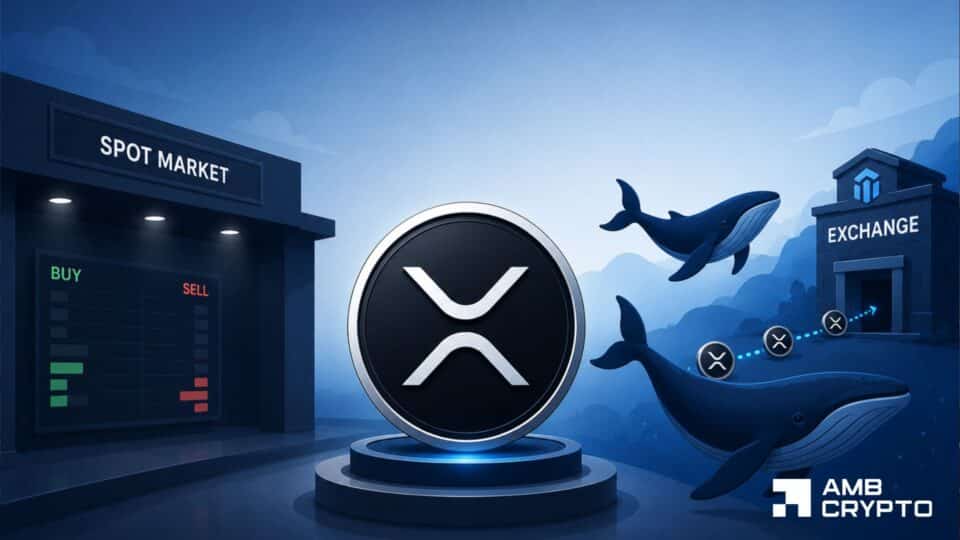
Cấu trúc thị trường gần đây của XRP đang gửi đi những tín hiệu trái chiều khi hoạt động dịch chuyển khỏi giao dịch Spot sang thị trường phái sinh. Giá củng cố trong khoảng $1.086 và $1.113 bất chấp khối lượng giao dịch giảm dần, cho thấy chưa bên mua hay bên bán nắm lợi thế quyết định. Điều đáng chú ý là Mở Interest (OI) cho XRP lại tăng khoảng 5.9% lên 423.8 triệu XRP, và tỷ lệ đòn bẩy ước tính tăng lên 0.162. Sự phân kỳ này quan trọng vì phái sinh có thể duy trì vị thế mà không cần thêm vốn mới vào thị trường. Trong khi dòng tiền vào/ra thị trường Spot sụp đổ ~99%, các nhà giao dịch sử dụng đòn bẩy ngày càng trở thành lực lượng chi phối chính trong việc định giá XRP, giải thích cho sự củng cố giá. Tuy nhiên, nếu nhu cầu Spot không quay trở lại để xác nhận các vị thế này, mức đòn bẩy ngày càng tăng khiến XRP dễ bị tổn thương trước một đợt thanh lý mạnh nếu tâm lý đột ngột thay đổi. Về khía cạnh tích cực, các nhà nắm giữ ngắn hạn (STH) của XRP cuối cùng đã quay trở lại trạng thái có lãi khi chỉ số MVRV 30 ngày vượt lên mức trung tính, đạt 1.03. Sự cải thiện này tương đồng với xu hướng phục hồi tâm lý nhà đầu tư trên các tài sản vốn hóa lớn khác như Bitcoin, Ethereum. Tuy nhiên, sự thay đổi về khả năng sinh lời này cũng làm thay đổi cấu trúc động lực trên thị trường. Khi ngày càng nhiều người nắm giữ ngắn hạn thoát khỏi các khoản lỗ tiềm ẩn, áp lực giữ tài sản thường nhường chỗ cho xu hướng muốn chốt lời. Mặc dù altcoin này vẫn nằm dưới vùng bán lịch sử, hành động giá ngày càng khó duy trì do thiếu nhu cầu mới và khả năng xuất hiện áp lực chốt lời. Tóm lại, trong khi các nhà nắm giữ XRP đã có lãi trở lại, đợt tăng giá chủ yếu được thúc đẩy bởi đòn bẩy trên thị trường phái sinh hơn là nhu cầu Spot thực tế. Mức hỗ trợ $1.10 đang gặp rủi ro khi áp lực chốt lời gia tăng và những nghi ngờ về tính bền vững của xu hướng hiện tại ngày càng lớn.

ambcrypto1 giờ trước

Các nhà đầu tư XRP có lời trở lại, nhưng cầu Spot đã biến mất: Liệu $1.10 có giữ được?

ambcrypto1 giờ trước

Kalshi tuyên bố kháng cáo sau khi thẩm phán Washington cho rằng thị trường dự đoán có khả năng vi phạm luật cờ bạc của tiểu bang

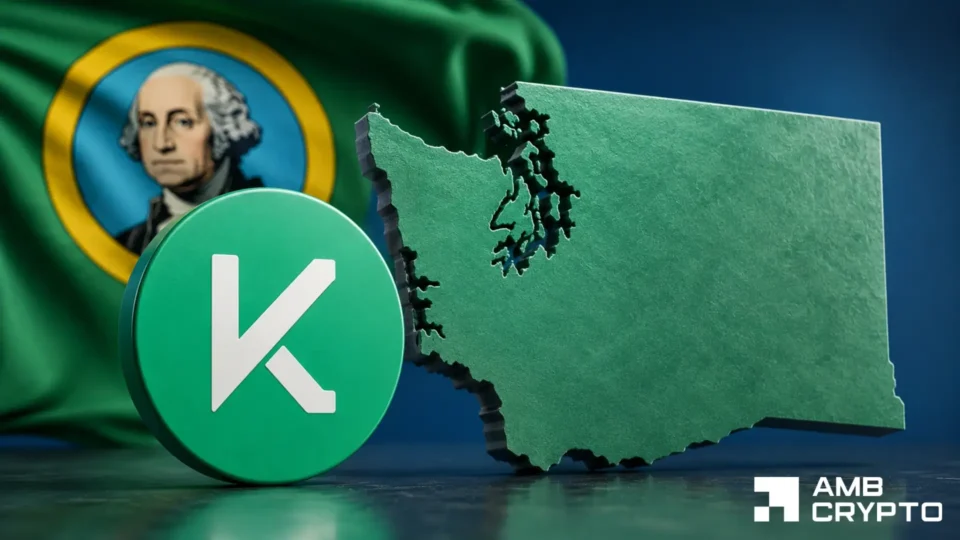
Kalshi tuyên bố sẽ kháng cáo sau khi một thẩm phán tại Washington ra lệnh cấm sơ bộ, xác định rằng nền tảng giao dịch dự đoán này có khả năng vi phạm luật cờ bạc và bảo vệ người tiêu dùng của tiểu bang. Văn phòng Tổng chưởng lý Washington cho rằng Kalshi hoạt động như một doanh nghiệp cá cược trực tuyến bất hợp pháp, cho phép người dùng đặt cược vào nhiều sự kiện từ thể thao đến bầu cử. Kalshi phản đối phán quyết, khẳng định thị trường dự đoán thuộc thẩm quyền quản lý độc quyền của Ủy ban Giao dịch Hàng hóa Tương lai (CFTC) theo Đạo luật Trao đổi Hàng hóa, và các tiểu bang không có quyền điều chỉnh. Tuy nhiên, tòa án Washington nhận định đạo luật liên bang không có hiệu lực áp đảo luật cờ bạc của tiểu bang trong trường hợp này. Vụ việc có thể tạo tiền lệ quan trọng cho việc giám sát các thị trường dự đoán trên toàn quốc, làm rõ sự cạnh tranh thẩm quyền giữa cơ quan liên bang và luật cờ bạc của các tiểu bang. Lệnh cấm chính thức dự kiến được ban hành vào ngày 5/8.

ambcrypto1 giờ trước

Kalshi tuyên bố kháng cáo sau khi thẩm phán Washington cho rằng thị trường dự đoán có khả năng vi phạm luật cờ bạc của tiểu bang

ambcrypto1 giờ trước

Thiết lập 70K USD của Bitcoin đã ở đây dù nhu cầu Spot yếu – Đây là cách!

Thị trường đang cho thấy Bitcoin có thể phải đối mặt với nhiều biến động hơn. Báo cáo từ Glassnode chỉ ra rằng đã có hoạt động chốt lời mạnh quanh mức 65.000 USD, trong khi áp lực bán gia tăng. Nhu cầu mua spot, dù phục hồi vào đầu tháng 7, hiện đã suy yếu trở lại, làm dấy lên lo ngại về nguy cơ xảy ra sự kiện thanh lý các vị thế mua (long liquidation) nếu thiếu lực mua mới. Tuy nhiên, dữ liệu phái sinh cho thấy các vị thế mua kỳ vọng giá lên (bullish positioning) và đòn bẩy đang gia tăng trở lại, với tỷ lệ funding rate dương tăng hơn 20% trong vòng chưa đầy 72 giờ. Điều này có thể khiến Bitcoin dễ bị tổn thương trước một đợt điều chỉnh mạnh nếu nhu cầu spot vẫn yếu. Một yếu tố tích cực nổi bật là hành vi của cá voi Bitcoin. Trong 60 ngày qua, họ đã tích lũy 66.700 BTC bất chấp đợt điều chỉnh giảm gần 25%, trong khi các nhà đầu tư cỡ trung bình lại bán ra. Hành động này báo hiệu sự chuyển giao cổ phiếu từ tay những người nắm giữ ngắn hạn (STH) sang tay những người nắm giữ dài hạn (LTH) kiên định hơn, một dấu hiệu thường xuất hiện trước một xu hướng tăng bền vững. Do đó, dù nhu cầu spot yếu, cấu trúc thị trường hiện tại—với sự tích lũy của cá voi và định vị phái sinh—có khả năng hỗ trợ Bitcoin hướng tới mốc 70.000 USD, thay vì tạo ra một cái bẫy tăng giá (bull trap).

ambcrypto2 giờ trước

Thiết lập 70K USD của Bitcoin đã ở đây dù nhu cầu Spot yếu – Đây là cách!

ambcrypto2 giờ trước

Giao dịch

Giao ngay

Bài viết Nổi bật

Làm thế nào để Mua DAO

Chào mừng bạn đến với HTX.com! Chúng tôi đã làm cho mua DAO Maker (DAO) trở nên đơn giản và thuận tiện. Làm theo hướng dẫn từng bước của chúng tôi để bắt đầu hành trình tiền kỹ thuật số của bạn.Bước 1: Tạo Tài khoản HTX của BạnSử dụng email hoặc số điện thoại của bạn để đăng ký tài khoản miễn phí trên HTX. Trải nghiệm hành trình đăng ký không rắc rối và mở khóa tất cả tính năng. Nhận Tài khoản của tôiBước 2: Truy cập Mua Crypto và Chọn Phương thức Thanh toán của BạnThẻ Tín dụng/Ghi nợ: Sử dụng Visa hoặc Mastercard của bạn để mua DAO Maker (DAO) ngay lập tức.Số dư: Sử dụng tiền từ số dư tài khoản HTX của bạn để giao dịch liền mạch.Bên thứ ba: Chúng tôi đã thêm những phương thức thanh toán phổ biến như Google Pay và Apple Pay để nâng cao sự tiện lợi.P2P: Giao dịch trực tiếp với người dùng khác trên HTX.Thị trường mua bán phi tập trung (OTC): Chúng tôi cung cấp những dịch vụ được thiết kế riêng và tỷ giá hối đoái cạnh tranh cho nhà giao dịch.Bước 3: Lưu trữ DAO Maker (DAO) của BạnSau khi mua DAO Maker (DAO), lưu trữ trong tài khoản HTX của bạn. Ngoài ra, bạn có thể gửi đi nơi khác qua chuyển khoản blockchain hoặc sử dụng để giao dịch những tiền kỹ thuật số khác.Bước 4: Giao dịch DAO Maker (DAO)Giao dịch DAO Maker (DAO) dễ dàng trên thị trường giao ngay của HTX. Chỉ cần truy cập vào tài khoản của bạn, chọn cặp giao dịch, thực hiện giao dịch và theo dõi trong thời gian thực. Chúng tôi cung cấp trải nghiệm thân thiện với người dùng cho cả người mới bắt đầu và người giao dịch dày dạn kinh nghiệm.

Tổng lượt xem 345Xuất bản vào 2024.12.11Cập nhật vào 2026.06.02

Làm thế nào để Mua DAO

Thảo luận

Chào mừng đến với Cộng đồng HTX. Tại đây, bạn có thể được thông báo về những phát triển nền tảng mới nhất và có quyền truy cập vào thông tin chuyên sâu về thị trường. Ý kiến ​​của người dùng về giá của DAO (DAO) được trình bày dưới đây.

活动图片