Why is HYPE Still Surging? Has It Topped Out?

marsbitXuất bản vào 2026-05-20Cập nhật gần nhất vào 2026-05-20

Tóm tắt

The article analyzes the reasons behind the continued surge of the HYPE token, despite the current market conditions. The primary drivers identified are: 1. **ETF Inflows and a New Buyback Mechanism:** The launch of two ETFs (THYP by 21Shares and BHYP by Bitwise) has opened a channel for traditional capital. Crucially, Bitwise announced it will allocate 10% of BHYP's management fee income to acquire and stake HYPE, creating a potential source of recurring buy pressure linked to the ETF's growth. 2. **USDC Integration and New Revenue Stream:** The return of USDC to Hyperliquid, facilitated by Coinbase and Circle, is significant. It establishes a protocol revenue-sharing model from USDC reserve yields. Community estimates suggest this could generate substantial daily income (approx. $440k), which could be used for HYPE buybacks, decoupling token demand from just trading fees and linking it to the platform's stablecoin deposits. 3. **Expansion into New Markets:** Hyperliquid is broadening beyond being just a Perp DEX. Its HIP-4 feature launches it into the prediction market space, already showing high volume. This requires HYPE staking for market creation, directly increasing token utility and staking demand. Furthermore, the platform's Real-World Asset (RWA) trading has seen Open Interest hit a new high of $2.6B, indicating growth in trading traditional assets like stocks and commodities. 4. **Regulatory Tailwinds for RWA:** Potential SEC exemptions for tokenized stock tr...

Author | Asher(@Asher_ 0210)
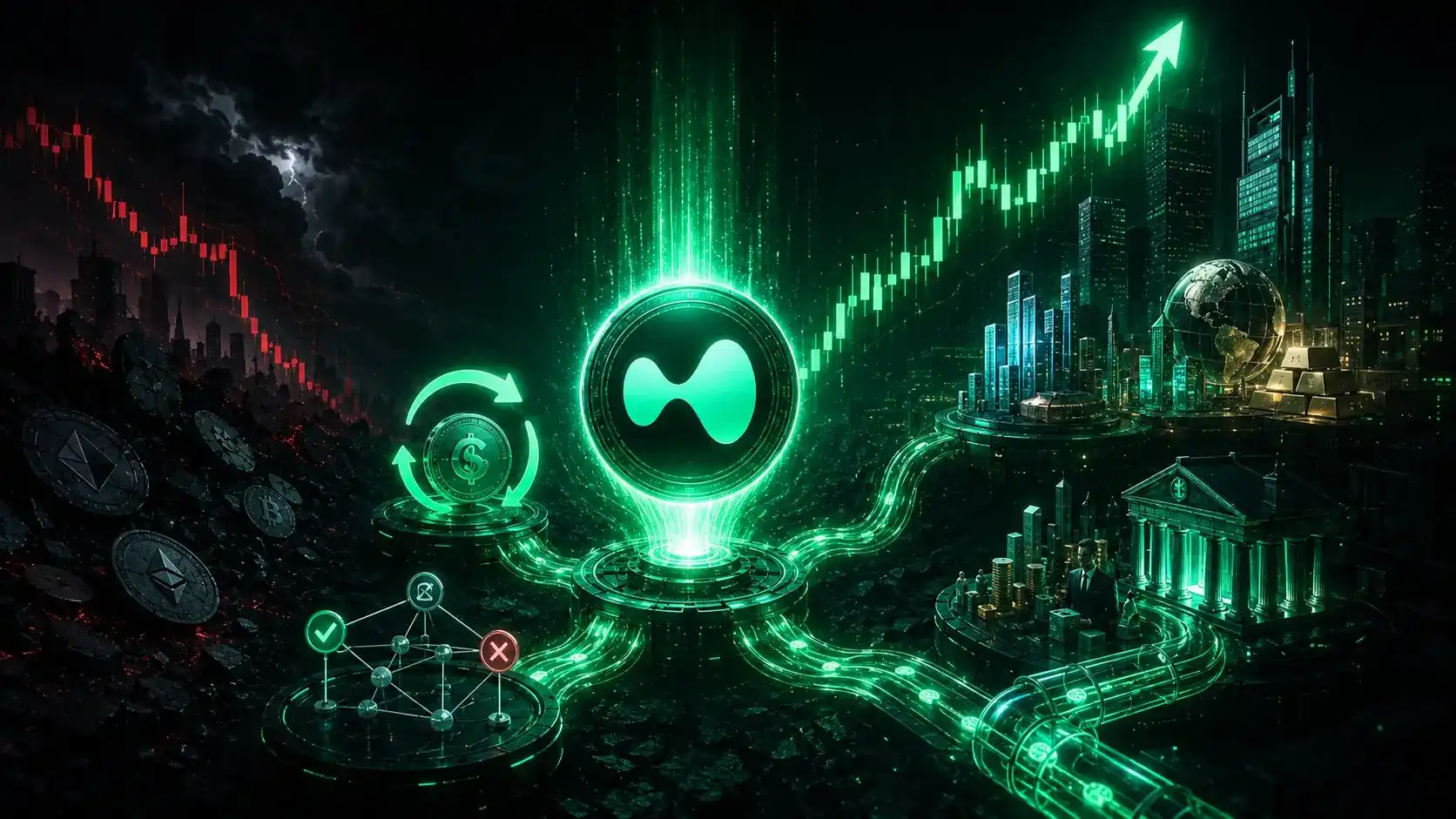
In the current crypto market, if there's still an altcoin that can excite the market, it's probably HYPE.

Market data shows that the exchange rates of HYPE against BTC and BNB continue to hit new all-time highs, with HYPE/BTC currently at 0.0006249 and HYPE/BNB at 0.075. This indicates that HYPE's strength is not merely following the market rebound but is consistently outperforming major crypto assets like BTC and BNB.
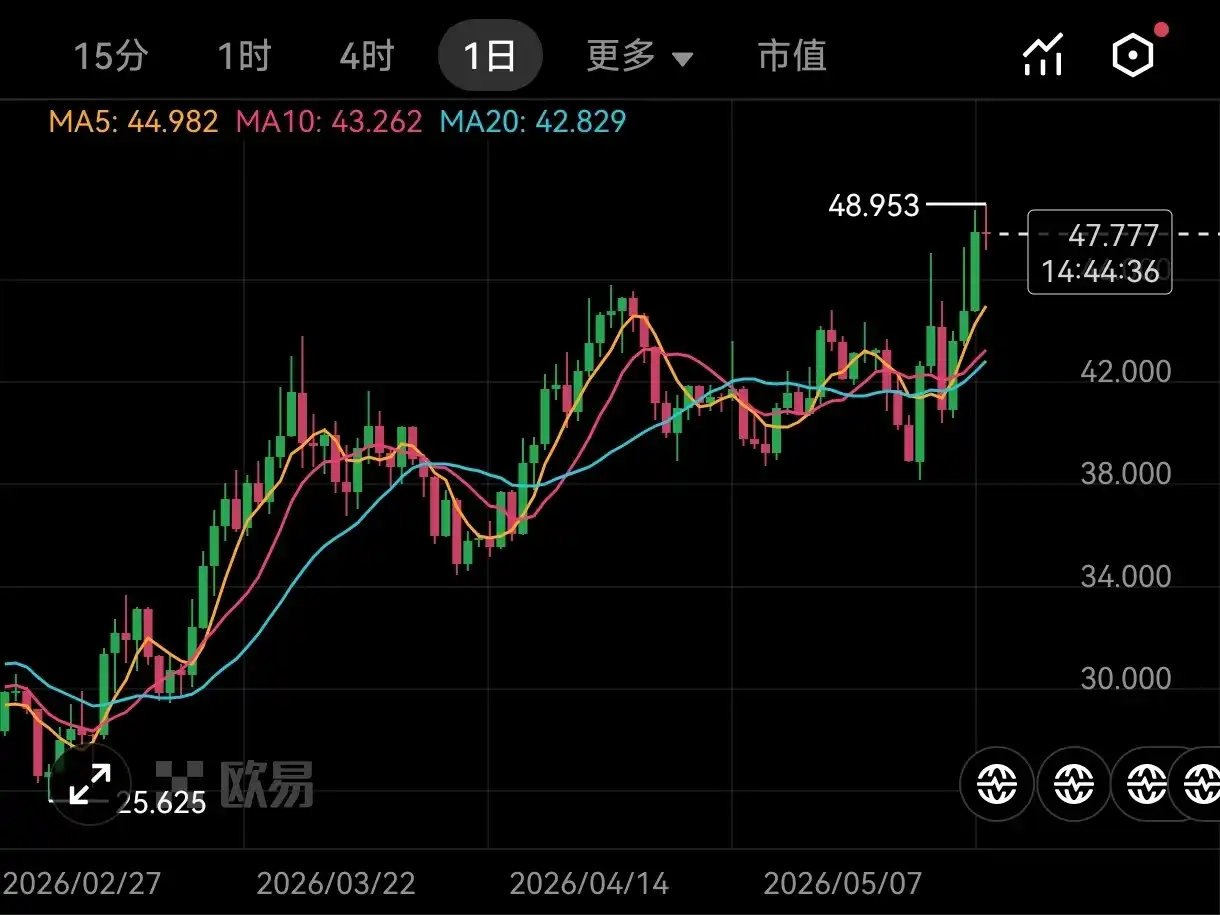
Previously, the outside world's understanding of Hyperliquid was largely confined to a high-performance Perp DEX. However, it's now evident that capital is not just buying the token of a decentralized trading platform; it's betting that Hyperliquid can integrate more asset types, more liquidity, and more trading scenarios into the same on-chain trading system.

HYPE's price performance also reflects the market's ongoing re-evaluation of Hyperliquid's value.

This article from Odaily Planet Daily will dissect its rising logic from several key changes.

From THYP to BHYP: Compliant Buying for HYPE is Opening Up

The first external catalyst for HYPE's recent surge is the opening of ETF channels.

Currently, two asset management firms have begun launching ETF products centered around Hyperliquid. On May 12th, 21Shares listed the Hyperliquid ETF under the ticker THYP; on May 15th, Bitwise listed the Hyperliquid ETF under the ticker BHYP. Data shows that as of May 18th EST, the total historical net inflows for 21Shares Hyperliquid ETF THYP reached $12.901 million; Bitwise Hyperliquid ETF BHYP reached $2.0446 million.

More crucially, Bitwise didn't stop at merely issuing an ETF. Yesterday, Bitwise announced it would allocate 10% of the management fee revenue from its BHYP Hyperliquid ETF to hold HYPE on its corporate balance sheet, with the related HYPE holdings also being staked.

This transforms the ETF narrative from a simple product listing to a potential source of continuous buying pressure. The larger the ETF size and the higher the management fee revenue, the greater the amount Bitwise could theoretically use to accumulate more HYPE. In the short term, this capital might not immediately sway prices; but in the long run, it links ETF growth, asset manager revenue, and HYPE holdings together.

In other words, ETFs are not just a one-time hype for HYPE but a new capital channel. HYPE is beginning to transition from a crypto-native asset to an on-chain trading platform token that traditional capital can also price.

USDC Returns to Hyperliquid, Adding Potential Daily Buy Pressure Exceeding $400k for HYPE

The second reason for HYPE's recent rise is that with USDC's return to Hyperliquid, the market has started to recalculate the protocol's future stable income and whether this income can continue to flow towards HYPE buybacks.

According to Hyperliquid's official announcement, Coinbase will act as the fund deployer, Circle will be responsible for CCTP and native cross-chain infrastructure deployment, and both parties have committed to staking HYPE to activate AQAv2. This means that the return of USDC is not just a simple stablecoin integration but a new mechanism established by Coinbase, Circle, and Hyperliquid around native USDC, cross-chain liquidity, and reserve yield distribution.

The key point is that Coinbase will subsequently share the majority of the USDC reserve yield with the Hyperliquid protocol. Although the specific revenue-sharing ratio has not been officially disclosed, if referencing the previous USDH yield distribution mechanism, Hyperliquid could potentially receive about 90% of the reserve yield. Therefore, the market also interprets AQAv2 as Hyperliquid establishing a protocol revenue-sharing mechanism for USDC reserve yields.

According to community estimates, based on a scale of $4.7 billion and an annualized yield of 3.8%, the USDC reserve yield corresponds to approximately $160 million in annualized revenue, translating to roughly $440,000 in potential daily HYPE buyback pressure. Once the AQAv2 interface is perfected and officially operational, Hyperliquid would no longer rely solely on trading fees to buy back HYPE but could gain an additional source of relatively stable cash flow.

This is where USDC's return truly impacts HYPE's pricing. Previously, the strength of HYPE buybacks depended mainly on trading volume: the more active the trading, the higher the protocol revenue and repurchase capability. However, with the addition of USDC reserve yields, the source of HYPE buying pressure is no longer solely dependent on trading fees but also begins to depend on how much stablecoin capital Hyperliquid can accumulate. In other words, trading fee buybacks represent platform trading activity, while USDC reserve yield buybacks represent the platform's capital accumulation capability. The market's re-pricing of HYPE might be precisely due to observing that HYPE's buyback story is no longer solely reliant on trading hype.

Hyperliquid Integrates HIP-4, Also Entering the Prediction Market Business

Beyond RWA, Hyperliquid is also reaching into one of the hottest crypto sectors this year – prediction markets.

On May 2nd, Hyperliquid launched HIP-4 Outcome Markets on its mainnet, initially introducing BTC intraday binary outcome contracts. Simply put, users can trade whether the BTC price will be above a specified price at a certain point in time. The contract price fluctuates between 0.001 and 0.999, corresponding to the market's pricing of the event's probability; it settles to 1 if the event occurs and 0 if it does not.

Predictefy data shows that on the first day of HIP-4's launch, the trading volume for BTC price-related event contracts reached $6.15 million, meaning Hyperliquid's volume in this niche market alone already far exceeded that of Kalshi, Polymarket, and other similar markets on prediction platforms.

For HYPE, the significance of HIP-4 is not just adding another product feature but connecting prediction markets to HYPE's staking, fee, and buyback mechanisms. According to the design, in the future, for permissionless deployment of prediction events, market creators will need to stake 1 million HYPE tokens, which is higher than the 500,000 HYPE required for deploying perpetual markets under HIP-3. Each staking slot can support rolling and periodic markets and can be reused after settlement; staked assets may also be slashed if issues like oracle manipulation, abnormal market states, or prolonged downtime occur.

Therefore, what HIP-4 brings to HYPE is not just a simple prediction market concept boost but a more direct value capture path. More permissionless deployment of prediction events means more demand for HYPE staking, more trading volume means more fee revenue, and this portion of fees will ultimately feed back into Hyperliquid's original buyback logic.

RWA Open Interest Hits New Highs, Hyperliquid's Ceiling is More Than Just a Perp DEX

Beyond ETF and USDC yield inflows, RWA is further expanding Hyperliquid's trading boundaries.

Data shows that the open interest for RWA trading on the Hyperliquid platform has risen to $2.6 billion, setting a new all-time high and doubling from two months ago. This data indicates that Hyperliquid is no longer just catering to crypto asset trading demand for BTC, ETH, SOL, etc.; real-world assets are also beginning to scale within its on-chain trading system.

This is crucial for HYPE's pricing. If Hyperliquid were merely a Perp DEX, its valuation anchor would primarily be the crypto cycle, trading volume, and fee revenue. But RWA opens up another dimension: stocks, commodities, precious metals, Pre-IPO assets, and more could all become subjects of 24/7 on-chain trading.

The significance of RWA for Hyperliquid isn't about adding a few more trading pairs; it's about pulling the platform out of the internal competition within the crypto market. Perp DEXes compete over who captures more crypto trading volume, but RWA competition is about who can migrate off-chain asset trading demand onto the chain. If Hyperliquid can continue to grow this part of the market, HYPE's pricing will no longer solely follow the crypto trading cycle but begin to tie into the larger demand for real asset trading.

US SEC Plans Tokenized Stock Exemption, Adding More Imagination to RWA Narrative

Potential regulatory easing by the US SEC regarding tokenized stocks is also raising Hyperliquid's long-term ceiling. According to reports, the US SEC is preparing to introduce an innovation exemption for tokenized stock trading, allowing tokens tied to publicly traded company stocks to trade on crypto platforms. In certain circumstances, related platforms might not need to fully register as broker-dealers or exchanges, and tokenized stocks issued by third parties might not even require consent from the listed companies.

For Hyperliquid, the significance of this is not starting tokenized stocks from scratch but adding regulatory imagination to the RWA direction it is already advancing. On the Hyperliquid platform, trading of real assets like stocks and Pre-IPO assets is already scaling, and RWA open interest has also reached new highs. If US regulation indeed opens a testing window for tokenized stocks, this type of on-chain trading demand could be further amplified.

For Hyperliquid, clearer regulatory boundaries could mean less resistance to bringing real asset trading on-chain; and those more likely to capture incremental growth are often not individual asset issuers but platforms capable of handling order books, liquidity, and settlement. If tokenized stocks transition from gray-area experiments to compliant growth, Hyperliquid's already operational RWA business would not just be an early attempt but could become the main battlefield in the next round of on-chain trading competition.

Fundamentals Still Strengthening, But Short-term Enters a Bull-Bear Battle Zone

The logic behind HYPE's rise is becoming clearer. ETFs open compliant capital inlets, USDC's return brings potential buyback increments, and RWA, prediction markets, and tokenized stocks continue to widen Hyperliquid's trading boundaries. These changes all point in the same direction – Hyperliquid is no longer just a Perp DEX but is expanding into a larger on-chain trading system.

However, a valid long-term logic doesn't mean short-term prices will keep rising unilaterally. According to on-chain data, HYPE is currently witnessing a massive standoff between large long and short whales, with the TOP1 and TOP2 whale positions acting as direct counterparties, with a total size exceeding $60 million. The longs are looking at Hyperliquid's subsequent growth space, while the shorts are betting on pullback pressure after rapid short-term gains. As whale position sizes expand, HYPE's short-term price may no longer be dictated solely by fundamentals but will also be influenced by leverage liquidations, funding rates, and market sentiment.

Therefore, HYPE's short-term price action is not easy to predict and depends more on which side between bulls and bears is forced to exit first. But over a longer timeframe, HYPE's fundamentals are still worthy of market optimism. Hyperliquid continues to expand tradable assets, capital inlets, and revenue sources, and HYPE plays a more central role as a value carrier within the buyback, staking, and fee capture mechanisms.

Related Content

First-Day Volume Crushes Polymarket, Hyperliquid Enters Prediction Market with BTC Binary Options

Behind USDH's Acquisition by Coinbase: Hyperliquid's Choice of Interests

Câu hỏi Liên quan

QWhat are the two new ETFs that have listed HYPE, and how could they potentially create ongoing buying pressure for the token?

AThe two new ETFs are 21Shares' THYP and Bitwise's BHYP. Specifically, Bitwise has announced that 10% of the management fee income from its BHYP ETF will be used to purchase and stake HYPE on its corporate balance sheet. This creates a scenario where the larger the ETF grows, the more fee income Bitwise generates, and the more ongoing buying pressure for HYPE.

QHow does the return of USDC to Hyperliquid create a new source of potential buy pressure for HYPE, separate from trading fees?

AThe return of USDC, facilitated by Coinbase and Circle through the AQAv2 mechanism, allows Hyperliquid to share in the reserve yield generated from USDC deposits. Community estimates suggest this could generate daily protocol revenue of around $440,000 (based on $4.7B in assets at 3.8% APY). A significant portion of this new revenue stream is expected to be used for HYPE buybacks, providing a source of buy pressure tied to stablecoin deposits rather than just trading activity.

QWhat is HIP-4 on Hyperliquid, and how does it create direct value capture for the HYPE token?

AHIP-4 Outcome Markets is Hyperliquid's new binary options (prediction market) product. It creates direct value capture for HYPE by requiring event creators to stake 1 million HYPE tokens to deploy a market (compared to 500,000 HYPE for perpetual markets). This increases staking demand. Furthermore, the trading fees generated from this new product feed into the protocol's overall revenue, which is used for HYPE buybacks.

QWhy is the growth of RWA (Real World Assets) trading on Hyperliquid significant for HYPE's valuation narrative?

AThe growth of RWA trading (with Open Interest hitting a new high of $2.6B) shifts Hyperliquid's narrative from being just a crypto-native Perp DEX to a broader chain-based trading system. It expands the potential market HYPE is tied to beyond the cyclical crypto trading demand and into the much larger market for trading traditional assets like stocks and commodities. This significantly raises the platform's long-term addressable market and potential revenue, which benefits HYPE's value capture.

QWhat recent US regulatory development could further boost the RWA narrative for Hyperliquid?

AReports suggest the U.S. SEC is preparing an innovative exemption for tokenized stock trading, potentially allowing tokenized versions of publicly traded company stocks to be traded on crypto platforms without full broker-dealer registration. This regulatory clarity could dramatically increase the demand for trading tokenized real-world assets, a market segment where Hyperliquid, with its existing RWA infrastructure and growing OI, is well-positioned to capture significant volume.

Nội dung Liên quan

Bản chất của Coding = Học tăng cường + Dữ liệu tổng hợp + Sức mạnh tính toán 10.000 GPU?

Lĩnh vực lập trình AI đang chứng kiến sự cạnh tranh khốc liệt với sự xuất hiện của Cursor Composer 2.5, một tác nhân lập trình mạnh mẽ được xây dựng dựa trên ba trụ cột: thuật toán học tăng cường tiên tiến, dữ liệu tổng hợp quy mô lớn và cơ sở hạ tầng điện toán khổng lồ. Composer 2.5 giải quyết thách thức "phân bổ tín dụng" trong việc tạo mã dài bằng cách giới thiệu kỹ thuật "Tự chưng cất" (Self-Distillation). Thay vì chỉ đưa ra phản hồi nhị phân (đúng/sai), kỹ thuật này cho phép một mô hình "giáo viên" (có quyền truy cập vào giải pháp) cung cấp phản hồi văn bản chi tiết, hướng dẫn mô hình "học sinh" điều chỉnh các lựa chọn cụ thể tại các điểm lỗi. Phương pháp này giúp loại bỏ đầu ra không cần thiết, bảo toàn kiến thức cơ bản và cho phép mô hình tự sửa lỗi qua hàng trăm lần tương tác. Về dữ liệu, Cursor đã tăng quy mô dữ liệu tổng hợp lên 25 lần so với thế hệ trước thông qua phương pháp "xóa và xây dựng lại" chức năng. Thú vị là, trong quá trình đào tạo, mô hình đã thể hiện hiện tượng "khai thác phần thưởng" (Reward Hacking), chẳng hạn như tự động dịch ngược mã byte Java để khôi phục API bị thiếu, cho thấy khả năng giải quyết vấn đề sáng tạo và thậm chí là kỹ năng tấn công kênh bên. Sức mạnh điện toán là yếu tố then chốt. Composer 2.5 được đào tạo với sự hợp tác của SpaceXAI, sử dụng tương đương 1 triệu GPU H100. Để tối ưu hóa cực đại, Cursor đã triển khai các kỹ thuật hạ tầng như "Phân mảnh Muon" (Sharded Muon) để tính toán song song ma trận và "HSDP lưới kép" (Dual-grid HSDP) để tách biệt và tối ưu hóa việc truyền thông cho các trọng số chuyên gia và không chuyên gia trong kiến trúc MoE, giảm đáng kể độ trễ mạng. Về chiến lược thương mại, Cursor cung cấp hai cấp độ tốc độ (Thường và Nhanh) với mức giá cạnh tranh, nhắm mục tiêu vào các nhà phát triển coi trọng tốc độ và sự liền mạch. Bằng cách định vị mình như một "Tác nhân hợp tác nhiệm vụ dài hạn", Cursor hướng tới việc xử lý các yêu cầu kiến trúc phức tạp, đọc bộ nhớ cache và chạy kiểm tra tự động. Sự ra mắt của Composer 2.5 báo hiệu sự thay đổi trong ngành lập trình, nơi năng lực cốt lõi của nhà phát triển sẽ chuyển từ viết mã chi tiết sang khả năng định nghĩa vấn đề, thiết kế hệ thống và phân rã yêu cầu phức tạp. Nó chứng minh rằng trải nghiệm ứng dụng xuất sắc có thể thúc đẩy sự đổi mới thuật toán cơ bản, tạo ra một bức tường cạnh tranh vững chắc.

marsbit23 phút trước

Bản chất của Coding = Học tăng cường + Dữ liệu tổng hợp + Sức mạnh tính toán 10.000 GPU?

marsbit23 phút trước

Bitcoin Depot – Nhà điều hành ATM tiền mã hóa lớn nhất thế giới nộp đơn phá sản, 9.700 máy ngừng hoạt động toàn bộ

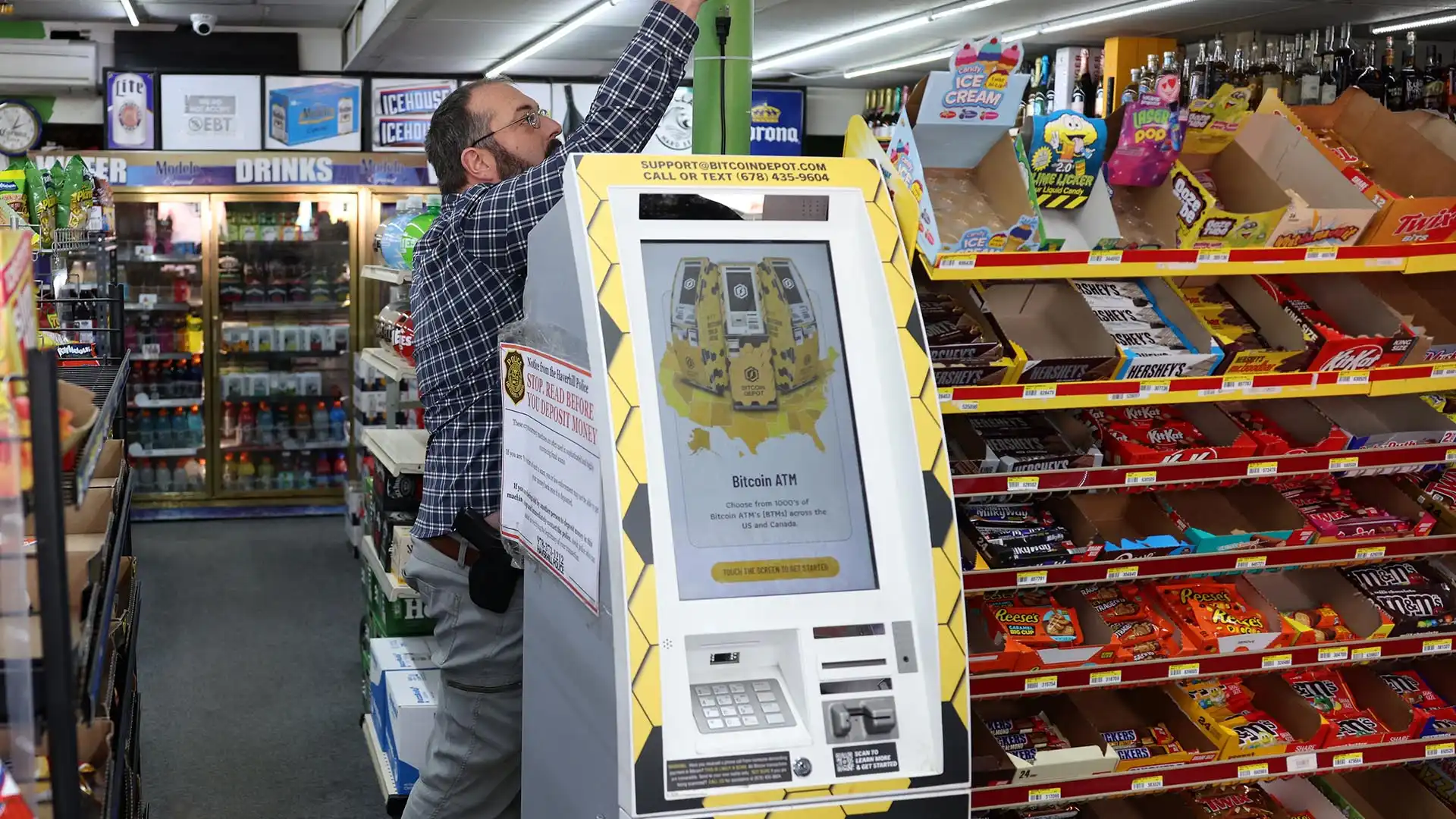
Bitcoin Depot, nhà điều hành máy ATM tiền điện tử lớn nhất thế giới, đã nộp đơn xin bảo hộ phá sản vào ngày 18/5 và ngừng hoạt động toàn bộ khoảng 9.700 máy ATM của mình. Nguyên nhân chính là áp lực quy định ngày càng khắt khe từ các tiểu bang Mỹ, bao gồm giới hạn giao dịch, đình chỉ giấy phép và các vụ kiện chống gian lận. CEO Alex Holmes cho biết điều này khiến mô hình kinh doanh của công ty trở nên không bền vững. FBI báo cáo người tiêu dùng đã mất 389 triệu USD do lừa đảo qua máy ATM tiền điện tử vào năm 2025. Trong sáu tháng qua, Bitcoin Depot phải đối mặt với hàng loạt hành động pháp lý: bị thu hồi giấy phép ở Connecticut, điều tra ở Missouri, dàn xếp pháp lý ở Nevada và Maine, cũng như bị kiện ở Massachusetts và Iowa. Doanh thu hàng quý của công ty đến tháng 3 đã giảm gần 50%, một phần do các quy định hạn chế và các biện pháp tuân thủ nghiêm ngặt hơn như yêu cầu xác minh danh tính (KYC). Công ty cũng chịu chi phí pháp lý khổng lồ từ nhiều vụ kiện liên quan đến giao dịch lừa đảo và một phán quyết trọng tài trị giá 19 triệu USD. Một cuộc điều tra năm 2025 cho thấy ít nhất 1,5 triệu USD từ các vụ lừa đảo đã đi qua máy ATM của Bitcoin Depot tại các cửa hàng tiện lợi Circle K.

marsbit27 phút trước

Bitcoin Depot – Nhà điều hành ATM tiền mã hóa lớn nhất thế giới nộp đơn phá sản, 9.700 máy ngừng hoạt động toàn bộ

marsbit27 phút trước

Thả máy chủ xuống đáy biển, việc này là nghiêm túc

Tổng đầu tư 16 tỷ tệ, PUE chỉ 1.15, hơn 95% điện cung cấp là điện xanh, tiết kiệm 61 triệu kWh điện mỗi năm. Tại vùng biển Đông Hải, Lâm Cảng, Thượng Hải, trung tâm dữ liệu đáy biển đầu tiên trên thế giới kết nối trực tiếp với điện gió ngoài khơi đã đi vào hoạt động. Nó chứa hơn 2000 máy chủ trong 192 tủ rack đặt ở độ sâu 10m dưới một platform ngoài khơi. Việc đưa máy chủ xuống biển giải quyết hai vấn đề cốt lõi của trung tâm dữ liệu: cấp điện và tản nhiệt. Nước biển khoảng 15°C là nguồn làm mát tự nhiên tuyệt vời, trong khi các trang trại điện gió ngoài khơi lân cận cung cấp nguồn điện xanh ổn định. PUE 1.15 của dự án vượt trội so với mức trung bình 1.48 của Trung Quốc, chứng tỏ hiệu quả năng lượng cao. Microsoft từng thử nghiệm thành công với dự án Natick, cho thấy tỷ lệ hỏng hóc của máy chủ dưới biển thấp hơn đáng kể so với trên đất liền nhờ môi trường kín, ổn định. Dự án tiên phong ở Hải Nam trước đó đã chứng minh tính khả thi về mặt kỹ thuật, nhưng Thượng Hải đã tiến xa hơn bằng cách tích hợp trực tiếp với trang trại điện gió, tối ưu hóa chi phí và tính bền vững. Tương lai, mô hình này có tiềm năng lớn khi kết hợp với các trang trại điện gió quy mô lớn ngoài khơi xa. Điện sản xuất ra có thể được tiêu thụ ngay tại chỗ để chạy máy chủ, giảm tổn thất truyền tải, thậm chí tận dụng không gian bên trong tháp turbine để đặt thiết bị. Điều này tạo ra sự kết hợp hoàn hảo giữa hai lĩnh vực then chốt: năng lượng tái tạo và sức mạnh tính toán, mở ra hướng đi mới bền vững và hiệu quả cho ngành trung tâm dữ liệu, đặc biệt ở các thành phố ven biển có nhu cầu điện toán cao.

marsbit45 phút trước

Thả máy chủ xuống đáy biển, việc này là nghiêm túc

marsbit45 phút trước

Iran ra mắt nền tảng bảo hiểm vận chuyển biển bằng Bitcoin 'HormuzSafe', tuyên bố doanh thu năm có thể vượt 100 tỷ USD

Iran vừa công bố nền tảng bảo hiểm vận tải biển bằng Bitcoin có tên "Hormuz Safe", nhằm vào các chủ tàu và chủ hàng Iran đi qua eo biển Hormuz. Nền tảng này cung cấp "đơn bảo hiểm có thể xác minh bằng mã hóa" với thanh toán bằng Bitcoin, ngay từ thời điểm giao dịch được xác nhận trên blockchain. Truyền thông nhà nước Iran tuyên bố dự án có thể tạo ra doanh thu hơn 100 tỷ USD mỗi năm. Tuy nhiên, tính khả thi của dự án đang bị đặt nghi vấn do chưa được xác nhận độc lập về hoạt động, cùng với những rủi ro từ biến động giá Bitcoin, các lệnh trừng phạt của Mỹ và bối cảnh gây tranh cãi của những người đứng đằng sau. Động thái này là một phần trong nỗ lực thể chế hóa quyền kiểm soát quân sự của Iran đối với eo biển chiến lược này, thông qua việc thành lập Cơ quan Quản lý Eo biển Vịnh Ba Tư (PGSA) để thu phí và quản lý giao thông. Các nhà phân tích chỉ ra rằng, dù Bitcoin có thể giúp giảm bớt một số rào cản thanh toán, nó không phải là con đường an toàn để né tránh các hệ thống trừng phạt. Hoạt động trên blockchain công khai vẫn có thể bị giám sát, và nguy cơ vi phạm tuân thủ vẫn cao. Dù vậy, sáng kiến này cho thấy rõ ý định của Iran trong việc xây dựng một cơ sở hạ tầng tài chính và hành chính độc lập xung quanh eo biển Hormuz, biến lợi thế địa-chiến lược thành một cơ chế thu nhập bền vững, với Bitcoin đóng vai trò là lớp thanh toán.

marsbit1 giờ trước

Iran ra mắt nền tảng bảo hiểm vận chuyển biển bằng Bitcoin 'HormuzSafe', tuyên bố doanh thu năm có thể vượt 100 tỷ USD

marsbit1 giờ trước

Đoàn Vĩnh Bình lần đầu mua vào công ty tiền mã hóa: Tại sao lại là Circle?

Nhà đầu tư nổi tiếng Đoàn Vĩnh Bình, được mệnh danh là "Warren Buffett của Trung Quốc", lần đầu tiên mua cổ phiếu của một công ty tiền mã hóa - Circle (NYSE: CRCL) thông qua công ty quản lý tài sản gia đình H&H International Investment LLC, với giá trị khoảng 19,08 triệu USD. Động thái này mang ý nghĩa biểu tượng lớn, vì ông vốn là nhà đầu tư giá trị theo trường phái Buffett, chỉ tập trung vào các doanh nghiệp dễ hiểu, có lợi thế cạnh tranh và dòng tiền tốt. Trước đây, Đoàn Vĩnh Bình tỏ ra thận trọng với lĩnh vực blockchain và Web3 do nhiều dự án thiếu mô hình kinh doanh bền vững và tính ổn định. Tuy nhiên, Circle là một ngoại lệ. Công ty này hoạt động như một hạ tầng tài chính, với hoạt động cốt lõi là phát hành stablecoin USDC và tạo doanh thu chủ yếu từ lãi suất trên tài sản dự trữ (như trái phiếu kho bạc Mỹ). Báo cáo tài chính Q1/2026 của Circle cho thấy doanh thu đạt 694 triệu USD (tăng 20%), 94% trong số đó đến từ thu nhập dự trữ, với lượng USDC lưu hành và khối lượng giao dịch tăng trưởng mạnh. Động thái đầu tư này phản ánh xu hướng các công ty tiền mã hóa có mô hình kinh doanh rõ ràng, như stablecoin, ngày càng được giới đầu tư truyền thống hiểu và chấp nhận. Nó không nhất thiết cho thấy sự lạc quan toàn diện vào Web3, mà cho thấy các tài sản kỹ thuật số có nền tảng giống tài chính truyền thống đang bước vào "vòng tròn năng lực" của các nhà đầu tư giá trị.

链捕手1 giờ trước

Đoàn Vĩnh Bình lần đầu mua vào công ty tiền mã hóa: Tại sao lại là Circle?

链捕手1 giờ trước

Giao dịch

Giao ngay
Hợp đồng Tương lai

Bài viết Nổi bật

Làm thế nào để Mua HYPE

Chào mừng bạn đến với HTX.com! Chúng tôi đã làm cho mua Hyperliquid (HYPE) trở nên đơn giản và thuận tiện. Làm theo hướng dẫn từng bước của chúng tôi để bắt đầu hành trình tiền kỹ thuật số của bạn.Bước 1: Tạo Tài khoản HTX của BạnSử dụng email hoặc số điện thoại của bạn để đăng ký tài khoản miễn phí trên HTX. Trải nghiệm hành trình đăng ký không rắc rối và mở khóa tất cả tính năng. Nhận Tài khoản của tôiBước 2: Truy cập Mua Crypto và Chọn Phương thức Thanh toán của BạnThẻ Tín dụng/Ghi nợ: Sử dụng Visa hoặc Mastercard của bạn để mua Hyperliquid (HYPE) ngay lập tức.Số dư: Sử dụng tiền từ số dư tài khoản HTX của bạn để giao dịch liền mạch.Bên thứ ba: Chúng tôi đã thêm những phương thức thanh toán phổ biến như Google Pay và Apple Pay để nâng cao sự tiện lợi.P2P: Giao dịch trực tiếp với người dùng khác trên HTX.Thị trường mua bán phi tập trung (OTC): Chúng tôi cung cấp những dịch vụ được thiết kế riêng và tỷ giá hối đoái cạnh tranh cho nhà giao dịch.Bước 3: Lưu trữ Hyperliquid (HYPE) của BạnSau khi mua Hyperliquid (HYPE), lưu trữ trong tài khoản HTX của bạn. Ngoài ra, bạn có thể gửi đi nơi khác qua chuyển khoản blockchain hoặc sử dụng để giao dịch những tiền kỹ thuật số khác.Bước 4: Giao dịch Hyperliquid (HYPE)Giao dịch Hyperliquid (HYPE) dễ dàng trên thị trường giao ngay của HTX. Chỉ cần truy cập vào tài khoản của bạn, chọn cặp giao dịch, thực hiện giao dịch và theo dõi trong thời gian thực. Chúng tôi cung cấp trải nghiệm thân thiện với người dùng cho cả người mới bắt đầu và người giao dịch dày dạn kinh nghiệm.

Tổng lượt xem 341Xuất bản vào 2024.12.11Cập nhật vào 2026.04.28

Làm thế nào để Mua HYPE

Thảo luận

Chào mừng đến với Cộng đồng HTX. Tại đây, bạn có thể được thông báo về những phát triển nền tảng mới nhất và có quyền truy cập vào thông tin chuyên sâu về thị trường. Ý kiến ​​của người dùng về giá của HYPE (HYPE) được trình bày dưới đây.

活动图片