AI Debt Flood Peaks: September is the True Test for U.S. Treasuries

marsbitXuất bản vào 2026-08-20Cập nhật gần nhất vào 2026-08-20

Tóm tắt

As U.S. Treasury yields show temporary signs of stabilizing, a more significant stress test looms. Following the Treasury's recent announcement to expand its buyback program for long-term bonds, easing market concerns, analysts warn the relief may be short-lived. The core challenge is a massive wave of investment-grade corporate bond issuance—estimated to reach $200 billion in September alone after the Labor Day holiday—driven primarily by Big Tech firms financing AI infrastructure. Companies like Microsoft, Alphabet, and Amazon are aggressively raising long-term debt to fund data centers, advanced chips, and AI services. This AI-related issuance is reaching record levels, competing directly with long-term Treasury bonds due to the tech firms' strong credit ratings and extended maturities. While Treasury buybacks provided a psychological boost, their scale remains small relative to overall debt. The AI financing surge, combined with persistent U.S. fiscal deficits, sticky inflation, and Federal Reserve uncertainty, is reshaping fixed-income supply and demand dynamics. Risks are building. Analysts caution that if Treasury yields stabilize, corporate bond spreads could widen, increasing market volatility. Some investors see parallels with the pre-2008 era of off-balance-sheet financing, raising concerns about capital deployment outpacing business model viability. With inflation pressures lingering globally and the total U.S. debt exceeding $40 trillion, the delicate balance b...

Original Author: Xu Chao

Original Source: Wall Street News

As the U.S. Treasury market catches a brief respite, a more significant stress test is quietly approaching.

The U.S. Treasury Department yesterday announced an expansion of its long-term Treasury buyback program, temporarily easing market jitters that had pushed the 30-year bond yield above 5.3%. However, market participants warn that the effectiveness of this intervention may be short-lived—the AI infrastructure financing wave driven by tech giants is set to surge after the Labor Day holiday in September. At that time, U.S. investment-grade corporate bond issuance is expected to hit $200 billion, potentially posing a new round of pressure on the already strained Treasury market.

Nicholas Elfner, Co-Head of Research at Breckinridge Capital Advisors, stated: "The period after Labor Day and the back-to-school season has historically been a busy time for the U.S. investment-grade corporate bond primary market." He noted:

With the growth of mega-deals among hyperscalers, a total issuance of $200 billion in September seems achievable, although this will depend on the delicate balance between supply and demand, and a degree of stability in the Treasury market.

Several asset managers pointed out that U.S. investment-grade corporate bond issuance has already increased by 38% year-to-date and is on track to reach a record $2.1 trillion for the full year. A significant portion of this is flowing into AI-related capital expenditures. Andrzej Skiba, Head of Fixed Income at RBC Global Asset Management, said that the current supply of AI-related bonds is already "close to the limit of not disrupting the market." This wave of supply, combined with the expansion of the U.S. fiscal deficit, rising inflation expectations, and uncertainty around Fed policy, is reshaping the supply-demand dynamics of the fixed income market.

Treasury Steps In, But Efficacy Questioned

The U.S. Treasury Department announced this week that it will significantly expand its long-term Treasury buyback program, launched in 2024, starting next month. The move provided an immediate boost to market sentiment—stocks rebounded from a three-day losing streak, gold and bitcoin rose in tandem, and the 10-year Treasury yield retreated slightly.

However, several analysts remain cautious about the intervention's effectiveness. John Briggs, Head of U.S. Rates Strategy at Natixis, noted that the planned Treasury purchase size is less than 3% of outstanding long-term bonds and below 30% of this year's projected issuance. "More important is the signaling effect—the market now knows some of the Treasury's pain points," he said, "But the long-term structural pressures have not changed and will continue to push yields higher."

Some market participants see the buyback as an attempt by authorities to suppress long-end rates. Even so, the 10-year Treasury yield remains around 4.64%, well above the 4% level seen in early March when the Iran conflict erupted.

AI Financing Wave Reshapes Corporate Bond Market

The AI infrastructure arms race has become the core driver of this round of corporate bond issuance frenzy. Microsoft, Alphabet, Amazon, Meta, and Oracle have been issuing large-scale long-term corporate bonds since last fall to fund investments in data centers, advanced chips, and AI services.

According to Goldman Sachs analysts' projections, AI-related debt (including investment-grade, high-yield, and leveraged loan markets) could reach $322 billion by 2026. However, by late July, this total had already approached $500 billion. JPMorgan, meanwhile, forecasts that hyperscale cloud and data center financing will reach $400 billion in 2026, a significant increase from the $320 billion expected at the end of last year.

These tech giants are also extending their reach into markets they typically don't frequent, including the euro-denominated investment-grade bond market. According to Goldman Sachs data, hyperscale cloud companies now account for 21% of the total issuance of Canadian investment-grade bonds and 19% of Swiss franc-denominated investment-grade corporate bonds. Steve Boothe, Global Investment-Grade Bond Portfolio Manager at T. Rowe Price, warns: "If next year repeats this year's scenario, bond market volatility in the second half will intensify further, and yields will also continue to climb."

Supply-Demand Imbalance and Competitive Pressure

The massive supply of AI corporate bonds is forming direct competition with long-term Treasuries.

Skiba points out that AI corporate bonds are typically long-term, and the issuing entities sometimes have credit ratings even higher than that of the U.S. federal government, creating a substitution effect for long-term Treasuries. Skiba also notes that tech companies are exploring off-balance-sheet financing channels, including large-scale financings for specific data center projects and innovative structures like chip-secured financing.

Brij Khurana, Fixed Income Portfolio Manager at Wellington Management, uses the term "flood" to describe the current situation—new deals are emerging daily, not only from the hyperscalers themselves but also from various companies across the AI supply chain. Khurana also notes that as these companies pour massive financing into AI capital expenditures, it's "hard for the macroeconomy to fall into a recession," which favors stock market sentiment but diminishes the appeal of the bond market.

Henry Song, Portfolio Manager at Diamond Hill, directly addresses the core current contradiction: "From a bond investor's perspective, the key question is where to put money to generate value."

Risk Accumulation, Historical Shadows Emerge

Beneath the surface of market exuberance, risk signals are accumulating. Although this year's yield increases have somewhat contained the widening of credit spreads, once the upward trend in Treasury yields is halted, the risk of corporate bond sell-offs will rise accordingly, pushing credit spreads higher.

Some investors have expressed concerns about the similarities between the AI financing boom and the dot-com bubble of the 2000s, warning that the pace of capital deployment may outstrip the business models' ability to generate returns. Hank Smith, Chief Investment Strategist at Haverford Trust, is particularly concerned about the resurgence of off-balance-sheet financing models, saying it reminds him of the banking industry in the mid-2000s—which "ended up costing a heavy price."

Additionally, inflation pressure cannot be ignored. Driven by higher energy prices due to the Iran conflict, UK inflation rose to 2.9% in July, and Eurozone inflation similarly climbed to 2.9%. Market expectations for a 25-basis-point rate hike by the European Central Bank in September have reached 96%. In the U.S., the policy stance of new Federal Reserve Chair Kevin Warsh remains highly uncertain, compounded by the U.S. total debt exceeding $40 trillion. These factors all constitute ongoing pressure sources for long-end rates.

Breckinridge Capital Advisors' Co-Head of Research Nicholas Elfner concludes that whether corporate bond issuance reaches the expected $200 billion in September "will depend on the delicate balance between supply and demand, and the overall stability of the Treasury market." Against the backdrop of unclear prospects for AI investment returns, the fragility of this balance may face a true market test in September.


Câu hỏi Liên quan

QAccording to the article, what is the main factor expected to drive a surge in US investment-grade corporate bond issuance after Labor Day in September?

AThe main factor is the wave of AI infrastructure financing by major tech giants, driven by their capital expenditure on data centers, advanced chips, and AI services.

QWhat specific action did the US Treasury take recently to address pressure in the bond market, and what is a key criticism regarding its effectiveness?

AThe US Treasury announced a significant expansion of its long-term Treasury bond repurchase program. A key criticism is that the planned purchase size is too small, amounting to less than 3% of the outstanding long-term Treasuries and below 30% of this year's expected issuance, thus failing to address long-term structural pressures.

QWhy do AI-related corporate bonds pose a competitive threat to long-term US Treasury bonds, according to the fixed income experts cited?

AAI-related corporate bonds often have long maturities, and the issuing companies sometimes have credit ratings even higher than the US federal government. This creates a substitution effect, making them direct competitors for investor capital that might otherwise go into long-term Treasuries.

QWhat historical financial period do some investors compare the current AI financing boom to, and what specific practice raises concerns?

ASome investors compare it to the internet bubble of the 2000s. The specific concern is the resurgence of off-balance-sheet financing models, which reminds them of the banking practices in the mid-2000s that ended badly.

QWhat are the two critical conditions that Nicholas Elfner says will determine if the September corporate bond issuance reaches the expected $200 billion?

AThe two conditions are: 1) the delicate balance between supply and demand, and 2) a certain degree of stability in the Treasury market.

Nội dung Liên quan

HYPE tăng 26,86%, tiến gần mức cao nhất mới, thị trường đang mua gì?

Trong bối cảnh thị trường tiền mã hóa phục hồi mạnh mẽ, HYPE đã ghi nhận mức tăng ấn tượng 26.86% trong 24 giờ, tiến sát mức đỉnh lịch sử. Động lực chính đến từ thông tin cựu Tổng thống Mỹ Donald Trump đề cập rằng Chủ tịch CFTC Michael Selig đang thúc đẩy để Hyperliquid vào thị trường Mỹ một cách hoàn toàn tuân thủ. Hyperliquid đã chủ động vận động hành lang thông qua trung tâm chính sách của mình, cùng với trade.xyz, đề xuất với SEC về việc đưa hợp đồng vĩnh viễn trước IPO (IPOP) vào khuôn khổ cải cách, nhằm tạo cơ chế định giá công khai cho cổ phiếu trước khi niêm yết. Điều này có thể giúp giành quyền định giá trước giờ mở cửa thị trường chứng khoán. Mối quan hệ của Hyperliquid với cựu Chủ tịch CFTC Giancarlo, người từng là cố vấn pháp lý, được cho là đã tạo kết nối quan trọng với Chủ tịch CFTC đương nhiệm Selig, mở đường cho quá trình hợp thức hóa. Các con đường khả thi để Hyperliquid tiếp cận thị trường Mỹ bao gồm: hợp tác với các tổ chức thanh toán hoặc sàn giao dịch đã có giấy phép (như Coinbase, Kalshi), hoặc xây dựng một nền tảng mới tuân thủ đầy đủ. Dù cần thêm thời gian, việc Hyperliquid tiến vào thị trường Mỹ đang ở giai đoạn vận động tích cực, củng cố triển vọng tăng trưởng và có thể đẩy giá HYPE lên mức cao mới.

Odaily星球日报2 phút trước

HYPE tăng 26,86%, tiến gần mức cao nhất mới, thị trường đang mua gì?

Odaily星球日报2 phút trước

Tổng kết BIP-110 của Jameson Lopp: Bitcoin được thúc đẩy bởi lý thuyết trò chơi, không phải đạo đức

Bài viết của Jameson Lopp phân tích sự thất bại của BIP-110, một đề xuất gây tranh cãi nhằm hạn chế dữ liệu tùy ý trên chuỗi khối Bitcoin thông qua một soft fork bắt buộc. Lopp chỉ ra bốn dự đoán của ông từ tháng 2/2026 đều thành hiện thực: BIP-110 không bao giờ đạt ngưỡng kích hoạt 55%, dẫn đến việc tách chuỗi vào tháng 8; chỉ có một nhóm nhỏ và duy nhất là pool đào OCEAN ủng hộ; và các thợ đào duy lý đã nhanh chóng từ bỏ chuỗi fork không có giá trị kinh tế. Ông nhấn mạnh Bitcoin được dẫn dắt bởi động lực kinh tế và lý thuyết trò chơi, không phải đạo đức. BIP-110 thiếu sự ủng hộ từ các thực thể kinh tế trọng lượng, và những gì nó hứa hẹn (sự "trong sạch", giảm doanh thu cho thợ đào) không tạo ra động lực thúc đẩy. Về mặt kỹ thuật, đề xuất này thất bại trong việc ngăn chặn hiệu quả dữ liệu tùy ý, với nhiều lỗ hổng và có thể bị qua mặt dễ dàng, như đã được chứng minh. Lopp phê phán chiến thuật của những người ủng hộ BIP-110 khi ngày càng sử dụng lập luận cực đoan, gán ghép đối thủ với tội ấu dâm, thay vì tranh luận dựa trên thực tế và logic. Ông cũng điểm lại các lập luận chính của phe ủng hộ, từ cơ chế kích hoạt, lý thuyết trò chơi đến các tiền lệ lịch sử, và cho rằng chúng đều sai lầm hoặc không phù hợp. Cuối cùng, Lopp dự đoán những người theo chủ nghĩa thuần túy (purist) sẽ tiếp tục phàn nàn, có thể bán Bitcoin của họ - một quyết định tài chính tồi - và chuỗi fork của họ sẽ không có giá trị. Bài học rút ra là một UASF (User-Activated Soft Fork) không thể thành công nếu chỉ có một nhóm thiểu số ồn ào ủng hộ, và việc chia rẽ cộng đồng bằng những lời cáo buộc cực đoan không bao giờ là một chiến lược tốt để xây dựng sự đồng thuận.

marsbit4 phút trước

Tổng kết BIP-110 của Jameson Lopp: Bitcoin được thúc đẩy bởi lý thuyết trò chơi, không phải đạo đức

marsbit4 phút trước

Quy mô token hóa đạt 4,3 tỷ USD, tại sao Securitize lại lỗ 5,5 triệu USD?

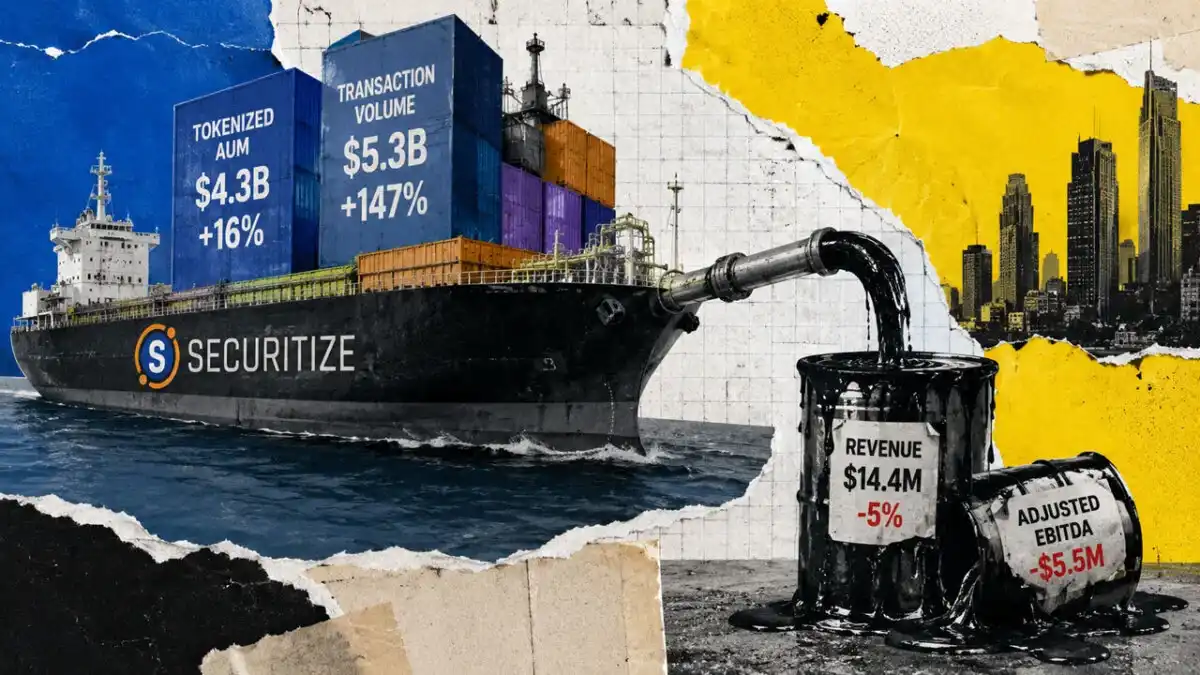
Securitize công bố báo cáo tài chính quý đầu tiên sau niêm yết. Mặc dù quy mô tài sản được token hóa đạt mức cao kỷ lục 43 tỷ USD và khối lượng giao dịch tăng vọt lên 53 tỷ USD, tổng doanh thu lại giảm 5% so với cùng kỳ, chỉ còn 14,4 triệu USD. Doanh thu từ hoạt động token hóa giảm khoảng 12% và lợi nhuận trước thuế, lãi vay, khấu hao và khấu trừ đã điều chỉnh (Adjusted EBITDA) chuyển thành lỗ 5,5 triệu USD. Giám đốc tài chính Francisco Flores giải thích rằng phần lớn khối lượng giao dịch hiện chưa được thương mại hóa. Doanh thu chủ yếu đến từ các dự án tích hợp mới, còn việc kiếm tiền từ hoạt động giao dịch là cơ hội trung và dài hạn. Các chuyên gia cho rằng đây là thách thức chung của ngành. Edwin Mata (Brickken) chỉ ra sự tách biệt giữa việc mở rộng quy mô tài sản và khả năng mở rộng mô hình kinh doanh. Các khoản thu nhập hiện nay chủ yếu từ dịch vụ triển khai dự án một lần, thay vì từ cơ sở hạ tầng tạo ra thu nhập thường xuyên. Utkarsh Ahuja (Moon Pursuit Capital) nhấn mạnh rằng ngành công nghiệp đang bước vào giai đoạn thử nghiệm tính bền vững của mô hình kinh doanh. Việc đơn thuần chia doanh thu cho khối lượng giao dịch tạo ra một tỷ lệ phí "ảo", vì phần lớn giao dịch không tạo ra doanh thu. Kịch bản lạc quan: Securitize tập trung vào token hóa cổ phiếu để tạo ra giao dịch tần suất cao và thu phí giao dịch, nhưng đây là chiến lược trung hạn. Kịch bản tiêu cực: Quy mô tài sản tiếp tục tăng nhưng mô hình kinh doanh vẫn phụ thuộc vào các dự án tùy chỉnh, khiến lợi nhuận khó cải thiện. Bài kiểm tra cốt lõi cho ngành là liệu các nền tảng có thể tạo ra thu nhập bền vững từ chính quy mô tài sản hiện có mà không cần dự án mới hay không.

marsbit7 phút trước

Quy mô token hóa đạt 4,3 tỷ USD, tại sao Securitize lại lỗ 5,5 triệu USD?

marsbit7 phút trước

Năm Nghịch Lý của Trí Tuệ Nhân Tạo

Đây là kỷ nguyên của trí tuệ nhân tạo, được đánh dấu bởi năm nghịch lý nổi bật: 1. **Nghịch lý dự đoán**: Các chuyên gia, từ học giả đến doanh nhân, liên tục đưa ra những dự đoán không chính xác về tương lai của AI - hoặc quá lạc quan hoặc quá thận trọng. Ví dụ, những tiên tri về AI đạt trí thông minh ngang con người (AGI) trong vài năm vẫn chưa thành hiện thực, và các dự báo về thời điểm đạt được AGI vẫn rất phân hóa. 2. **Nghịch lý định lượng việc làm**: Mặc dù nhiều tổ chức quốc tế và công ty tư vấn công bố các báo cáo định lượng về tác động của AI đến việc làm, kết quả giữa các báo cáo này chênh lệch rất lớn (từ 0.4% đến 67%), gần như không thể so sánh. Việc cô lập và đo lường tác động thuần túy của AI là cực kỳ khó khăn do nhiều yếu tố kinh tế - xã hội đan xen. 3. **Nghịch lý năng suất**: Mặc dù AI phát triển mạnh mẽ (thuật ngữ đã có 70 năm, làn sóng học máy 14 năm, và các mô hình mới liên tục xuất hiện), tốc độ tăng năng suất lao động ở nhiều nơi như EU vẫn ở mức thấp, trong khi Mỹ cũng chỉ duy trì mức trung bình lịch sử. Hiện tượng "công nghệ tiến bộ nhưng năng suất không tăng tương ứng" này từng xảy ra với máy tính và được giải thích chủ yếu bằng độ trễ thời gian - cần có các đổi mới bổ sung và thay đổi tổ chức để phát huy tác dụng. 4. **Nghịch lý giá trị dữ liệu**: Dữ liệu được coi là "dầu mỏ mới", quyết định khả năng của AI, nhưng giá trị của nó chủ yếu nằm ở việc sử dụng chứ khó chuyển đổi thành giá trị giao dịch hoặc tiền tệ trực tiếp. Việc "đưa dữ liệu vào bảng cân đối kế toán" ở các công ty vẫn còn rất hạn chế, với giá trị chỉ chiếm tỷ lệ rất nhỏ trong tổng tài sản. 5. **Nghịch lý Cách mạng Công nghiệp**: Gần như mọi làn sóng công nghệ lớn trong nửa thế kỷ qua (vi điện tử, internet, blockchain, v.v.) đều từng được gán là "Cuộc Cách mạng Công nghiệp lần thứ tư". Hiện nay, AI được coi là ứng cử viên chính. Tuy nhiên, lịch sử cho thấy các cuộc cách mạng công nghiệp thường chỉ được nhận diện rõ ràng sau nhiều thập kỷ, chứ không phải ngay trong lúc diễn ra. Bài viết kết luận rằng chúng ta đang tiến bước giữa những nghịch lý này, và tương lai của AI vẫn chứa đầy sự bất ngờ, do được định hình bởi nhiều lựa chọn và sự kiện không thể đoán trước.

marsbit10 phút trước

Năm Nghịch Lý của Trí Tuệ Nhân Tạo

marsbit10 phút trước

Các chuyên gia cảnh báo về hàng loạt vụ hack tiền mã hóa bằng tác nhân AI

Các chuyên gia cảnh báo rằng tác nhân AI có thể dẫn đến các vụ tấn công tiền điện tử hàng loạt. Tại Wyoming Blockchain Symposium, Ryan Kirkly (Đồng sáng lập Global Settlement Network) nhận định ngành công nghiệp đang đánh giá thấp việc những kẻ tấn công có thể sử dụng các tác nhân tự động này. Tự động hóa giúp giảm chi phí và mở rộng quy mô tấn công đồng thời vào nhiều mục tiêu, biến các cuộc tấn công vào cá nhân thành khả thi về mặt kinh tế. Số liệu từ TRM Labs cho thấy 6 tháng đầu năm 2026 đã ghi nhận 207 vụ hack, gây thiệt hại 972 triệu USD, trong đó 76% tổn thất đến từ 15% sự cố liên quan đến xâm phạm cơ sở hạ tầng và thao tác. Lợi thế của tác nhân AI là khả năng tự thực hiện chuỗi hành động, từ tìm kiếm thông tin đến làm việc với mã nguồn. Trong khi Ethereum Foundation dùng AI để phân tích lỗ hổng, thì kẻ xấu cũng có thể lợi dụng khả năng này. Các rủi ro chính được thảo luận bao gồm: 1. **Uỷ quyền tài chính:** Việc trao cho một tác nhân quyền kiểm soát tài sản tạo ra rủi ro lớn nếu nó bị xâm phạm. Ví dụ MetaMask Agent Wallet đã đưa ra cơ chế giới hạn để giảm thiểu rủi ro. 2. **Rò rỉ siêu dữ liệu:** Ngay cả trên mạng riêng tư, siêu dữ liệu có thể bị phân tích để liên kết người dùng. 3. **Sai sót và "ảo giác" của AI:** Các mô hình ngôn ngữ lớn (LLM) vẫn mắc lỗi, làm giảm độ tin cậy. 4. **Trách nhiệm pháp lý:** Câu hỏi về việc ai chịu trách nhiệm khi tác nhân tự động thực hiện giao dịch trái phép hoặc không thể đảo ngược vẫn chưa có lời giải. Các chuyên gia kết luận rằng sự phát triển của công nghệ tác nhân đang vượt quá khả năng đánh giá hậu quả của người dùng và doanh nghiệp, đòi hỏi các giải pháp quản lý rủi ro và khung trách nhiệm rõ ràng.

cryptonews.ru11 phút trước

Các chuyên gia cảnh báo về hàng loạt vụ hack tiền mã hóa bằng tác nhân AI

cryptonews.ru11 phút trước

Giao dịch

Giao ngay
活动图片