One Vote Could Make SOL's Daily Burn Rate Soar 14 Times

marsbitXuất bản vào 2026-08-28Cập nhật gần nhất vào 2026-08-28

Tóm tắt

Solana's first formal on-chain governance vote concluded on August 27th, coinciding with SOL hitting a yearly high. Three key proposals aimed at reshaping the network's tokenomics were decided. Solana's core challenge is a massive usage-to-value capture gap. Despite processing 120x more transactions than Ethereum and leading in DEX volume, its fee revenue is significantly lower due to its fee structure. Currently, most fees (priority fees) go to validators, with only a small base fee partially burned. This results in high net inflation (approx. 6k SOL issued vs. ~650 burned daily). The three proposals seek to address this: **SGP-0001** establishes the formal governance framework. **SGP-0002** (Double Deflation Acceleration) proposes doubling the annual reduction rate of new SOL issuance from 15% to 30%, aiming to reach the terminal inflation rate by 2029 instead of 2032, reducing issuance by an estimated 18.9 million SOL. **SGP-0003** (Resource & Entry Fee Restructuring) would split the base fee into a fixed "entry fee" for block producers and a variable, fully burned "resource fee." This could increase daily SOL burns by ~14x to 7,500-9,000. Major stakeholders like Helius, Jupiter, and Jito support the changes. However, opposition exists, notably from Solana Company (HSDT), whose revenue is 99.4% from staking. They argue rapid changes could disrupt institutional adoption. Critics also highlight a potential conflict where validators can vote against reduced staking yields ...

Author: Xiaobing

SOL hit $109 on August 27th, setting a new high for the entire year of 2026. It gained 44% in August, its strongest month since 2024. On the same day, Solana's first-ever formal on-chain governance vote concluded, with three proposals that could reshape the network's tokenomics entering the vote-counting stage.

If all three proposals pass, SOL's annual new issuance will decelerate more rapidly, and its average daily burn rate will increase by approximately 14 times.

Whether Solana can be reshaped by governance will be revealed soon.

The World's Busiest Highway, the Cheapest Toll

To understand why this governance vote is important, one must first understand Solana's core structural contradiction.

Solana's network usage is indisputable. It processed 25.3 billion transactions in Q1 2026, over 120 times that of Ethereum in the same period. Its spot DEX market share has ranked first for seven consecutive quarters, accounting for about 30%. It has maintained 100% uptime for over 90 days, with no network-wide outages since February 2024. The on-chain supply of RWA (Real World Assets) exceeded $3 billion in June, accounting for 24% of TVL.

Charles Schwab announced the inclusion of SOL in its crypto trading product line, and SBI Holdings shifted its blockchain business to Solana through a joint venture.

However, SOL holders have gained extremely limited economic returns from this growth.

Solana's total historical fee revenue is approximately $586 million, compared to Ethereum's $13.12 billion, a gap of over 22 times.

The value captured by the application layer is 134 times that of the protocol layer. Galaxy Research's Q2 2026 report shows that Solana network fees decreased 44% QoQ to approximately $155 million, and Network Revenue (REV) dropped 43% from $89.8 million in Q1 to $51 million. In the multi-chain revenue ranking, Solana ranked fourth with a 12% share, behind Hyperliquid, Tron, and Ethereum.

The problem lies in the fee structure.

In February 2025, validators approved SIMD-0096, which allocated 100% of priority fees to block-producing validators, with not a single cent being burned. Priority fees and Jito tips combined account for over 85% of the network's daily revenue. The base fee, which can create a deflationary effect, only accounts for a small portion, and only 50% of it is burned. The result is: Solana burns approximately 650 SOL daily, while issuing about 60,000 new SOL daily. A network with the world's highest daily transaction volume still maintains a steady net inflation rate.

21Shares summarized this dilemma in one sentence: "Scale has been proven; value capture has not."

Three Proposals: Installing Toll Booths on the Highway

The three governance proposals initiated on August 22nd are the latest attempt by the Solana community to repair this crack. First, let's introduce the three proposals:

SGP-0001 (Solana Constitution): Establishes a formal on-chain governance framework. Voting power is allocated based on stake weight. Ordinary stakers have the right to override validators' votes. This is the institutional foundation for the latter two proposals.

SGP-0002 (Double Deflation Acceleration): Proposed by engineers from infrastructure company Helius, it doubles the annual deflationary decay rate from 15% to 30%. The current inflation rate is about 3.8%. Under the original plan, it would only reach the terminal inflation rate of 1.5% by 2032. The new plan compresses this timeline to 2029, reducing issuance by approximately 18.9 million SOL over six years, worth about $1.5 billion at current prices.

SGP-0003 (Resource & Entry Fee Restructuring): Proposed by R&D company Temporal, it splits the flat base transaction fee into two parts: a fixed entry fee paid to block producers, and a resource fee priced based on actual computational resource consumption and burned in full. If implemented, the average daily SOL burn could jump from about 650 to between 7,500 and 9,000, an increase of nearly 14 times.

As of August 27th, before the voting deadline, participation for SGP-0002 had reached 33.84%, meeting the one-third quorum requirement. Approve votes accounted for about 25.84% of the voting weight, Deny votes about 5.54%, and Abstain about 2.65%. Approve votes constituted over 80% of the valid votes. Helius committed about 16 million SOL in support, Jupiter committed 12.47 million SOL, and Jito pre-authorized approval for all three proposals through its internal governance mechanism.

Who is Opposing?

Not all participants support these changes.

The NASDAQ-listed Solana Company (ticker HSDT) supports SGP-0001 but voted against SGP-0002 and SGP-0003. CEO Joseph Chee cited timing as the reason: "Institutions need stable, auditable economic parameters for multi-year planning. Suddenly changing staking rewards and transaction cost structures at a stage when Solana ETFs are just beginning to attract traditional capital could slow institutional adoption."

There is a direct profit motive behind this opposition.

Solana Company's Q2 revenue was $2.526 million, of which staking revenue accounted for $2.512 million, a staggering 99.4%. Accelerating deflation means staking rewards would drop from the current ~5.25% to ~2.25% within three years, directly cutting into its lifeblood.

A deeper tension lies in the governance mechanism itself. Under Solana's new governance framework, validators default to voting with the full weight of all delegations they manage, unless individual stakers actively override. This means a validator reliant on staking income can use SOL delegated to it by others to vote against reducing staking rewards, while most delegators might be completely unaware their stake is being used this way. CryptoSlate's analysis directly points out this principal-agent problem.

The pressure on smaller validators is more concrete. 21Shares' model shows that if SGP-0002 is implemented, some smaller validators with higher operating costs may become unprofitable and be forced to exit. This could, in the short term, exacerbate the trend of validator centralization, running counter to Solana's decentralization vision.

Lessons and Variables

This is not Solana's first attempt to fix the inflation issue.

In March 2025, SIMD-0228 proposed an 80% direct cut to the inflation rate, adopting a dynamic issuance mechanism based on staking participation. The result was 61.39% of staked SOL voting against, and the proposal was rejected.

The core reason for rejecting SIMD-0228 is the same as now: validators are unwilling to cut their own income sources. However, the current proposal is designed to be more moderate; SGP-0002 only accelerates the decay slope, avoiding a cliff-edge cut. The technical implementation, SIMD-0550, is specifically designed with a continuous anchoring mechanism to avoid discontinuous jumps in issuance upon activation.

However, even if both SGP-0002 and SGP-0003 pass, the voting result is only a "directional mandate." The actual protocol changes would still require subsequent SIMD technical implementation, testing, and on-chain activation. There could be a window of several months between the vote passing and actual enactment.

SOL's current position is delicate.

Having fallen over 60% from its ATH of $293, rebounding 44% in August to $109 reflects a mix of technical oversold recovery, pre-pricing of governance expectations, and sector rotation from BTC breaking $80k. The RSI has entered overbought territory. Short-term traders should note the risk of "buy the rumor, sell the news" after the governance vote results land. For long-term holders, the core question to answer is only one: Can Solana translate its indisputable network usage into economic returns for SOL holders?


Tiền kỹ thuật số thịnh hành

Câu hỏi Liên quan

QAccording to the article, what are the potential combined effects of SGP-0002 and SGP-0003 on SOL's daily burn rate?

AIf both SGP-0002 and SGP-0003 are passed, the daily SOL burn rate could increase by approximately 14 times, potentially rising from about 650 SOL per day to between 7,500 and 9,000 SOL per day.

QWhat is the core structural contradiction of Solana highlighted in the article?

AThe core structural contradiction is the mismatch between Solana's immense network usage (e.g., highest daily transaction volume) and its limited economic returns to SOL holders. This is due to a fee structure where a majority of revenue (priority fees & tips) goes to validators without being burned, resulting in high net inflation despite high activity.

QWhy does Solana Company (HSDT) oppose proposals SGP-0002 and SGP-0003, according to the article?

ASolana Company opposes SGP-0002 and SGP-0003 primarily due to concerns about timing and its direct financial interest. The CEO argues that changing economic parameters could disrupt institutional adoption plans just as Solana ETFs are gaining traction. More directly, over 99% of the company's revenue comes from staking, and the proposals would significantly reduce staking rewards, threatening its core business model.

QWhat key difference does the article mention between the failed SIMD-0228 proposal and the current SGP-0002 proposal?

AThe key difference is the approach to reducing inflation. SIMD-0228 proposed an abrupt 80% cut in the inflation rate, which was rejected. In contrast, SGP-0002 proposes a more moderate acceleration of the existing deflationary decay rate (from 15% to 30% annually), avoiding a cliff-like reduction and making the change less drastic.

QWhat is the fundamental long-term question for SOL holders that the article concludes with?

AThe fundamental long-term question is whether Solana can translate its undeniable network usage and scale into tangible economic returns for SOL token holders.

Nội dung Liên quan

Nhà đầu tư lớn trên thị trường Bitcoin bất động suốt 15 năm bắt đầu chuyển BTC!

Theo nghiên cứu từ Galaxy Research, sáu ví Bitcoin được tạo từ năm 2011-2014 và không hoạt động trong thời gian dài đã bắt đầu di chuyển tiền. Từ ngày 16 đến 26/8, tổng cộng 553,59 BTC (tương đương khoảng 40 triệu USD) đã được chuyển từ các địa chỉ này. Đáng chú ý, một trong các ví đã không động đậy trong hơn 15 năm, cho thấy các tài sản từ thời kỳ đầu của Bitcoin đang được di chuyển trở lại. Phân tích cho thấy năm trong số sáu ví đã gửi BTC đến các địa chỉ không liên kết với bất kỳ sàn giao dịch tiền điện tử nào, nên không có dấu hiệu rõ ràng về việc bán ra. Một ví còn lại đã chuyển 40 BTC cho Boerse Stuttgart Digital, một nhà cung cấp dịch vụ lưu ký và giao dịch của Đức, có thể cho mục đích lưu trữ hoặc giao dịch thể chế. Alex Thorn, người đứng đầu bộ phận nghiên cứu của Galaxy Digital, lưu ý rằng hoạt động của các Bitcoin "ngủ yên" gần đây đã giảm đáng kể, xuống mức thấp nhất kể từ quý 3/2022. Ông dự báo tổng khối lượng chuyển từ các ví không hoạt động lâu năm trong năm 2026 có thể giảm hơn một nửa so với năm ngoái.

cryptonews.ru6 phút trước

Nhà đầu tư lớn trên thị trường Bitcoin bất động suốt 15 năm bắt đầu chuyển BTC!

cryptonews.ru6 phút trước

Bí mật Starlink: Tại sao Trung Quốc, Amazon, Châu Âu và Nga lại thua cuộc chiến ở quỹ đạo thấp

Bí mật của Starlink nằm ở việc kết hợp đồng thời bốn yếu tố: sản xuất hàng loạt, tên lửa tái sử dụng, cơ sở người dùng trả phí và tốc độ cập nhật mạng. Trong khi đó, các đối thủ như Trung Quốc, Amazon, EU và Nga chỉ giải quyết được một phần bài toán này. Tính đến tháng 8/2026, Starlink có khoảng 11.087 vệ tinh hoạt động, áp đảo hoàn toàn các chòm sao khác: OneWeb (654), Qianfan/Guowang của Trung Quốc (433), Amazon Leo (400), IRIS2 của EU (348 kế hoạch) và "Rassvet" của Nga (32). Ưu thế của SpaceX được xây dựng từ mặt đất: nhà máy sản xuất ~70 vệ tinh/tuần, đội tên lửa Falcon 9 tái sử dụng tạo thành "băng chuyền" phóng, và chu kỳ tài chính khép kín nhờ 12 triệu người dùng đăng ký (tháng 6/2026). Các đối thủ đều thiếu ít nhất một mắt xích trong chuỗi này. Trung Quốc tiến bộ về công nghệ (hạ cánh tầng tên lửa) nhưng chậm tiến độ triển khai. Amazon mua sẵn hàng trăm lượt phóng nhưng vẫn phụ thuộc vào tốc độ của đối tác. EU và Nga tập trung vào mạng lưới nhỏ, đắt tiền cho mục đích quốc phòng và chủ quyền, thay vì cạnh tranh quy mô. Động lực chính của cuộc đua này là nhu cầu quân sự về thông tin liên lạc được bảo vệ và độc lập. Tuy nhiên, không đối thủ nào hiện tại có thể tái tạo được mô hình tích hợp đầy đủ bốn yếu tố then chốt như SpaceX.

cryptonews.ru2 giờ trước

Bí mật Starlink: Tại sao Trung Quốc, Amazon, Châu Âu và Nga lại thua cuộc chiến ở quỹ đạo thấp

cryptonews.ru2 giờ trước

Tài khoản xác thực của Donald Trump thông báo ra mắt altcoin mới: Giá giảm mạnh chỉ sau một đêm

Token GOLD, được ra mắt trên hệ sinh thái Solana dưới khẩu hiệu "Vàng kỹ thuật số của Trump", đã mất gần như toàn bộ giá trị sau một đêm. Dù được quảng bá ban đầu từ tài khoản mạng xã hội chính thức liên kết với Donald Trump thu hút sự chú ý lớn, sau đó đã có nghi ngờ về việc tài khoản này bị hack. Vốn hóa thị trường của Trump Digital Gold (GOLD) đạt hơn 60 triệu USD sau hai giờ ra mắt nhưng nhanh chóng sụt giảm nghiêm trọng. Chỉ trong một phút, giá trị này đã giảm hơn 95%, xuống còn khoảng 1,8 triệu USD và tiếp tục giảm sau khi bài đăng quảng bá bị gỡ. Tài khoản @realtrumpcoins1, đối tác chính thức của Tổ chức Trump, ban đầu giới thiệu token. Tuy nhiên, việc thiếu xác nhận từ gia đình Trump và việc xóa toàn bộ nội dung liên quan đến GOLD đã củng cố nghi ngờ về vụ hack. Một bài đăng sau đó từ kẻ tự nhận là hacker tuyên bố đã kiếm được 8,2 triệu USD lợi nhuận. Có thông tin cho rằng vụ việc có thể liên quan đến hacker Iran, dựa trên một chương trình truyền hình Iran, nhưng chưa có bằng chứng độc lập xác thực. Dữ liệu blockchain cho thấy 15 ví mới nghi ngờ liên quan đến dự án đã bán 224,5 triệu token GOLD, thu về khoảng 330.000 USD và thu lãi khoảng 312.000 USD. Một lượng token lớn vẫn tập trung ở một số ít ví, cho thấy sự kiểm soát nguồn cung.

cryptonews.ru2 giờ trước

Tài khoản xác thực của Donald Trump thông báo ra mắt altcoin mới: Giá giảm mạnh chỉ sau một đêm

cryptonews.ru2 giờ trước

Đối thoại với người sáng lập Epoch Ventures: Cuộc luân chuyển vốn quy mô lớn đã bắt đầu, chu kỳ bốn năm đã kết thúc

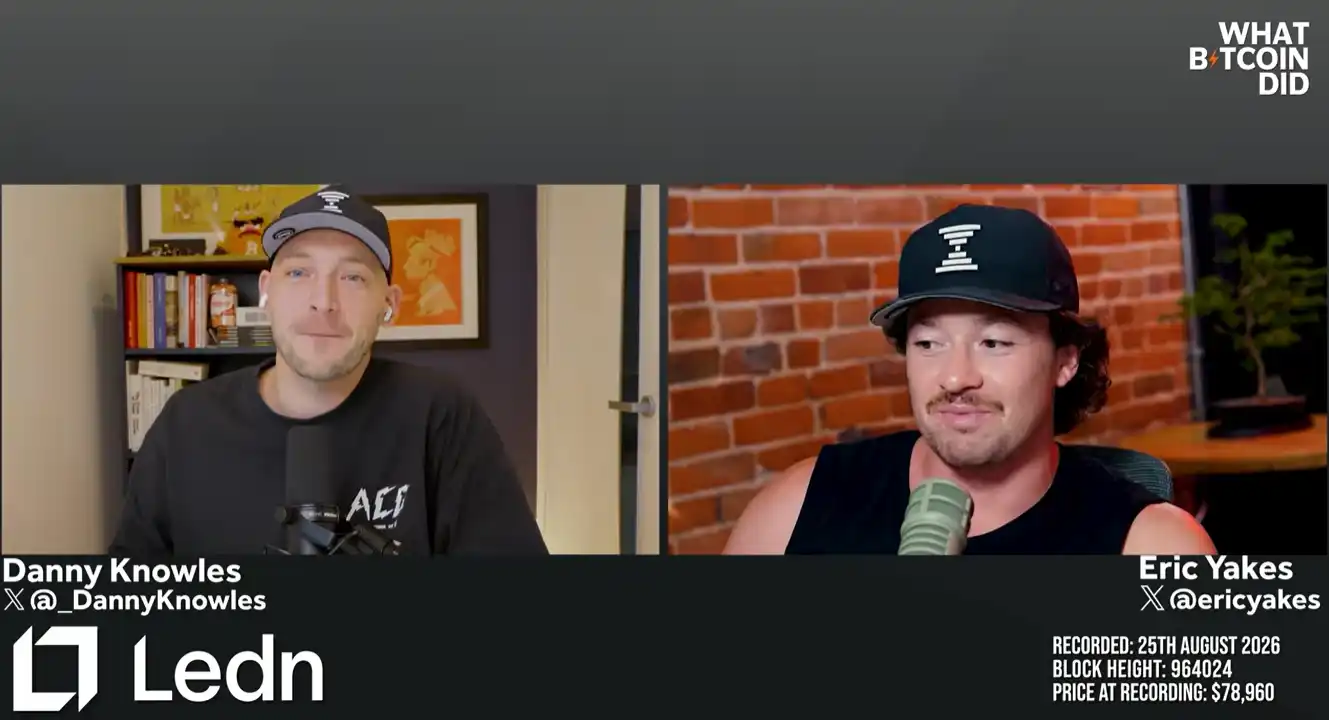
Nguồn: "What Bitcoin Did" Eric Yakes, người sáng lập Epoch Ventures, chia sẻ trên podcast rằng Bitcoin có thể không còn trải qua đợt sụt giảm 80% nữa và đợt điều chỉnh 50% gần đây có thể đánh dấu sự kết thúc của "lý thuyết chu kỳ 4 năm". Ông chỉ ra rằng Bitcoin đang chuyển đổi từ tài sản rủi ro cao sang công cụ phòng ngừa mất giá tiền pháp định, nhờ biến động thấp hơn và dòng tiền tổ chức đổ vào. Yakes nhấn mạnh hai sự kiện then chốt: kiểm toán Tether - chứng minh tính hợp pháp với thế giới truyền thống, và thông báo của Bộ Tài chính Mỹ về việc kiểm soát lợi suất trái phiếu dài hạn, thúc đẩy Bitcoin và vàng tăng mạnh. Ông dự đoán cấu trúc thị trường đã thay đổi cơ bản, với Bitcoin ngày càng tách biệt khỏi tài sản rủi ro và được coi là công cụ phòng ngừa. Về lộ trình "siêu Bitcoin hóa", Yakes mô tả 6 bước: Bộ Tài chính thúc đẩy stablecoin để củng cố nhu cầu mua trái phiếu Mỹ; stablecoin mở rộng vị thế đồng đô la; các loại tiền tệ yếu bị "đô la hóa"; Bitcoin mở rộng làm tài sản dự trữ cơ bản cho stablecoin; stablecoin bị "Bitcoin hóa" khi các nhà phát hành tăng dự trữ Bitcoin để cạnh tranh; và cuối cùng là hệ thống tiền pháp định đầu hàng. Ông cũng giải đáp lo ngại về sự tập trung tài sản và rủi ro kiểm soát mạng lưới, lập luận rằng cơ chế tự lưu ký dễ dàng của Bitcoin tạo ra sức ép thị trường, ngăn chặn hành vi độc hại. Là một nhà đầu tư mạo hiểm, trọng tâm của ông là xây dựng cơ sở hạ tầng tài chính tương thích với Bitcoin, đặc biệt là trong lĩnh vực cho vay thế chấp bằng Bitcoin.

marsbit3 giờ trước

Đối thoại với người sáng lập Epoch Ventures: Cuộc luân chuyển vốn quy mô lớn đã bắt đầu, chu kỳ bốn năm đã kết thúc

marsbit3 giờ trước

Giao dịch

Giao ngay

Bài viết Nổi bật

Làm thế nào để Mua ONE

Chào mừng bạn đến với HTX.com! Chúng tôi đã làm cho mua Harmony (ONE) trở nên đơn giản và thuận tiện. Làm theo hướng dẫn từng bước của chúng tôi để bắt đầu hành trình tiền kỹ thuật số của bạn.Bước 1: Tạo Tài khoản HTX của BạnSử dụng email hoặc số điện thoại của bạn để đăng ký tài khoản miễn phí trên HTX. Trải nghiệm hành trình đăng ký không rắc rối và mở khóa tất cả tính năng. Nhận Tài khoản của tôiBước 2: Truy cập Mua Crypto và Chọn Phương thức Thanh toán của BạnThẻ Tín dụng/Ghi nợ: Sử dụng Visa hoặc Mastercard của bạn để mua Harmony (ONE) ngay lập tức.Số dư: Sử dụng tiền từ số dư tài khoản HTX của bạn để giao dịch liền mạch.Bên thứ ba: Chúng tôi đã thêm những phương thức thanh toán phổ biến như Google Pay và Apple Pay để nâng cao sự tiện lợi.P2P: Giao dịch trực tiếp với người dùng khác trên HTX.Thị trường mua bán phi tập trung (OTC): Chúng tôi cung cấp những dịch vụ được thiết kế riêng và tỷ giá hối đoái cạnh tranh cho nhà giao dịch.Bước 3: Lưu trữ Harmony (ONE) của BạnSau khi mua Harmony (ONE), lưu trữ trong tài khoản HTX của bạn. Ngoài ra, bạn có thể gửi đi nơi khác qua chuyển khoản blockchain hoặc sử dụng để giao dịch những tiền kỹ thuật số khác.Bước 4: Giao dịch Harmony (ONE)Giao dịch Harmony (ONE) dễ dàng trên thị trường giao ngay của HTX. Chỉ cần truy cập vào tài khoản của bạn, chọn cặp giao dịch, thực hiện giao dịch và theo dõi trong thời gian thực. Chúng tôi cung cấp trải nghiệm thân thiện với người dùng cho cả người mới bắt đầu và người giao dịch dày dạn kinh nghiệm.

Tổng lượt xem 939Xuất bản vào 2024.12.12Cập nhật vào 2026.06.02

Làm thế nào để Mua ONE

Thảo luận

Chào mừng đến với Cộng đồng HTX. Tại đây, bạn có thể được thông báo về những phát triển nền tảng mới nhất và có quyền truy cập vào thông tin chuyên sâu về thị trường. Ý kiến ​​của người dùng về giá của ONE (ONE) được trình bày dưới đây.

活动图片