How One Article Moved 45 Billion: The Collapse of a 25-Year-Old 'AI Stock Guru'

marsbitXuất bản vào 2026-08-28Cập nhật gần nhất vào 2026-08-28

Tóm tắt

This article details the dramatic rise and near-collapse of a hedge fund built by Leopold Aschenbrenner, a 24-year-old former OpenAI researcher. The fund, named Situational Awareness, amassed $45 billion in assets within two years. Its explosive growth stemmed from Aschenbrenner's influential 165-page manifesto predicting AGI's arrival by 2027 and his high-profile Silicon Valley connections. The fund employed an extremely aggressive strategy: high concentration and 400% leverage to bet long on AI infrastructure stocks while shorting legacy software firms. In July, this structure backfired when both sides of the trade reversed simultaneously—AI stocks plunged while shorted stocks rallied—triggering massive losses that nearly wiped out all equity. Major player Jane Street reportedly lost billions. The fund's leveraged public portfolio was ultimately sold at a discount to Citadel. The SEC is now investigating banks like Goldman Sachs for their role in facilitating the fund's high-leverage trades. The article compares this to past blow-ups like Archegos, highlighting systemic failures in risk management where the pursuit of short-term profits overrode due diligence. It questions whether such risky leverage concentrated in the AI sector, currently at record highs, poses a broader systemic threat. Ironically, Aschenbrenner, who studied AI safety at OpenAI, designed a fund structure prone to uncontrolled failure. Days after the crisis, he reportedly raised another $400 million for...

Age 24, a former OpenAI researcher, was elevated to god-like status in Silicon Valley by a 165-page manifesto, and built a $45 billion hedge fund in two years, with returns once exceeding 1000%.

However, this fund nearly collapsed within a month. The day the crash finally materialized coincided with the arrival of guests for his wedding.

The story recently added another chapter: The SEC has issued subpoenas to Goldman Sachs, JPMorgan Chase, Citigroup, and Bank of America, demanding communications records related to the fund's trading timing and leverage usage. It should be noted that this inquiry is still in its early stages, and the fund has not been charged with any misconduct.

This is not just a story about a young man's leveraged blow-up. How did a young man with no investment background manage to raise $45 billion in two years, bypassing Wall Street's entire due diligence system? Who was truly behind this collapse?

The Making of a Legend: How a Manifesto Translated into $45 Billion

Aschenbrenner's resume itself reads like a high-potential script.

At 19, he graduated as the top student with a double major in Economics and Mathematical Statistics from Columbia College, Columbia University. In 2023, he joined OpenAI's "Superalignment" team, considered one of the company's core groups possessing the most advanced judgment on AGI safety.

In 2024, he was fired by OpenAI. The official reason was that he leaked sensitive information to external parties; he argued that he was merely discussing hypothetical scenarios about AI safety with outsiders.

This controversy did not ruin his reputation; instead, it created a tragic narrative of a "prophet ostracized for telling the truth." In Silicon Valley's context, this archetype of the "visionary exiled by a big corporation" has inherent virality.

After being fired, he wrote a 165-page long essay titled "Situational Awareness." Its core thesis was: The composite curves of computing power expansion, algorithmic efficiency improvement, and model capability growth make the emergence of AGI as early as 2027 "surprisingly plausible," and it will trigger an "intelligence explosion" affecting national security and the geopolitical landscape. (Note: Original article link: https://situational-awareness.ai/ )

This article quickly became known as "must-read in Silicon Valley," with its influence, according to multiple media reports, even reaching policy discussions in Washington.

From then on, he was no longer an obscure 24-year-old but was labeled as "one of the few who truly sees the future trajectory of AI."

Moreover, he lived in the same house as an Anthropic senior employee, renowned AI chip supply chain analyst Dylan Patel, and podcast host Dwarkesh Patel. This circle itself is one of the most well-informed microcosms in the AI industry.

The label was soon cashed in for real money.

The fund was backed with capital from Stripe co-founders Patrick Collison and John Collison, as well as investors Daniel Gross and Nat Friedman.

Early bets also initially validated the narrative: The fund successfully bet on AI infrastructure beneficiaries like SK Hynix, CoreWeave, and Bloom Energy, achieving a 47% net return (after management and performance fees) in the first half of 2025.

Notably, an independent market analyst mentioned in a personal blog post that this fund, in its first year of operation with only $225 million under management and a founder with zero investment track record, managed to secure an allocation in CoreWeave's IPO. Such an opportunity is almost impossible to obtain under traditional asset management's mature due diligence processes.

A "Perfect Hedge" That Became a Double Whammy

The fund's prospectus for Situational Awareness stated: "no restrictions" on investment types, and no limits on "investment concentration or the amount of leverage used."

This was not an execution error; it was by design—there were no brakes installed in the system.

Its trading structure appeared, on the surface, to be a classic long-short hedge: Go long on the physical bottlenecks of AI infrastructure, including memory chips, computing power, and energy; simultaneously short traditional software companies deemed to be disrupted by AI. This structure was, for the past eighteen months, a "beautiful trade."

The problem was that these two legs were actually different expressions of the same macro factor, not truly opposite-direction hedges.

In July of this year, both bets reversed simultaneously: the market grew skeptical about the sustainability of AI infrastructure spending, with heavy holdings like SK Hynix and CoreWeave falling over 30% in a month; meanwhile, shorted traditional software stocks like Adobe began to rebound over 20%.

The long leg was falling, and the short leg, which should have been profitable, was also losing money. A true hedge requires opposite directions under the same factor; what occurred here was a "rising and falling together." The higher the leverage, the more fatal this two-way pummeling becomes.

And the leverage was pushed to the extreme. According to estimates from multiple media outlets, the fund's leverage ratio was as high as 400%, meaning for every dollar of its own capital, it borrowed four dollars to amplify bets.

At such leverage levels, a 35% to 47% drop in core holdings is enough to wipe out the equity capital itself.

One market analyst's comment was: "Running a 400% lever with such a concentrated position is not a strategy, it's a countdown."

The high profile itself also became a risk amplifier in this collapse. When the fund reduced positions, the massive and highly concentrated sell orders in a few AI-related stocks made it easy for other traders to guess who the seller was, further exacerbating the stampede.

Ultimately, the fund sold its leveraged public equity holdings at a discount to Citadel.

A Recurring Wall Street Script

This is not the first time Wall Street has paid the price for a "sufficiently compelling narrative."

In 2021, Bill Hwang's family office, Archegos Capital Management, using similar tactics—concentrated holdings, high leverage, and hidden true exposure through total return swaps—ultimately triggered combined losses exceeding $10 billion for banks including Credit Suisse, which was severely weakened as a result.

This time, a new actor appeared in the script: Jane Street.

This notoriously secretive market-making giant, known for its strict quantitative risk controls, was a major investor in Situational Awareness. According to reports from Reuters, CNBC, Fortune, and others, Jane Street's exposure to this fund reportedly snowballed from an initial ~$2.5 billion to nearly $10 billion, before falling back to around $3 billion after the July crisis.

This loss directly led to Jane Street's first overall monthly loss in nearly a decade, forcing it, led by JPMorgan Chase, to urgently issue $14.6 billion in new bonds to refinance approximately $11 billion in existing floating-rate loans and debt.

How could a man in his twenties, who had never managed money before, borrow such massive amounts sufficient to lever up 400%?

According to industry media reports, one family office invested in this fund because its owner, himself the founder of a large US tech company, personally instructed the investment, thereby bypassing his own institution's originally established risk control procedures.

This seems more like a structural tendency rather than a precise, proven causal chain.

The bankers approving the financing have their bonuses and review cycles calculated quarterly and annually, while the risk of a leveraged blow-up only materializes when the market truly reverses—a classic principal-agent problem. The decision-makers enjoy the immediate gains; the institutions and shareholders bear the future risks.

The banks also don't need to judge whether the long-term AI infrastructure trend is right; they only need to judge "Can I detect the risk earlier than the fund itself, tighten conditions earlier, and offload the risk earlier?"

Meanwhile, in Q2 2026, Goldman Sachs' equity financing business revenue hit a record $3.26 billion, 26% higher than its entire 2020 revenue, with market demand "far exceeding the amount banks were willing to take on." When all peers are fighting for the same pie, a single bank tightening standards on its own means watching revenue literally walk into competitors' hands.

Another real cognitive bias is also at play: When a fund selectively discloses returns that once hit 1000%, many investors subconsciously take this stellar performance as evidence of the founder's "foresight." Carrying this bias, those involved ignore many clues pointing to "this might just be a combination of directional bets layered with high leverage that hasn't exploded yet."

An Isolated Case or a Trend?

Looking at this single event, the banks didn't lose money, the fund wasn't liquidated, there was no systemic market shock, and Citadel even booked paper gains after taking over the positions at a discount. From this angle, it resembles a stress test more than a real crisis.

But if we zoom out and look at the total leverage within the entire AI sector?

The Bank for International Settlements (BIS) issued a warning in 2026: The combined AI capital expenditures planned by leading cloud providers for 2025-2026 could exceed $1 trillion. A reversal in this investment wave could potentially drag some economies into recession.

Bank of England Deputy Governor Sarah Breeden also voiced a related concern from another angle: If automated trading systems, trained on similar data and optimized for similar objectives, make synchronized selling decisions under stress, it could trigger a self-reinforcing crash faster than human traders could react.

These warnings are not idle talk. According to FINRA data, US securities margin debt reached $1.416 trillion in May 2026, a record high since the data series began in 1997, representing a staggering 54% year-over-year increase. According to Goldman Sachs citing EPFR statistics (this data only covers 573 US leveraged equity ETFs, excluding bond, commodity leveraged products, or overseas markets like Korea), the total assets of such US leveraged equity ETFs doubled from $39 billion in April this year to $84 billion by the end of May. JPMorgan Chase CEO Jamie Dimon also publicly acknowledged that current margin debt levels are "quite high."

Intriguingly, merely days after the crisis, Aschenbrenner secured another $400 million in private investment for a new bet, bringing his total personal wager to $500 million, including a previous $100 million.

He clearly does not view this near-collapse as the end of his investing career.

The greatest irony this saga leaves behind might be this: A person who once specialized in researching "how to anticipate and manage the risk of AGI going rogue" personally designed a leverage structure for his own hedge fund that was most prone to running out of control.

Understanding risk and managing risk are two entirely different capabilities. Seeing the direction of a grand trend does not equate to having the ability to navigate its short-term volatility unscathed.

This crisis didn't destroy any institution, nor did it truly interrupt this young man's own investment rhythm. But it tore open a fissure, allowing a glimpse into just how fragile the mechanisms meant to stop risk have become behind the AI narrative-driven capital frenzy.

The next time a narrative is compelling enough, will there be someone willing to sound the alarm first? (This article was first published on Titanium Media APP, author | Silicon Valley Tech_news, editor | Lin Shen)


Tiền kỹ thuật số thịnh hành

Câu hỏi Liên quan

QWho is the 25-year-old 'AI Stock God' at the center of this article, and what was his background?

AThe article focuses on Leopold Aschenbrenner, a 25-year-old former OpenAI researcher on the Superalignment team. He was fired from OpenAI in 2024. At age 19, he graduated summa cum laude with degrees in Economics and Mathematical Statistics from Columbia College, Columbia University. His reputation was built on a 165-page manifesto titled 'Situational Awareness', which argued for the possibility of AGI emerging around 2027.

QWhat was the core investment strategy (the 'perfect hedge') of the Situational Awareness fund, and why did it fail?

AThe fund's strategy was a long-short hedge: going long on AI infrastructure stocks (e.g., SK Hynix, CoreWeave, Bloom Energy) while shorting traditional software companies perceived as vulnerable to AI disruption. It failed because this was not a true hedge. Both legs of the trade were exposed to the same macro factor—market sentiment towards AI. In July, AI infrastructure stocks plummeted while the shorted software stocks rallied, causing losses on both sides simultaneously. This was exacerbated by the fund's extremely high leverage of around 400%.

QWhat role did the investment firm Jane Street play in the fund's story, and what were the consequences for Jane Street?

AJane Street, a major quantitative trading firm known for strict risk management, was a key investor in the Situational Awareness fund. Its exposure reportedly ballooned from an initial ~$2.5 billion to nearly $10 billion before the crisis, then fell back to ~$3 billion after the fund's losses in July. These losses contributed to Jane Street's first monthly overall loss in nearly a decade, forcing it to issue $14.6 billion in new bonds, led by JPMorgan, to refinance existing debt.

QAccording to the article, what systemic or structural factors in the financial industry enabled a young, inexperienced manager to raise $45 billion and access extreme leverage?

ASeveral structural factors contributed: 1) Bankers' compensation is tied to short-term deal volume, not long-term risk, creating a misalignment of incentives (principal-agent problem). 2) Intense competition among banks for lucrative financing business discourages any single bank from tightening standards. 3) A cognitive bias among investors, who mistook the fund's early high returns (e.g., 1000%) for genius, overlooking the role of concentrated, leveraged bets. 4) High-profile backers (e.g., Stripe founders) provided credibility. 5) In some cases, founders of investing institutions overrode their own internal risk controls to personally authorize the investment.

QWhat broader market risks and warnings related to AI and leverage does the article mention in its conclusion?

AThe article cites several broader warnings: The Bank for International Settlements (BIS) warned that massive AI capital expenditure by cloud providers (over $1 trillion) could trigger a recession if reversed. The Bank of England's Sarah Breeden expressed concern about automated trading systems potentially triggering synchronized, self-reinforcing crashes. Data shows US securities margin debt hit a record $1.416 trillion in May 2026, up 54% year-over-year. Leveraged ETF assets in the US doubled from $39B to $84B in two months. JPMorgan CEO Jamie Dimon also acknowledged margin debt levels are 'quite high'.

Nội dung Liên quan

Nhà đầu tư lớn trên thị trường Bitcoin bất động suốt 15 năm bắt đầu chuyển BTC!

Theo nghiên cứu từ Galaxy Research, sáu ví Bitcoin được tạo từ năm 2011-2014 và không hoạt động trong thời gian dài đã bắt đầu di chuyển tiền. Từ ngày 16 đến 26/8, tổng cộng 553,59 BTC (tương đương khoảng 40 triệu USD) đã được chuyển từ các địa chỉ này. Đáng chú ý, một trong các ví đã không động đậy trong hơn 15 năm, cho thấy các tài sản từ thời kỳ đầu của Bitcoin đang được di chuyển trở lại. Phân tích cho thấy năm trong số sáu ví đã gửi BTC đến các địa chỉ không liên kết với bất kỳ sàn giao dịch tiền điện tử nào, nên không có dấu hiệu rõ ràng về việc bán ra. Một ví còn lại đã chuyển 40 BTC cho Boerse Stuttgart Digital, một nhà cung cấp dịch vụ lưu ký và giao dịch của Đức, có thể cho mục đích lưu trữ hoặc giao dịch thể chế. Alex Thorn, người đứng đầu bộ phận nghiên cứu của Galaxy Digital, lưu ý rằng hoạt động của các Bitcoin "ngủ yên" gần đây đã giảm đáng kể, xuống mức thấp nhất kể từ quý 3/2022. Ông dự báo tổng khối lượng chuyển từ các ví không hoạt động lâu năm trong năm 2026 có thể giảm hơn một nửa so với năm ngoái.

cryptonews.ru6 phút trước

Nhà đầu tư lớn trên thị trường Bitcoin bất động suốt 15 năm bắt đầu chuyển BTC!

cryptonews.ru6 phút trước

Bí mật Starlink: Tại sao Trung Quốc, Amazon, Châu Âu và Nga lại thua cuộc chiến ở quỹ đạo thấp

Bí mật của Starlink nằm ở việc kết hợp đồng thời bốn yếu tố: sản xuất hàng loạt, tên lửa tái sử dụng, cơ sở người dùng trả phí và tốc độ cập nhật mạng. Trong khi đó, các đối thủ như Trung Quốc, Amazon, EU và Nga chỉ giải quyết được một phần bài toán này. Tính đến tháng 8/2026, Starlink có khoảng 11.087 vệ tinh hoạt động, áp đảo hoàn toàn các chòm sao khác: OneWeb (654), Qianfan/Guowang của Trung Quốc (433), Amazon Leo (400), IRIS2 của EU (348 kế hoạch) và "Rassvet" của Nga (32). Ưu thế của SpaceX được xây dựng từ mặt đất: nhà máy sản xuất ~70 vệ tinh/tuần, đội tên lửa Falcon 9 tái sử dụng tạo thành "băng chuyền" phóng, và chu kỳ tài chính khép kín nhờ 12 triệu người dùng đăng ký (tháng 6/2026). Các đối thủ đều thiếu ít nhất một mắt xích trong chuỗi này. Trung Quốc tiến bộ về công nghệ (hạ cánh tầng tên lửa) nhưng chậm tiến độ triển khai. Amazon mua sẵn hàng trăm lượt phóng nhưng vẫn phụ thuộc vào tốc độ của đối tác. EU và Nga tập trung vào mạng lưới nhỏ, đắt tiền cho mục đích quốc phòng và chủ quyền, thay vì cạnh tranh quy mô. Động lực chính của cuộc đua này là nhu cầu quân sự về thông tin liên lạc được bảo vệ và độc lập. Tuy nhiên, không đối thủ nào hiện tại có thể tái tạo được mô hình tích hợp đầy đủ bốn yếu tố then chốt như SpaceX.

cryptonews.ru2 giờ trước

Bí mật Starlink: Tại sao Trung Quốc, Amazon, Châu Âu và Nga lại thua cuộc chiến ở quỹ đạo thấp

cryptonews.ru2 giờ trước

Tài khoản xác thực của Donald Trump thông báo ra mắt altcoin mới: Giá giảm mạnh chỉ sau một đêm

Token GOLD, được ra mắt trên hệ sinh thái Solana dưới khẩu hiệu "Vàng kỹ thuật số của Trump", đã mất gần như toàn bộ giá trị sau một đêm. Dù được quảng bá ban đầu từ tài khoản mạng xã hội chính thức liên kết với Donald Trump thu hút sự chú ý lớn, sau đó đã có nghi ngờ về việc tài khoản này bị hack. Vốn hóa thị trường của Trump Digital Gold (GOLD) đạt hơn 60 triệu USD sau hai giờ ra mắt nhưng nhanh chóng sụt giảm nghiêm trọng. Chỉ trong một phút, giá trị này đã giảm hơn 95%, xuống còn khoảng 1,8 triệu USD và tiếp tục giảm sau khi bài đăng quảng bá bị gỡ. Tài khoản @realtrumpcoins1, đối tác chính thức của Tổ chức Trump, ban đầu giới thiệu token. Tuy nhiên, việc thiếu xác nhận từ gia đình Trump và việc xóa toàn bộ nội dung liên quan đến GOLD đã củng cố nghi ngờ về vụ hack. Một bài đăng sau đó từ kẻ tự nhận là hacker tuyên bố đã kiếm được 8,2 triệu USD lợi nhuận. Có thông tin cho rằng vụ việc có thể liên quan đến hacker Iran, dựa trên một chương trình truyền hình Iran, nhưng chưa có bằng chứng độc lập xác thực. Dữ liệu blockchain cho thấy 15 ví mới nghi ngờ liên quan đến dự án đã bán 224,5 triệu token GOLD, thu về khoảng 330.000 USD và thu lãi khoảng 312.000 USD. Một lượng token lớn vẫn tập trung ở một số ít ví, cho thấy sự kiểm soát nguồn cung.

cryptonews.ru2 giờ trước

Tài khoản xác thực của Donald Trump thông báo ra mắt altcoin mới: Giá giảm mạnh chỉ sau một đêm

cryptonews.ru2 giờ trước

Đối thoại với người sáng lập Epoch Ventures: Cuộc luân chuyển vốn quy mô lớn đã bắt đầu, chu kỳ bốn năm đã kết thúc

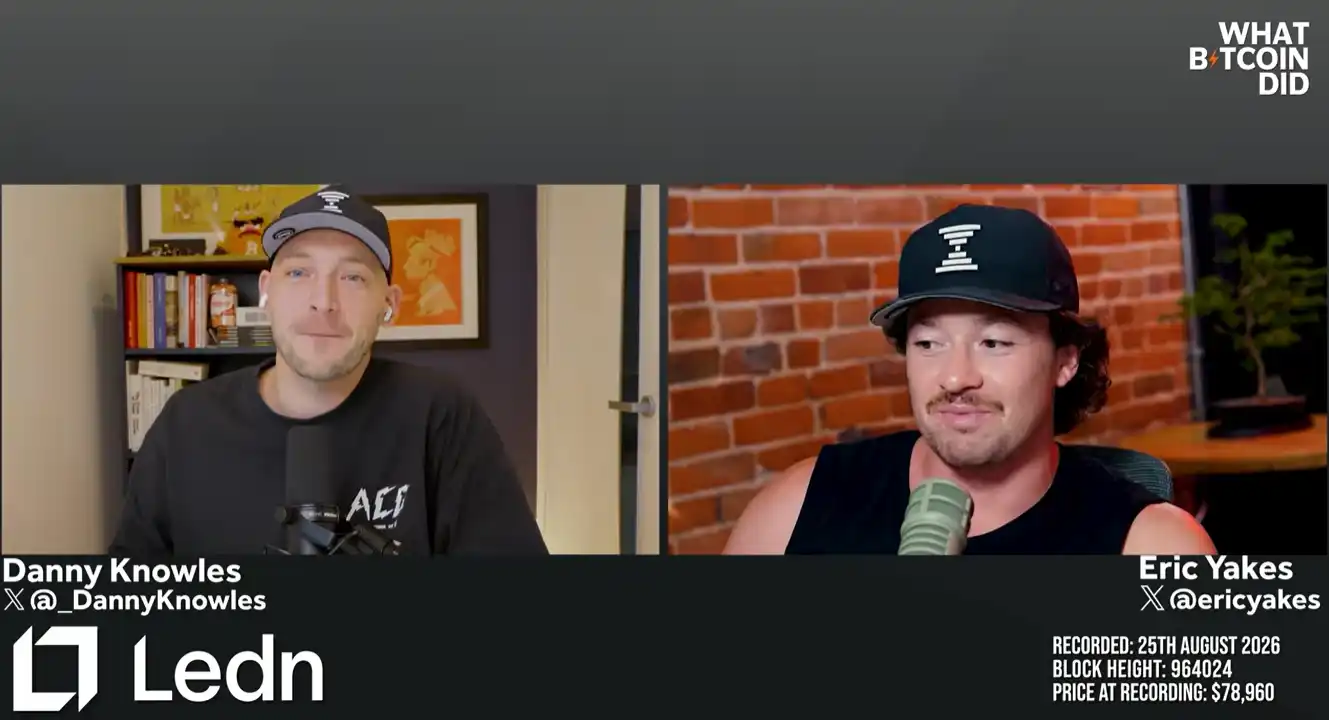
Nguồn: "What Bitcoin Did" Eric Yakes, người sáng lập Epoch Ventures, chia sẻ trên podcast rằng Bitcoin có thể không còn trải qua đợt sụt giảm 80% nữa và đợt điều chỉnh 50% gần đây có thể đánh dấu sự kết thúc của "lý thuyết chu kỳ 4 năm". Ông chỉ ra rằng Bitcoin đang chuyển đổi từ tài sản rủi ro cao sang công cụ phòng ngừa mất giá tiền pháp định, nhờ biến động thấp hơn và dòng tiền tổ chức đổ vào. Yakes nhấn mạnh hai sự kiện then chốt: kiểm toán Tether - chứng minh tính hợp pháp với thế giới truyền thống, và thông báo của Bộ Tài chính Mỹ về việc kiểm soát lợi suất trái phiếu dài hạn, thúc đẩy Bitcoin và vàng tăng mạnh. Ông dự đoán cấu trúc thị trường đã thay đổi cơ bản, với Bitcoin ngày càng tách biệt khỏi tài sản rủi ro và được coi là công cụ phòng ngừa. Về lộ trình "siêu Bitcoin hóa", Yakes mô tả 6 bước: Bộ Tài chính thúc đẩy stablecoin để củng cố nhu cầu mua trái phiếu Mỹ; stablecoin mở rộng vị thế đồng đô la; các loại tiền tệ yếu bị "đô la hóa"; Bitcoin mở rộng làm tài sản dự trữ cơ bản cho stablecoin; stablecoin bị "Bitcoin hóa" khi các nhà phát hành tăng dự trữ Bitcoin để cạnh tranh; và cuối cùng là hệ thống tiền pháp định đầu hàng. Ông cũng giải đáp lo ngại về sự tập trung tài sản và rủi ro kiểm soát mạng lưới, lập luận rằng cơ chế tự lưu ký dễ dàng của Bitcoin tạo ra sức ép thị trường, ngăn chặn hành vi độc hại. Là một nhà đầu tư mạo hiểm, trọng tâm của ông là xây dựng cơ sở hạ tầng tài chính tương thích với Bitcoin, đặc biệt là trong lĩnh vực cho vay thế chấp bằng Bitcoin.

marsbit3 giờ trước

Đối thoại với người sáng lập Epoch Ventures: Cuộc luân chuyển vốn quy mô lớn đã bắt đầu, chu kỳ bốn năm đã kết thúc

marsbit3 giờ trước

Giao dịch

Giao ngay

Bài viết Nổi bật

Làm thế nào để Mua ONE

Chào mừng bạn đến với HTX.com! Chúng tôi đã làm cho mua Harmony (ONE) trở nên đơn giản và thuận tiện. Làm theo hướng dẫn từng bước của chúng tôi để bắt đầu hành trình tiền kỹ thuật số của bạn.Bước 1: Tạo Tài khoản HTX của BạnSử dụng email hoặc số điện thoại của bạn để đăng ký tài khoản miễn phí trên HTX. Trải nghiệm hành trình đăng ký không rắc rối và mở khóa tất cả tính năng. Nhận Tài khoản của tôiBước 2: Truy cập Mua Crypto và Chọn Phương thức Thanh toán của BạnThẻ Tín dụng/Ghi nợ: Sử dụng Visa hoặc Mastercard của bạn để mua Harmony (ONE) ngay lập tức.Số dư: Sử dụng tiền từ số dư tài khoản HTX của bạn để giao dịch liền mạch.Bên thứ ba: Chúng tôi đã thêm những phương thức thanh toán phổ biến như Google Pay và Apple Pay để nâng cao sự tiện lợi.P2P: Giao dịch trực tiếp với người dùng khác trên HTX.Thị trường mua bán phi tập trung (OTC): Chúng tôi cung cấp những dịch vụ được thiết kế riêng và tỷ giá hối đoái cạnh tranh cho nhà giao dịch.Bước 3: Lưu trữ Harmony (ONE) của BạnSau khi mua Harmony (ONE), lưu trữ trong tài khoản HTX của bạn. Ngoài ra, bạn có thể gửi đi nơi khác qua chuyển khoản blockchain hoặc sử dụng để giao dịch những tiền kỹ thuật số khác.Bước 4: Giao dịch Harmony (ONE)Giao dịch Harmony (ONE) dễ dàng trên thị trường giao ngay của HTX. Chỉ cần truy cập vào tài khoản của bạn, chọn cặp giao dịch, thực hiện giao dịch và theo dõi trong thời gian thực. Chúng tôi cung cấp trải nghiệm thân thiện với người dùng cho cả người mới bắt đầu và người giao dịch dày dạn kinh nghiệm.

Tổng lượt xem 939Xuất bản vào 2024.12.12Cập nhật vào 2026.06.02

Làm thế nào để Mua ONE

Thảo luận

Chào mừng đến với Cộng đồng HTX. Tại đây, bạn có thể được thông báo về những phát triển nền tảng mới nhất và có quyền truy cập vào thông tin chuyên sâu về thị trường. Ý kiến ​​của người dùng về giá của ONE (ONE) được trình bày dưới đây.

活动图片