Unable to Retain with a $100 Million Annual Salary, Yu Jiahui Departs Meta to Start His Own Venture

marsbitXuất bản vào 2026-08-14Cập nhật gần nhất vào 2026-08-14

Tóm tắt

Despite a reported compensation package rumored to be worth up to $100 million over four years, AI researcher Jiahui Yu has announced his departure from Meta after just over a year to start his own company. Yu joined Meta in June 2025 as a founding member and multimodal lead of the TBD Lab within Meta's Superintelligence Labs (MSL). During his tenure, he was instrumental in developing and launching key products like the Muse Spark foundational model and its subsequent versions, Muse Image, Muse Video, and Voice Mode. In his departure statement, Yu expressed gratitude for his time at Meta but cited being drawn to an "important yet underexplored problem for humanity's future" as his reason for leaving. While details of his new venture remain undisclosed, his exit adds to a notable trend of high-profile AI researchers departing Meta, with one platform listing nearly 930 former Meta researchers. The move raises questions about the long-term effectiveness of Meta's high-cost talent acquisition strategy in the competitive AI landscape.

$100 million couldn't keep him!

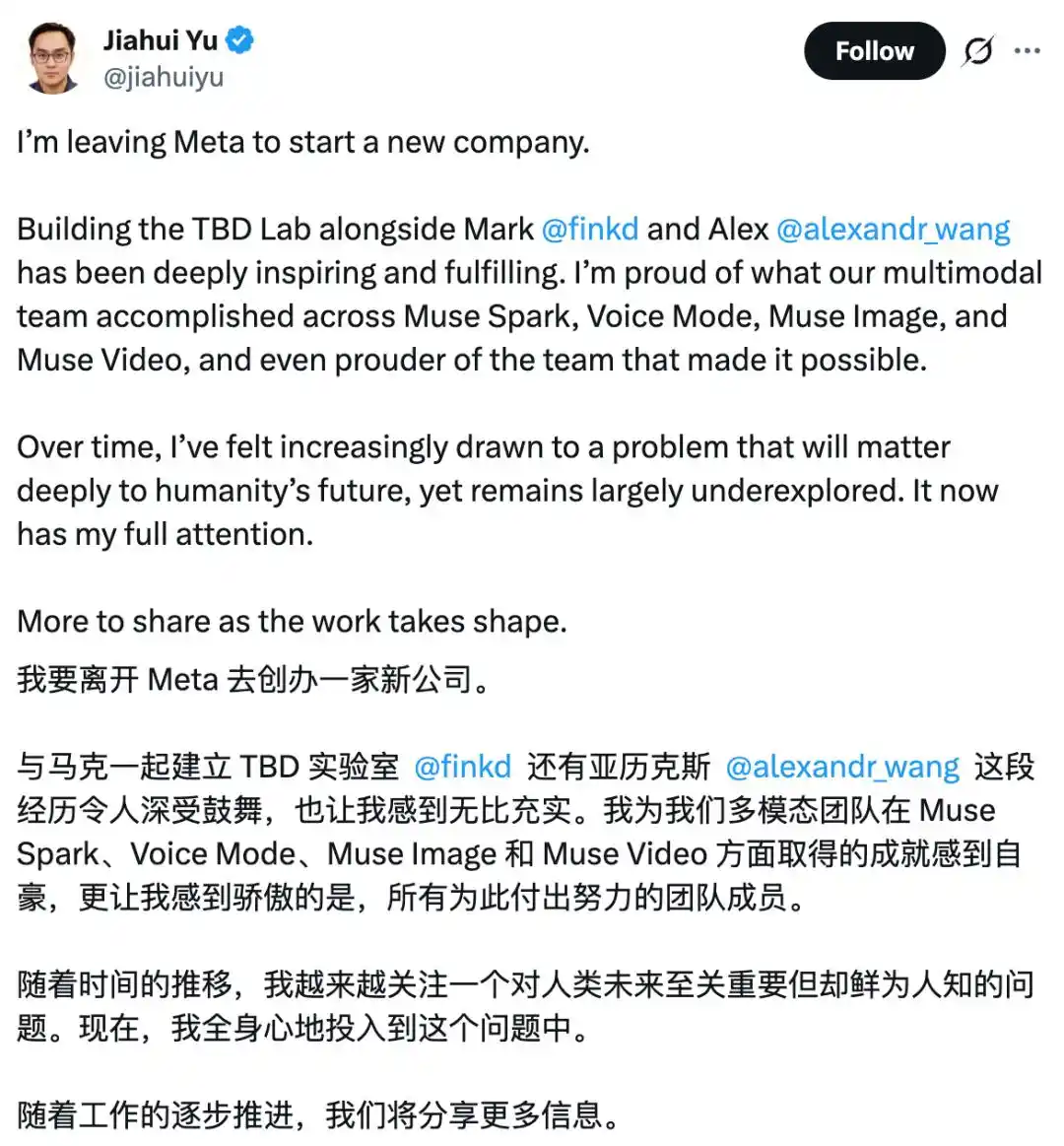
Just now, Yu Jiahui officially announced his departure from Meta to start a business.

From joining at the end of June 2025 to announcing his departure on August 14, 2026, it's exactly one year and a little over one month.
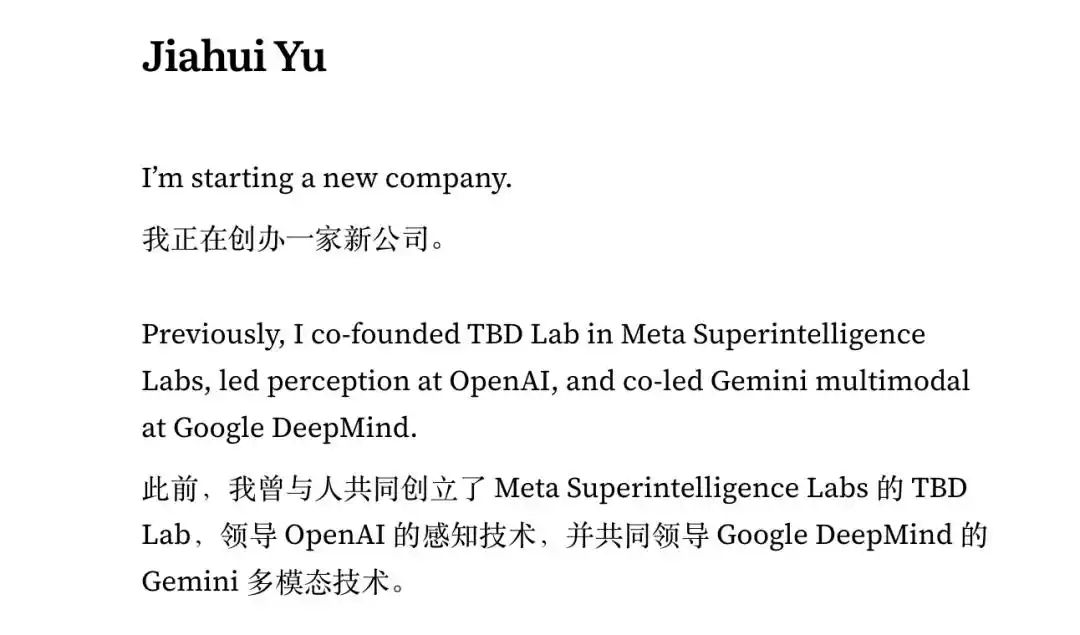
His personal website has also been updated with his resume.
Just a few days before his departure, Meta had just launched Muse Spark 1.2.

Over the past few months, Yu Jiahui's multimodal team had also successively delivered Muse Spark, Voice Mode, Muse Image, and Muse Video.

In his announcement, Yu Jiahui stated that the experience of building TBD Lab together with Zuckerberg and Meta's Chief AI Officer Alexander Wang was "extremely inspiring and fulfilling."

He specifically highlighted several achievements made by the team over the past year and mentioned that he has been increasingly drawn to a question that is "crucial for humanity's future but remains insufficiently explored."

Now, this question will receive his undivided attention.

As for the name of the new company, its specific research focus, and who the partners are, he didn't say a word:

More to share as the work takes shape.

More information will be shared as things gradually take shape.

Just Finished Delivering the Muse Suite, and the Person Is Gone

This past year, Yu Jiahui certainly didn't slack off.

At the end of June 2025, it was exposed that Yu Jiahui, along with researchers like Zhao Shengjia, Bi Shuchao, and Ren Hongyu from OpenAI, had collectively joined Meta's newly formed superintelligence team.

Zuckerberg personally stepped in to recruit him, with rumors of a "$100 million annual salary" setting a new record in the AI talent market.

Within a few days, Zuckerberg officially announced the establishment of the Meta Superintelligence Labs, or MSL.

The lab was led by Alexander Wang. For this, Meta invested $14.3 billion in Scale AI and aggressively poached talent from companies like OpenAI, Google DeepMind, and Apple.

TBD Lab was one of the core model research teams under MSL, responsible for developing Meta's next-generation frontier models. Yu Jiahui was a founding member and the head of the multimodal direction.

In April this year, this team delivered its first major report card: Muse Spark.
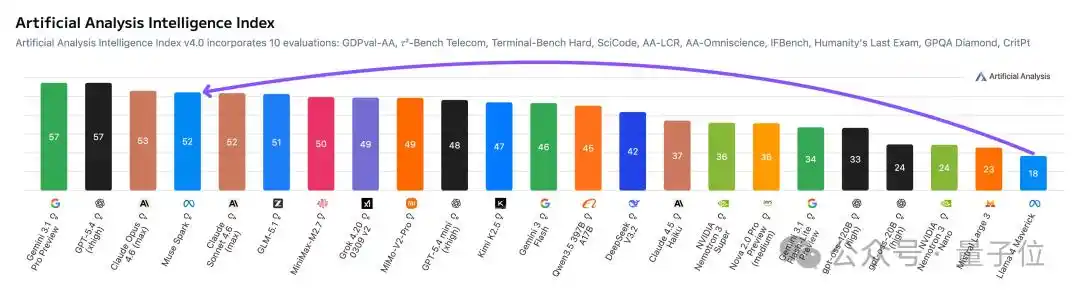
This was the first foundation model released after MSL's establishment, also marking the official shift of Meta's frontier models from the Llama series to the Muse series.

Subsequently, Yu Jiahui's team continued to release Voice Mode, Muse Image, and Muse Video, covering speech, image, and video generation.

The recent update, Muse Spark 1.2, further pushed the focus towards programming, long-horizon Agent tasks, and multimodal capabilities.
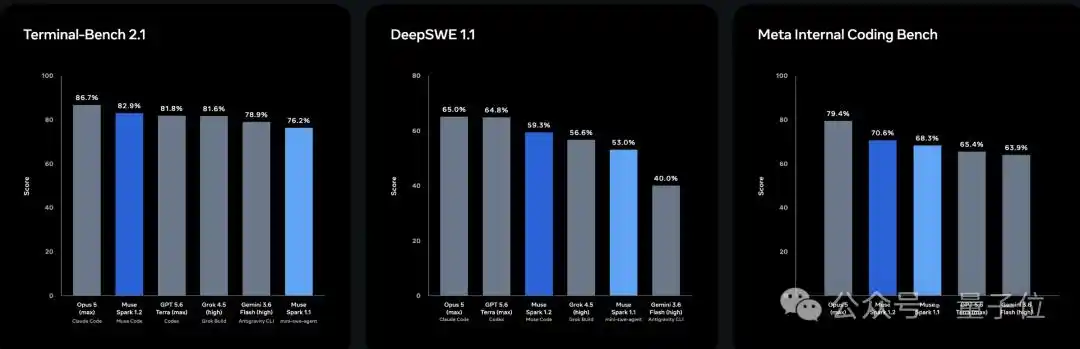
During his year at Meta, Yu Jiahui essentially built a team from scratch, re-architected the technology stack, and served up the Muse suite dish by dish.

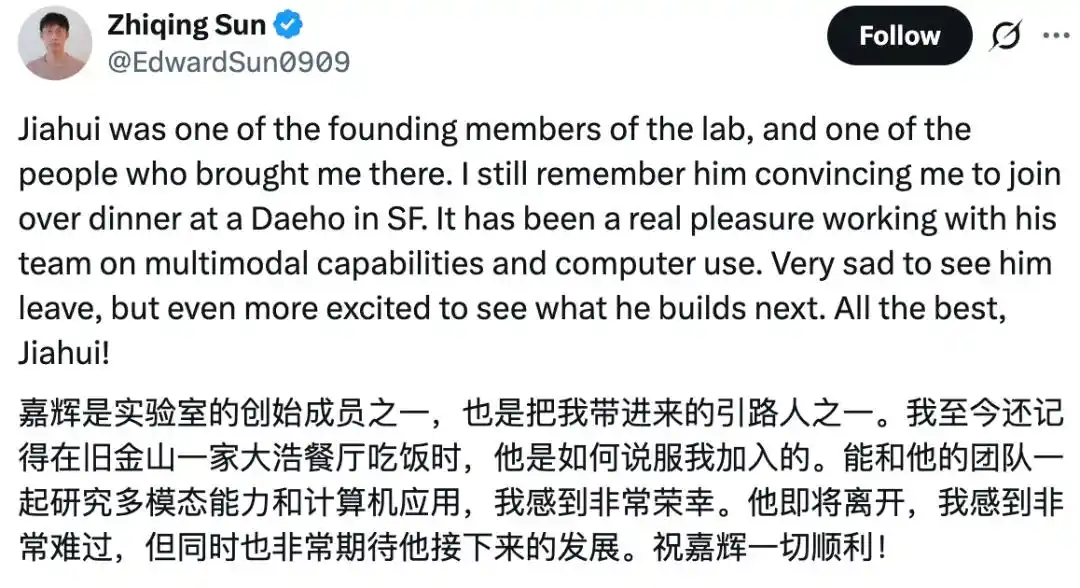
Meta researcher Zhiqing Sun revealed that Yu Jiahui was also one of the people who recruited him into Meta.

He recalled having a meal with Yu Jiahui at a Daeho restaurant in San Francisco, where Yu persuaded him to join TBD Lab. Later, they worked together on multimodal capabilities and Computer Use.
A year later, it was the turn of someone Yu Jiahui himself recruited to see him off.

Oh Zuck, oh Zuck... was this $100 million annual salary ultimately all for naught?

Rumored $100 Million: Why Did Zuck Specifically Fight for Him?

Exactly how much money Yu Jiahui received still lacks an authoritative answer.

But in last year's Silicon Valley talent war, he was undoubtedly one of the most talked-about names.

At that time, Altman had publicly stated that Meta offered some OpenAI employees $100 million in signing bonuses and even higher annual compensation.

Subsequently, WIRED reported that Meta's offers to a few top AI talents could reach up to $300 million over four years, with total first-year compensation potentially exceeding $100 million.
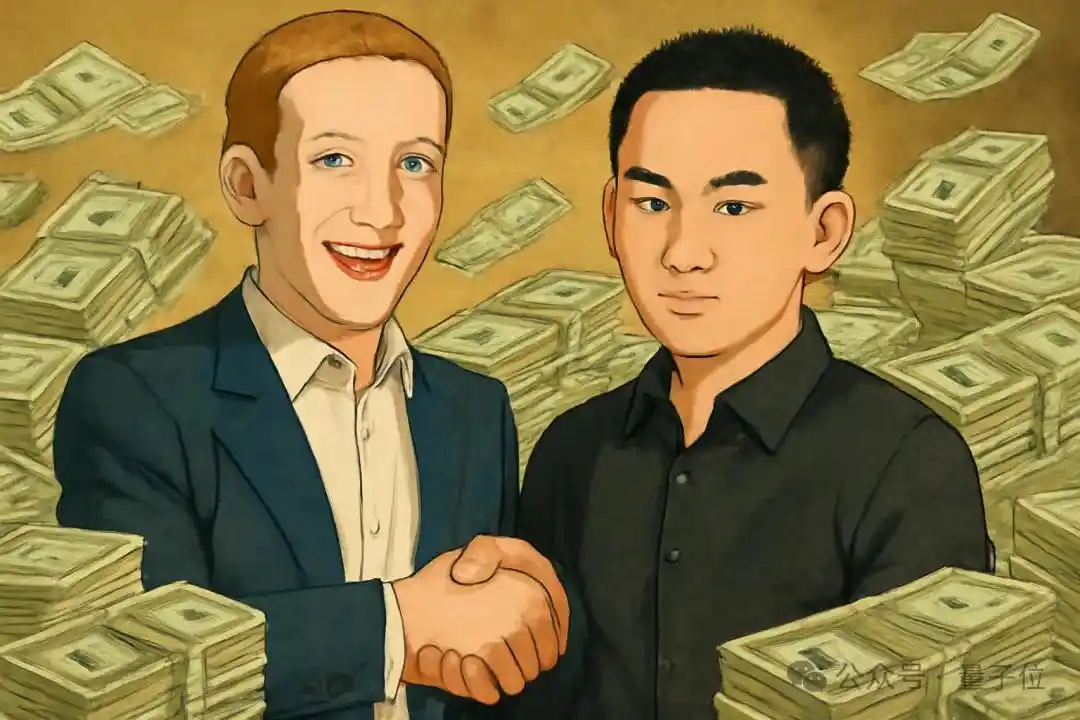
However, Meta CTO Andrew Bosworth later clarified that the widely circulated $100 million figure was not for everyone, nor was it a signing bonus paid upon joining. It likely referred to a total compensation package including stock, bonuses, tenure, and performance conditions.

So, whether Yu Jiahui personally received the "$100 million annual salary" remains unknown to us.

(Shrugs)

Even so, Yu Jiahui was still placed within the story of the "hundred-million-dollar man."

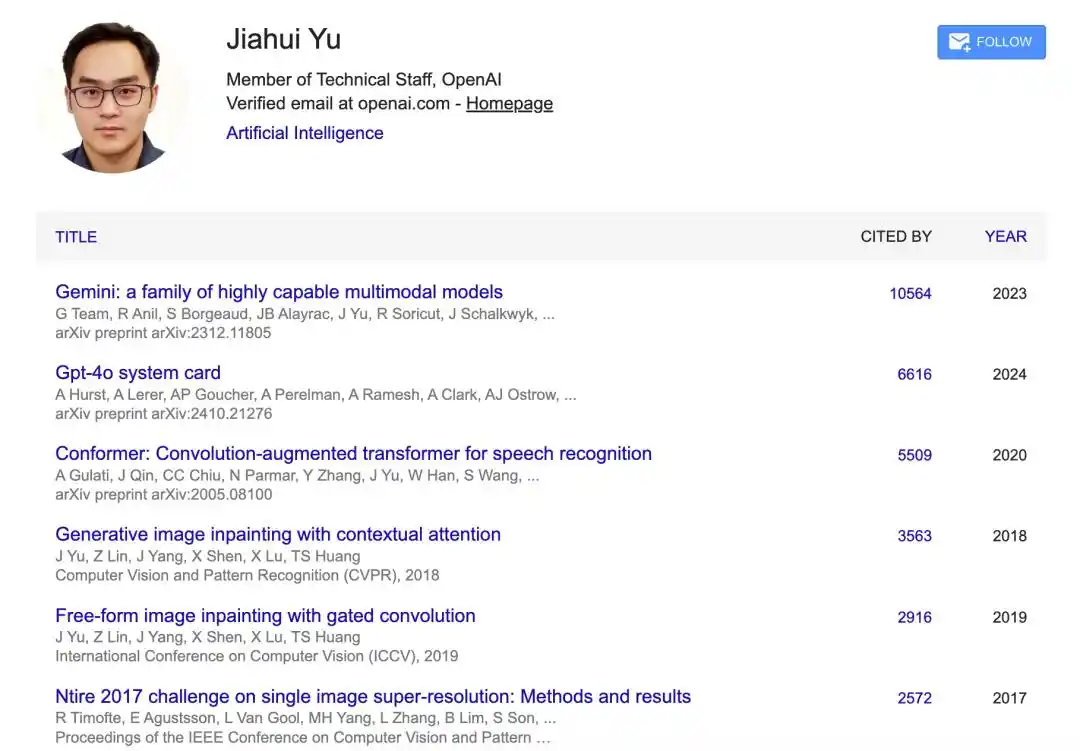
His resume also seems to have hit nearly every hot keyword in the large model field over the past few years.

Yu Jiahui completed his undergraduate studies at the School of the Gifted Young, University of Science and Technology of China, before pursuing his Ph.D. at UIUC under the supervision of computer vision scholar Thomas S. Huang.

During his Ph.D., he contributed to the development of DeepFill. Simply put, it allowed AI to erase unwanted objects from photos and automatically fill in the background.

Later, after joining Google Brain, he progressed from computer vision to multimodal large models, participating in and co-leading the Gemini multimodal direction.

After moving to OpenAI at the end of 2023, he led the Perception team, contributing to GPT-4o, GPT-4.1, and a series of o-series models.
Meta was precisely in need of someone like him at that time.

With Llama 4's performance falling short of expectations, Meta urgently needed a team to rebuild its frontier model capabilities.

Compared to researchers who only made breakthroughs in a single paper, Yu Jiahui had experience in low-level vision research, had participated in large model development at both Google and OpenAI, and possessed the experience of pushing multimodal capabilities into real products.

A year ago, people might have debated:

Was Yu Jiahui really worth the rumored nine-figure compensation package?

But now, the question has become:

What exactly does someone, whom even this level of compensation, computing power, and product opportunities cannot retain, want to do by leaving?

Indeed, for researchers who have reached Yu Jiahui's level, the conditions offered by big tech companies may be nearing the ceiling for employment.

Moving further up, the remaining path seems to be becoming a founder themselves~

Meta, Just How Many People Have You Lost?!

With Yu Jiahui's departure, netizens casually started checking Meta's household register.

One look, and the numbers were startling:

929.

The research paper platform alphaXiv pulled out a list of departed Meta researchers, claiming that before Yu Jiahui, over 200 well-known researchers had already left Meta.
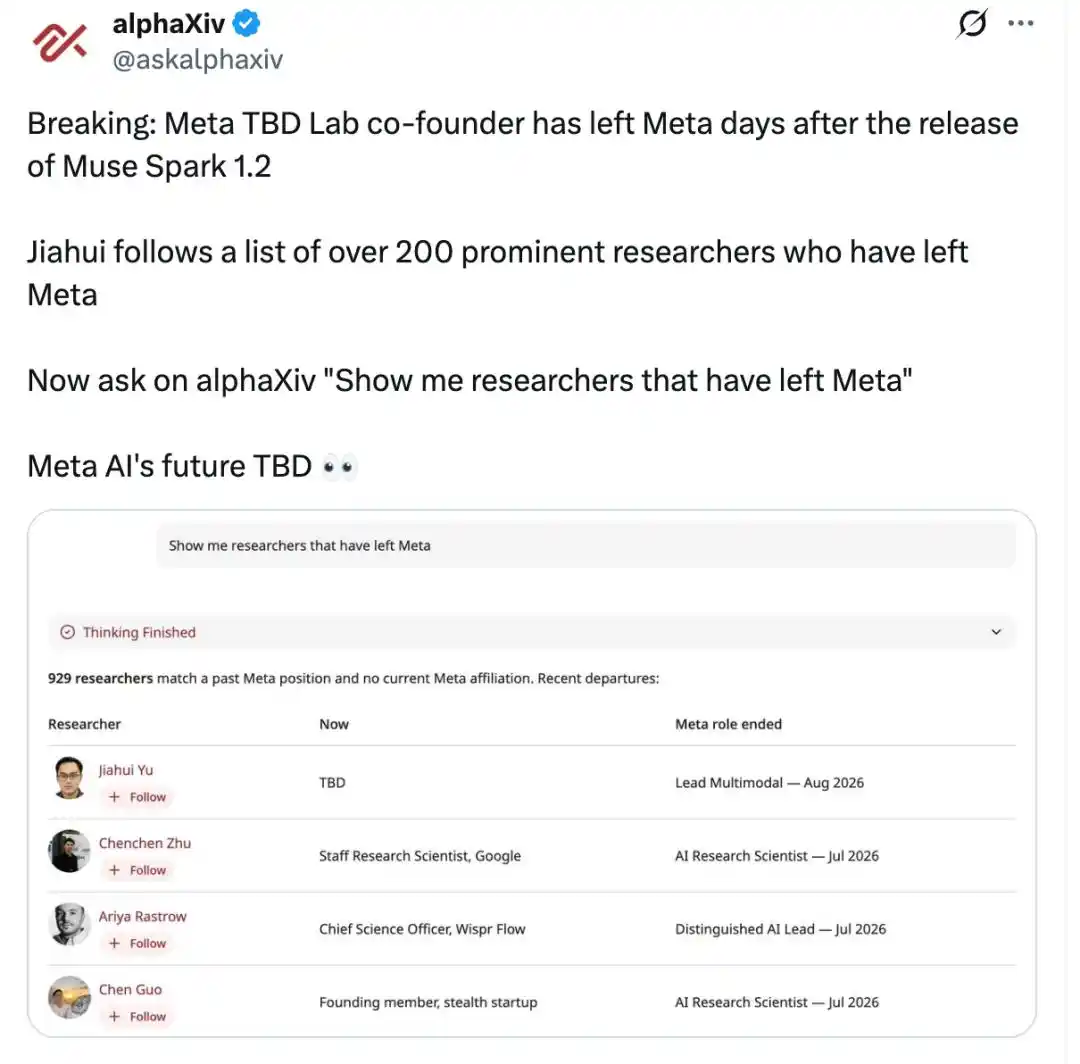
Its search page shows that a total of 929 researchers meet the criteria of "previously worked at Meta, currently not at Meta."

At the top of the list is Yu Jiahui.

Following closely are researchers who recently joined Google, became chief scientists at startups, or joined stealth startup projects.

alphaXiv didn't miss the chance to use the ready-made TBD pun, directly stating:

The future of Meta AI is also TBD (To Be Determined).

Whoa, at first glance, this Meta lab looks more like an AI talent transit hub...

Last year, when Meta was waving checks to poach talent, Altman stated:

The missionaries will ultimately defeat the mercenaries.

Now, even Yu Jiahui, whom Meta poached with heavy money, has left.

Is Zuck's talent acquisition strategy, which was mocked as employing "mercenaries," ultimately successful?

The answer is similarly TBD.

Reference Links:

[1]https://x.com/jiahuiyu/status/2087936732939616299?s=20

[2]https://x.com/askalphaxiv/status/2087973800952623416?s=20

This article is from the WeChat public account "QbitAI," author: Ting Yu

Câu hỏi Liên quan

QWho is the main subject of the article and what major career move did they announce?

AThe main subject is Jiahui Yu. He announced his departure from Meta to start his own company.

QWhat is the name of the core model research team Jiahui Yu was a part of at Meta, and what was its purpose?

AHe was a founding member of the TBD Lab, which was part of Meta Superintelligence Labs (MSL). Its purpose was to develop Meta's next-generation frontier models, with Yu leading the multimodal direction.

QAccording to the article, what significant product series did Jiahui Yu's team release at Meta, and what was the first major model called?

AHis team released the 'Muse' product series, which included Muse Spark, Voice Mode, Muse Image, and Muse Video. The first major foundational model was Muse Spark.

QWhat was the rumored compensation package offered to Jiahui Yu to join Meta, and how was it clarified by a Meta executive?

AIt was rumored to be a '1亿美元年薪' (a $100 million annual salary). Meta CTO Andrew Bosworth clarified that such figures were not a signing bonus for everyone but a total compensation package potentially including stock, bonuses, tenure, and performance conditions.

QWhat does the article suggest is a broader trend at Meta regarding AI researchers, based on data from alphaXiv?

AThe article suggests a significant trend of researchers leaving Meta. According to alphaXiv, over 200 known researchers had left before Jiahui Yu, with a total of 929 researchers meeting the criteria of having previously worked at Meta but no longer being there.

Nội dung Liên quan

Chủ tịch CFTC: Cơ quan sẽ tiếp tục công việc quản lý tiền mã hóa nếu luật CLARITY không được thông qua

Chủ tịch CFTC, Michael Selig, tuyên bố cơ quan này sẽ tiếp tục thúc đẩy quy định riêng cho ngành công nghiệp tiền mã hóa nếu Đạo luật CLARITY không được Quốc hội thông qua. Ông nhấn mạnh đây là cách để hỗ trợ Tổng thống Trump thực hiện lời hứa về môi trường pháp lý rõ ràng cho tiền số, đồng thời đã chỉ đạo nhân viên cho phép các tổ chức cung cấp giao dịch tiền mã hóa có đòn bẩy và nghiên cứu biện pháp bảo vệ nhà phát triển. Việc xem xét dự luật CLARITY tại Thượng viện hiện bị tạm dừng cho đến tháng 9. Dự luật cần 60 phiếu để thông qua, nhưng sự ủng hộ từ đảng Dân chủ vẫn chưa chắc chắn, một phần do những lo ngại về các vấn đề đạo đức liên quan đến khoản lợi nhuận 1,4 tỷ USD từ đầu tư tiền mã hóa của gia đình Trump. Phát biểu của Selig diễn ra sau cuộc gặp tại Nhà Trắng với Tổng thống Trump, người kêu gọi thông qua dự luật để Mỹ vượt Trung Quốc. Động thái của CFTC diễn ra song song với SEC, cơ quan vừa đề xuất bộ quy tắc mới cho tài sản số. CFTC hiện chỉ có một ủy viên được Thượng viện phê chuẩn là Selig. Dưới sự lãnh đạo của ông, CFTC cũng khẳng định thẩm quyền độc quyền đối với thị trường dự đoán và sẽ kiện các chính quyền tiểu bang phản đối quan điểm này.

cryptonews.ru1 giờ trước

Chủ tịch CFTC: Cơ quan sẽ tiếp tục công việc quản lý tiền mã hóa nếu luật CLARITY không được thông qua

cryptonews.ru1 giờ trước

DeFi Trở Lại Với Sức Mạnh Mới: Cơn Sốt DEX 10 Tỷ USD Đẩy TVL Vượt Quá 83 Tỷ USD

Dữ liệu TVL từ Defillama vào sáng ngày 20 tháng 8 cho thấy tổng giá trị bị khóa (TVL) trong các giao thức DeFi đã vượt 83,2 tỷ USD, tăng mạnh so với ngày trước đó. Khối lượng giao dịch trên các sàn giao dịch phi tập trung (DEX) spot đạt 10,886 tỷ USD, đây là lần đầu tiên vượt ngưỡng 10 tỷ USD kể từ đầu tháng 6. Trong khi đó, khối lượng trên các nền tảng phái sinh phi tập trung đạt 36,72 tỷ USD. Sự bùng nổ này trùng với đợt tăng giá rộng hơn trên thị trường tiền mã hóa. Uniswap tiếp tục dẫn đầu về khối lượng DEX, trong khi Solana là blockchain hoạt động mạnh nhất trong lĩnh vực này, cho thấy sự thống trị của Ethereum trong DeFi đang giảm dần. Ở mảng phái sinh, Hyperliquid thống trị thị trường hợp đồng tương lai vĩnh cửu, chiếm khoảng 45% tổng khối lượng giao dịch phi tập trung. Token HYPE của nền tảng này cũng tăng giá. Mặc dù có dấu hiệu phục hồi mạnh mẽ, TVL của toàn ngành DeFi vẫn còn cách xa mức đỉnh 180 tỷ USD năm 2021. Thách thức chính hiện nay là liệu mức khối lượng cao và dòng tiền này có thể duy trì bền vững hay sẽ nhanh chóng biến mất khi biến động thị trường giảm bớt.

cryptonews.ru1 giờ trước

DeFi Trở Lại Với Sức Mạnh Mới: Cơn Sốt DEX 10 Tỷ USD Đẩy TVL Vượt Quá 83 Tỷ USD

cryptonews.ru1 giờ trước

Bóc trần ở đây: Lừa đảo tìm ra cách mới để lừa người chơi Hamster Kombat

Vào mùa hè năm 2026, lừa đảo liên quan đến trò chơi Hamster Kombat gia tăng, lợi dụng sự kiện ra mắt ví tiền điện tử Gram của Telegram và biến động mạnh về giá token HMSTR. Tội phạm mạng đã tạo ra hàng loạt kênh Telegram và trang web giả mạo, hứa hẹn giúp người chơi bán hoặc chuyển token HMSTR một cách có lợi. Chúng khai thác sự thiếu hiểu biết của người dùng về cách hoạt động của ví Gram mới và tâm lý vội vàng tận dụng lúc giá token tăng đột biến (như vào các ngày 12/6, 4/7 và 9/8). Các trang web lừa đảo yêu cầu người dùng nhập thông tin xác thực, mã xác nhận SMS, thậm chí là cụm từ khóa (seed phrase) của ví, qua đó chiếm đoạt tài khoản Telegram hoặc token. Chuyên gia cảnh báo rằng đây là hình thức lừa đảo phổ biến trong thị trường tiền điện tử. Họ khuyến cáo người dùng không bao giờ chia sẻ thông tin bảo mật, chỉ giao dịch qua các nền tảng chính thức đã biết, kiểm tra kỹ mọi giao dịch trước khi ký và cảnh giác với những đề nghị "khẩn cấp" hoặc "ưu đãi có thời hạn". Sự hồi sinh ngắn hạn của HMSTR chủ yếu thu hút sự chú ý của kẻ xấu nhằm vào những nhà đầu tư nhỏ lẻ hi vọng kiếm lời nhanh.

cryptonews.ru1 giờ trước

Bóc trần ở đây: Lừa đảo tìm ra cách mới để lừa người chơi Hamster Kombat

cryptonews.ru1 giờ trước

Các nhà nghiên cứu liên kết việc hack thư viện arrayref trong Rust với các tin tặc Bắc Triều Tiên

Các nhà nghiên cứu bảo mật liên kết vụ tấn công thư viện "arrayref" của Rust với hacker Triều Tiên. Cuộc tấn công chuỗi cung ứng đã lây nhiễm một gói Rust được sử dụng rộng rãi, với khoảng 244 triệu lượt tải xuống. Bản cập nhật độc hại giấu một backdoor đánh cắp thông tin xác thực bên trong mã nguồn. Các chuyên gia từ Wiz, Mandiant và Microsoft chỉ ra mối liên hệ với chiến dịch Mastra của nhóm Sapphire Sleet (hay UNC1069) thuộc Triều Tiên. Chúng sử dụng cùng một kênh điều khiển, chứng chỉ bảo mật và nhà cung cấp hosting (Hostwinds) với các vụ tấn công trước đó. Kẻ tấn công đã thêm một phần phụ thuộc độc hại có tên "proc-macro1" - một biến thể giả mạo của thư viện "proc-macro2" hợp pháp. Khi phần mềm được biên dịch, backdoor sẽ được kích hoạt, đánh cắp mật khẩu từ các trình duyệt Chrome, Brave, Edge và tự thiết lập để tồn tại lâu dài trên các hệ thống Windows, Mac và Linux. Lỗ hổng tồn tại trong 86 phút trước khi bị gỡ bỏ. Đây được coi là vụ xâm phạm lớn nhất trong hệ sinh thái Rust tính theo số lượt tải xuống. Các báo cáo gần đây cũng cho thấy các nhóm liên quan đến Triều Tiên đứng sau khoảng 76% tổng giá trị tiền mã hóa bị đánh cắp qua hack tính đến tháng 4/2026.

cryptonews.ru1 giờ trước

Các nhà nghiên cứu liên kết việc hack thư viện arrayref trong Rust với các tin tặc Bắc Triều Tiên

cryptonews.ru1 giờ trước

Giao dịch

Giao ngay
活动图片