Pennsylvania Bill Could Bar Sportsbooks from Participating in Prediction Market-Making

cryptonews.ruXuất bản vào 2026-07-28Cập nhật gần nhất vào 2026-07-28

Tóm tắt

A bipartisan group of lawmakers in Pennsylvania introduced House Bill 2711, which could prohibit gambling companies, including sportsbooks, from serving as liquidity providers or market makers on prediction market platforms. The bill aims to separate prediction market infrastructure from gambling entities. It would ban platforms from contracting or sharing revenue with companies engaged in gambling and imposes consumer protections, including age restrictions and bans on markets related to minors, health, and death. Unlike proposals in other states, it seeks to regulate rather than ban prediction markets, focusing on restricting liquidity sources. The bill contrasts with another Pennsylvania proposal (HB 2497) that would license and tax such platforms. This legislative push occurs amid a national debate over whether prediction contracts are gambling or financial derivatives, following a recent federal court ruling that federal commodity law preempts state gambling laws for CFTC-registered exchanges.

A group of bipartisan Pennsylvania legislators has introduced a bill that could prohibit sportsbooks and other gambling companies from serving as liquidity providers or market makers on prediction platforms. House Bill 2711 was introduced on July 22 by Representative Tarik Khan and referred to the House Consumer Protection, Technology and Utilities Committee. It has a total of 24 co-sponsors—20 Democrats and four Republicans.

The bill would ban a provider from offering a prediction market in Pennsylvania if its liquidity provider or market maker knowingly engages in gambling activities in the course of regular business, both within and outside the state. The restriction applies to parent companies, subsidiaries, affiliates, joint ventures, employees, and legal entities operating for the financial interest of another company.

Prediction platforms would also be barred from entering into contracts or sharing revenue with companies ordinarily engaged in gambling. A new chapter in the bill dedicated to prediction markets does not define the term “gambling activity” nor clarify how these provisions would apply to platforms affiliated with sports betting operators, leaving uncertainty about how broadly courts or regulators would apply this restriction.

This provision emerges as traditional sports betting groups move beyond consumer-facing prediction apps to the infrastructure underpinning their contracts. Companies like DraftKings and Flutter engage in market-making activities, and DraftKings recently launched its own DKeX exchange after acquiring CFTC-registered firm Railbird Technologies.

If HB 2711 is passed and applied broadly, it could prevent sportsbook-controlled market makers from supporting contracts offered to Pennsylvania residents. It could also complicate partnerships where a prediction exchange shares revenue with a casino, sportsbook, or gambling-affiliated company. Furthermore, unlike proposals in several other states, this bill treats prediction markets as an activity to be regulated, not banned. Thus, the focus of the restrictions imposed on gambling operators is limiting liquidity, not an outright prohibition.

The bill sets a minimum age of 21 and requires platforms to exclude self-excluded users, company employees, employees of settling organizations, and individuals with insider information. Providers would need to implement commercially reasonable safeguards against fraud, manipulation, and misuse of material nonpublic information. Additionally, the bill prohibits markets related to scholastic sports, sporting events involving minors, individual health conditions, and so-called “death markets”—contracts tied to a person’s death, attempted murder, assassination, or mass casualty events. Athletes, coaches, officials, candidates, campaign staff, and others capable of influencing an event’s outcome could be held liable for trading related contracts.

Since this proposal does not establish a licensing regime, enforcement functions are assigned to the Attorney General, who would gain powers to investigate, impose fines, and shut down platforms operating in violation. This distinguishes it from House Bill 2497, introduced on May 8 by Representative Danilo Burgos and co-sponsored by Khan, which is before the House Gaming Oversight Committee. The earlier bill proposed licensing by the Pennsylvania Gaming Control Board, with fees of $1 million for an initial permit and $1 million annually, a tax of 20% on prediction betting gross revenue plus a 2% local assessment, and fines for unlicensed operators of up to $25,000.

A combined 22% rate would be significantly lower than what Pennsylvania already charges its licensed operators, who pay 36% on sports betting revenue and 54% on online slots revenue—among the highest rates in the nation. Burgos framed his bill around what he calls “regulatory arbitrage,” arguing that platforms claiming to offer financial derivatives rather than gambling products circumvent safeguards established for casinos and sportsbooks.

These two measures did not emerge as competing initiatives but developed in parallel: in March, Burgos circulated a memo on licensing and taxation, and in late April, Khan filed his insider trading bill. Khan is a co-sponsor of both bills, and in contemporary publications they are described as complementary measures: HB 2497 treats sports event contracts as bets regulated by the state, while HB 2711 supplements them with conduct and consumer protection rules.

Pennsylvania’s gambling regulator has taken a more confrontational stance. In May, the PGCB informed the Commodity Futures Trading Commission (CFTC) that sports event contracts constitute illegal wagers under state law and accused federally regulated exchanges of operating as unlicensed sportsbooks accessible to individuals under 21. Pennsylvania also joined a coalition of 40 states arguing that sports event contracts should fall under state gambling oversight.

On April 6, the Third Circuit Court of Appeals in KalshiEX LLC v. Flaherty ruled 2–1 that the Commodity Exchange Act preempts state gambling laws concerning sports event contracts on CFTC-registered exchanges and upheld an injunction preventing New Jersey from taking enforcement action against Kalshi. This precedent is binding on federal courts in Pennsylvania. In her dissent, Judge Jane Roth argued that Kalshi’s contracts are “virtually indistinguishable” from products offered by DraftKings and FanDuel—the very intersection targeted by HB 2711’s liquidity provisions, but from the opposite side.

Neither Pennsylvania bill has received a committee vote or hearing. Nevertheless, HB 2711 introduces a new fault line in the nationwide struggle: states may not only challenge whether prediction markets can function but also attempt to separate their trading infrastructure from the gambling companies increasingly seeking to control it.

end-content

Tiền kỹ thuật số thịnh hành

Câu hỏi Liên quan

QWhat is the main objective of Pennsylvania House Bill No 2711?

AThe bill aims to prohibit sportsbooks and other gambling companies from serving as liquidity providers or market makers on prediction markets platforms in Pennsylvania.

QHow might HB 2711 affect companies like DraftKings if passed broadly?

AIt could prevent their affiliated market makers from supporting contracts offered to Pennsylvania residents and complicate revenue-sharing partnerships between prediction exchanges and gambling entities.

QHow does HB 2711 differ from the earlier Pennsylvania bill HB 2497 in its regulatory approach?

AHB 2711 focuses on consumer protection rules and conduct, granting enforcement power to the Attorney General without a licensing regime, while HB 2497 proposes a state licensing and taxation system for prediction markets as gambling activities.

QWhat significant legal precedent is mentioned that could impact Pennsylvania's ability to regulate prediction markets?

AThe Third Circuit Court's ruling in KalshiEX LLC v. Flaherty, which held that the Commodity Exchange Act preempts state gambling laws for event contracts on CFTC-registered exchanges, setting a binding precedent for federal courts in Pennsylvania.

QWhat key consumer protection measures are outlined in HB 2711?

AIt sets a minimum age of 21, requires platforms to exclude certain individuals (like those self-excluded or with insider information), mandates fraud protections, and bans markets on topics like youth sports, individual health, and 'death markets'.

Nội dung Liên quan

3% hoàn tiền, 6% lãi suất năm và thẻ ghi nợ: Elon Musk ra mắt X Money tại Mỹ

Mạng xã hội X (trước đây là Twitter) vào ngày 27 tháng 7 năm 2026 đã công bố ra mắt dịch vụ tài chính tích hợp X Money tại Mỹ, hiện chỉ dành cho người đăng ký gói Premium và Premium+. Người dùng từ 18 tuổi trở lên có tài khoản xác minh có thể sử dụng dịch vụ. Tiền của người dùng được lưu trữ và bảo hiểm tại các ngân hàng đối tác, với mức bảo hiểm FDIC lên tới 10 triệu USD. Dịch vụ cung cấp thẻ ghi nợ X Card (ảo hoặc vật lý), hỗ trợ Apple/Google Pay, với các tính năng: chuyển tiền miễn phí ngay lập tức trong mạng X, hoàn tiền 3% cho hầu hết giao dịch, rút tiền mặt miễn phí toàn cầu, không phí giao dịch nước ngoài. Người dùng cũng có thể nhận lãi suất lên đến 6%/năm trên số dư, nhận lương sớm hơn 2 ngày, và thực hiện các giao dịch ngân hàng khác. X Money sử dụng xác thực bằng sinh trắc học/PIN, có chính sách bảo vệ chống gian lận của Visa. Dịch vụ được thử nghiệm nội bộ trước khi ra mắt. Động thái này đánh dấu bước phát triển của X từ mạng xã hội thành một nền tảng số tích hợp cả giao tiếp và tài chính. So với các nỗ lực tương tự trong quá khứ (ví dụ Meta Novi), X Money tập trung vào cơ sở hạ tầng ngân hàng truyền thống thay vì tiền điện tử, nhằm giảm rủi ro về mặt quy định.

cryptonews.ru1 phút trước

3% hoàn tiền, 6% lãi suất năm và thẻ ghi nợ: Elon Musk ra mắt X Money tại Mỹ

cryptonews.ru1 phút trước

Vị thế mua Bitcoin trị giá 134 triệu USD 'bốc hơi' khi giá BTC giảm xuống dưới 63.000 USD trước cuộc họp then chốt của Fed

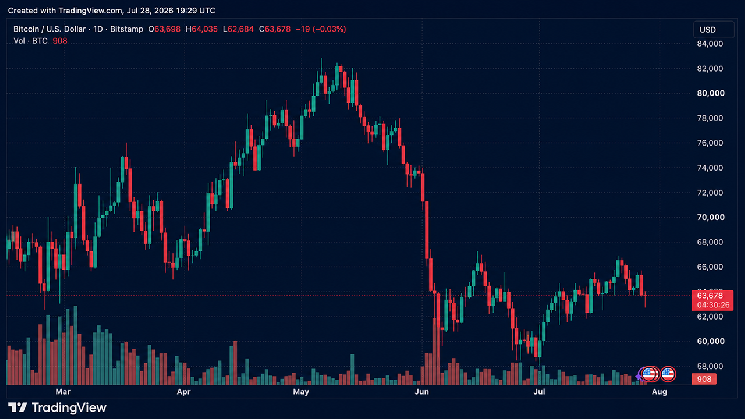
Giá Bitcoin đã giảm mạnh hôm thứ Ba, có lúc chạm mức thấp nhất trong ngày là 62.684 USD, dẫn đến việc thanh lý các vị thế mua đòn bẩy trị giá 134 triệu USD. Mặc dù đã phục hồi một phần, BTC vẫn giao dịch quanh mức 63.660 USD, giảm gần 2% trong ngày. Tổng tổn thất thanh lý liên quan đến Bitcoin vượt 156 triệu USD. Tuần này được coi là quan trọng, với cuộc họp của Ủy ban Thị trường Mở Fed, dữ liệu chỉ số giá tiêu dùng cá nhân (PCE) cốt lõi và báo cáo thu nhập của các công ty lớn như Apple dự kiến sẽ định hướng thị trường. Chuyên gia Mike McClosky nhấn mạnh rằng họp báo của Chủ tịch Fed Kevin Warsh sẽ cung cấp manh mối quan trọng về triển vọng chính sách tiền tệ. Ông cho rằng một kịch bản thuận lợi bao gồm GDP phù hợp với dự báo và lạm phát PCE cốt lõi giảm, có thể giúp Bitcoin thử thách vùng 68.000-70.000 USD vào tháng 8. Ngược lại, nếu dữ liệu mạnh hơn dự kiến và giọng điệu "diều hâu" từ Fed, mức giá 58.000-60.000 USD có thể nhanh chóng trở lại. Thị trường đang chờ đợi kết quả từ các sự kiện then chốt trong tuần này.

cryptonews.ru21 phút trước

Vị thế mua Bitcoin trị giá 134 triệu USD 'bốc hơi' khi giá BTC giảm xuống dưới 63.000 USD trước cuộc họp then chốt của Fed

cryptonews.ru21 phút trước

Luật Minh Bạch (Clarity Act), dự luật tiền điện tử được giới 'lạc quan' ủng hộ, có những điểm thiếu sót: Cần hành động ngay hôm nay

Nhà báo tiền điện tử Eleanor Terrett cho biết khả năng Thượng viện Hoa Kỳ bỏ phiếu thông qua dự luật CLARITY Act trước kỳ nghỉ hè vào tháng 8 là không cao. Dự luật này nhằm thiết lập khuôn khổ pháp lý cho thị trường tiền điện tử và được ủng hộ bởi giới đầu tư lạc quan ("bulls"). Kỳ vọng về việc Lãnh đạo Đa số Thượng viện John Thune đệ trình đề xuất chấm dứt tranh luận để đưa dự luật ra bỏ phiếu trong tuần này đang giảm dần. Theo thủ tục, ông Thune cần hành động ngay hôm nay để một cuộc bỏ phiếu có thể diễn ra vào thứ Năm. Tuy nhiên, các nguồn tin thân cận cho rằng ưu tiên có lẽ sẽ được dành cho một dự luật về trừng phạt Nga và Iran. Vì vậy, sự chú ý của ngành công nghiệp tiền điện tử hiện đang hướng đến tuần tới. Các đại diện trong ngành nhấn mạnh rằng ngay cả khi cuộc bỏ phiếu cuối cùng cho Đạo luật CLARITY không diễn ra trước kỳ nghỉ, thì việc lãnh đạo Thượng viện ít nhất cũng bắt đầu quy trình chấm dứt tranh luận trước thời gian nghỉ vào tháng 8 là vô cùng quan trọng. Nếu quy trình này không được khởi động, việc xem xét dự luật có thể bị trì hoãn đến phiên họp mùa thu, làm chậm trễ hơn nữa các quy định toàn diện cho thị trường tiền điện tử tại Hoa Kỳ.

cryptonews.ru42 phút trước

Luật Minh Bạch (Clarity Act), dự luật tiền điện tử được giới 'lạc quan' ủng hộ, có những điểm thiếu sót: Cần hành động ngay hôm nay

cryptonews.ru42 phút trước

Giao dịch

Giao ngay

Bài viết Nổi bật

Làm thế nào để Mua BILL

Chào mừng bạn đến với HTX.com! Chúng tôi đã làm cho mua Billions Network (BILL) trở nên đơn giản và thuận tiện. Làm theo hướng dẫn từng bước của chúng tôi để bắt đầu hành trình tiền kỹ thuật số của bạn.Bước 1: Tạo Tài khoản HTX của BạnSử dụng email hoặc số điện thoại của bạn để đăng ký tài khoản miễn phí trên HTX. Trải nghiệm hành trình đăng ký không rắc rối và mở khóa tất cả tính năng. Nhận Tài khoản của tôiBước 2: Truy cập Mua Crypto và Chọn Phương thức Thanh toán của BạnThẻ Tín dụng/Ghi nợ: Sử dụng Visa hoặc Mastercard của bạn để mua Billions Network (BILL) ngay lập tức.Số dư: Sử dụng tiền từ số dư tài khoản HTX của bạn để giao dịch liền mạch.Bên thứ ba: Chúng tôi đã thêm những phương thức thanh toán phổ biến như Google Pay và Apple Pay để nâng cao sự tiện lợi.P2P: Giao dịch trực tiếp với người dùng khác trên HTX.Thị trường mua bán phi tập trung (OTC): Chúng tôi cung cấp những dịch vụ được thiết kế riêng và tỷ giá hối đoái cạnh tranh cho nhà giao dịch.Bước 3: Lưu trữ Billions Network (BILL) của BạnSau khi mua Billions Network (BILL), lưu trữ trong tài khoản HTX của bạn. Ngoài ra, bạn có thể gửi đi nơi khác qua chuyển khoản blockchain hoặc sử dụng để giao dịch những tiền kỹ thuật số khác.Bước 4: Giao dịch Billions Network (BILL)Giao dịch Billions Network (BILL) dễ dàng trên thị trường giao ngay của HTX. Chỉ cần truy cập vào tài khoản của bạn, chọn cặp giao dịch, thực hiện giao dịch và theo dõi trong thời gian thực. Chúng tôi cung cấp trải nghiệm thân thiện với người dùng cho cả người mới bắt đầu và người giao dịch dày dạn kinh nghiệm.

Tổng lượt xem 489Xuất bản vào 2026.05.07Cập nhật vào 2026.06.02

Làm thế nào để Mua BILL

Thảo luận

Chào mừng đến với Cộng đồng HTX. Tại đây, bạn có thể được thông báo về những phát triển nền tảng mới nhất và có quyền truy cập vào thông tin chuyên sâu về thị trường. Ý kiến ​​của người dùng về giá của BILL (BILL) được trình bày dưới đây.

活动图片