On the evening of July 7th, L'CI Technology (002617.SZ) issued an announcement, formally terminating two silicon carbide fundraising projects from its 2021 private placement, and permanently using the remaining funds of 1.217 billion yuan to replenish working capital. In the eight trading days following the announcement, the company's stock price fell by nearly 40% cumulatively.
The 'guillotine' on the K-line chart cut not only market confidence but also the blueprint for a hundred-billion-yuan silicon carbide business that L'CI Technology had been painting since 2020.
In 2020, L'CI Technology made a high-profile foray into third-generation semiconductors, planning investments on a scale of tens of billions, and launched two private placements. Six years later, the final account shows that the two placements raised a total of about 3.2 billion yuan, with less than 300 million yuan actually invested in silicon carbide project construction, and the remaining approximately 2.9 billion yuan was "repurposed" through working capital replenishment, loan repayments, and other methods.
More alarmingly, even as the "old pie" remains unfinished, a "new pie" is already on the way. While terminating the projects, the company emphasized it would continue to advance its 8-inch and 12-inch silicon carbide substrate business using its own or self-raised funds. However, the reality is that competitors' technology races and capacity expansions have already shifted entirely from 6-inch to 8-inch and even 12-inch, with the industry landscape largely taking shape. Yet, the current status of the company's silicon carbide technology's "key man"—Chief Scientist Chen Zhizhan—remains ambiguous in the company's disclosures.
Looking at a longer time horizon, since its listing in 2011, L'CI Technology has been frantically expanding in all directions, frequently engaging in "trend-chasing" acquisitions and investments. Its main business has expanded from enameled wire successively into electromechanical, sapphire, new energy vehicles, photovoltaics, silicon carbide, aerial work platforms, and more. But after years of upheaval, it has achieved few successes. According to Wind data, the company's cumulative direct financing since listing amounts to 7.069 billion yuan (including IPO and multiple private placements, bond financing), while its cumulative realized profits total only 221 million yuan, with cumulative dividends of only 88.8312 million yuan. In stark contrast, the company's controlling shareholders have been busy cashing out. According to incomplete statistics, since 2018, the controlling family has cashed out approximately 1.993 billion yuan cumulatively, and in early June announced another plan to sell up to 33.4105 million shares.
L'CI Technology's journey since its listing over the past decade-plus presents a case study in capital operations centered on financing as the backdrop and trend-chasing as the core. Reviewing L'CI Technology may serve as a mirror, reflecting the frenzy of the A-share market and warning "overheated" investors.
The Path of "Pie-in-the-Sky" Silicon Carbide Fundraising: 3.2 Billion Yuan
L'CI Technology's layout in silicon carbide substrates began in 2020. At that time, China's third-generation semiconductor industry was entering a policy window, and L'CI Technology made a high-profile entry. In August, it announced a major plan to jointly invest with Changfeng County, Hefei City, in building a third-generation power semiconductor (silicon carbide) industrial park, with the estimated investment scale reaching 100 billion yuan. According to the plan, Phase I required an investment of 2.1 billion yuan, aiming for an annual production capacity of 240,000 conductive silicon carbide substrate wafers and 50,000 epitaxial wafers. It was projected to be completed within 12 months, with expected steady-state annual revenue of 1.274 billion yuan and net profit of 152 million yuan. In October of that year, the project entity, Hefei L'CI Semiconductor Material Co., Ltd. (hereinafter "Hefei L'CI"), was quickly registered and established.
To support this grand narrative, L'CI Technology launched two consecutive private placements within three years:
First Placement (launched April 2020, completed February 2021): Announced the plan in April 2020, aiming to raise 1 billion yuan. It was actually completed in February 2021, raising only 643 million yuan (net amount 615 million yuan). Of this, 285 million yuan was designated for a "New Silicon Carbide Substrate Wafer Industrialization Project" (4-inch/6-inch), 30 million yuan for a Silicon Carbide R&D Center project, and 300 million yuan to repay bank loans. However, as of December 31, 2021, only 20.4 million yuan had been invested in the industrialization project, only 3.895 million yuan in the R&D center, while the 300 million yuan for loan repayment was fully utilized. On September 30, 2022, the company's board approved terminating these two fundraising projects and permanently using the remaining funds (96.05%) to replenish working capital.
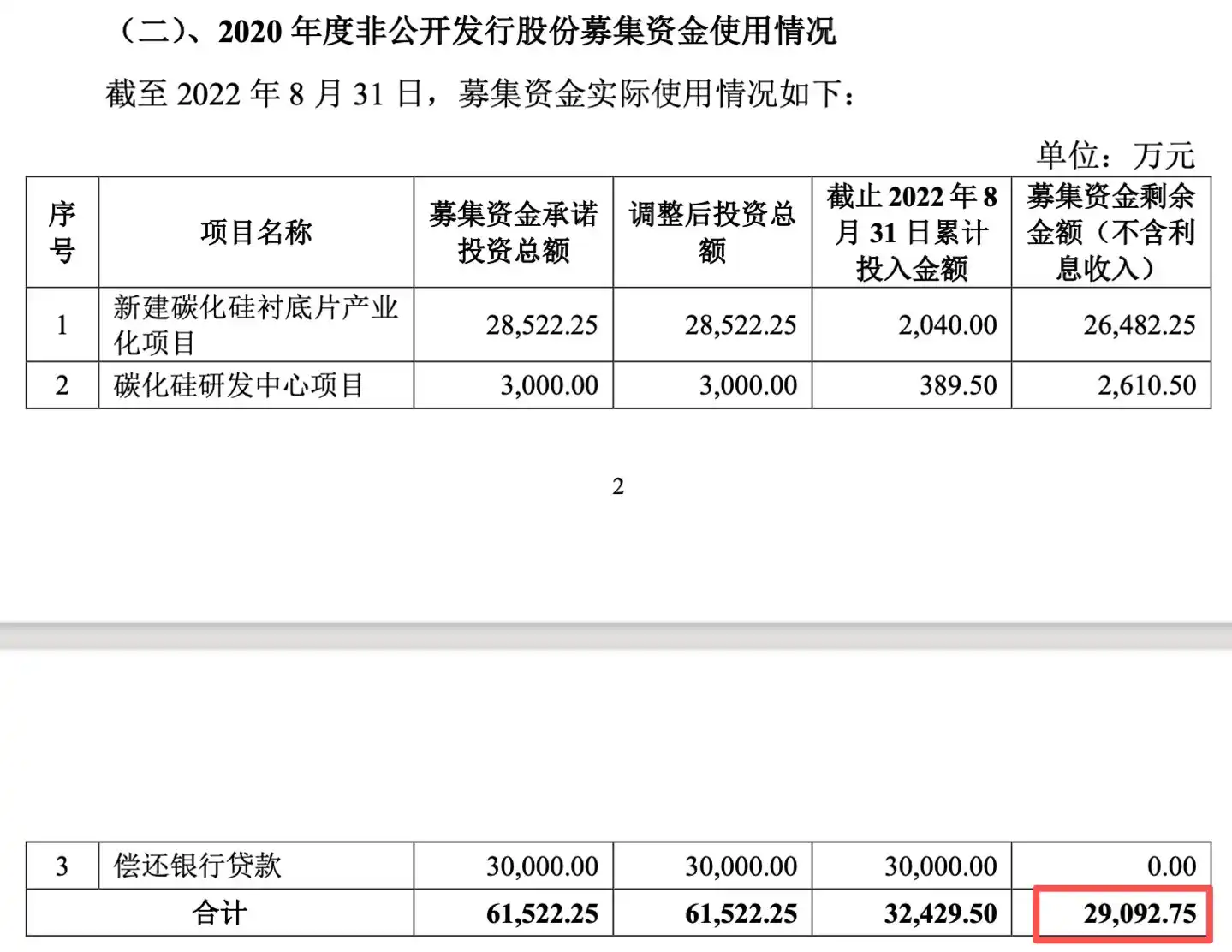
(Source: L'CI Technology Announcement dated October 1, 2022)
Second Placement (private placement plan disclosed November 23, 2021, completed June 2022. At the time of the second placement's completion, most funds from the first placement's silicon carbide projects remained unused): Total funds raised were 2.567 billion yuan (net 2.513 billion yuan). Of this, 1.94 billion yuan was designated for the Phase I project of the Third-Generation Power Semiconductor (Silicon Carbide) Industrial Park (6-inch), and 445 million yuan for the Large-Size Silicon Carbide Substrate R&D Center project (8-inch). However, progress was slow. In January 2026, the company scaled down the industrial park project's investment scale from 1.94 billion yuan to 990 million yuan, using the saved 950 million yuan to permanently replenish working capital. In July 2026, the company completely terminated these two projects, using all remaining funds of 1.217 billion yuan to permanently replenish working capital.
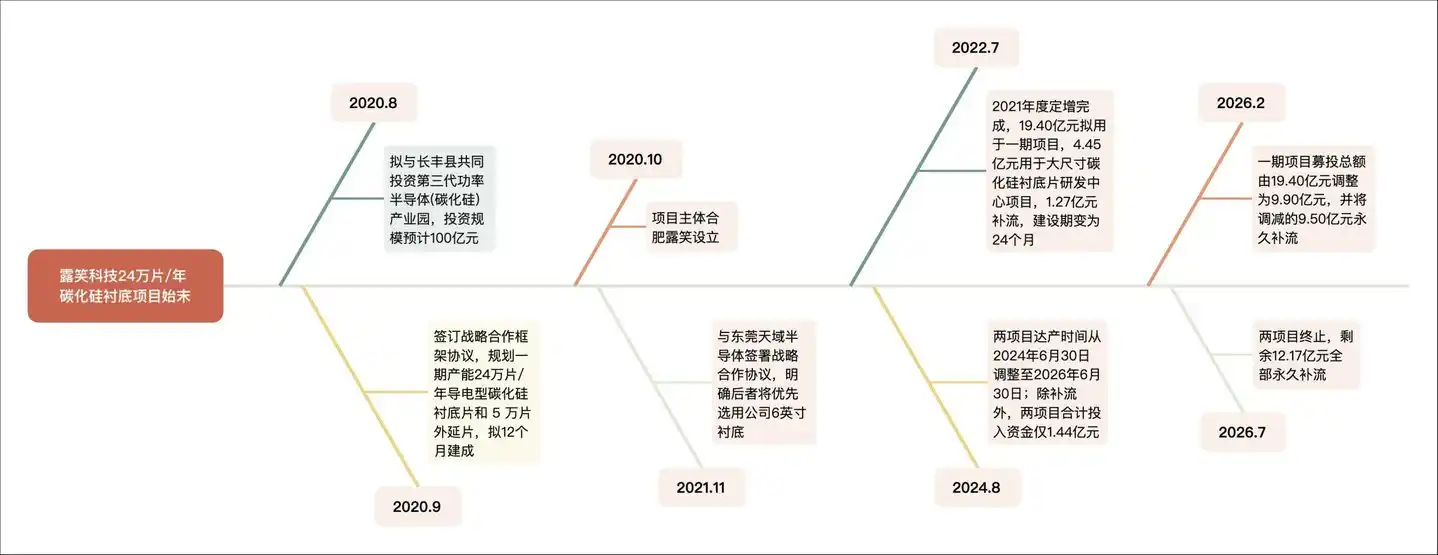
(The whole story of L'CI Technology's 240,000 pieces/year silicon carbide substrate project. Chart by Company Observer based on company announcements)
The two private placements together raised a net amount of approximately 3.156 billion yuan, but only about 242 million yuan was actually invested in silicon carbide equipment/production line construction and R&D, accounting for only about 7.75%. The remaining approximately 2.9 billion yuan was used through working capital replenishment, loan repayment, and other methods.
However, before the projects were terminated, the company repeatedly expressed confidence and prospects for the project construction in periodic reports and investor relations activities. In November 2021, it also announced a high-profile "Strategic Cooperation Agreement" with Dongguan Tianyu Semiconductor Technology Co., Ltd., explicitly stating that the latter would give priority to purchasing the company's 6-inch silicon carbide substrates.
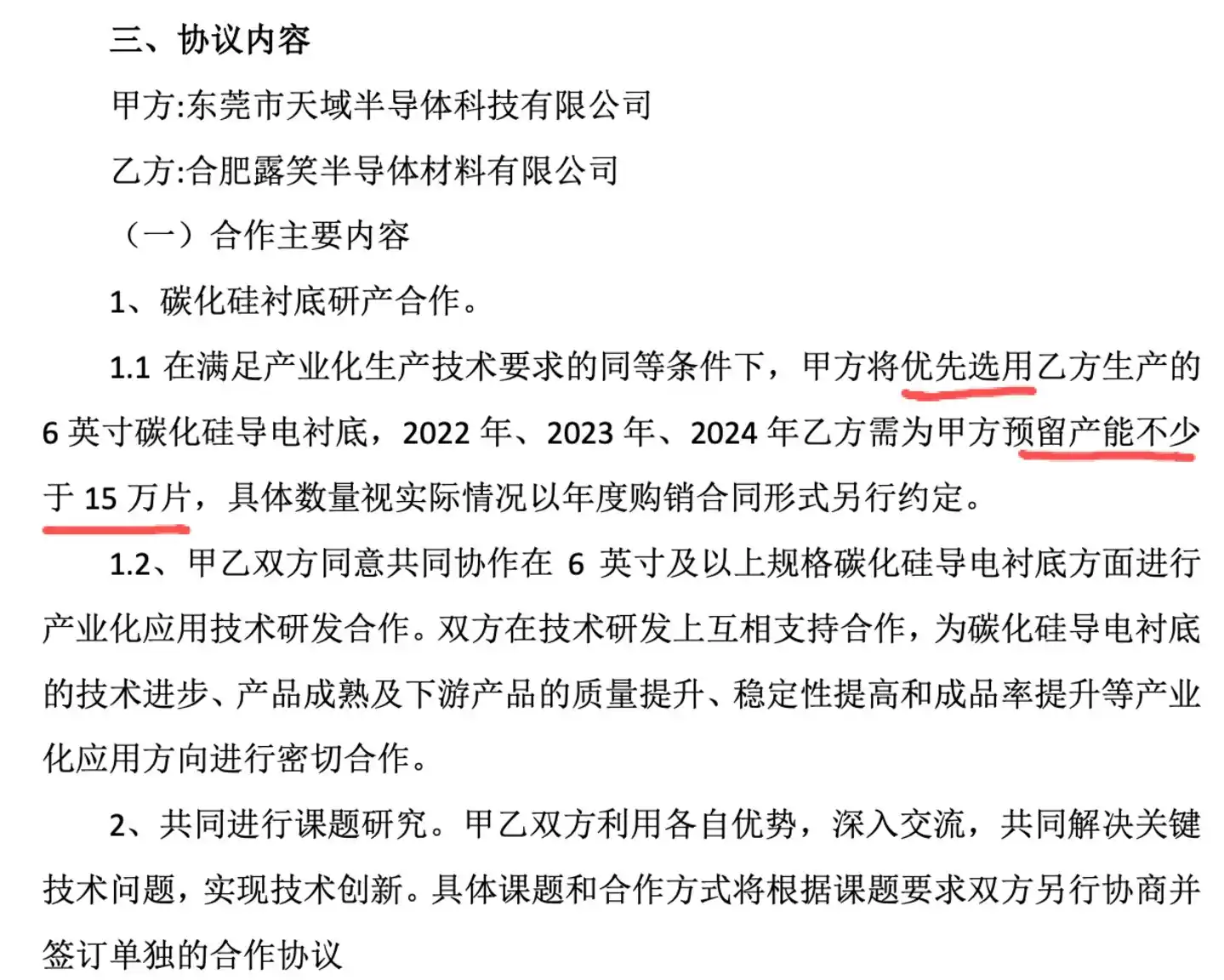
(Source: L'CI Technology 2021 Announcement)
Yet, two years passed, then another two, and the Phase I project remained slow. In its July 7th evening announcement this year, the company gave its reasons for terminating the two projects: overcapacity and oversupply of 6-inch silicon carbide substrates, and that the company's R&D investment in large-size substrates already met existing R&D needs.
Industry data partly supports this judgment—the average price of Tianke Heda's 6-inch substrates has continuously dropped from 4,780.67 yuan/piece in 2023 to 1,695.96 yuan/piece in 2025, and global silicon carbide pioneer Wolfspeed also filed for bankruptcy in 2025.
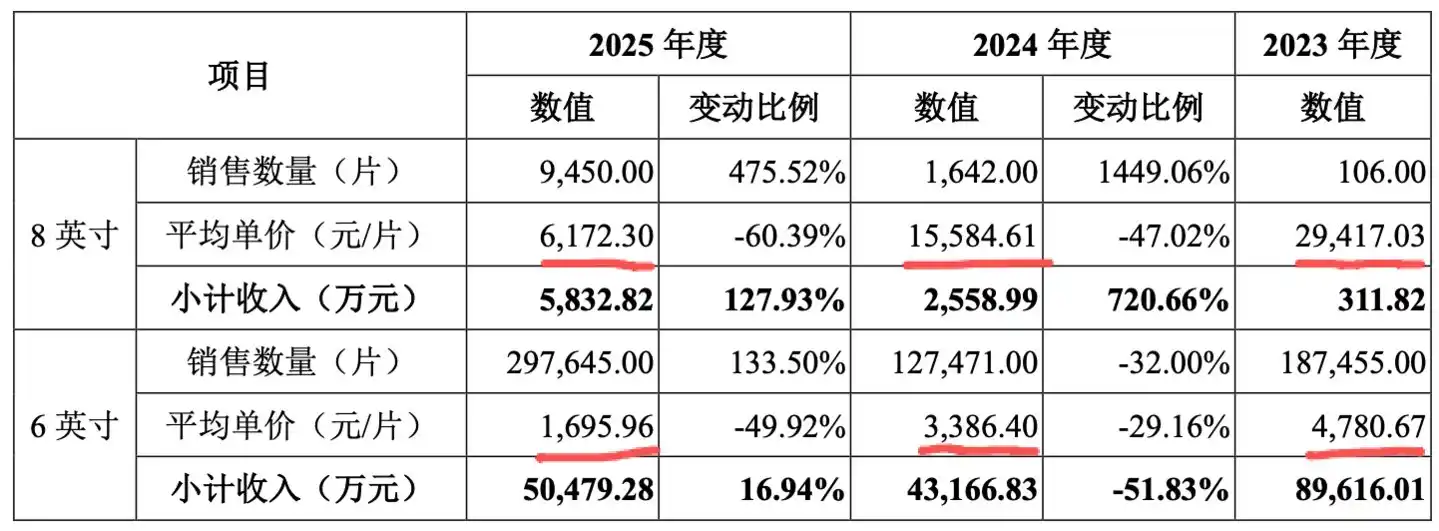
(Tianke Heda's average selling price. Source: Prospectus)
Paradoxically, after six years, exactly how much capacity L'CI Technology has actually built for its repeatedly delayed silicon carbide substrates has become a mystery. According to the company's research records in May this year, Hefei L'CI Phase I has currently built and reached an annual capacity of 60,000 pieces, with preliminary plans to initiate further expansion in the second half of 2026, gradually increasing capacity to 120,000 pieces/year. However, Huajin Securities held a conference call on the morning of July 8th, inviting company Secretary of the Board Li Chentao and Hefei L'CI General Manager Hu Yang. According to the statements made in the call, "this year, after the company matches the full set of processing equipment, the total planned capacity is to reach 60,000 pieces; by October this year, the company's annual 60,000-piece 6-inch SiC production scale will achieve full production and full sales matching."
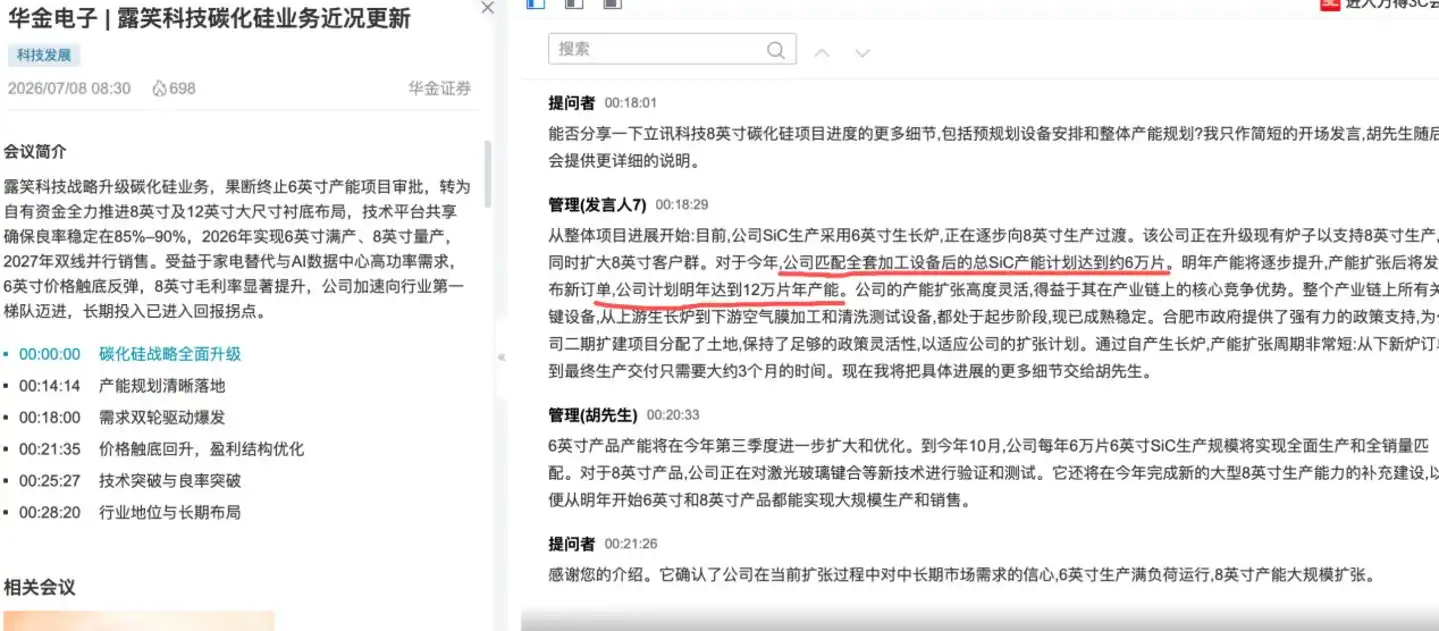
(Source: Huajin Securities conference call content)
There exists a subtle but crucial difference between "already built" and "planned to reach." Company Observer called L'CI Technology as an investor to inquire whether the 60,000 pieces/year capacity has indeed been built. The company staff said they did not have that data and suggested referring to publicly disclosed information.
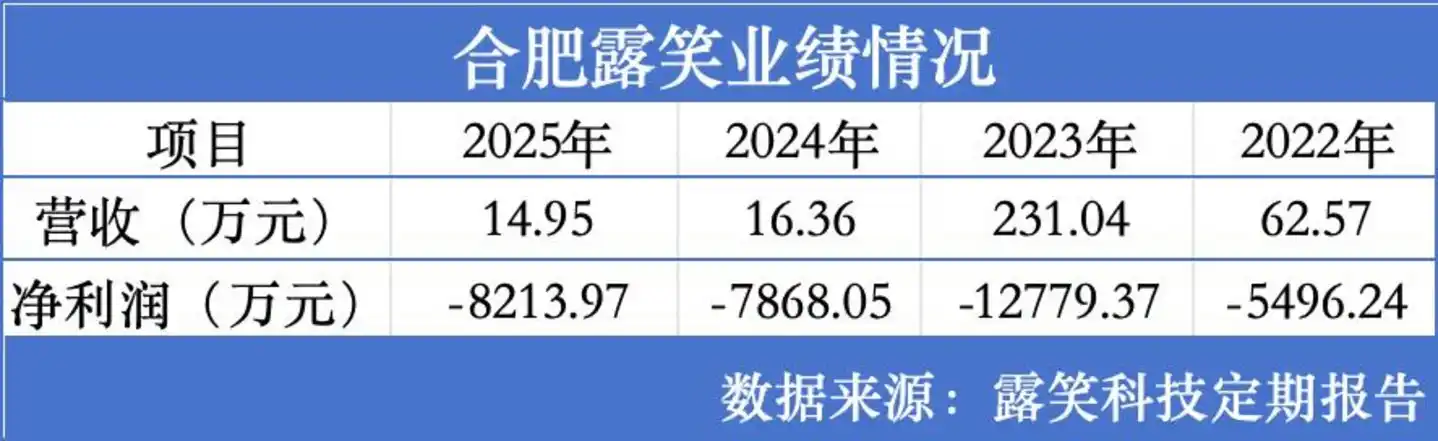
Of course, regardless of whether it has been built, this business layout can only be described as a failure. Periodic reports disclose that from 2022 to 2025, Hefei L'CI recorded cumulative revenue of 3.2492 million yuan and a loss of 344 million yuan.
From 4-inch to 6-inch to 8-inch: Always "Arriving Late to the Party"
Reviewing L'CI Technology's silicon carbide layout reveals a peculiar rhythm—always half a step behind the industry, yet, at each stage of lag, proposing new plans for larger sizes. Moreover, the company's external statements could be described as "putting a positive spin on bad news":
"Silicon carbide business remains the company's strategic development direction. Subsequently, the company will continue to use its own or self-raised funds to focus on advancing the 8-inch and 12-inch silicon carbide substrate wafer business." "The termination of the initially funded 6-inch SiC project does not mean the company is exiting the SiC business. On the contrary, this is an optimization and forward-looking adjustment of the company's SiC project layout..."
In announcements and conference calls, L'CI Technology repeatedly emphasized it would continue its silicon carbide substrate business, stating, "Currently, the company's SiC production uses 6-inch crystal growth furnaces and is gradually transitioning to 8-inch production; for 8-inch products, the company is verifying and testing new technologies like laser glass bonding, and will complete the construction of new large-scale 8-inch production capacity this year."
With the successive failures of the 4-inch and 6-inch projects, and new 8-inch/12-inch plans on the way, can the "new pie" succeed?
From an industry perspective, in third-generation semiconductors represented by silicon carbide, the upstream core lies in substrates and epitaxy, with substrates being the most difficult and expensive part. As early as 2016-2017, Tianke Heda achieved preliminary industrialization of 6-inch; from 2019 to 2020, 6-inch mature mass production; 2022 saw the successful R&D of 8-inch; 2025 witnessed mature mass production of 8-inch. TanKe Advanced (688234.SH, 02631.HK) also achieved 6-inch mass production in 2019 and 8-inch mass production in 2023. By 2025, Tianke Heda's silicon carbide substrate capacity reached 410,700 pieces/year, with production of 398,600 pieces; TanKe Advanced produced 690,400 pieces, a year-on-year increase of 68.31%.
It's worth noting that TanKe Advanced's annual report disclosed that its Shanghai production base started equipment installation in January 2023, achieved product delivery in May of the same year, and reached a mass production capacity of 300,000 pieces per year in the first half of 2024, a target originally planned for 2026.
In other words, while peers were racing against time to build capacity, L'CI Technology not only failed to keep pace with industry rhythm but also repeatedly delayed. Now, trying to build capacity for 6-inch and 8-inch is clearly "arriving late to the party."
"Currently, 6-inch is still mainstream, but rapid iteration to 8-inch is underway." A person from a leading silicon carbide substrate company told Company Observer. With rising demand from large-scale application scenarios downstream such as new energy vehicles, photovoltaic power generation, and energy storage, as well as emerging applications like AI computing infrastructure and AR glasses, silicon carbide is moving towards larger sizes because larger sizes mean reduced edge loss, higher utilization rates, and better cost control.
According to Yole's statistics and forecasts, in 2025, 6-inch shipments accounted for 88%, with 8-inch rising to 8%; it's expected that by 2030, 8-inch will reach around 35%. Meanwhile, major players in the industry are actively promoting the R&D and mass production of 12-inch products. 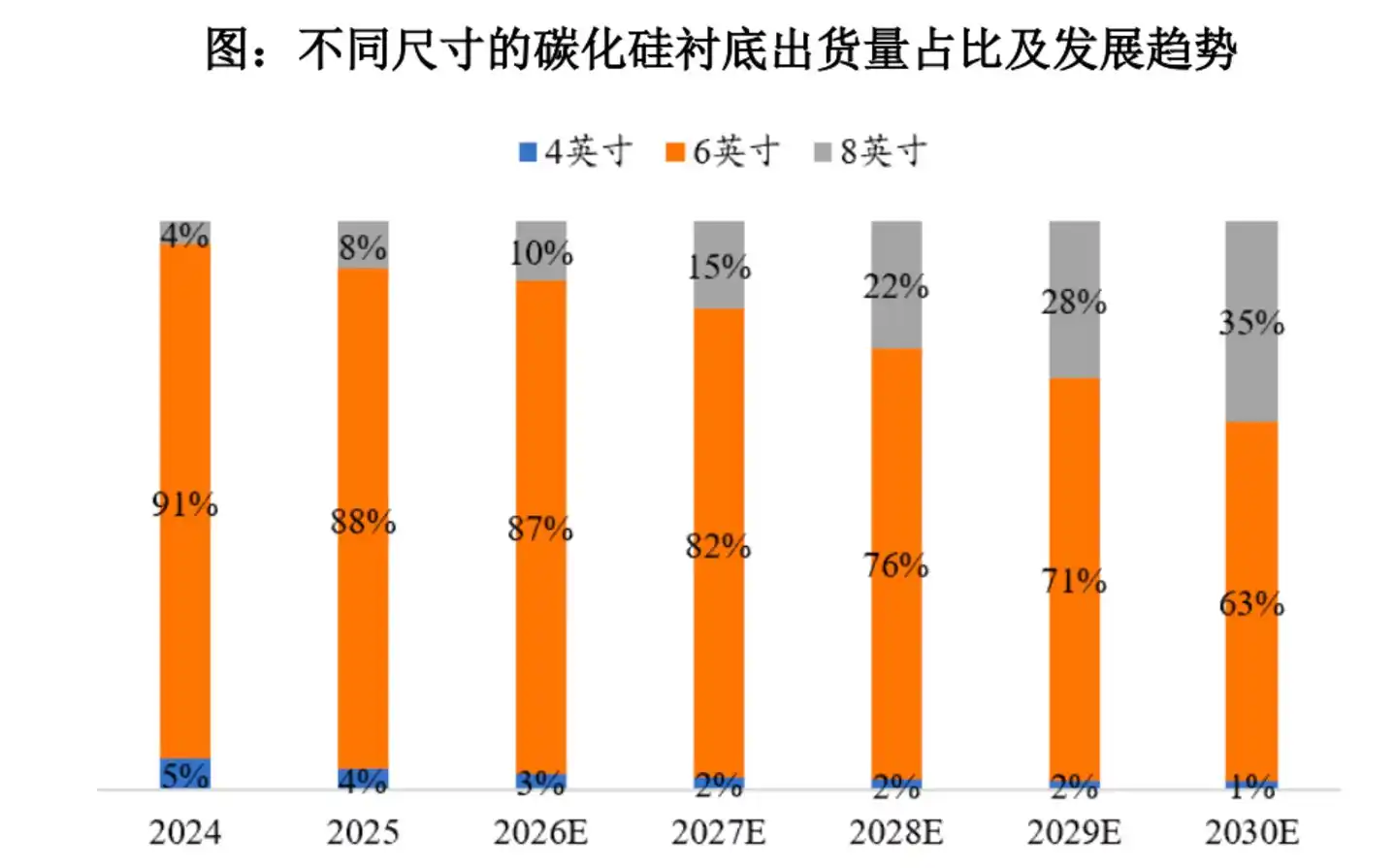
(Source: Tianke Heda Prospectus)
Specifically focusing on manufacturers, the industry landscape becomes more concrete: In 2025, TanKe Advanced's 8-inch product revenue accounted for 44%, with a global market share exceeding 50%; in November 2024, it launched the industry's first 12-inch substrate, which has already received orders from leading customers and delivered. Tianke Heda also successfully developed 12-inch substrates in 2025, and its 8-inch product revenue share increased to 10.22% that same year. Jingsheng Mechanical & Electrical (300316.SZ) disclosed in July this year that it is actively promoting global customer verification for 8-inch substrates, having received bulk orders from domestic and overseas customers, and made breakthroughs in 12-inch substrate R&D with small-batch production.
Of course, the aforementioned company source also mentioned that this doesn't mean 6-inch will be completely phased out; a certain volume will remain. Company Observer called TanKe Advanced and learned that the company currently retains 6-inch capacity but will not add more. New capacity will be built for 8-inch or 12-inch based on downstream demand. They also revealed, "Recently built 6-inch production lines can be converted to 8-inch by adjusting crystal growth furnaces and crucibles, but earlier production lines cannot be converted."
The problem now is that L'CI Technology has never truly reaped the benefits of 6-inch, and now is shifting to 8-inch/12-inch. In the context of over 4 million pieces/year of planned 8-inch capacity domestically, will the script of 6-inch oversupply repeat itself with 8-inch?
"The inflection point for 8-inch is expected around 2027. If all planned capacities materialize by then, competition will likely be fierce," the industry source bluntly stated, adding that as the industry enters the second half, competition is no longer about single performance metrics. Stable, large-scale mass-production capability, a complete, independent supply chain, etc., might be the keys to success.
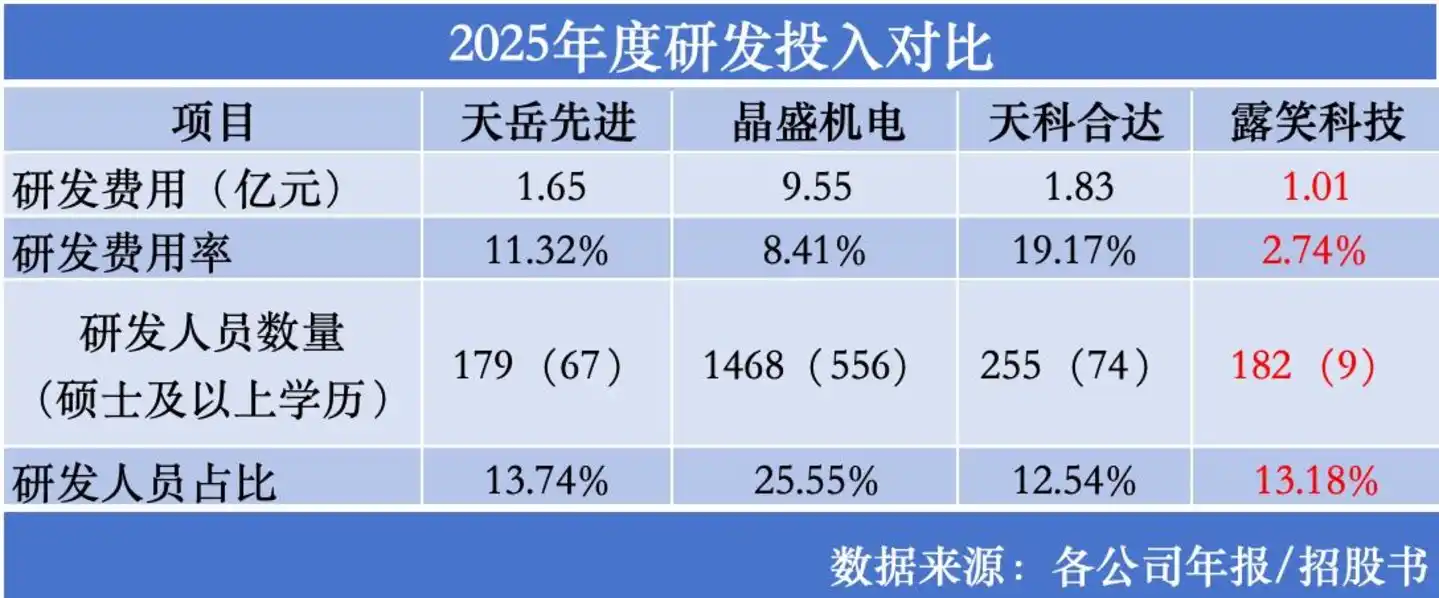
Clearly, regardless of whether the 60,000-piece capacity has been built, L'CI Technology's capacity pales in comparison to peers. Moreover, Company Observer's review found that its key R&D investment has also noticeably fallen behind. In 2025, L'CI Technology's R&D expenses were 101 million yuan, accounting for only 2.74% of revenue, while peers were above 8%; the number and proportion of R&D personnel were roughly comparable to peers, but among them, only 9 held master's degrees, with no doctorates disclosed, whereas peers' master's and doctorate degree holders accounted for over 29%.
Is Chief Scientist Chen Zhizhan Still the Key Man?
Silicon carbide substrates are a technology-intensive industry, with talent being a core variable. L'CI Technology is equally worrisome on this crucial dimension.
Since the 2020 private placement, whenever discussing its silicon carbide layout, the company invariably mentions its talent reserves—expert Dr. Chen Zhizhan, one of the earliest researchers in silicon carbide crystal growth in China, and his team. Chen Zhizhan holds the position of Chief Scientist and was granted 1 million shares of company stock through the 2021 employee stock ownership plan. Strangely, since the 2023 annual report, the company has not mentioned Chen Zhizhan, nor has it announced whether he has left the company. 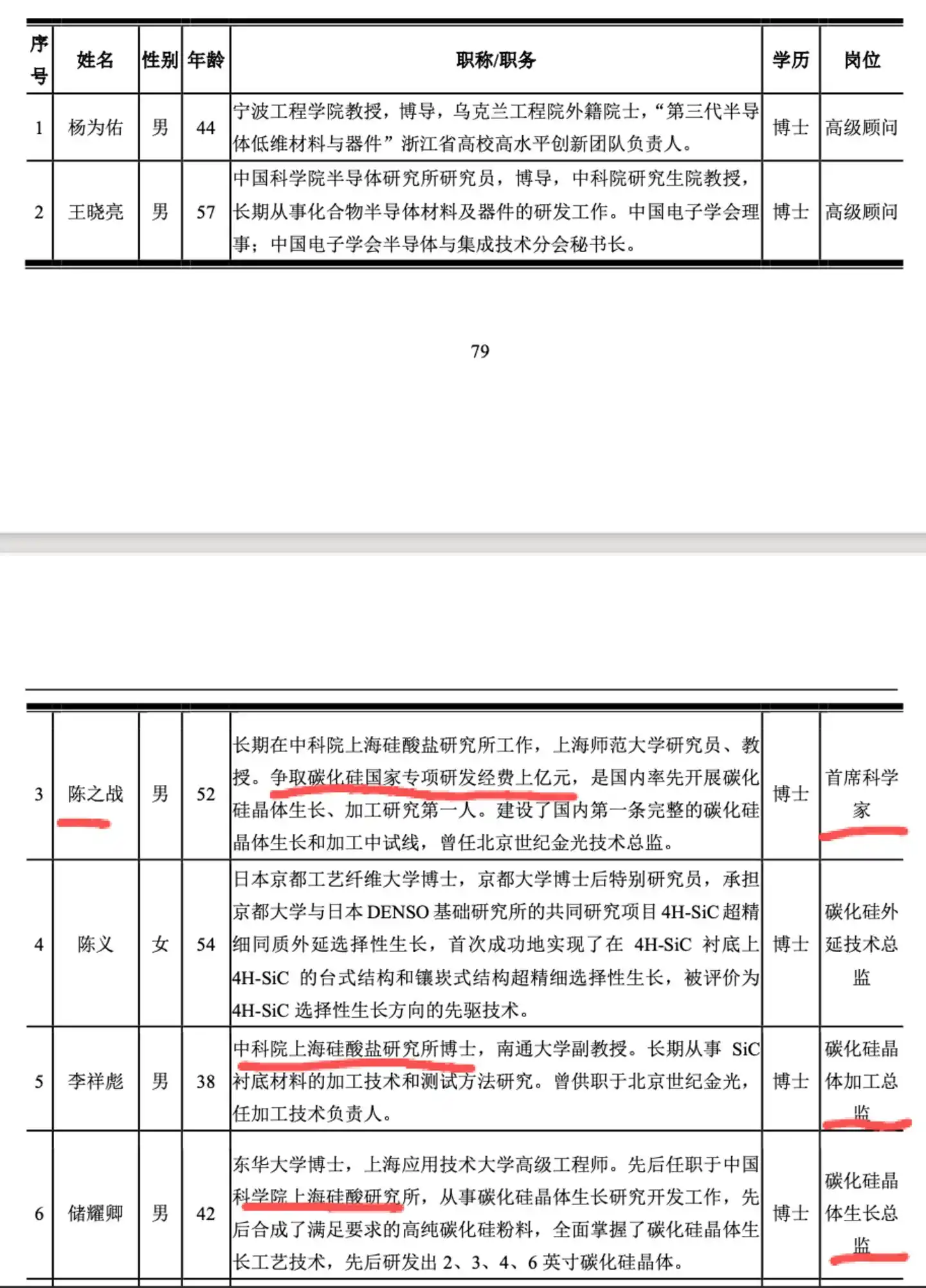
(Source: L'CI Technology 2020 Announcement)
Company Observer called L'CI Technology and was informed, "Dr. Chen Zhizhan is still employed by the company." But when asked whether Chen Zhizhan is still responsible for the technical work of the silicon carbide substrate division and whether his team and technology still hold a competitive advantage in the industry, the company staff avoided answering, only stating that the company's products have advantages and excusing themselves by saying they "don't know much about the technical details."
Since Chen Zhizhan has always been employed by the company, why, since the 2021 annual reports, when disclosing the educational background composition of R&D personnel, has the company never mentioned having doctorates?
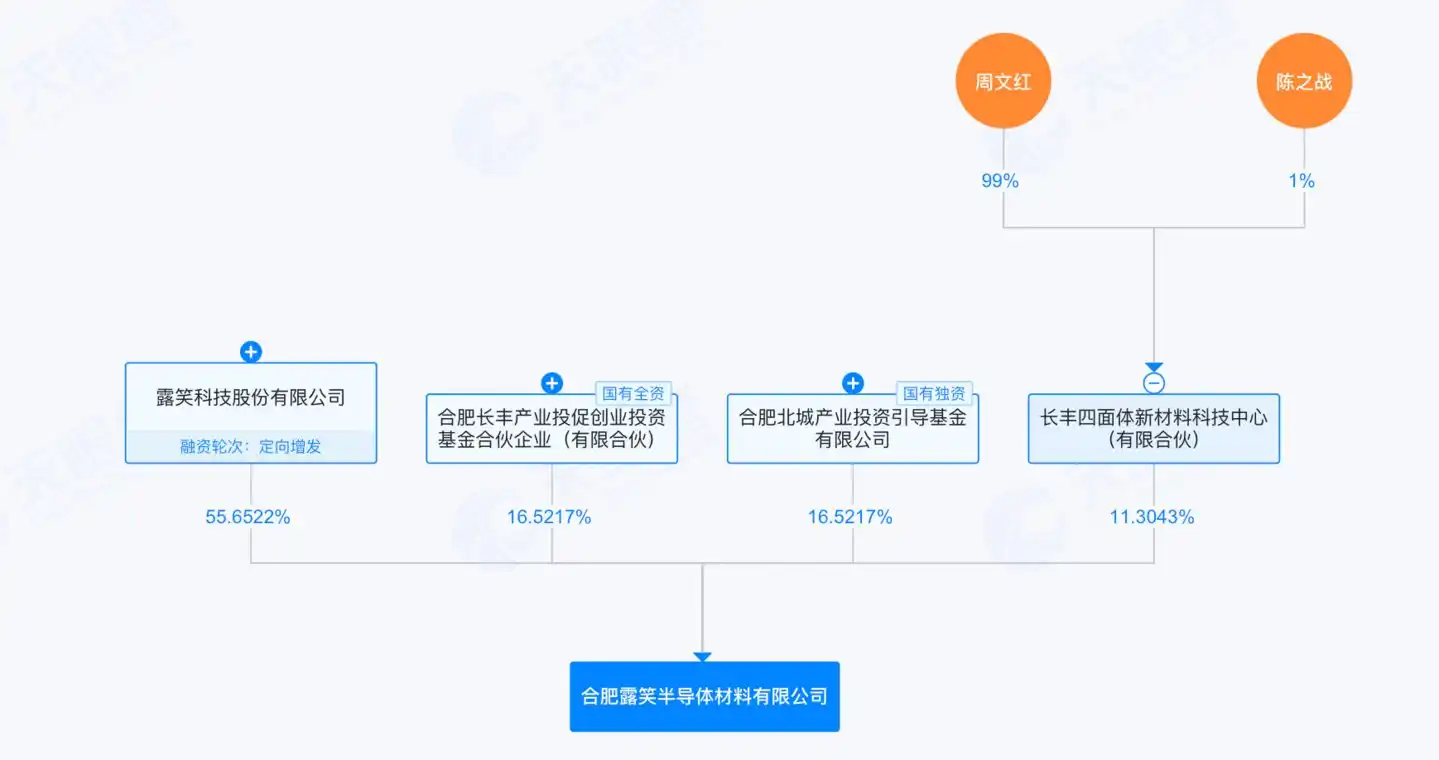
Furthermore, the bond between Chen Zhizhan and the company is not simply that of employer and chief scientist. On October 10, 2020, Chen Zhizhan and his spouse Zhou Wenhong registered and established Changfeng Tetrahedron New Material Technology Center (Limited Partnership) (hereinafter "Changfeng Tetrahedron"), holding 1% and 99% stakes respectively. On October 27 of the same year, Hefei L'CI completed its business registration, with one of the shareholders being Changfeng Tetrahedron, initially holding 5%. According to a 2023 announcement, Changfeng Tetrahedron was also the outsourced R&D service provider for the company's silicon carbide business. Just for periods before and including 2021, 2022, and Q1 2023, L'CI Technology paid outsourced R&D fees of 23.8364 million yuan, 24.4115 million yuan, and 122,700 yuan respectively. In March 2023, the company also planned to acquire the 2.61% stake in Hefei L'CI held by Changfeng Tetrahedron, but the acquisition was not completed subsequently. Tianyancha shows that currently, Changfeng Tetrahedron still holds 11.30% equity in Hefei L'CI.
(Source: Tianyancha)
Regarding Chen Zhizhan's recent situation, publicly available academic output information is as follows:
Company Observer searched the official website of the Shanghai Institute of Ceramics, Chinese Academy of Sciences using the keyword "Chen Zhizhan," and found scant content related to him: 11 papers were retrieved, but the publication dates were all in 2007 or earlier; 6 patents were applied for, all in 2011 or earlier. The website of the School of Physics, Shanghai Normal University shows Chen Zhizhan holds a senior professional title. Searching "Chen Zhizhan" on CNKI yields his latest published paper from 2016; on Web of Science, the latest paper is from 2017.
Furthermore, searching "Chen Zhizhan" through the Patent Star retrieval system reveals a total of 31 patents, of which 4 are valid, 26 invalid, and 1 under examination. Moreover, the announcement dates of the 4 valid inventions are all in 2011/2012, with the current right holder being Anhui Microcore Yangtze River Semiconductor Materials Co., Ltd. The invention under examination has an application date of December 12, 2025, with the right holder being Shanghai Normal University.
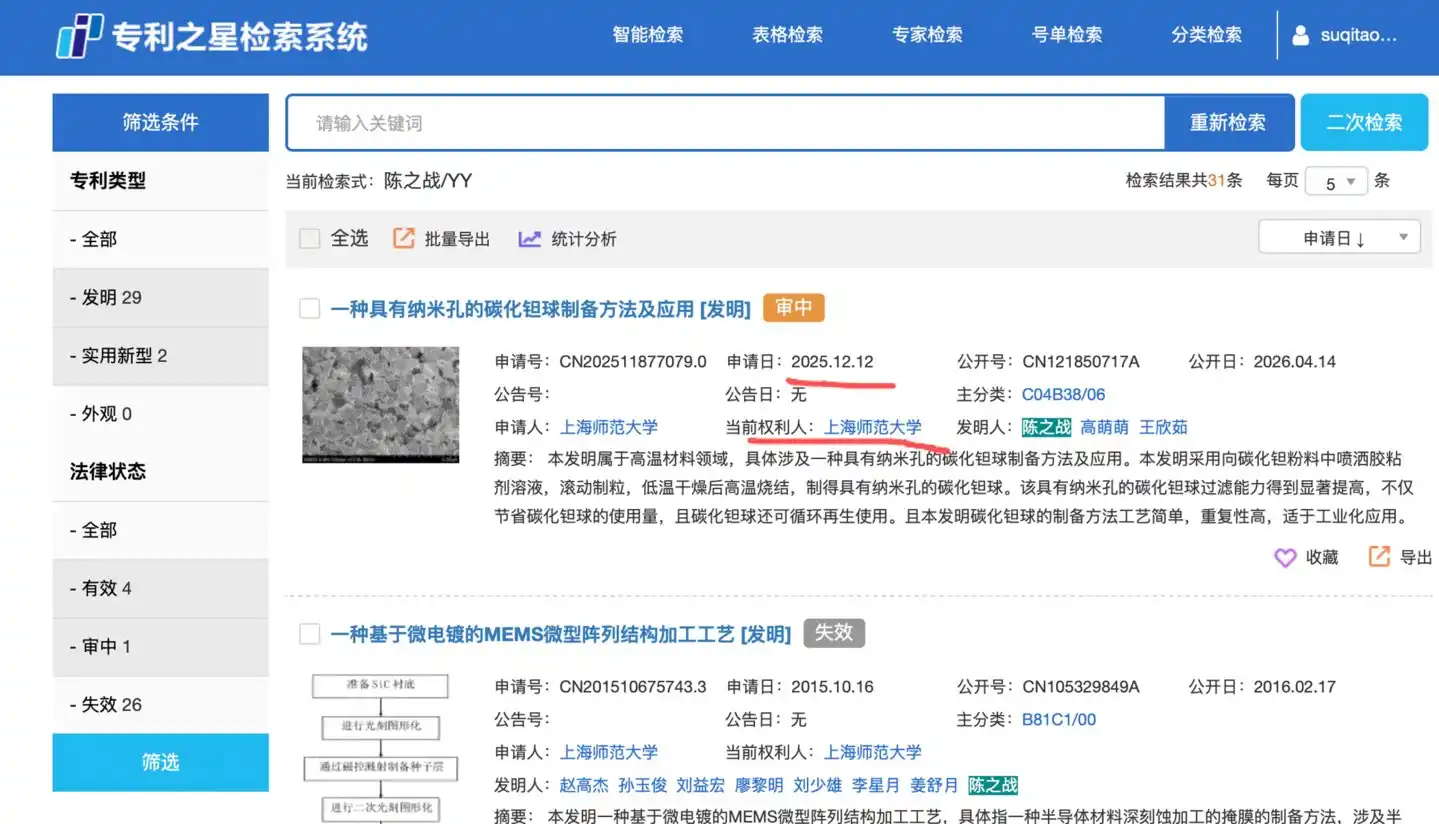
(Source: Patent Star)
A professional engaged in R&D told Company Observer that, based on the searchable papers, journal impact factors, paper citation counts, and inventions, it's difficult to associate him with "R&D funding exceeding hundreds of millions of yuan." Of course, stagnation in academic output might indicate a shift of focus to industrial applications, but the company's ambiguous attitude in disclosing information about its key technical leader undoubtedly deepens external doubts.
Fifteen Years of Trend-Chasing: Silicon Carbide is Just the Latest Chapter
Setting aside the silicon carbide substrate project, reviewing L'CI Technology's transformation history since its 2011 listing reveals a typical case of "trend-chasing." Through acquisitions/investments, it has successively expanded its main business into electromechanical, sapphire, new energy vehicles, photovoltaics, silicon carbide, aerial work platforms, and more.
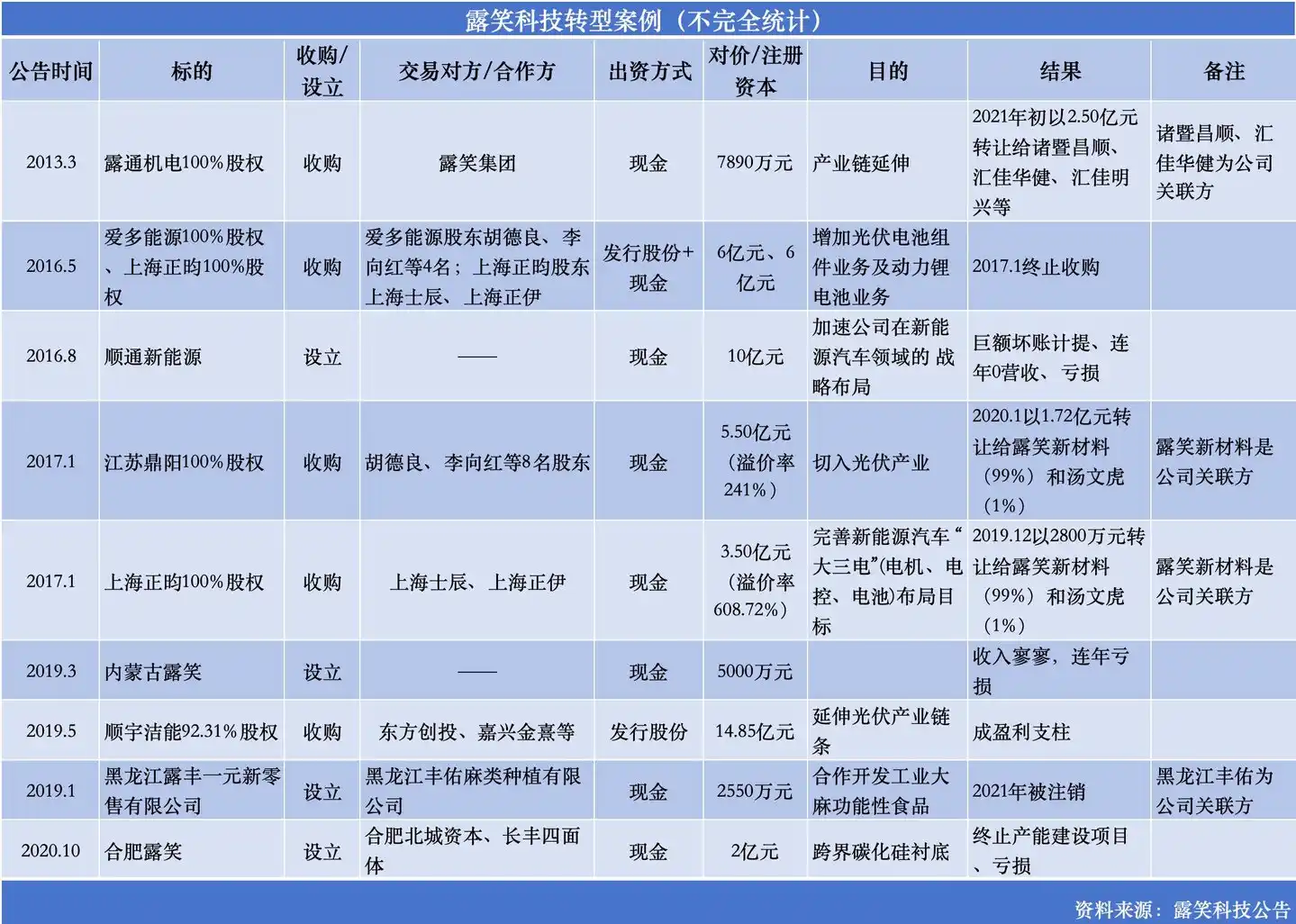
For example, in 2015, both China's new energy vehicle and photovoltaic industries entered an upward cycle, with secondary market valuations soaring. In 2016, the company quickly planned to acquire Aidu Energy and Shanghai Zhengyun via share issuance and cash to enter these two hot sectors, but ultimately failed.
In September of the same year, L'CI Technology invested to establish a wholly-owned subsidiary, Shuntong New Energy Vehicle Service Co., Ltd. (hereinafter "Shuntong New Energy"), with registered capital of 1 billion yuan. However, available data shows that Shuntong New Energy only recorded revenue of 103 million yuan and net profit of 93.0162 million yuan in 2017. In other years, it either had zero revenue/losses, or its performance was not disclosed. For the four years where performance data exists, it accumulated losses of 542 million yuan. In just the 2018 and 2019 fiscal years, Shuntong New Energy's accounts receivable provision for bad debts amounted to 378.2293 million yuan and 67.9823 million yuan respectively.

In January 2017, the company acquired 100% of Shanghai Zhengyun at a 6x premium for 350 million yuan, supposedly to perfect its layout in the new energy vehicle field. In the same month, it acquired 100% of Jiangsu Dingyang at a 241% premium for 550 million yuan in cash to enter the photovoltaic sector. But in 2018, goodwill impairment provisions of 270 million yuan and 264 million yuan were made for Shanghai Zhengyun and Jiangsu Dingyang respectively; in 2019, Jiangsu Dingyang saw another 106 million yuan provision. Ultimately, the company divested these two companies in 2019 and 2020 at ultra-low prices of 28 million yuan and 172 million yuan respectively to Zhejiang L'CI New Materials (99%) and Tang Wenhu (1%). Notably, Zhejiang L'CI New Materials is actually controlled by Lu Xiaojun and Li Boying.
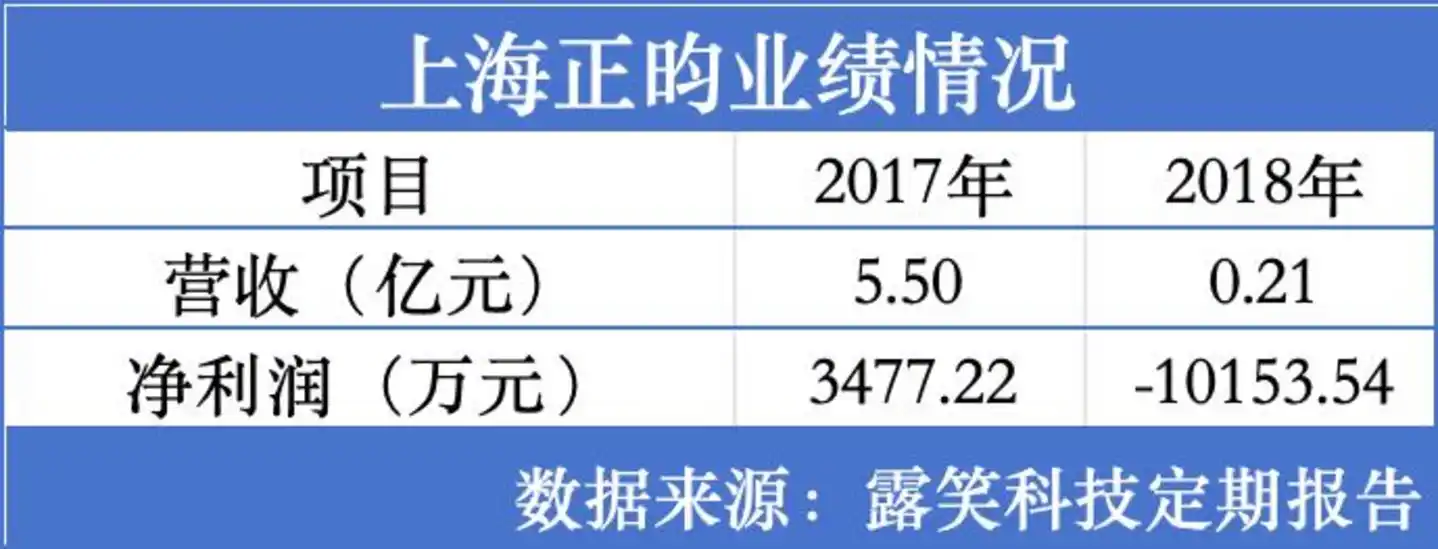
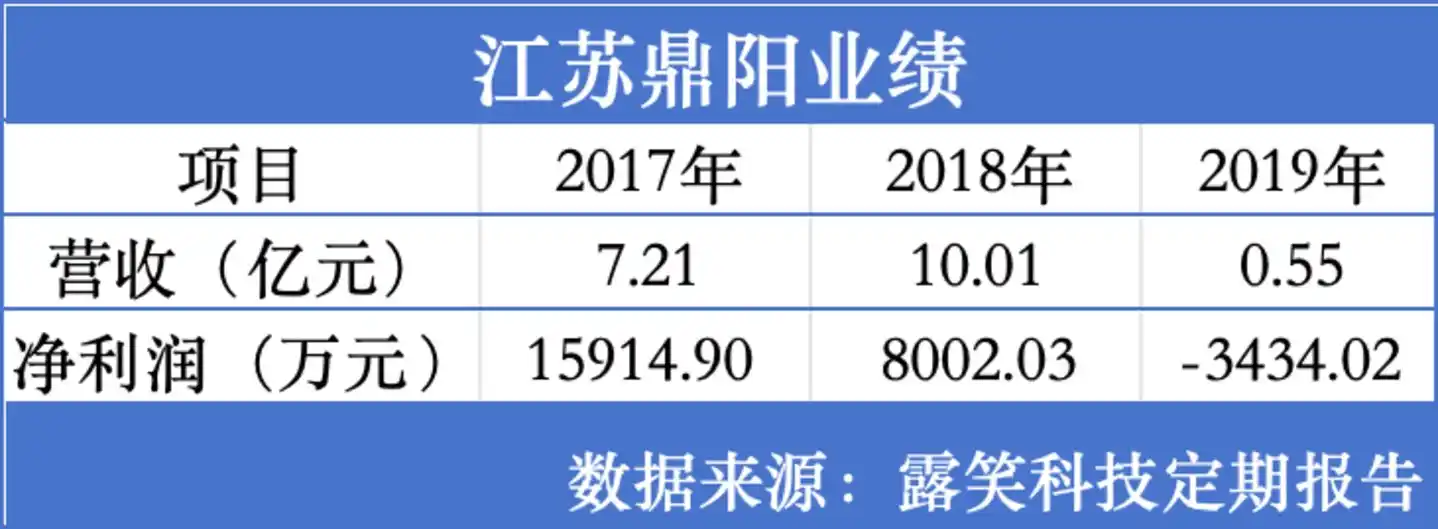
The only successful case appears to be the acquisition of Shunyu Jieneng. In 2019, L'CI Technology issued shares to purchase 92.31% of Shunyu Jieneng and raised supporting funds. The transaction value was 1.485 billion yuan, adding photovoltaic power generation to its business.

Starting in 2023, the company entered the aerial work platform business. Since then, its main business consists of enameled wire, photovoltaic power generation, silicon carbide, and aerial work platforms. However, the main revenue contributor remains enameled wire, while the profit source relies entirely on Shunyu Jieneng. Taking 2025 as an example, the company recorded revenue of 3.672 billion yuan, with enameled wire contributing 2.114 billion yuan (57.58%) but with a gross margin of only 6.26%; net profit attributable to shareholders was 212 million yuan, while Shunyu Jieneng's net profit was 208 million yuan during the same period.
Of course, transformation requires real financial support. At L'CI Technology, it has maximized the use of capital operations. According to Wind data, including the IPO, the company has conducted 7 direct financings cumulatively, raising 7.069 billion yuan. Many of the aforementioned M&As/investments were carried out via share issuance or using raised funds directly. Funds from the 2021 private placement were temporarily used to replenish working capital during idle periods, mainly for expanding the new aerial work platform business.
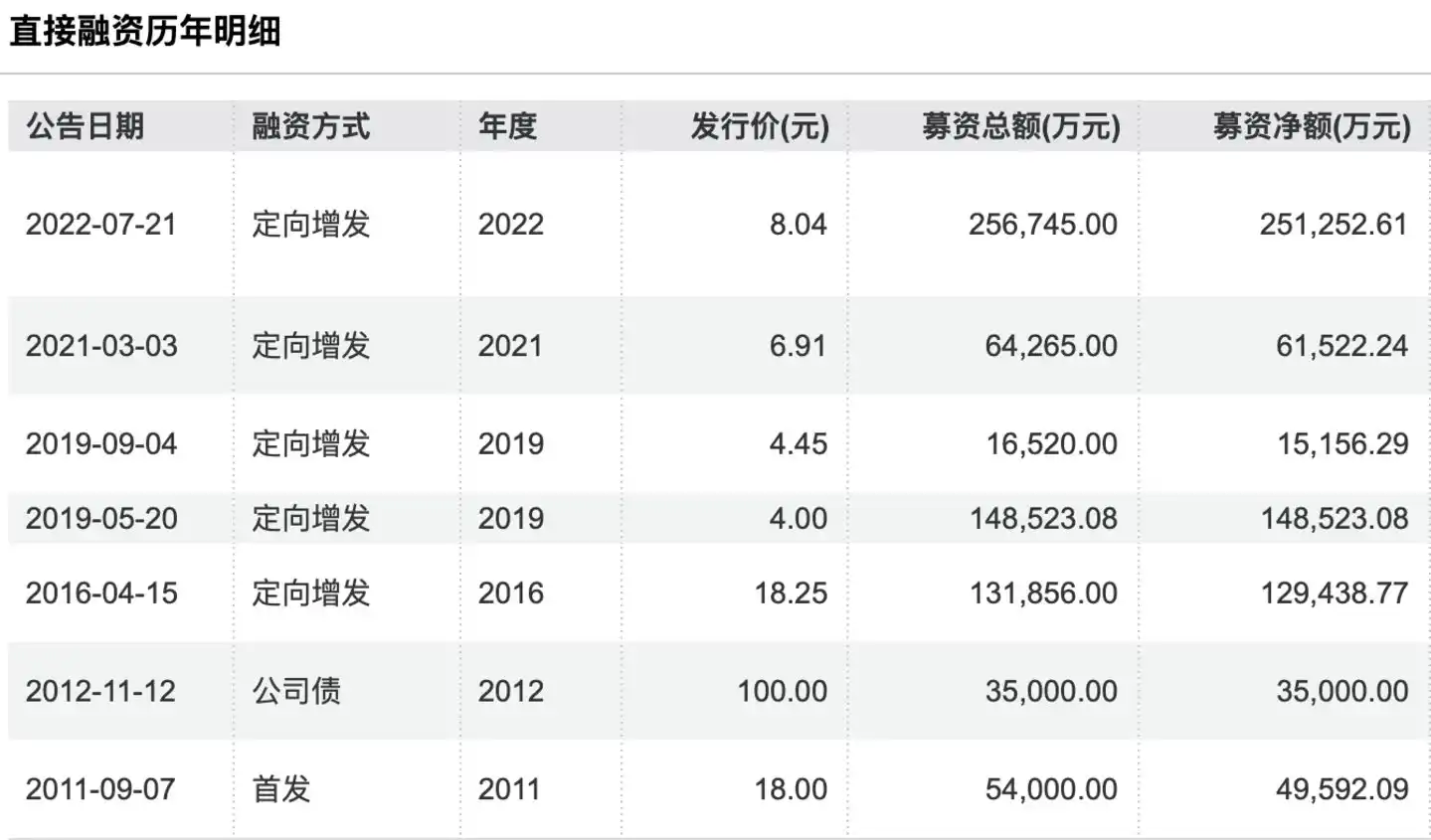
(Details of L'CI Technology's direct financing)
During the same period, the company's cumulative total profit was only 221 million yuan, with dividends totaling 88.8312 million yuan. Currently, the parent company still has uncovered losses. Meanwhile, the company's receivables remain high. In 2024 and 2025, accounts receivable and notes receivable accounted for 59.30% and 77.86% of revenue respectively each period. With insufficient self-generated "blood," L'CI Technology naturally needs to raise funds multiple times to replenish working capital or permanently use funds from original fundraising projects for that purpose.
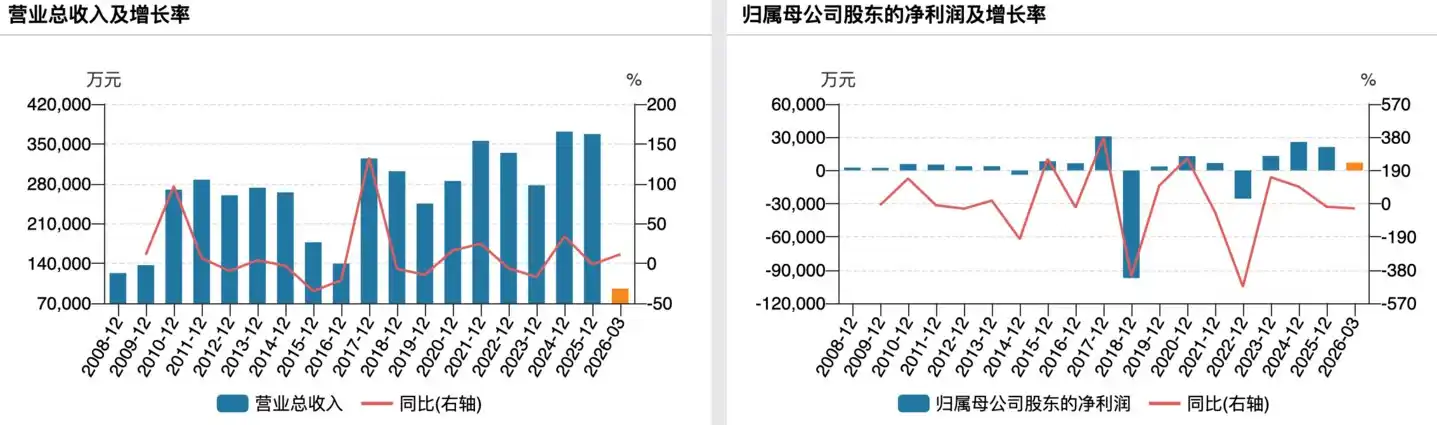
(L'CI Technology's performance changes)
Nevertheless, the company's short-term debt repayment ability remains under pressure. As of the end of Q1 2026, the company had short-term loans of 767 million yuan and non-current liabilities due within one year of 297 million yuan, while cash and cash equivalents were only 503 million yuan, with financial assets at fair value through profit or loss of 104 million yuan.
It is worth noting that during L'CI Technology's fundraising and "trend-chasing," its stock price often rose, and the controlling shareholders cashed out frequently. For example, after "September 24th" 2024, L'CI Technology's stock price rose due to association with hot concepts. The controlling family had already completed a round of cashing out at relatively high levels from December 2025 to January 2026.
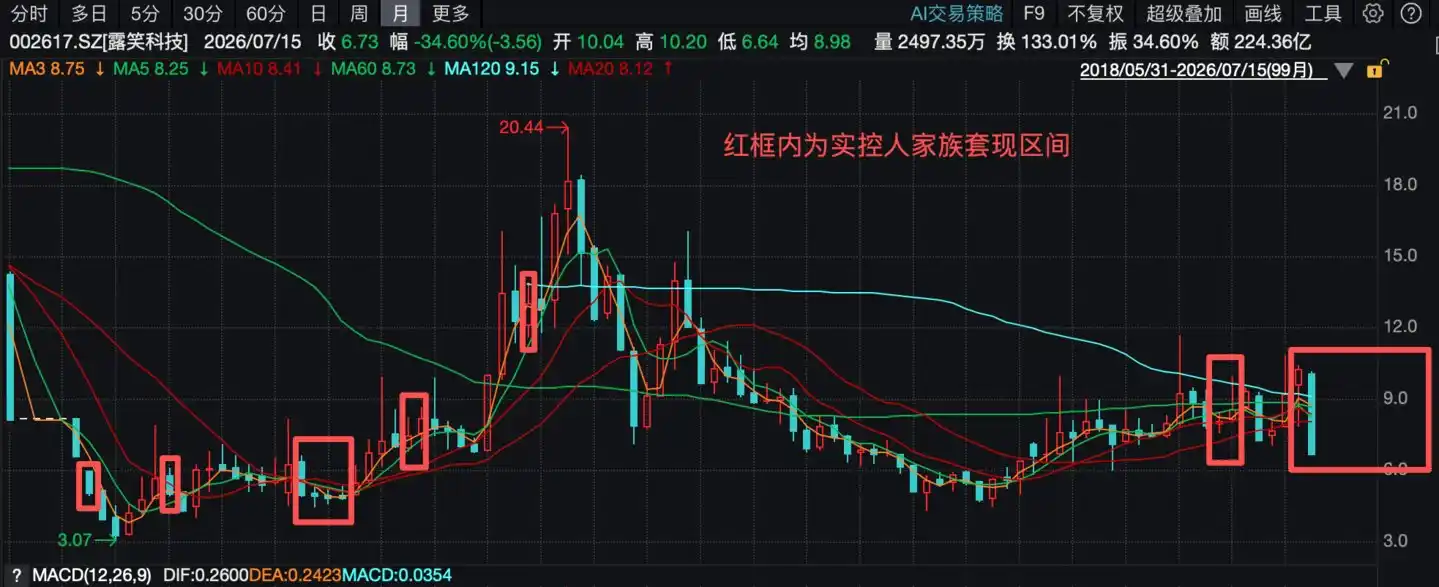
(L'CI Technology Monthly K-line Chart)
Rough statistics show that since 2018, the controlling family has cashed out a cumulative total of 1.993 billion yuan.
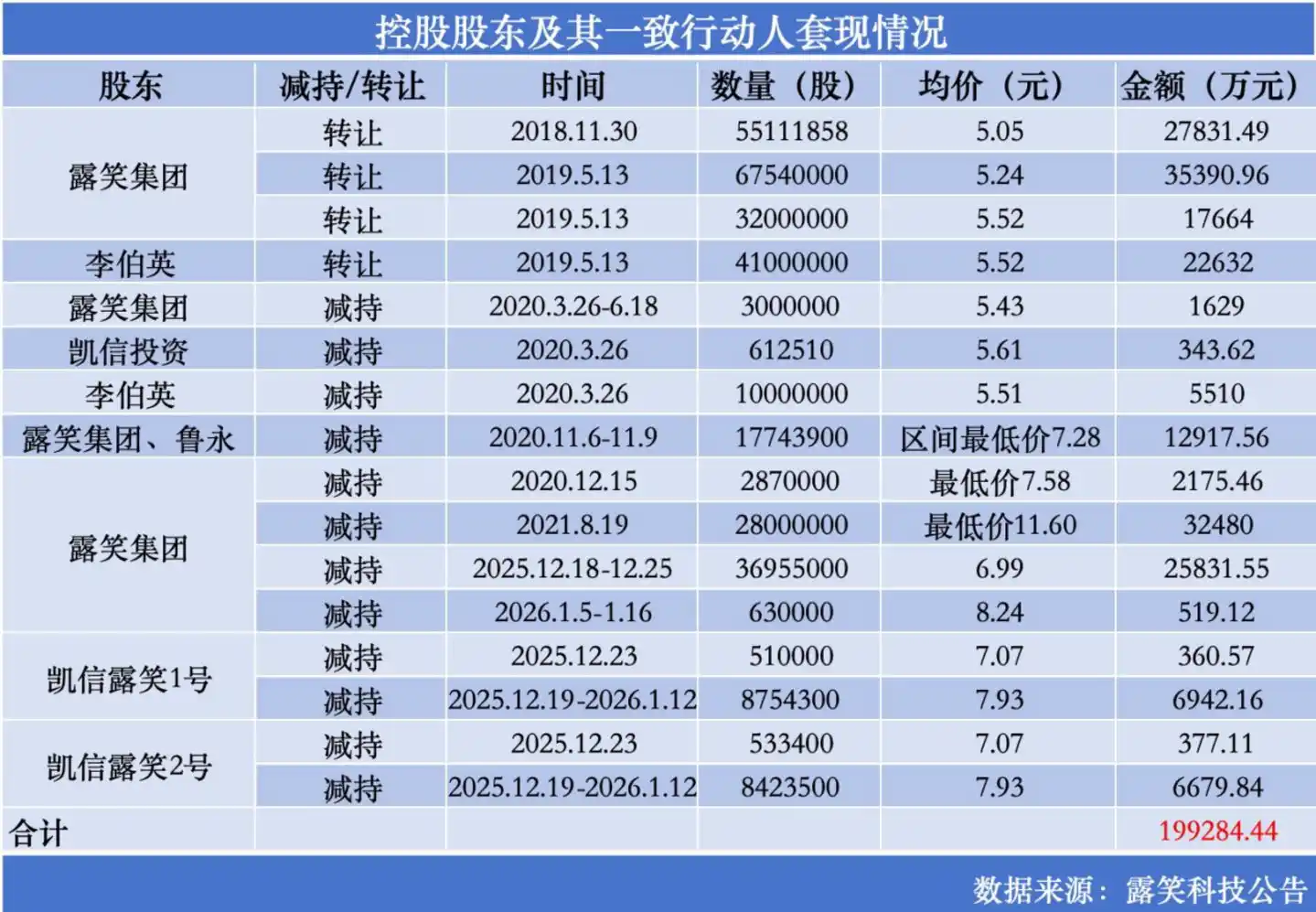
In early June this year, the controlling family announced another plan to sell up to 33.4105 million shares. Even at the closing price on July 17th, the cash-out amount would reach about 200 million yuan. (Text | Company Observer, Author | Su Qitao, Editor | Cao Shengyuan)