$100,000 a Month, Trump Starts Selling 'Alpha'

Odaily星球日报Xuất bản vào 2026-07-18Cập nhật gần nhất vào 2026-07-18

Tóm tắt

Donald Trump's media company is reportedly planning to sell low-latency access to his Truth Social posts to institutional clients for up to $100,000 per month. This service would allow traders and investment firms to see his posts—often containing major policy announcements—a few seconds before the general public. In fast-moving financial markets, this brief time advantage is considered highly valuable, enabling subscribers to potentially profit from early reactions to market-moving statements. The report compares this "Trump Terminal" to traditional financial data services like Bloomberg Terminal, noting a key difference: while others aggregate and distribute information, Trump's service offers direct, privileged access to the source himself. This move is seen as the latest example of Trump commercializing his political influence and personal brand, following ventures into NFTs, meme coins, and other media products. The underlying premise is that his statements have repeatedly moved markets, making early access to them a tradable asset.

Original | Odaily Planet Daily(@OdailyChina)

Author | Azuma(@azuma_eth)
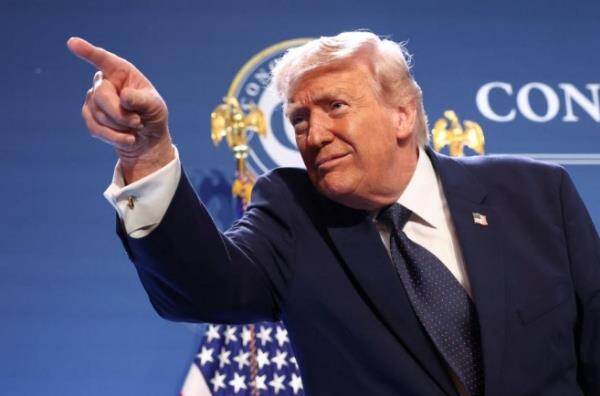
Trump has once again pulled off a "stunt" that defies public perception.

The Financial Times reports that Trump Media & Technology Group (TMTG) is exploring ways to commercialize the real-time news feed on its Truth Social platform, planning to offer low-latency data services to institutional clients for as much as $100,000 per month. Institutions purchasing this service will be able to access Trump's latest posts faster than regular users, to track policy signals, market sentiment, and the potential impact of political events.

The Time Advantage is the Most Valuable Thing in the Market

For investors focused on the U.S. market, Truth Social is not an ordinary social media platform. After the January 6th Capitol riot in 2021, Trump was banned from mainstream platforms like Twitter (now X) and Facebook. Subsequently, TMTG launched Truth Social, and Trump began using it as his primary channel for communication. Although Trump later regained his X account, his major policy statements on tariffs, trade, foreign affairs, regulation, and more are still often published first on Truth Social, gradually making it the primary source for global investors tracking Trump's movements.

Even so, this seems like an almost unbelievable business. After all, Truth Social is itself a public platform, and every post Trump makes becomes visible to everyone within seconds. Since the information is public, why would institutions be willing to pay such a high price for it?

The answer is actually quite simple. In financial markets, the most expensive thing has never been the information itself, but the time advantage of obtaining it earlier than others.

For the average user, seeing a post a few seconds earlier is almost meaningless. But for quantitative funds, high-frequency trading firms, and even some crypto trading teams, those few seconds can determine whether a trade results in profit or loss. When the market has become accustomed to repricing assets based on Trump's every move, whoever gets the information first has the chance to act first.

In other words, what TMTG is really selling is not a post, but a form of "Presidential Alpha."

The 'Trump Terminal' That Surpasses Bloomberg Terminal

In fact, TMTG is not the first to think of this business.

On Wall Street, selling real-time data is an extremely mature business model. Whether it's Bloomberg, Reuters, the New York Stock Exchange, or Nasdaq, they all have long provided paid data services to institutions. From corporate earnings reports and macroeconomic data to stock tick-by-tick trades and order book changes, these institutions can often access information earlier via dedicated lines or data interfaces with lower latency and higher stability.

Notably, what they sell is mostly not "exclusive news" — the vast majority of information is eventually made public to the entire market. What's truly valuable is that institutions can receive this information milliseconds, hundreds of milliseconds, or even seconds faster than others. This time advantage often translates to trading opportunities and can directly determine a strategy's profitability.

TMTG is doing the same thing, even taking it a step further — unlike traditional financial terminals like Bloomberg Terminal, which are merely collectors and distributors of information, Trump himself is the source. No matter how fast a Bloomberg Terminal is, it is essentially aggregating and transmitting market information; what TMTG is selling is exclusive priority access to every update Trump posts on Truth Social.

In other words, no matter how powerful the Bloomberg Terminal is, it's just a second-hand information broker, while the leader's "Trump Terminal" is absolute firsthand intelligence.

This Money, Only Trump Can Make

Theoretically, every U.S. president, as well as leaders of other major nations, possess a similar ability to influence markets.

From key official appointments to fiscal policies, from diplomatic maneuvers to war conflicts, a leader's words and actions can sway the pricing of global capital markets. But Trump is probably the only one to actually package this influence into a business and unabashedly sell it to Wall Street.

The crucial premise here is that Trump's firsthand information is truly valuable enough.

Over the past few years, Trump's Truth Social has become a critical information source for global investors. From tariff policies and trade negotiations to cryptocurrency regulation and Federal Reserve Chair selections, Trump's posts have repeatedly triggered sharp fluctuations in the stock market, the U.S. dollar, gold, and crypto markets. A series of trading strategies formed around expectations of Trump's policies, such as "Trump Trades" and "TACO Trades," further demonstrate that the market has long viewed his pronouncements as a tradable "market factor."

But the more important reason might be Trump himself. If past U.S. presidents largely viewed their political influence as a public resource, Trump is more accustomed to seeing influence as an asset that can be operated, amplified, and commercialized.

Looking back over recent years, from NFTs and meme coins to Truth Social, Truth.Fi, Trump Mobile, and now selling real-time Truth Social data services to institutions, the product forms have constantly changed, but the underlying logic has remained unchanged — continuously transforming the "Trump" IP into a commercial product that can be sold, subscribed to, and invested in.

For many traditional politicians, the presidency signifies power and necessitates maintaining a distance from commercial interests. In Trump's eyes, the two do not seem to have a natural boundary. As long as the market is willing to pay for influence, then influence itself can become a commodity.

In other words, Trump did not create the demand; rather, he realized earlier than anyone else that "presidential influence" itself is an asset that can be priced and sold.


Câu hỏi Liên quan

QWhat service is Trump Media & Technology Group (TMTG) reportedly exploring, and how much does it cost?

ATMTG is exploring the commercialization of Truth Social's real-time feed by offering low-latency data services to institutional clients, with a reported price of up to $100,000 per month.

QWhy would institutional clients be willing to pay a high fee for access to Trump's posts on Truth Social a few seconds earlier than the public?

ABecause in financial markets, the time advantage of receiving information even a few seconds earlier can be critical for trading decisions. For quant funds, high-frequency trading firms, and crypto trading teams, this head start can determine the profit or loss of a trade, as markets often react to Trump's policy signals.

QHow does the proposed 'Trump Terminal' service differ from traditional financial data terminals like Bloomberg Terminal?

ATraditional terminals like Bloomberg Terminal aggregate and distribute market information from various sources, acting as secondary information distributors. In contrast, the 'Trump Terminal' offers exclusive priority access to Trump's posts directly from the source (Truth Social), making it a primary information channel.

QAccording to the article, what is the underlying logic behind Trump's various business ventures like NFTs, meme coins, and now the data service?

AThe underlying logic is the continuous commercialization of the 'Trump' IP. The article states that Trump consistently transforms his influence and personal brand into sellable, subscribable, and investable commercial products.

QWhat does the article suggest is unique about Trump's approach to presidential influence compared to other politicians?

AThe article suggests that while traditional politicians often view presidential influence as a public resource to be kept separate from business, Trump sees it as a commercially viable asset. He recognizes that 'presidential influence' itself can be priced and sold as a commodity if the market is willing to pay for it.

Nội dung Liên quan

Vụ ly hôn của Choi Tae-won chính thức kết thúc: Tiết lộ tuyến kế thừa ẩn sau đế chế nghìn tỷ SK Hynix

Vào tháng 11/2024, trong một sự kiện kỷ niệm, Chủ tịch SK Group Choi Tae-won đã cho các con xem hình ảnh AI tái hiện người cha quá cố của mình, nhấn mạnh về việc kế thừa di sản. Trong bối cảnh SK Hynix trở thành tài sản trị giá nhất Hàn Quốc, câu chuyện kế thừa thế hệ thứ ba của tập đoàn này lại không đi theo kịch bản truyền thống. Choi Yun-jung (sinh 1989), trưởng nữ, được coi là ứng viên kế thừa rõ ràng nhất. Cô có nền tảng học thuật về sinh học, từng làm tư vấn, hiện đang học tiến sĩ và giữ chức vụ lãnh đạo tại SK Bioscience và bộ phận hỗ trợ tăng trưởng của SK Inc. Cuộc hôn nhân của cô với một doanh nhân khởi nghiệp AI cũng phản ánh sự thay đổi trong các mối liên kết giữa các giới tinh hoa. Choi Min-jung (sinh 1991), con gái thứ, có hành trình khác biệt: học đại học tại Bắc Kinh, tình nguyện gia nhập Hải quân Hàn Quốc và từng làm việc tại SK Hynix ở Washington về các vấn đề chính sách quốc tế. Cô hiện là nhà sáng lập một công ty chăm sóc sức khỏe AI và kết hôn với một cựu sĩ quan Thủy quân Lục chiến Mỹ, cho thấy mạng lưới toàn cầu và an ninh chuỗi cung ứng ngày càng quan trọng đối với các tập đoàn bán dẫn. Choi In-geun (sinh 1995), con trai trưởng, có lộ trình học vấn tương đồng với cha (vật lý) và đang làm việc tại McKinsey sau thời gian ở SK E&S. Dù mang hình mẫu người kế thừa truyền thống, anh lại là người ít lộ diện công khai nhất. Cuộc chiến ly hôn kéo dài giữa Choi Tae-won và vợ cũ Roh So-young, với giá trị tài sản tranh chấp lên tới hàng nghìn tỷ won, là bối cảnh phức tạp mà thế hệ thứ ba phải đối mặt. Cả ba người con đều đã đệ đơn lên tòa án trong vụ việc này, dù nội dung không được tiết lộ. Tóm lại, trong kỷ nguyên AI khi SK Hynix trở thành tài sản địa chính trị toàn cầu, việc kế thừa tại SK Group không còn là chuyện nội bộ gia đình hay chỉ xoay quanh cổ phần và quyền trưởng nam. Thế hệ thứ ba được định vị thông qua năng lực chuyên môn, mạng lưới quốc tế và khả năng giải quyết những thách thức của thời đại công nghệ và địa chính trị mới.

marsbit12 phút trước

Vụ ly hôn của Choi Tae-won chính thức kết thúc: Tiết lộ tuyến kế thừa ẩn sau đế chế nghìn tỷ SK Hynix

marsbit12 phút trước

Các ngân hàng phản đối thỏa thuận lợi suất stablecoin – Liệu Đạo luật CLARITY có thể giành được 60 phiếu?

Viện Chính sách Ngân hàng Hoa Kỳ (BPI) đã phản đối dự thảo Đạo luật CLARITY mới, chỉ ra những thiếu sót về quy định lợi suất stablecoin và chống tài trợ bất hợp pháp. Ngành ngân hàng muốn cấm hoàn toàn mọi hình thức khuyến khích từ stablecoin, trong khi dự thảo hiện tại chỉ cho phép dựa trên hoạt động tài khoản, không phải số dư nhàn rỗi. Sự phản đối này ảnh hưởng đến cơ hội thông qua đạo luật tại Thượng viện, nơi cần 60 phiếu. Sự ủng hộ từ đảng Cộng hòa có thể giảm xuống còn 49 phiếu nếu các Thượng nghị sĩ John Curtis và John Cornyn rút lại hỗ trợ, đòi hỏi 11 phiếu từ đảng Dân chủ. Tuy nhiên, một số nhà lập pháp Dân chủ ủng hộ tiền mã hóa cũng phản đối dự luật do lo ngại về đạo đức và chống rửa tiền. Lãnh đạo đa số Thượng viện John Thune tỏ ra hoài nghi về khả năng thông qua dự luật trước kỳ nghỉ tháng Tám, chỉ còn hai tuần. Cố vấn trưởng về Tiền mã hóa của Nhà Trắng, Patrick Witt, kêu gọi tiến hành bỏ phiếu ngay. Kỳ vọng thị trường về việc thông qua đạo luật trong năm 2026 đã giảm xuống còn 32%.

ambcrypto19 phút trước

Các ngân hàng phản đối thỏa thuận lợi suất stablecoin – Liệu Đạo luật CLARITY có thể giành được 60 phiếu?

ambcrypto19 phút trước

Giá trị gia tăng từ 88 tỷ lên 680 tỷ chỉ sau 2 tháng! OpenRouter, trạm trung chuyển AI lớn nhất sắp được mua lại

Theo tờ Wall Street Journal và The Information, Stripe - nền tảng thanh toán hàng đầu - đang đàm phán mua lại startup AI OpenRouter với giá khoảng 10 tỷ USD. Chỉ hai tháng trước, định giá của OpenRouter là 1,3 tỷ USD, tức giá chào mua cao hơn gần 7 lần. Thương vụ có thể được công bố trong vòng một tháng nhưng vẫn có nguy cơ đổ vỡ. OpenRouter hoạt động như một "trung tâm chuyển tiếp" AI, cung cấp một API duy nhất để các nhà phát triển truy cập vào hơn 400 mô hình lớn (như GPT, Claude). Nó tự động lựa chọn mô hình phù hợp dựa trên độ phức tạp, chi phí và tốc độ, giúp các ứng dụng AI tối ưu hóa hiệu quả chi phí. Được đồng sáng lập bởi Alex Atallah (cựu đồng sáng lập OpenSea), OpenRouter hiện có hơn 1 triệu nhà phát triển và doanh thu hàng năm đạt 50 triệu USD, tăng gấp 5 lần trong nửa năm. Đây là bước đi chiến lược tiếp theo của Stripe trong việc mở rộng sang hạ tầng AI, sau khi họ mua lại nền tảng định giá theo lượng sử dụng Metronome vào cuối năm 2025. Mục tiêu của Stripe là kết hợp khả năng định tuyến mô hình của OpenRouter với hệ thống thanh toán và đo lường sử dụng hiện có, để trở thành "trung tâm điều phối và thu ngân" toàn diện cho nền kinh tế AI. Điều này cho phép doanh nghiệp quản lý toàn bộ việc sử dụng và hóa đơn AI qua một nhà cung cấp duy nhất.

链捕手21 phút trước

Giá trị gia tăng từ 88 tỷ lên 680 tỷ chỉ sau 2 tháng! OpenRouter, trạm trung chuyển AI lớn nhất sắp được mua lại

链捕手21 phút trước

Từ OpenSea Đến OpenRouter: Kịch Bản “Chốt Lời Đỉnh Cao” Của Alex Atallah Lại Lặp Lại?

Tác giả: Nancy, PANews Hơn bốn năm trước, Alex Atallah rời đi trước đỉnh bong bóng NFT; giờ đây, anh lại tỏa sáng trong cơn sốt AI và chuẩn bị bán nền tảng tổng hợp mô hình AI OpenRouter với giá cao. Ngày 23/7, theo Wall Street Journal, gã khổng lồ thanh toán Stripe đang đàm phán mua lại OpenRouter, với định giá giao dịch có thể lên tới gần 100 tỷ USD. Nếu thành công, đây sẽ là lần thứ hai Alex Atallah xây dựng một công ty trị giá hàng trăm tỷ USD, sau sàn giao dịch NFT OpenSea. OpenRouter, được mô tả là "Stripe của lĩnh vực AI", đã kết nối hơn 400 mô hình AI, có khoảng 10 triệu người dùng và xử lý hơn 200 nghìn tỷ token mỗi tháng. Tuy nhiên, mô hình kinh doanh chủ yếu dựa vào phí dịch vụ nền tảng (5%-5.5%) từ việc gọi API, với doanh thu hàng năm khoảng 50 triệu USD (tính đến tháng 4/2026). Đây là một mô hình kênh dẫn có quy mô lớn nhưng biên lợi nhuận hạn chế, dễ bị ảnh hưởng bởi sự cạnh tranh, mô hình nguồn mở và áp lực giảm giá. Giá trị thực sự của OpenRouter đối với các nhà mua tiềm năng như Stripe có thể nằm ở kho dữ liệu sử dụng AI thực tế khổng lồ mà nó tích lũy được, cung cấp insights quý giá về hiệu suất mô hình, sở thích nhà phát triển và quan hệ thay thế trên thị trường. Từ NFT đến AI, Alex Atallah hai lần bắt đúng xu hướng thời đại. Việc OpenRouter được định giá 100 tỷ USD đặt ra câu hỏi: đây là sự định giá lại giá trị cơ sở hạ tầng AI hay một tín hiệu đỉnh chu kỳ mới? Thời gian sẽ trả lời.

链捕手37 phút trước

Từ OpenSea Đến OpenRouter: Kịch Bản “Chốt Lời Đỉnh Cao” Của Alex Atallah Lại Lặp Lại?

链捕手37 phút trước

Pons V2 mang đến các cặp giao dịch RWA khi Robinhood Chain mở rộng tham vọng

Pons, một launchpad được xây dựng trên Robinhood Chain, đã ra mắt bản nâng cấp V2 với các thay đổi nhằm cải thiện thanh khoản, loại bỏ hạn chế giao dịch và hỗ trợ tài sản thực được mã hóa (RWA). Bản cập nhật này diễn ra trong bối cảnh Robinhood Chain tiếp tục tăng trưởng nhanh, vượt 300 triệu USD tổng giá trị bị khóa và nổi lên như một trong những mạng Lớp 2 Ethereum sôi động nhất cho giao dịch đầu cơ. Pons V2 giải quyết các phàn nàn chính của người dùng về thanh khoản bằng cách giới thiệu đường cong liên kết định danh bằng ETH, đồng thời cho phép hầu hết ví giao dịch tự do. Cấu trúc phí cũng được thiết kế lại để nhà phát triển có thể nhận phí bằng ETH mặc định. Robinhood Chain đã thu hút sự chú ý của thị trường, với khối lượng DEX tích lũy vượt 9 tỷ USD, trong đó 80% đến từ memecoin rủi ro cao. Tuy nhiên, lợi nhuận tập trung vào số ít, với 63% nhà giao dịch thua lỗ. Việc Pons V2 bổ sung các cặp giao dịch RWA tùy chỉnh trực tiếp hỗ trợ trọng tâm phát triển tài sản thực của Robinhood Chain, có thể thúc đẩy việc áp dụng mạng lưới một cách hữu cơ trong tương lai.

ambcrypto56 phút trước

Pons V2 mang đến các cặp giao dịch RWA khi Robinhood Chain mở rộng tham vọng

ambcrypto56 phút trước

Giao dịch

Giao ngay
活动图片




