AI Panic Spreads, Pre-market US Storage Chip Stocks Fall Across the Board, SK Hynix Plummets 15.4% for Its Biggest-Ever Drop, Crude Oil Rises, Gold Falls

链捕手Xuất bản vào 2026-07-13Cập nhật gần nhất vào 2026-07-13

Tóm tắt

Amid market jitters, SK Hynix shares plunged 15.4%, their largest-ever daily drop, following a below-expectations earnings forecast and profit-taking after its recent U.S. listing. This led a broad selloff in memory chip stocks, dragging South Korea's KOSPI index down sharply and triggering circuit breakers. Concurrently, heightened geopolitical tensions after U.S. strikes on Iran drove oil prices sharply higher, intensifying inflation and further rate hike fears. This pushed U.S. Treasury yields up and strengthened the dollar, while pressuring gold and other precious metals lower. The market now braces for key U.S. inflation data, the start of earnings season, and central bank signals amidst the volatile backdrop.

A "small note" from a South Korean securities firm sent SK Hynix plunging 12%, pressuring the entire memory sector. The US military launched a new round of strikes against Iran, suddenly intensifying tensions in the Middle East and causing turbulence in global markets.

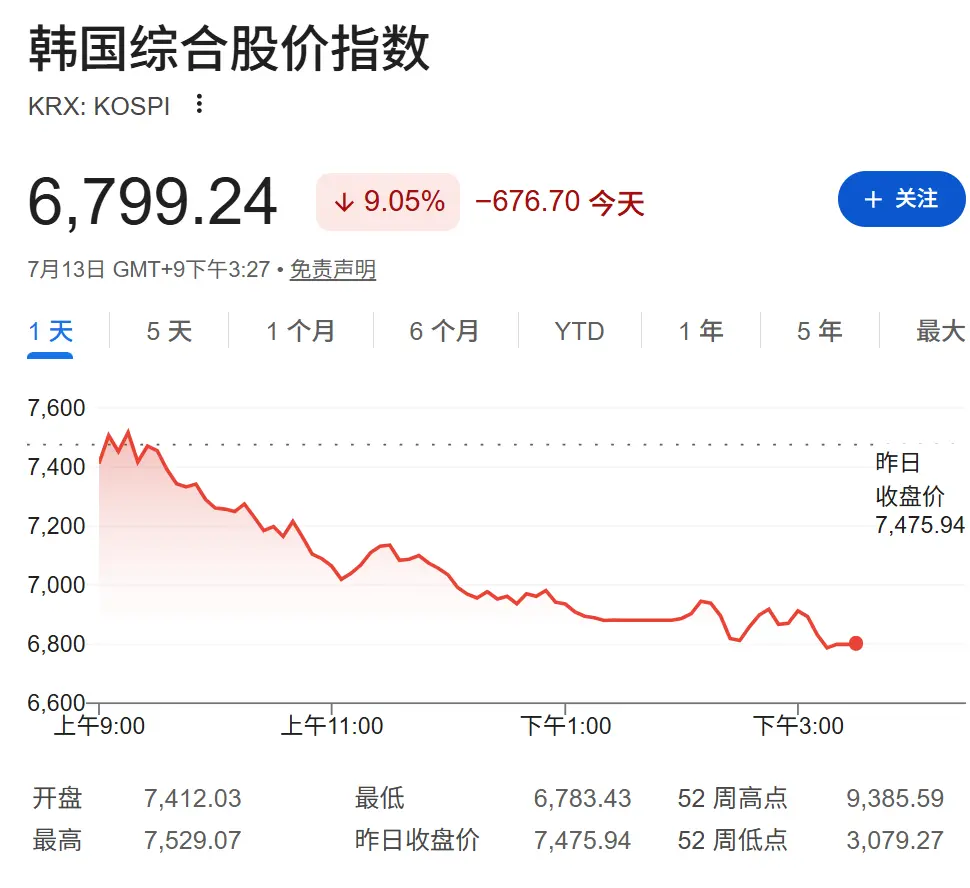
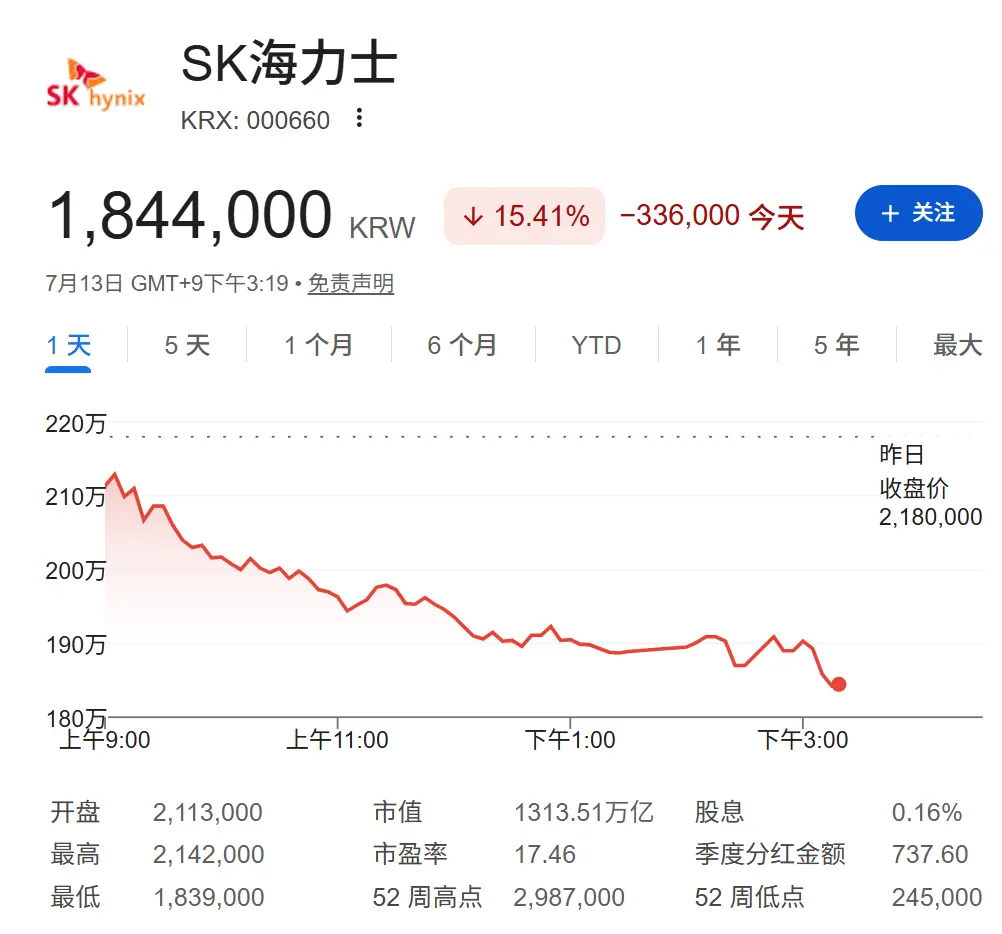
On Monday, before the US market opened, memory chip stocks fell across the board: Micron Technology down about 6%, Seagate Technology down about 4%, Western Digital down about 6%, SanDisk down about 7%. SK Hynix's stock price plunged 15.4%, marking its largest-ever single-day drop, and Samsung fell nearly 11%. The two heavyweight stocks combined to trigger the seventh circuit breaker of the year for South Korea's Kospi index. The immediate trigger was an earnings forecast that was 8% below market expectations, combined with a wave of profit-taking as the "good news" of its $26.5 billion ADR listing was exhausted. Deeper reasons include insufficient pricing elasticity for HBM, and a supply-demand scissors gap between capacity expansion and slowing demand, creating real cracks in the market's valuation logic for memory chips.

Crude oil prices rose sharply, and US Treasury yields climbed. According to CCTV News, US Central Command announced that at 5:00 PM Eastern Time on July 12, the US military began a new round of strikes against Iran, aiming "to continue degrading its ability to attack vessels freely transiting the Strait of Hormuz." In the early hours of July 13 local time, explosions were reported in multiple locations in Iran, including Bandar Abbas and the Sirik region. Meanwhile, precious metals like gold weakened broadly, and the US dollar strengthened.

This round of tensions coincides with a critical juncture for markets—the US earnings season is about to begin, with Goldman Sachs and JPMorgan Chase set to report results on Tuesday. Inflation data is also scheduled for release this week, clearly heightening market concerns that rising energy prices could further push up inflation.

  • Pre-market US memory chip stocks fell across the board: Micron Technology down about 6%, Seagate Technology down about 4%, Western Digital down about 6%, SanDisk down about 7%.
  • Europe's Stoxx 50 index opened down 0.5%, Germany's DAX index down 0.5%, the UK's FTSE 100 up 0.1%, France's CAC 40 index down 0.3%.
  • Japan's Nikkei 225 index closed down 1.9% at 67,242.73 points. Japan's Topix index closed down 0.7% at 4,007.49 points. South Korea's KOSPI index closed down 8.9% at 6,806.93 points. SK Hynix's stock price plunged 15.4%, marking its largest-ever single-day drop.
  • Nasdaq 100 index futures fell 1.3%, and European stock futures also indicated an opening drop of about 1%.
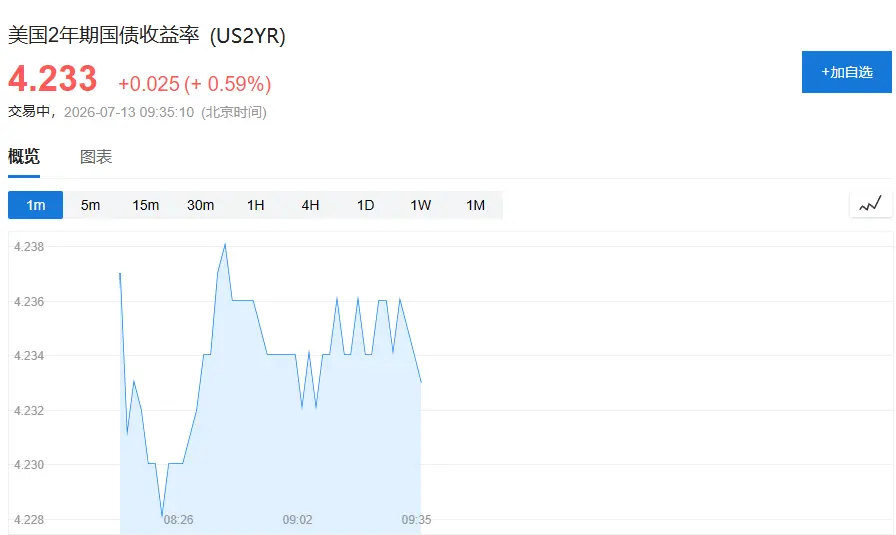
  • US Treasuries were sold off across the board. The yield on the policy-sensitive 2-year Treasury note rose 2 basis points to 4.23%, its highest level since February 2025. Japanese and Australian government bond yields also fell.
  • The US dollar strengthened across the board against G10 currencies. The US dollar index rose 0.2%.
  • Gold fell 1.3% to about $4,065 per ounce; silver fell nearly 3% to about $58.20 per ounce.
  • The cryptocurrency market also weakened, with Bitcoin down over 2% to around $62,700, dragging down the broader crypto market.

Stock Markets Under Pressure Across the Board, South Korea Leads Declines

South Korea's KOSPI index closed down 8.9% at 6,806.93 points. SK Hynix's stock price plunged 15.4%, marking its largest-ever single-day drop. Japan's Nikkei 225 index closed down 1.9% at 67,242.73 points. Japan's Topix index closed down 0.7% at 4,007.49 points.
On the news front, South Korean President Lee Jae-myung stated that a "Future Response Fund" will be established to channel surplus tax revenue into productive future investment projects. Government support will be directed to three mega-projects: chips, AI data centers, and physical AI.

Part of SK Hynix's sharp pullback stemmed from profit-taking pressure following its American Depositary Receipts (ADRs) rising 13% on their New York debut last Friday. Korea Investment & Securities predicted that SK Hynix's second-quarter operating profit might be 8% lower than market expectations, citing the company's higher revenue proportion from High Bandwidth Memory (HBM) limiting its average selling price increase potential. The institution believes the upward momentum in the New York market has been fully digested, and the stock may face significant profit-taking and arbitrage unwinding, potentially closing with a long upper shadow.
Japan's Nikkei 225 opened 0.1% lower, with the loss later widening to 1%. Shoji Hirakawa, chief global strategist at Tokai Tokyo Intelligence Lab, said, "Further escalation in attacks between the US and Iran could act as a negative catalyst for the market. During periods of rising geopolitical risk, investors tend to favor sectors with strong profitability, which means semiconductor stocks may remain relatively resilient."

Crude Oil Surges, Market Worried About Inflation and Rate Hike Prospects

Uncertainty surrounding the Strait of Hormuz directly pushed oil prices higher. Brent crude rose over 3% to $78.50 per barrel; WTI crude futures gained up to 4.2% to $74.40 per barrel, one of the largest single-day gains recently.
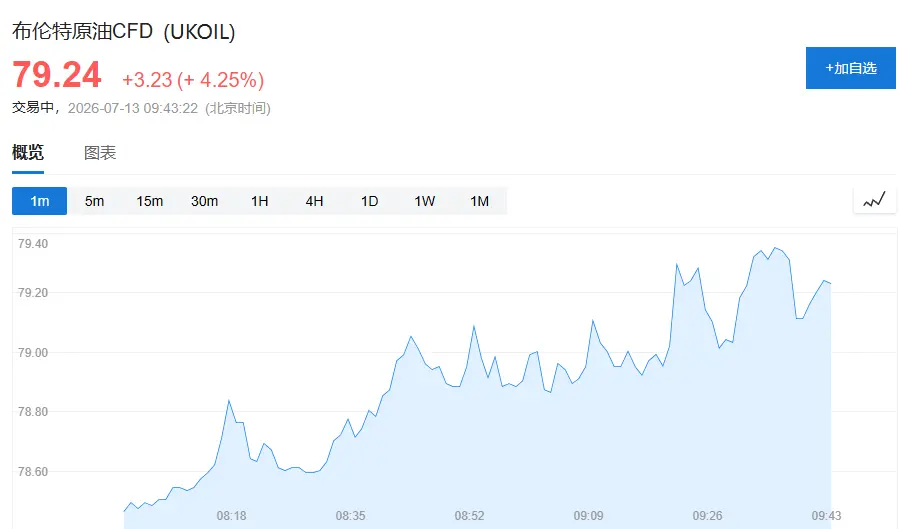
The surge in oil prices has reignited inflation concerns. Oil had already posted its biggest weekly gain since mid-May the previous week. Traders subsequently made large bets on further monetary tightening by the Fed—interest rate swaps are now pricing in nearly 40 basis points of cumulative Fed rate hikes by December, a significant increase from around 15 basis points in early June.

The US Treasury market came under simultaneous pressure. The yield on the rate-sensitive 2-year Treasury note rose 3 basis points to 4.23%, a new high since February 2025; the 10-year yield also climbed 3 basis points to 4.59%. Australian and Japanese government bond yields also moved higher. Bloomberg strategist Mark Cranfield noted that if oil prices remain strong, US Treasuries will face further downward pressure, and the oil-bond-dollar linkage effect will continue to play out in the short term.
Gold Weakens, Dollar Strengthens

In contrast to crude oil, precious metals generally weakened. Spot gold fell 1.1% to $4,073 per ounce; silver dropped 1.8% to $58.82 per ounce; platinum and palladium also weakened.
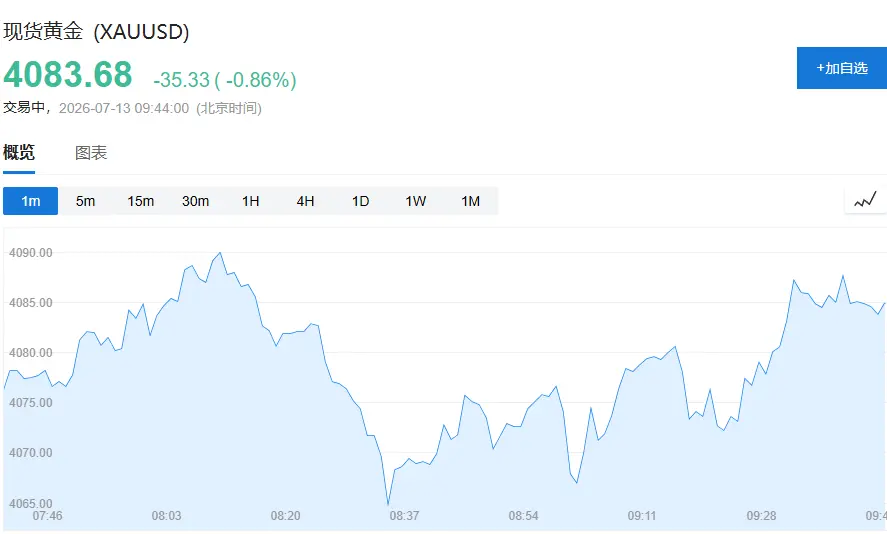
Notably, gold has fallen more than a fifth since the Iran war erupted at the end of February, ending a three-year bull run. A wave of large-scale profit-taking once pushed the gold price below $4,000 for the first time since last November. The core logic behind gold's recent pressure is that rising oil prices boost inflation expectations, thereby strengthening rate hike expectations.

The US dollar, meanwhile, strengthened broadly. The Bloomberg Dollar Spot Index rose 0.2%, the euro fell 0.2% to $1.1397, and the yen fell 0.2% to 162.00 per dollar. Bitcoin, after initially falling, recovered some losses, trading around $64,175.

Focus This Week: Inflation Data, Earnings Season, and Central Bank Moves

Markets face multiple tests this week. US inflation data is due for release, and whether persistently rising energy prices can further push up CPI will be a key focal point. Fed Chairman Kevin Warsh will also make his first appearance before Congress for a hearing, marking his first public remarks since taking office. The market will closely watch his latest stance on the interest rate outlook.

Regarding the earnings season, Goldman Sachs and JPMorgan Chase will be the first to report results on Tuesday, marking the first major test of whether corporate profits can support the market rally driven by AI optimism. Asian markets will focus on China's second-quarter GDP growth data and the Bank of Korea's interest rate decision to assess the extent of economic drag from weak domestic demand.


Tiền kỹ thuật số thịnh hành

Câu hỏi Liên quan

QWhat triggered the significant drop in SK Hynix's stock price, and what was the magnitude of this decline?

ASK Hynix's stock price was triggered by a lower-than-expected earnings forecast from a Korean brokerage, which predicted Q2 operating profit would be 8% below market expectations. This, combined with profit-taking after its recent ADR listing, led to a decline of 15.4%, marking its largest historical single-day drop.

QWhat were the main factors driving the increase in crude oil prices according to the article?

AThe main factor driving the increase in crude oil prices was heightened geopolitical tensions in the Middle East, specifically new U.S. military strikes against Iran, which raised concerns about potential disruptions to shipping in the critical Strait of Hormuz.

QWhy did gold prices fall despite the rise in geopolitical risk and oil prices?

AGold prices fell because rising oil prices fueled inflation concerns, which in turn strengthened expectations for higher interest rates from central banks like the Fed. Higher interest rates increase the opportunity cost of holding non-yielding assets like gold, leading to selling pressure and price declines.

QWhat key market events are investors focused on in the upcoming week, as mentioned in the article?

AInvestors are focused on several key events: the release of U.S. inflation data, the start of the Q2 earnings season with reports from major banks like Goldman Sachs and JPMorgan, and congressional testimony from the new Federal Reserve Chair, Kevin Warsh, for clues on future monetary policy.

QHow did the broader financial markets react alongside the plunge in SK Hynix and other chip stocks?

AThe broader financial markets experienced significant pressure. Major Asian indices like South Korea's KOSPI and Japan's Nikkei 225 fell sharply. U.S. Treasury yields rose, indicating a bond sell-off. The U.S. dollar strengthened against other major currencies, while cryptocurrencies like Bitcoin also declined.

Nội dung Liên quan

Vụ Tiêu Hao Ngân Khố BonkDAO Cho Thấy Rủi Ro Quản Trị Trên Solana Là Có Thật

Kho bạc BonkDAO đã bị rút cạn khoảng 20 triệu USD sau khi một đề xuất quản trị độc hại được thông qua thông qua nền tảng Realms, minh họa rõ ràng về rủi ro quản trị DAO trên Solana. Vụ việc không phải do lỗi của blockchain Solana, mà là một cuộc tấn công vào cơ chế quản trị, nơi kẻ tấn công lợi dụng các quy tắc bỏ phiếu và trọng số biểu quyết để chiếm đoạt tài sản một cách hợp lệ về mặt kỹ thuật. Sự kiện này cảnh báo rằng thiết kế quản trị cần được xem xét kỹ lưỡng như bảo mật mã hợp đồng. Các hệ thống bỏ phiếu, quy tắc đề xuất và quyền kiểm soát kho bạc có thể trở thành mặt tấn công nếu có điểm yếu. Realms, một công cụ quản trị DAO phổ biến trên Solana, là trung tâm của vụ việc, thúc đẩy nhu cầu xem xét lại các cấu hình về ngưỡng tán thành, thời gian bỏ phiếu và giới hạn thực thi. Vụ việc đặt ra thử thách về niềm tin đối với cộng đồng BONK, một tài sản meme quan trọng trên Solana. Phản ứng rõ ràng và các kế hoạch khắc phục, cải cách từ nhóm phát triển sẽ quyết định khả năng phục hồi niềm tin. Bài học then chốt là quản trị DAO không chỉ là vấn đề tổ chức mà còn là cơ sở hạ tầng bảo mật; tài sản cộng đồng có thể gặp rủi ro ngay cả khi blockchain nền hoạt động hoàn hảo.

bitcoinist1 giờ trước

Vụ Tiêu Hao Ngân Khố BonkDAO Cho Thấy Rủi Ro Quản Trị Trên Solana Là Có Thật

bitcoinist1 giờ trước

Bitcoin: Liệu động thái của cá voi 130,5 triệu USD có làm trật bánh đà đưa BTC tiến tới 70.000 USD?

Một cá voi Bitcoin đã thực hiện giao dịch chuyển 2.000 BTC, trị giá 130,5 triệu USD, sau 6 năm tích lũy. Trong đó, 800 BTC được chuyển đến Cumberland để giao dịch OTC (cho thấy ý định bán tiềm năng), trong khi 1.200 BTC được chuyển sang địa chỉ mới, cho thấy có thể đây là động thái tái định vị danh mục hơn là thoát hoàn toàn. Mặc dù động thái của cá voi lớn thu hút sự chú ý, nhưng giá Bitcoin dường như không bị ảnh hưởng tiêu cực. BTC tiếp tục xu hướng tăng, đạt mức cao hàng tháng khoảng 66.314 USD, với các chỉ báo kỹ thuật như Stochastic Momentum Index và Squeeze Momentum Indicator cho thấy động lượng tăng vẫn còn mạnh, mở đường cho mục tiêu vượt 70.000 USD. Tuy nhiên, một số chỉ số on-chain lại cảnh báo áp lực bán có thể gia tăng trong ngắn hạn. Tỷ lệ Dòng chảy Quỹ (Fund Flow Ratio) và Chênh lệch dòng vào sàn (Exchange Netflow) đều tăng lên mức dương, báo hiệu nhiều BTC đang được chuyển vào các sàn giao dịch. Điều này thường làm tăng rủi ro bán tháo và có thể làm suy yếu động lượng, khiến giá có nguy cơ điều chỉnh về vùng 64.800 USD nếu áp lực bán gia tăng.

ambcrypto2 giờ trước

Bitcoin: Liệu động thái của cá voi 130,5 triệu USD có làm trật bánh đà đưa BTC tiến tới 70.000 USD?

ambcrypto2 giờ trước

Tích Hợp Axelar Vào XRP Ledger Mở Ra Một Lộ Trình DeFi Đa Chuỗi Mới

XRP Ledger đã tích hợp với Axelar, mở ra một tuyến đường mới cho XRP và các tài sản gốc của XRPL di chuyển vào các môi trường DeFi đa chuỗi rộng lớn hơn. Việc tích hợp này cho phép XRP kết nối với các ứng dụng trên các hệ sinh thái EVM và Cosmos thông qua công nghệ tương tác chuỗi chéo của Axelar. Điều này không biến XRPL thành một chuỗi EVM gốc, mà cung cấp một cây cầu rõ ràng hơn để tài sản XRPL vào các mạng và ứng dụng khác. Tính thanh khoản là lợi thế của XRP, nhưng trong DeFi, tài sản cần có khả năng di chuyển giữa các giao thức và chuỗi. Kết nối này giúp XRP tiếp cận nhiều ứng dụng DeFi hơn bên ngoài hệ sinh thái riêng của nó, tăng cường tính hữu dụng trong một thị trường đa chuỗi. Tuy nhiên, cần lưu ý rằng tích hợp này không làm cho XRPL chạy hợp đồng thông minh Ethereum một cách gốc. Người dùng có thể di chuyển tài sản nhưng sẽ đối mặt với rủi ro từ cầu nối. Thách thức thực sự nằm ở việc liệu người dùng và nhà phát triển có thực sự sử dụng tuyến đường mới này hay không, điều này phụ thuộc vào thanh khoản, sự tin cậy của cầu nối và các ứng dụng được xây dựng xung quanh nó. Trong bối cảnh thị trường tiền mã hóa đang hướng tới khả năng tương tác, việc kết nối này giúp XRP tham gia vào sự phát triển DeFi bên ngoài môi trường ban đầu của nó. Bài kiểm tra thực sự sẽ là khối lượng giao dịch và hoạt động bền vững thông qua các tuyến đường được kết nối bởi Axelar.

bitcoinist2 giờ trước

Tích Hợp Axelar Vào XRP Ledger Mở Ra Một Lộ Trình DeFi Đa Chuỗi Mới

bitcoinist2 giờ trước

Giao dịch

Giao ngay

Bài viết Nổi bật

Làm thế nào để Mua CHIP

Chào mừng bạn đến với HTX.com! Chúng tôi đã làm cho mua USD.AI (CHIP) trở nên đơn giản và thuận tiện. Làm theo hướng dẫn từng bước của chúng tôi để bắt đầu hành trình tiền kỹ thuật số của bạn.Bước 1: Tạo Tài khoản HTX của BạnSử dụng email hoặc số điện thoại của bạn để đăng ký tài khoản miễn phí trên HTX. Trải nghiệm hành trình đăng ký không rắc rối và mở khóa tất cả tính năng. Nhận Tài khoản của tôiBước 2: Truy cập Mua Crypto và Chọn Phương thức Thanh toán của BạnThẻ Tín dụng/Ghi nợ: Sử dụng Visa hoặc Mastercard của bạn để mua USD.AI (CHIP) ngay lập tức.Số dư: Sử dụng tiền từ số dư tài khoản HTX của bạn để giao dịch liền mạch.Bên thứ ba: Chúng tôi đã thêm những phương thức thanh toán phổ biến như Google Pay và Apple Pay để nâng cao sự tiện lợi.P2P: Giao dịch trực tiếp với người dùng khác trên HTX.Thị trường mua bán phi tập trung (OTC): Chúng tôi cung cấp những dịch vụ được thiết kế riêng và tỷ giá hối đoái cạnh tranh cho nhà giao dịch.Bước 3: Lưu trữ USD.AI (CHIP) của BạnSau khi mua USD.AI (CHIP), lưu trữ trong tài khoản HTX của bạn. Ngoài ra, bạn có thể gửi đi nơi khác qua chuyển khoản blockchain hoặc sử dụng để giao dịch những tiền kỹ thuật số khác.Bước 4: Giao dịch USD.AI (CHIP)Giao dịch USD.AI (CHIP) dễ dàng trên thị trường giao ngay của HTX. Chỉ cần truy cập vào tài khoản của bạn, chọn cặp giao dịch, thực hiện giao dịch và theo dõi trong thời gian thực. Chúng tôi cung cấp trải nghiệm thân thiện với người dùng cho cả người mới bắt đầu và người giao dịch dày dạn kinh nghiệm.

Tổng lượt xem 656Xuất bản vào 2026.04.21Cập nhật vào 2026.06.02

Làm thế nào để Mua CHIP

Thảo luận

Chào mừng đến với Cộng đồng HTX. Tại đây, bạn có thể được thông báo về những phát triển nền tảng mới nhất và có quyền truy cập vào thông tin chuyên sâu về thị trường. Ý kiến ​​của người dùng về giá của CHIP (CHIP) được trình bày dưới đây.

活动图片








