Reviewing 8 'Cash Cow' Projects in the Bear Market: The Leader Repurchased $283 Million Worth This Year

marsbitXuất bản vào 2026-07-06Cập nhật gần nhất vào 2026-07-06

Tóm tắt

This article highlights eight cryptocurrency projects that have demonstrated strong cash-generating capabilities and implemented significant token buyback programs during the bear market of 2026. These projects, dubbed "cash cows," are repurchasing their own tokens, often reducing supply. According to data from Tokenomist, the projects with notable buyback activity from January 1st to June 30th are: Meteora (MET), Pump.fun (PUMP), GMX, Rollbit (RLB), Metaplex (MPLX), Hyperliquid (HYPE), Lighter (LIT), and Aave. Notably, MET's buybacks equaled 71% of its January token supply, while HYPE executed the largest buyback by value at $283 million. Key project summaries include: - **Hyperliquid (HYPE):** The leader by dollar value, its perpetual DEX protocol has repurchased and burned 44 million HYPE tokens (approx. 4.4% of supply) using a significant portion of trading fees, with total buybacks exceeding $1.1 billion since March 2025. - **Meteora (MET):** Its buyback of 336.2 million MET tokens had the greatest proportional impact on its circulating supply, equivalent to 71% of its supply at the start of the year. - **Pump.fun (PUMP):** The popular memecoin launchpad has cumulatively bought back over $400 million worth of PUMP since July 2025, using 50% of net revenue for buybacks and burns since April. - **Aave (AAVE):** Despite facing a major security incident earlier in the year, the lending protocol has continued its buyback program, repurchasing over 200,000 AAVE token...

Original | Odaily Planet Daily (@OdailyChina)

Author | Wenser(@wenser 2010)

While global stock markets are undergoing a phase of adjustment, the crypto bear market persists. Amid the bleak market sentiment, some crypto projects continue to exhibit strong cash-generating capabilities.

According to Tokenomist statistics, since January this year, token repurchase volumes for 8 crypto projects, including Hyperliquid, Meteora, and Pump.fun, have far exceeded the growth in their token supply. Among them, HYPE's repurchase volume reached a staggering $283 million, accounting for 3% of its supply. Under the same market conditions, the survival landscape for crypto projects varies dramatically. Odaily Planet Daily will provide a brief overview of the above 8 'cash cow' projects that continue to generate stable cash flows, offering readers insight into the true 'repurchase champions' in the current crypto market.
The 'Big Eight' Cash Generators in the Bear Market: Perp DEX, DeFi, and Memecoin Launchpad Feature Prominently

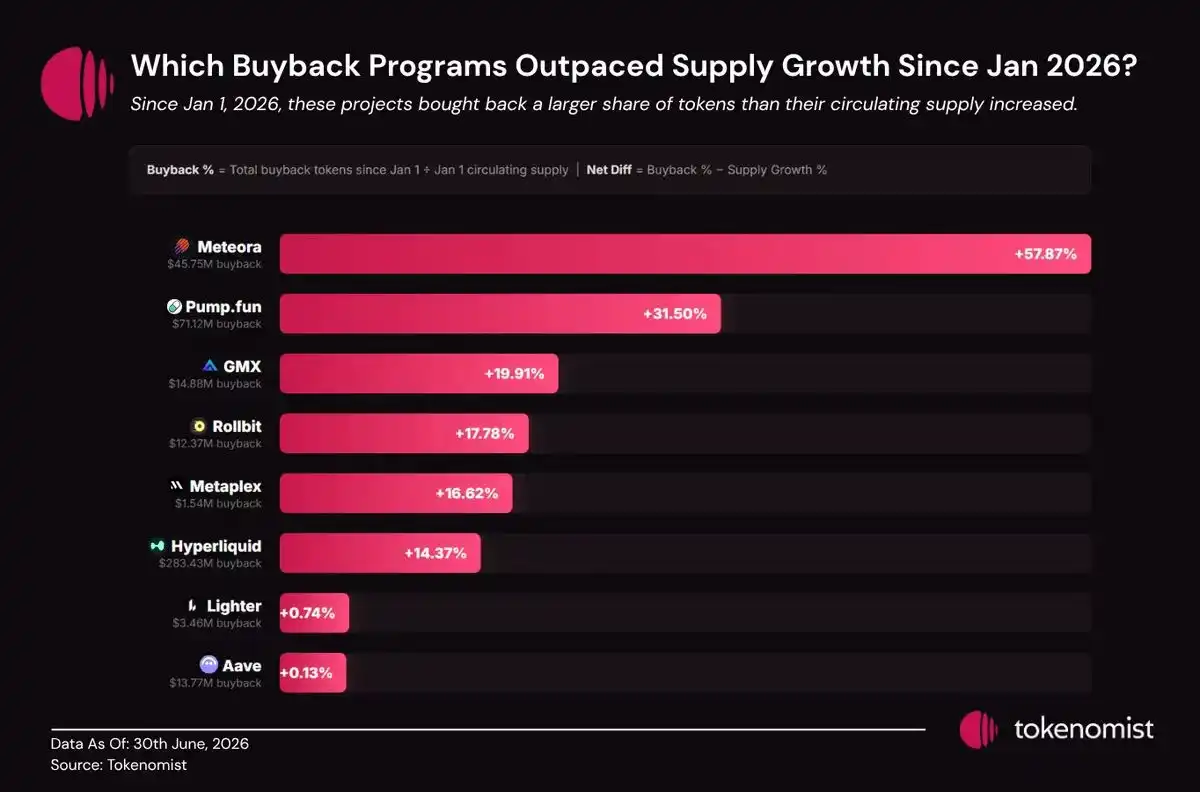
According to Tokenomist data, as of June 30th, the 8 projects with year-to-date token repurchase volumes exceeding their circulating supply growth are:

  • MET: Repurchase ratio 71%; Supply growth +13%;
  • PUMP: Repurchase ratio 7%; Supply growth -24%;
  • GMX: Repurchase ratio 21%; Supply growth +1%;
  • RLB: Repurchase ratio 10%; Supply growth -8%;
  • MPLX: Repurchase ratio 8%; Supply growth -8%;
  • HYPE: Repurchase ratio 3% (value $283 million); Supply growth -11%;
  • LIT: Repurchase ratio 1%; Supply growth 0%;
  • AAVE: Repurchase ratio 1%; Supply growth +1%.

Among these, Meteora (MET) had the most significant impact on its circulating supply through repurchases. Its supply increased by only 13%, currently reported at 535.4 million tokens, while the repurchase volume reached 336.2 million tokens, equivalent to 71% of its January token supply. Meanwhile, Hyperliquid (HYPE) had the largest repurchase amount in dollar terms, at $283 million, accounting for 3% of its token supply, while its token supply decreased by 11% during the same period. The following are detailed introductions.

Hyperliquid: Year-to-Date Repurchase Amount Reaches $283 Million

According to CryptoBriefing statistics, since the beginning of 2026, Hyperliquid's token repurchase amount has reached $283 million, setting a record for the largest-scale token repurchase amount in the industry. As of July 3rd, its cumulative token repurchase amount has exceeded $1.1 billion.

On March 20th last year, Hyperliquid officially launched its token repurchase mechanism, stating that 97-99% of Hyperliquid's trading fees would be directly used to purchase and burn HYPE tokens. As of October last year, HYPE token repurchase funds had reached $645 million. Quarterly data shows a gradually increasing trend in repurchase scale: Q3 2025 was $316.76 million; Q4 2025 was $255.05 million; Q1 2026 was $192.25 million. Previously, the average monthly repurchase funds ranged between $65 million and $85 million.

Currently, the Hyperliquid platform has burned 44 million HYPE tokens through repurchases, representing approximately 4.4% of the total supply.

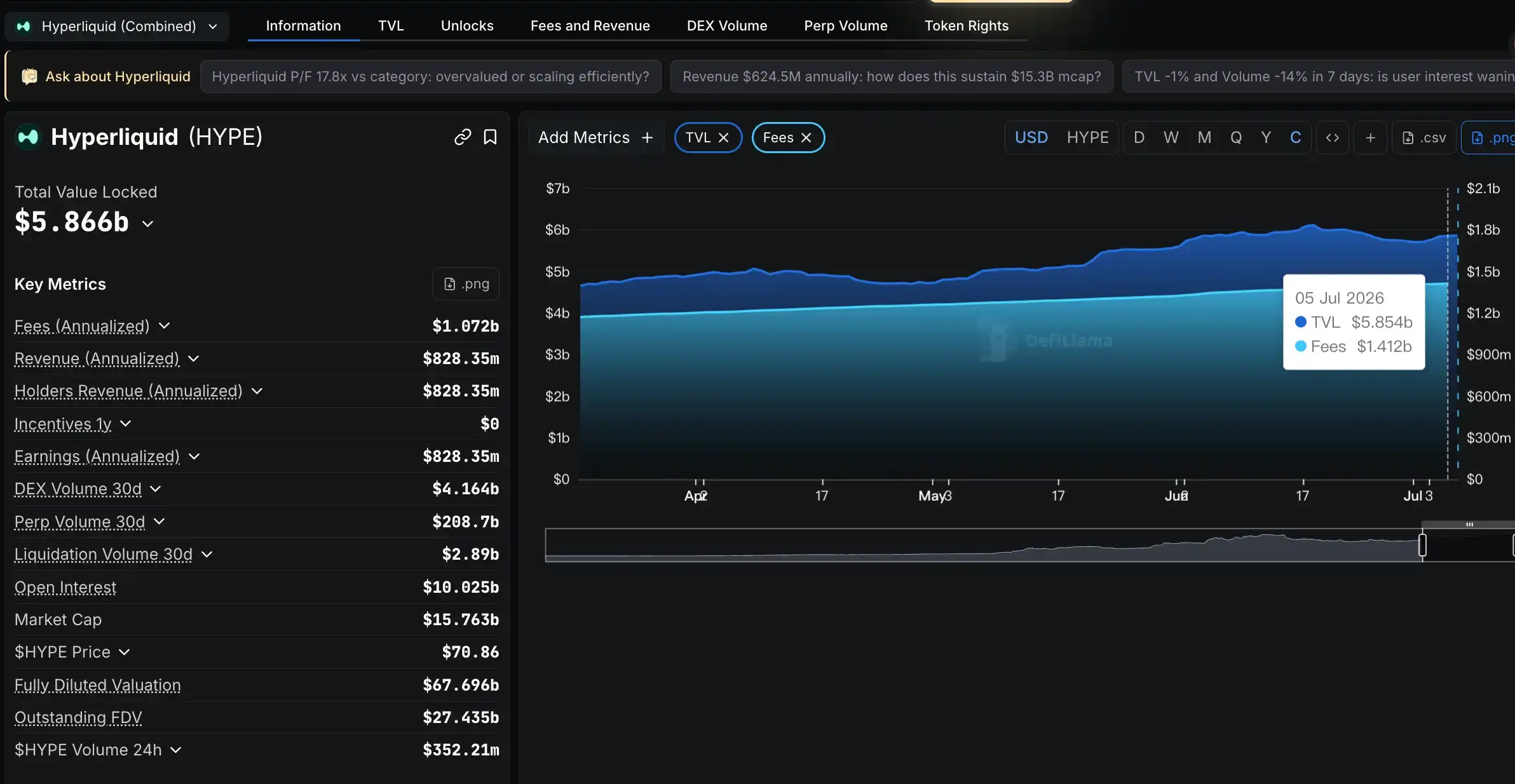
Currently, the HYPE token price is around $70. Additionally, according to DefiLlama data, as of July 5th, the Hyperliquid platform's cumulative fees are approximately $1.412 billion, and its total TVL is about $5.854 billion; annual fees are approximately $1.072 billion.
Pump.fun: Repurchased Over $71 Million Worth of PUMP Tokens This Year

In March 2024, the Meme coin frenzy ignited by the Solana ecosystem swept across the entire crypto market, and Pump.fun quickly became the hottest Meme coin launch platform at the time. Although the Meme coin hype later cooled down, Pump.fun has remained active in the crypto market, firmly positioning itself among the cash cow projects through mechanisms like token launches, product updates, and creator revenue sharing.

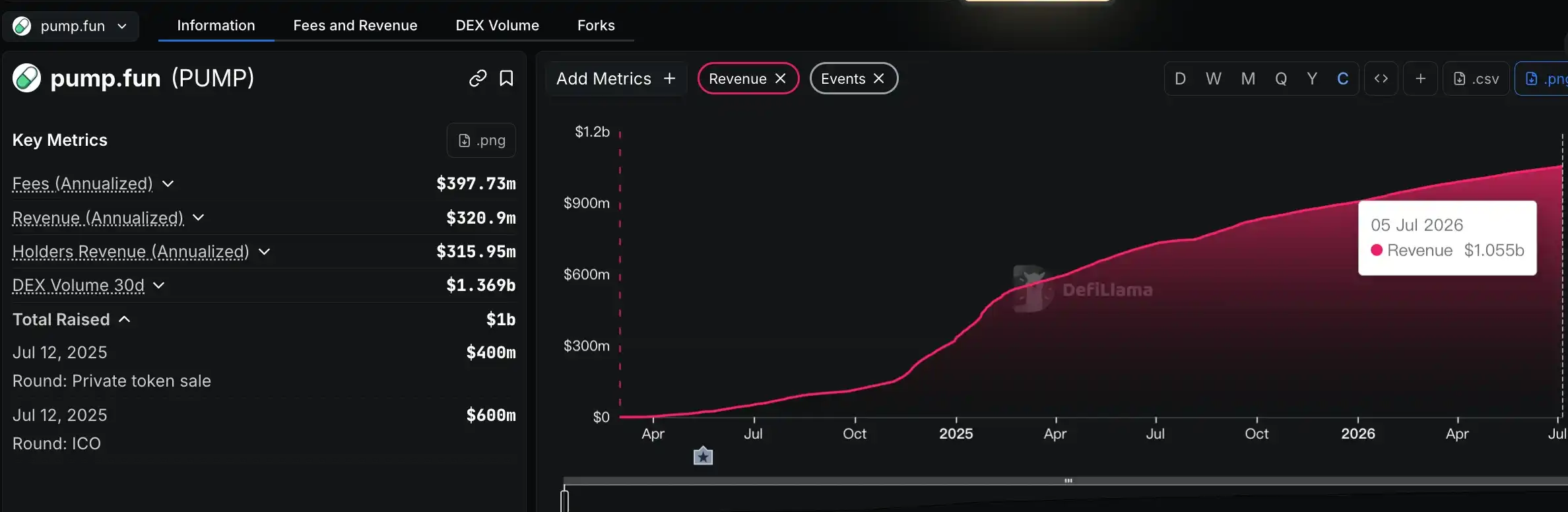
Data shows that Pump.fun has cumulatively repurchased over $400 million worth of PUMP tokens, covering approximately 145.5 billion PUMP. The repurchase plan started in July 2025 and has continued for 346 days cumulatively.

Since April this year, Pump.fun began using 50% of its net revenue for token repurchase and burn, with the remaining revenue allocated to operations, hiring, and acquisitions.

DefiLlama data shows that since its launch in January 2024, the platform has generated approximately $1.13 billion in fees and $1.05 billion in revenue, with fees in the last 30 days dropping to about $18.66 million.

Currently, the PUMP token price is around $0.0016.
Lighter: Repurchased Over 15.5 Million LIT Tokens This Year

As another on-chain Perp DEX platform following Hyperliquid, Lighter's answer is a combination of 'compliance + repurchase.'

Recently, Vladimir Novakovski, founder and CEO of Lighter, announced that he had joined the U.S. Commodity Futures Trading Commission (CFTC) Innovation Advisory Committee as a member. Previously, Lighter announced integration with Robinhood Wallet, allowing users to conduct perpetual contract trading directly through the wallet. Coupled with the token repurchase news, the LIT token price has also seen a nice rally recently.

According to an official announcement by Lighter on July 1st, since the first token repurchase began in January this year, approximately 15.5 million LIT tokens have been repurchased and burned, accounting for 6.3% of the total circulating supply.

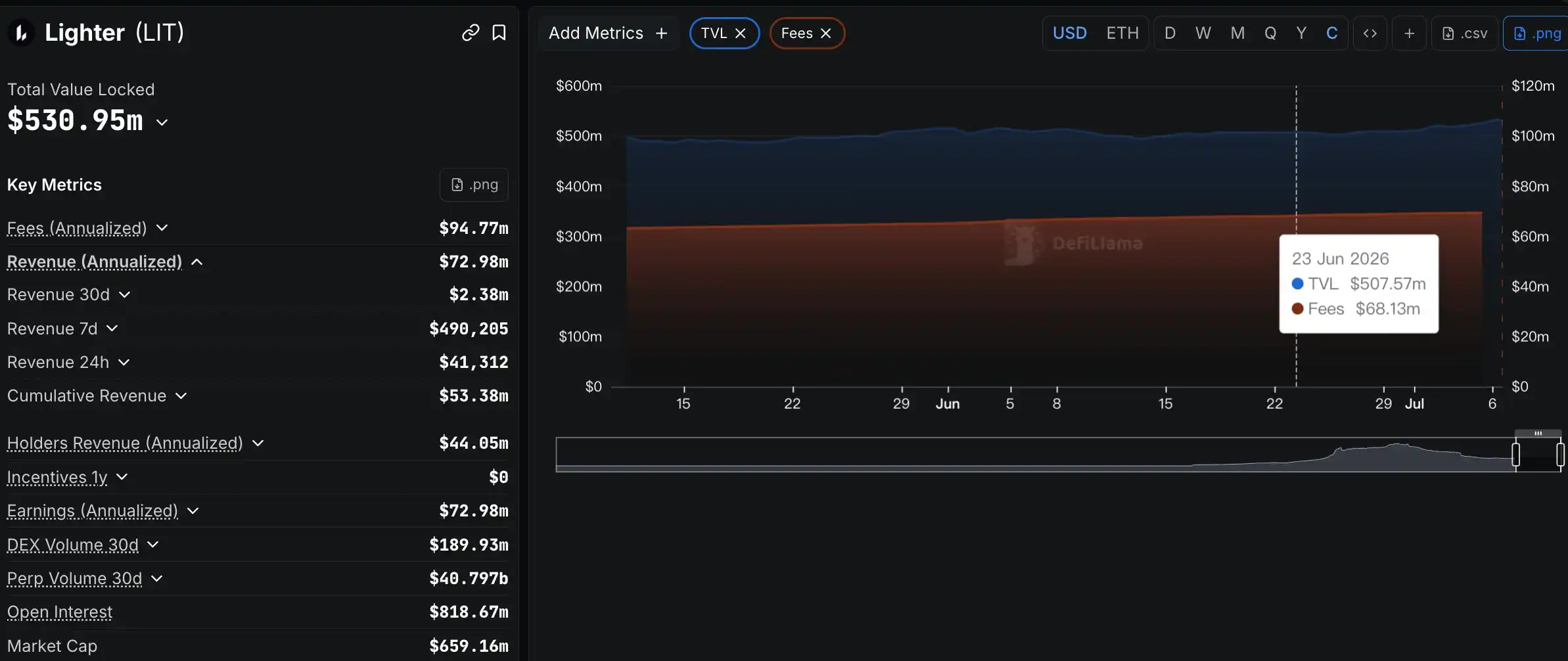
According to DefiLlama data, Lighter's cumulative fee revenue is approximately $68 million, TVL is about $507 million, and protocol revenue over the past 30 days is approximately $2.38 million.

Currently, the LIT token price is around $2.59.
Aave: Year-to-Date Repurchase Amount Exceeds $13.7 Million

On April 9th, 2025, the Aave repurchase proposal passed with an overwhelming 99.63% support rate. According to the proposal, Aave would repurchase $1 million worth of tokens weekly for the following six months, with the first repurchase executed on April 10th.

By July last year, the protocol had cumulatively spent $10 million to repurchase 50,000 AAVE tokens, with an average cost of $199.74. Based on the market price of $264 at the time, this portion of treasury reserves had generated approximately $3 million in unrealized gains. (Supplementary reading: 'Aave's Major Economic Model Overhaul: Anti-GHO Mechanism + Token Repurchase, Boosting AAVE Price by 20%')

This year, after the massive $290+ million security incident involving KelpDAO, Aave faced a 'DeFi trust crisis' due to bad debt issues. In less than a week, outflows amounted to over $17 billion (TVL), and at one point, it faced a near $8.5 billion deposit run risk. Subsequently, through founder injections and fundraising from the DeFi United event, Aave successfully navigated the crisis, but the AAVE token and platform TVL inevitably suffered severe impacts.

Notably, by October last year, Aave's repurchased AAVE tokens had already exceeded 100,000, with a total cost of around $24 million. In March this year, Aave initiated and passed a proposal to reduce its annual repurchase budget from $50 million to $30 million. Currently, Aave's repurchased AAVE tokens exceed 200,000. At the end of last month, Aave CEO Stani stated that the team is designing Aavenomics 3.0, planning to introduce a new automated, non-discretionary repurchase mechanism, and emphasized that they 'would never sell AAVE at a 30% discount.'

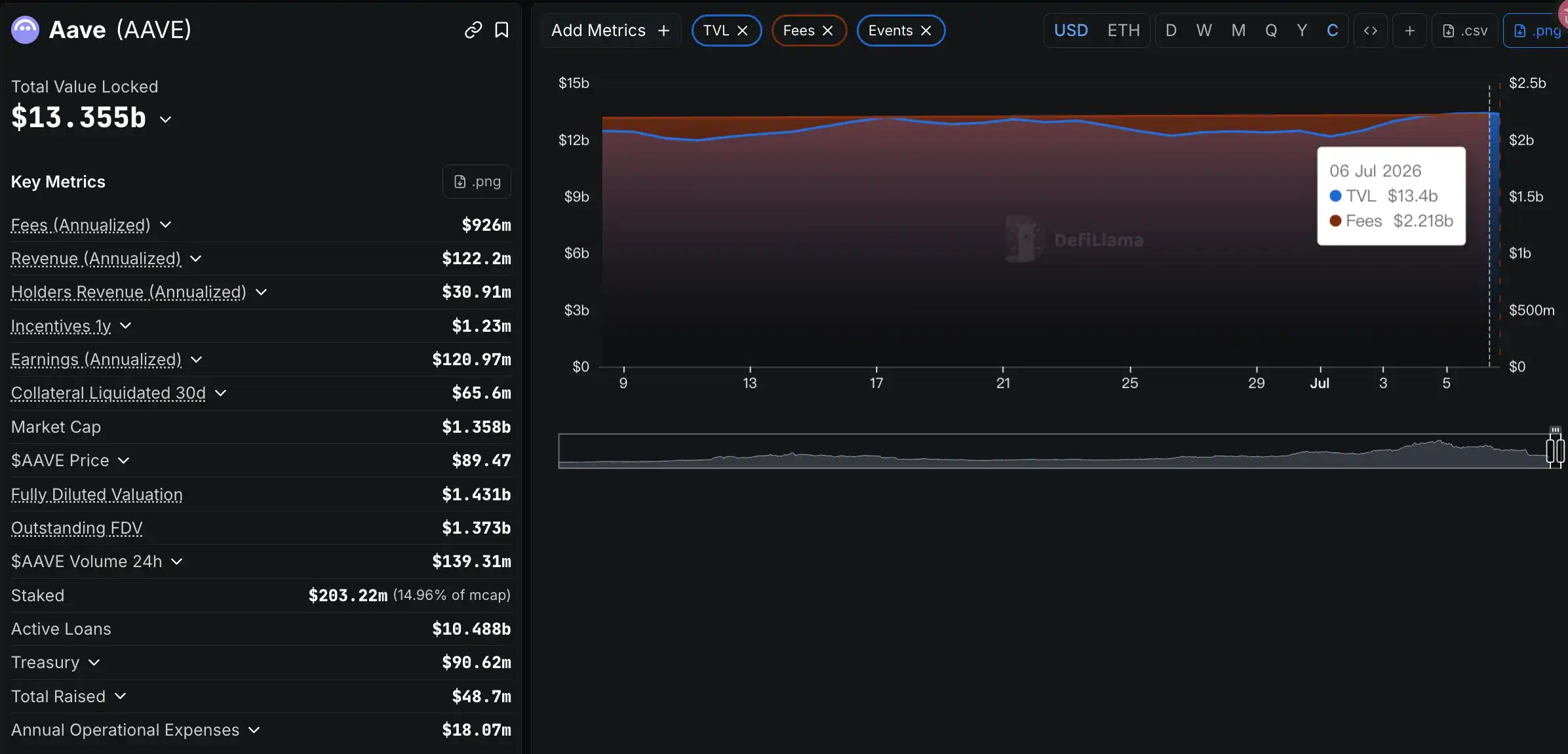
According to DefiLlama data, as of July 6th, Aave protocol's cumulative fees reached $2.218 billion; TVL is currently reported at $13.4 billion.

Currently, the AAVE token price is around $89.
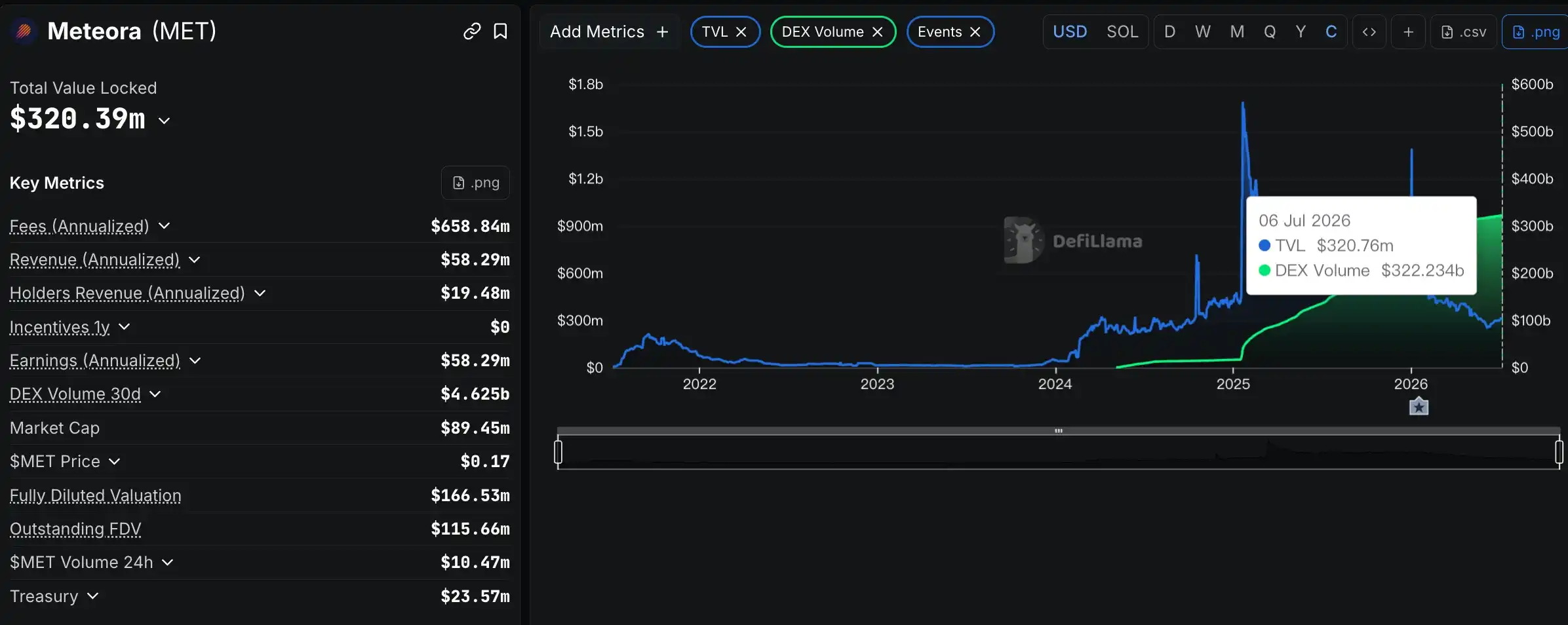
Meteora: Year-to-Date Cumulative Repurchase Amount Exceeds $45 Million

Last December, Meteora's official announcement stated that it had allocated 10 million USDC for repurchases in Q4 2025, recovering approximately 2.3% of MET. The total amount would continue to be autonomously executed from the same repurchase address in the future.

According to Tokenomist data, MET's circulating supply increased from 472.8 million on January 1st, 2026, to 535.4 million (total supply 1 billion tokens), a growth of 13.2%. Meanwhile, Meteora officially repurchased 336.2 million tokens, valued at $45.75 million, which accounts for 71% of its token supply at the beginning of the year.

This February, Meteora was embroiled in controversy after on-chain detective ZachXBT exposed employee insider trading. However, it ultimately weathered the storm due to its platform's deep integration within the Solana ecosystem and strong ties with the Jupiter ecosystem, remaining active in the crypto market. Recently, its second-season LP incentive event concluded, with related rewards to be distributed later.

According to DefiLlama data, its cumulative trading volume is around $322.2 billion; TVL is currently reported at $320 million; its protocol revenue over the past 30 days is $1.92 million.

Currently, the MET token price is around $0.17.
GMX: Year-to-Date Repurchase Amount Reaches $14.88 Million

As early as July 2024, GMX initiated a proposal to start repurchasing and distributing GMX tokens. In November last year, GMX proposed to increase the coverage of repurchase and distribution fees from 27% to 90%, and raise the allocation ratio for the GMX Treasury to 73% to support the token repurchase and airdrop mechanism. It was estimated that monthly GMX repurchases would increase to 345,534 tokens, with a repurchase value reaching $8.489 million.

As of October 23rd last year, GMX repurchases were approximately 1.33 million tokens. Subsequently, GMX continued its token repurchases. In March this year, the GMX DAO passed a governance plan to adjust repurchases and liquidity to restore price discovery.

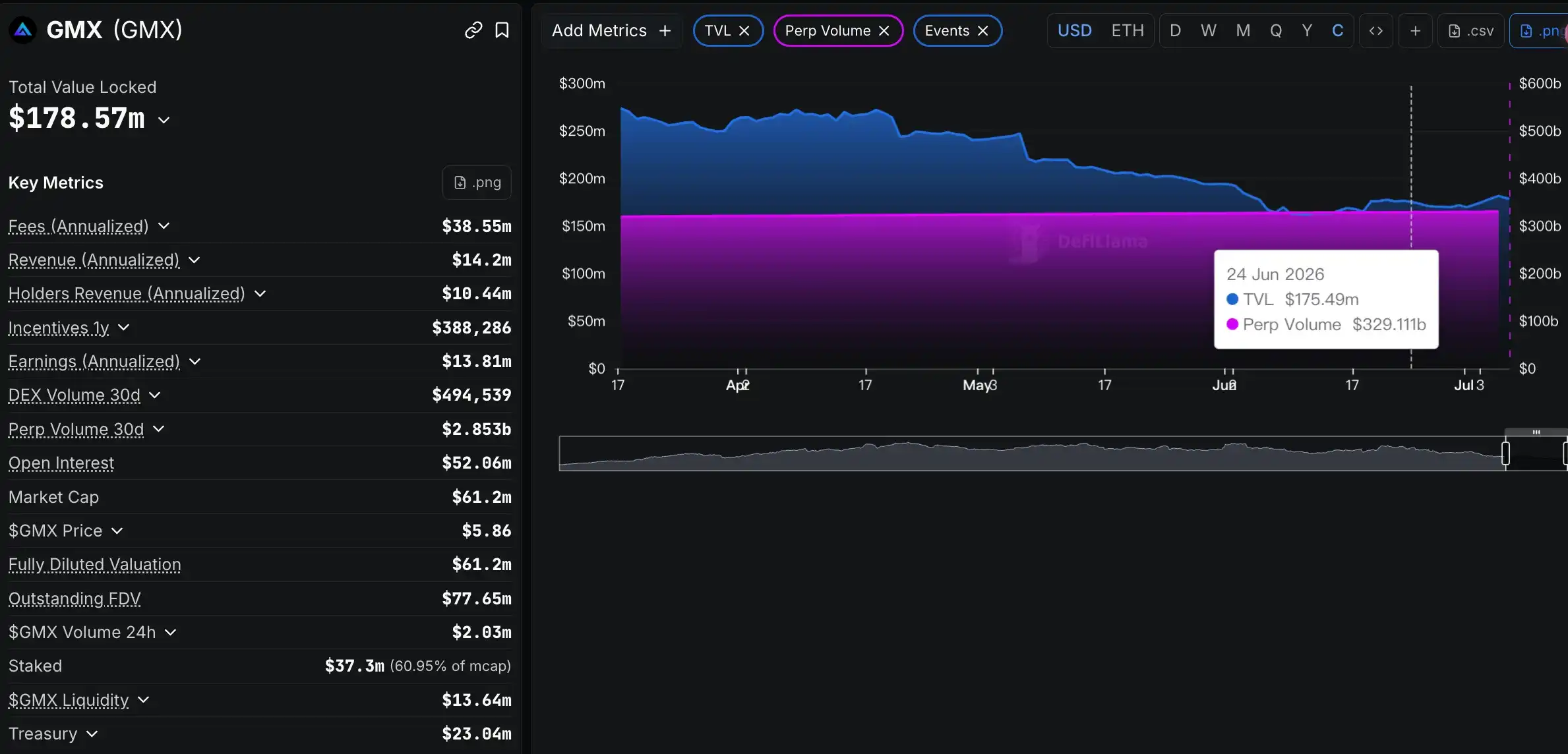
According to an official GMX announcement on July 1st, between March 5th and June 30th this year, a total of $1.965 million was spent to repurchase 313,650 GMX tokens at an average price of $6.27, with Q2 repurchase funds amounting to $1.41 million. According to Tokenomist data, GMX's current repurchase ratio is approximately 41.22%.

According to DefiLlama data, GMX's cumulative trading volume is close to $330 billion; TVL is currently reported at $175 million; protocol revenue over the past 30 days is approximately $662,000.

Currently, the GMX token price is around $5.86.
Beyond the above platforms, the token repurchase mechanisms of Rollbit, an online gambling platform focusing on 'GambleFi,' and Metaplex, a Solana ecosystem asset issuance platform, are more niche.

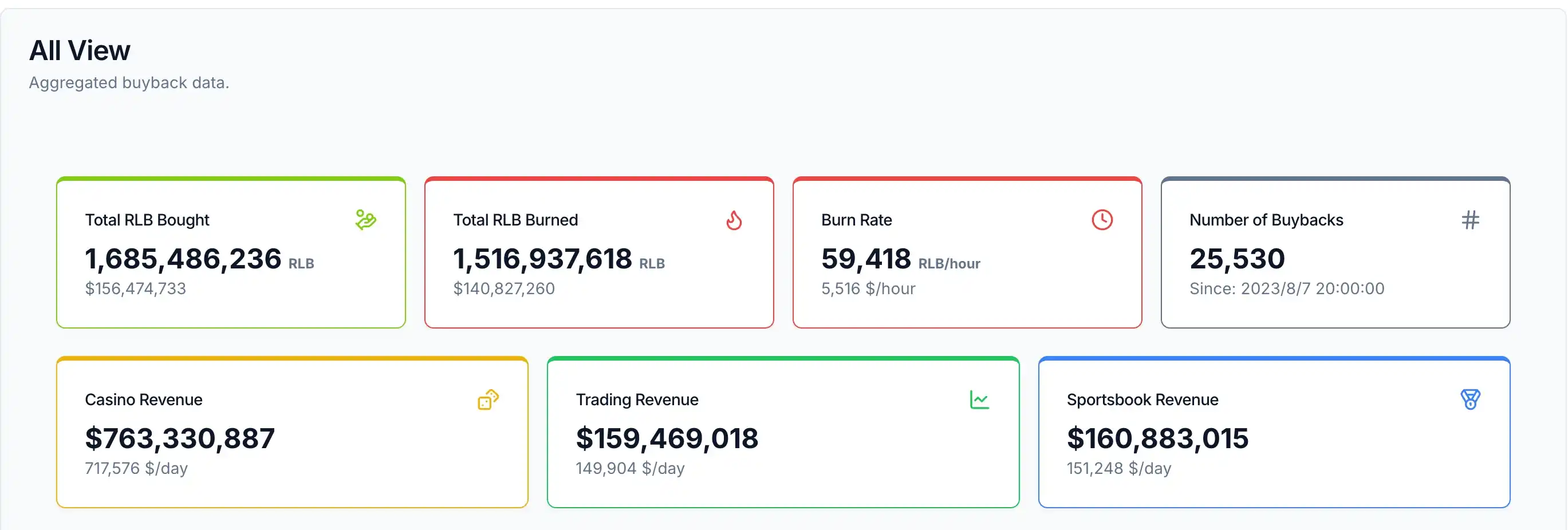
Among them, the former's RLB token executes automatic hourly repurchases and burns, primarily using platform revenue (10% from casino, 20% from sports betting, 30% from 1000x futures, etc.) to purchase RLB on the open market. After purchase, 90% is permanently burned (reducing supply), and 10% is distributed to Rollbots NFT stakers (incentivizing holders). According to official website information, the cumulative token repurchase value over the last 6 months is approximately $12.5 million.

Currently, the RLB token price is around $0.065.
The latter uses 50% of protocol fees monthly to repurchase MPLX. The repurchased tokens are allocated to the Metaplex DAO treasury (held rather than immediately burned, but enhancing scarcity and governance value); the remaining 50% is used for foundation development. Currently, the MPLX token price is around $0.036.

Of course, token repurchase and burn do not necessarily guarantee price appreciation, as they are also influenced by factors such as market conditions, news events, product updates, and token unlocks. However, in the current lackluster market, crypto projects capable of consistently generating stable cash flow are already remarkable 'money-making machines.'


Tiền kỹ thuật số thịnh hành

Câu hỏi Liên quan

QWhich project has the largest token buyback amount in terms of USD value according to the article?

AHyperliquid (HYPE) has the largest token buyback amount, at $283 million USD.

QWhat are the primary business areas or categories of the 'cash cow' projects mentioned in the article?

AThe primary categories mentioned are Perpetual DEXs (e.g., Hyperliquid, Lighter), DeFi lending/borrowing (Aave), Memecoin launchpads (Pump.fun), and other DeFi/ecosystem platforms.

QAccording to the data, which project's buyback had the greatest proportional impact on its circulating supply?

AMeteora (MET) had the greatest proportional impact, with buybacks equivalent to 71% of its token supply from January 1st, despite its supply increasing by 13%.

QWhat mechanism does Hyperliquid primarily use to fund its HYPE token buybacks?

AHyperliquid uses 97-99% of its platform trading fees to buy back and burn HYPE tokens.

QWhat point does the article make about the relationship between token buybacks and price appreciation?

AThe article notes that token buybacks and burns do not necessarily guarantee price appreciation, as prices are also influenced by market conditions, news, product updates, and token unlock events.

Nội dung Liên quan

Justin Sun tuyên chiến với altcoin: 'Nó đóng băng tài sản người dùng thông qua tính năng ẩn'

Justin Sun tuyên bố rằng stablecoin $USD1 của World Liberty Financial có chứa "tính năng backdoor" cho phép đóng băng hoặc tiêu hủy tài sản người dùng. Trong một tuyên bố trên X, ông cho biết đã ngăn thành công nỗ lực của công ty này đưa vụ việc ra trọng tài riêng và khẳng định vụ kiện sẽ tiếp tục được xét xử công khai tại tòa án liên bang California. Sun tiết lộ rằng trong quá trình tố tụng, ông phát hiện $USD1 có cơ chế ủy quyền tương tự, cho phép World Liberty kiểm soát tài sản người dùng bất cứ lúc nào. Ông cảnh báo người dùng $USD1 về rủi ro lớn này, đặc biệt trong mô hình stablecoin tập trung, và cáo buộc World Liberty đã sẵn sàng sử dụng quyền lực tương tự với chủ sở hữu token WLFI trước đây. Ông cũng đặt câu hỏi về tình hình tài chính của World Liberty, cho rằng khoản dự trữ khoảng 4 tỷ USD của $USD1 thuộc về người dùng và không thể dùng để thanh toán các khoản nợ tiềm tàng hàng trăm triệu USD của công ty. Sun tuyên bố không thấy bằng chứng nào cho thấy World Liberty có đủ vốn để đáp ứng các nghĩa vụ pháp lý, ngoài khoản dự trữ 1:1, và kêu gọi nhà đầu tư "cực kỳ thận trọng". Cho đến nay, World Liberty Financial chưa có phản hồi chính thức về các cáo buộc này. Tất cả tuyên bố của Sun vẫn chỉ là cáo buộc chưa được chứng minh.

cryptonews.ru37 phút trước

Justin Sun tuyên chiến với altcoin: 'Nó đóng băng tài sản người dùng thông qua tính năng ẩn'

cryptonews.ru37 phút trước

MiCA sắp áp dụng cho các hầm chứa DeFi, nhưng việc điều chỉnh sẽ khó khăn

MiCA, bộ khung quy định về tài sản tiền mã hóa của EU, ban đầu chưa bao gồm hoạt động cho vay tiền mã hóa. Ủy ban châu Âu hiện đang tham vấn về việc có đưa lĩnh vực này, bao gồm các dịch vụ tài chính phi tập trung (DeFi) và các khoản vay crypto, vào phạm vi quản lý hay không. Một thách thức lớn là việc phân loại và quản lý các "vault" (kho tiền) cho vay trên blockchain. Các vault này có chức năng kinh tế tương tự cho vay nhưng hoạt động thông qua hợp đồng thông minh và nhiều bên tham gia, chứ không phải một công ty đơn lẻ, khiến việc xác định "nhà cung cấp dịch vụ" chịu trách nhiệm trở nên phức tạp. Các chuyên gia pháp lý chỉ ra rằng luật EU hiện không có định nghĩa rõ ràng cho "vault". Việc quy định cần dựa trên chức năng thực tế chứ không phải tên gọi. Có ý kiến cảnh báo không nên gộp chung "cho vay DeFi" thành một danh mục quy định duy nhất, vì sẽ bao gồm cả những cấu trúc có chức năng và mức độ kiểm soát hoàn toàn khác biệt. Câu hỏi then chốt là ai sẽ là đối tượng bị điều chỉnh. Một đề xuất là dựa vào mức độ phi tập trung, nhưng điều này có thể bất lợi cho các giao thức mới. Giải pháp khác là tập trung vào cấu trúc vault và quyền kiểm soát thực tế của con người đối với nó. Nhiều ý kiến nhấn mạnh rằng nếu được quy định, cho vay DeFi cần một khung riêng biệt, phù hợp với đặc thù khác biệt so với tài chính truyền thống. Thách thức của Brussels không chỉ là có nên quy định hay không, mà là làm thế nào để xây dựng các quy tắc phân biệt được các hình thức cho vay onchain khác nhau và xác định rõ ràng các bên thực sực kiểm soát chúng. Kết quả tham vấn sẽ quyết định số phận pháp lý của các lending vault trong tương lai.

cointelegraph1 giờ trước

MiCA sắp áp dụng cho các hầm chứa DeFi, nhưng việc điều chỉnh sẽ khó khăn

cointelegraph1 giờ trước

Báo cáo Grayscale: Trong kỷ nguyên AI, quyền riêng tư tài chính – Tại sao Zcash không nên bị bỏ qua?

**Báo cáo Grayscale: Sự riêng tư tài chính trong thời đại AI, Tại sao Zcash không nên bị bỏ qua?** Grayscale Research nhận định chúng ta đang ở bên bờ của làn sóng thứ ba về mối quan tâm công chúng đến quyền riêng tư tài chính, được thúc đẩy bởi sự phổ biến của stablecoin, ứng dụng blockchain và các phương tiện giám sát tài chính mới do AI tạo ra. Trong bối cảnh đó, Zcash - một loại tiền kỹ thuật số phi tập trung với cơ chế bảo mật vững chắc - xuất hiện. Trong khi Bitcoin minh bạch nhưng thiếu tính riêng tư, Zcash cung cấp các giao dịch được che chắn (shielded transactions) sử dụng bằng chứng không tiết lộ thông tin (zero-knowledge proof) để ẩn người gửi, người nhận và số tiền, đồng thời vẫn cho phép tiết lộ có chọn lọc khi cần. Bài viết nêu bật sự phát triển của Zcash từ một dự án mang tính lý thuyết ban đầu trở thành một giao thức khả dụng nhờ các bản nâng cấp lớn như Sapling (2018) và Orchard/NU5 (2022), cải thiện đáng kể khả năng sử dụng. Cơ sở hạ tầng như ví Zodl và các đề xuất kỹ thuật như Tachyon (mở rộng quy mô) và Crosslink (tăng cường độ tin cậy) nhằm mục đích thúc đẩy việc áp dụng quy mô lớn. Về định giá, ZEC (token của Zcash) hiện chỉ chiếm khoảng 0,6% thị phần trong lĩnh vực tiền kỹ thuật số, cho thấy thị trường đánh giá thấp nhu cầu về quyền riêng tư. Tuy nhiên, dữ liệu trên chuỗi cho thấy nhu cầu thực tế: tính đến tháng 7/2026, ~90% tổng số giao dịch Zcash là các giao dịch được che chắn, với ~25% nguồn cung lưu thông nằm trong các nhóm che chắn. Bài viết kết luận rằng cơ hội cho các nhà đầu tư không nằm ở việc Zcash thay thế Bitcoin, mà ở việc giá trị của tiền kỹ thuật số riêng tư vẫn chưa được thị trường nhận thức đầy đủ. Tuy nhiên, các rủi ro như môi trường quy định, các vấn đề kế thừa từ thiết lập tin cậy ban đầu và rủi ro thực thi lộ trình công nghệ cần được xem xét.

marsbit3 giờ trước

Báo cáo Grayscale: Trong kỷ nguyên AI, quyền riêng tư tài chính – Tại sao Zcash không nên bị bỏ qua?

marsbit3 giờ trước

OriginX Mang Đến Seoul Các Nhà Lãnh Đạo Bitcoin Từ 22 Quốc Gia Và Hơn 70 Đối Tác Cho ORIGIN SEOUL 2026

OriginX, một công ty Bitcoin bản địa có trụ sở tại Seoul, sẽ tổ chức hội nghị ORIGIN SEOUL 2026 vào ngày 1 và 2 tháng 9 tại SKY31 Convention, Tòa tháp Lotte World. Sự kiện quy tụ các nhà lãnh đạo, doanh nhân và nhà phát triển Bitcoin từ 22 quốc gia, cùng hơn 70 đối tác bao gồm các công ty, tổ chức truyền thông và cộng đồng. Các nhà tài trợ và đối tác chính gồm Satori Coin, SmashFi, MoneyToday, LifPay và nhiều tổ chức toàn cầu khác. Chương trình nghị sự được chia thành hai phần chính: Ngày Công nghiệp (1/9) thảo luận về cấu trúc ngành Bitcoin đang thay đổi, như đầu tư thể chế, ETF, tài chính Bitcoin bản địa và hạ tầng khai thác. Ngày Cộng đồng (2/9) tập trung vào phân tích thị trường, tự lưu giữ tiền mã hóa, công việc xây dựng cộng đồng lâu dài và các bài thuyết trình từ các chuyên gia như James Check (Checkonchain) và Teruko Neriki. Hội nghị mở rộng với 14 sự kiện bên lề trên khắp Seoul từ ngày 29/8, bao gồm hội thảo, chuyến du thuyền trên sông Hán và sự kiện chạy bộ cộng đồng "Run for Hal". ORIGIN SEOUL còn kết nối với Bitcoin Asia tại Hồng Kông để tạo thành Bitcoin Asia Week. OriginX, đơn vị tổ chức, điều hành Bitcoin House ORIGIN - không gian làm việc chung về Bitcoin lớn nhất Hàn Quốc. Hội nghị này là đỉnh cao cho các hoạt động cộng đồng, giáo dục và kết nối toàn cầu mà họ xây dựng quanh năm.

TheNewsCrypto3 giờ trước

OriginX Mang Đến Seoul Các Nhà Lãnh Đạo Bitcoin Từ 22 Quốc Gia Và Hơn 70 Đối Tác Cho ORIGIN SEOUL 2026

TheNewsCrypto3 giờ trước

Giao dịch

Giao ngay

Bài viết Nổi bật

Làm thế nào để Mua COW

Chào mừng bạn đến với HTX.com! Chúng tôi đã làm cho mua CoW Protocol (COW) trở nên đơn giản và thuận tiện. Làm theo hướng dẫn từng bước của chúng tôi để bắt đầu hành trình tiền kỹ thuật số của bạn.Bước 1: Tạo Tài khoản HTX của BạnSử dụng email hoặc số điện thoại của bạn để đăng ký tài khoản miễn phí trên HTX. Trải nghiệm hành trình đăng ký không rắc rối và mở khóa tất cả tính năng. Nhận Tài khoản của tôiBước 2: Truy cập Mua Crypto và Chọn Phương thức Thanh toán của BạnThẻ Tín dụng/Ghi nợ: Sử dụng Visa hoặc Mastercard của bạn để mua CoW Protocol (COW) ngay lập tức.Số dư: Sử dụng tiền từ số dư tài khoản HTX của bạn để giao dịch liền mạch.Bên thứ ba: Chúng tôi đã thêm những phương thức thanh toán phổ biến như Google Pay và Apple Pay để nâng cao sự tiện lợi.P2P: Giao dịch trực tiếp với người dùng khác trên HTX.Thị trường mua bán phi tập trung (OTC): Chúng tôi cung cấp những dịch vụ được thiết kế riêng và tỷ giá hối đoái cạnh tranh cho nhà giao dịch.Bước 3: Lưu trữ CoW Protocol (COW) của BạnSau khi mua CoW Protocol (COW), lưu trữ trong tài khoản HTX của bạn. Ngoài ra, bạn có thể gửi đi nơi khác qua chuyển khoản blockchain hoặc sử dụng để giao dịch những tiền kỹ thuật số khác.Bước 4: Giao dịch CoW Protocol (COW)Giao dịch CoW Protocol (COW) dễ dàng trên thị trường giao ngay của HTX. Chỉ cần truy cập vào tài khoản của bạn, chọn cặp giao dịch, thực hiện giao dịch và theo dõi trong thời gian thực. Chúng tôi cung cấp trải nghiệm thân thiện với người dùng cho cả người mới bắt đầu và người giao dịch dày dạn kinh nghiệm.

Tổng lượt xem 457Xuất bản vào 2024.12.25Cập nhật vào 2026.08.20

Làm thế nào để Mua COW

Thảo luận

Chào mừng đến với Cộng đồng HTX. Tại đây, bạn có thể được thông báo về những phát triển nền tảng mới nhất và có quyền truy cập vào thông tin chuyên sâu về thị trường. Ý kiến ​​của người dùng về giá của COW (COW) được trình bày dưới đây.

活动图片