Fundraising is Like a Strange Dance: The 'Absurd Drama' of Silicon Valley Founders' Capital Raises

marsbitXuất bản vào 2026-06-09Cập nhật gần nhất vào 2026-06-09

Tóm tắt

The article details a series of absurd and revealing anecdotes shared by Silicon Valley founders about their venture capital fundraising experiences, sparked by Greg Isenberg's story of pitching to a sleeping a16z partner. Founders describe surreal pitch meetings: one faced a barefoot, peanut-eating investor who offered triple the requested amount after 30 seconds; another performed a pitch in a VC's parked car; a founder discovered his audience understood no English beyond "yes." These stories highlight the often irrational and performative nature of fundraising. Beyond the absurdity, darker power imbalances are exposed. Stories include investors suggesting founders fire co-founders for their equity, blatant market misjudgments, disrespectful behavior from LPs, and discriminatory remarks. A debate also emerges around "Sequoia's" practice of splitting a round into two valuations. However, the thread isn't solely critical. Positive counter-narratives celebrate supportive VCs who offered crucial advice during crises, respected founders' timelines, and showed simple gestures of respect—like a partner personally fetching coffee before a major pitch. Ultimately, the collective sharing acts as a pressure release, illustrating that fundraising is a complex dance of power, trust, and sometimes sheer theater. It underscores that beyond capital, mutual respect and integrity remain the most enduring foundations of the founder-investor relationship.

By: Zen, PANews

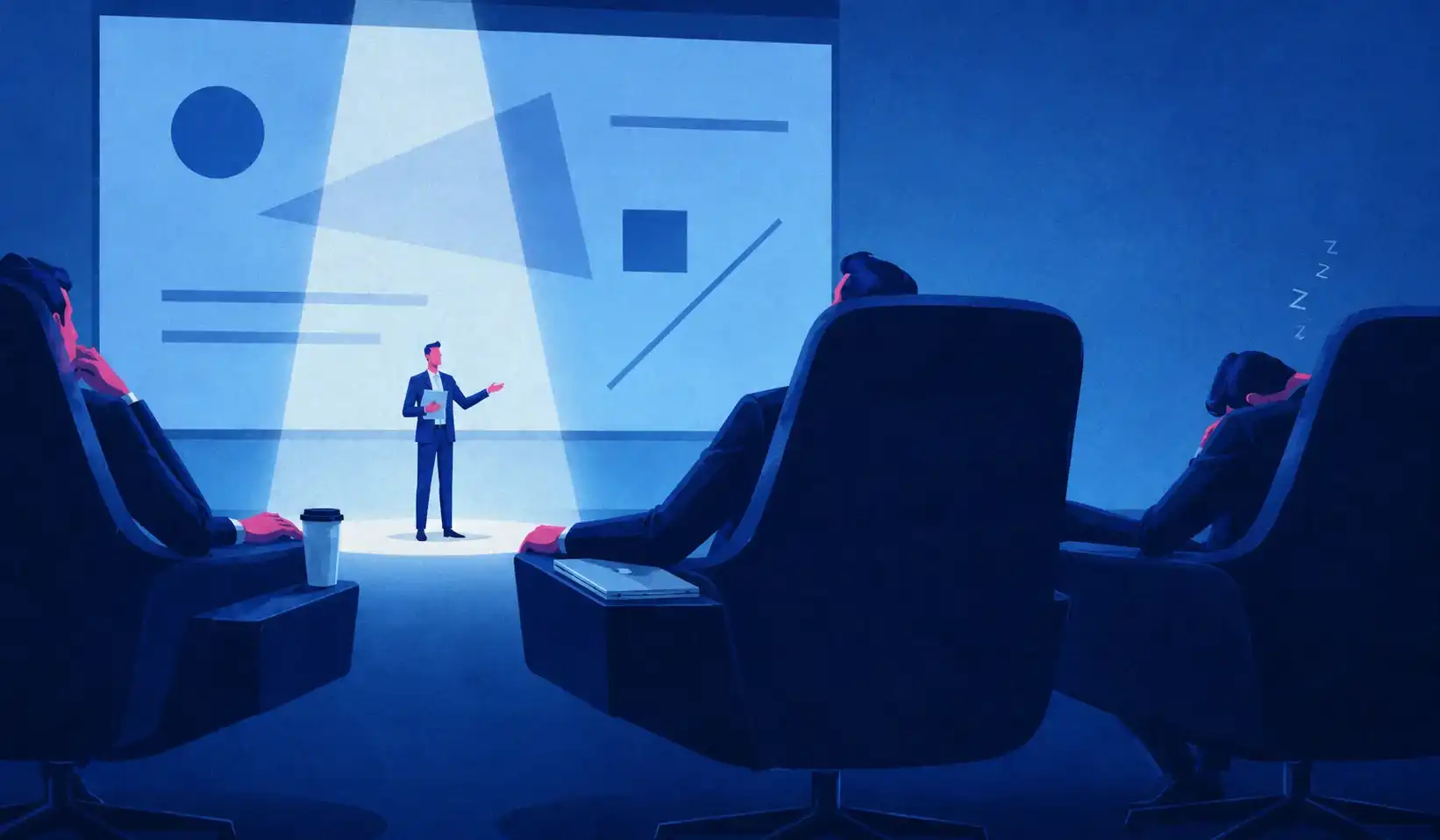
An a16z partner fell asleep on the spot for over 30 minutes, and you have to grit your teeth and finish presenting your Series A materials, worth $15 million, to a person who is "unconscious"... This sounds like dark humor, but it's a real VC pitch story experienced by Greg Isenberg, founder of Late Checkout and LCA.

Last week, after Greg Isenberg shared this experience on X, it quickly resonated within the Silicon Valley startup community.

"This is venture capital," Isenberg said, noting that founders sometimes fly across the entire country just to "perform" for a group of people who aren't necessarily alert. Fundraising is like a dance; sometimes the founder leads, sometimes follows, and sometimes the dance partner is already asleep.

He believes almost every founder has a similar story, but people rarely talk about them publicly because they might need to raise funds again in the future and can't afford to offend VCs. In fact, Isenberg did not name the specific firm, only saying it was a top-three venture capital firm. In the end, it was the sleeping partner himself—Marc Andreessen of a16z—who proactively admitted to the embarrassing incident, jokingly blaming it on founders in San Francisco who kept telling him he should try "psychedelics."

After Isenberg fired the "first shot," many other founders and investors have come forward to share their own personal experiences during the fundraising process.

Absurd Moments in the Pitch Room

The reason Isenberg's rant spread quickly and prompted more entrepreneurs to share is that he revealed a side of the fundraising process that is rarely described publicly. In the common imagination, a project pitch should be a rational, efficient, and respectable business negotiation among elites, but in reality, it's not always the case.

The story of Airwallex Co-founder and CEO Jack Zhang is one of the most vivid scenes.

During the most feverish period of the SoftBank Vision Fund, Jack once flew over 30 hours from Melbourne to London to pitch while running a 39°C fever. However, the investor arrived late, walking into the conference room completely barefoot after being 90 minutes behind schedule.

As Jack began his formal presentation, the other party opened a bag of peanuts, chewing while listening. About 30 seconds later, the investor interrupted him to ask how much he wanted to raise. Jack answered $100 to $150 million. The investor directly said, "I'll give you $300 million. We can make you the industry leader." The entire meeting ended just 20 minutes later. Jack later joked that the time it took him to get from Heathrow Airport to the office was longer than this pitch that determined his company's future.

This story of the "Barefoot Sage" immediately made Y Combinator partner Tom Blomfield feel addressed. He said he might have met the same person, as the individual had picked his feet, eaten with his hands, smoked during a meeting, and finally stubbed out the cigarette in his lunch, then poured coffee on it to put it out.

However, Blomfield himself has also left a deep impression on pitching entrepreneurs with some "quirky" behavior. Starcloud Co-founder and CEO Philip Johnston claimed that during a Zoom pitch, one partner spent the entire time tossing peanuts into the air, catching them in his mouth, and then crunching on them. Blomfield frankly admitted that partner was himself and humorously replied, "I thought we agreed we wouldn't talk about your YC interview."

Besides these more recent next-gen pitches, Uber Co-founder and former CEO Travis Kalanick also came out to reminisce about his own anecdote from as early as 2001. Before a scheduled meeting was about to start, Kalanick intercepted a partner who was trying to escape outside the VC's office, and ultimately completed the pitch in the passenger seat of the partner's parked Lexus. Midway, the partner's large belly pressed against the steering wheel, and he grabbed Kalanick's laptop to quickly flip through the PPT himself. Kalanick left only one sigh: "Fundraising in 2001, it really had a special feel."

Other stories are more like black comedies born from misaligned language and situations. Sphere Labs Co-founder Dirichlet was once asked by an existing investor to pitch to an ultra-high-net-worth individual with a fortune exceeding $10 billion, who also managed a large fund, during a dinner.

The introducer reminded him: "His English isn't great, but you still need to give him a good pitch." So Dirichlet spent 30 to 45 minutes introducing the company slowly and in simplified terms. The other party kept nodding, occasionally saying "Yes," and even ordered a dessert in fairly decent English. It wasn't until after the dinner ended, with handshakes and hugs, that he learned the other person didn't actually understand a single English word except for "Yes" and the Greek yogurt on the menu.

More Glaring than the Absurdity is the Power Dynamic

If bare feet, eating peanuts, and car pitches still carry a certain comic flair, other stories fully expose the inequality in the fundraising relationship.

Cloudflare Co-founder and CEO Matthew Prince mentioned that Cloudflare was once rejected early on by a Sequoia partner because the other party didn't believe women could lead a security infrastructure company.

Another time, he was introduced to a16z Co-founder Marc Andreessen, thinking it was just a casual meeting, but Andreessen thought it was a formal pitch and brought the entire a16z partnership team. When someone pointed out he "didn't seem prepared," Prince admitted it was true because he genuinely hadn't prepared, and he ultimately framed that rejection letter.

Prince also added a story about Khosla Ventures founder Vinod Khosla. When Cloudflare was preparing its Series C round, Khosla had given a term sheet and invited Prince, along with the other two co-founders, Michelle Zatlyn and Lee Holloway, to dinner.

Near the end of the dinner, as Michelle and Lee left for the restroom, Khosla leaned over and told Prince that he was impressed with Prince but wasn't as optimistic about the other two co-founders. If Prince was willing to fire them, he could give their equity to Prince. Prince believed the kindest interpretation was that it might have been a character test, but he was still deeply offended and subsequently blocked Khosla.

The story of Flexport Founder and CEO Ryan Petersen involves some inexplicable market misjudgment. During one pitch, a well-known VC told them the global logistics market was only $6 billion (in reality, it's trillions). This absurd number prompted his CFO to retort on the spot: "So you're saying this market is smaller than the USB cable market?"

Figma AI lead Ted Benson also recounted his awkward experience. During his first startup, he flew to Redmond. Mid-meeting, a VP suddenly interrupted him, asking, "Why am I talking to you? Who do you know that got this meeting on my calendar?" Then added: This isn't going anywhere, but you have 15 minutes left, want to just chat?

On more specific funding structures, Mercor CEO Brendan Foody pointed the finger at the so-called "Sequoia scam." He claimed that in the past 6 months, he had seen several cases where Sequoia entered the same funding round with two tranches of capital at two different valuations, but the market narrative only emphasized the higher valuation, which founders then passed on to employees and angel investors.

Sequoia partner Shaun Maguire later responded, saying similar situations had happened about 5 times in the 7 years since he joined Sequoia, but he believed calling it a scam was unfair. His explanation was that for hot companies, especially AI companies, other investors were willing to pay prices far above Sequoia's judgment. Therefore, Sequoia tried to separate "company-building partnership" from "capital price," ultimately resulting in two investments with different valuations close in time. He emphasized that VC is a long-term game, and intentionally misleading doesn't align with long-term interests.

This power dynamic doesn't only exist between VCs and entrepreneurs but also between LPs and VCs. Equal Ventures Founder and Managing Partner Rick Zullo recalled that when raising his first fund, an LP demanded a meeting at 7 a.m. on a Monday, just two days after his daughter was born. The LP was 45 minutes late, listened to the meeting while eating a breakfast burrito, and finally said he wasn't planning to make any new investments.

Someone commented that this is the downward transmission of abuse: LPs belittle GPs, GPs belittle founders, and founders then belittle non-founders. Zullo responded that there's no reason for this cycle to exist. Just because someone was once an asshole to you doesn't mean you have the right to be an asshole to others.

When Investors Truly Side with the Founder

However, this chain reaction sparked by Isenberg wasn't just a collective indictment of VCs. Many founders also mentioned that in the world of fundraising, there are also investors who are genuinely willing to help the company, respect the founders, and even change the company's fate at critical moments.

For example, the Vinod Khosla who tried to "drive a wedge" in the story above presents a completely different image in other entrepreneurs' accounts.

Startup Grind and Bevy Co-founder Derek Andersen recalled that in May 2017, he was just 6 weeks away from running out of cash. One early morning, he told his wife on the couch that he was almost out of money and might lose everything. His wife simply said, "You'll figure it out." So he spent the whole night sending emails, praying, and at 1:39 a.m., sent an email to Khosla, whom he had only interviewed a few times at Startup Grind and wasn't close with.

At 7:34 a.m., Khosla replied to the email, asked for a phone number, and called him later while on his way to a meeting. Andersen said the advice and encouragement from that call helped him raise $1 million within those 6 weeks, ultimately saving the company.

Linear Co-founder and CEO Karri Saarinen provided another, more complete positive example. He said he hadn't encountered too many bad things about VCs; the worst usually was just the other party being very polite but clearly uninterested.

After founding Linear, he deliberately kept the company in a state of "not needing to raise funds," not casually accepting pitches, and only proceeding when both sides had genuine interest. When Sequoia first asked to meet him, he clearly stated he wasn't fundraising but still brought materials to meet more partners. After the pitch, they asked how much he planned to raise, and he again stated he wasn't fundraising. A few weeks later, when Linear truly decided to raise, Sequoia competed with other interested VCs and ultimately led the seed round.

Similar positive memories also appear in the stories of founders from Figma, Nansen, and Profound.

Figma Co-founder and CEO Dylan Field recalled that when Figma raised its seed round in 2013, most people didn't understand the product, but most of the people he met were very friendly. Reddit Co-founder Alexis Ohanian also came forward to admit that missing Figma was his own misjudgment. Because several similar products had failed before, he mistakenly thought no one could succeed in this direction.

Nansen Co-founder and CEO Alex Svanevik also said that over the years, he had met over 100 VCs, and positive experiences far outweighed negative ones.

Profound Co-founder and CEO James Cadwallader remembered that last year before his Series B pitch at Sequoia's Menlo Park office, partner Alfred Lin asked him if he needed anything. He said he wanted coffee, and a few minutes later, Alfred Lin personally brought back the coffee, without calling an assistant or handing it to someone else. It was just a very small gesture, but before a tense meeting that determined whether funding would proceed, it was enough for a founder to remember for a long time.

In the end, this Silicon Valley-style chain of fundraising stories doesn't present a simple conclusion of whether VCs are good or bad. It's more like a collective pressure release for the startup fundraising ecosystem. Founders recount those absurd, rude, and even humiliating moments, revealing that fundraising is never just about matching capital with projects; it's also a complex interaction revolving around information, status, trust, and control.

But these stories also show that the relationship between founders and investors doesn't have to be this way. Good investors may not always back every company or offer the highest valuation, but they at least treat the entrepreneur sitting across from them seriously, understanding the long-term effort and preparation behind a pitch.

Respect and trust that go beyond capital and valuation are the most enduring undertones in Silicon Valley's startup stories.


Câu hỏi Liên quan

QWhat are some absurd moments during fundraising pitches shared by Silicon Valley entrepreneurs?

AEntrepreneurs shared several absurd moments: a16z's Marc Andreessen fell asleep for over 30 minutes during a pitch; a SoftBank Vision Fund investor arrived 90 minutes late, barefoot, and offered $300 million after just 30 seconds; an investor ate peanuts and crushed a cigarette into his lunch; another tossed peanuts in the air and caught them in his mouth during a Zoom call; and a founder pitched in a VC's parked car after the partner tried to escape the meeting.

QWhat examples illustrate the power imbalance in founder-VC relationships?

AExamples include: a Sequoia partner rejecting Cloudflare partly because they didn't believe a woman could lead a security infrastructure company; Vinod Khosla suggesting Cloudflare's CEO fire his co-founders to get their equity; a VC claiming the global logistics market was only $6 billion (versus trillions); a Microsoft VP asking a founder 'Why am I even talking to you?'; and an LP making a VC pitch at 7 AM shortly after his child was born, then showing up late and declining to invest.

QWhat positive experiences did founders share about their interactions with venture capitalists?

APositive experiences include: Vinod Khosla giving crucial advice that helped save Startup Grind/Bevy with a $1M raise; Sequoia's Alfred Lin personally fetching coffee for a founder before a pitch; Sequoia proceeding respectfully when Linear initially wasn't fundraising and later leading their seed round; and founders from Figma and Nansen noting that most VCs they met were kind and professional, even when passing on investment.

QWhat was the 'Sequoia scam' accusation mentioned, and how did a Sequoia partner respond?

AMercor's CEO accused Sequoia of a 'scam' where it invested in two tranches at different valuations in the same round, but public narratives only highlighted the higher valuation. Sequoia partner Shaun Maguire responded that this rare practice (about 5 times in 7 years) occurs when other investors are willing to pay much higher prices. Sequoia aims to separate being a 'company-building partner' from 'capital price,' leading to two closely timed investments at different valuations. He argued intentionally misleading founders doesn't serve long-term VC interests.

QAccording to the article, what is the underlying theme of these fundraising stories?

AThe stories reveal that fundraising is not just a rational capital-allocation process but a complex dance of information, status, trust, and power. While many absurd and disrespectful moments highlight inherent imbalances, the collective sharing acts as a pressure release. The concluding theme is that the relationship doesn't have to be adversarial. The most enduring foundation in Silicon Valley is respect and trust that go beyond capital and valuation, demonstrated by investors who treat founders seriously and understand the effort behind each pitch.

Nội dung Liên quan

Nền tảng định giá nghìn tỷ của SpaceX: Ai đang chia phần trăm tỷ chi tiêu vốn hàng năm của Musk?

Bài viết phân tích cơ hội đầu tư vào chuỗi cung ứng của SpaceX, cho rằng thay vì mua cổ phiếu SpaceX trực tiếp với định giá cao, nhà đầu tư có thể xem xét các công ty cung cấp linh kiện, vật liệu và dịch vụ quan trọng cho tập đoàn này. Bài viết chia các nhà cung cấp thành ba loại dựa trên mức độ thay thế: 1. **Khó thay thế trong ngắn hạn:** Bao gồm NVIDIA (GPU và nền tảng CUDA), Eutelsat (phổ tần số vệ tinh), Filtronic (bộ khuếch đại tín hiệu milimet), Materion (kim loại beryllium) và STMicroelectronics (chip cho ăng-ten phased array). 2. **Có thể thay thế về kỹ thuật nhưng chi phí chuyển đổi cao:** Bao gồm Honeywell (hệ thống điều khiển chuyến bay và dẫn đường), Carpenter Technology (hợp kim thép đặc biệt cho động cơ), Hexcel (sợi carbon), Broadcom (chuyển mạch dữ liệu) và Linde (khí công nghiệp). 3. **Đòi hỏi sản xuất ổn định với chi phí thấp:** Đây chủ yếu là các nhà sản xuất linh kiện điện tử và cơ khí, như Wistron NeWeb (gia công thiết bị đầu cuối Starlink), cùng một số công ty Trung Quốc (như Sunway Communication, Paike New Materials, Western Superconducting, Yingliu Shares) cung cấp các bộ phận kết nối, rèn, hợp kim và đúc then chốt. Ngoài ra còn có các công ty chuyên về cảm biến, ăng-ten, đồng hồ, phân phối điện và tản nhiệt. Bài viết lập luận rằng cơ hội hiện tại đến từ việc khối lượng mua hàng của SpaceX mới chỉ bắt đầu tăng (với mục tiêu 100 lần phóng vào năm 2026 và 30 triệu thiết bị đầu cuối Starlink), tính minh bạch được cải thiện sau khi SpaceX lên sàn, và chu kỳ phát triển tương tự các chuỗi cung ứng Apple hay Tesla trong quá khứ. Lưu ý: Bài viết không phải là lời khuyên đầu tư và cảnh báo về các rủi ro như tính chu kỳ của nguyên liệu, rủi ro địa chính trị hay sự thay đổi công nghệ.

链捕手3 phút trước

Nền tảng định giá nghìn tỷ của SpaceX: Ai đang chia phần trăm tỷ chi tiêu vốn hàng năm của Musk?

链捕手3 phút trước

Chính phủ Mỹ cấm mô hình Anthropic, hoàn toàn không phải vì 'vượt rào'

Tuần trước, Bộ Thương mại Hoa Kỳ đã ra lệnh cho Anthropic ngừng cung cấp hai mô hình AI mạnh nhất là Fable 5 và Mythos 5, viện dẫn lo ngại an ninh quốc gia. Dù Anthropic ban đầu suy đoán lý do liên quan đến việc bỏ qua "hàng rào an toàn" của mô hình, nhiều chi tiết mới cho thấy động cơ thực sự có thể là sự trả đũa từ chính quyền Trump sau mối quan hệ rạn nứt với công ty, chứ không phải vấn đề kỹ thuật. Lệnh cấm, được ban hành nhanh chóng và đơn phương mà không cần phê chuẩn của tòa án, buộc Anthropic phải gỡ toàn bộ sản phẩm. Các chuyên gia an ninh mạng, như Katie Moussouris, chỉ ra rằng lỗ hổng được báo cáo trong nghiên cứu của Anthropic là rất nhỏ và không đáng để áp dụng biện pháp kiểm soát xuất khẩu nghiêm ngặt như vậy. Bà cùng hàng chục chuyên gia khác kêu gọi thu hồi lệnh này, cảnh báo việc tước đi công cụ AI tiên tiến khỏi các chuyên gia phòng thủ mạng Mỹ là nguy hiểm. Hành động của chính phủ được nhận định là thiếu cân nhắc, có thể làm giảm niềm tin của các quốc gia khác vào tính ổn định của AI Mỹ và tạo ra tiền lệ đáng lo ngại về việc chính phủ can thiệp vào hoạt động của công ty công nghệ. Sự việc này được xem như một hồi chuông cảnh báo cho toàn bộ ngành công nghệ Mỹ về quyền lực mà chính phủ có thể sử dụng để đóng cửa sản phẩm của họ.

marsbit8 phút trước

Chính phủ Mỹ cấm mô hình Anthropic, hoàn toàn không phải vì 'vượt rào'

marsbit8 phút trước

Ray Dalio: Thị trường tăng giá AI tiếp tục tăng tốc, nhà đầu tư nên All In hay thoát vốn rút lui?

Bài viết thảo luận về cách nhà đầu tư nên tiếp cận thị trường tài chính hiện nay, đặc biệt trong bối cảnh AI đang thúc đẩy sự tăng trưởng mạnh mẽ nhưng cũng làm gia tăng mức độ tập trung rủi ro. Ray Dalio chỉ ra rằng, mặc dù công nghệ mang tính cách mạng, nhưng cổ phiếu trong ngành không phải lúc nào cũng hấp dẫn. Lịch sử cho thấy các công ty công nghệ lớn như Microsoft hay Apple cũng từng trải qua những đợt điều chỉnh mạnh. Cốt lõi bài viết nhấn mạnh vào sự nguy hiểm của việc đầu tư tập trung vào một số ít cổ phiếu AI khi thị trường đang ở trạng thái kích thích, định giá cao và chứa đựng nhiều bất ổn như cạnh tranh gia tăng, rủi ro địa chính trị, chính sách thuế và khả năng bị công nghệ mới lật đổ. Thay vì đặt cược lớn, Dalio khuyên các nhà đầu tư nên áp dụng triết lý "đa dạng hóa" – xây dựng một danh mục gồm khoảng 15 khoản đầu tư chất lượng, có mối tương quan thấp và được cân bằng rủi ro. Ông lập luận rằng một danh mục đa dạng hóa tốt sẽ mang lại tỷ lệ lợi nhuận/rủi ro vượt trội về mặt toán học so với một khoản đầu tư tập trung. Điều quan trọng là nhận thức được những gì mình không biết, và không nên nhầm lẫn giữa sự phấn khích với công nghệ mới với sự hấp dẫn thực sự của cổ phiếu. Trong môi trường hiện tại, việc tránh tập trung và duy trì đa dạng hóa được xem là cách tiếp cận khôn ngoan nhất.

marsbit11 phút trước

Ray Dalio: Thị trường tăng giá AI tiếp tục tăng tốc, nhà đầu tư nên All In hay thoát vốn rút lui?

marsbit11 phút trước

World Cup mới đá được vài ngày, AI dự đoán đã có mô hình trở thành 'thần', có mô hình 'đắm thuyền'

Giải đấu World Cup mới chỉ bắt đầu được vài ngày, nhưng các mô hình AI dự đoán kết quả bóng đá đã cho thấy sự khác biệt rõ rệt: có mô hình tỏ ra "thần thánh", có mô hình lại "lật kèo". Nơi sôi động nhất không chỉ là trên sân cỏ. Khi thị trường dự đoán World Cup nóng lên, người dùng ngày càng sử dụng tiền thật để giao dịch các sự kiện dự đoán như đội thắng, tỷ số, bàn thắng hay thẻ đỏ. Trong bối cảnh này, các mô hình AI lớn như Qwen (Thiên Vấn), ChatGPT, Gemini, Claude, DeepSeek và Copilot đã thường xuyên được đưa vào hỗ trợ phân tích, cung cấp thêm một lớp tham khảo bên cạnh tỷ lệ cược và dữ liệu đội bóng. Kết quả những trận đầu tiên đã cho thấy sự khác biệt: * **Qwen (Thiên Vấn)** gây ấn tượng mạnh ngay ngày khai mạc, dự đoán chính xác tỷ số 2-0 của Mexico thắng Nam Phi và 2-1 của Hàn Quốc thắng Cộng hòa Séc, đồng thời cảnh báo được nguy cơ nhận thẻ đỏ. * **Copilot** có những dự đoán tỷ số chính xác đáng chú ý (Mexico 2-0 Nam Phi, Hàn Quốc 2-1 CH Séc, Brazil 1-1 Morocco) nhưng cũng "lật kèo" ở một số trận, đặc biệt là các trận có kết quả lạc hướng so với sức mạnh trên giấy tờ như Úc thắng Thổ Nhĩ Kỳ hay Nhật Bản cầm hòa Hà Lan. * **ChatGPT** thể hiện khả năng phân tích toàn diện với các lý do chi tiết (như lợi thế sân nhà, độ cao, phong độ) và cũng đoán đúng một số tỷ số, nhưng có vẻ vẫn thiên về các đội cửa trên và chưa thực sự nhạy bén trong việc phát hiện các khả năng gây bất ngờ. * Các mô hình khác như **Gemini, Grok, Claude** cũng được thử nghiệm cho cùng một trận đấu và đưa ra các kịch bản tỷ số khác nhau, cho thấy sự đa dạng trong cách tiếp cận. Tóm lại, với số lượng mẫu dự đoán có thể kiểm chứng còn hạn chế, chưa thể kết luận mô hình nào "hiểu bóng đá" nhất. Tuy nhiên, AI đã chứng minh có thể trở thành một công cụ tham khảo hữu ích cho người tham gia thị trường dự đoán, dù vẫn còn rất xa để được coi là câu trả lời chuẩn mực. Khả năng nắm bắt các chi tiết cụ thể (tỷ số, thẻ đỏ, diễn biến trận đấu) và dự cảm về các kết quả bất ngờ vẫn là thách thức lớn với các mô hình hiện tại.

marsbit12 phút trước

World Cup mới đá được vài ngày, AI dự đoán đã có mô hình trở thành 'thần', có mô hình 'đắm thuyền'

marsbit12 phút trước

Giao dịch

Giao ngay
Hợp đồng Tương lai

Bài viết Nổi bật

Làm thế nào để Mua ZEN

Chào mừng bạn đến với HTX.com! Chúng tôi đã làm cho mua Horizen (ZEN) trở nên đơn giản và thuận tiện. Làm theo hướng dẫn từng bước của chúng tôi để bắt đầu hành trình tiền kỹ thuật số của bạn.Bước 1: Tạo Tài khoản HTX của BạnSử dụng email hoặc số điện thoại của bạn để đăng ký tài khoản miễn phí trên HTX. Trải nghiệm hành trình đăng ký không rắc rối và mở khóa tất cả tính năng. Nhận Tài khoản của tôiBước 2: Truy cập Mua Crypto và Chọn Phương thức Thanh toán của BạnThẻ Tín dụng/Ghi nợ: Sử dụng Visa hoặc Mastercard của bạn để mua Horizen (ZEN) ngay lập tức.Số dư: Sử dụng tiền từ số dư tài khoản HTX của bạn để giao dịch liền mạch.Bên thứ ba: Chúng tôi đã thêm những phương thức thanh toán phổ biến như Google Pay và Apple Pay để nâng cao sự tiện lợi.P2P: Giao dịch trực tiếp với người dùng khác trên HTX.Thị trường mua bán phi tập trung (OTC): Chúng tôi cung cấp những dịch vụ được thiết kế riêng và tỷ giá hối đoái cạnh tranh cho nhà giao dịch.Bước 3: Lưu trữ Horizen (ZEN) của BạnSau khi mua Horizen (ZEN), lưu trữ trong tài khoản HTX của bạn. Ngoài ra, bạn có thể gửi đi nơi khác qua chuyển khoản blockchain hoặc sử dụng để giao dịch những tiền kỹ thuật số khác.Bước 4: Giao dịch Horizen (ZEN)Giao dịch Horizen (ZEN) dễ dàng trên thị trường giao ngay của HTX. Chỉ cần truy cập vào tài khoản của bạn, chọn cặp giao dịch, thực hiện giao dịch và theo dõi trong thời gian thực. Chúng tôi cung cấp trải nghiệm thân thiện với người dùng cho cả người mới bắt đầu và người giao dịch dày dạn kinh nghiệm.

Tổng lượt xem 321Xuất bản vào 2024.12.12Cập nhật vào 2026.06.02

Làm thế nào để Mua ZEN

Thảo luận

Chào mừng đến với Cộng đồng HTX. Tại đây, bạn có thể được thông báo về những phát triển nền tảng mới nhất và có quyền truy cập vào thông tin chuyên sâu về thị trường. Ý kiến ​​của người dùng về giá của ZEN (ZEN) được trình bày dưới đây.

活动图片