Japan’s LDP Calls For Crypto ETF Framework, Yen Stablecoin Push In New Proposal

bitcoinistXuất bản vào 2026-06-02Cập nhật gần nhất vào 2026-06-02

Tóm tắt

Japan's ruling Liberal Democratic Party (LDP) has proposed establishing a legal framework for cryptocurrency-based exchange-traded funds (ETFs) to boost the country's digital asset sector. The party's blockchain promotion panel submitted the proposal to Finance Minister Satsuki Katayama, arguing that crypto ETFs would provide accessible investment options and should be recognized as official financial products. While Japan's Financial Services Agency (FSA) has historically been cautious, recent reports suggest potential regulatory amendments could allow the first crypto ETFs within two years. Separately, the LDP urged the government to promote the use of yen-denominated stablecoins for settlements in Asia, aiming to leverage Japan's upcoming hosting of the Asian Development Bank's annual meeting. Japan's stablecoin regulations, established in 2022, permit issuance only by licensed financial institutions. Recent legal changes have also eased rules for certain foreign trust-backed stablecoins and classified crypto assets as financial instruments.

Japan’s ruling party has called for the creation of the long-awaited rules for crypto exchange-traded funds (ETFs) and promotion of yen-denominated stablecoins in the region in a new proposal to the government.

Japan’s Ruling Party Pushes For Crypto ETF Rules

On Monday, Japan’s Liberal Democratic Party (LDP) asked the government to develop a legal framework to allow crypto-based ETFs in the country, seeking to strengthen the local digital assets sector, Reuters reported.

In a proposal ‌to the government, the ruling party affirmed that “Crypto-ETFs would provide investors with easy-to-understand ways of investment,” urging the government to “position the product as an official means of ​investment in the financial market.”

According to the report, LDP’s panel on the promotion of ​blockchain technology submitted its proposal to Finance Minister Satsuki Katayama, ⁠who oversees the Financial Services Agency (FSA).

It’s worth noting that Japanese authorities have been cautious about crypto-based investment products over the past few years, with the main financial regulator repeatedly expressing its reservations about the funds.

Earlier this year, reports indicated that the FSA plans to amend the Investment Trust Act’s enforcement order to add cryptocurrencies to the list of specified assets for ETFs, with stronger safeguards to protect investors.

Reportedly, the country will likely approve and list its first wave of crypto ETFs in the next two years, with some industry leaders affirming that the rollout could come as early as next year if the law’s revision allows it.

In an April interview, Hiromi Yamaji, CEO of Japan Exchange Group (JPX), the parent company of the Tokyo Stock Exchange, stated that asset management firms are interested in creating crypto investment products.

“We’re ready to work on it once legislation and tax treatment are made clear,” JPX CEO told Bloomberg, but noted that listings could come in 2028, if progress on the law’s amendments stalls.

Lawmakers Eye Yen-Stablecoin Boost In Asia

After Monday’s meeting with Katayama, Junichi Kanda, a lawmaker on the panel, told reporters that the ruling party had also pushed the government to boost the use of yen stablecoins in the region.

“We urged the government to take steps to promote ​yen stablecoins for settlement in Asia in the future,” he said, adding that Japan could promote yen stablecoins and its efforts on blockchain innovation next year, when the country hosts the Asian Development Bank’s annual meeting.

Japan’s legal framework for stablecoins was established through the 2022 amendment to the Payment Services Act. Under these rules, only licensed money transfer companies, trust companies, and banks are allowed to issue yen-denominated tokens.

Last year, Tokyo fintech company JPYC launched the first yen-pegged stablecoin, backed by Japanese yen reserves, including bank deposits and government debt. The FSA also endorsed a project by three major Japanese banks to jointly issue a yen-backed token.

This May, the financial regulator expanded the Cabinet Office Ordinance to recognize certain trust-type stablecoins issued by foreign trust banks and similar entities as “electronic payment instruments” under the Payment Services Act, starting June 1.

The revisions remove foreign trust-backed stablecoins from the Financial Instruments and Exchange Act (FIEA) “securities” classification, allowing domestic registered operators to manage them legally.

Similarly, authorities amended the FIEA earlier this year to classify crypto assets as financial instruments and outlined compliance requirements for the use of crypto in real estate deals.
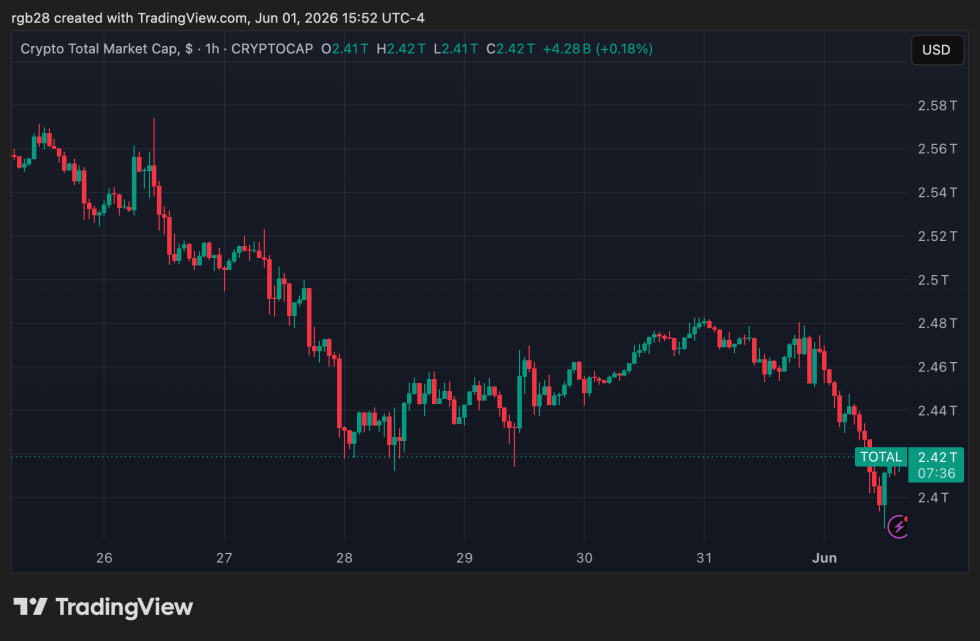
The total crypto market capitalization is at $2.42 trillion in the one-week chart. Source: TOTAL on TradingView


Tiền kỹ thuật số thịnh hành

Câu hỏi Liên quan

QWhat are the two main proposals Japan's Liberal Democratic Party (LDP) has submitted to the government regarding digital assets?

AJapan's Liberal Democratic Party (LDP) has submitted two main proposals. First, it called for the government to develop a legal framework to allow crypto-based Exchange-Traded Funds (ETFs) in the country. Second, it urged the government to promote the use of yen-denominated stablecoins for settlement within Asia.

QWhat is the status of the legal framework for stablecoins in Japan, and who is allowed to issue yen-denominated stablecoins?

AJapan established its legal framework for stablecoins through a 2022 amendment to the Payment Services Act. Under these rules, only licensed money transfer companies, trust companies, and banks are permitted to issue yen-denominated stablecoins.

QWhat are the potential timelines for the approval and listing of the first crypto ETFs in Japan according to the article?

AThe article mentions that the first wave of crypto ETFs in Japan could be approved and listed within the next two years. Some industry leaders believe the rollout could happen as early as next year if legal revisions allow. However, the CEO of JPX also noted that listings might be delayed until 2028 if progress on amending the law stalls.

QWhat recent regulatory change did Japan's FSA make regarding foreign stablecoins, effective from June 1?

AIn May, Japan's Financial Services Agency (FSA) expanded the Cabinet Office Ordinance to recognize certain trust-type stablecoins issued by foreign trust banks and similar entities as 'electronic payment instruments' under the Payment Services Act, starting June 1. This change removes these foreign trust-backed stablecoins from the 'securities' classification under the Financial Instruments and Exchange Act (FIEA).

QWhat are the stated benefits of crypto ETFs according to the LDP's proposal?

AAccording to the LDP's proposal, 'Crypto-ETFs would provide investors with easy-to-understand ways of investment.' The party urged the government to position such products as an official means of investment in the financial market.

Nội dung Liên quan

Tay trái PYUSD, tay phải Open USD: Chiến lược 'phòng ngừa rủi ro' stablecoin của PayPal

Gã khổng lồ thanh toán PayPal vừa công bố báo cáo tài chính quý II, với doanh thu 8,68 tỷ USD vượt kỳ vọng. Báo cáo nêu bật vị trí của stablecoin PYUSD như một "chất xúc tác chính" cho nền tảng PayPal World, tập trung vào các kịch bản thương mại. Tuy nhiên, dù đã mở rộng sang 70 thị trường và triển khai trên 9 blockchain, lượng cung PYUSD đã giảm khoảng 31% từ mức đỉnh 4,2 tỷ USD xuống còn khoảng 2,7 tỷ USD vào cuối quý, phản ánh nhu cầu thực tế có thể đang giảm sau khi các biện pháp khuyến khích được rút lại. Đáng chú ý, PayPal đồng thời là một trong hơn 140 đối tác ký kết của Open USD, một dự án stablecoin mới theo mô hình consortium hứa hẹn chia sẻ lợi nhuận từ tài sản dự trữ cho các đối tác phân phối. Động thái này cho thấy chiến lược "lưỡng cược" của PayPal: vừa tiếp tục phát triển PYUSD như tài sản thương hiệu riêng, vừa dự phòng vị trí trong một mô hình ngành có thể thay đổi. Thách thức chính của PYUSD trong các quý tới là chuyển hóa mạng lưới phân phối hiện có thành nhu cầu ổn định, không phụ thuộc vào trợ cấp, để cạnh tranh với các đối thủ như USDC và ứng phó với mô hình mới từ Open USD.

marsbit29 phút trước

Tay trái PYUSD, tay phải Open USD: Chiến lược 'phòng ngừa rủi ro' stablecoin của PayPal

marsbit29 phút trước

Tay trái PYUSD, tay phải Open USD: Sự 'phòng ngừa' rủi ro stablecoin của PayPal

Vào tháng 8 năm 2024, PayPal công bố báo cáo tài chính quý 2 với doanh thu 8,68 tỷ USD vượt kỳ vọng. Công ty định vị PYUSD – stablecoin của mình – như một yếu tố then chốt cho nền tảng PayPal World, tập trung vào các kịch bản thương mại chính thống. Mặc dù đã mở rộng sang 70 thị trường và triển khai trên 9 blockchain, lưu thông của PYUSD đã giảm khoảng 31% từ mức đỉnh 4,2 tỷ USD xuống còn khoảng 2,7 tỷ USD vào cuối quý, phản ánh nhu cầu thực tế vẫn còn hạn chế khi các biện pháp khuyến khích giảm bớt. Cùng lúc, sự xuất hiện của Open USD – một stablecoin mới theo mô hình tập đoàn với hơn 140 đối tác lớn như Visa, Mastercard và Stripe – đang thách thức mô hình phát hành đơn lẻ truyền thống của PYUSD và USDC. Điều đáng chú ý là PayPal cũng nằm trong số các đối tác ký kết của Open USD, cho thấy chiến lược “cá cược hai bên” của họ: vừa tiếp tục phát triển PYUSD như tài sản thương hiệu riêng, vừa dự phòng vị trí trong một cấu trúc ngành có thể thay đổi. Tương lai của PYUSD sẽ phụ thuộc vào khả năng chuyển đổi mạng lưới phân phối hiện có thành nhu cầu ổn định, không dựa vào trợ cấp, trong bối cảnh cạnh tranh ngày càng khốc liệt từ cả các stablecoin đã thành lập lẫn mô hình tập đoàn mới nổi.

Odaily星球日报35 phút trước

Tay trái PYUSD, tay phải Open USD: Sự 'phòng ngừa' rủi ro stablecoin của PayPal

Odaily星球日报35 phút trước

TIN MỚI NHẤT! Dữ liệu chỉ số người nộp VAT ở Mỹ đã được công bố! Phản ứng ban đầu của Bitcoin (BTC) là gì?

Hôm nay, thị trường Bitcoin và toàn cầu đang tập trung vào chỉ số giá sản xuất (PPI) của Mỹ, sau dữ liệu lạm phát công bố hôm qua. Dù chuyên gia nhận định khả năng Cục Dự trữ Liên bang (Fed) không tăng lãi suất vào tháng 9, công cụ FedWatchTool vẫn ước tính xác suất tăng trên 40%. Các nhà phân tích cho rằng, nếu PPI thấp hơn dự kiến, đó có thể là dấu hiệu áp lực lạm phát giảm và tăng khả năng Fed cắt giảm lãi suất. Trong kịch bản này, Bitcoin và các tài sản rủi ro khác có thể phản ứng tích cực. Ngược lại, PPI cao hơn dự kiến có thể làm suy yếu kỳ vọng cắt lãi suất, tạo áp lực bán ngắn hạn lên Bitcoin. Dữ liệu PPI tháng 7 vừa được công bố như sau: - PPI cốt lõi (hàng tháng): 0.2% (Công bố) / 0.3% (Dự kiến) / 0.2% (Kỳ trước) - PPI cốt lõi (hàng năm): 4.2% (Công bố) / 4.2% (Dự kiến) / 4.7% (Kỳ trước) - PPI (hàng tháng): 0.0% (Công bố) / 0.2% (Dự kiến) / -0.3% (Kỳ trước) - PPI (hàng năm): 4.7% (Công bố) / 4.9% (Dự kiến) / 5.5% (Kỳ trước) Phản ứng ban đầu của Bitcoin sau khi dữ liệu được công bố đã được ghi nhận (có biểu đồ minh họa).

cryptonews.ru1 giờ trước

TIN MỚI NHẤT! Dữ liệu chỉ số người nộp VAT ở Mỹ đã được công bố! Phản ứng ban đầu của Bitcoin (BTC) là gì?

cryptonews.ru1 giờ trước

Giao dịch

Giao ngay

Bài viết Nổi bật

Làm thế nào để Mua PUSH

Chào mừng bạn đến với HTX.com! Chúng tôi đã làm cho mua Push Protocol (PUSH) trở nên đơn giản và thuận tiện. Làm theo hướng dẫn từng bước của chúng tôi để bắt đầu hành trình tiền kỹ thuật số của bạn.Bước 1: Tạo Tài khoản HTX của BạnSử dụng email hoặc số điện thoại của bạn để đăng ký tài khoản miễn phí trên HTX. Trải nghiệm hành trình đăng ký không rắc rối và mở khóa tất cả tính năng. Nhận Tài khoản của tôiBước 2: Truy cập Mua Crypto và Chọn Phương thức Thanh toán của BạnThẻ Tín dụng/Ghi nợ: Sử dụng Visa hoặc Mastercard của bạn để mua Push Protocol (PUSH) ngay lập tức.Số dư: Sử dụng tiền từ số dư tài khoản HTX của bạn để giao dịch liền mạch.Bên thứ ba: Chúng tôi đã thêm những phương thức thanh toán phổ biến như Google Pay và Apple Pay để nâng cao sự tiện lợi.P2P: Giao dịch trực tiếp với người dùng khác trên HTX.Thị trường mua bán phi tập trung (OTC): Chúng tôi cung cấp những dịch vụ được thiết kế riêng và tỷ giá hối đoái cạnh tranh cho nhà giao dịch.Bước 3: Lưu trữ Push Protocol (PUSH) của BạnSau khi mua Push Protocol (PUSH), lưu trữ trong tài khoản HTX của bạn. Ngoài ra, bạn có thể gửi đi nơi khác qua chuyển khoản blockchain hoặc sử dụng để giao dịch những tiền kỹ thuật số khác.Bước 4: Giao dịch Push Protocol (PUSH)Giao dịch Push Protocol (PUSH) dễ dàng trên thị trường giao ngay của HTX. Chỉ cần truy cập vào tài khoản của bạn, chọn cặp giao dịch, thực hiện giao dịch và theo dõi trong thời gian thực. Chúng tôi cung cấp trải nghiệm thân thiện với người dùng cho cả người mới bắt đầu và người giao dịch dày dạn kinh nghiệm.

Tổng lượt xem 998Xuất bản vào 2024.12.13Cập nhật vào 2026.06.02

Làm thế nào để Mua PUSH

Thảo luận

Chào mừng đến với Cộng đồng HTX. Tại đây, bạn có thể được thông báo về những phát triển nền tảng mới nhất và có quyền truy cập vào thông tin chuyên sâu về thị trường. Ý kiến ​​của người dùng về giá của PUSH (PUSH) được trình bày dưới đây.

活动图片