InfoFi Narrative Collapses, Kaito, Cookie, and Others Shut Down Related Products

marsbitXuất bản vào 2026-01-15Cập nhật gần nhất vào 2026-01-15

Tóm tắt

The InfoFi narrative, which gained significant traction in the crypto industry, experienced a sudden collapse following an announcement by X's product lead, Nikita Bier, regarding changes to the platform’s API policy. The new policy prohibits applications that reward users for posting on X, citing concerns over AI-generated spam and low-quality replies. This decision effectively undermines the core functionality of many InfoFi projects that rely on X’s API to access user data and distribute tokenized rewards. Key projects, Kaito and Cookie, quickly responded to the policy shift. Kaito announced it would pivot toward Kaito Studio, a more selective, brand-driven platform that moves beyond the crypto space. Its founder, Yu Hu, emphasized a broader focus beyond cryptocurrency. Similarly, Cookie decided to shut down its Snaps platform but is developing Cookie Pro, a real-time crypto market intelligence tool, while exploring potential future adaptations in line with X’s guidelines. The abrupt policy change highlights the vulnerability of InfoFi models that depend heavily on-platform engagement metrics. While some projects, such as those focused on monetizing narratives rather than direct posting rewards, may remain unaffected, the incident marks a significant shift for the attention economy within crypto. The evolution of InfoFi may continue in new forms, but its current iteration has been severely disrupted.

Author: Gu Yu, ChainCatcher

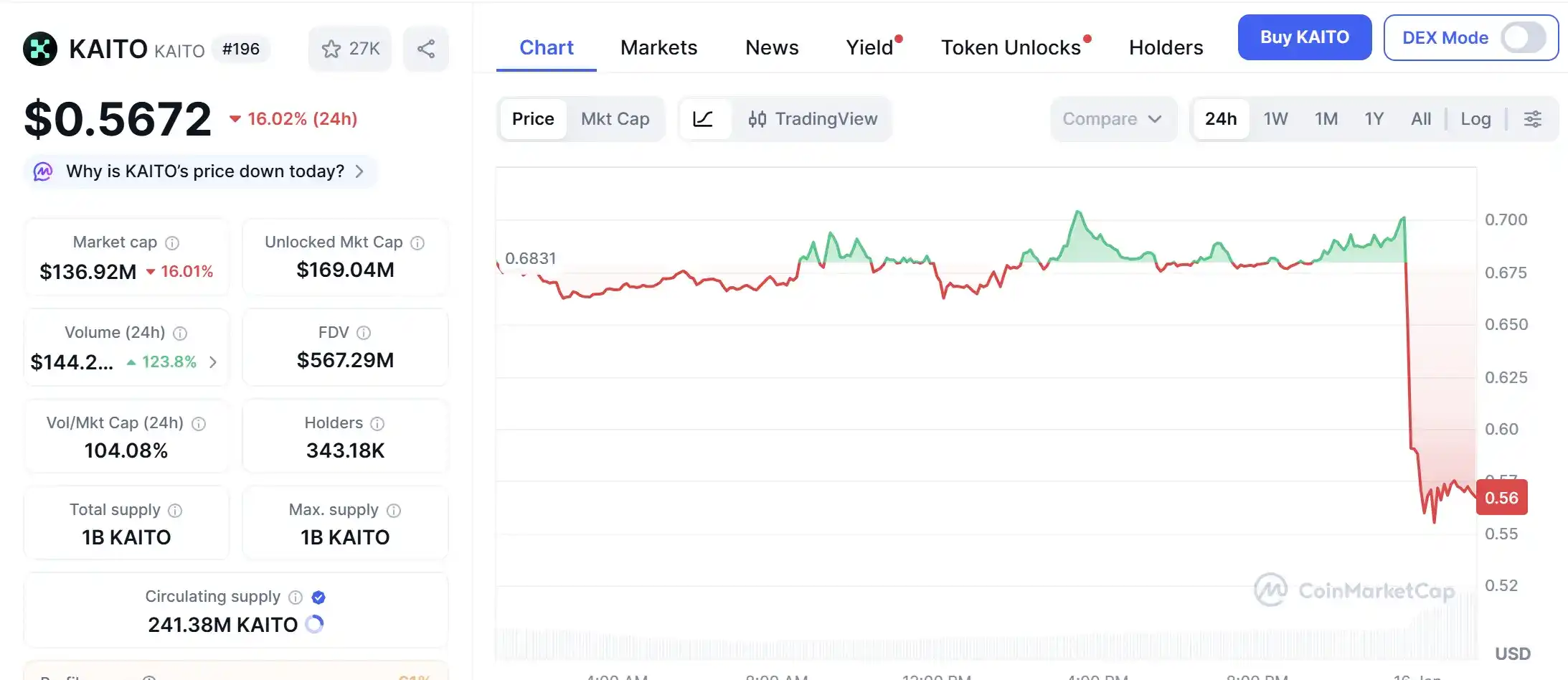
At 1:16 AM Beijing time on January 16, the crypto industry was once again as the highly popular InfoFi narrative suddenly collapsed. Kaito, Cookie, and others successively announced the shutdown of InfoFi-related products and attempted to pivot, with their token prices plummeting by nearly 20% at one point.
And this was all triggered by a tweet from X Product Lead Nikita Bier. Nikita Bier stated that the team is revising its developer API policy and will no longer allow any applications that reward users for posting on the X platform (e.g., "infofi"). This has led to the platform being flooded with a large amount of AI spam and reply spam.

"We have revoked the API access for these applications, so your X experience should start to improve soon (once the bots realize they are no longer being paid)." Nikita Bier said.

Since most InfoFi projects rely on the X product API to obtain user tweet data and determine reward schemes, once the API is disabled, the vast majority of content for such products will stop updating, losing their foundation.

An hour after the news was released, projects like Kaito and Cookie quickly issued response statements on their official Twitter accounts, showing that they had anticipated and prepared for this situation. Let's first see how they specifically responded.

Kaito: To Focus More on Areas Beyond Crypto

Kaito stated that in response to the large number of spam tweets, the project tried stricter eligibility reviews, higher leaderboard thresholds, social + on-chain screening mechanisms, and different incentive mechanisms. However, due to platform-wide X algorithm changes and the launch of other InfoFi projects with varying thresholds, the problem of low-quality and spam information remains widespread across the cryptocurrency field.

After discussions with the X team, both parties agreed that a completely permissionless distribution system is no longer feasible and does not meet the needs of high-quality brands, serious content creators, or X as a platform.

Next, Kaito will focus on launching Kaito Studio, which will be closer to a traditional tiered marketing platform where brands can selectively collaborate with creators based on established criteria and clear project scopes.

Kaito founder Yu Hu said that the past few months have been busy with the development of Kaito Studio, hence the low profile on social media and announcements, with little mention of project construction and strategic adjustments. Additionally, he personally met with some large brands outside the cryptocurrency field to learn from the successful experiences of traditional industry.

"We should no longer build and create for cryptocurrency, but for the broader world." Yu Hu believes that 2026 will be the year Kaito transcends CT as its main platform and cryptocurrency as its primary vertical.

Cookie: To Launch Real-Time Crypto Market Wallet Tool

Cookie posted that deciding to shut down the Snaps platform and all active creator campaigns was a difficult and sudden decision, but it was necessary to maintain the integrity of the Cookie data layer and products.

After discussions with the X team regarding its API and X usage policies, Cookie decided to immediately shut down Snaps and all ongoing activities.

However, the project still holds hope for the future of the Snaps product. "Currently, we are actively negotiating with X to determine if Snaps can continue to operate in a new form." Cookie believes, "We have always firmly believed that we fully comply with all of X's rules and policies. We will await confirmation and guidance from X on whether creator activities (such as Snaps) can operate in any form in the future."

At the same time, Cookie also proposed future product iteration plans, "For the past six months, we have been developing Cookie Pro—a real-time market intelligence tool for the cryptocurrency field, planned for official launch in the first quarter."

Has InfoFi Fallen?

It is undeniable that InfoFi has brought much vitality and change to the industry in recent years. It combines information and finance, creating a mechanism that evaluates user contributions based on the attention generated by their content (e.g., views, comments, and shares) and links it to token rewards.

In essence, InfoFi transforms attention from an abstract concept into quantifiable and tradable data. User participation shifts from simple content consumption to productive activity, and projects can more targetedly provide rewards to their content contributors.

However, when attention becomes the standard for rewards, the purpose of creating content now shifts from providing information or encouraging meaningful engagement to merely seeking rewards. And generative AI makes content creation easier, leading to the rapid spread of bulk content lacking real information or insight.

Several key members of the X team have mentioned the decline in Twitter content quality brought by InfoFi, so projects like Kaito have tried to optimize their algorithmic solutions, but never expected X to directly block this path from its foundation.

It is worth noting, however, that not all InfoFi projects incentivize users to post for rewards. For example, projects like xHunt and Ethos that rely on the X API primarily use the API to obtain tweet data for scoring and other operations. The impact of this X API policy adjustment on these projects is not yet known and requires further observation.

Additionally, some types of InfoFi projects mainly focus on the monetization of industry hotspot narratives, such as Noise and Narrative, and are expected to be largely unaffected.

Now that the InfoFi narrative has quickly collapsed, the attention economy and creator economy remain key focuses of the entire internet industry. In the future, InfoFi may reappear in front of the public in new forms and concepts.


Tiền kỹ thuật số thịnh hành

Câu hỏi Liên quan

QWhat major event led to the collapse of the InfoFi narrative and the shutdown of products like Kaito and Cookie?

AThe collapse was triggered by X's product lead Nikita Bier announcing a revision to the developer API policy, which no longer allows applications that reward users for posting on X (such as 'infofi') due to the proliferation of AI-generated spam and low-quality replies.

QHow did Kaito respond to X's API policy change, and what is their new strategic direction?

AKaito responded by shifting focus to Kaito Studio, a more traditional graded marketing platform where brands can selectively collaborate with creators based on set criteria. They aim to expand beyond the cryptocurrency领域 and target broader industries.

QWhat product did Cookie announce it was developing after shutting down its Snaps platform?

ACookie announced it is developing 'Cookie Pro,' a real-time market intelligence tool for the cryptocurrency space, planned for launch in the first quarter.

QWhy did X decide to restrict API access for InfoFi applications according to the article?

AX restricted API access because InfoFi applications incentivized users to post content primarily for rewards, leading to an influx of low-quality, AI-generated spam that degraded the overall user experience on the platform.

QAre all types of InfoFi projects affected equally by X's API policy change, as per the article?

ANo, not all InfoFi projects are equally affected. Projects like xHunt and Ethos that use X API for data scoring may be impacted, while others like Noise and Narrative, which focus on monetizing industry narratives, are expected to remain largely unaffected.

Nội dung Liên quan

37.7°C Nóng Ngất Ngư, Siêu Máy Tính AI Của Đại Học Cambridge Tê Liệt, 350 Dự Án Nghiên Cứu Đồng Loạt Ngừng Hoạt Động

Tháng 6/2024, siêu máy tính AI Dawn của Đại học Cambridge, một phần quan trọng trong kế hoạch máy tính quốc gia trị giá 3 tỷ bảng Anh, đã ngừng hoạt động hơn một tuần do đợt nắng nóng kỷ lục tại Anh (37,7°C). Sự cố này ảnh hưởng đến hơn 350 dự án nghiên cứu, bao gồm mô phỏng biến đổi khí hậu, sàng lọc thuốc Parkinson và phát triển vaccine ung thư. Nguyên nhân được cho là do hệ thống làm mát của trung tâm dữ liệu không thể xử lý nhiệt độ ngoài trời vượt quá thiết kế. Nhà cung cấp thiết bị làm mát cho biết hệ thống vẫn hoạt động đúng thông số kỹ thuật, nhưng nhiệt độ môi trường đã vượt quá ngưỡng dự kiến dựa trên dữ liệu lịch sử. Sự cố này làm nổi bật một thách thức lớn: cơ sở hạ tầng làm mát tại nhiều nơi, như trung tâm dữ liệu và bệnh viện, chưa sẵn sàng cho các đợt nắng nóng cực đoan ngày càng thường xuyên do biến đổi khí hậu. Trong khi đó, nhu cầu làm mát cho các trung tâm AI lại tăng vọt do mật độ công suất và nhiệt lượng từ chip GPU ngày càng cao. Vụ việc của Dawn cho thấy một nghịch lý: siêu máy tính dùng để nghiên cứu biến đổi khí hậu lại bị chính hiện tượng này làm gián đoạn, cảnh báo về nhu cầu cấp thiết phải thiết kế cơ sở hạ tầng số có khả năng chống chịu với khí hậu trong tương lai.

marsbit27 phút trước

37.7°C Nóng Ngất Ngư, Siêu Máy Tính AI Của Đại Học Cambridge Tê Liệt, 350 Dự Án Nghiên Cứu Đồng Loạt Ngừng Hoạt Động

marsbit27 phút trước

Bitcoin chưa chạm đáy, sàn AscendEX đã 'cao chạy xa bay' trước

Sàn giao dịch AscendEX đã chính thức xác nhận ngừng hoạt động vào ngày 6 tháng 7, với kế hoạch đóng cửa toàn bộ nghiệp vụ từ ngày 1 tháng 7 năm 2026. Nền tảng này viện dẫn lý do từ việc Quy định Thị trường Tài sản Crypto (MiCA) của EU có hiệu lực đầy đủ cùng với các áp lực về thị trường, tài chính và vận hành. Ngay lập tức, người dùng không thể thực hiện các chức năng như đăng ký, nạp tiền, giao dịch, trong khi việc rút tiền bị đình chỉ tự động và chuyển sang xét duyệt thủ công, dẫn đến chậm trễ không xác định. Nhà điều tra on-chain ZachXBT cảnh báo rằng ví nóng của AscendEX thiếu hụt nghiêm trọng tài sản thanh khoản cao như ETH, USDT, SOL, và không đủ khả năng xử lý nhiều yêu cầu rút tiền trị giá hàng triệu USD đã được xác minh. Phân tích dữ liệu on-chain qua Arkham Intelligence cho thấy các ví được đánh dấu của sàn chủ yếu chứa altcoin, với lượng tiền rút ra gần đây rất ít ỏi. AscendEX, tiền thân là BitMax (ra mắt năm 2018), từng bị tấn công vào năm 2021, dẫn đến tổn thất khoảng 77 triệu USD. Sàn đã nỗ lực tìm kiếm thoả thuận mua lại hoặc tái cấu trúc để huy động thanh khoản nhưng thất bại. Cộng đồng chỉ trích việc sàn đổ lỗi cho quy định MiCA, trong thực tế họ chưa từng được cấp phép tại EU, và coi đây là lý do "chính đáng hóa" cho sự sụp đổ. Sự kiện này một lần nữa làm nổi bật rủi ro vốn có của các sàn giao dịch tập trung (CEX), bao gồm quản lý thanh khoản kém và áp lực trong thị trường giá xuống. Nó cũng nhấn mạnh tầm quan trọng của việc người dùng lưu trữ tài sản trong ví tự lưu giữ (non-custodial wallet) hoặc các sàn giao dịch minh bạch về chứng minh dự trữ.

Foresight News36 phút trước

Bitcoin chưa chạm đáy, sàn AscendEX đã 'cao chạy xa bay' trước

Foresight News36 phút trước

Lượng đặt mua vượt gấp bảy lần, SK Hynix lần này có thể cứu rỗi ngành bán dẫn?

SK Hynix, gã khổng lồ bán dẫn Hàn Quốc, đã nhận được đơn đặt mua gấp hơn 7 lần cho đợt phát hành Chứng chỉ lưu ký Mỹ (ADR) tại Nasdaq, với mục tiêu huy động khoảng 245 tỷ USD. Số tiền này sẽ được dùng để mở rộng công suất tại Hàn Quốc. Đợt IPO này diễn ra trong bối cảnh ngành bán dẫn đang điều chỉnh mạnh do lo ngại về tốc độ đầu tư cơ sở hạ tầng AI từ các đại gia công nghệ có thể chậm lại, khiến cổ phiếu SK Hynix giảm gần 30% từ đỉnh. Tuy nhiên, sự đón nhận nồng nhiệt từ các quỹ lớn như Baillie Gifford và Coatue Management cho thấy các nhà đầu tư dài hạn vẫn lạc quan về chu kỳ AI. Một số phân tích cho rằng việc định giá thấp hơn trước khi IPO có thể tạo đà tăng trưởng tốt hơn sau khi lên sàn. Dù vậy, điểm then chốt để xác định liệu đợt điều chỉnh đã kết thúc hay chưa phụ thuộc vào các báo cáo tài chính sắp tới của Microsoft, Google, Meta và Amazon. Các tuyên bố về kế hoạch chi tiêu vốn trong tương lai của họ sẽ quyết định liệu nhu cầu đối với chip và bộ nhớ HBM có duy trì được hay không, từ đó định hình triển vọng dài hạn của toàn ngành bán dẫn.

Odaily星球日报1 giờ trước

Lượng đặt mua vượt gấp bảy lần, SK Hynix lần này có thể cứu rỗi ngành bán dẫn?

Odaily星球日报1 giờ trước

Hôm nay, sàn HKEx lại một lần nữa bị 'náo loạn'

Hôm nay (9/7), Sở giao dịch chứng khoán Hong Kong (HKEX) chứng kiến cảnh tượng hiếm có: 7 công ty cùng lúc niêm yết IPO, bao gồm Luxshare Precision, Dingtai High-tech, Rigol Technologies, Sanhuan Group, Qiyunshan Food, Rokae Robotics và Oriental Science and Technology. Đây là số lượng IPO trong một ngày cao nhất từ đầu năm nay. Luxshare Precision, doanh nghiệp thuộc "chuỗi Apple" với định giá gần 4500 tỷ NDT trên thị trường A-share, đã huy động được khoảng 24,3 tỷ HKD và thu hút nhiều nhà đầu tư nền tảng lớn. Tuy nhiên, thị trường ngay lập tức thể hiện sự phân hóa rõ rệt. Nhiều cổ phiếu mới, bao gồm Luxshare Precision, Dingtai High-tech và Rigol Technologies, đều rơi vào tình trạng phá giá (giảm giá dưới mức phát hành) khi mở cửa, trong khi Qiyunshan Food tăng mạnh hơn 110%. Sự kiện này đánh dấu một tuần bận rộn với 15 IPO tại HKEX. Báo cáo cho thấy nửa đầu năm 2025, thị trường chứng khoán Hong Kong chào đón 82 đợt IPO của doanh nghiệp Trung Quốc, tăng 110.3% so với cùng kỳ. Đặc biệt, nhóm "A+H" (đã niêm yết tại Trung Quốc đại lục và phát hành thêm tại Hong Kong) chiếm tỷ trọng gần 60% tổng số vốn huy động. Tuy nhiên, không khí IPO sôi động đi kèm với những lo ngại. Hiệu suất của nhiều cổ phiếu mới trong nửa cuối năm trở nên yếu ớt, với tình trạng phá giá sâu ngày càng phổ biến, như trường hợp của Tongrentang Medical Care giảm gần 40% trong ngày đầu tiên. Sự phân hóa thị trường ngày càng rõ nét: dòng tiền đổ mạnh vào các doanh nghiệp công nghệ sáng tạo hàng đầu trong lĩnh vực AI, mô hình lớn và robot, trong khi các công ty trong lĩnh vực sản xuất truyền thống, thực phẩm hoặc quy mô vừa và nhỏ phải đối mặt với áp lực bán tháo và thanh khoản thấp. Bài học được rút ra là: nếu không có hiệu quả thương mại vững chắc để hỗ trợ, ngay cả những câu chuyện ngành hấp dẫn cũng khó có thể chống đỡ áp lực bán ra khi cổ phiếu được giải ngân. Với hơn 500 hồ sơ xin niêm yết đang chờ xử lý, HKEX đang ở thời điểm nhạy cảm, nơi "nóng càng nóng, lạnh càng lạnh".

marsbit1 giờ trước

Hôm nay, sàn HKEx lại một lần nữa bị 'náo loạn'

marsbit1 giờ trước

Giao dịch

Giao ngay

Bài viết Nổi bật

Làm thế nào để Mua COOKIE

Chào mừng bạn đến với HTX.com! Chúng tôi đã làm cho mua Cookie DAO (COOKIE) trở nên đơn giản và thuận tiện. Làm theo hướng dẫn từng bước của chúng tôi để bắt đầu hành trình tiền kỹ thuật số của bạn.Bước 1: Tạo Tài khoản HTX của BạnSử dụng email hoặc số điện thoại của bạn để đăng ký tài khoản miễn phí trên HTX. Trải nghiệm hành trình đăng ký không rắc rối và mở khóa tất cả tính năng. Nhận Tài khoản của tôiBước 2: Truy cập Mua Crypto và Chọn Phương thức Thanh toán của BạnThẻ Tín dụng/Ghi nợ: Sử dụng Visa hoặc Mastercard của bạn để mua Cookie DAO (COOKIE) ngay lập tức.Số dư: Sử dụng tiền từ số dư tài khoản HTX của bạn để giao dịch liền mạch.Bên thứ ba: Chúng tôi đã thêm những phương thức thanh toán phổ biến như Google Pay và Apple Pay để nâng cao sự tiện lợi.P2P: Giao dịch trực tiếp với người dùng khác trên HTX.Thị trường mua bán phi tập trung (OTC): Chúng tôi cung cấp những dịch vụ được thiết kế riêng và tỷ giá hối đoái cạnh tranh cho nhà giao dịch.Bước 3: Lưu trữ Cookie DAO (COOKIE) của BạnSau khi mua Cookie DAO (COOKIE), lưu trữ trong tài khoản HTX của bạn. Ngoài ra, bạn có thể gửi đi nơi khác qua chuyển khoản blockchain hoặc sử dụng để giao dịch những tiền kỹ thuật số khác.Bước 4: Giao dịch Cookie DAO (COOKIE)Giao dịch Cookie DAO (COOKIE) dễ dàng trên thị trường giao ngay của HTX. Chỉ cần truy cập vào tài khoản của bạn, chọn cặp giao dịch, thực hiện giao dịch và theo dõi trong thời gian thực. Chúng tôi cung cấp trải nghiệm thân thiện với người dùng cho cả người mới bắt đầu và người giao dịch dày dạn kinh nghiệm.

Tổng lượt xem 361Xuất bản vào 2025.07.23Cập nhật vào 2026.06.02

Làm thế nào để Mua COOKIE

Thảo luận

Chào mừng đến với Cộng đồng HTX. Tại đây, bạn có thể được thông báo về những phát triển nền tảng mới nhất và có quyền truy cập vào thông tin chuyên sâu về thị trường. Ý kiến ​​của người dùng về giá của COOKIE (COOKIE) được trình bày dưới đây.

活动图片