How crypto is used in 2025: YouTube, Pokémon cards and more

cointelegraphXuất bản vào 2025-12-15Cập nhật gần nhất vào 2025-12-15

Tóm tắt

In 2025, cryptocurrency is increasingly used in specific digital workflows, though not yet as everyday money. A major use case is for payments: freelancers, YouTubers, and creators receive income in stablecoins like USDC and USDT, bypassing traditional payment delays and fees. Platforms like YouTube now allow payouts via PayPal’s PYUSD. Crypto is also used for purchasing digital goods and services, such as domain registrations, VPNs, and hosting, with companies like Namecheap and Mullvad accepting it. Additionally, crypto supports the digitization of physical collectibles, with tokenized versions of items like Pokémon cards gaining popularity. In DeFi and GameFi, users engage in token swaps, yield farming, and play-to-earn games, though these remain niche. Decentralized autonomous organizations (DAOs) use crypto for onchain governance, though participation is limited to crypto-native users. While challenges like banking restrictions and bot cheating persist, crypto is growing by reducing friction in global digital transactions.

For years, one of the simplest and most effective criticisms of cryptocurrency was the same question repeated over and over: “Where can you actually use it?”

Bitcoin (BTC) was pitched as money, but outside a handful of novelty merchants, it rarely behaved like one. The question lingered through bull markets and crashes, reinforcing the idea that crypto was something to hold, trade or argue about rather than something to use.

That looks different in 2025. Crypto is still not everyday money at the checkout counter, but it is used across specific digital workflows, where speed or direct settlement are prioritized over familiarity.

Here are the places where people are actually using crypto today.

YouTubers and freelancers get paid in crypto

One of the most common ways people use crypto today is to pay for work and receive income online. Freelancers, contractors and creators use stablecoins like USDC (USDC) or Tether’s USDt (USDT) to settle payments directly between wallets, without relying on traditional payment processors.

A recent example comes from YouTube. The world’s largest video-sharing platform reportedly enabled US-based content creators to cash out using PayPal’s stablecoin, PayPal USD (PYUSD).
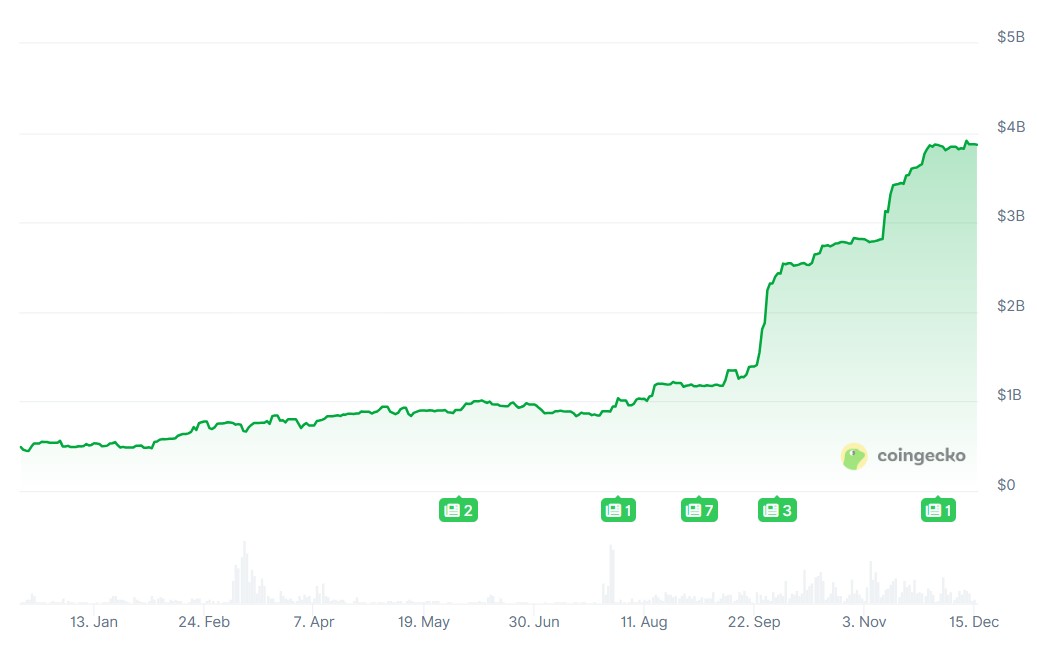
PayPal’s stablecoin is closing in on a $4-billion market capitalization. Source: CoinGecko

For clients and employers, this removes delays, fees and transfer limits that often come with international payments. This model is especially common in remote work and creator economies.

However, those who opt for crypto payments may still face difficulties when converting crypto into fiat. Industry participants have said banks continue to close or restrict the accounts of crypto firms with little explanation despite a more crypto-friendly stance taken by the current US administration.

Use crypto to purchase digital goods

Beyond paying individuals, crypto is also used to settle payments with businesses. This is most common among online services with global customers, where traditional payment systems introduce friction through fees, delays or regional restrictions.

Domain registrars, hosting providers and privacy-focused software companies are among the most visible adopters. Providers like Mullvad VPN allow customers to pay using cryptocurrency, while Namecheap and Porkbun accept crypto for domain registrations and hosting services. On Sept. 9, Namecheap CEO Richard Kirkendall said the company received a $2-million BTC payment for a domain sale.
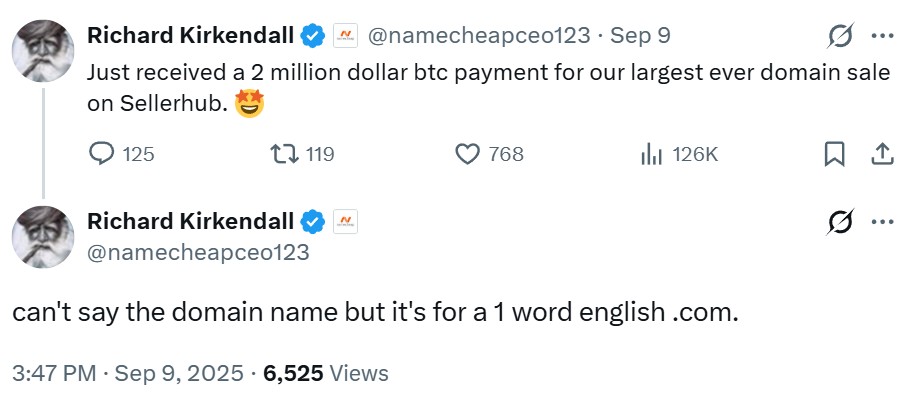
Namesake received Bitcoin for one of its largest sales ever. Source: Richard Kirkendall

More recently, mainstream payments and commerce platforms have started integrating stablecoin payments. Stripe has enabled businesses to accept USDC payments and launched the public testnet of its own stablecoin blockchain, Tempo. Shopify has piloted stablecoin-based checkout options for merchants selling internationally.

Related: Bitcoin decouples from stocks in second half of 2025

Clearer regulatory treatment of stablecoins in the US, driven by the signing of the GENIUS Act into law, has reduced uncertainty for some merchants considering these pilots.

Digitizing and extending physical collectible cultures

Crypto has also found use in the digitization of collectible cultures that were already thriving offline. In 2025, interest in physical collectibles surged again, driven by renewed demand for Pokémon cards, Labubu figures and other toys.

Alongside that revival, digital and tokenized versions of collectibles gained traction as an extension rather than a replacement of physical collecting.

Tokenized Pokémon-style cards and digital gachas — popular randomized item vending machines — became popular ways for collectors to participate in familiar formats online, especially as marketplaces and communities shifted from binders and display cases to apps and web platforms.
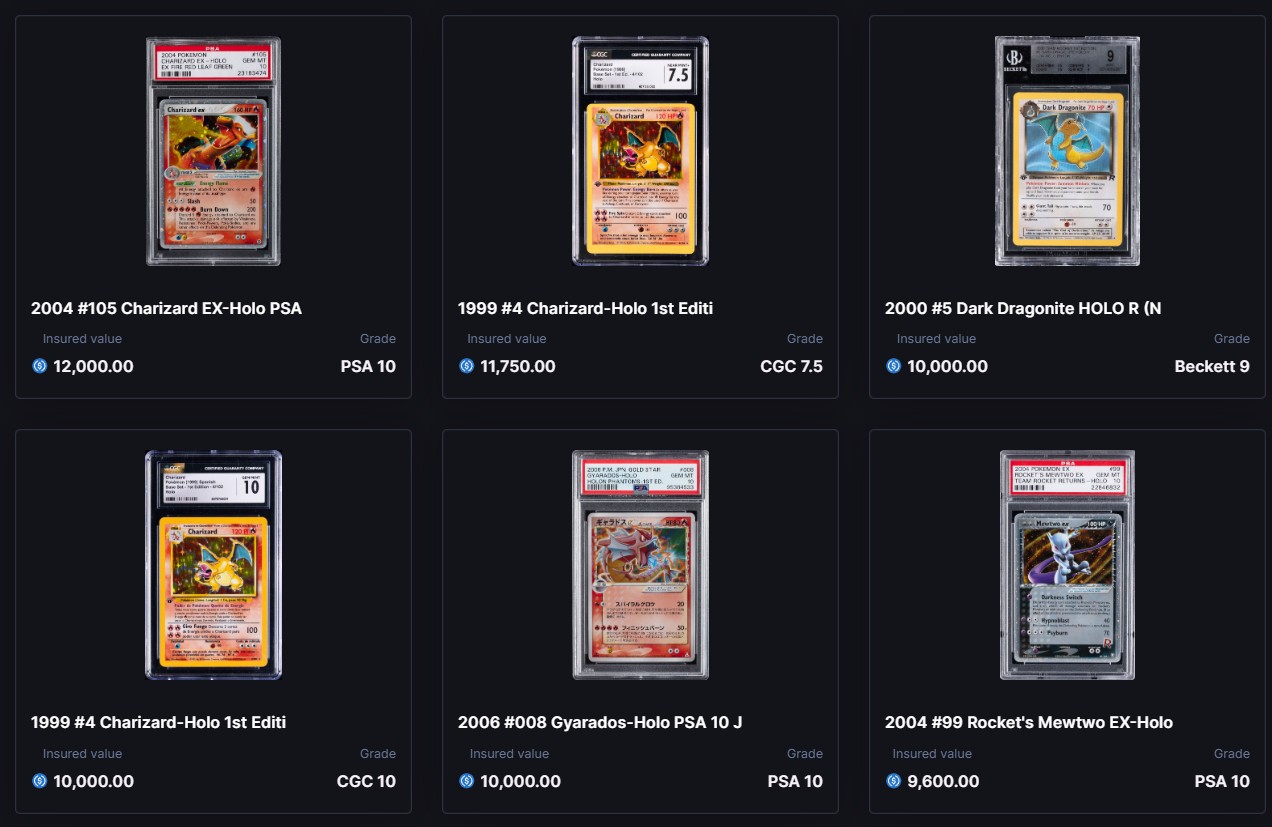
Collectors can spend between $50 and $250 to test their luck on tokenized versions of legendary Pokémon cards. Source: Collector Crypt

Crypto’s niche inside DeFi and GameFi

In decentralized finance (DeFi), users swap tokens, provide liquidity to farm yield, lend assets or borrow against collateral through smart contracts.

Blockchain-based games operate in a similar way. Often, blockchain and crypto add economic layers to games running on Web2 infrastructure. Players use crypto to buy or trade in-game items and move assets between marketplaces.

Related: How prediction markets raise insider trading and credit risks

A popular model is play-to-earn gaming, where players earn crypto through gameplay. A well-known example is Axie Infinity, which became a primary source of income for some communities in the Philippines during the pandemic. In 2025, play-to-earn games are more likely to provide extra income rather than a primary livelihood. Developers also face persistent challenges, including cheaters using bots to farm rewards, which takes value away from fair players.

According to DappRadar, World of Dypians, which operates across multiple chains, including Ethereum and BNB Chain, leads blockchain games with more than 1 million unique active wallets interacting with the game. Treasure-collecting game Pixudi Runs, which also operates across multiple chains, such as Sei and Polygon, ranks second with nearly 570,000 active wallets.
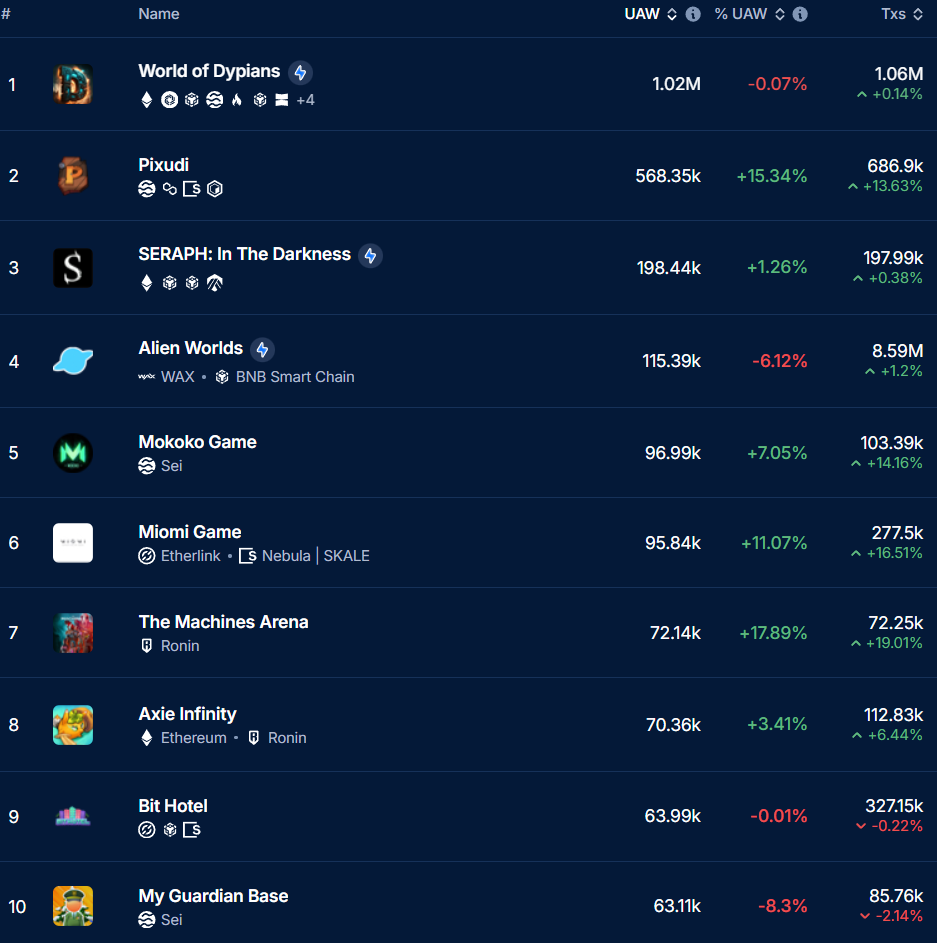
Blockchain games remain niche but attract thousands of active wallets daily. Source: DappRadar

Running organizations with crypto onchain

Deeper in DeFi, crypto is used to coordinate decentralized autonomous organizations (DAOs). In these groups, tokenholders are the members. They use their tokens to vote on proposals, approve spending and decide how the organization is run. Votes are recorded onchain, and once a proposal passes, actions such as payments or rule changes are carried out automatically through smart contracts.
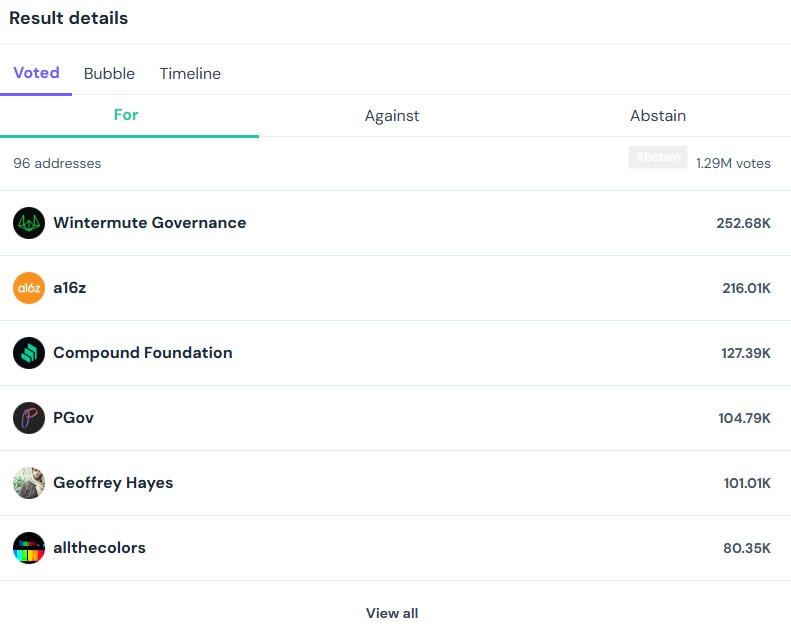
Voting power is concentrated among large tokenholders, many of whom often abstain from governance votes. Source: Tally

DAOs are mostly used to manage crypto-native projects. Taking part usually means holding governance tokens, navigating onchain voting proposals and managing a wallet. These requirements make DAO governance impractical for most casual users.

As a result, DAOs remain largely the domain of people already active in the crypto ecosystem.

Crypto’s current uses are broader than its early ambitions, and development continues. Financial companies are using blockchains to tokenize real-world assets, settle transactions with stablecoins and test onchain versions of traditional financial products.

Other experiments, such as wallet-based identity systems and Bitcoin-backed lending, remain in early stages. But they follow familiar patterns, with crypto most likely to integrate into existing services and remove frictions created by intermediaries.

Magazine: Big questions: Would Bitcoin survive a 10-year power outage?

Nội dung Liên quan

Token cổ phiếu Robinhood bạn mua thực chất chỉ là khoản nợ từ Jersey

Robinhood vừa ra mắt token cổ phiếu trên blockchain riêng, nhưng thực chất đây không phải là cổ phiếu thực sự. Người dùng mua token của các công ty như NVIDIA hay Apple chỉ được theo dõi biến động giá, không có quyền biểu quyết, nhận cổ tức hay quyền đòi tài sản khi công ty phá sản. Thay vào đó, họ đang nắm giữ một công cụ nợ (chứng khoán nợ) được phát hành bởi Robinhood Assets (Jersey) Limited - một công ty vỏ bọc tại đảo Jersey. Nếu công ty này phá sản, nhà đầu tư chỉ là chủ nợ thông thường trong quá trình thanh lý. Cấu trúc phức tạp này giúp Robinhood tránh các quy định chặt chẽ của Ủy ban Chứng khoán Mỹ (SEC). SEC phân loại sản phẩm này là "chứng khoán liên kết", một dạng công cụ nợ mang rủi ro đối tác mà nhà đầu tư tự gánh chịu. Sản phẩm không khả dụng cho người dùng Mỹ, Canada hay Anh, mà nhắm vào hơn 120 quốc gia khác. Động lực của Robinhood bắt nguồn từ sự cố GameStop năm 2021, khi nền tảng phải hạn chế giao dịch do thiếu hụt ký quỹ. Blockchain với khả năng thanh toán ngay lập tức được kỳ vọng sẽ giải quyết vấn đề này. Trong khi đó tại châu Âu, Robinhood lại cung cấp token cổ phiếu tuân thủ MiFID II với cổ phiếu thật được ủy thác 1:1, cho thấy lựa chọn mô hình Jersey là có chủ đích. Các rủi ro khác bao gồm sự phụ thuộc vào oracle để định giá, nguy cơ thao túng giá và rủi ro đối tác trong các sản phẩm cho vay sinh lời. Mô hình này có vẻ là một giải pháp tạm thời để chiếm thị phần trong khi chờ đợi khung pháp lý rõ ràng hơn, đặc biệt khi các đối thủ như Ondo đã ra mắt token cổ phiếu tuân thủ đầy đủ tại Mỹ.

Foresight News28 phút trước

Token cổ phiếu Robinhood bạn mua thực chất chỉ là khoản nợ từ Jersey

Foresight News28 phút trước

Đối tác của Blockchain Capital: AI đang viết lại đơn vị cơ bản của lao động

Bài viết của Kinjal Shah, đối tác tại Blockchain Capital, phân tích sự biến đổi sâu sắc của lao động dưới tác động của AI và blockchain. Tác giả cho rằng, nỗi sợ AI cướp việc làm bỏ qua một vấn đề cấu trúc quan trọng hơn: đơn vị cơ bản của lao động đang thay đổi. Lịch sử cho thấy mỗi lần chi phí phối hợp giảm (từ thợ thủ công đến nhà máy, rồi nền kinh tế gig và sáng tạo), ranh giới công ty lại dịch chuyển. Các "tầng lớp cầu nối" như nền kinh tế gig đã chứng minh tính khả thi của việc phân mảnh công việc, nhưng vẫn phụ thuộc vào nền tảng trung gian. Bước ngoặt tiếp theo được thúc đẩy bởi hai yếu tố: **lao động có thể lập trình** (các tác nhân AI hoạt động không giới hạn thời gian, mở rộng quy mô theo sức mạnh tính toán) và **tiền tệ có thể lập trình** (stablecoin). Khi kết hợp, chúng tạo ra khả năng có một dây chuyền sản xuất không có thực thể tổ chức, nơi các nhiệm vụ được phân phối, định giá và thanh toán ngay lập tức với tốc độ máy móc, không cần trung gian. Các ví dụ thực tế như Poncho của Merit Systems (cung cấp ví cho AI để thanh toán vi mô) hay các động thái từ Meta và AWS cho thấy stablecoin đang trở thành tầng thanh toán cho hoạt động kinh tế thế hệ mới. Điều này cho phép định giá chính xác theo từng nhiệm vụ, thay vì các gói đăng ký rộng. Trong tương lai, công ty sẽ ít là nơi chứa lao động hơn, mà giống một "lớp thông minh" được đặt trên thị trường lao động toàn cầu có thể lập trình. Vai trò của con người là người tổ chức - thiết kế hệ thống, xác định nhiệm vụ, đánh giá chất lượng và kết hợp đầu ra của các tác nhân AI để tạo ra giá trị tổng thể lớn hơn. Giá trị nằm ở khả năng đóng gói lại lao động, biết nên ủy thác điều gì, đánh giá ra sao và kết hợp chúng thế nào để tạo ra lợi thế cạnh tranh.

marsbit30 phút trước

Đối tác của Blockchain Capital: AI đang viết lại đơn vị cơ bản của lao động

marsbit30 phút trước

Khi nhà vô địch thế giới Liên Minh Huyền Thoại dùng 'thao tác thần thánh' để... chơi chứng khoán

Các tuyển thủ Liên Minh Huyền Thoại chuyên nghiệp đang đổ bộ vào thị trường chứng khoán. Hai ví dụ điển hình là MLXG (Lưu Thế Vũ), cựu game thủ LPL, từng tuyên bố kiếm tiền từ cổ phiếu nhiều hơn làm streamer nhưng sau đó thừa nhận thua lỗ nặng. Ngược lại, yagao (Tăng Kỳ) được cho là đã đầu tư mạnh vào NVIDIA từ 2021-2022 và thu lợi nhuận khổng lồ, với tỷ suất lợi nhuận có thể lên tới 500-1400%. Tuy nhiên, nhân vật được chú ý nhất gần đây là cựu vô địch thế giới S4 imp (Gu Seung-bin). Sau khi giải nghệ, anh trải qua biến cố hôn nhân, mất hết tài sản và rơi vào trầm cảm nặng. Từ năm 2022, imp bắt đầu học và đầu tư vào chứng khoán, đặc biệt là cổ phiếu bán dẫn. Trong các buổi phát trực tiếp, anh nhiều lần chia sẻ đã mua NVIDIA từ trước khi AI bùng nổ và tập trung vào cổ phiếu Hàn Quốc như SK Hynix. Imp từng tuyên bố tài sản của mình tăng gấp 10 lần từ tháng 3 đến tháng 10 (năm không xác định), và rằng một ngày lời từ chứng khoán có thể bằng cả năm lương streamer. Gần đây, imp đã ngừng phát trực tiếp khoảng 3 tháng, kể cả vào sinh nhật ngày 7/6. Đồng nghiệp cũ Doinb tiết lộ rằng imp đã "tự do tài chính nhờ đầu tư chứng khoán Mỹ và Hàn". Dù chưa chính thức xác nhận, câu chuyện của imp từ vô địch thế giới, trải qua thăng trầm cá nhân, đến việc tìm thấy thành công mới ở thị trường tài chính, khiến nhiều người liên tưởng đến một "vòng tròn ngọt ngào": cựu tuyển thủ của Samsung giờ đây lại gặt hái thành công từ chính các cổ phiếu bán dẫn.

Odaily星球日报39 phút trước

Khi nhà vô địch thế giới Liên Minh Huyền Thoại dùng 'thao tác thần thánh' để... chơi chứng khoán

Odaily星球日报39 phút trước

Ripple Chuẩn Bị Beta Test RLUSD: Chiến Lược Stablecoin Trên XRP Ledger Lại Nổi Bật

Ripple đang chuẩn bị cho giai đoạn thử nghiệm beta RLUSD, đồng stablecoin được chốt giá bằng USD của họ, được lên kế hoạch triển khai trên cả XRP Ledger và Ethereum. Động thái này một lần nữa làm nổi bật chiến lược thanh toán doanh nghiệp của Ripple trong lĩnh vực stablecoin. RLUSD được thiết kế để bổ sung cho các sản phẩm giải quyết thanh toán hiện có của Ripple, chứ không phải để thay thế XRP. XRP sẽ tiếp tục đóng vai trò tài sản cầu nối, trong khi RLUSD cung cấp cho các tổ chức một công cụ định giá bằng USD để quản lý thanh khoản và giải quyết giao dịch. Việc ra mắt RLUSD có thể mang lại cho XRPL một vai trò trực tiếp hơn trong việc cung cấp thanh khoản USD được quản lý. Đối với XRP Ledger, đây là một bài kiểm tra tiện ích quan trọng, có khả năng hỗ trợ các cặp giao dịch, thanh toán và các hoạt động kiểu DeFi. Tuy nhiên, mức độ thành công sẽ phụ thuộc vào sự hỗ trợ từ các sàn giao dịch, uy tín của nhà phát hành, yếu tố pháp lý và nhu cầu thực tế từ các tổ chức. Ripple bước vào một thị trường stablecoin đã rất cạnh tranh, nhưng họ có lợi thế về mạng lưới phân phối, mối quan hệ doanh nghiệp và một blockchain cần nhiều hoạt động dollar chất lượng cao hơn. Giai đoạn thử nghiệm beta cần được theo dõi sát sao.

bitcoinist42 phút trước

Ripple Chuẩn Bị Beta Test RLUSD: Chiến Lược Stablecoin Trên XRP Ledger Lại Nổi Bật

bitcoinist42 phút trước

Giao dịch

Giao ngay
活动图片