Hong Kong University Explores Accepting Bitcoin For Fees Payment

bitcoinistXuất bản vào 2025-08-31Cập nhật gần nhất vào 2025-09-01

Tóm tắt

The business school of the University of Hong Kong (HKU) is now considering accepting Bitcoin and other digital assets for...

Trusted Editorial content, reviewed by leading industry experts and seasoned editors. Ad Disclosure

The business school of the University of Hong Kong (HKU) is now considering accepting Bitcoin and other digital assets for donation and payment of tuition fees. This development comes a month after the Hong Kong Stablecoin Ordinance went into effect on August 1, in line with the Asian-nation state’s dream of becoming a global virtual asset hub.

Let’s Give Bitcoin A Chance, HKU Professor Says

According to the local media news outlet South China Morning Post, Professor Cai Hongin, the Dean of the Business School at HKU, expressed the institution’s readiness to explore the suitability of Bitcoin and other cryptocurrencies as a form of payment.

While speaking at the CryptoFi Forum on Wednesday, August 27, the prominent Chair of Economics and Director of the Institute of China Economy called for the relevant stakeholders to support this payment program at the Hong Kong University Business School. Professor Hongin said:

All the technical details have been sorted out. We will take bitcoin and digital currencies for tuition fees and donations in the future; If we lose money, we will be losing the money of the faculty … It’s ok, we can take care of it, but at least let us give it a try.

Meanwhile, an official statement from an HKU Business School spokesperson on Friday, August 30, confirmed Hongin’s statement institution was indeed “actively exploring” the incorporation of cryptocurrencies as a fee payment option. The statement read:

HKU Business School is dedicated to creating a secure and sustainable environment for advancing research, development, regulation, and practical adoption of digital currencies in collaboration with our partners.

Hong Kong’s Bid To Become A Global Leader In Virtual Assets

As earlier stated, the Hong Kong government continues to double down on its ambition of establishing a strong crypto-friendly and enabling environment in the nation-state. In May, lawmakers passed the Stablecoin Ordinance, which officially came into effect on August 1, establishing a statutory framework for fiat-backed stablecoins. The law covers everything from issuance and reserves to secondary-market activities, ensuring that operators with a Hong Kong nexus meet strict licensing and compliance standards.

At the same time, the Securities and Futures Commission (SFC) has tightened rules for licensed crypto exchanges, mandating stronger custody measures such as cold wallet controls and real-time threat monitoring to protect investors’ interests. While the Hong Kong Monetary Authority (HKMA) has warned against speculative frenzy, the government’s proactive stance signals its intent to rival Singapore, the United States, and Dubai as a trusted, regulated center for virtual assets.

Hong Kong
Total crypto market cap valued at $3.75 trillion on the daily chart | Source: TOTAL chart on Tradingview.com
Featured image from Britannica, chart from Tradingview
Editorial Process for bitcoinist is centered on delivering thoroughly researched, accurate, and unbiased content. We uphold strict sourcing standards, and each page undergoes diligent review by our team of top technology experts and seasoned editors. This process ensures the integrity, relevance, and value of our content for our readers.

Semilore Faleti works as a crypto-journalist at Bitconist, providing the latest updates on blockchain developments, crypto regulations, and the DeFi ecosystem. He is a strong crypto enthusiast passionate about covering the growing footprint of blockchain technology in the financial world.

Nội dung Liên quan

Dwarkesh Patel: Thế hệ AI tiếp theo có thể được tạo ra từ công việc thực tế

Bài viết trình bày phân tích của Dwarkesh Patel về hướng phát triển tiếp theo của AI, vượt ra ngoài khuôn khổ "Huấn luyện Củng cố với Phần thưởng có thể Xác minh" (RLVR) hiện tại. Ông chỉ ra rằng RLVR thành công trong các lĩnh vực như viết mã, toán học vì chúng có tính "có thể mài mòn" cao - dễ dàng nhân bản, thiết lập lại và kiểm tra song song. Tuy nhiên, nhiều nhiệm vụ thế giới thực như khởi nghiệp, vận động tranh cử hay nghiên cứu khoa học lại thiếu các thuộc tính này, khiến việc huấn luyện trở nên khó khăn. Điểm mấu chốt mà Patel đưa ra là sự cần thiết phải chuyển từ mô hình chỉ huấn luyện trước khi triển khai sang khả năng học tập liên tục từ kinh nghiệm triển khai thực tế. Ông cho rằng kiến thức giá trị nhất thường nảy sinh từ tương tác thực, lỗi thực và bối cảnh cụ thể, nhưng hiện tại việc học ngữ cảnh (in-context learning) của các mô hình lớn chỉ là tạm thời và không lưu lại trọng số. Bài viết đề xuất hai hướng tiếp cận chính cho mô hình học tập tiếp theo: 1. **Tự chưng cất theo chính sách (OPSD):** Nén kiến thức mà một mô hình đã học được trong một phiên làm việc dài (như một "nhân viên kỳ cựu") trở lại trọng số của mô hình cơ sở. 2. **Mơ mộng (Dreaming):** Mô hình tự xây dựng môi trường mô phỏng dựa trên quan sát thế giới thực để luyện tập và thử nghiệm chiến lược, sau đó nén kinh nghiệm thu được. Tầm nhìn cuối cùng là một quy trình huấn luyện mới: AI đầu tiên đạt được năng lực cơ bản thông qua RLVR, sau đó được triển khai để thực hiện công việc thực. Kinh nghiệm tích lũy từ các nhiệm vụ thực này, thông qua các cơ chế như OPSD, sẽ liên tục được tinh chỉnh trở lại mô hình, biến mỗi lần tương tác của người dùng thành cơ hội học tập. Tương lai của AI có thể phụ thuộc vào dữ liệu huấn luyện do chính nó tạo ra từ kinh nghiệm thực tế, hơn là chỉ từ dữ liệu có sẵn trên internet hay các nhiệm vụ được xây dựng sẵn trong phòng thí nghiệm.

marsbit26 phút trước

Dwarkesh Patel: Thế hệ AI tiếp theo có thể được tạo ra từ công việc thực tế

marsbit26 phút trước

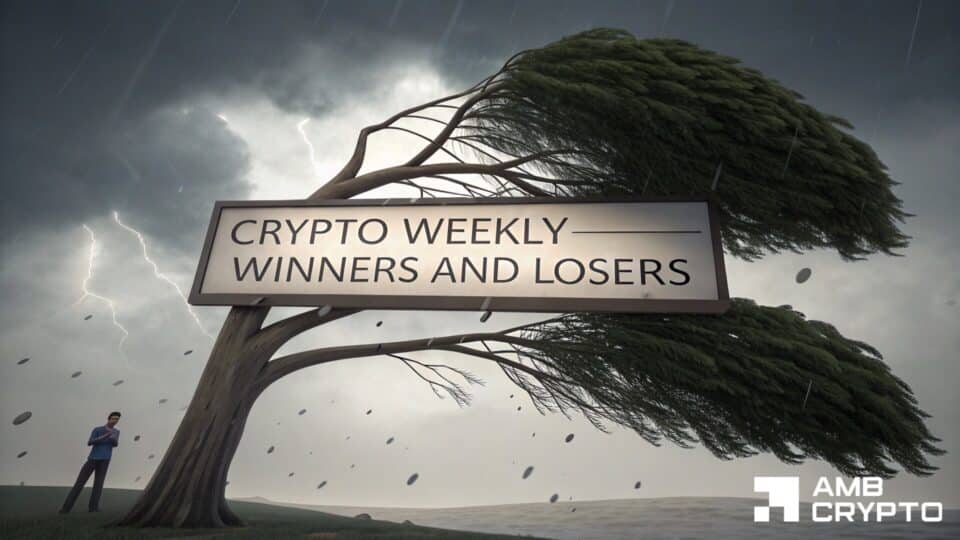
Những đồng tiền thắng và thua tuần này trên thị trường Crypto – VELVET, BEAT, WLD, XLM

Thị trường tiền mã hóa tiếp tục chịu áp lực trong tuần với Bitcoin và Ethereum thể hiện hiệu suất yếu. Trong khi các đồng tiền lớn vật lộn, vốn đã chảy vào một số altcoin vốn hóa nhỏ, tạo ra đà tăng mạnh. **Người thắng tuần:** - **Velvet [VELVET]** dẫn đầu với mức tăng 235%, tiến gần mức đỉnh mọi thời đại 1,80 USD. Chỉ số RSI cho thấy quá mua, nhưng động lực vẫn tích cực. - **DeXe [DEXE]** tăng 60%, lấy lại mức 22 USD lần đầu tiên từ cuối năm 2021, cho thấy sự tiếp tục của xu hướng tăng. - **Audiera [BEAT]** tăng 45% sau khi giảm mạnh tuần trước, cho thấy sự phục hồi mạnh mẽ. **Người thua tuần:** - **MemeCore [M]** lao dốc 70% sau báo cáo thao túng nội gián, nhưng có dấu hiệu ổn định quanh 0,65 USD. - **Worldcoin [WLD]** giảm 26%, điều chỉnh sau đà tăng nhiều tuần và đang kiểm tra vùng hỗ trợ. - **Stellar [XLM]** giảm 18,5%, với áp lực bán kéo dài và nguy cơ điều chỉnh sâu hơn. Nhìn chung, tuần này chứng kiến sự biến động mạnh với sự luân chuyển vốn rõ rệt. Các nhà đầu tư được khuyến cáo tiếp tục thận trọng và nghiên cứu kỹ lưỡng.

ambcrypto2 giờ trước

Những đồng tiền thắng và thua tuần này trên thị trường Crypto – VELVET, BEAT, WLD, XLM

ambcrypto2 giờ trước

Giao dịch

Giao ngay
活动图片