How Investors Navigate Fear and Uncertainty of a Bear Market

bitcoinistXuất bản vào 2025-03-24Cập nhật gần nhất vào 2025-03-24

Tóm tắt

Bear markets bring out the worst in investor sentiment—fear, doubt, and a whole lot of secondguessing. When prices keep dropping,...

Trusted Editorial content, reviewed by leading industry experts and seasoned editors. Ad Disclosure

Bear markets bring out the worst in investor sentiment—fear, doubt, and a whole lot of secondguessing. When prices keep dropping, many shift from chasing gains to simply protecting what they have. Some park their funds in stablecoins, while others stick with blue-chip cryptos or turn to staking for passive income. In this article, I will examine how investor sentiment shapes market behavior and explore effective strategies for weathering bearish conditions.

Understanding Investor Sentiment in a Bear Market

A bear market is characterized by prolonged price declines, high volatility, and widespread uncertainty. Investor sentiment during such periods is typically pessimistic and risk-averse, driven by fear, doubt, and caution. Many traders and investors shift their focus from aggressive growth to capital preservation, seeking ways to protect their assets while waiting for market recovery. During a bear market, the usual “buy low, sell high” mentality is replaced by a more defensive approach. Investors look for strategies that help them minimize losses, generate steady returns, and prepare for the next bull run. One of the most effective ways to achieve this is by staking cryptocurrencies, which allows investors to earn passive income while holding their assets.

Common Investment Strategies in a Bear Market

When market sentiment turns negative, investors adopt various strategies to mitigate risk and optimize returns. One common approach is the flight to safety, where investors move funds into stablecoins such as USDT, USDC, and DAI to avoid volatility.

Some hedge their portfolios with blue-chip cryptocurrencies like Bitcoin (BTC) and Ethereum (ETH), which are often considered safer bets due to their established market dominance.

Another popular strategy is dollar-cost averaging (DCA), where investors purchase crypto at regular intervals, lowering their average entry price over time. This reduces the risk of investing a lump sum at the wrong time and is particularly effective for long-term investors.

While these strategies help investors navigate bearish conditions, they are not without drawbacks. Moving funds into stablecoins provides stability but doesn’t generate meaningful returns. Hedging with blue-chip cryptocurrencies can reduce volatility but still expose investors to downturns and liquidity challenges. Dollar-cost averaging helps smooth out entry prices, yet it can lead to prolonged unrealized losses if the bear market persists.

Why Staking Is an Attractive Strategy in a Bear Market

To balance these risks, investors may consider complementing these strategies with yield-generating options like staking.

Staking is another key strategy in the bear markets. Investors use staking to earn passive income while waiting for prices to recover. Staking assets like ETH, ADA, and TRX helps holders earn additional tokens without active trading, while liquidity pools and lending platforms provide alternative ways to generate yield.

Among all investment strategies, staking stands out as a low-risk, passive income option that can provide steady rewards even in uncertain market conditions. Here are some benefits of staking:

Earning Passive Income: Staking allows investors to earn passive income by generating additional tokens as rewards, helping offset unrealized losses.

Compounding Returns: By reinvesting staking rewards, investors can increase their holdings over time and benefit when the market recovers.

Maximizing Asset Productivity: In a bear market, fewer traders make profits, and staking ensures that funds remain productive rather than sitting idle.

Staking on CoinEx: Features and Benefits

CoinEx is one of the prominent platforms offering staking services, providing investors with a secure and efficient way to generate passive income.

CoinEx supports five popular PoS tokens; they include CET, ETH, SOL, ADA, and TRX. Here are their advantages for staking.

CoinEx Token (CET): A unique staking option on CoinEx, CET comes with a major advantage: the platform waives the 10% service fee, allowing stakers to maximize their rewards. CET also plays a central role in the CoinEx ecosystem, offering trading fee discounts and other benefits.

Ethereum (ETH): As the largest PoS blockchain, ETH staking provides stable returns and contributes to the security of the Ethereum network. With Ethereum’s dominance in DeFi and Web3, staking ETH is a strategic move for long-term believers in the ecosystem.

Solana (SOL): Known for its high-speed transactions and low fees, Solana offers attractive staking rewards. Stakers benefit from Solana’s growing adoption in DeFi and NFT markets, making it a strong option for earning passive income.

Cardano (ADA): With its research-driven approach and strong development community, ADA is a solid staking asset. Cardano’s staking model is designed for decentralization, allowing users to earn rewards while supporting network security.

TRON (TRX): TRON boasts high throughput and efficiency, making it a reliable staking choice. TRX staking not only generates passive income but also contributes to the network’s governance, allowing users to participate in decision-making.

Staking Rewards and Fees

Annual Percentage Yield (APY): The APY for staking on CoinEx varies by cryptocurrency and fluctuates based on on-chain supply and demand.

Service Fees: CoinEx charges a 10% service fee on staking rewards, except for CET, which is exempt from this fee.

Redemption Periods: CoinEx offers relatively short redemption periods, typically ranging from one to four days, providing greater liquidity compared to platforms with longer lock-up periods.

Navigating a Bear Market with Strategic Investments

There are actually more ways to navigate a bear market effectively other than the above strategies. Some investors focus on accumulating high-quality project assets at discounted prices, viewing downturns as opportunities. More experienced traders may engage in short selling and perpetual futures, profiting from price declines through derivatives like futures contracts and perpetual swaps. However, this strategy carries higher risks and requires careful risk management to avoid significant losses.

At the end, portfolio diversification is key. Staking stands out as a prudent investment choice that allows investors to earn passive income, accumulate more tokens, and maintain a productive portfolio despite market uncertainties. By carefully selecting reputable platforms like CoinEx and focusing on cryptocurrencies with favorable staking terms, investors can navigate bear markets effectively while preparing for the next uptrend. While the overall market sentiment may be negative, opportunities still exist to generate yield, hedge against volatility, and accumulate strong assets at discounted prices. With the right strategy, staking can serve as a valuable tool for sustaining and growing a crypto portfolio during turbulent times.


Editorial Process for bitcoinist is centered on delivering thoroughly researched, accurate, and unbiased content. We uphold strict sourcing standards, and each page undergoes diligent review by our team of top technology experts and seasoned editors. This process ensures the integrity, relevance, and value of our content for our readers.

Bitcoinist is the ultimate news and review site for the crypto currency community!

Nội dung Liên quan

CEO qua đời đột ngột, 'Câu chuyện Token hóa' của ONDO có thay đổi không?

Nhà sáng lập kiêm CEO của Ondo Finance, Nathan Allman, đã đột ngột qua đời. Ông là nhân tố chủ chốt định hướng Ondo từ các sản phẩm thu nhập có cấu trúc DeFi chuyển sang lĩnh vực token hóa tài sản như trái phiếu Mỹ, tài sản sinh lời bằng USD, cổ phiếu và ETF. Sự ra đi của ông dấy lên câu hỏi về tương lai của "câu chuyện token hóa" gắn liền với ONDO. Về ngắn hạn, sự kiện này chắc chắn gây ra những lo ngại về tính liên tục trong tầm nhìn của người sáng lập, hợp tác với các tổ chức và định giá lại token ONDO. Tuy nhiên, về trung và dài hạn, Ondo đã xây dựng được một ma trận sản phẩm tương đối hoàn chỉnh và một đội ngũ quản lý vững mạnh có nền tảng từ tài chính truyền thống. Ian De Bode, Chủ tịch công ty, sẽ tiếp quản vị trí CEO. Với kinh nghiệm là cựu đối tác tại McKinsey và người đã dẫn dắt chiến lược, sản phẩm của Ondo hơn hai năm qua, ông được kỳ vọng có thể duy trì tính liên tục trong hoạt động. Bối cảnh của Ian phù hợp hơn với giai đoạn phát triển tiếp theo của RWA, tập trung vào tuân thủ quy định, mở rộng phân phối và hợp tác thể chế. Bản chất của ONDO token chủ yếu nằm ở quản trị, hệ sinh thái và kỳ vọng tăng trưởng từ hệ thống, chứ không phải là chia sẻ trực tiếp dòng tiền từ tài sản. Sự kiện này là một bài kiểm tra áp lực, đánh giá xem Ondo là một dự án phụ thuộc vào cá nhân hay đã trở thành một cơ sở hạ tầng tài chính có thể vận hành độc lập. Tương lai của ONDO với tư cách "tài sản tiêu biểu hàng đầu cho token hóa" sẽ phụ thuộc vào khả năng của đội ngũ mới trong việc tiếp tục mở rộng quy mô sản phẩm và đáp ứng nhu cầu thực tế.

marsbit29 phút trước

CEO qua đời đột ngột, 'Câu chuyện Token hóa' của ONDO có thay đổi không?

marsbit29 phút trước

Tự bạch của người đồng sáng lập Bankless khi bán hết ETH: Ethereum đã làm điều đúng đắn nhất, nhưng 'ETH là tiền tệ' không có tương lai

Người đồng sáng lập Bankless, David Hoffman, đã bán toàn bộ ETH của mình, nhưng nhấn mạnh rằng đây không phải là do anh ta bi quan về ETH. Thay vào đó, anh cho rằng luận điểm "ETH là tiền tệ" đã hoàn thành chu kỳ phát triển chính. Hoffman vẫn cực kỳ lạc quan về mạng lưới và hệ sinh thái Ethereum, nhưng tin rằng cửa sổ cơ hội để ETH được định giá lại một cách đáng kể đang đóng lại. Bài viết giải thích rằng "ETH là tiền tệ" là một trò chơi phối hợp đầy tham vọng, đòi hỏi mọi tầng lớp trong ngăn xếp kỹ thuật-xã hội của Ethereum phải hoạt động hoàn hảo và vượt trội so với đối thủ để ETH đạt được vị thế tiền tệ toàn cầu. Mặc dù Ethereum đã đạt được những thành công đáng kể và xứng đáng với vốn hóa thị trường hiện tại, nó phải đối mặt với những thách thức lớn. Hoffman chỉ ra bốn yếu tố môi trường chính: (1) Giá trị tài sản L1 gắn chặt với doanh thu phí, điều mà Ethereum khó duy trì thị phần áp đảo; (2) Phiên bản mạnh mẽ của tầm nhìn crypto (xây dựng hệ thống tài chính thay thế) đã không thành công như kỳ vọng, trong khi phiên bản yếu (sổ cái hiệu quả cho tài chính truyền thống) lại phát triển; (3) ETH với tư cách tiền tệ phụ thuộc vào sự thành công của phiên bản crypto mạnh, điều này có thể chỉ tồn tại trong giai đoạn biến động đặc biệt như đại dịch; (4) Tiện ích của Ethereum đang giúp củng cố các loại tiền tệ khác (như stablecoin USD) nhiều hơn là thúc đẩy giá trị của chính ETH. Bài viết kết luận rằng bản chất của Ethereum là "người cho đi" – cung cấp không gian khối an toàn, token hóa tài sản và bảo mật cho DeFi với chi phí gần như bằng không, không thu lợi nhuận lớn. Kiến trúc này tối đa hóa thành công cho các ứng dụng và L2 (theo lý thuyết "ứng dụng béo"), nhưng lại khiến ETH khó trở thành tài sản tiền tệ ưu tiên. Hoffman tin rằng Ethereum đã chọn con đường đầy tham vọng và đúng đắn về mặt ý thức hệ, nhưng điều này đồng nghĩa với việc luận điểm "ETH là tiền tệ" khó đạt được tiềm năng tối đa. Anh quyết định tái phân bổ vốn sang các cơ hội khác trong thị trường.

Odaily星球日报34 phút trước

Tự bạch của người đồng sáng lập Bankless khi bán hết ETH: Ethereum đã làm điều đúng đắn nhất, nhưng 'ETH là tiền tệ' không có tương lai

Odaily星球日报34 phút trước

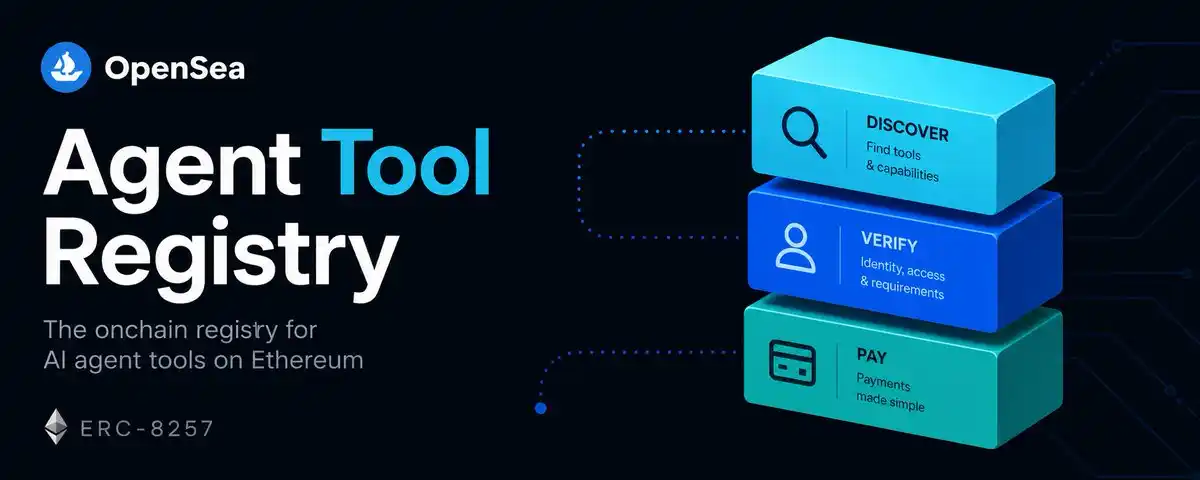
OpenSea Ra Mắt ERC-8257: Cửa Hàng Công Cụ Cho AI Agent, Mua NFT Là Có Thể Mở Khóa API

OpenSea đã giới thiệu ERC-8257, một tiêu chuẩn đăng ký công cụ trên chuỗi (blockchain) dành cho AI Agent. Tiêu chuẩn này cho phép các nhà phát triển công bố công cụ (API, dịch vụ) cùng các quy tắc truy cập và định giá lên chuỗi khối, ví dụ như yêu cầu sở hữu một NFT cụ thể để được dùng với giá ưu đãi. AI Agent có thể tự động duyệt danh sách công cụ, kiểm tra điều kiện truy cập (như mua NFT, đúc gói đăng ký) và thanh toán mà không cần sự can thiệp của con người. Một ví dụ minh họa: Một Agent AI cần dùng công cụ định giá NFT chuyên nghiệp nhưng bị từ chối vì thiếu quyền truy cập. Agent ngay lập tức tự mua NFT cần thiết trên chuỗi và thử lại, sau đó nhận được kết quả định giá thành công. Điều này biến NFT thành "chìa khóa" trong nền kinh tế Agent, mang lại tiện ích mới cho các bộ sưu tập NFT hiện có. ERC-8257 đảm nhiệm việc phát hiện và kiểm soát truy cập, trong khi các giao thức thanh toán như x402 xử lý việc trả phí. Nó có thể kết hợp với các tiêu chuẩn khác như ERC-8004 (danh tính Agent) và MCP. Tiêu chuẩn hiện đang trong giai đoạn dự thảo và đã triển khai trên Ethereum và Base, khuyến khích các nhà phát triển xây dựng và đóng góp ý kiến.

marsbit1 giờ trước

OpenSea Ra Mắt ERC-8257: Cửa Hàng Công Cụ Cho AI Agent, Mua NFT Là Có Thể Mở Khóa API

marsbit1 giờ trước

Bitcoin Lần Đầu Tiên Bị Từ Chối Tại Mức Giá Này Sau 5 Năm, Đây Là Các Mục Tiêu

Giá Bitcoin vừa bị từ chối tại một mức giá đã từng đóng vai trò là hỗ trợ và kháng cự trong 5 năm qua. Theo nhà phân tích 'Chiefy', mức kháng cự vĩ mô này, khoảng 83.000 USD, đã chạm vào một số điểm xoay chuyển quan trọng nhất của Bitcoin kể từ chu kỳ trước. Lần từ chối này có thể dẫn đến hậu quả nghiêm trọng hơn những gì thị trường hiện đang phản ánh. Sau khi bị bật khỏi vùng 83.000 USD vào ngày 6/5, Bitcoin đã giảm xuống mức thấp nhất là 74.000 USD. Mức kháng cự này trùng hợp với đường trung bình động 200 ngày (200MA), nơi thường xuất hiện các điểm đảo chiều chu kỳ chính trong quá khứ. Nhà phân tích đưa ra ba mục tiêu giảm giá tiềm năng nếu Bitcoin tiếp tục theo mô hình này: 68.000 USD, 61.000 USD và 48.000 USD. Mục tiêu thấp nhất 48.000 USD gần với đường trung bình động 350 tuần. Phản ứng của Bitcoin quanh vùng 74.000 USD hiện rất quan trọng, vì việc phá vỡ dưới mức này có thể mở đường cho đợt giảm xuống 68.000 USD. Dù đã phục hồi lên trên 76.000 USD, tâm lý thị trường đang ở trạng thái "sợ hãi" với Chỉ số Fear & Greed ở mức 39. Diễn biến tiếp theo sẽ xác định tính khả thi của kịch bản giảm giá này.

bitcoinist3 giờ trước

Bitcoin Lần Đầu Tiên Bị Từ Chối Tại Mức Giá Này Sau 5 Năm, Đây Là Các Mục Tiêu

bitcoinist3 giờ trước

Giao dịch

Giao ngay
Hợp đồng Tương lai
活动图片