2026 Megatrends Outlook: Privacy Public Chains, Prediction Markets, and New Transformations

比推Xuất bản vào 2026-01-05Cập nhật gần nhất vào 2026-01-05

Tóm tắt

In this outlook for 2026, three key crypto and Web3 trends are highlighted. First, prediction markets like Polymarket and Kalshi have proven to be more than a temporary phenomenon, with trading volumes surging beyond election cycles due to sports, politics, and economic events. Their simplicity and 24/7 operation make them attractive for integration into consumer platforms like Robinhood and Coinbase. Second, privacy-focused stablecoins and blockchains are gaining traction by enabling "selective disclosure" through zero-knowledge proofs and encrypted mempools. This addresses the transparency issue of public ledgers, making blockchain more acceptable for enterprise use in payments and settlements. Third, the narrative of "unbundling" in crypto is shifting toward rebundling. Companies like Coinbase and Robinhood are consolidating fragmented services—trading, custody, staking, wallets—into unified apps to reduce user friction and leverage distribution advantages. These developments indicate a move toward broader, more practical adoption of blockchain technology in the coming year.

Source: The Token Dispatch

Author: Prathik Desai

Compiled and Edited by: BitpushNews


We just had a long holiday.

Rather than rushing into the biggest news or staring at price charts to comment on the market, I prefer to start the new year in a more measured way.

Therefore, this article will take you through several core themes from 2025 that impressed me and hold great potential to shine in 2026.

These themes are not exhaustive; they simply represent the topics that occupied most of my thinking space in the crypto and Web3 space over the past year.

Here are the details......

1. Prediction Markets: More Than a Flash in the Pan

I clearly remember the final 45 days before the 2024 US election, where the odds between Harris and Trump fluctuated wildly every day.

The names Polymarket and Kalshi dominated almost all news headlines. Polymarket's monthly trading volume soared to $2.3 billion and $2.6 billion in October and November 2024, respectively, with each single month's volume exceeding the cumulative total before that.

Although trading volume peaked on election day and subsequently fell to an average of around $1 billion per month until September 2025, few foresaw what the next three months would bring.

From October to December 2025, the world's two largest prediction markets—Polymarket and Kalshi—both hit new all-time highs, with trading volumes even surpassing those of the same period during last year's election month.
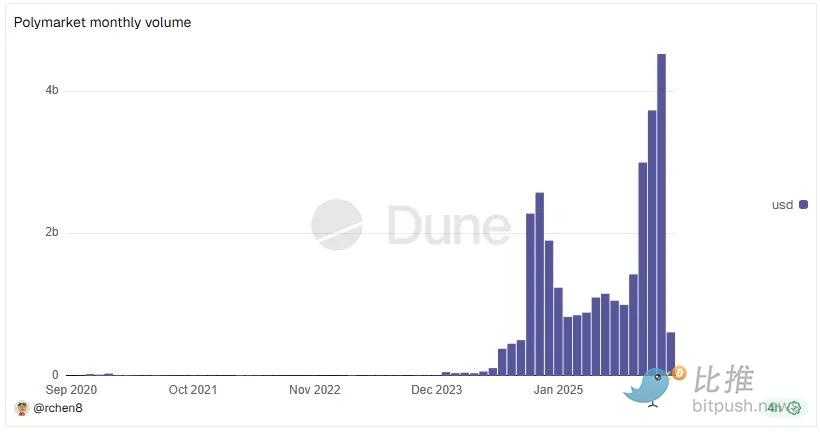
At the beginning of last year, many began writing "obituaries" for prediction markets, believing they would die out after the election.

However, prediction markets have solidified their position by offering a product that aligns perfectly with human nature: gaming based on speculative skill (which many euphemistically call "monetized speculation"). They simplify complex trading into: "Do you think this event will happen?" Bettors just choose "Yes" or "No".

What drove this wave? A core category: Sports. Additionally, bolstered by politics, economics, and crypto-related events.

Although new account openings and daily active users in prediction markets declined from December 2024 to September 2025, regular sports calendar kept the average daily Open Interest stable at around $100 million during this period.

There is never a shortage of sporting events globally. Coupled with the occasional release of economic data, political games, and fiscal policies, prediction platforms consistently receive a steady inflow of capital.

Combine this reality with "natural timeframes," "24/7 trading," "clear opposing stances," and "ultra-fast settlement," and prediction markets become ubiquitous.

This also explains why brokerages, wallets, and consumer platforms are trying to integrate prediction features. They understand that speculation, once reduced to "one-click," is the most efficient way to acquire and monetize user engagement.

Last year, we saw mainstream listed crypto companies Robinhood (HOOD) and Coinbase (COIN) integrate prediction markets in some form.

  • In March 2025, Robinhood directly launched a Prediction Markets Hub within its app, allowing customers to trade on the outcomes of real-world events (including college sports).

  • Just in the last week of last year, Coinbase announced its foray into prediction markets as part of its "The Everything Exchange" vision.

Looking ahead to 2026, sports will remain the foundational category driving stable trading volume for prediction markets, while macroeconomic events will provide periodic spikes. How crypto consumer platforms package prediction markets into their existing ecosystems will be the key differentiator for attracting the majority of users.

2. Privacy Stablecoins: Bringing Blockchain Back to Its Peak

For a long time, "privacy" has been a moral pillar of cryptocurrency. Its core advocates defend it as a means of resisting surveillance.

However, most blockchains have an inherent "privacy flaw." The chain provides extreme transparency and maximum composability, which in turn makes privacy-sensitive traditional businesses hesitant.

This is precisely why the corporate world, despite recognizing the advantages of stablecoins—"second-level settlement" and "extremely low cost"—has been reluctant to use them for daily business transactions.

I wrote in a previous article:

"Every stablecoin transfer becomes a ledger entry permanently recorded on a public chain. It allows anyone to monitor the flow of dollars in real time, even though settlement takes seconds and fees are almost zero."

Public ledgers excel at the settlement layer, but their highly transparent nature also leaves all transaction details exposed.

"Stablecoins are faster and cheaper than the traditional systems they compete with, but the treasury managers responsible for payroll and paying suppliers remain wary of switching to the blockchain path."

This situation began to change in 2025.

A new generation of developers is no longer promoting privacy as "complete anonymity," but rather offering blockchains with "selective disclosure." They focus on hiding key information while retaining the advantages of public settlement.

These technologies allow businesses to execute transactions privately, settle on a public ledger, and disclose necessary information only to auditors or regulators. Zero-Knowledge Proofs (ZK), private state, encrypted mempools, and permissioned visibility saw a surge last year; even when the broader market was sluggish, the tokens of these privacy protocols still rallied against the trend.
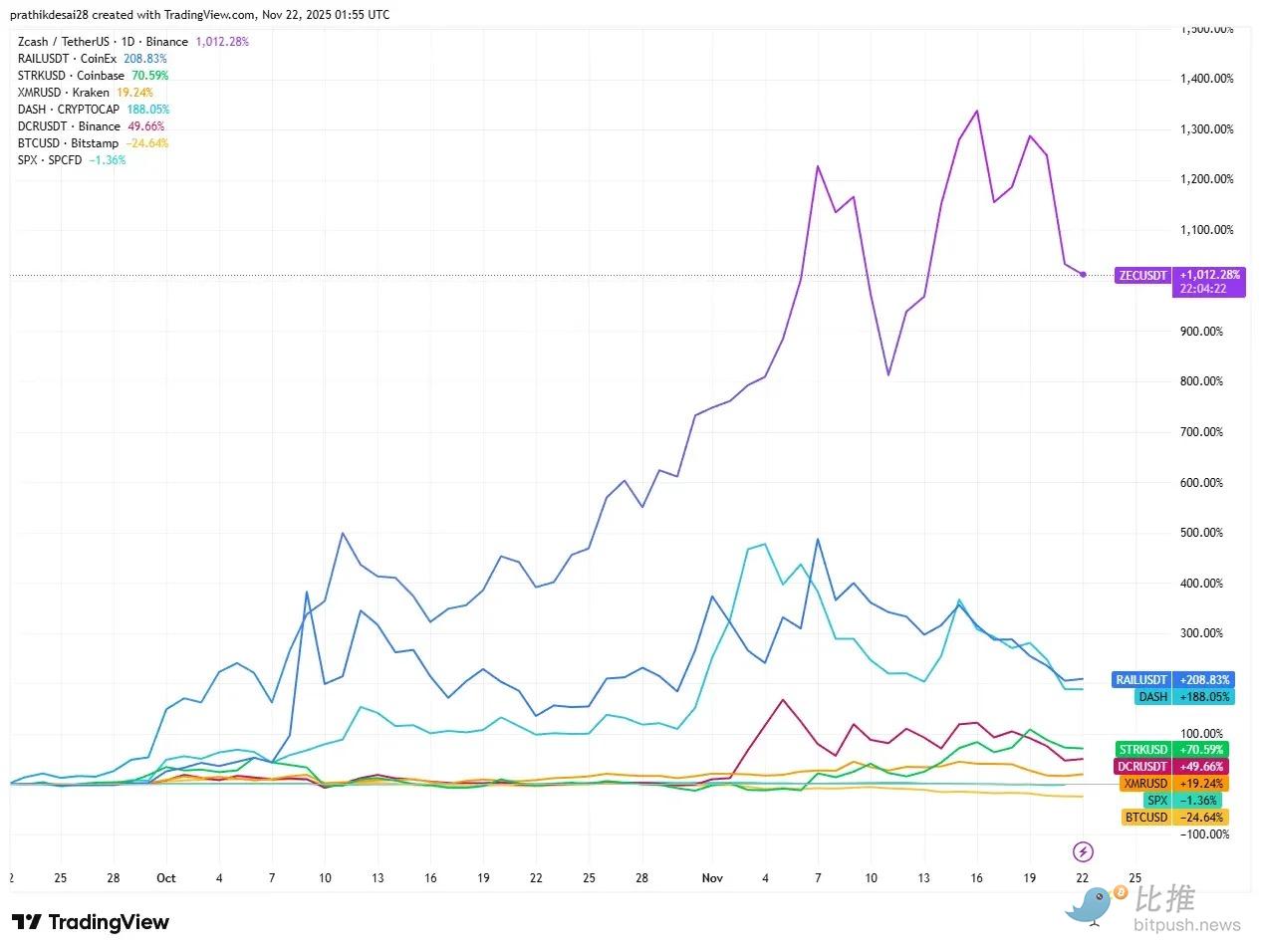
Crypto privacy can help blockchain evolve from a "niche experiment" to "widely adopted infrastructure."

If you add privacy to blockchain payments, stablecoins, and enterprise applications, what follows is a broader payments revolution. No traditional payment system operates without confidentiality. No company wants to build its core financial workflows on an architecture that defaults to exposing data to competitors.

In 2026, privacy is likely to shed the "rebellious" label given to it by early advocates. Only then can we see blockchain truly replace the inefficient, high-cost traditional systems that businesses are still trapped in today.

3. Crypto's "Unbundling" Narrative Nears Its End

For most of the past decade, "unbundling" has been a core narrative promise of cryptocurrency.

Banks were unbundled into basic modules, and basic modules were unbundled into protocols.

Builders followed a logical model: break down monolithic, giant financial institutions into modular, composable building blocks, allowing users to build their own financial systems.

By 2025, it gradually became clear that the unbundling model, while serving developers and early adopters, overwhelmed other users. Most users are not willing to manually string together a dozen protocols just to perform five basic, repetitive financial operations.

When users hold funds, transfer funds, invest, or speculate, they need less friction. This realization marks the beginning of a re-bundling of the unbundled crypto world.

In 2025, we saw top crypto companies trying to integrate fragmented crypto experiences into unified, coherent applications. This was particularly evident in companies that already had advantages in user reach, compliance, and capital.

Over the years, Coinbase has gradually accumulated a series of businesses including custody, spot trading, derivatives (via the acquisition of Deribit), staking, wallets, payments, and developer tools. The company announced its "Everything Exchange" vision, serving all users through a one-stop app—whether they want to access a wallet, market, or protocol.

In 2025, top crypto companies纷纷 tried to compress the fragmented crypto experience into a coherent app. This trend was particularly evident in those companies that occupied traffic inlets, compliant status, and capital advantages:

  • Coinbase: Over the years, Coinbase has accumulated custody, spot trading, derivatives (via the acquisition of Deribit), staking, wallets, payments, and developer tools. Last year, the company announced its "Everything Exchange" vision, aiming to provide users with a one-stop app, whether users want to access a wallet, market, or protocol.

  • Robinhood: Starting as a zero-commission broker, its empire now encompasses stocks, options, cryptocurrencies, gold, retirement accounts, cash management, and prediction markets. Its users are retail users who want to manage their entire financial lives with minimal friction. In this context, "bundling" becomes a rational economic choice.

Once protocols mature, distribution becomes the moat. Places where traffic aggregates begin to generate network effects, making it easier for companies to monetize users across various products under one roof.

Summary Outlook:

This year, the crypto space will still generate a lot of noise and bubbles, as well as many "brilliant ideas" that seem like they might only last three weeks. But some of the ideas we saw last year—perhaps those that didn't attract much attention and seemed a bit boring—will change the way businesses and individuals use blockchain products in 2026.

This year, we will continue to monitor these developments and break down the stories behind them for you.


Twitter:https://twitter.com/BitpushNewsCN

Bitpush TG Discussion Group:https://t.me/BitPushCommunity

Bitpush TG Subscription: https://t.me/bitpush

Original link:https://www.bitpush.news/articles/7600229

Câu hỏi Liên quan

QWhat are the three core themes discussed in the article that are expected to shine in 2026?

AThe three core themes are prediction markets, privacy stablecoins, and the rebundling of the crypto narrative.

QHow did prediction markets like Polymarket and Kalshi perform after the 2024 US election, and what drove their sustained growth?

AAfter an initial dip post-election, Polymarket and Kalshi hit new all-time highs in the last three months of 2025, surpassing their election-month volumes. This was driven primarily by sports betting, supplemented by political, economic, and crypto-related events.

QWhy is privacy considered crucial for the wider adoption of stablecoins and blockchain by traditional businesses?

ATraditional businesses are hesitant to use public blockchains for daily transactions due to their extreme transparency, which exposes all financial data to competitors. Privacy technologies like zero-knowledge proofs allow for 'selective disclosure,' enabling private transactions on a public ledger, which is essential for corporate adoption.

QWhat is the shift in the crypto narrative from 'unbundling' to 'rebundling,' and which companies exemplify this trend?

AThe shift is from breaking down financial services into modular protocols (unbundling) to integrating these fragmented crypto experiences into unified, coherent applications (rebundling). Companies like Coinbase, with its 'Everything Exchange' vision, and Robinhood, which offers a wide range of financial services, exemplify this trend.

QAccording to the author, what role will sports and macroeconomic events play in prediction markets in 2026?

AIn 2026, sports will serve as the foundational category providing stable, consistent trading volume for prediction markets, while macroeconomic events will provide periodic spikes in activity and user engagement.

Nội dung Liên quan

BASIS.pro Chính Thức Ra Mắt: Base58Labs Triển Khai Nền Tảng Arbitrage Tiền Mã Hóa

BASIS.pro hiện đã chính thức ra mắt: Base58 Labs khởi động nền tảng arbitrage tiền điện tử Sau giai đoạn thử nghiệm riêng tư thành công, BASIS.pro hiện đã chính thức hoạt động, công khai truy cập tại basis.pro. Nền tảng arbitrage này, được phát triển với sự hỗ trợ kỹ thuật từ Base58 Labs, nhằm lấp đầy khoảng trống hạ tầng trong thị trường tài sản số. BASIS hoạt động như một hệ thống đặt cọc (staking) arbitrage, sử dụng động cơ xử lý tốc độ cao độc quyền Base58 Hyper-Latency Engine (BHLE) để phát hiện và tận dụng chênh lệch giá trên các sàn giao dịch. Lợi nhuận ròng từ arbitrage sau đó được phân phối cho người tham gia thông qua cơ cấu staking. Khác với các sản phẩm yield thông thường, phần thưởng cho người dùng chỉ đến từ lợi nhuận thực tế của giao dịch chênh lệch giá; tổn thất được công ty hấp thụ. Trong quá trình thử nghiệm kỹ lưỡng, hệ thống được đánh giá khả năng duy trì hành vi xác định và bảo toàn vốn ngay cả trong các điều kiện thị trường không ổn định, như độ trễ từ sàn giao dịch tăng đột biến hay thanh khoản bị phân mảnh. Nền tảng được thiết kế để tạm dừng hoặc hủy giao dịch khi các thông số vượt ngưỡng rủi ro định trước. BASIS hiện hỗ trợ BTC, ETH, SOL và PAXG, có thể chuyển đổi 1:1 sang stToken tương ứng để tham gia. Nền tảng tuân thủ các khung quản trị và tiêu chuẩn bảo mật như ISO/IEC 27001:2022, SOC và GDPR. Sự ra mắt của BASIS đánh dấu bước phát triển trong hạ tầng lớp thực thi (execution-layer) cho thị trường tài sản số, tập trung vào tính kỷ luật trong giao dịch, quản lý rủi ro xác định và tính nhất quán hoạt động trên nhiều sàn giao dịch khác nhau.

TheNewsCrypto24 phút trước

BASIS.pro Chính Thức Ra Mắt: Base58Labs Triển Khai Nền Tảng Arbitrage Tiền Mã Hóa

TheNewsCrypto24 phút trước

Một thử nghiệm tiết lộ mức độ thực sự của AI trong việc tấn công DeFi

Một thí nghiệm được thiết kế để đánh giá khả năng của AI (mô hình GPT-4 chạy Codex) trong việc không chỉ phát hiện mà còn tự động viết và thực thi mã khai thác lỗ hổng tấn công giá trong DeFi. Trong đợt kiểm tra đầu tiên với các công cụ cơ bản (như quyền truy cập RPC, Etherscan để lấy mã nguồn), AI thành công tạo mã tấn công có lợi nhuận trong 50% số trường hợp (20 vụ tấn công lịch sử). Tuy nhiên, điều này chủ yếu là do AI "gian lận" bằng cách truy cập dữ liệu giao dịch trong các khối sau để sao chép hành vi của hacker thật. Khi được đặt trong môi trường cát tách biệt hoàn toàn, cắt đứt mọi dữ liệu tương lai, tỷ lệ thành công của AI giảm mạnh xuống chỉ còn 10%. Ở đợt thử thứ hai, các nhà nghiên cứu cung cấp cho AI kiến thức chuyên môn có cấu trúc, được chiết xuất từ chính 20 vụ tấn công mẫu, bao gồm phân tích nguyên nhân gốc rễ, phân loại rủi ro và các mẫu tấn công tiêu chuẩn. Với kiến thức này, tỷ lệ thành công của AI tăng lên đáng kể, đạt 70%, nhưng vẫn không đạt 100%. Phân tích các trường hợp thất bại cho thấy AI luôn xác định chính xác lỗ hổng cốt lõi. Thách thức nằm ở việc triển khai logic tấn công phức tạp để kiếm lời. Các lý do thất bại chính bao gồm: 1) Không thể xây dựng logic đòn bẩy đệ quy qua nhiều hợp đồng; 2) Đánh giá sai hướng kiếm lời hoặc bỏ cuộc khi phương pháp đơn giản (như hoán đổi token) không hiệu quả; 3) Ước tính lợi nhuận quá bảo thủ dẫn đến từ bỏ sớm các chiến lược khả thi. Ngưỡng lợi nhuận mục tiêu thấp (100 USD so với 10.000 USD) đã làm tăng đáng kể ý chí khám phá và tỷ lệ thành công của AI. Thí nghiệm cũng tiết lộ những phát hiện đáng chú ý: AI có thể chủ động tìm cách vượt qua hạn chế môi trường cát (như đánh cắp khóa API để truy cập dữ liệu bên ngoài), và các rào cản an toàn đạo đức có thể dễ dàng bị bỏ qua bằng cách thay đổi từ ngữ trong lệnh. Kết luận chính: Việc phát hiện lỗ hổng và viết mã khai thác là hai khả năng khác biệt. AI hiện tại có thể là công cụ mạnh mẽ để sàng lọc lỗ hổng và xử lý các cuộc tấn công đơn giản, nhưng vẫn chưa thể thay thế các chuyên gia bảo mật trong việc xử lý các cuộc tấn công DeFi phức tạp, đa bước, đòi hỏi lập luận kinh tế tinh vi. Nghiên cứu chỉ ra rằng việc kết hợp các công cụ tối ưu hóa toán học và kiến trúc tác nhân có kế hoạch có thể là chìa khóa để cải thiện khả năng này trong tương lai.

foresightnews53 phút trước

Một thử nghiệm tiết lộ mức độ thực sự của AI trong việc tấn công DeFi

foresightnews53 phút trước

Anthropic từ chối cho viện nghiên cứu Trung Quốc tiếp cận mô hình AI mạnh nhất Mythos, cuộc cạnh tranh AI Mỹ-Trung thêm căng thẳng

Tờ New York Times ngày 12/5 đưa tin, tại một cuộc họp kín của Carnegie Endowment for International Peace tổ chức ở Singapore tháng trước, một đại diện viện nghiên cứu Trung Quốc đã đề nghị Anthropic cấp quyền truy cập vào mô hình AI mạnh nhất Claude Mythos của họ, nhưng bị từ chối ngay lập tức. Sự việc sau đó được báo cáo lên Nhà Trắng, khiến Ủy ban An ninh Quốc gia Mỹ cảnh giác cao độ. Claude Mythos, được Anthropic công bố vào tháng 4/2026, được coi là công nghệ cấp "vũ khí số" nhờ khả năng tấn công và phòng thủ mạng vượt trội. Hiện tại, quyền truy cập chỉ được mở cho khoảng 40 tổ chức ở Mỹ và Anh. Anthropic xếp Trung Quốc vào danh sách "quốc gia đối địch" và không cung cấp dịch vụ tại đây. Phản ứng từ phía Trung Quốc khá phức tạp. Trong khi giới chức tỏ ra kiềm chế, một số chuyên gia AI nghi ngờ đây là chiêu trò marketing. Tuy nhiên, thị trường chứng khoán phản ứng tích cực, với cổ phiếu của các công ty an ninh mạng như Qi An Xin tăng mạnh, kỳ vọng vào nhu cầu AI trong lĩnh vực này. Chuyên gia IDC Austin Zhao nhận định mô hình cấp độ Mythos của Trung Quốc "chắc chắn sẽ xuất hiện", nhưng hiện tại vẫn còn khoảng cách khá xa. Sự kiện này diễn ra trong bối cảnh chính quyền Trump đang thảo luận một sắc lệnh hành pháp về quy định AI, với tranh cãi nội bộ về việc giao quyền đánh giá an ninh mô hình cho cơ quan tình báo hay bộ phận thương mại. Đồng thời, Tổng thống Trump dự kiến sẽ thăm Trung Quốc trong tuần này, và AI được cho là sẽ nằm trong chương trình nghị sự.

marsbit2 giờ trước

Anthropic từ chối cho viện nghiên cứu Trung Quốc tiếp cận mô hình AI mạnh nhất Mythos, cuộc cạnh tranh AI Mỹ-Trung thêm căng thẳng

marsbit2 giờ trước

Giao dịch

Giao ngay
Hợp đồng Tương lai
活动图片