2026 Grayscale Outlook: Ten New Investment Opportunities and False Hypes in Crypto

深潮Xuất bản vào 2025-12-18Cập nhật gần nhất vào 2025-12-18

Tóm tắt

Grayscale's 2026 outlook anticipates a structural shift in digital asset investment driven by increased demand for alternative value stores and enhanced regulatory clarity. This is expected to attract significant institutional capital, integrate blockchain into mainstream finance, and end the traditional four-year crypto cycle. Bitcoin may reach new all-time highs in H1 2026. Key investment themes include: 1) Demand for monetary alternatives (BTC, ETH, ZEC) due to fiat currency risks; 2) Regulatory progress supporting adoption; 3) Stablecoin growth under the GENIUS Act; 4) Asset tokenization reaching a tipping point; 5) Privacy solutions (ZEC, AZTEC) for mainstream blockchain use; 6) Blockchain addressing AI centralization (TAO, NEAR); 7) DeFi acceleration, particularly in lending; 8) Next-gen infrastructure (SUI, MON); 9) Focus on sustainable revenue (SOL, ETH); 10) Staking becoming default for investors (LDO, JTO). Quantum computing and Digital Asset Treasuries (DATs) are identified as overhyped themes with limited 2026 impact. The overall trajectory points toward institutional adoption, with capital flowing primarily through regulated ETPs.

Author: Grayscale

Compiled by: Deep Tide TechFlow

Key Points

We anticipate that 2026 will accelerate the structural transformation in the digital asset investment field, primarily driven by two key trends: increased macro demand for alternative value storage tools and enhanced regulatory clarity. The combination of these two major trends is expected to attract more capital inflows, expand the adoption of digital assets (especially among wealth management and institutional investors), and further integrate public blockchains into mainstream financial infrastructure.

Consequently, we expect digital asset valuations to rise in 2026, and the "cryptocurrency four-year cycle" theory (i.e., the crypto market follows a four-year cycle pattern) will come to an end. We believe that Bitcoin's price may reach a new all-time high in the first half of 2026.

Grayscale expects that bipartisan-supported crypto market structure legislation will become U.S. law in 2026. This will further promote the deep integration of public blockchains with traditional finance, facilitate compliant trading of digital asset securities, and potentially allow startups and established companies to issue securities on-chain.

The outlook for fiat currencies is increasingly uncertain; in contrast, we can be highly confident that the 20 millionth Bitcoin will be mined in March 2026. Due to rising fiat currency risks, we believe that digital currency systems like Bitcoin and Ethereum will become increasingly favored by market demand due to their transparency, programmability, and ultimate scarcity.

We expect that more crypto assets will be offered through exchange-traded products (ETPs) in 2026. These investment vehicles have achieved initial success, but many platforms are still conducting due diligence and working to incorporate crypto assets into their asset allocation processes. As this process matures, it is expected that more slow-moving institutional capital will enter the market in 2026.

Additionally, we have listed ten major themes for crypto investment in 2026, reflecting the broad range of emerging use cases for public blockchain technology. For each theme, we have included the related crypto assets. Specifically, they include:

  1. Dollar Devaluation Risk Drives Demand for Currency Alternatives

  2. Regulatory Clarity Supports Digital Asset Adoption

  3. Stablecoin Influence Will Grow Driven by the GENIUS Act

  4. Asset Tokenization Reaches an Inflection Point

  5. Blockchain Technology Goes Mainstream, Privacy Solutions Become Urgent

  6. AI Centralization Spurs Demand for Blockchain Solutions

  7. DeFi Accelerates, Lending Sector Leads the Way

  8. Mainstream Adoption Requires Next-Generation Infrastructure Support

  9. Focus on Sustainable Revenue Models

  10. Investors Default to Seeking Staking Yields

Finally, we believe the following two topics will have limited impact on the crypto market in 2026:

  • Quantum Computing: Although research and preparation for post-quantum cryptography continue, we do not believe this issue will significantly impact market valuations next year.

  • Digital Asset Treasuries (DATs): Despite widespread media attention, we do not believe DATs will be a major factor influencing the digital asset market in 2026.

2026 Digital Asset Outlook: The Dawn of the Institutional Era

Fifteen years ago, cryptocurrency was just an experiment: with only one asset (Bitcoin) and a market capitalization of about $1 million. Today, cryptocurrency has become an emerging industry and a medium-sized alternative asset class, comprising millions of tokens with a total market capitalization of approximately $3 trillion (see Figure 1). Currently, increasingly mature regulatory frameworks in major economies are driving the deep integration of public blockchains with traditional finance and bringing long-term capital inflows to the market.
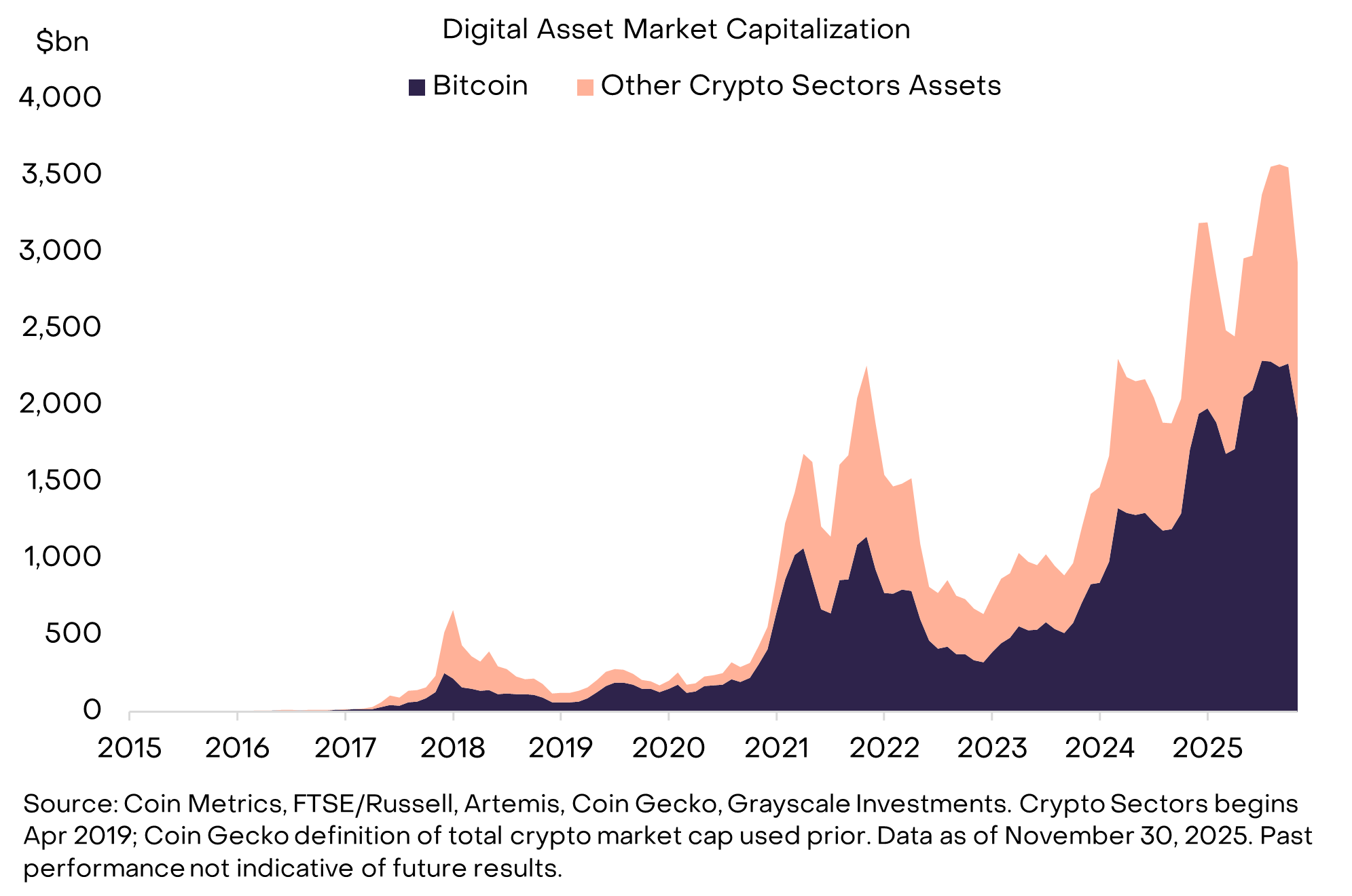
Figure 1: Cryptocurrency has now become a medium-sized alternative asset class

In the history of cryptocurrency development, token valuations have experienced four large-scale cyclical corrections, approximately every four years (see Figure 2). In three of these cases, the cyclical peaks in valuations occurred 1 to 1.5 years after the Bitcoin halving event, which happens every four years. The current bull market has lasted for more than three years, and the most recent Bitcoin halving occurred in April 2024, more than 1.5 years ago. Therefore, some market participants traditionally believe that Bitcoin's price may have peaked in October 2025, and 2026 will be a challenging year for cryptocurrency returns.
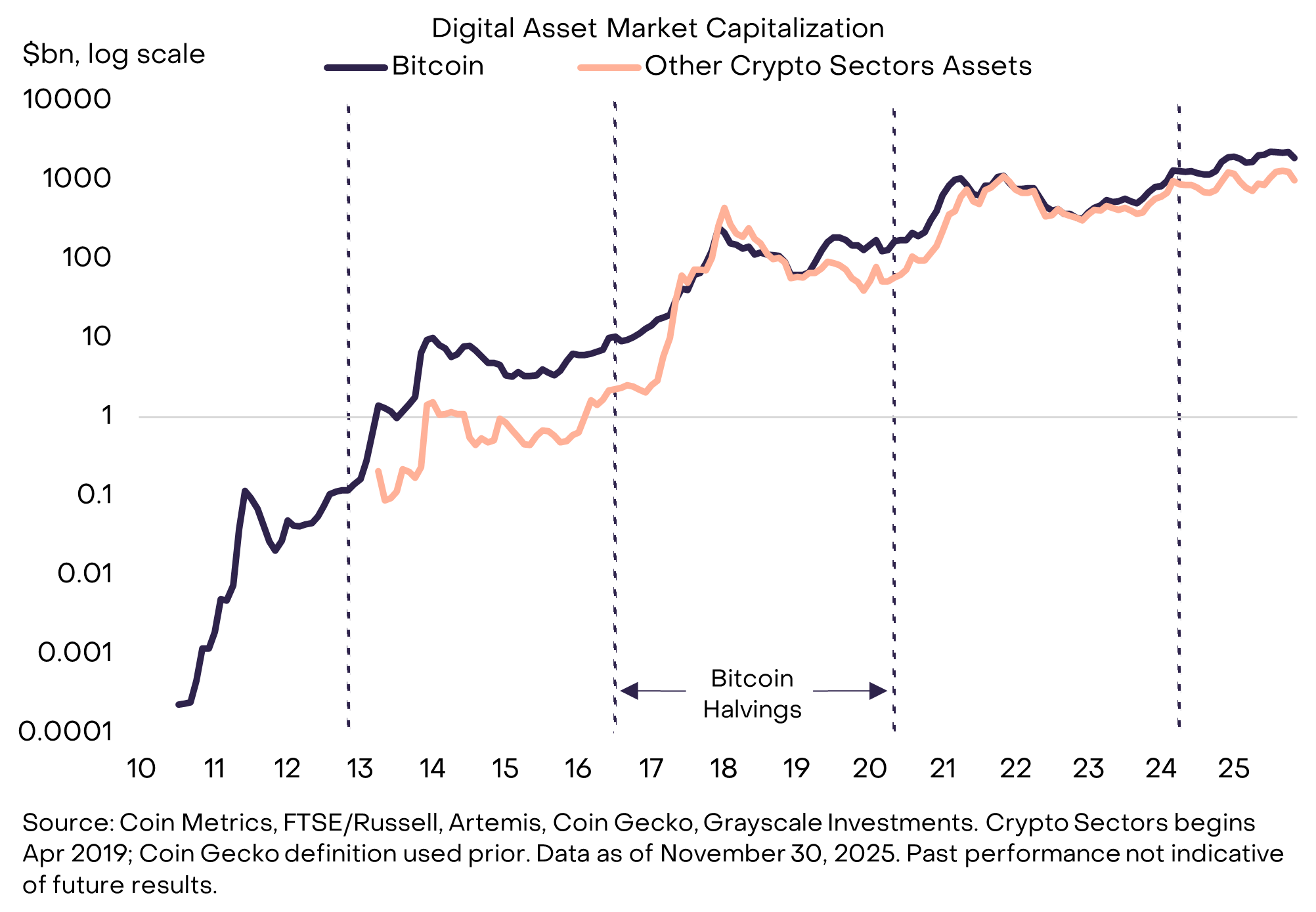
Figure 2: Rising valuations in 2026 will mark the end of the "4-year cycle theory"

Grayscale believes that the crypto asset class is in a sustained bull market and predicts that 2026 will mark the end of the "explicit four-year cycle." We expect valuations to rise across all six major crypto asset sectors in 2026 and believe that Bitcoin's price may break through previous all-time highs in the first half of the year.

The two pillars of our optimistic outlook:

First, sustained macro demand for alternative value storage tools.

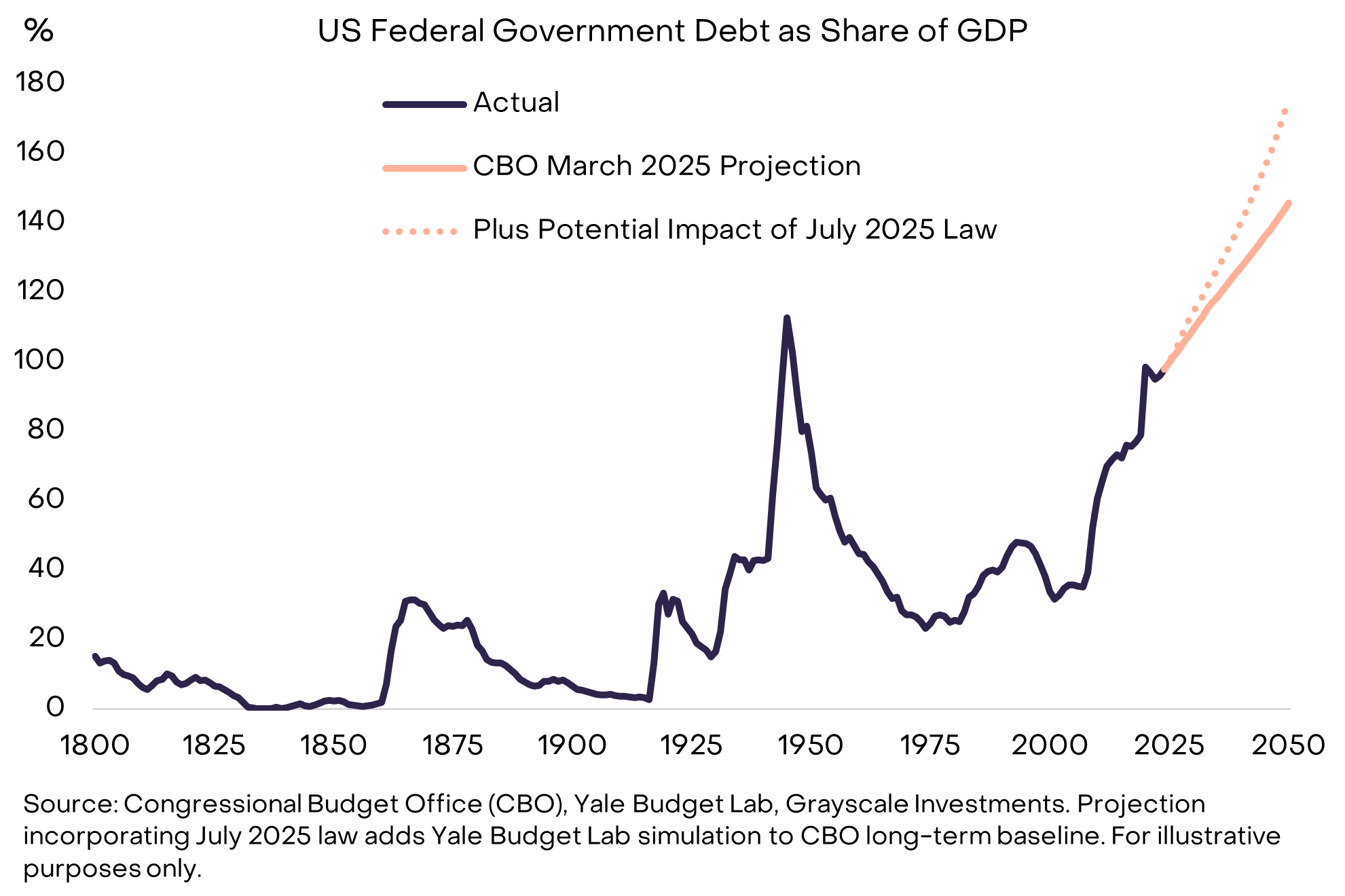
Bitcoin and Ethereum, as the two largest cryptocurrencies by market capitalization, can be viewed as scarce digital commodities and alternative monetary assets. Due to the high levels of public sector debt and their potential impact on long-term inflation (see Figure 3), fiat currencies (and assets denominated in fiat currencies) face additional risks. Scarce commodities, whether physical gold and silver or digital Bitcoin and Ethereum, have the potential to serve as "ballast" in investment portfolios to hedge against fiat currency risks. In our view, as long as the risk of fiat currency devaluation continues to rise, portfolio demand for Bitcoin and Ethereum is likely to keep increasing.

Figure 3: U.S. debt issues raise questions about the credibility of low inflation
Second, regulatory clarity drives institutional investment into public blockchain technology.

Although it may be overlooked, until this year, the U.S. government was still investigating or suing many leading companies in the crypto industry (including Coinbase, Ripple, Binance, Robinhood, Consensys, Uniswap, and OpenSea). Even now, exchanges and other crypto intermediaries still operate without clear guidance for the spot market.

However, this situation is gradually improving. In 2023, Grayscale won a lawsuit against the U.S. Securities and Exchange Commission (SEC), paving the way for spot crypto exchange-traded products (ETPs). In 2024, spot ETPs for Bitcoin and Ethereum were officially listed. In 2025, the U.S. Congress passed the GENIUS Act, regulating the stablecoin market, and regulators adjusted their stance towards the crypto industry, collaborating with the industry to provide clear guidance while continuing to focus on consumer protection and financial stability. Grayscale expects that by 2026, the U.S. Congress will pass bipartisan-supported crypto market structure legislation, which will further consolidate the position of blockchain-based financial systems in the U.S. capital markets and promote continued inflows of institutional investment (see Figure 4).

Figure 4: Higher fundraising amounts may indicate increased confidence among institutional investors

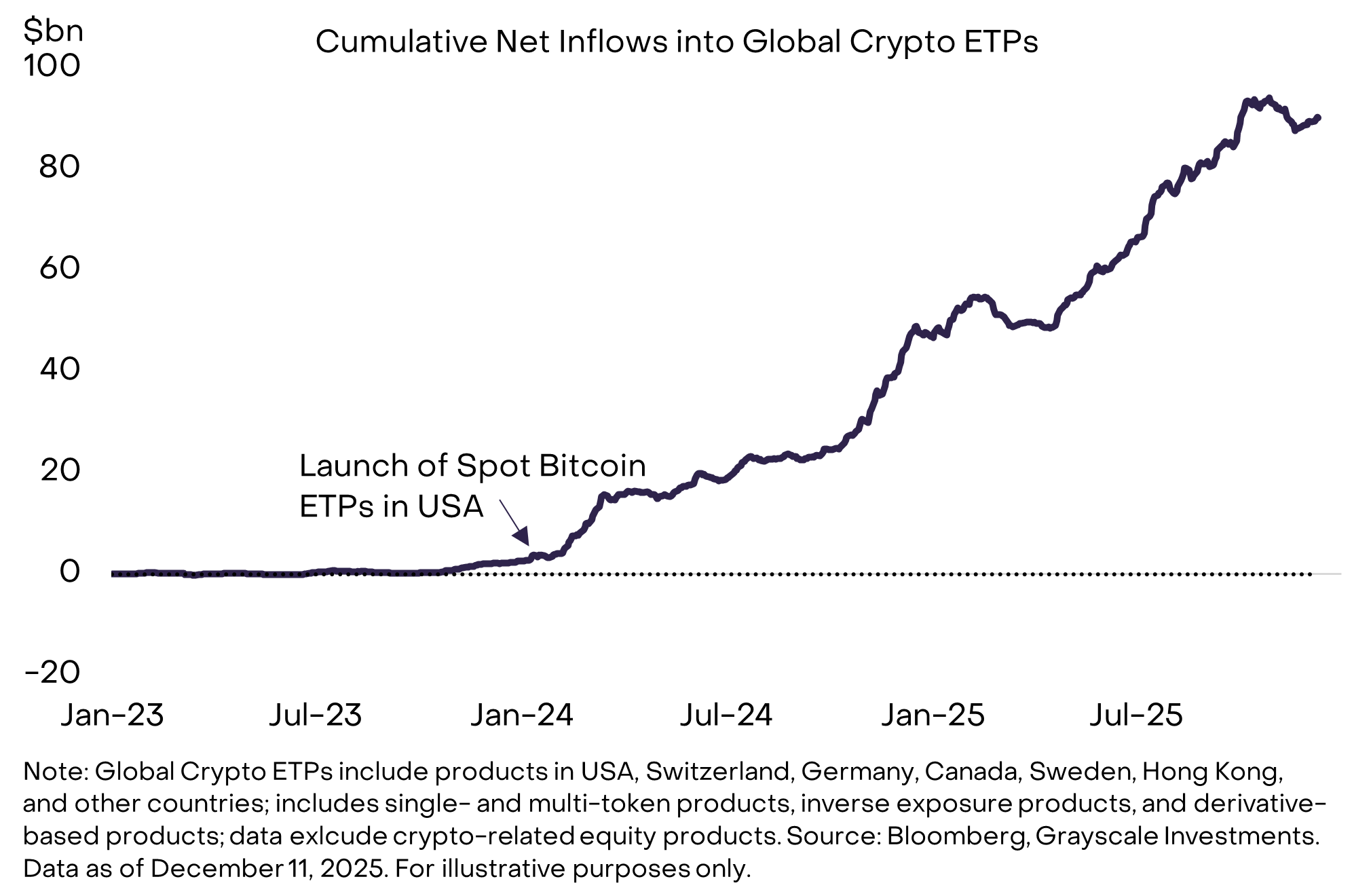
We believe that new capital entering the crypto ecosystem will primarily flow in through spot ETPs. Since the launch of Bitcoin ETPs in the U.S. in January 2024, global crypto ETPs have achieved net inflows of $87 billion (see Figure 5). Although these products have been successful in their early stages, the process of incorporating crypto assets into mainstream investment portfolios is still in its infancy. Grayscale estimates that currently, less than 0.5% of assets managed by U.S. wealth management advisors are allocated to the crypto asset class.[2] As more platforms complete due diligence, establish capital market assumptions, and incorporate crypto assets into model portfolios, this proportion is expected to grow.

Beyond wealth advisor management, early institutional investors have already included crypto ETPs in their portfolios, including Harvard Management Company and the Abu Dhabi sovereign wealth fund Mubadala.[3] We expect this list to expand significantly by 2026.
As the crypto market becomes increasingly driven by institutional capital inflows, the characteristics of its price performance have also changed. In each previous bull market, Bitcoin's price rose by at least 1000% within a year (see Figure 6). This time, Bitcoin's maximum annual gain was about 240% (in the year ending March 2024). We believe this difference reflects the more stable buying behavior of recent institutional investors, rather than the momentum-driven retail buying seen in previous cycles. Although crypto investment still carries significant risks, we believe that, at the time of writing, the possibility of a deep and prolonged cyclical correction is relatively low. Instead, we think that a steady price increase driven by institutional capital inflows is more likely to be the dominant trend next year.
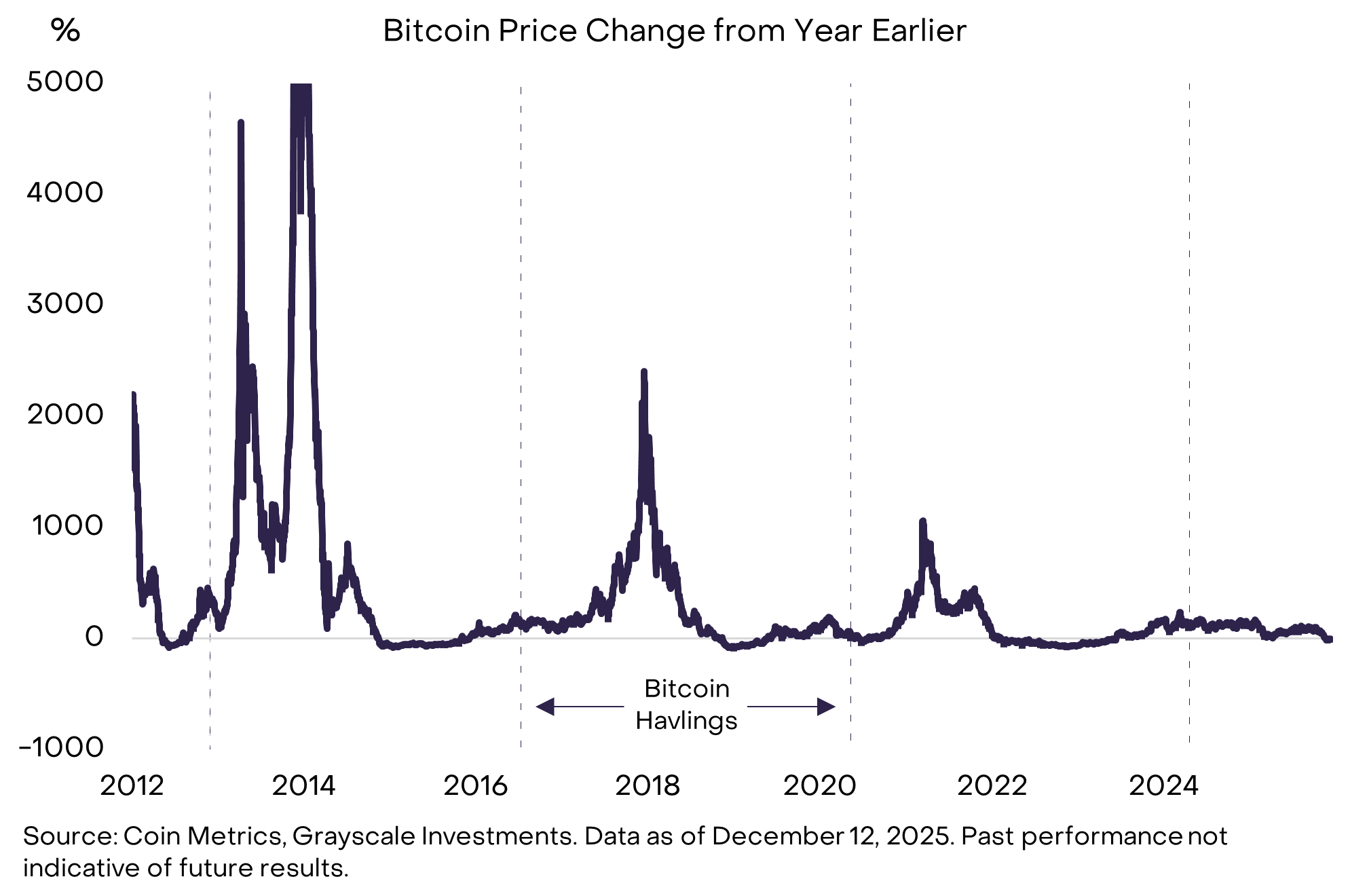
Figure 6: Bitcoin's price has not experienced a sharp surge in this cycle

A supportive macro market background may also limit some of the downside risks for token prices in 2026. The past two cyclical peaks occurred during periods of Federal Reserve interest rate hikes (see Figure 7). In contrast, the Fed cut rates three times in 2025 and is expected to continue cutting rates next year. Kevin Hassett, who may succeed Jerome Powell as Fed Chair, recently stated on "Face the Nation": "The American people can expect that President Trump will choose someone who will help them get lower-rate car loans and easier access to low-interest mortgages."[4] Overall, economic growth and the Fed's supportive policies should align with improved investor risk tolerance and potential gains for high-risk assets, including crypto assets.
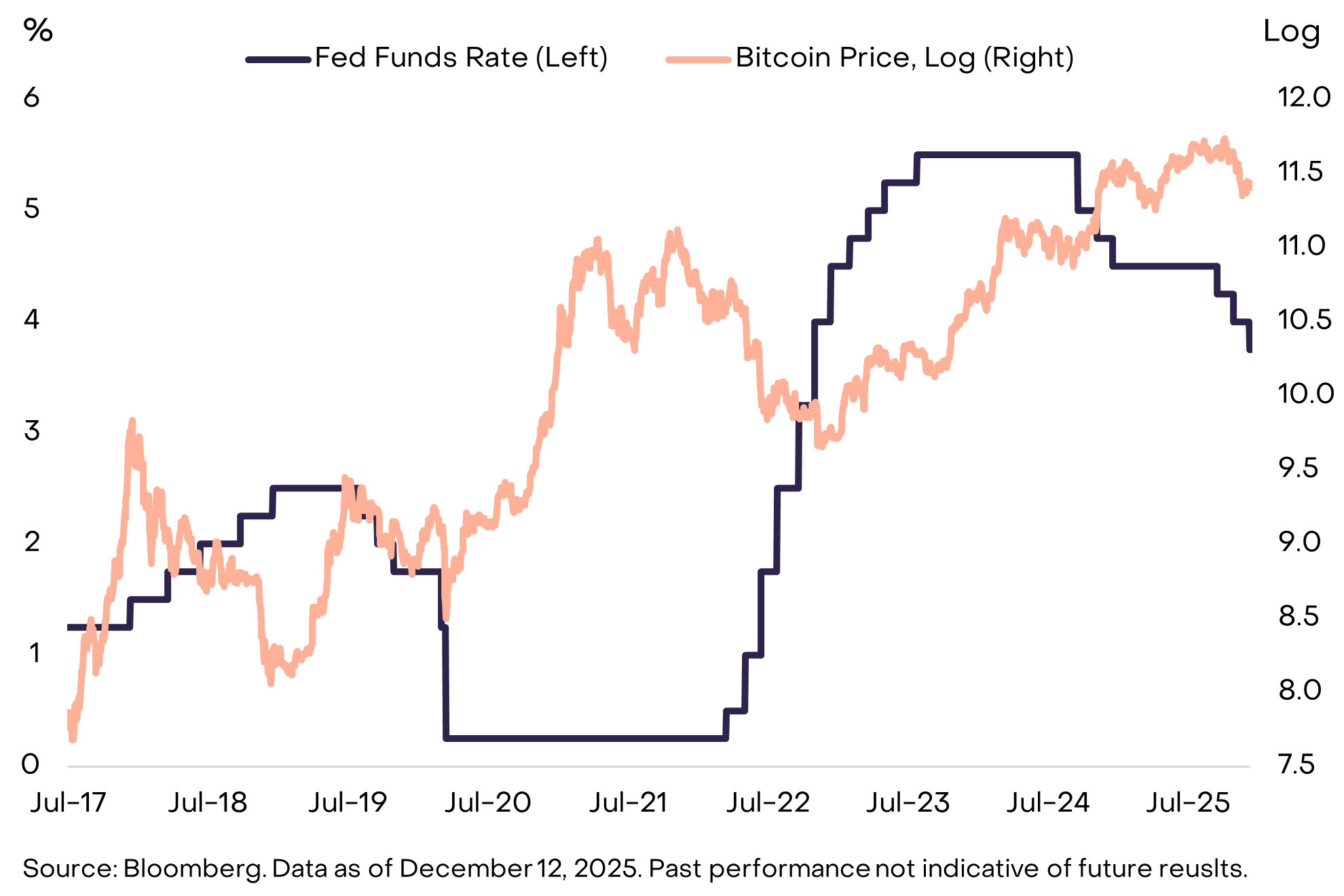
Figure 7: Previous cyclical peaks were associated with Fed rate hikes

Like all other asset classes, the crypto market is driven by a combination of fundamentals and capital flows. Commodity markets are cyclical, and the crypto market may experience prolonged cyclical corrections at some points in the future. However, we do not believe this will happen in 2026. Fundamentally, the crypto market shows strong support: we expect continued growth in macro demand for alternative value storage tools, while regulatory clarity drives institutional investment into public blockchain technology. Moreover, new capital continues to flow into the market: it is expected that by the end of next year, crypto ETPs will appear in more investment portfolios. In this cycle, there has not been a massive wave of retail demand, but rather sustained demand for crypto ETPs from a wide range of portfolios. In an overall supportive macro context, we believe these conditions will lay the foundation for the crypto asset class to reach new highs in 2026.

Ten Major Crypto Investment Themes for 2026

Crypto is a diverse asset class, reflecting the numerous applications of public blockchain technology. The following section outlines Grayscale's views on the ten most important crypto investment themes for 2026—and two "distractions." For each theme, we list the tokens most relevant from Grayscale perspective. For more background on the types of investable digital assets, please refer to our Crypto Sectors Framework.

Theme 1: Dollar Devaluation Risk Drives Demand for Currency Alternatives

Related Crypto Assets: BTC, ETH, ZEC

The U.S. economy faces a debt problem (detailed in Figure 3), which may ultimately weaken the dollar's role as a store of value. Other countries face similar issues, but since the dollar is the current dominant global international currency, the credibility of U.S. policy has a more significant impact on potential flows. In our view, only a few digital assets can be considered viable stores of value, possessing sufficient widespread adoption, a high degree of decentralization, and limited supply growth capability. These include the two largest crypto assets by market capitalization, Bitcoin and Ethereum. Similar to physical gold, their value partly derives from their scarcity and autonomy.

Bitcoin's supply is capped at 21 million coins and is entirely controlled by programmed rules. For example, we can be certain that the 20 millionth Bitcoin will be mined in March 2026. A digital currency system with transparent, predictable, and ultimately scarce supply, while conceptually simple, is increasingly attractive in today's economy due to the tail risks of fiat currencies. As long as the macro imbalances causing fiat currency risks continue to increase, portfolio demand for alternative stores of value is likely to keep growing (see Figure 8). Additionally, Zcash, as a smaller decentralized digital currency, may also be suitable for portfolios hedging against dollar devaluation risk due to its privacy features (see Theme 5).
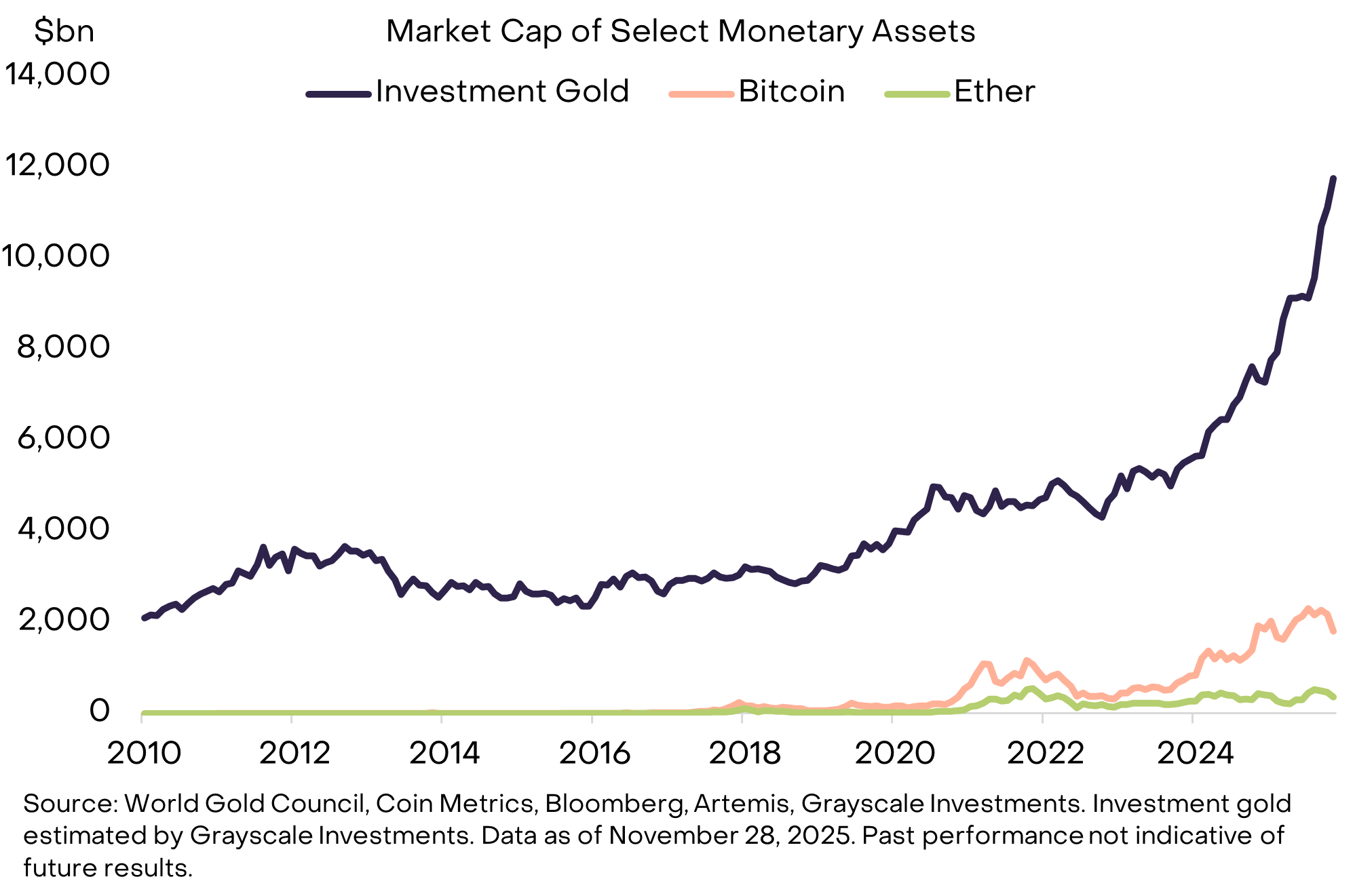
Figure 8: Macro imbalances may drive demand for alternative stores of value

Theme 2: Regulatory Clarity Supports Digital Asset Adoption

Related Crypto Assets: Almost all crypto assets

In 2025, the U.S. made significant progress in crypto regulatory clarity, including passing the GENIUS Act (for stablecoins), rescinding SEC Staff Accounting Bulletin 121 (on custody issues), introducing common listing standards for crypto ETPs, and addressing traditional banking access for the crypto industry (see Figure 9). Next year, we expect another major development: the passage of bipartisan-supported market structure legislation. The House of Representatives passed a version of this legislation—the Clarity Act—in July, and the Senate has since initiated related procedures. Although many details仍需解决, overall, this legislation provides a set of traditional financial rules for crypto capital markets, including registration and disclosure requirements, crypto asset classification, and insider trading rules.

In practice, more mature regulatory frameworks for crypto assets in the U.S. and other major economies may mean that regulated financial services companies can report digital assets on their balance sheets and begin trading on blockchains. It may also allow for on-chain capital formation, enabling both startups and established companies to issue regulated tokens. By further unleashing the full potential of blockchain technology, regulatory clarity should help enhance the value of the overall crypto asset class. Given the potential importance of regulatory clarity in driving the crypto asset class in 2026, we believe that an interruption in the bipartisan legislative process in Congress should be viewed as a potential downside risk.
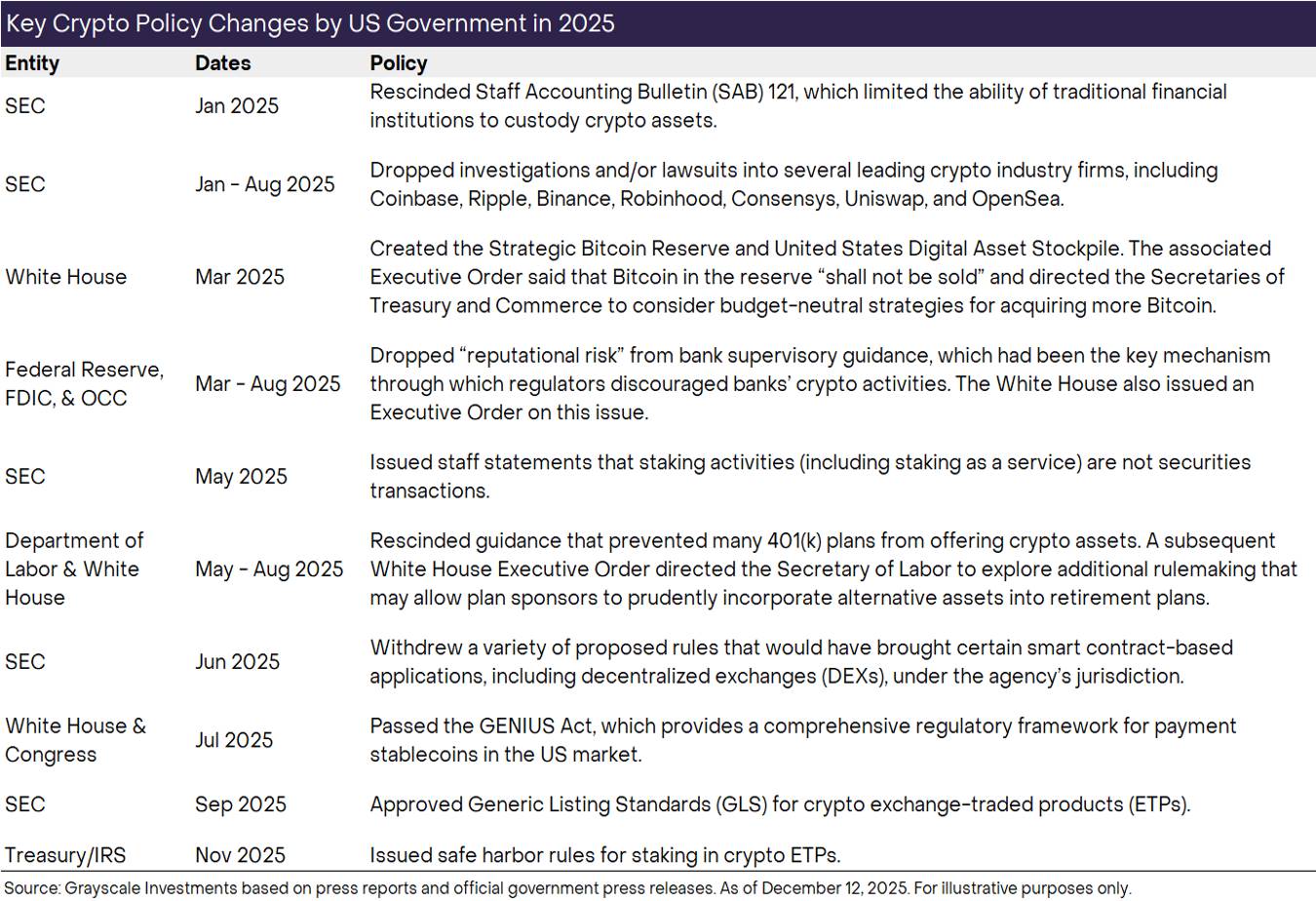
Figure 9: The U.S. made significant progress in crypto regulatory clarity in 2025

Theme 3: GENIUS Act Drives Continued Growth in Stablecoin Influence

Related Crypto Assets: ETH, TRX, BNB, SOL, XPL, LINK

2025 was the "breakout year" for stablecoins: total circulation reached $300 billion, and average monthly trading volume reached $1.1 trillion in the six months ending November[5]. Additionally, the U.S. Congress passed the GENIUS Act, triggering a massive influx of institutional capital into the industry (see Figure 10). In 2026, we expect to see the practical results of these changes: stablecoins will be integrated into cross-border payment services, used as collateral on derivative exchanges, appear on corporate balance sheets, and serve as alternatives to credit cards for online consumer payments. The growing popularity of prediction markets may also drive new demand for stablecoins. The growth in stablecoin trading volume is expected to bring revenue to the blockchains recording these transactions (such as ETH, TRX, BNB, and SOL), while also promoting the development of related infrastructure (like LINK) and decentralized finance (DeFi) applications (see Theme 7).
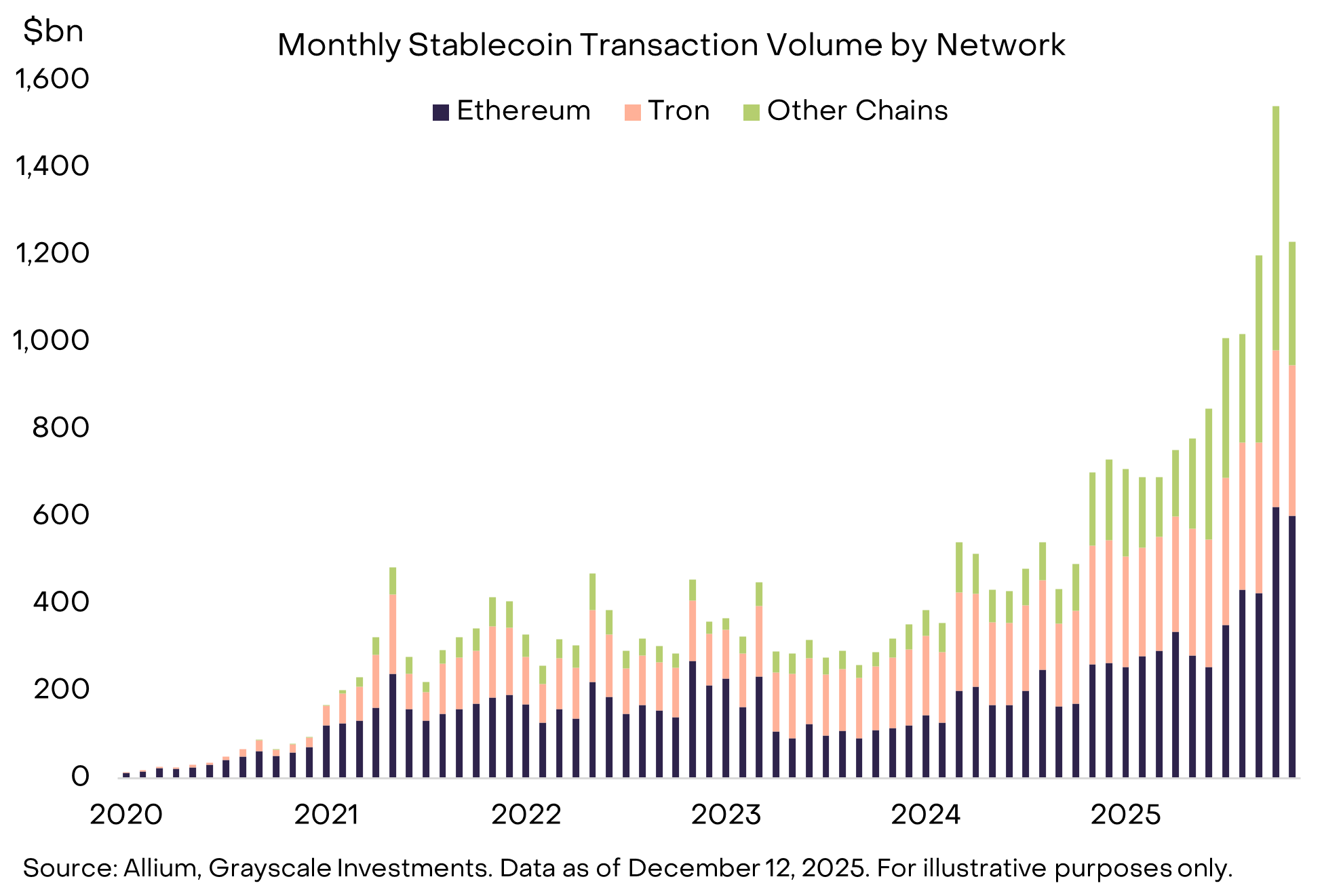
Figure 10: Stablecoins experience explosive growth

Theme 4: Asset Tokenization Reaches an Inflection Point

Related Crypto Assets: LINK, ETH, SOL, AVAX, BNB, CC

Currently, asset tokenization remains small in scale: accounting for only 0.01% of the total global stock and bond market capitalization (see Figure 11). Grayscale expects that asset tokenization will grow rapidly in the coming years, driven by more mature blockchain technology and clearer regulatory frameworks. It would not be surprising to see the scale of tokenized assets grow by about 1000 times by 2030. In our view, this growth will bring value to blockchains processing tokenized asset transactions (such as Ethereum, BNB Chain, and Solana) as well as various supporting applications. Among on-chain supporting applications, Chainlink (LINK) has particular potential due to its unique suite of software technologies.
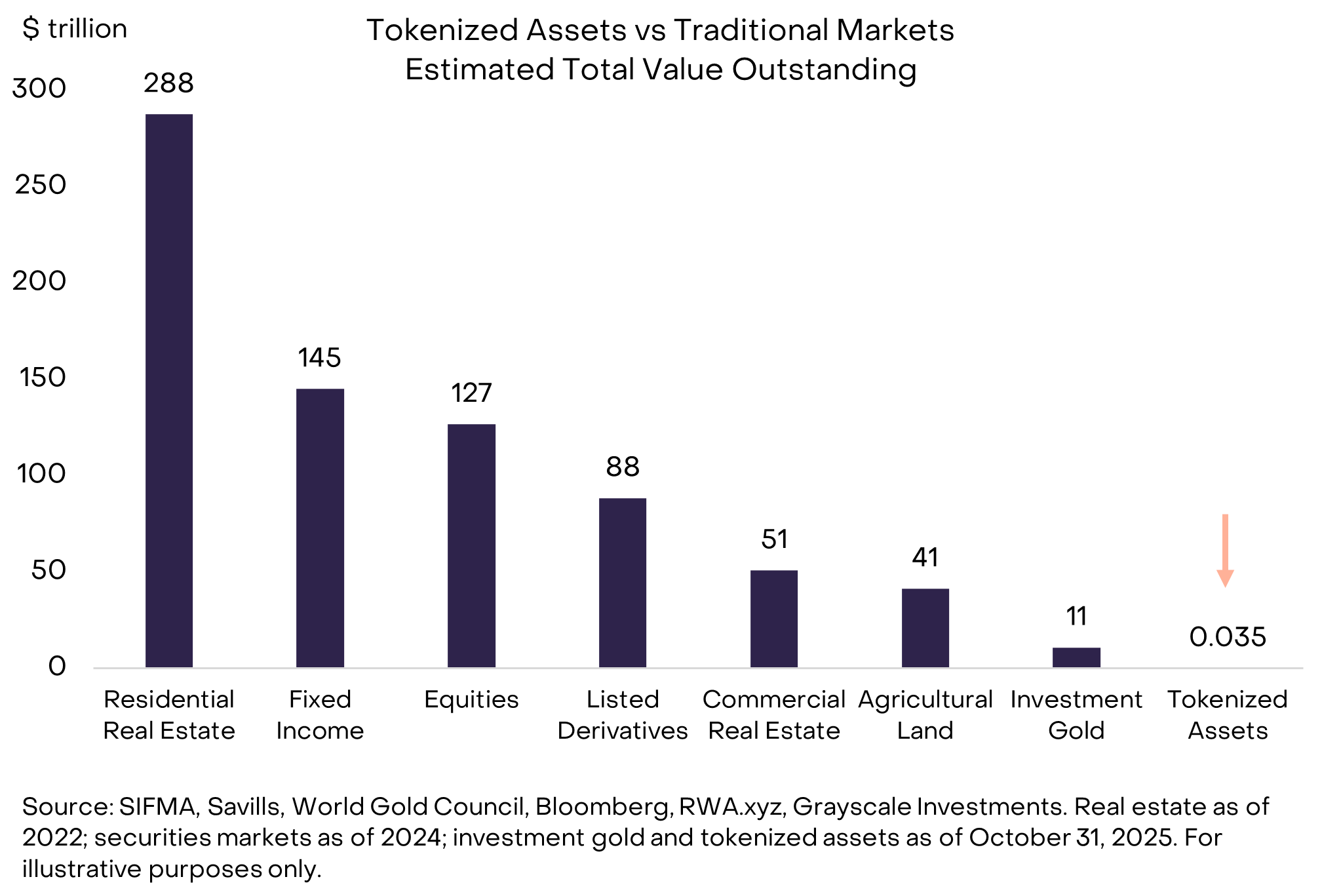
Figure 11: Asset tokenization has huge room for growth

Theme 5: Mainstream Adoption of Blockchain Technology Calls for Privacy Solutions

Related Crypto Assets: ZEC, AZTEC, RAIL

Privacy is a normal part of the financial system: almost everyone wants their salary, taxes, net worth, and spending habits not to be publicly available on a ledger. However, most blockchains are transparent by default. If public blockchains want to integrate more deeply into the financial system, they need stronger privacy infrastructure—this becomes increasingly evident as regulation drives the integration of blockchain technology. Privacy features are increasingly attracting investor attention, with potential beneficiaries including Zcash (ZEC), a decentralized digital currency similar to Bitcoin but with privacy protection features; Zcash's price rose significantly in Q4 2025 (see Figure 12). Other major projects include Aztec (a privacy-focused Ethereum Layer 2 network) and Railgun (DeFi privacy middleware). Additionally, we may see increased adoption of confidential transactions on leading smart contract platforms like Ethereum (via ERC-7984) and Solana (via Confidential Transfers token extensions). Improving privacy tools also requires better identity and compliance infrastructure to support DeFi.
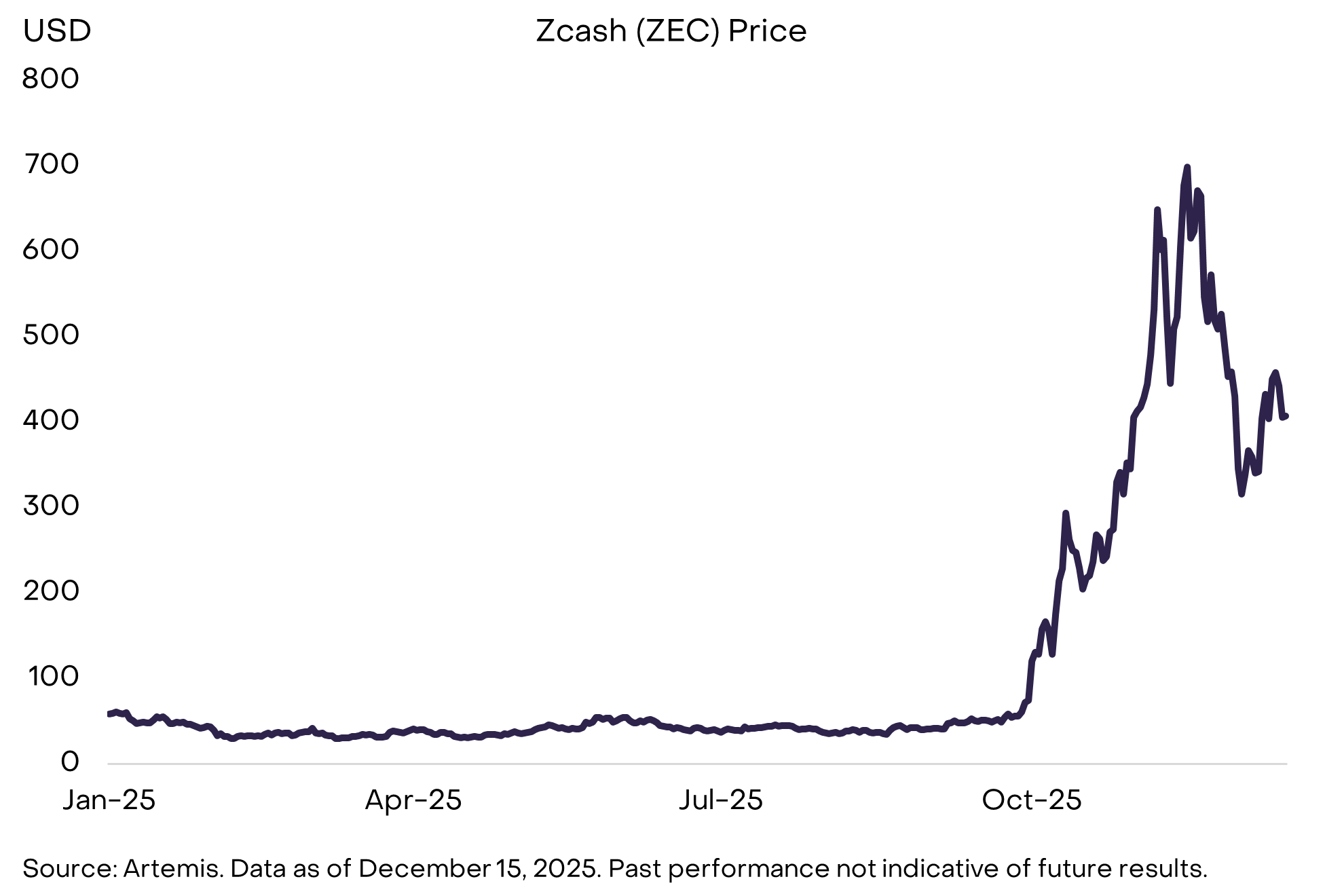
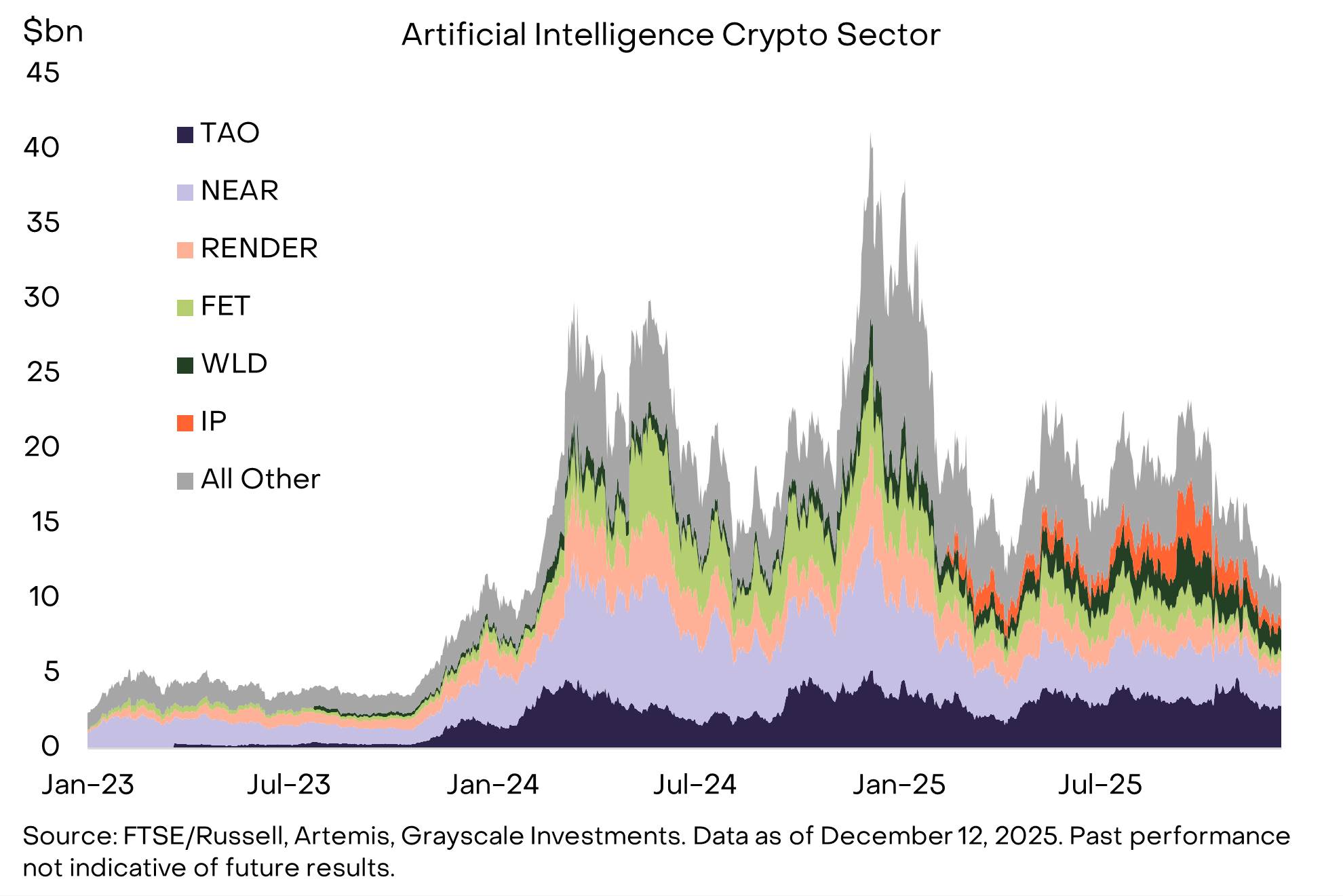
Figure 12: Crypto investors' attention to privacy features is rising

Theme 6: AI Centralization Calls for Blockchain Solutions

Related Crypto Assets: TAO, IP, NEAR, WORLD

The fundamental fit between crypto technology and artificial intelligence (AI) is tighter and clearer than ever before. AI systems are gradually concentrating in the hands of a few dominant companies, raising concerns about trust, fairness, and ownership, while crypto technology provides fundamental tools to directly address these risks. Decentralized AI development platforms like Bittensor aim to reduce reliance on centralized AI technology; verifiable "Proof of Personhood" systems like World can distinguish humans from synthetic agents in a world flooded with artificial activity; and networks like Story Protocol provide transparent and traceable intellectual property in an era where the origin of digital content is increasingly difficult to discern. Furthermore, tools like X402—an open, zero-fee stablecoin payment layer for Base and Solana—support low-cost, instant micropayments, meeting the needs of agent-to-agent or machine-to-human economic interactions.

These components together form the early infrastructure of the "Agent Economy," where identity, computing, data, and payments must be verifiable, programmable, and censorship-resistant. Although this field is still early and unevenly developed, the intersection of crypto and AI is producing one of the most compelling long-term use cases in the field. As AI becomes more decentralized, autonomous, and economically viable, protocols dedicated to building authentic infrastructure are expected to benefit (see Figure 13).

Figure 13: Blockchain provides solutions for AI risks

Theme 7: DeFi Accelerates, Lending Sector Leads the Way

Related Crypto Assets: AAVE, MORPHO, MAPLE, KMNO, UNI, AERO, RAY, JUP, HYPE, LINK

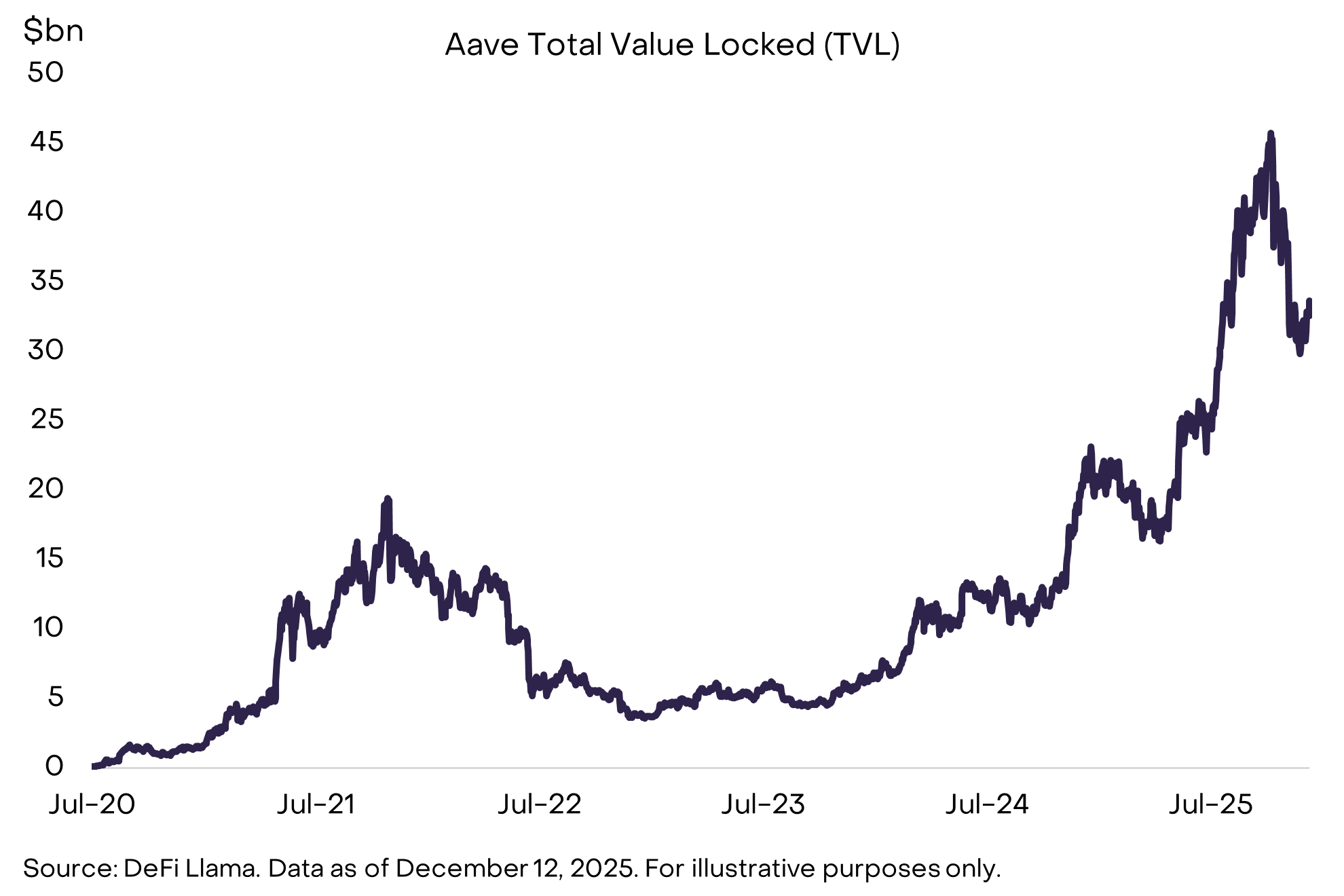
Driven by technological advancements and regulatory tailwinds, decentralized finance (DeFi) applications achieved significant development in 2025. The growth of stablecoins and tokenized assets are important success stories, but the DeFi lending sector also experienced substantial growth, particularly platforms dominated by Aave, Morpho, and Maple Finance (see Figure 14).[7] At the same time, decentralized perpetual futures exchanges (like Hyperliquid) have become comparable in open interest and daily trading volume to some of the largest centralized derivative exchanges. Looking ahead, the growing liquidity, interoperability, and linkage to real-world prices of these platforms make DeFi a credible alternative for users wishing to conduct financial transactions directly on-chain. It is expected that more DeFi protocols will integrate with traditional fintech companies to leverage their infrastructure and existing user bases. We expect core DeFi protocols to benefit, including lending platforms like AAVE, decentralized exchanges like UNI and HYPE, and related infrastructure like LINK, while the blockchains supporting most DeFi activity (such as ETH, SOL, BASE) will also benefit.

Figure 14: The scale and diversity of DeFi continue to grow

Theme 8: Mainstream Adoption Calls for Next-Generation Infrastructure

Related Crypto Assets: SUI, MON, NEAR, MEGA

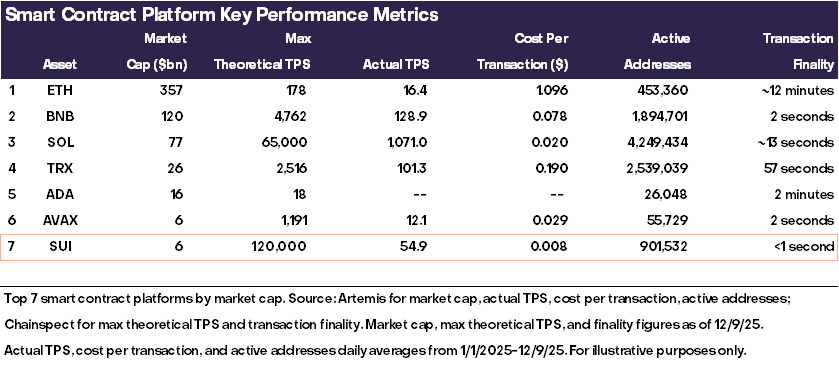
A new generation of blockchains is constantly pushing the technological frontier. However, some investors believe that more block space is not needed because the demand for existing blockchains is not yet saturated. Solana was once a typical example of this criticism: a fast but underutilized blockchain, once considered a symbol of "excess block space," but after a wave of adoption, it became one of the industry's greatest success stories. Although not all of today's high-performance blockchains will follow a similar path, we expect a few to stand out. Superior technology does not guarantee widespread adoption, but the architecture of these next-generation networks gives them unique advantages in emerging fields, such as AI micropayments, real-time gaming loops, high-frequency on-chain transactions, and intent-based systems. In this area, we expect Sui to stand out due to its technological advantages and integrated development strategy (see Figure 15). Other promising projects include Monad (parallelized EVM), MegaETH (ultra-fast Ethereum Layer 2), and Near (AI-focused blockchain, successful due to its Intents product).

Figure 15: Next-generation blockchains like Sui offer faster, lower-cost transactions

Theme 9: Focus on Sustainable Revenue

Related Crypto Assets: SOL, ETH, BNB, HYPE, PUMP, TRX

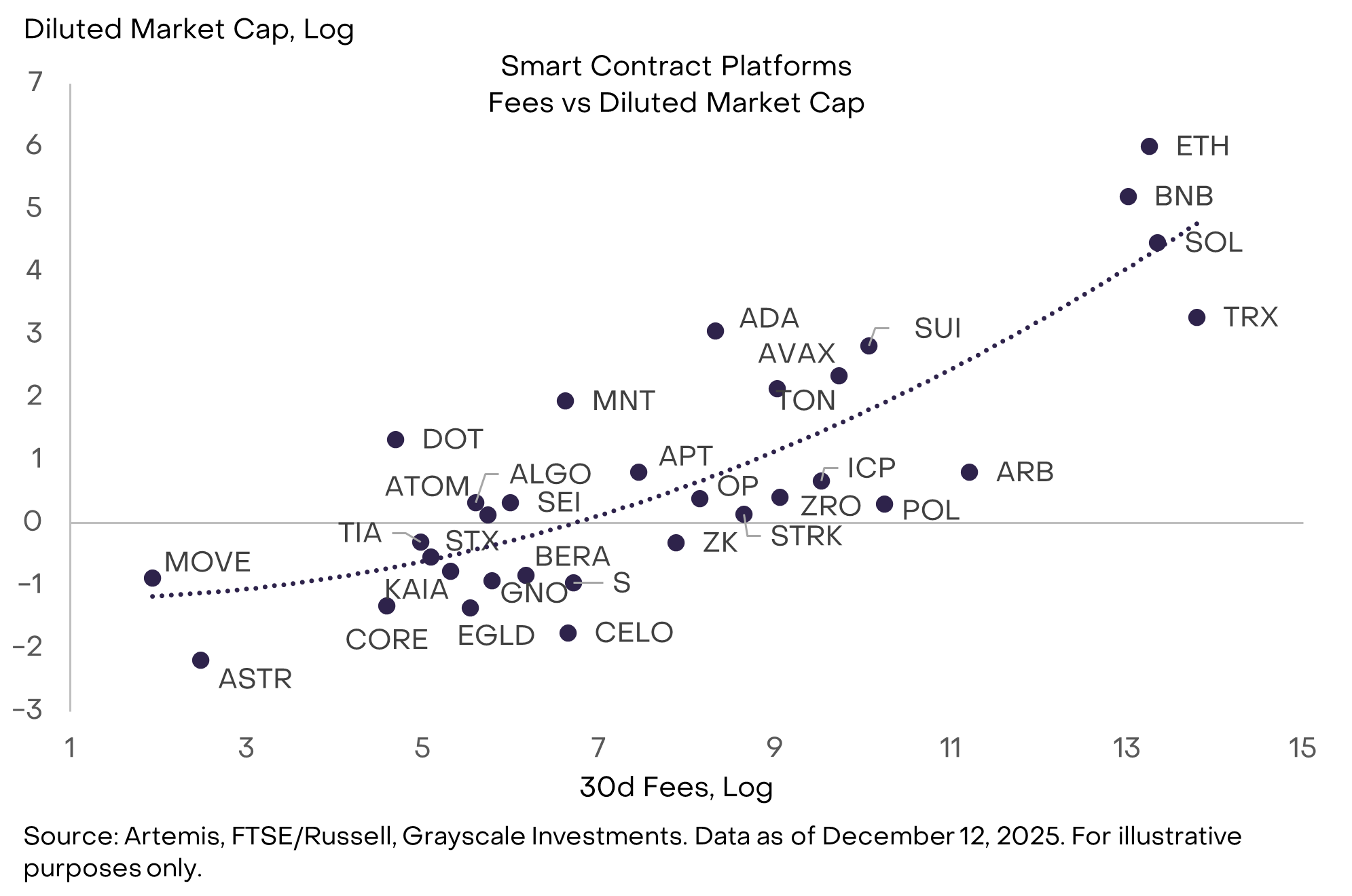
Blockchains are not traditional enterprises, but they do have measurable fundamentals, including user count, transaction volume, fees, capital/total value locked (TVL), developers, and applications. Among all metrics, Grayscale considers transaction fees to be the most valuable fundamental metric because they are the most difficult to manipulate and have the highest comparability between blockchains (and are also the best empirical fit metric). Transaction fees can be analogized to "revenue" in traditional corporate finance. For blockchain applications, it is also important to distinguish between protocol fees/revenue and "supply-side" fees/revenue.[8] As institutional investors begin to allocate capital to the crypto space, we expect them to focus on blockchains and applications with high revenue and/or revenue growth (excluding Bitcoin). Smart contract platforms with relatively high revenue include TRX, SOL, ETH, and BNB (see Figure 16). Application-layer assets with relatively high revenue include HYPE and PUMP, among others.

Figure 16: Institutional investors may pay more attention to blockchain fundamentals

Theme 10: Investors Tend to Default to Staking

Related Crypto Assets: LDO, JTO

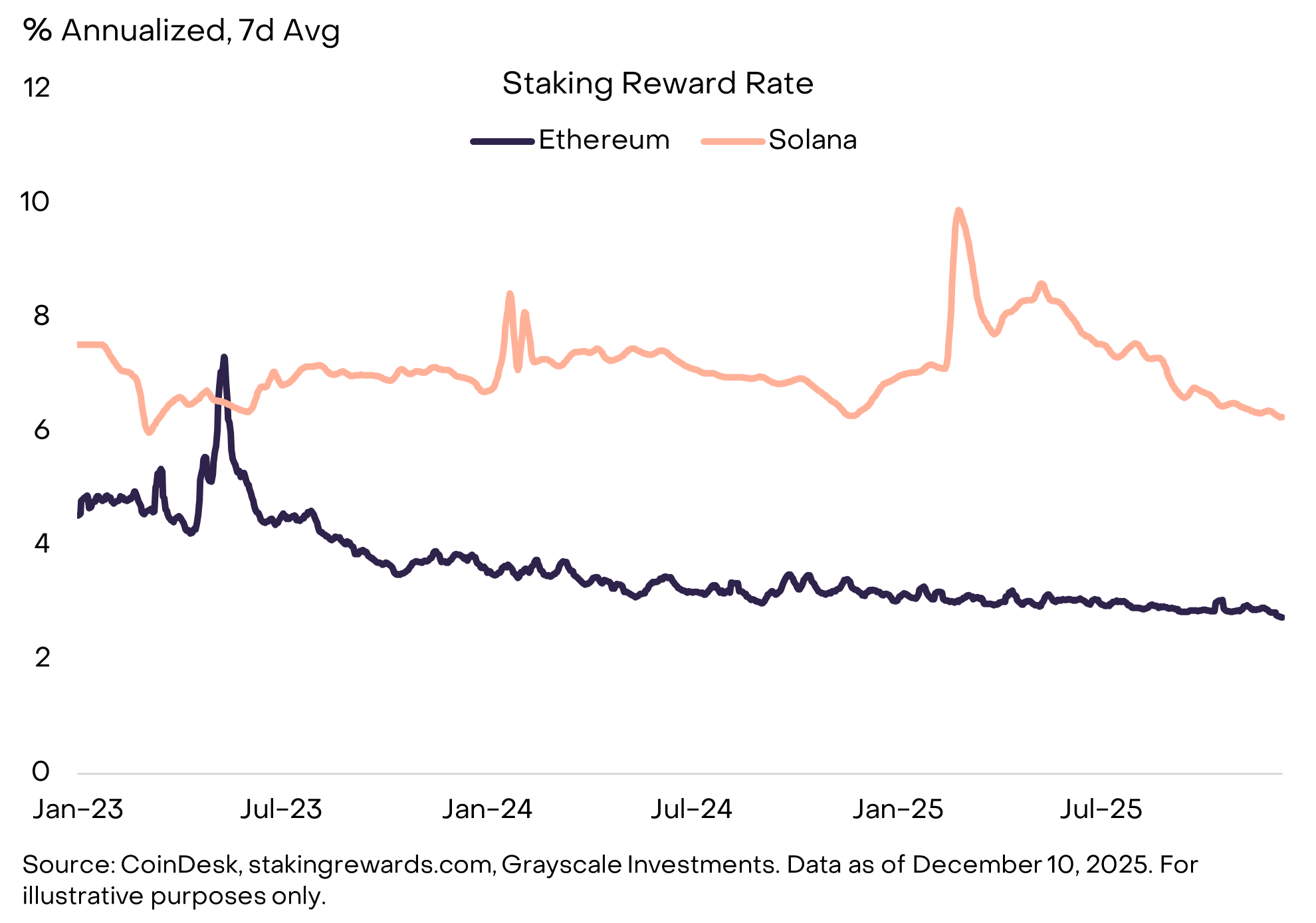
In 2025, U.S. policymakers made two adjustments in the staking领域 that will enable more token holders to participate: (i) The U.S. Securities and Exchange Commission (SEC) clarified that liquid staking activities do not constitute securities transactions[9]; (ii) The Internal Revenue Service (IRS) and Treasury Department announced that investment trusts/exchange-traded products (ETPs) can stake digital assets[10]. Guidance on liquid staking services is likely to benefit the leading liquid staking protocols on Ethereum and Solana by TVL (Total Value Locked), Lido and Jito[11]. More broadly, the fact that crypto ETPs can stake may make this model the default structure for holding Proof of Stake (PoS) token investment positions, leading to higher staking ratios and putting pressure on reward rates[12] (see Figure 17). In an environment of broader staking adoption, custodial staking through ETPs will provide a convenient structure for capturing rewards, while on-chain non-custodial liquid staking will have composability advantages in DeFi. We expect this dual structure to persist for some time.

Figure 17: Proof of Stake (PoS) tokens offer native rewards

"False Hypes" for 2026

We expect each of the above investment themes to have a significant impact on the development of the crypto market in 2026. However, there are two hot topics that we believe will not have a substantial impact on the crypto market next year: the potential threat of quantum computing to crypto algorithms, and the evolution of Digital Asset Treasuries (DATs). Although these two topics may generate much discussion, we do not consider them core drivers of the market outlook.

If quantum computing technology continues to make technical progress, most blockchains will eventually need to update their encryption algorithms. Theoretically, a sufficiently powerful quantum computer could derive a private key from a public key, thereby generating a valid digital signature to spend a user's cryptocurrency.[13] Therefore, Bitcoin and most other blockchains—and almost all economic sectors using encryption technology—will eventually need to upgrade to quantum-resistant cryptographic tools. However, experts estimate that quantum computers will not be powerful enough to crack Bitcoin's encryption algorithm before 2030.[14] Although research and community preparation on quantum risk may accelerate in 2026, we do not believe this theme will have a noticeable impact on prices.

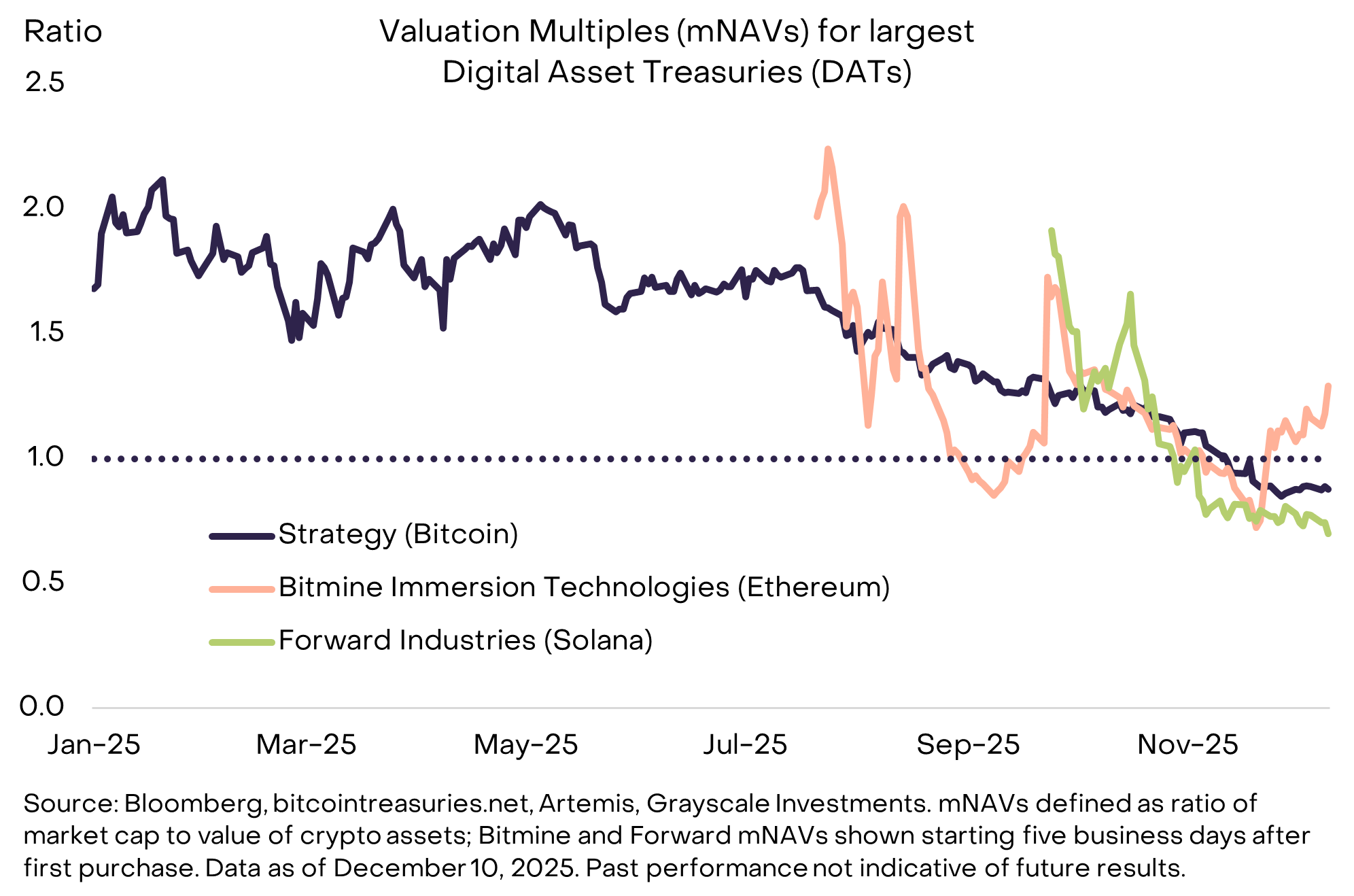
The same applies to Digital Asset Treasuries (DATs). The strategy of holding digital assets on corporate balance sheets, pioneered by Michael Saylor, spawned dozens of imitators in 2025. According to our estimates, DATs hold 3.7% of the BTC supply, 4.6% of ETH, and 2.5% of SOL.[15] However, demand for these instruments has declined since peaking in mid-2025: the market price to net asset value (mNAV) multiple for the largest DATs is now close to 1.0 (see Figure 18). Nonetheless, most DATs are not over-leveraged (or even leveraged at all), so they may not be forced to sell assets even in a market downturn. The largest DAT by market cap, Strategy, recently raised a dollar reserve fund to continue paying dividends to preferred shares even if Bitcoin's price falls.[17] We expect the vast majority of DATs to behave like closed-end funds, trading at a premium or discount to net asset value, rarely liquidating assets. Although these instruments may become a long-term feature of the crypto investment landscape, we do not believe they are likely to be a major source of new token demand or a major source of selling pressure in 2026.

Figure 18: DAT premiums have narrowed, but asset sales are unlikely

Conclusion

We expect a bright outlook for digital assets in 2026, driven primarily by two major forces: macro demand for alternative stores of value and an increasingly clear regulatory environment. Next year, the connection between blockchain finance and traditional finance will deepen further, while inflows of institutional capital will also be an important trend. Tokens expected to attract institutional adoption will be those with clear use cases, sustainable revenue sources, and access to regulated trading venues and applications. Investors can expect a richer selection of crypto assets available through exchange-traded products (ETPs), with staking enabled where possible.

At the same time, regulatory clarity and institutional adoption may raise the bar for crypto assets to enter the mainstream market. For example, certain crypto projects may need to meet new registration and disclosure requirements to access regulated exchanges. Furthermore, institutional investors may ignore crypto assets without clear use cases, even if those assets have relatively high market capitalizations. The GENIUS Act has already clearly distinguished regulated payment stablecoins (which enjoy specific rights and responsibilities under U.S. law) from other stablecoins that do not enjoy the same rights. Similarly, we expect that as crypto assets enter the institutional era, the gap between assets with access to regulated trading venues and institutional capital and those without the same access will become more pronounced. Crypto assets are entering a new era, and not all tokens will successfully transition to this new phase.

Câu hỏi Liên quan

QWhat are the two key trends driving the structural shift in digital asset investments according to Grayscale's 2026 outlook?

AThe two key trends are increased macro demand for alternative stores of value and enhanced regulatory clarity.

QWhich cryptocurrency does Grayscale predict will reach a new all-time high in the first half of 2026?

AGrayscale predicts that Bitcoin (BTC) will reach a new all-time high in the first half of 2026.

QWhat is the name of the bipartisan crypto market structure legislation that Grayscale expects to become U.S. law in 2026?

AGrayscale expects the Clarity Act, a bipartisan crypto market structure legislation, to become U.S. law in 2026.

QWhat are the two 'pseudo-hotspots' that Grayscale believes will have limited impact on the crypto market in 2026?

AThe two 'pseudo-hotspots' are quantum computing and Digital Asset Treasuries (DATs).

QWhich stablecoin legislation passed by the U.S. Congress in 2025 is expected to significantly boost the influence of stablecoins in 2026?

AThe GENIUS Act, passed by the U.S. Congress in 2025, is expected to significantly boost the influence of stablecoins in 2026.

Nội dung Liên quan

Đối thoại với Ray Dalio: Chúng ta đang ở trong bong bóng AI, 1% danh mục đầu tư của tôi là Bitcoin

Ray Dalio, người sáng lập Bridgewater Associates, trong một cuộc phỏng vấn đã chỉ ra rằng thế giới hiện tại đang trong một "AI bubble" (bong bóng AI) cổ điển, với giá tài sản tăng vọt và đầu cơ quá mức. Ông cảnh báo bong bóng có thể vỡ do lãi suất tăng, nguồn cung cổ phiếu dư thừa hoặc khi nhà đầu tư cần tiền mặt trả nợ, dẫn đến suy thoái kinh tế. Đồng thời, Dalio mô tả một "chu kỳ lớn" kéo dài khoảng 80 năm, bao gồm ba động lực chồng chéo: khoảng cách giàu nghèo và xung đột nội bộ, thâm hụt ngân sách chính phủ khổng lồ và thay đổi địa chính trị. Ông nhấn mạnh rằng Mỹ và Anh đang đối mặt với những thách thức trong giai đoạn suy yếu này. Để bảo vệ của cải, Dalio khuyến nghị đa dạng hóa danh mục đầu tư với cổ phiếu, vàng, trái phiếu, bất động sản thay vì chỉ giữ tiền mặt. Ông tiết lộ khoảng 1% danh mục của mình là Bitcoin, nhưng vẫn ưa chuộng vàng vật chất hơn do tính ổn định và vai trò tiền tệ dự trữ. Về tác động của AI, Dalio cho rằng nó không chỉ thay thế lao động chân tay mà còn cả tư duy, làm trầm trọng thêm bất bình đẳng thu nhập. Con người cần phát huy trí tuệ cảm xúc và trực giác - những thứ AI chưa có - và học cách hợp tác với AI. Cuối cùng, ông phân tích những rủi ro của thuế tài sản và xu hướng thế giới có thể trở nên "khu vực hóa" hơn, với các khối như châu Mỹ và châu Á - Thái Bình Dương, trong bối cảnh sự thống trị toàn cầu của Mỹ đang suy yếu.

marsbit2 giờ trước

Đối thoại với Ray Dalio: Chúng ta đang ở trong bong bóng AI, 1% danh mục đầu tư của tôi là Bitcoin

marsbit2 giờ trước

Hơn 7.2 nghìn tỷ won trong một ngày, ngoại hải nước ngoài mua ròng kỷ lục vào thứ Sáu! Phố Wall: Cơn gió ngược về mặt vốn của thị trường chứng khoán Hàn Quốc đã tan biến

Dòng vốn nước ngoài đổ mạnh vào thị trường chứng khoán Hàn Quốc (KOSPI) với mức mua ròng kỷ lục 7,2 nghìn tỷ won chỉ trong ngày 31/7, đánh dấu sự đảo chiều rõ rệt sau nhiều tháng bán ròng mạnh. Theo báo cáo từ Citigroup, áp lực bán từ dòng vốn nước ngoài đã giảm đáng kể, với mức bán ròng tháng 7 thu hẹp còn 9,8 nghìn tỷ won so với mức 48,4 và 44,5 nghìn tỷ won trong tháng 6 và tháng 5. Đồng thời, các quỹ hưu trí và quỹ đầu tư trong nước cũng chuyển sang vị thế mua ròng 1,0 nghìn tỷ won trong tháng 7. Một yếu tố hỗ trợ khác là quy định mới từ Ủy ban Dịch vụ Tài chính Hàn Quốc (FSC), có hiệu lực từ 31/7, siết chặt điều kiện đầu tư vào các ETF có đòn bẩy đối với nhà đầu tư cá nhân. Quy định này đã ngay lập tức làm giảm khoảng 50% khối lượng giao dịch của các ETF này, góp phần kỳ vọng giảm bớt biến động cho thị trường. Citigroup duy trì mục tiêu chỉ số KOSPI ở mức 10.000 điểm, dựa trên các yếu tố thuận lợi như ngành chip bán dẫn ổn định, định giá thị trường thấp, nền tảng kinh tế vững mạnh và các chính sách hỗ trợ. Họ nhận định áp lực dòng vốn ngược chiều đang giảm dần, tạo điều kiện cho các yếu tố cơ bản và chính sách tích cực phát huy tác dụng.

marsbit2 giờ trước

Hơn 7.2 nghìn tỷ won trong một ngày, ngoại hải nước ngoài mua ròng kỷ lục vào thứ Sáu! Phố Wall: Cơn gió ngược về mặt vốn của thị trường chứng khoán Hàn Quốc đã tan biến

marsbit2 giờ trước

Làm thế nào để khiến bản thân trở nên không thể bị thay thế bởi trí tuệ nhân tạo

**Tóm tắt: Làm thế nào để trở nên không thể bị thay thế bởi AI** Bài viết phản đối việc than vãn về AI và thay vào đó đề xuất một giải pháp căn cơ: trở thành một "siêu cá nhân" không thể bị thuê mướn. Mối đe dọa thực sự không phải là AI, mà là tình trạng "nô lệ lương thưởng" – phụ thuộc hoàn toàn vào người khác để sinh tồn, làm công việc nhàm chán mà không có mục đích. Để thoát khỏi vòng luẩn quẩn này và phát triển mạnh trong kỷ nguyên AI, bạn cần trau dồi 5 yếu tố then chốt: 1. **Tính tự chủ:** Khả năng hành động mà không cần chờ chỉ thị. 2. **Khiếu thẩm mỹ:** Khả năng nhận biết điều gì thực sự có giá trị. 3. **Khả năng thuyết phục:** Thu hút sự chú ý và sự công nhận. 4. **Sự kiên trì:** Không sợ thất bại, xem đó là bài học. 5. **Khả năng lặp:** Điều chỉnh dựa trên phản hồi để tiến tới mục tiêu. Giải pháp là đầu tư vào sự nghiệp của chính mình. Trong khi AI giỏi tạo ra "tài sản" (nội dung, code), nó không thể thay thế được khả năng phân biệt thứ gì đáng để tạo ra, làm cho mọi người quan tâm và kiên trì theo đuổi. Trong hai kỹ năng đòn bẩy mạnh mẽ là **Code (Lập trình)** và **Media (Nội dung)**, bài viết nhấn mạnh **Nội dung** quan trọng hơn. Giá trị của nội dung là chủ quan và đòi hỏi sự am hiểu, trải nghiệm mà AI khó có được, tạo không gian cho các cá nhân sáng tạo thực sự. **Cách bắt đầu (Bài tập 15 phút):** 1. **Khai thác nguyên liệu thô của bạn:** Xác định chủ đề bạn am hiểu sâu, vấn đề bạn tự giải quyết được, hay sở thích đặc biệt từ nhỏ. 2. **Xác định "trục phản biện" của bạn:** Tìm ra quan điểm độc đáo của bạn – những điều bạn tin là đúng nhưng số đông lại sai trong lĩnh vực của mình. 3. **Xuất bản ý tưởng đầu tiên:** Kết hợp câu trả lời từ bước 1 và 2, tạo ra một nội dung (bài đăng, video) và đăng nó lên. Hành động này mang lại phản hồi thực tế, bắt đầu quá trình học hỏi, lặp lại và phát triển kỹ năng thuyết phục. Bằng cách xây dựng một sự nghiệp xoay quanh con người thật, trải nghiệm thật và góc nhìn độc đáo của mình thông qua nội dung, bạn có thể tạo ra giá trị mà AI không thể sao chép, từ đó trở nên không thể thay thế.

marsbit5 giờ trước

Làm thế nào để khiến bản thân trở nên không thể bị thay thế bởi trí tuệ nhân tạo

marsbit5 giờ trước

Nhờ việc tung xúc xắc, chìa khóa Bitcoin được lưu trữ offline, nhưng không phải ai cũng muốn làm điều này

Cảm biến từ cuộc tranh cãi gần đây xung quanh lỗ hổng trong ví phần cứng Coldcard, bài viết thảo luận về phương pháp tạo seed (cụm từ khôi phục) cho ví Bitcoin bằng cách xúc xắc vật lý. Mỗi lần xúc xắc công bằng cung cấp khoảng 2,6 bit entropy (thước đo tính ngẫu nhiên). Để đạt mức entropy an toàn cho một seed 12 từ (128 bit), cần khoảng 50 lần xúc xắc; Coldcard khuyến nghị 99 lần để đạt mức bảo mật cao hơn. Lợi thế chính của phương pháp này là tách biệt hoàn toàn với bất kỳ lỗi phần cứng hoặc phần mềm nào trong trình tạo số ngẫu nhiên của thiết bị, từ đó bảo vệ seed chính của ví. Tuy nhiên, bài viết cảnh báo rằng trong sự cố Coldcard, các chức năng phụ khác của thiết bị (như tạo ví giấy, khóa đa chữ ký, mật mã phiên USB) vẫn có thể bị ảnh hưởng nếu chúng dựa vào trình tạo số lỗi, ngay cả khi seed chính được tạo an toàn bằng xúc xắc. Nhược điểm lớn của việc dùng xúc xắc là quá trình thủ công, dễ xảy ra sai sót, tốn thời gian và không thực tế cho đa số người dùng mới. Người dùng có thể ghi chép sai, sử dụng xúc xắc gian lận, hoặc để lộ chuỗi kết quả. Do đó, mặc dù có nền tảng toán học vững chắc, phương pháp này đòi hỏi sự tỉ mỉ cao và không phải là giải pháp khả thi cho việc áp dụng Bitcoin rộng rãi. Bài viết kết luận rằng mục tiêu dài hạn vẫn là phát triển phần cứng/phần mềm tạo số ngẫu nhiên mạnh mẽ và đáng tin cậy, trong khi vẫn giữ phương pháp thủ công như một tùy chọn cho người dùng có kinh nghiệm. Cuối cùng, bài viết đưa ra khuyến nghị cho chủ sở hữu Coldcard: cập nhật firmware, kiểm tra các chức năng phụ đã sử dụng và xem xét các biện pháp bảo mật bổ sung như ví đa chữ ký kết hợp nhiều nhà sản xuất để giảm thiểu rủi ro từ một điểm yếu đơn lẻ.

cryptonews.ru8 giờ trước

Nhờ việc tung xúc xắc, chìa khóa Bitcoin được lưu trữ offline, nhưng không phải ai cũng muốn làm điều này

cryptonews.ru8 giờ trước

Giao dịch

Giao ngay
活动图片

Danh mục Phổ biếnright-arrow

Thẻ Nổi bậtright-arrow