What is the Near Protocol, and how does it work?

CointelegraphXuất bản vào 2022-02-18Cập nhật gần nhất vào 2022-02-19

Tóm tắt

Near Protocol is a DApp platform and Ethereum competitor that places a premium on the developer and user convenience.

What is Near protocol blockchain?

Near Protocol is a decentralized application (DApp) platform that focuses on usability among developers and users. As a competitor of Ethereum, NearProtocol is also smart-contract capable and a proof-of-stake (PoS) blockchain.

Near uses sharding technology to achieve scalability, a core aspect discussed later. The native token, NEAR, is used for transaction fees and storage on the Near crypto platform. Tokens can also be used for staking by NEAR tokenholders who wish to become transaction validators and help achieve network consensus.

Near was built by the NeaCollective and conceptualized as a community-run cloud computing platform designed to host decentralized applications. It was also built to be both developer and user-friendly, hence having features such as account names that are human-readable (instead of cryptographic wallet addresses).

How does Near Protocol work?

Decentralized applications have boomed in the crypto community, with DApps that run the gamut from games to financial services. However, it has also become apparent that scalability remains a problem in most blockchains.

The issue of scalability is common among blockchains, especially among older ones such as Bitcoin and Ethereum. The challenges are mainly brought about by blockchains' difficulty in handling large numbers of transactions at fast speeds and manageable costs.

Projects such as Near seek to address this issue by building an entirely new blockchain using a different architecture. Near’s solution to the problem was implementing sharding.

By using the sharding strategy, Near is able to break up the blockchain into smaller more manageable segments. This reduces the burden on the network by reducing computational load, resulting in an increased throughput of transactions.

As mentioned earlier, the Near protocol uses a PoS system. Nodes interested in becoming transaction validators stake their NEAR tokens to be considered for participation. Token holders may also delegate their stake to their chosen validator if they do not wish to operate a node.

Generally, validators with larger stakes hold more influence in the consensus process. Validators on Near are chosen via an auction system and are chosen at every epoch, typically a 12-hour interval.

Meanwhile, DApps can be built on Near, just like on Ethereum. This is made possible by Near’s cloud infrastructure, which combines serverless computing and decentralized data storage. Nea operates using hundreds of globally-located servers.

Unique features of Near Protocol

Sharding strategy

Nodes, in any blockchain, typically have three main functions: processing transactions, communicating valid transactions and completed blocks with each other and storing the history of the network’s transactions. As a network grows and becomes more congested, these functions become more difficult for the nodes to manage.

Nea uses a sharding approach that enables the network’s capacity to grow even as more nodes join. High network utilization results in network nodes dynamically splitting into multiple shards. Computing is then parallelized over these shards, reducing the computational load required of each node.

Through sharding, nodes are not required to run the entirety of the network’s code (which is the case with Bitcoin nodes), just the code relevant to its shards. Near Protocol assumes transactions will touch multiple shards, which is the default behavior for most smart contracts.

Focus on decentralization

To maintain true decentralization, a network should be permissionless, meaning that potential node operators should be able to join freely (as opposed to incentivizing pooling).

Near uses threshold proof-of-stake, a staking technique considered both fair and predictable. This prevents powerful validators from pooling and encourages wide-scale participation among network members.

Usability-first approach

The Near Protocol has a usability-first approach, following a “progressive security” model that allows developers to create a user experience resembling web experiences.

Near understands the need for usability first and foremost, as developers will likely only create apps that offer value and usability to their users. Near offers easy subscriptions, simple onboarding, predictable pricing and familiar usage styles to users as part of its efforts to pursue user-centricity.

Governance

Near Protocol’s governance also allows rapid protocol improvement while retaining the provision of helpful input and supervision towards the community to ensure the protocol’s independence.

A part of Near’s objectives is to retain community-led creativity through efficient execution, decision making and adequate representation within the network.
What are the projects based on Near?

Below are some of the popular projects on Near:

Mintbase

Mintbase allows users to create and sell Nearnonfungible tokens (NFTs). Assets range from crypto art to event tickets and more. Users can mint these assets as NFTs on the platform and put them up for sale via their NearNFT marketplace or other NFT marketplaces.

Minters can create a smart contract and limit minted token transferability, thereby safeguarding against fraud or illegal transfers. Mintbase focuses on supporting the creation of different digital assets, unlike other platforms that focus on just one category.

Mintbase switched from Ethereum to Near, earning NEAR yet another point on the Near vs. Ethereum debate. This switch was for no other reason than Ethereum’s ridiculously steep gas fees resulting from network congestion.

Mintbase called it quits with Ethereum when store creation fees rose to hundreds of dollars, resulting in the platform advising its users to wait for gas fees to drop before creating their stores.

Paras

Paras was designed to provide a unique solution: facilitating the validation and exchange of aging traditional collectible cards. Paras validates ownership via Near through fast inexpensive transactions.

Simply put, it’s a digital card marketplace built on Near that seeks to reduce the burden on collectors to maintain their collectibles by ensuring that these do not wear out over time. Artists and collectors are also given free access to the digital collectibles market.

NPunks

NPunks is Near Protocol’s own version of highly successful projects like CryptoPunks, Tpunks and SolPunks. Consistent with the original Punks project, 10,000 unique NPunks will have their own rarity traits. The collection will have 111 bots, 88 zombies, 24 apes and 9 aliens.

Fair participation is ensured by giving everyone the chance to buy an NPunk. Purchases are made randomly with the buyer’s identity kept secret until the transaction is completed. Users can then sell their NPunk in the secondary market after it has been minted.

Why use the Near Protocol?

Users are typically drawn to Near owing to its unique sharding technology that facilitates fast and secure transactions at lower costs. On top of this, developers choose Near to build apps that require high volumes of activity.

Likewise, Ethereum developers planning to build bridges to their application to Near can also use its layer-2 solutions. Near Protocol investors can also add it to their investment portfolio and bank on Near’s unique solution to scaling: sharding.

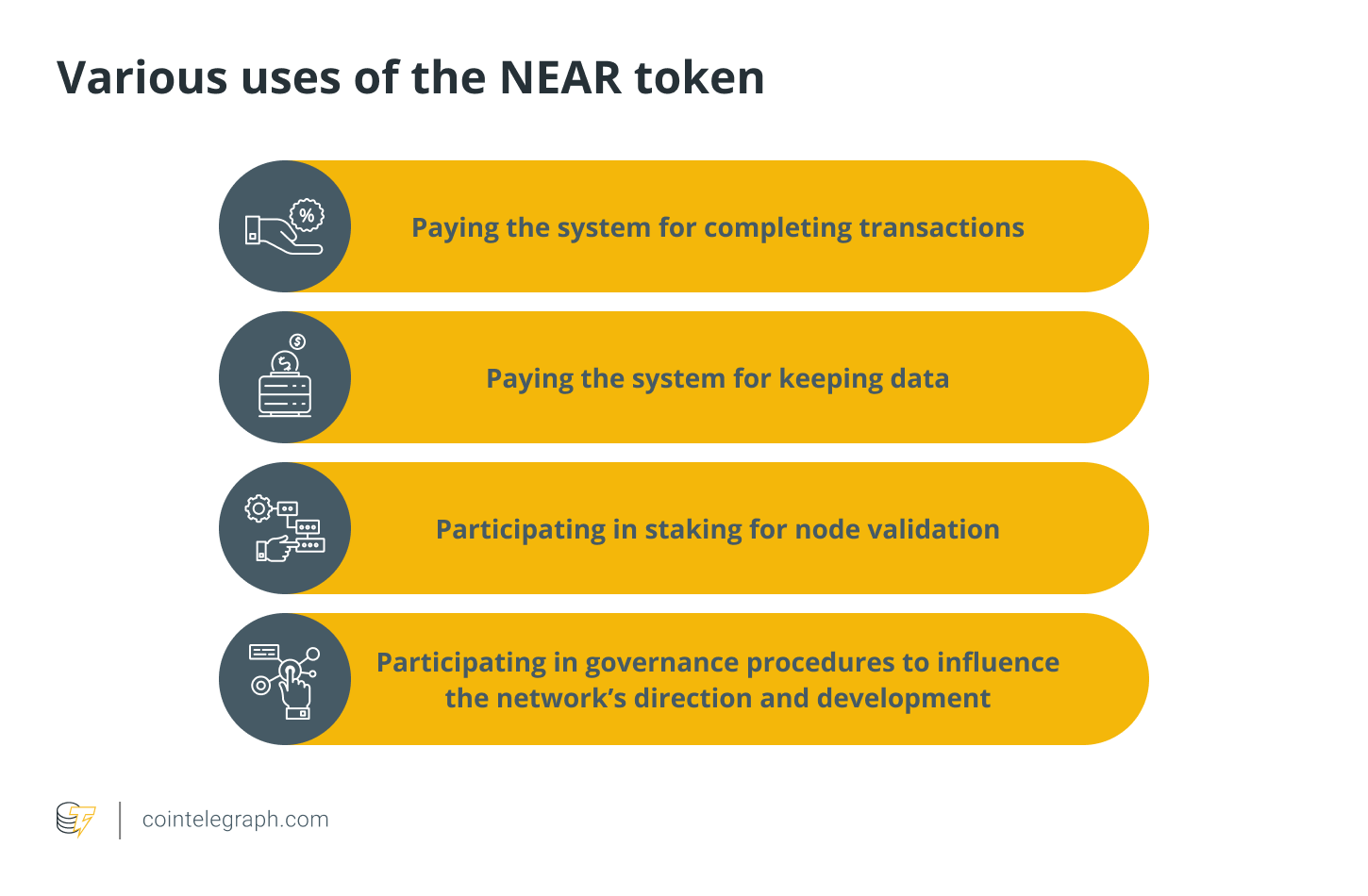
The NEAR token, Near Protocol’s native asset, has various use cases. Each token is identical to Ether (ETH) and can be used for the following:
Nội dung Liên quan

CPU, lặng lẽ trở lại vị trí trung tâm của sân khấu tính toán AI

Trong ba năm qua, AI đều xoay quanh GPU, nhưng câu chuyện bắt đầu thay đổi từ năm 2026. Intel ra mắt Xeon 6+ với 288 lõi E-core, tập trung vào tính toán mật độ cao, hiệu quả năng lượng cho tải công việc suy luận AI và tác nhân thông minh. Báo cáo từ SemiAnalysis chỉ ra rằng, khi AI chuyển từ đào tạo sang triển khai hàng loạt, các nhiệm vụ như điều phối, xử lý luồng dữ liệu và quản lý đồng thời trở thành nút thắt mới – lĩnh vực mà CPU tỏ ra vượt trội hơn GPU. Xeon 6+ được sản xuất trên quy trình Intel 18A, đánh dấu sự trở lại của Intel trong cuộc đua CPU máy chủ mật độ cao, cạnh tranh với AMD Bergamo và CPU tự nghiên cứu dựa trên ARM của các nhà cung cấp đám mây. Tuy nhiên, câu chuyện “CPU trở lại” vẫn đối mặt với thách thức từ NVIDIA (với giải pháp CPU+GPU tích hợp) và làn sóng tự nghiên cứu CPU của các gã khổng lồ đám mây. Tóm lại, CPU đang tìm thấy vị trí mới quan trọng với tư cách là “mặt phẳng điều khiển” trong cơ sở hạ tầng AI, chứ không phải là sự thay thế cho GPU. Sự thành công của Intel phụ thuộc vào hiệu suất của quy trình 18A và khả năng chiếm lĩnh thị trường bên ngoài các CPU tự nghiên cứu của nhà cung cấp đám mây. Cuộc cạnh tranh định hình lại vai trò của CPU trong kỷ nguyên AI vẫn đang tiếp diễn.

marsbit15 phút trước

CPU, lặng lẽ trở lại vị trí trung tâm của sân khấu tính toán AI

marsbit15 phút trước

TON Đổi Tên Token Gốc Thành Gram, Tái Sinh Tên Trong Sách Trắng Gốc

Toncoin, mạng lưới blockchain ban đầu được phát triển bởi Telegram với tên gọi Telegram Open Network (TON), đã chính thức đổi tên token gốc của mình thành "Gram". Đây là bước thứ tư trong lộ trình "Make TON Great Again" (MTONGA) do Pavel Durov, đồng sáng lập và CEO của Telegram, khởi xướng. Quá trình chuyển đổi tên dự kiến diễn ra trong khoảng ba tuần. Tên "Gram" là sự trở về với tên gọi nguyên bản được đề cập trong sách trắng đầu tiên của dự án, đi kèm với một logo mới. Durov nhấn mạnh đây là bước đệm quan trọng cho những phát triển tiếp theo của mạng lưới. Mặc dù Telegram đã chấm dứt sự tham gia chính thức vào năm 2020 sau tranh chấp pháp lý với SEC, nhưng mối quan hệ chưa bao giờ bị cắt đứt hoàn toàn. Năm 2023, Telegram tích hợp ví dựa trên TON vào ứng dụng. Gần đây, vào tháng 5, Telegram chính thức tái gia nhập với tư cách lực lượng dẫn dắt chính và trở thành trình xác thực (validator) lớn nhất của mạng lưới, một động thái được Durov cho là sẽ củng cố tính phi tập trung. Lộ trình MTONGA còn ba bước nữa chưa được tiết lộ. Về giá cả, tại thời điểm bài viết, Gram đang được giao dịch quanh mức 2,02 USD, tăng hơn 5% trong tuần qua.

bitcoinist28 phút trước

TON Đổi Tên Token Gốc Thành Gram, Tái Sinh Tên Trong Sách Trắng Gốc

bitcoinist28 phút trước

Sau Khi Hợp Tác Với Hơn 35 Dự Án DeFi, Pink Brains Phát Hiện Ra Quy Tắc Tiếp Thị KOL Mới Cho Năm 2026

Trong ba năm qua, Pink Brains - một studio marketing chuyên về DeFi - đã hợp tác với hơn 35 dự án hàng đầu và rút ra chiến lược KOL hiệu quả cho năm 2026: lấy góc nhìn người dùng làm trung tâm thay vì góc nhìn dự án. Người dùng DeFi thường khám phá giao thức mới qua mạng xã hội (như X), nhưng quyết định lại dựa trên dữ liệu xác minh (TVL, khối lượng giao dịch, tài liệu). Do đó, mục tiêu ở giai đoạn này là được nhắc đến bởi những KOL đáng tin cậy, đồng thời có số liệu minh bạch để thuyết phục. Năm 2026, người dùng tập trung vào các chủ đề có cơ chế xác minh được: 1. **Xu hướng mới:** Hợp đồng vĩnh viễn RWA, Tài sản thế giới thực (RWA), giao diện Crypto x AI với doanh thu thực. 2. **Airdrop yêu cầu đóng góp thực sự**, không còn dễ dàng. 3. **Lợi nhuận thực** từ phí giao dịch, cho vay... thay vì lạm phát token. 4. **Tokenomics gắn với giá trị sản phẩm** (như mua lại và đốt token từ doanh thu phí). 5. **Sàn giao dịch mới** như thị trường dự đoán, thẻ sưu tập và iGaming. Để giữ chân người dùng, một giao thức cần: sản phẩm hữu ích trong đời sống, trải nghiệm tốt, hỗ trợ nhanh chóng, tokenomics gắn với lợi ích cộng đồng và xây dựng cộng đồng chiến lược. Khi hợp tác với KOL, cần chọn đúng loại (nhà giáo dục, chuyên gia, v.v.) cho từng giai đoạn hành trình người dùng. Nội dung hiệu quả nhất thường cụ thể, có thể xác minh được. Cần tránh các lỗi phổ biến như dùng KOL không hiểu sản phẩm, nội dung chung chung, hoặc phụ thuộc quá mức vào một vài KOL lớn. Tóm lại, chiến dịch marketing DeFi hiệu quả phải phản ánh đúng hành vi người dùng: nhận biết từ nguồn đáng tin, quan tâm nhờ cơ chế rõ ràng, và ở lại nhờ giá trị thực từ sản phẩm và tokenomics.

marsbit33 phút trước

Sau Khi Hợp Tác Với Hơn 35 Dự Án DeFi, Pink Brains Phát Hiện Ra Quy Tắc Tiếp Thị KOL Mới Cho Năm 2026

marsbit33 phút trước

a16z: Tương lai của AI thị giác không phải là hình ảnh, mà là mã code

Tác giả bài viết từ a16z cho rằng tương lai của AI thị giác không nằm ở việc tạo ra hình ảnh hay video (tạo sinh dựa trên pixel), mà là tạo ra các "sản phẩm mã nguồn" (code artifacts) đằng sau chúng - các tệp có cấu trúc có thể chỉnh sửa, kiểm tra và giao hàng được. Bài viết phân biệt hai hướng tiếp cận: 1. **Tạo sinh gốc pixel:** Tạo ra hình ảnh/video trực tiếp, phù hợp cho cảm xúc, bầu không khí và khám phá. 2. **Tạo sinh gốc mã nguồn:** Tạo ra các biểu diễn cấu trúc (như SVG, HTML/CSS, script Blender, cảnh USD...) sau đó được một công cụ khác hiển thị. Cách tiếp cận này tạo ra vòng lặp "mã → hiển thị → kiểm tra → sửa đổi", cho phép lặp lại chính xác và phù hợp hơn cho quy trình sản xuất. Lợi ích chính là khả năng chỉnh sửa và tích hợp. Một logo SVG có thể sửa đường cong dễ dàng, một giao diện HTML/CSS có thể kiểm tra và tích hợp vào ứng dụng thực tế, một tài sản 3D có cấu trúc đúng có thể dùng trong game hoặc mô phỏng. Lĩnh vực 3D được nhấn mạnh là tiền tuyến quan trọng tiếp theo, vì giá trị nằm ở việc tạo ra các cấu trúc 3D nhất quán, có chức năng (như cửa có thể mở, bánh xe có thể quay) chứ không chỉ là hình ảnh đẹp. Tóm lại, làn sóng AI thị giác đầu tiên giải quyết vấn đề "tạo sinh", làn sóng tiếp theo sẽ giải quyết vấn đề "sản xuất" bằng cách chuyển từ đầu ra cuối cùng sang mã nguồn, thay đổi toàn bộ chuỗi sản xuất nội dung trực quan.

marsbit1 giờ trước

a16z: Tương lai của AI thị giác không phải là hình ảnh, mà là mã code

marsbit1 giờ trước

Giao dịch

Giao ngay
Hợp đồng Tương lai

Bài viết Nổi bật

Làm thế nào để Mua NEAR

Chào mừng bạn đến với HTX.com! Chúng tôi đã làm cho mua NEAR Protocol (NEAR) trở nên đơn giản và thuận tiện. Làm theo hướng dẫn từng bước của chúng tôi để bắt đầu hành trình tiền kỹ thuật số của bạn.Bước 1: Tạo Tài khoản HTX của BạnSử dụng email hoặc số điện thoại của bạn để đăng ký tài khoản miễn phí trên HTX. Trải nghiệm hành trình đăng ký không rắc rối và mở khóa tất cả tính năng. Nhận Tài khoản của tôiBước 2: Truy cập Mua Crypto và Chọn Phương thức Thanh toán của BạnThẻ Tín dụng/Ghi nợ: Sử dụng Visa hoặc Mastercard của bạn để mua NEAR Protocol (NEAR) ngay lập tức.Số dư: Sử dụng tiền từ số dư tài khoản HTX của bạn để giao dịch liền mạch.Bên thứ ba: Chúng tôi đã thêm những phương thức thanh toán phổ biến như Google Pay và Apple Pay để nâng cao sự tiện lợi.P2P: Giao dịch trực tiếp với người dùng khác trên HTX.Thị trường mua bán phi tập trung (OTC): Chúng tôi cung cấp những dịch vụ được thiết kế riêng và tỷ giá hối đoái cạnh tranh cho nhà giao dịch.Bước 3: Lưu trữ NEAR Protocol (NEAR) của BạnSau khi mua NEAR Protocol (NEAR), lưu trữ trong tài khoản HTX của bạn. Ngoài ra, bạn có thể gửi đi nơi khác qua chuyển khoản blockchain hoặc sử dụng để giao dịch những tiền kỹ thuật số khác.Bước 4: Giao dịch NEAR Protocol (NEAR)Giao dịch NEAR Protocol (NEAR) dễ dàng trên thị trường giao ngay của HTX. Chỉ cần truy cập vào tài khoản của bạn, chọn cặp giao dịch, thực hiện giao dịch và theo dõi trong thời gian thực. Chúng tôi cung cấp trải nghiệm thân thiện với người dùng cho cả người mới bắt đầu và người giao dịch dày dạn kinh nghiệm.

Tổng lượt xem 424Xuất bản vào 2024.12.10Cập nhật vào 2026.06.02

Làm thế nào để Mua NEAR

Thảo luận

Chào mừng đến với Cộng đồng HTX. Tại đây, bạn có thể được thông báo về những phát triển nền tảng mới nhất và có quyền truy cập vào thông tin chuyên sâu về thị trường. Ý kiến ​​của người dùng về giá của NEAR (NEAR) được trình bày dưới đây.

活动图片