# Пов'язані статті щодо Yield

Центр новин HTX надає останні статті та поглиблений аналіз на тему "Yield", що охоплює ринкові тренди, оновлення проєктів, технологічні розробки та регуляторну політику в криптоіндустрії.

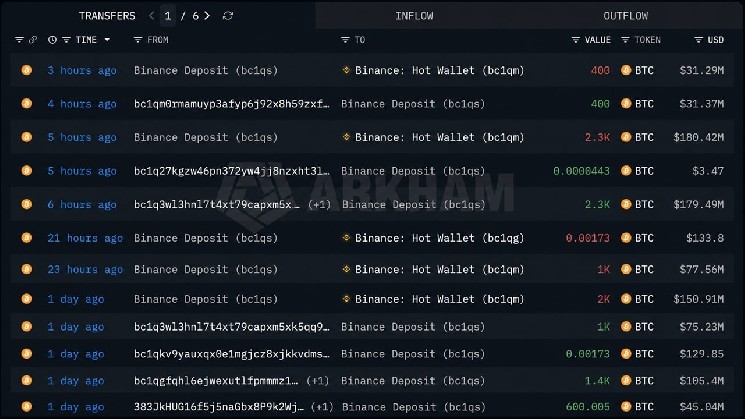
Mysterious "Whale" Sells $576 Million Worth of Bitcoin Amid BTC Price Approach to $80,000

An unidentified crypto "whale" sold 2,700 BTC (worth approximately $211.8 million) in a single transaction, bringing its total sales over three days to 7,700 BTC for roughly $576.6 million. This selling pressure occurs as Bitcoin trades near the $80,000 mark, having recently retreated from nearly reaching that level. While large holders often sell to realize profits during sharp rallies, on-chain data only confirms the movement of coins, not the motive. So far, these sales have had little impact on Bitcoin's upward momentum, with the asset posting double-digit gains recently and its strongest weekly increase since 2024. The rally was fueled by a U.S. Treasury Department announcement to at least double its long-term bond buyback operations starting September 9th, which lowered bond yields and pushed investors toward riskier assets like Bitcoin. This week's selling marks a reversal from a recent accumulation trend, where large holders had added about 43,000 BTC (worth ~$2.75B) over a 60-day period ending in mid-August, helping set the stage for the current price surge. As Bitcoin hovers around $80,000, traders are watching key factors: whether other major holders will follow suit and sell into strength, and if renewed institutional demand from ETFs can absorb the selling pressure. The outcome will likely determine Bitcoin's next major price move.

cryptonews.ruВчора 22:43

Mysterious "Whale" Sells $576 Million Worth of Bitcoin Amid BTC Price Approach to $80,000

cryptonews.ruВчора 22:43

Analysts Predict Strong Bitcoin Rally, but Profit-Taking Risk Remains

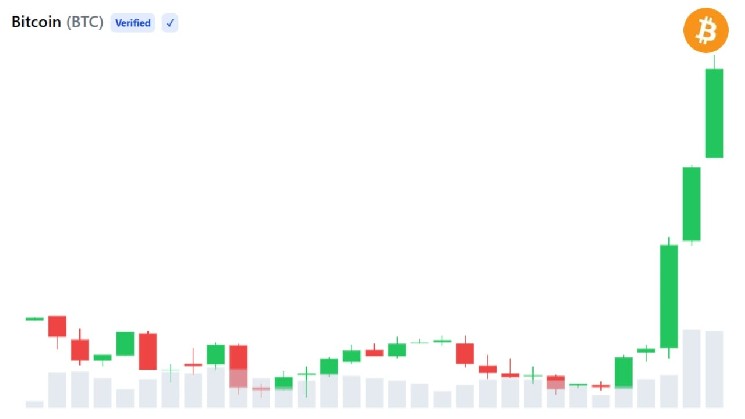
Analysts forecast significant Bitcoin price growth but caution that profit-taking risks remain. Bitcoin surged to a multi-month high of $79,491 on August 21, with the rally driven by spot demand and short covering rather than new leverage, according to Bitfinex analysts. They noted that cash-based rallies tend to be more sustainable than those fueled by borrowed funds. The initial price jump on August 19, to $69,749, was triggered by a short squeeze that liquidated approximately $1.48 billion in positions, mostly shorts. This coincided with a $297.6 million inflow into US spot Bitcoin ETFs. Further gains were supported by macroeconomic factors, including a US Treasury announcement to double its long-term bond buyback program to at least $4 billion per operation, aiming to improve liquidity conditions which historically correlate with Bitcoin's price. A key technical level is the $68,000-$69,000 zone, representing the aggregate cost basis for buyers over the past five months. Trading above this level is crucial for maintaining their profitability and reducing sell pressure. Strong continued inflows into US spot Bitcoin ETFs, including a notable $606.29 million on August 20, are seen as vital for sustaining the rally's momentum. A return to a positive Coinbase Premium Index would confirm renewed US investor demand. However, risks persist. Analysts warn of a potential large wave of profit-taking if significant amounts of Bitcoin are moved to exchanges. Additionally, rising long-term bond yields and macroeconomic pressures, such as the US national debt surpassing $40 trillion, remain challenges that could test the rally's resilience more than any on-chain signal.

cryptonews.ruВчора 10:33

Analysts Predict Strong Bitcoin Rally, but Profit-Taking Risk Remains

cryptonews.ruВчора 10:33

Treasury Secretary's Move to Suppress Treasury Yields Ignites 'Currency Debasement Trade'! Gold Hits Three-Month High, Bitcoin Surges Over 25% in a Single Week

US Treasury Secretary Besant's efforts to lower long-term Treasury yields by announcing expanded buybacks had only a brief market impact. However, this move fueled a "currency devaluation trade," weakening the US dollar while boosting both gold (to a three-month high) and Bitcoin (up over 25% for the week). Analysts attribute this reaction to deepening market concerns over the massive US fiscal deficit and structural pressures keeping long-term rates elevated, including fierce competition for capital from global government borrowing and massive AI sector financing. Despite the Treasury's actions, fundamental forces like growth, inflation, and capital demand are seen as limiting its ability to sustainably suppress yields. Bitcoin's strong positive correlation with gold has reinforced its narrative as a hedge against devaluation. While equity markets have shown resilience, some strategists warn that Treasury yields nearing 5% increase pressure on the dollar and high-leverage assets. Figures like Ray Dalio have advised reducing bond exposure in favor of gold and some Bitcoin, citing US debt risks. Market opinions are divided on the sustainability of the devaluation trade, with some noting the lack of a near-term catalyst for its next leg higher. The underlying tension between the Treasury's desire for lower borrowing costs and the Federal Reserve's focus on inflation and reducing market intervention remains a key theme. Upcoming events like Nvidia's earnings and the Jackson Hole symposium will test whether AI profits can continue supporting stocks and if the Fed aligns more with Washington's preference for easier financial conditions.

华尔街日报2 дні тому 23:05

Treasury Secretary's Move to Suppress Treasury Yields Ignites 'Currency Debasement Trade'! Gold Hits Three-Month High, Bitcoin Surges Over 25% in a Single Week

华尔街日报2 дні тому 23:05

Goldman Sachs Buys Volatility, Turns Bitcoin into a Yield Business

Goldman Sachs acquired NEOS Investments for up to $2.25 billion, gaining a suite of ETFs that generate income by selling options against crypto assets, particularly Bitcoin. This includes the BTCI fund, which sells call options against Bitcoin ETF holdings to capture high premiums from crypto’s volatility, offering investors stable cash flow—around 27% annualized in returns—while capping upside potential and fully exposing them to downside risk. The move highlights Wall Street’s broader push to package crypto-native yield—through staking, lending, and structured products—without taking directional bets on prices. Firms like Fidelity, JPMorgan, and Morgan Stanley now offer staking services or accept crypto as collateral for loans, collecting steady fees regardless of market direction. In contrast, native crypto firms like Bitwise remain vulnerable to market downturns, as their revenue depends entirely on assets under management. This reflects a strategic pivot: large institutions no longer need to “believe” in crypto to profit from it. They monetize volatility and investor activity through fee-based structures, leaving price risk to retail investors. As regulatory shifts like the proposed 401(k) rules unfold, yield-generating crypto products may gain even broader adoption in traditional portfolios, further cementing Wall Street’s role as a neutral intermediary capturing reliable revenue streams from the ecosystem.

marsbit2 дні тому 08:07

Goldman Sachs Buys Volatility, Turns Bitcoin into a Yield Business

marsbit2 дні тому 08:07

US Stock Market Trends (August 21): Long-Term Bond Repo Fails, Walmart's Warning Drags Dow Down 700 Points

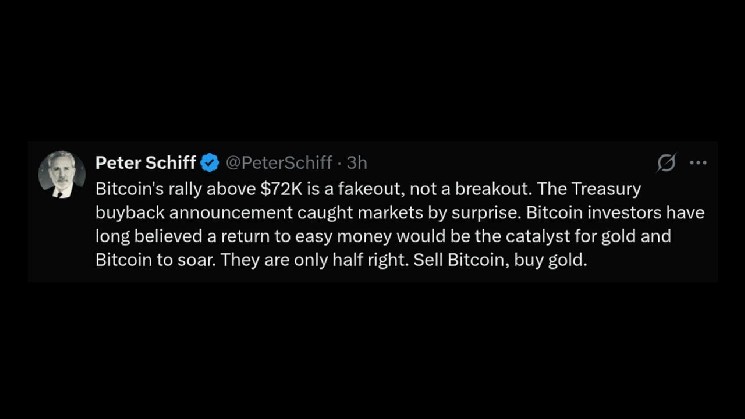
**U.S. Market Trends (Aug 21): Long-Term Bond Relief Fizzles, Walmart Drags Dow Down 700 Points** U.S. stocks fell sharply, with the Dow plunging over 700 points, as relief from the Treasury's long-term bond buyback plan proved fleeting. Major indexes declined as long-end Treasury yields and oil prices resumed their upward climb, reigniting inflation fears and pressure on high-valuation assets. The key catalyst was the rapid reversal in the bond market. The Treasury's expanded buyback program briefly calmed markets, but 30-year yields quickly rebounded near 5.26%, approaching recent 20-year highs. This signaled that liquidity interventions cannot overcome structural pressures from massive U.S. debt, fiscal deficits, and competing capital demands from AI infrastructure spending. Simultaneously, rising oil prices (WTI +2.3%) on geopolitical tensions renewed inflation concerns, squeezing consumer spending power. This pressure was highlighted by Walmart's 9% stock plunge. Despite beating earnings estimates, its weak U.S. same-store sales growth and lowered annual guidance exposed caution among lower-income consumers. Tech stocks faced broad pressure. The "Magnificent Seven" giants broadly declined, with Moderna crashing over 23% a day after a massive rally on vaccine trial news, exemplifying swift profit-taking. However, select semiconductor names (e.g., Marvell, Micron) gained on specific AI-related catalysts, indicating a more discerning market moving beyond hype to scrutinize real cash flows and capital expenditure sustainability. Bitcoin surged past $72,000, while gold seesawed near $4,500/oz. Alibaba's earnings showed strong AI cloud revenue growth but significant cash outflow due to infrastructure investments. The market's core takeaway is that Treasury actions provide only temporary relief, not a trend reversal. Focus now shifts to whether long-term yields can stabilize below 5.3% and to upcoming Federal Reserve commentary for clues on the rate path. Sustainable equity recovery hinges on the bond market calming and major tech stocks showing concurrent strength.

marsbit2 дні тому 02:01

US Stock Market Trends (August 21): Long-Term Bond Repo Fails, Walmart's Warning Drags Dow Down 700 Points

marsbit2 дні тому 02:01

活动图片