# Пов'язані статті щодо Midterm Elections

Центр новин HTX надає останні статті та поглиблений аналіз на тему "Midterm Elections", що охоплює ринкові тренди, оновлення проєктів, технологічні розробки та регуляторну політику в криптоіндустрії.
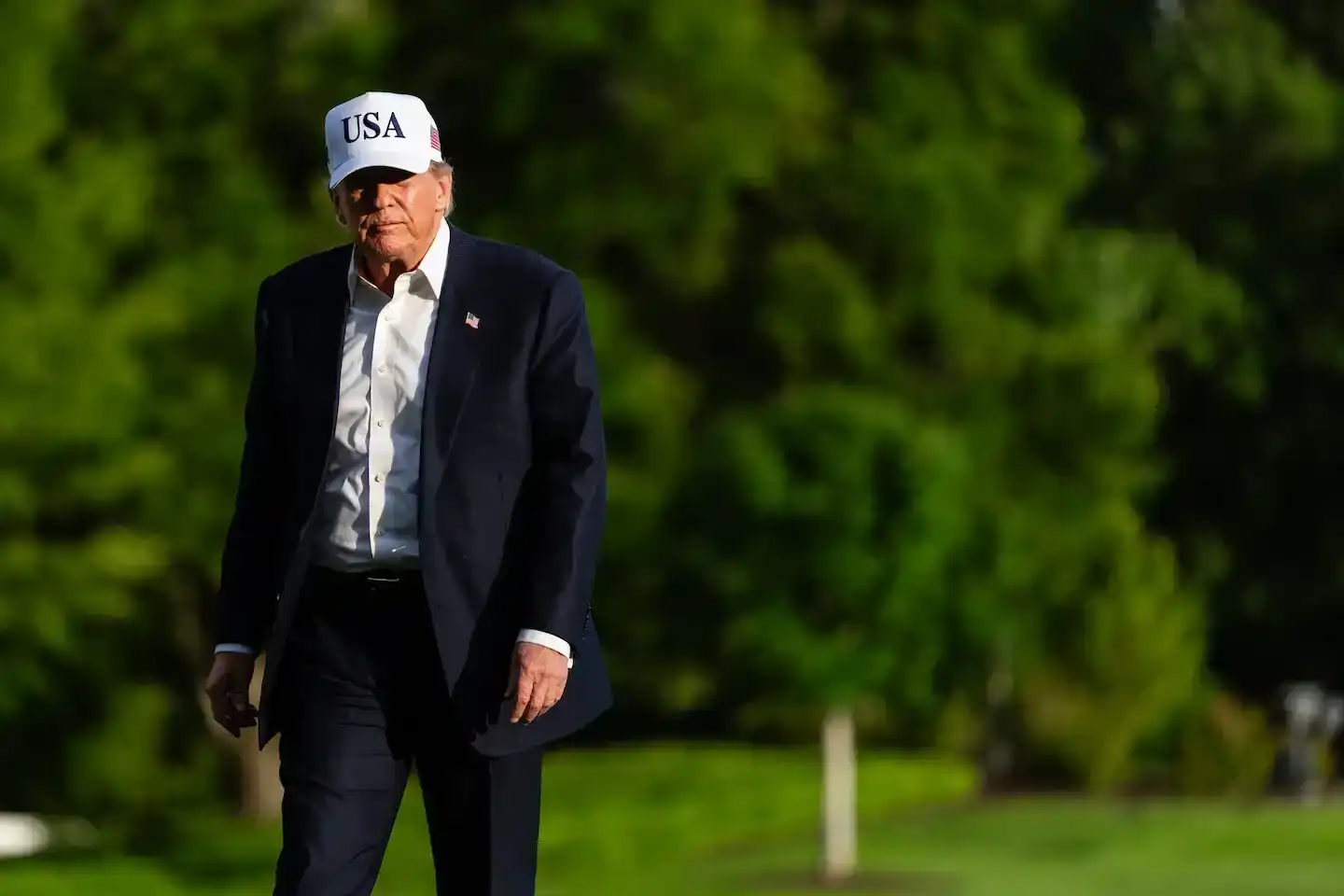
Trump’s Dual Pressure: When the Iran Deal Meets the Midterm Elections

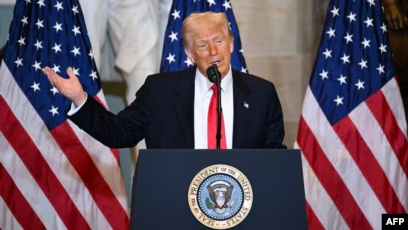
U.S. President Donald Trump’s efforts to negotiate a deal with Iran are triggering a political backlash within his own Republican Party, as the approach of midterm elections intensifies internal divisions. Reports of a potential agreement—involving a temporary ceasefire, phased sanctions relief, and the unfreezing of Iranian assets in exchange for discussions on Tehran diluting or transferring its stockpile of highly enriched uranium—have drawn sharp criticism from GOP hawks. Key allies like Senators Lindsey Graham and Ted Cruz warned that such concessions could allow Iran to recuperate, undermine recent U.S. military gains, and ultimately strengthen a hostile regime. The dispute highlights a broader political struggle for Trump, who must reconcile his "America First" posture with diplomatic compromise while facing a tough electoral landscape. With Republicans fighting to maintain control of Congress and Trump’s approval ratings declining, the Iran deal has quickly become a test of party loyalty and perceived toughness. Public sparring between Trump aides and critics—including former Secretary of State Mike Pompeo—underscores the internal pressure. While Secretary of State Marco Rubio defended Trump’s historically hardline stance, skeptics like Senator Thom Tillis questioned the logic of any deal that leaves nuclear materials in Iran. The outcome now hinges on whether Trump can persuade his party’s hardliners to accept a negotiated exit.

marsbit05/25 08:54

Trump’s Dual Pressure: When the Iran Deal Meets the Midterm Elections

marsbit05/25 08:54

a16z, The Biggest Donor Behind the US Midterm Elections

Theodore Schleifer reports for The York Times that the venture capital firm Andreessen Horowitz (a16z), along with its founders Marc Andreessen and Ben Horowitz, has become the single largest donor in the current U.S. midterm election cycle, contributing over $115 million in political funds. This massive expenditure, far exceeding the $63 million from the 2024 cycle, marks a significant shift in political funding from individual billionaires to corporate entities. A16z’s strategy involves long-term political engagement. Immediately after the 2024 election, it injected over $23 million into key crypto-focused Super PACs. Its funding is now channeled through a bipartisan network supporting its core business interests: $47.5 million to the crypto Super PAC Fairshake and $50 million to Leading the Future, a new Super PAC promoting pro-artificial intelligence candidates. The firm and its founders have also donated $12 million to a pro-Trump Super PAC. This political push is closely tied to a16z's commercial stakes in crypto and AI and reflects founders’ evolving political views, particularly Andreessen’s shift toward conservative circles. His access has grown, including an advisory role during Trump’s transition and a seat on a White House tech council. The firm’s activism has sparked internal dissent and external backlash. Critics, including progressive Democrats and some Republicans, argue it represents an attempt to buy political influence. In response, a rival "Public First" Super PAC, dubbed "z16a," has formed to counter a16z’s spending on AI policy. Despite the controversy, a16z frames its involvement as essential for fostering a pro-innovation policy environment.

marsbit05/14 03:30

a16z, The Biggest Donor Behind the US Midterm Elections

marsbit05/14 03:30

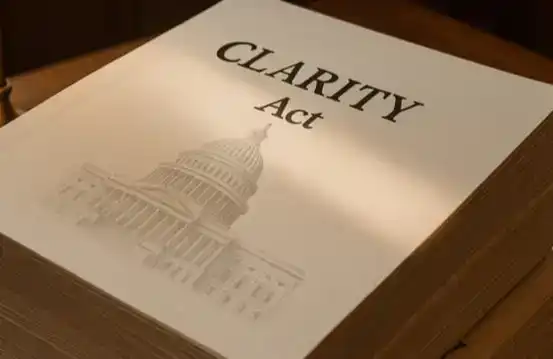
How Significant a Variable Will the CLARITY Act Be for the 2026 Midterm Elections?

Title: "The CLARITY Act" as a New Variable in the 2026 Midterm Elections Encryption regulation is emerging as a new variable in the 2026 U.S. midterm elections. According to a HarrisX survey, a bipartisan majority of registered voters supports the U.S. maintaining leadership in digital finance and the passage of the CLARITY Act. This legislation aims to define regulatory boundaries between the SEC and CFTC for digital assets, establish registration rules for exchanges and custodians, and enhance consumer protection. Political impact is significant: 37% of voters said they would be more inclined to support a senator who votes for the bill, resulting in a net electoral gain of +20 percentage points. Notably, 47% of voters indicated they would consider voting for a candidate outside their preferred party if that candidate supports the CLARITY Act while their own party does not. This cross-party appeal is even stronger among cryptocurrency holders and voters familiar with digital assets. The survey found that while general awareness of digital assets is limited, there is strong, bipartisan voter demand for clear federal rules. 70% of voters believe the U.S. should have passed clear crypto legislation already, and 62% deem it important for the U.S. to set global digital finance rules. Concerns about national security and the offshore concentration of crypto exchanges (8 of the top 10 are headquartered outside the U.S.) further drive support for federal action. Currently, 52% of voters support the CLARITY Act after hearing a neutral description, versus 11% opposed. Support is bipartisan, with net approval rates of +48 among Republicans, +43 among Democrats, and +32 among independents. The findings suggest that for candidates, supporting the CLARITY Act is a net political positive, offering a pathway to engage young voters, crypto holders, and swing voters. The core question in crypto regulation for U.S. politics is shifting from "whether to regulate" to "who can mobilize votes with it."

marsbit05/10 01:08

How Significant a Variable Will the CLARITY Act Be for the 2026 Midterm Elections?

marsbit05/10 01:08

Only a 50% Chance of Passing This Year, Can the CLARITY Bill Succeed Before the Midterm Elections?

The CLARITY Act, which passed the House in July 2025 with strong bipartisan support (294-134), faces a critical juncture in the Senate. The Senate Banking Committee is expected to hold a markup soon, but key issues remain unresolved, including stablecoin yield provisions, DeFi regulations, and securing full Republican committee support. Other contentious points involve the Blockchain Regulatory Certainty Act (BRCA), ethics amendments for government officials, and SEC-related matters. The legislative calendar is tight, with limited time before the midterm elections. If the committee markup is delayed beyond mid-May, the chances of passage in 2026 drop significantly. Senator Cynthia Lummis has warned that failure this year could delay comprehensive crypto market structure legislation until 2030 or later. Galaxy estimates the probability of the CLARITY Act becoming law in 2026 is only about 50%. The bill provides crucial regulatory clarity by defining jurisdictional boundaries between the SEC and CFTC, establishing a path for decentralization, and bringing digital commodity intermediaries under federal regulation. Its passage is seen as vital before potential power shifts in the next Congress, which could bring less favorable leadership to key committees. The timeline is compressed, and the bill must compete for floor time with other priorities like Iran authorization and DHS appropriations. Key hurdles include finalizing the stablecoin yield compromise text, addressing law enforcement concerns about BRCA, and navigating political dynamics around SEC nominations. The outcome of the Banking Committee markup and the level of bipartisan support will be critical indicators of its future success.

marsbit04/23 09:11

Only a 50% Chance of Passing This Year, Can the CLARITY Bill Succeed Before the Midterm Elections?

marsbit04/23 09:11

活动图片