# Пов'язані статті щодо Middle East

Центр новин HTX надає останні статті та поглиблений аналіз на тему "Middle East", що охоплює ринкові тренди, оновлення проєктів, технологічні розробки та регуляторну політику в криптоіндустрії.

Gold Plunges for a Week, '1983 Great Sell-Off' Repeats, Middle East 'Selling Gold for Funds'?

Gold recorded its worst weekly decline in 43 years, echoing the historic 1983 sell-off. Spot gold fell for eight consecutive days, while silver dropped over 15%, with palladium and platinum also declining. The sell-off was triggered by escalating Middle East conflicts, which raised energy prices and reduced expectations for Fed rate cuts. Markets now price a 50% chance of a Fed hike by October. Higher inflation expectations and rising real interest rates diminished gold's appeal as a non-yielding asset. Additionally, tightening dollar liquidity, reflected in widening cross-currency basis swaps, intensified pressure on gold, often liquidated first during dollar shortages. Technical indicators worsened, with RSI falling below 30, triggering stop-losses and self-reinforcing selling. Gold ETFs saw outflows for three straight weeks, losing over 60 tons. The current situation parallels the 1983 crash when OPEC nations, facing falling oil revenue, sold gold reserves to raise cash, causing a rapid price collapse. Then, as now, Middle Eastern selling pressured gold, with impacts spreading across commodities. Despite a 4% year-to-date gain, stagflation risks are rising. Goldman Sachs estimates energy price increases could reduce global growth by 0.3% and raise inflation by 0.5-0.6%. Gold's future depends on real interest rates and geopolitical developments—continued conflict may sustain pressure, while de-escalation could revive safe-haven demand.

marsbit03/21 03:08

Gold Plunges for a Week, '1983 Great Sell-Off' Repeats, Middle East 'Selling Gold for Funds'?

marsbit03/21 03:08

AI Within the Range of Artillery

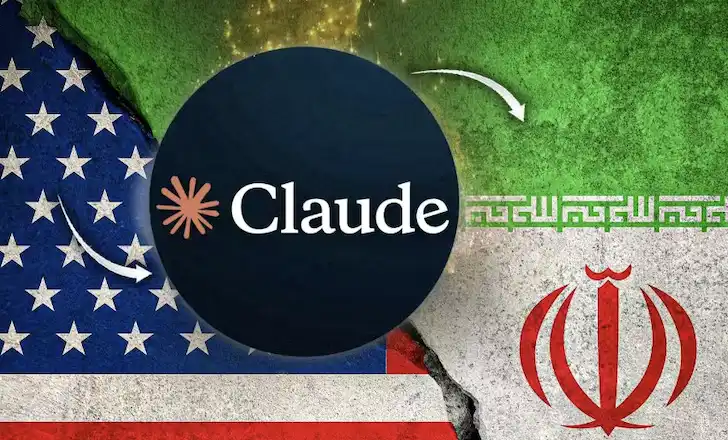
"AI in the Range of Cannons" discusses the vulnerability of AI infrastructure in the context of modern warfare, triggered by a real-world incident. On March 1, an Iranian missile struck an Amazon data center in the UAE, causing a fire, power outage, and disruption of about 60 cloud services. This led to a global outage of Claude, a major AI service running on Amazon's cloud. Although officially attributed to surging user demand, the incident is linked to a U.S.-Israel airstrike on Iran that used Claude for intelligence analysis, despite a recent U.S. ban on Anthropic (Claude's developer) for refusing unrestricted military use. The article highlights that this marks the first physical destruction of a commercial data center in war, emphasizing that AI, though virtual, relies on physical infrastructure located in geopolitically unstable regions like the Middle East. Silicon Valley has heavily invested in AI infrastructure in the Gulf due to cheap electricity, wealthy sovereign funds, and data localization laws, with projects from Amazon, Microsoft, and OpenAI. However, security frameworks like the Pax Silica agreement focus on chip controls and political alignment, ignoring physical security risks. The piece raises critical questions: When data centers serve both civilian and military purposes, are they legitimate targets? International law lacks clarity. The incident shifts focus from AI replacing jobs to its fragility—over 1,300 large data centers worldwide are protected only by basic measures like fire systems and generators. As AI becomes national infrastructure, its protection becomes a collective responsibility, beyond individual companies or governments. The title’s metaphor underscores that in an era of conflict, even advanced technology lies within the range of destruction.

marsbit03/03 10:29

AI Within the Range of Artillery

marsbit03/03 10:29

活动图片