# Пов'язані статті щодо LayerZero

Центр новин HTX надає останні статті та поглиблений аналіз на тему "LayerZero", що охоплює ринкові тренди, оновлення проєктів, технологічні розробки та регуляторну політику в криптоіндустрії.

Following the KelpDAO Hack: $40 Billion in Assets Flee LayerZero, Chainlink Emerges as the Primary 'Beneficiary'

Following a major security breach in April where KelpDAO's bridge using LayerZero was attacked for approximately $292 million, a significant shift is underway in the cross-chain infrastructure landscape. An estimated $40 billion in assets is in the process of migrating or has already migrated from LayerZero to Chainlink's Cross-Chain Interoperability Protocol (CCIP). The attack exploited a single-point-of-failure vulnerability due to KelpDAO's 1-of-1 validator configuration within the LayerZero network. Attackers corrupted RPC nodes and used DDoS attacks to force the system to rely on compromised nodes, allowing fraudulent messages. While LayerZero acknowledged a serious error in allowing its validator network to service high-value transactions with such a configuration, the incident highlighted critical security risks. This triggered a rapid migration wave. Starting with KelpDAO on May 6th, several major protocols—including Solv Protocol, Re, Tydro, Kraken, and Lombard—announced switching their cross-chain infrastructure exclusively to Chainlink CCIP. The combined value of these migrations is estimated to be around $40 billion. This movement followed earlier major adoptions by Coinbase (in late 2025) and Circle (in early 2024). Market sentiment reflected this shift, with LINK's price showing relative stability while ZRO (LayerZero's token) declined significantly. Data indicates a net outflow of approximately $20.1 billion from the LayerZero network over 30 days. The migration is largely driven by perceived security differences. Chainlink CCIP employs a decentralized oracle network as its default consensus layer, featuring multiple independent node operators, a separate Risk Management Network, and built-in safeguards like rate limits. In contrast, LayerZero's highly modular architecture offers flexibility but places more responsibility on application developers to configure security settings, a risk underscored by the KelpDAO incident. LayerZero has since apologized for its communication handling post-attack and stated the protocol itself was not compromised, but rather its Labs DVN's internal RPC was poisoned. An official post-mortem report with external security partners is forthcoming.

marsbit05/19 08:10

Following the KelpDAO Hack: $40 Billion in Assets Flee LayerZero, Chainlink Emerges as the Primary 'Beneficiary'

marsbit05/19 08:10

$30 Billion DeFi Capital Exodus: LayerZero Stumbles, Chainlink Feasts

Following the major DeFi security incident involving Kelp DAO, a significant migration of funds is underway from the cross-chain protocol LayerZero to Chainlink's CCIP (Cross-Chain Interoperability Protocol). Over $30 billion in Total Value Locked (TVL) from protocols like Kelp DAO, Solv Protocol, Re, and Tydro has moved to Chainlink in the past week, driven by security concerns. LayerZero is facing a severe trust crisis after the attack. Initially denying responsibility, LayerZero Labs has now issued a public apology, acknowledging management oversights. These include a vulnerable "1/1" single-node configuration for its Decentralized Verification Network (DVN) and past misuse of a multi-signature wallet by a team member. The protocol's weekly bridge volume has slumped to near-historic lows of around $470 million. In contrast, Chainlink is experiencing a surge in adoption and activity. Its independent active addresses recently hit multi-month highs, and whales have been accumulating LINK tokens. Beyond DeFi, Chainlink is securing partnerships with traditional finance giants like DTCC, European stock exchange operator SIX Group, and asset manager Amundi. While LayerZero has announced security upgrades—such as migrating to stronger multi-signature configurations and developing a second DVN client—and contributed to a rescue fund, the event underscores that security is becoming a decisive competitive factor as DeFi matures.

marsbit05/13 09:40

$30 Billion DeFi Capital Exodus: LayerZero Stumbles, Chainlink Feasts

marsbit05/13 09:40

The $290 Million Deficit: A Three-Way Game Between Aave, L0, and Kelp—Who Should Foot the Bill?

An incident involving the theft of 116,500 rsETH (worth approximately $290 million) from Kelp DAO’s cross-chain bridge contract has triggered a complex dispute over responsibility and compensation among Kelp DAO, LayerZero, and Aave. The attack occurred due to a compromised RPC provider used by LayerZero’s Decentralized Verifier Network (DVN). Since Kelp DAO’s bridge used a 1/1 DVN configuration—a single point of failure—the attacker successfully forged a cross-chain message, leading to the unauthorized release of rsETH tokens from the mainnet. These genuine tokens were then deposited into Aave and other lending platforms to borrow WETH, enabling the attacker to exit with the funds. Responsibility is attributed primarily to Kelp DAO for its risky 1/1 DVN setup. LayerZero bears secondary responsibility for permitting such a vulnerable configuration in its protocol layer. Aave also shares indirect blame for over-collateralizing rsETH and other Liquid Restaking Token (LRT) assets without adequate ongoing risk oversight. Kelp DAO lacks sufficient funds to cover the loss, shifting focus to the deeper-pocketed players: LayerZero, whose cross-chain ecosystem and reputation are at risk, and Aave, which faces massive bad loans and declining Total Value Locked (TVL). Aave has asserted that mainnet rsETH remains fully backed, implying it expects Kelp DAO to allow redemption of underlying ETH. This approach would preserve Aave’s mainnet positions but invalidate Layer2 rsETH, damaging LayerZero’s cross-chain credibility. Potential solutions include: - A universal 18.5% haircut on all rsETH holders, causing significant Aave bad debt. - Writing off Layer2 rsETH entirely, protecting Aave mainnet but harming LayerZero and Kelp DAO. - Negotiating a bounty with the hacker for partial fund return. - A joint bailout, possibly led by LayerZero’s ecosystem fund, given its long-term stake in the cross-chain ecosystem. The situation remains unresolved as the parties negotiate, but prolonged delay risks broader DeFi instability, including potential liquidity crises and loss of confidence in LRT and cross-chain infrastructures.

Odaily星球日报04/20 08:52

The $290 Million Deficit: A Three-Way Game Between Aave, L0, and Kelp—Who Should Foot the Bill?

Odaily星球日报04/20 08:52

An Open-Source AI Tool That No One Saw Predicted Kelp DAO's $292 Million Vulnerability 12 Days Ago

An open-source AI security tool flagged critical risks in Kelp DAO’s cross-chain architecture 12 days before a $292 million exploit on April 18, 2026—the largest DeFi incident of the year. The vulnerability was not in the smart contracts but in the configuration of LayerZero’s cross-chain bridge: a 1-of-1 Decentralized Verifier Network (DVN) setup allowed an attacker to forge cross-chain messages with a single compromised node. The tool, which performs AI-assisted architectural risk assessments using public data, identified several unremediated risks, including opaque DVN configuration, single-point-of-failure across 16 chains, unverified cross-chain governance controls, and similarities to historical bridge attacks like Ronin and Harmony. It also noted the absence of an insurance pool, which amplified losses as Aave and other protocols absorbed nearly $300M in bad debt. The attack unfolded over 46 minutes: the attacker minted 116,500 rsETH on Ethereum via a fraudulent message, used it as collateral to borrow WETH on lending platforms, and laundered funds through Tornado Cash. While an emergency pause prevented two subsequent attacks worth ~$200M, the damage was severe. The tool’s report, committed to GitHub on April 6, scored Kelp DAO a medium-risk 72/100—later acknowledged as too lenient. It failed to query on-chain DVN configurations or initiate private disclosure, highlighting gaps in current DeFi security approaches that focus on code audits but miss config-level and governance risks. The incident underscores the need for independent, AI-powered risk assessment tools that evaluate protocol architecture, not just code.

marsbit04/20 03:23

An Open-Source AI Tool That No One Saw Predicted Kelp DAO's $292 Million Vulnerability 12 Days Ago

marsbit04/20 03:23

The Code Was Fine, But It Was Still Hacked: What Is the 'DVN Configuration Vulnerability' Behind the Biggest Hack of 2026?

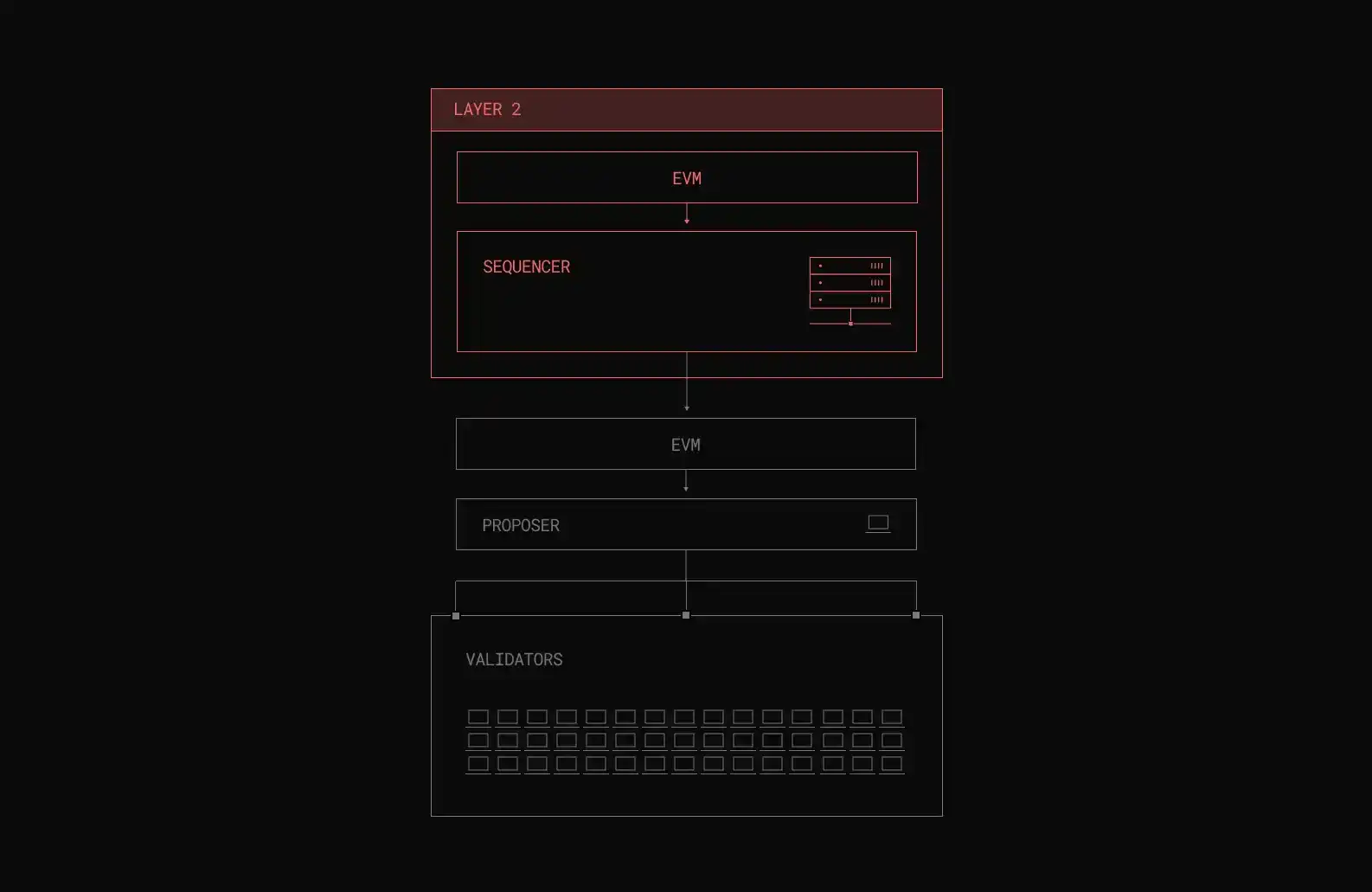
Title: Code Was Secure, Yet $293M Stolen: The 2026 DVN Configuration Breach Explained On April 18, 2026, Kelp DAO’s restaking protocol was exploited, losing 116,500 rsETH (worth $293M at the time) due to a configuration flaw—not a smart contract vulnerability. The attacker used a forged cross-chain message to drain funds via LayerZero’s bridge, then dispersed the stolen rsETH across Aave V3, Compound V3, and Euler to borrow real assets, ultimately escaping with $236M in WETH. The root cause was a critical misconfiguration in Kelp’s LayerZero V2 setup: the protocol used a 1-of-1 Decentralized Verifier Network (DVN) threshold, meaning only one node approval was needed to validate cross-chain messages. The attacker compromised that single node, allowing unauthorized minting of rsETH on Ethereum. This configuration choice—permitted by LayerZero but highly risky—left zero fault tolerance. In contrast, protocols like ApeChain using multi-node validation (e.g., 2-of-3 or 5-of-9) remained secure. This incident highlights a blind spot in DeFi security audits: tools like Slither and Mythril scan code for logic flaws but ignore configuration parameters. The 2022 Nomad hack ($190M loss) also stemmed from a config error, bringing total losses from such issues to ~$482M—rivaling private key breaches. The Kelp exploit underscores the need for standardized config audits and higher baseline security in cross-chain designs.

marsbit04/19 23:56

The Code Was Fine, But It Was Still Hacked: What Is the 'DVN Configuration Vulnerability' Behind the Biggest Hack of 2026?

marsbit04/19 23:56

活动图片