# Пов'язані статті щодо Interview

Центр новин HTX надає останні статті та поглиблений аналіз на тему "Interview", що охоплює ринкові тренди, оновлення проєктів, технологічні розробки та регуляторну політику в криптоіндустрії.

The Illusion of a Prodigy

The Illusion of the "Genius Youth" The article discusses the recent interview incident involving Li Bojie, a former "Huawei Genius Youth," and AI company DeepSeek. It highlights the core conflict not as a simple case of suspected cheating during a coding test, but as a profound mismatch in expectations. Li, with an impressive background including entrepreneurship, a role at Huawei, and a position as a chief scientist, was deeply affected by a standard remote interview where the interviewer questioned his actions. The key point is his stated view of DeepSeek as the "pinnacle of the Chinese tech world." For him, the interview was a quest for identity validation—proof he belonged at the center of the new AI era. For DeepSeek, it was a routine skills assessment. The article argues that Li, while publicly rejecting the "genius" label, subconsciously expected to be treated as a peer for discussion, a courtesy extended by other companies like MiniMax and Xiaomi. DeepSeek, however, adhered strictly to its standardized process, prioritizing consistent, merit-based evaluation over individual prestige. This clash symbolizes a larger shift in the tech industry. The core thesis is that the AI era is dismantling the old system where past titles, companies, and accumulated experience guaranteed status. Now, with rapid knowledge obsolescence, "excellence is calculated in real-time." Li's anxiety—waiting weeks for the DeepSeek interview despite other offers—stems from the fear that rejection means being left behind by technological progress. The article concludes that this incident is a harbinger; soon, everyone will face a constant, implicit "interview" with the AI age itself, asking: "You were excellent yesterday. What about today?"

marsbit07/09 09:55

The Illusion of a Prodigy

marsbit07/09 09:55

Former Huawei 'Genius Teen' Who Questioned DeepSeek Interview Lands in 'Crossfire' from Web3 Investor

Former Huawei "Genius Youth" Li Bojie recently drew public attention by criticizing his interview experience with DeepSeek. The controversy escalated when Du Jun, co-founder of Web3 investment firm ABCDE Capital, publicly accused Li of being "the founder with the least sense of contractual spirit" he had ever cooperated with, sparking a dispute over Li's startup project, Metagent. Li detailed a frustrating DeepSeek interview where he was accused of potential plagiarism, leading him to end the session. The spotlight then shifted to his venture, Metagent, a Web3+AI project aiming to tokenize AI agents. ABCDE invested $1.5 million, with an initial $500k disbursed. Du Jun claimed the project's progress was severely lacking, with a poor-quality demo and minimal social media activity. He alleged Li stopped communicating, deleted his Telegram, and failed to provide proper financial reporting. In response, Li argued the remaining $1 million was never received, crippling operations and forcing salary cuts. He stated he left Metagent in October 2024 due to family reasons and Web3 compliance concerns, with board approval. He claimed to have fulfilled disclosure duties and that his subsequent projects avoided conflicting fields. Other investors, including ArkStream Capital, shared negative due diligence experiences, citing unprofessional contracts and evasive answers on tokenomics. Metagent's social media went silent in June 2024, effectively stalling. Li has since moved to a new consumer AI agent platform, Pine AI (formerly Logenic AI), which has raised $25 million in Series A funding. He served as its Chief Scientist but recently left, clarifying he was not the founder and departed due to a shift in research interests.

Foresight News07/08 09:40
Former Huawei 'Genius Teen' Who Questioned DeepSeek Interview Lands in 'Crossfire' from Web3 Investor

Foresight News07/08 09:40

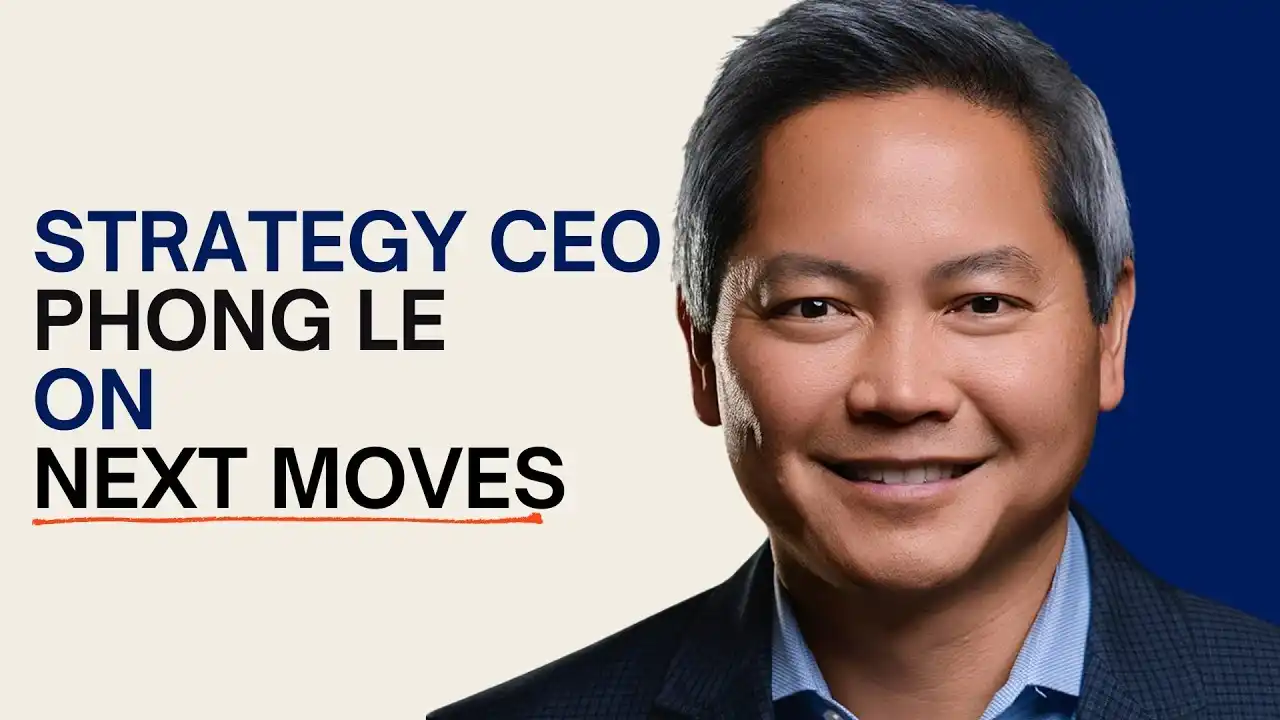
Interview with Strategy CEO: Can STRC Recover After Selling Bitcoin?

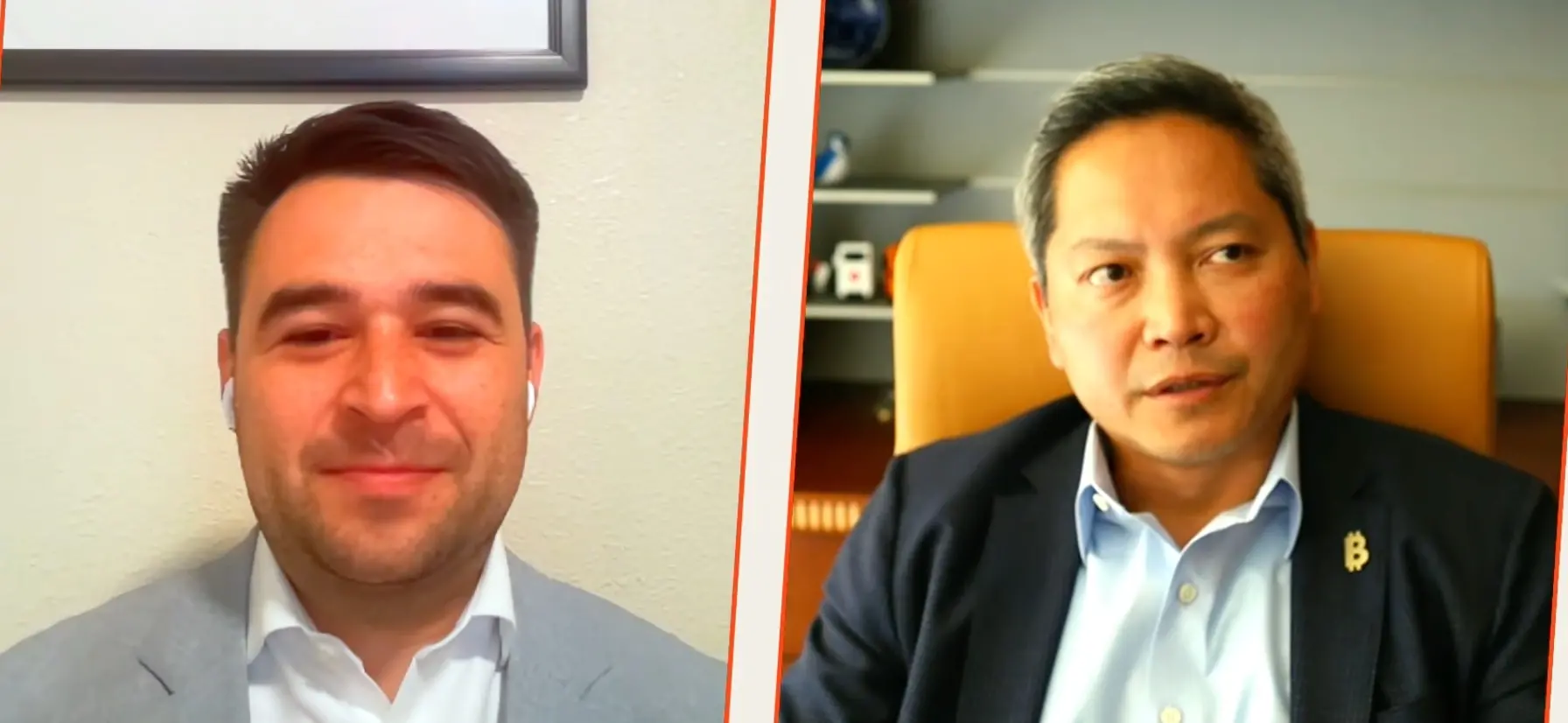
Interview with Strategy CEO Phong Le on the recent sale of 32 Bitcoin and its impact. He clarifies the move was a small, strategic action to demonstrate liquidity to debt holders, test internal processes, and prove operational discipline—not a response to fears of a "death spiral" from DeFi protocols leveraging STRC (Strategy's preferred stock product), which he notes holds less than 10% of STRC. Le emphasizes Strategy’s long-term focus as the largest corporate Bitcoin holder, using the adage that markets are a "voting machine" short-term but a "weighing machine" long-term. Decision-making is data-driven, involving the board, complex modeling, and multiple stakeholder considerations, moving beyond a founder-centric model. He outlines various capital options but stresses the strategic importance of "doing nothing" as a valid choice, citing resilience built during the 2022 bear market. Le expresses unwavering belief in Bitcoin's foundational value for global sovereignty and its future role in an AI-driven economy with trillions of autonomous agents. Addressing STRC's current price below its $100 face value, Le explains recent pressure was due to using dollar reserves for bond buybacks. He expects STRC to return to par as reserves are replenished and its semi-monthly dividend payments begin, noting the product is heavily over-collateralized. Finally, Le confirms the company sold Bitcoin the week prior to May 31st, as disclosed in an 8-K filing, leaving prediction market interpretations to others. The overarching philosophy remains "Spread Bitcoin with love," embracing all methods of gaining Bitcoin exposure.

marsbit06/24 11:47

Interview with Strategy CEO: Can STRC Recover After Selling Bitcoin?

marsbit06/24 11:47

That Year, Elon Musk and I Talked About His "Space Dream"

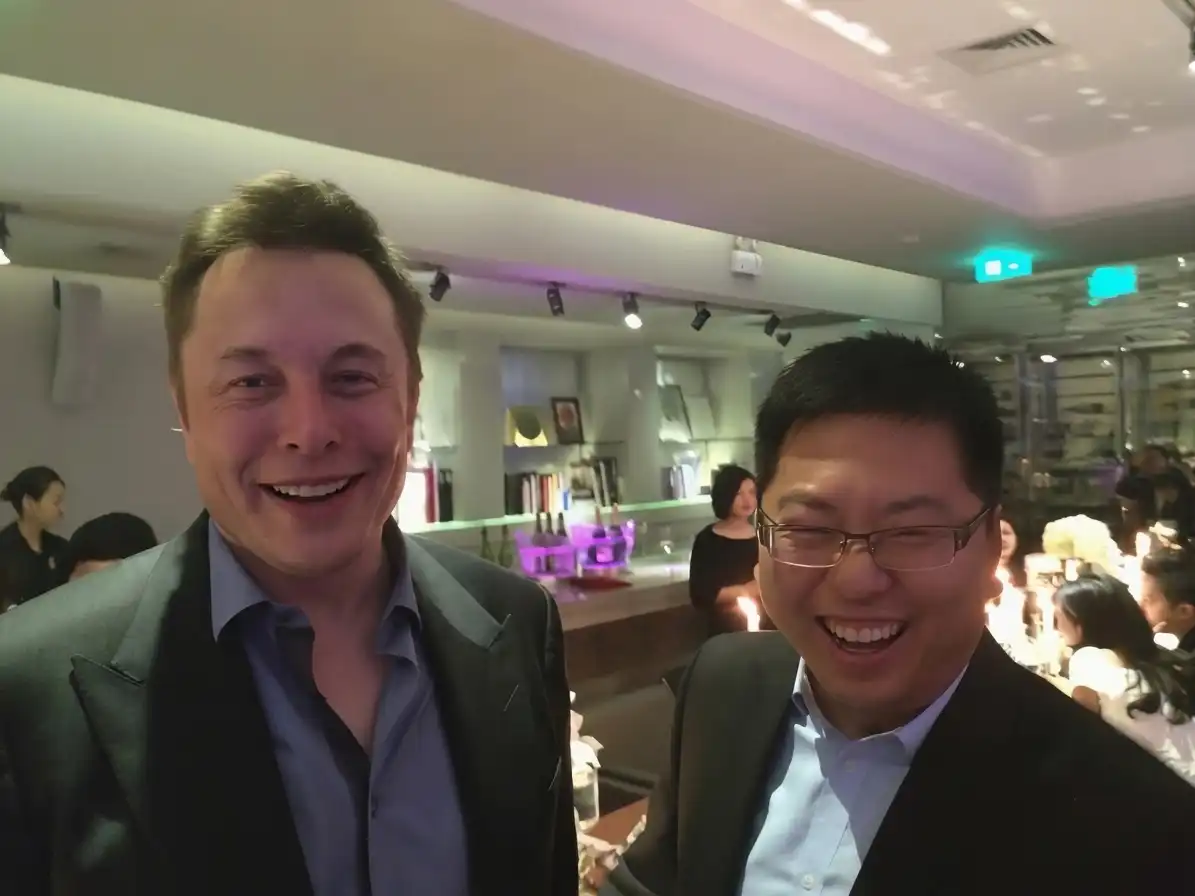
"The Year I Talked to Musk About His 'Space Dream'" by Zhang Peng. On June 12, 2024, SpaceX, now incorporating X, xAI, and Starlink, completed a historic IPO, reaching a $2 trillion valuation. This piece reflects on a 2014 conversation between the author, founder of GeekPark, and Elon Musk during his first public appearance in China at the GeekPark Singularity Summit. Their discussion centered on Musk's motivations and unique mindset. Musk described himself not as a CEO but as an "engineer" driven to solve fundamental problems. He explained his work on Tesla aimed to shift the automotive industry's paradigm toward sustainable transport, while SpaceX was born from a desire to make humanity a multi-planetary species, drastically reducing space access costs through reusability. He emphasized persistence in the face of likely failure, noting that traditional entities like NASA, with abundant resources, often lacked the imperative for radical innovation that drives commercial ventures. Musk dismissed the idea of entering politics, believing change is best achieved through compelling products. The author sees the 2020 successful Crew Dragon launch as a pivotal moment, marking the maturation of commercial spaceflight and the true beginning of a scalable, industry-driven space age. He views Musk as a pioneer clearing the path for broader participation, expressing hope that affordable space travel will become a reality, fueled by commercial momentum.

marsbit06/15 02:51

That Year, Elon Musk and I Talked About His "Space Dream"

marsbit06/15 02:51

Hurun Report Interview with Justin Sun: New Paradigms of Value Circulation under the Web3 Transformation Cycle

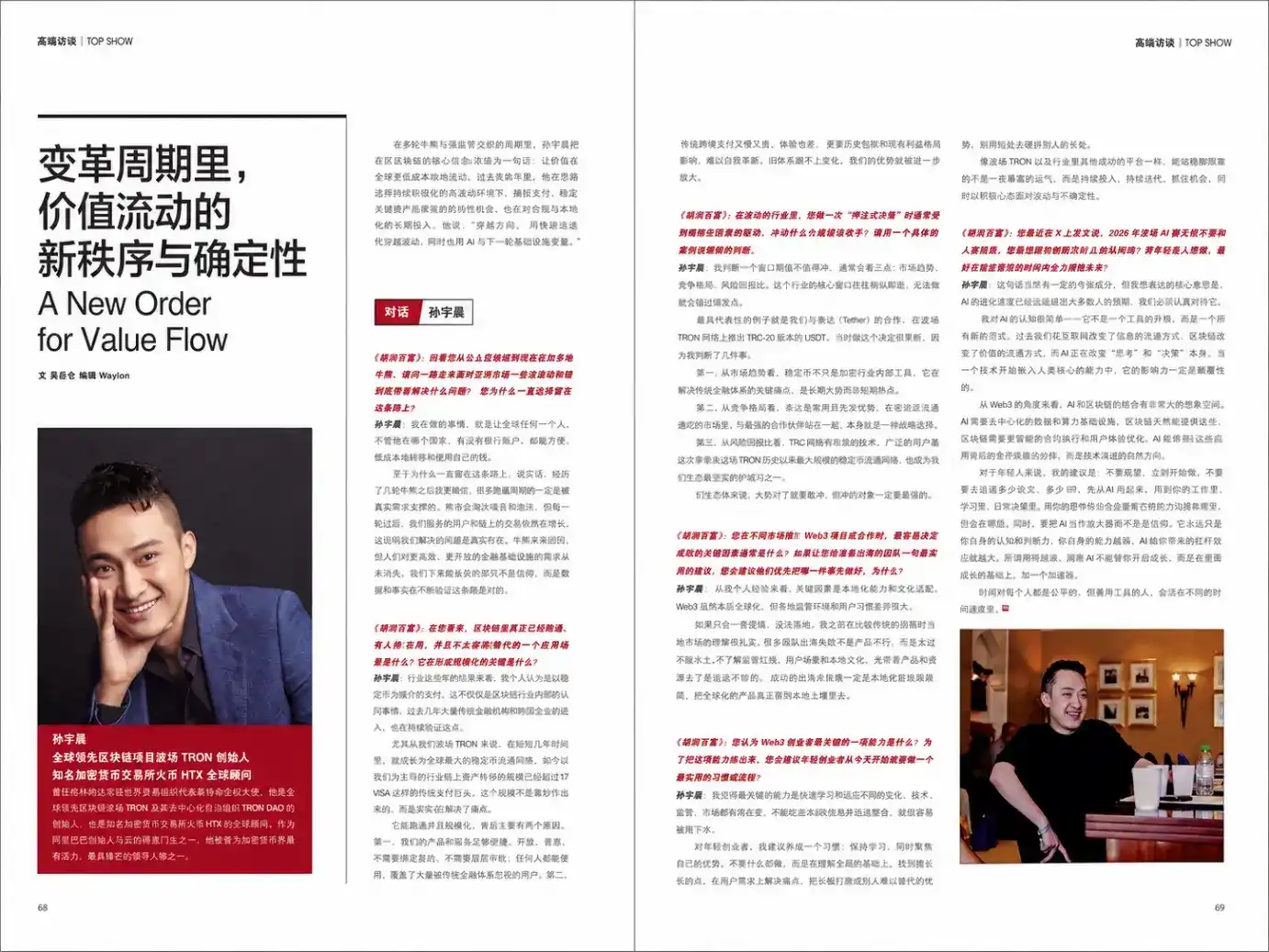
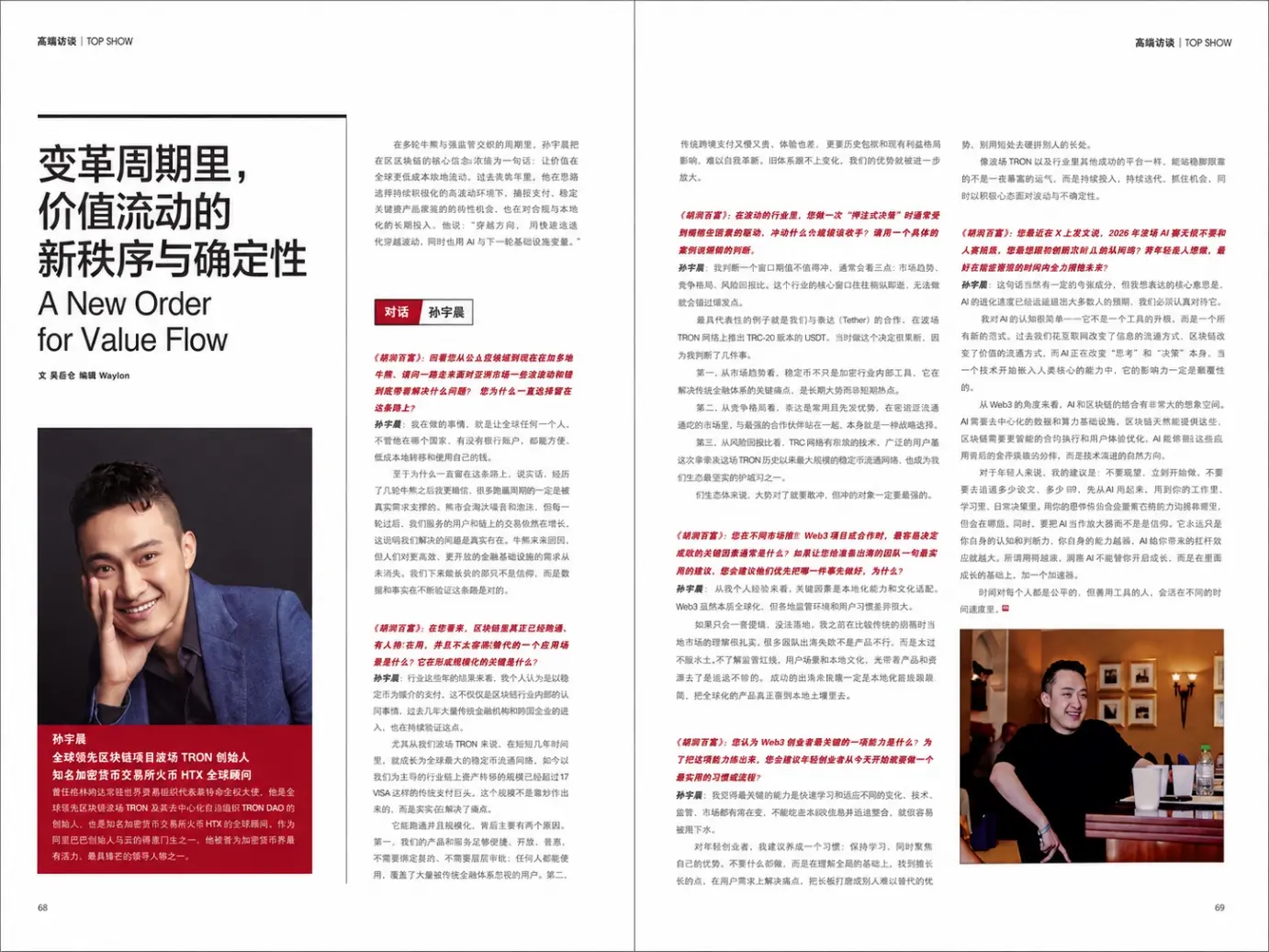
In a deep-dive interview with *Hurun Report*, Justin Sun, founder of TRON, outlines his vision for Web3's evolution from proof-of-concept to global adoption, emphasizing stablecoins as the cornerstone for building a new paradigm of value transfer. Sun defines the core mission as enabling low-cost, efficient global fund movement for anyone, anywhere, regardless of bank access. He argues that sustainable blockchain projects must be driven by genuine demand and usage, with stablecoin payments currently representing the most mature and scalable application. Citing TRON's position as a leading stablecoin network with over $86.3 billion in USDT circulation, he attributes this growth to real-world use in cross-border transfers, savings, and payments, viewing it as a "natural replacement" for traditional financial infrastructure's inefficiencies. On strategy, Sun advocates for a methodology combining data-driven iteration, rapid execution, and user-centricity. He highlights the pivotal decision to partner with Tether on TRC-20 USDT as a calculated move that capitalized on stablecoins' long-term trend and network effects. While Web3 is inherently global, Sun stresses the critical importance of local compliance and cultural adaptation for successful market entry. Looking ahead, Sun identifies the convergence of AI and blockchain as a key frontier. He sees AI as fundamentally reshaping thinking and decision-making, with blockchain providing decentralized infrastructure for AI, while AI enhances blockchain's intelligence and user experience. His advice to industry participants is to prioritize continuous learning, adaptability, and focused investment in building core, irreplaceable strengths within the broader Web3 landscape.

marsbit05/29 03:33

Hurun Report Interview with Justin Sun: New Paradigms of Value Circulation under the Web3 Transformation Cycle

marsbit05/29 03:33

Hurun Report Interview with Justin Sun: New Paradigm of Value Circulation in the Web3 Transformation Cycle

In an interview with *Hurun Report*, Justin Sun, founder of TRON, discussed the evolution of the Web3 industry as it transitions from early-stage exploration to large-scale adoption. He emphasized that the fundamental goal of blockchain technology is to build an open and inclusive internet of value, enabling low-cost, efficient fund transfer for anyone globally, regardless of location or access to banking. Sun highlighted stablecoins as the most mature and scalable application within Web3, noting that TRON has grown into one of the world's largest stablecoin networks, with over $86.3 billion in USDT circulation. He attributed this growth to genuine user demand in cross-border payments and daily transactions, reflecting a structural shift where blockchain's openness and efficiency are naturally supplementing traditional financial systems. Regarding strategy, Sun outlined a framework combining data-driven iteration, rapid execution, and user-centricity. He pointed to TRON's partnership with Tether for TRC-20 USDT as a key decision that leveraged market trends and network effects to build a competitive moat. He also stressed the importance of globalization, noting that success in different markets depends on deep local compliance, cultural adaptation, and partnership networks. Sun expressed strong interest in the convergence of AI and blockchain, viewing AI as a transformative force that can enhance blockchain's intelligence and user experience, while blockchain provides decentralized infrastructure for AI. For entrepreneurs, his advice was to focus on continuous learning, adaptability, and building irreplaceable core strengths in a rapidly evolving landscape. Overall, TRON's trajectory—from stablecoin scaling to AI integration and global expansion—illustrates the ongoing maturation of Web3 infrastructure toward widespread, real-world utility.

链捕手05/29 03:30

Hurun Report Interview with Justin Sun: New Paradigm of Value Circulation in the Web3 Transformation Cycle

链捕手05/29 03:30

Google CEO Admits Lagging Behind in Coding

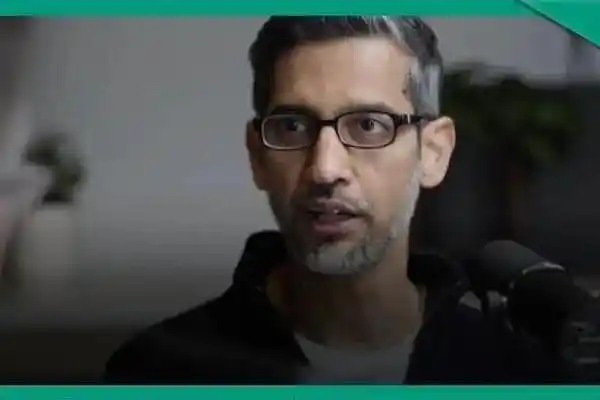
Google CEO Sundar Pichai acknowledged in a recent interview that Google's Gemini AI models are currently "lagging behind" in coding capabilities, particularly for complex, long-horizon tasks requiring advanced developer expertise. He noted the field is advancing at an "unprecedented" pace, where 30-60 days now brings changes equivalent to five years in the past. Pichai expressed that achieving Artificial General Intelligence (AGI) now seems closer than previously imagined due to rapid progress. While highlighting strengths in text, multimodal, and reasoning tasks, Pichai admitted competitors like Anthropic and OpenAI have focused more intently on coding. He emphasized Google's commitment to catching up, citing internal tools like Antigravity 2.0 and the newly released Gemini 3.5 Flash, which aims to address previous shortcomings. Regarding Google Search's AI-driven overhaul, Pichai stated changes will be gradual to align with user needs, not disrupt the core search experience or its advertising model. He addressed public AI anxiety as understandable, given the technology's potential to reshape jobs and society, but remained optimistic about AI augmenting human capabilities and creating new opportunities. Pichai stressed the need for broad societal dialogue and responsible development as AI approaches more advanced, potentially recursive self-improvement stages. He affirmed Google's long-term commitment to leading in AI while navigating its profound implications responsibly.

marsbit05/24 08:28

Google CEO Admits Lagging Behind in Coding

marsbit05/24 08:28

活动图片