# Пов'язані статті щодо Congress

Центр новин HTX надає останні статті та поглиблений аналіз на тему "Congress", що охоплює ринкові тренди, оновлення проєктів, технологічні розробки та регуляторну політику в криптоіндустрії.

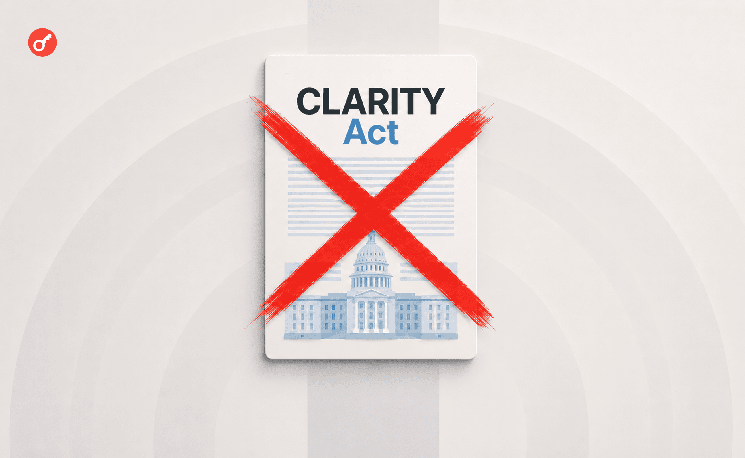
Second Half of U.S. Crypto Policy: The Clarity Act Aims for 60 Votes, CFTC's "One-Person Commission" Becomes Biggest Variable

In a pivotal year for US crypto policy, the "CLARITY Act" is advancing in the Senate but faces a high hurdle, needing 60 votes to pass. Key challenges include bridging partisan divides on ethics and swaying undecided Republican senators within a tight legislative calendar of only about 40 working days. The policy "second half" involves intense negotiations on a broader framework for Web3 and DeFi, including crypto tax reforms and the Blockchain Regulatory Certainty Act. A significant uncertainty is the understaffed CFTC, operating with four commissioner vacancies, which complicates regulatory clarity. Meanwhile, the departure of key "crypto champions"—SEC Commissioner Hester Peirce and Senator Cynthia Lummis—will impact ongoing policy efforts. Industry experts are cautiously optimistic but realistic. Sara K. Weed notes that while progress is being made, CLARITY is unlikely to pass this Congress, pushing agencies like the SEC and CFTC to provide more guidance. Sulolit Mukherjee suggests meaningful crypto tax legislation is more likely to be attached to larger must-pass bills. Rashan Colbert discusses the jurisdictional debate over prediction markets, emphasizing the need for a regulatory framework that fosters their development as financial tools rather than treating them broadly as gambling. The clock is ticking, but opportunities remain for substantive progress through continued bipartisan dialogue and pragmatic efforts.

marsbit06/23 13:03

Second Half of U.S. Crypto Policy: The Clarity Act Aims for 60 Votes, CFTC's "One-Person Commission" Becomes Biggest Variable

marsbit06/23 13:03

Bitcoin Becomes a National Strategic Asset? U.S. Congressman Proposes Annual Purchase of 200,000 BTC, Locked for 20 Years Without Sale

U.S. Representative Nick Begich (R-Alaska) introduced the "American Reserve Modernization Act" (ARMA) on May 21, aiming to codify a strategic Bitcoin reserve into law. Building on a prior executive order, the bill seeks to establish a permanent national Bitcoin reserve managed by the Treasury Department. The proposed legislation would authorize the Treasury to acquire up to 200,000 Bitcoin annually for five years, targeting a total reserve of 1 million Bitcoin, roughly 5% of the total supply. All acquired Bitcoin would be locked and held for at least 20 years. Representative Begich likened Bitcoin's role in crypto to gold's in precious metals, calling it the dominant store of value in its asset class. The U.S. government currently holds approximately 328,000 Bitcoin, largely from law enforcement seizures, but lacks a coherent management strategy for these assets. Co-sponsors emphasized the urgency of addressing this gap. This move coincides with a wave of crypto-friendly legislation in Washington, including recent bipartisan committee approval of a major digital asset market structure bill. Concurrently, the Treasury has intensified crackdowns on illicit crypto finance, seizing hundreds of millions in assets, further highlighting the need for a comprehensive digital asset strategy. The White House has indicated that operational details for the strategic Bitcoin reserve are forthcoming, with key legal hurdles reportedly cleared.

marsbit05/22 07:09

Bitcoin Becomes a National Strategic Asset? U.S. Congressman Proposes Annual Purchase of 200,000 BTC, Locked for 20 Years Without Sale

marsbit05/22 07:09

活动图片