# Пов'язані статті щодо AI Regulation

Центр новин HTX надає останні статті та поглиблений аналіз на тему "AI Regulation", що охоплює ринкові тренди, оновлення проєктів, технологічні розробки та регуляторну політику в криптоіндустрії.

US Government Suddenly Halts Anthropic's Strongest Model, "Quasi-IPO Stock Price" Plunges 3.7% Overnight

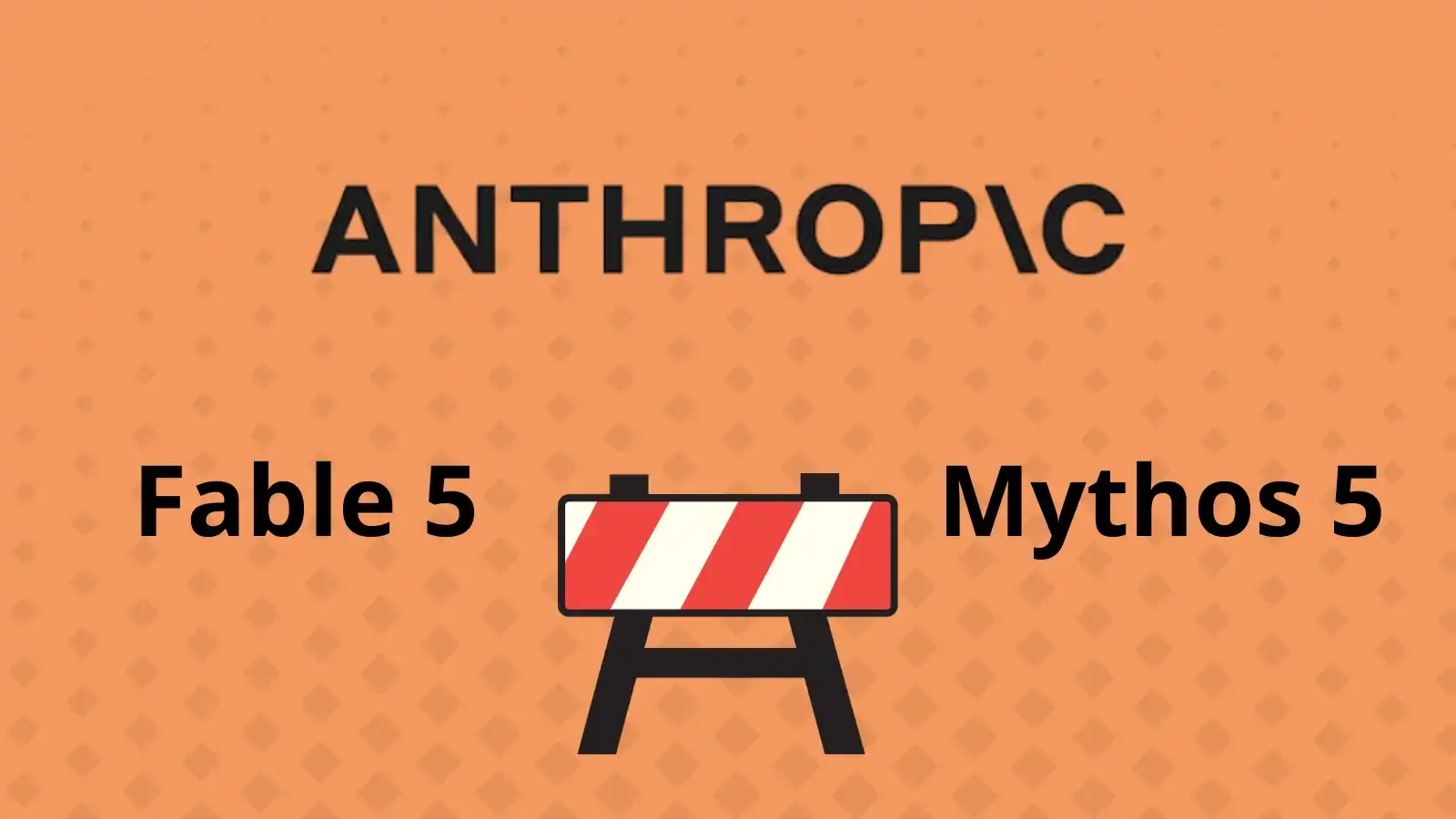
U.S. Government Halts Anthropic's Top AI Models, 'Pre-IPO' Price Drops 3.7% On June 12, the U.S. government ordered Anthropic to shut down access to its two most powerful AI models, Claude Fable 5 and Claude Mythos 5, citing national security concerns. The directive, issued by the Department of Commerce, required Anthropic to block access for all foreign nationals, leading the company to disable the models globally for all users. Anthropic strongly opposed the move, arguing the government's basis was a "narrow jailbreak vulnerability" and warning that applying such a standard industry-wide would effectively halt all frontier model deployments. The news impacted Anthropic's implied valuation in speculative markets. The Anthropic perpetual contract on Hyperliquid fell approximately 3.7% to around $1,627, down from highs above $1,800 following the models' release. Unauthorized tokenized products linked to Anthropic on Solana also saw significant declines. The models, launched just days earlier on June 9, represented a major capability leap for Anthropic. Fable 5 was its first public release of a "Mythos"-tier model above its flagship Claude Opus. The shutdown creates an ironic situation for Anthropic, a company founded on "AI safety" principles, and adds uncertainty to its ongoing IPO preparations. The company is actively engaging with regulators to resolve what it calls a "misunderstanding" and restore service.

marsbit7 год тому

US Government Suddenly Halts Anthropic's Strongest Model, "Quasi-IPO Stock Price" Plunges 3.7% Overnight

marsbit7 год тому

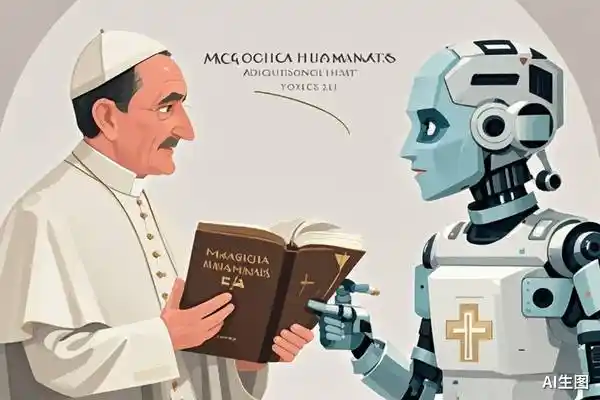
Pope Issues First AI Encyclical: 40,000 Words, 10 Key Points, Clarifying AI Anxiety

Pope Leo XIV's historic encyclical "Magnifica Humanitas," released in May 2026, marks the Catholic Church's first major document addressing artificial intelligence. The 40,000-word text moves beyond theological abstraction to confront practical AI anxieties affecting society. It argues that AI is no longer a mere tool but an embedded environment influencing daily decisions in areas like employment, healthcare, justice, and information, often without users' awareness. The encyclical presents ten core concerns. It highlights that the central issue isn't just regulation, but who holds the underlying *power*—control over data, compute, and platforms—often concentrated in private entities. It warns that even developers cannot fully explain AI systems, creating accountability gaps. While AI can simulate human interaction and creativity, it cautions against treating it as a moral agent capable of bearing true responsibility or forming genuine relationships. Key risks identified include AI's role in opaque decision-making for jobs or welfare, the amplification of persuasive disinformation, and the potential for education to focus on tool use over critical thinking. The document stresses that work has value beyond efficiency, and AI should enhance human capabilities, not merely replace roles. It firmly states that irreversible decisions, especially involving life and death, must remain under human judgment. Ultimately, the encyclical frames AI's challenge as anthropological, not just technological. As AI simulates uniquely human capacities like judgment and creation, it forces a re-examination of what makes human action meaningful: our capacity for responsibility, vulnerability, and bearing real consequences. The Pope concludes that technology is never neutral; its development and deployment are shaped by human values and choices, making an inclusive, ethically grounded dialogue essential for its future.

marsbit05/28 00:19

Pope Issues First AI Encyclical: 40,000 Words, 10 Key Points, Clarifying AI Anxiety

marsbit05/28 00:19

Trump Halts AI Executive Order, Regulatory Efforts Succumb to Competitive Anxiety

In a last-minute reversal, former President Donald Trump halted the signing of a long-anticipated executive order on artificial intelligence. The order had sought to establish a voluntary, pre-release safety testing framework for advanced AI models developed by leading companies like OpenAI, Google, Anthropic, and xAI. Under the proposed plan, companies would have shared their most powerful models with the U.S. government 90 days before public release for national security and cybersecurity risk assessments. Trump refused to approve the order, stating he did not want anything to "slow down our leadership," emphasizing America's lead over China in AI and the technology's role in job creation. This decision highlights the core tension in U.S. AI policy: balancing the management of systemic risks posed by frontier models—such as exposing financial system vulnerabilities—against fears that any regulation could stifle innovation and undermine competitive advantage. The move came despite significant public support for AI safety testing and followed internal administration debates. Some officials, alarmed by the capabilities of models like Anthropic's Mythos in uncovering critical security flaws, had advocated for stronger oversight. However, the industry and many within Trump's circle opposed even this voluntary framework, arguing it would hamper American innovation. The incident underscores how AI policy is increasingly intersecting with national security, economic strategy, and political governance.

marsbit05/22 05:09

Trump Halts AI Executive Order, Regulatory Efforts Succumb to Competitive Anxiety

marsbit05/22 05:09

活动图片