How to Adapt to Frequent Miraculous Comebacks After the New Patch When Trading in Polymarket's LOL Section?

Odaily星球日报Опубліковано о 2026-08-12Востаннє оновлено о 2026-08-12

Анотація

After recent League of Legends (LoL) game updates, major comebacks and unpredictable outcomes have become more frequent, making trading on Polymarket's LoL prediction markets challenging. This article analyzes the causes and offers adaptation strategies. The author, a longtime LoL fan turned Polymarket trader, notes that post-update, a large early-game gold lead no longer guarantees victory. The current meta reduces the decisive weight of economy, emphasizing instead "advantage conversion, resource trading, team composition strength, and teamfight execution." Key systemic changes aiding comebacks include: Bounty/Kill Gold Compensation, Strategic Objective Bounties, and reduced Baron Nashor rewards. Furthermore, the prevalence of mage picks in the bot lane, instead of traditional marksmen (ADC), can lower sustained damage and teamfight reliability in the late game, contributing to throws. For more successful trading, the article suggests: 1. **Choosing the Right Region:** Prioritize major regions (LPL, LCK, LEC, LCS) where matches matter for World Championship qualification or player contracts, leading to more serious play. Avoid or be extremely cautious with regions like CBLOL (Brazil), TCL (Turkey), and North American Challengers, citing high volatility and potential for unreliable outcomes. 2. **Trading Strategies:** * **Placing Orders:** Use limit orders below market price for strong favorites. In close matchups, consider placing equal low-ball bids (e.g., 25-40 ...

Original | Odaily Planet Daily (@OdailyChina)

Author | CryptoLeo (@LeoAndCrypto)

As a die-hard League of Legends fan, I've spent many late nights grinding Ranked to climb the ladder. While I didn't reach a very high rank when I was younger, I did encounter many skilled players and streamers in the Canyon. Now that I'm older, I just play casual games for fun. After Polymarket went viral, I naturally shifted my focus to trading in the PM LOL section.
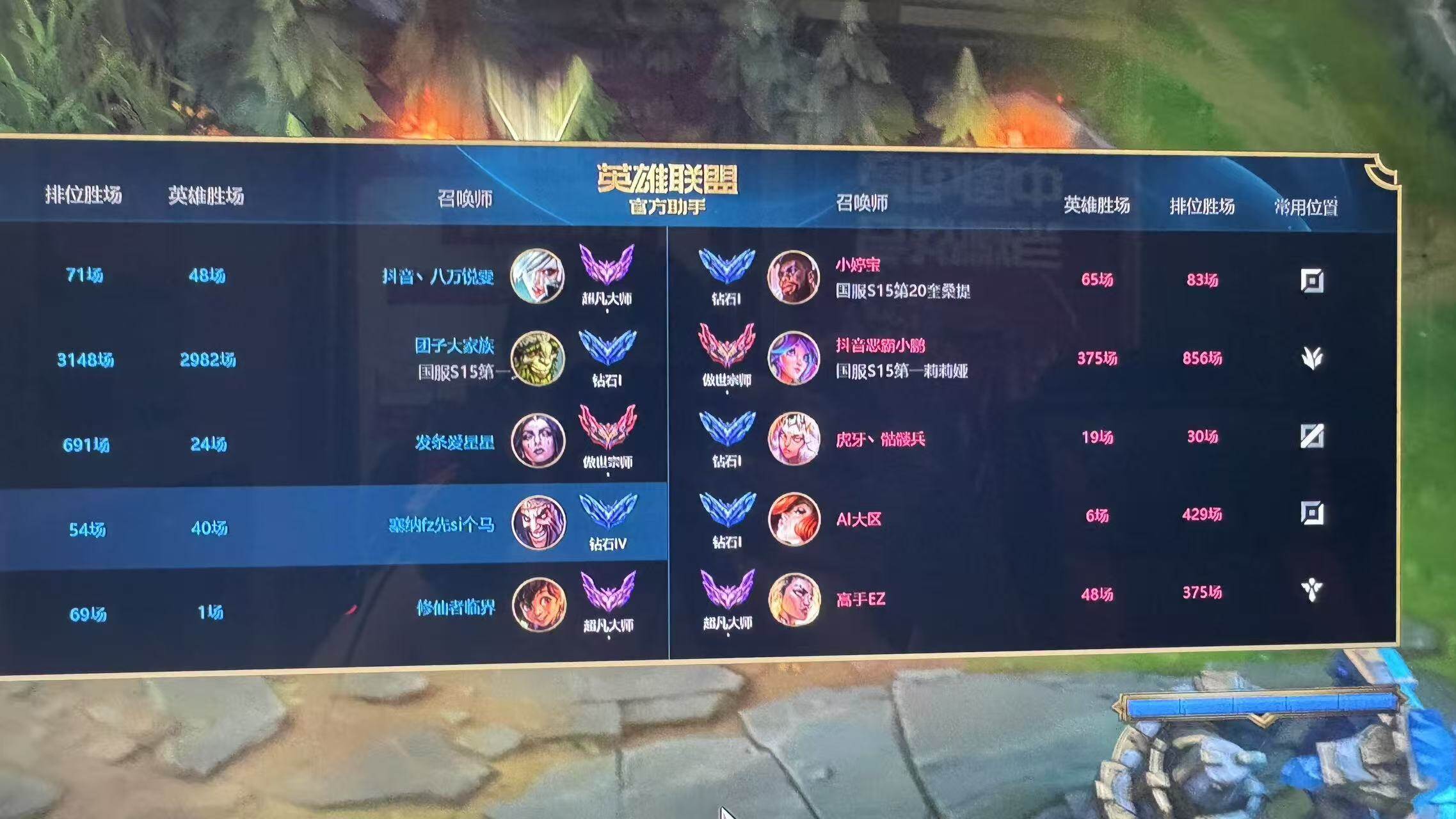
However, after the recent patch update, I feel like I know nothing about the matches anymore, and I've even started suspecting that the players are throwing games. After thinking about it carefully, it's not just me—friends who frequently trade in the Polymarket LOL section should be feeling quite 'weird/chaotic' lately. Miraculous comebacks have been occurring frequently in regions like LPL and LCK, and if you didn't sell your position on the leading side in time, your entire position could go to zero.

Therefore, I've done some research and analysis—based on this patch's ability to close out games, how can one trade LOL matches on Polymarket with a higher chance of success.

After the Patch Changes, a Significant Gold Lead Doesn't Guarantee Closing Out the Game

Recently, many League of Legends matches have seen teams lose despite having a gold lead of over 5000 in the early game, such as NIP vs IG, WE vs AL, BLG vs TES, and several matches in the LCK.

In previous League of Legends patches, teams with an early gold lead could easily 'snowball,' gaining a larger gold advantage and closing out the game effortlessly.

After the changes in this patch, the decisive weight of gold in closing out a game has decreased. The current patch emphasizes 'advantage conversion, resource trading, team composition strength, and teamfight execution' more than simply the early-game gold numbers.

Advantage conversion refers to a team turning a gold lead into pushing towers, securing kills, and taking objectives (Herald, Voidgrubs, Dragons, Baron, etc.);

Resource trading means a team makes decisions to compensate for resources they give up by securing other resources;

League of Legends champions are categorized as early-game or late-game champions. Early-game champions excel in early teamfights but become less effective later, while late-game champions are weak early but often decide the game's outcome in late-game teamfights. This has a decisive impact on overall team composition and strategy. A team with an early-game composition must end quickly, otherwise, there's a high probability of being overturned. A team with a late-game composition will usually win if the game goes late;

Teamfight execution involves preparation before fights, vision control, champion positioning, etc., all of which have a significant impact. A single operational mistake by someone can trigger a chain reaction leading to a major disadvantage.

The League of Legends system mechanics also give the disadvantaged side significant opportunities:

1. Bounty Shutdown Compensation: When a core champion from the leading team is killed, it grants the trailing team a large bonus bounty and experience, potentially instantly reducing the gold gap by a thousand or more;

2. Objective Bounties: The trailing team receives extra gold and experience compensation for destroying key objectives like turrets, dragons, and Baron, helping them catch up;

3. Baron Buff Nerf: The rewards for killing Baron have been reduced in the current patch, emphasizing the conversion of secured objectives into tower pushes and map control.

Many recent comebacks also stem from the fact that the current meta's bot lane choices are no longer traditional marksmen (ADC) but mages. Compared to marksmen, many mage-type heroes cannot achieve sustained damage output in teamfights and have lower fault tolerance, which is a factor in some teams losing their early leads and being overturned late game recently.

In summary: Previous patches were more about 'securing objectives to snowball.' The leading team could easily end the game by controlling key targets. The current patch relies more on mid-to-late-game decision quality than early-game gold differentials. The leading team pushes towers, controls vision, secures objectives, and avoids giving shutdowns. The trailing team stabilizes farm, looks for pick opportunities, and contests key objectives. In actual matches, execution and team composition synergy often determine the final outcome more than pure gold numbers. This is the fundamental reason for the frequent skirmishes, upsets, and difficulty in converting early advantages into victories in the current patch.

What Strategies Are Better

Based on my months of experience on PM, let me first introduce the matches I often play and the regions I suggest avoiding. We are now in the third split of the League of Legends competitive season. Many teams with a chance need points to compete for a spot in the 2026 World Championship. As long as there is a chance, these teams will strive to win their remaining matches. In terms of seriousness and the correspondence between 'strength and result,' this split might be slightly easier to predict than the first two.

For example, if a match has very low importance and doesn't affect the subsequent schedule, teams might not take it very seriously. For instance, in the recent LCK KeSPA Cup match between GENG and DNS, it was evident that the GENG players were particularly tired. They didn't need this win, so they weren't playing with full seriousness, or perhaps their desire to win was lower, leading to an upset.

One: Choosing the Right Region is Important

First, you need to choose the right matches you want to participate in. The filtering criteria are: whether it affects a team's points for qualifying for the League of Legends World Championship, whether there are substantial monetary prizes, and whether certain players need to perform well this split to secure better salaries next season.

My experience is as follows:

Major Regions: LPL, LCK, LEC, LCS, LCP, CBLOL. Prioritize LPL, LCK, LEC, LCS:

I think LPL matches are still relatively 'normal,' and particularly outrageous situations don't usually occur. Comebacks happen due to the patch and players' weak closing ability (picking an early-game composition and dragging it to late game), wasting early advantages through attempted macro play and getting overturned, or selecting poor compositions. So far, I haven't seen any LPL team clearly dominate others. Currently, BLG, TES, AL, and WE are considered strong teams, but some teams are 'godlike one game, clown-like the next';

LCK matches depend entirely on player form and drafting (champion select). Player form has a higher reference weight than draft. T1, HLE, GENG, KT, DK are still the stronger teams. You can watch the first game to assess player form and then buy/sell in the second game;

The LEC overlords are still G2 and KC. You can completely trust these two teams if they want to win;

The LCS overlord is still LYON (the kind that wins when they want to and can lose a game if they choose to). LYON's starting jungler Inspired is currently unavailable and is being replaced by a veteran player, but this likely won't significantly affect their record. The issue in the North American region is that sometimes there are teams that clearly don't want to win (intentionally picking poor compositions or not contesting objectives), requiring attention for selling;

It's advisable not to touch matches from the Brazilian region CBLOL. There's a saying, 'Brazilian stage, come if you dare.' It's so fake you'll suspect some pro players are bots. For example: Version one, a weak team gets early kills and an advantage, but once objective fights start, the strong team takes over and wins. Version two, the strong team plays well early, gets kills and objectives, but in the final teamfight, they suddenly misplay, get aced, and lose. There are many versions, so I won't list them all.

I rarely participate in the LCP region, so I won't discuss it.

For some smaller tournaments:

In LCK Challengers (CK), T1, DK, and Nongshim are the three strong teams, but T1 has a significant lead. The other two, DK and Nongshim, also 'frequently' lose to bottom-tier teams. Most CK matches are essentially a '1:1 league,' meaning in a BO3, each team wins one of the first two games (it's common for a team to seem completely uncoordinated in game one or pick champions they can't play, then become unstoppable like they're cheating in game two), with a decisive third game. My suggestion is to only play matches involving these three teams. Try to avoid the rest. If you must play, you can try entering at the lowest price betting on an upset. Also, some CK matches don't have a live stream, making prediction difficult without watching live;

In the French LFL, the top dogs are GAL and SLY. You can try playing matches involving these two teams. Among the remaining teams, the skill gap isn't huge. You might predict based on draft, but games are often lost despite having a good composition.

The German Prime League most frequently goes to a full three-game series, with the stronger team winning (if you don't know the strong/weak teams, you can judge based on the market price).

Circuito Desafiante is the Brazilian secondary league, also recommended to avoid.

Don't play the Turkish TCL. The fastest available live stream delay is over 3 minutes, making it hard to judge the outcome.

The North American Challengers league is basically hell-level difficulty; wins and losses are all about the 'script.'

Two: Trading Strategies

Before trading, you can generally analyze based on team composition and player form. Regarding composition, what's important for a team is their champion synergy: Do they have engage champions (frontline tanks with crowd control)? Do they have a sustained damage marksman? Do the damage dealers have mobility skills and space to deal damage? What is the power spike of key team champions? How is the AOE (area of effect) damage and burst of mages? Is there champion combo potential?

Assessing player form requires you to be someone who frequently watches matches and is familiar with a particular player's playstyle. This allows you to discern if their current performance differs significantly from their usual games and if they can effectively generate advantages for their team with a specific champion.

A small skirmish over an objective or one or two kills usually affects the price by 5-10 cents. My experience:

(1) Learn to Place Orders

1. For matches where you are certain one team has a significantly stronger lineup, place limit orders to buy at 5-15 cents below the market price, rather than buying at the current price. This minimizes your losses even if you're wrong;

2. For matches where the skill gap isn't that large, small reversals or major comebacks are common in this patch. A single small mistake can cause a 20-cent price swing for a team. If both teams are the type that likes to fight frequently, the prices for both sides will fluctuate considerably. Perhaps you can try placing limit orders for an equal number of shares on both sides simultaneously; as long as the total cost is below 100 cents, you profit. For example, A vs B. Team A has an early advantage, but Team B has a mid-to-late advantage. It's hard to confirm which team will close. In this case, soon after the match starts, you can place limit orders to buy 100 shares of A at 25-40 cents and 100 shares of B at 25-40 cents. Your total cost would be 50-80 cents, giving you a profit margin of 20-50 cents. If the price fluctuations are small, you might fail, but currently, for most major region matches without a huge skill gap, you can get fills for both A and B, depending on whether your bid prices are reasonable.

PS: I'm a relatively aggressive trader. I often place orders at 25 cents. Matches suitable for this strategy include CK matches (the first two games of a BO3), LFL matches (the first two games of a BO3), and German league matches (the first two games of a BO3). It's best to use this strategy in matches where the team gap isn't enormous.

3. As mentioned earlier, each team's composition has a power spike. Before this spike, they might be at a disadvantage. Once they hit their power spike, they can turn the tables. You can buy low during their weak phase and then place a sell order 20-40 cents above your purchase price, aiming for price swings rather than betting on the final outcome. Determining when a team's power spike occurs requires watching many matches to analyze.

(2) Sell in Time

Everyone has different playstyles. Some like to buy above 90 cents as a stable 'investment.' Some like to buy in the 50-80 cent range aiming for a big payout. In these cases, the selling price is extremely important.

Prediction markets are like crypto trading—the most important thing is learning to take profits (I still haven't mastered this). As mentioned, many matches see large early advantages wasted by dragging the game. If the team you favor gains an early advantage and your entry price was low, you should place sell orders in the 85-95 cent range. This is crucial. In many matches, I picked the correct early-game dominant side but often failed to sell in time, leading to a last-minute comeback and no chance to exit before my position went to zero.

My current selling habit is: For positions entered at 50-60 cents, I sell 75% at 85-90 cents. Even if the remaining 25% position goes to zero due to an upset, it's not too painful.

Another extreme method is: After buying the favored team low and selling high, immediately place an order for the opposing team (e.g., buy Team A at 30 cents, sell at 75 cents, then buy Team B at 25 cents, and finally Team B wins). This requires a zero-delay live stream and a deep understanding of the game's flow.

(3) Position Management

Learning position management is important. Don't tilt after losing a couple of matches and go all-in on the next one, as this can easily lead to a total loss. You can set a rule that the maximum amount per match does not exceed 5% or 10% of your principal. Most importantly, don't be affected by a few wins or losses. Some smaller region matches might have a day where all results are upsets (the last-place team crushing the first-place team). What you need to do most at such times is turn off the computer and find something else to do. Continuous tilt will lead to continuous losses.

Conclusion

When I started with prediction markets, it went smoothly, and I rarely lost. But recently, after the patch update, everything has become chaotic. Playing LOL predictions requires watching important matches and understanding how factors like gold, composition, team playstyle, and regional meta affect the game. This will help you quickly adapt to the patch.

The next patch update will be in August, where the influence of traditional marksmen is expected to increase. Many of the current mage bot lanes might disappear. If I have better insights for the next patch, I will promptly share them.

The above is merely my humble opinion, for reference only and not investment advice. Trading requires careful analysis and attention to risk. I also hope everyone develops their own strategies and theories to make more money. Furthermore, feel free to contact me anytime!(@LeoAndCrypto)


Трендові криптовалюти

Пов'язані питання

QAccording to the article, what are the key factors that have made comebacks more frequent in the current version of League of Legends for prediction markets?

AThe article states that the current version has reduced the decisive weight of early-game gold leads. Key factors making comebacks more frequent include the game now emphasizing advantage conversion, resource trading, team composition strength, and teamfight execution over pure gold numbers. Systemic mechanics like bounty shutdowns and strategic point compensation also give the losing team significant opportunities to close the gap.

QWhat is the author's primary recommendation for managing risk when trading on a team that has taken an early lead?

AThe author's primary recommendation for managing risk on an early-leading team is to learn to take profits (止盈) and sell in time. Specifically, they suggest placing sell orders for a significant portion of the position (e.g., 75%) in the 85 to 90 cents range if the initial buy was around 50-60 cents. This prevents the entire position from going to zero if the team suffers a late-game comeback.

QWhich League of Legends regions does the author advise traders to be cautious about or avoid, and why?

AThe author advises being very cautious or avoiding the Brazilian CBLOL and Turkish TCL regions. For CBLOL, the matches are described as unpredictable and sometimes suspicious, with patterns that feel scripted. For TCL, the primary issue is high broadcast delay (over 3 minutes), making real-time prediction and trading very difficult. The North American Challengers league is also mentioned as being extremely difficult due to unpredictable 'scripts'.

QBesides team strength, what two main pre-game factors does the author suggest analyzing for better trade decisions?

AThe two main pre-game factors to analyze are: 1) Team composition (英雄选择), focusing on elements like engage tools, a sustained-damage ADC, the power spikes of key champions, and champion synergy/combo potential. 2) Player form/state (选手状态), which requires familiarity with a player's usual style to judge if their current performance deviates significantly.

QWhat trading strategy does the author mention for matches between two closely matched teams where the outcome is highly volatile?

AThe author suggests a strategy of simultaneously placing limit buy orders for both teams (A and B) at low prices (e.g., between 25-40 cents) at the start of the match. The goal is to acquire shares in both teams for a total cost below 100 cents (e.g., 50-80 cents total), creating a profit window of 20-50 cents regardless of which team wins, as long as the match is back-and-forth and the orders are filled. This works best in major regions where such price volatility is common.

Пов'язані матеріали

Strong Growth, Moderate Rate Hikes, Controllable Oil Prices: The Market is Pricing a Non-existent Perfection

The global market is currently pricing in a contradictory "Goldilocks" scenario of robust growth, limited interest rate hikes, manageable energy supply shocks, and declining oil prices. Deutsche Bank strategist Henry Allen warns this leaves little room for error regarding policy, inflation, or geopolitics. While U.S. equities hit record highs and credit spreads are tight, signaling strong growth, interest rate markets price in only minimal Fed tightening ahead, despite inflation remaining above target. This combination is difficult to sustain. Historically, starting inflation levels suggest a much more aggressive Fed hiking cycle than currently anticipated, as seen in 2022. Furthermore, oil price declines contradict ongoing supply risks, with the Strait of Hormuz still disrupted. Market expectations for future supply recovery and lower prices depend on resolutions not yet achieved. Energy volatility and potential new inflationary pressures from AI-driven demand highlight persistent inflation risks. The core risk is that the multiple optimistic assumptions underpinning current asset prices fail to materialize simultaneously. Strong growth with loose financial conditions could force more aggressive Fed action, while prolonged energy disruptions could undermine disinflation. Markets have priced a near-perfect outcome with minimal margin for deviation, meaning any single factor disappointing expectations could trigger a broad repricing of growth, rates, and risk assets.

marsbit3 хв тому

Strong Growth, Moderate Rate Hikes, Controllable Oil Prices: The Market is Pricing a Non-existent Perfection

marsbit3 хв тому

Торгівля

Спот

Популярні статті

Що таке $S$

Розуміння SPERO: Комплексний огляд Вступ до SPERO Оскільки ландшафт інновацій продовжує еволюціонувати, виникнення технологій web3 та криптовалютних проектів відіграє ключову роль у формуванні цифрового майбутнього. Один з проектів, який привернув увагу в цій динамічній сфері, — це SPERO, позначений як SPERO,$$s$. Ця стаття має на меті зібрати та представити детальну інформацію про SPERO, щоб допомогти ентузіастам та інвесторам зрозуміти його основи, цілі та інновації в рамках web3 та крипто-сектору. Що таке SPERO,$$s$? SPERO,$$s$ — це унікальний проект у криптопросторі, який прагне використати принципи децентралізації та технології блокчейн для створення екосистеми, що сприяє залученню, корисності та фінансовій інклюзії. Проект розроблений для полегшення взаємодії між користувачами новими способами, надаючи їм інноваційні фінансові рішення та послуги. У своїй основі SPERO,$$s$ прагне надати можливості індивідам, забезпечуючи інструменти та платформи, які покращують користувацький досвід у криптовалютному просторі. Це включає в себе можливість більш гнучких методів транзакцій, сприяння ініціативам, що підтримуються спільнотою, та створення шляхів для фінансових можливостей через децентралізовані додатки (dApps). Основна концепція SPERO,$$s$ обертається навколо інклюзивності, прагнучи зменшити розриви в традиційній фінансовій системі, використовуючи переваги технології блокчейн. Хто є творцем SPERO,$$s$? Особистість творця SPERO,$$s$ залишається дещо невідомою, оскільки є обмежені публічно доступні ресурси, що надають детальну інформацію про його засновників. Ця відсутність прозорості може бути наслідком зобов'язання проекту до децентралізації — етики, яку багато проектів web3 поділяють, ставлячи колективні внески вище за індивідуальне визнання. Зосереджуючи обговорення навколо спільноти та її колективних цілей, SPERO,$$s$ втілює суть наділення без виділення конкретних осіб. Таким чином, розуміння етики та місії SPERO є більш важливим, ніж ідентифікація єдиного творця. Хто є інвесторами SPERO,$$s$? SPERO,$$s$ підтримується різноманітними інвесторами, починаючи від венчурних капіталістів до ангельських інвесторів, які прагнуть сприяти інноваціям у крипто-секторі. Зосередження цих інвесторів зазвичай узгоджується з місією SPERO — пріоритет надається проектам, які обіцяють технологічний прогрес у суспільстві, фінансову інклюзію та децентралізоване управління. Ці інвесторські фонди зазвичай зацікавлені в проектах, які не лише пропонують інноваційні продукти, але й позитивно впливають на спільноту блокчейн та її екосистеми. Підтримка з боку цих інвесторів підкріплює SPERO,$$s$ як значного конкурента в швидко змінюваній сфері крипто-проектів. Як працює SPERO,$$s$? SPERO,$$s$ використовує багатогранну структуру, яка відрізняє його від традиційних криптовалютних проектів. Ось деякі ключові особливості, які підкреслюють його унікальність та інноваційність: Децентралізоване управління: SPERO,$$s$ інтегрує моделі децентралізованого управління, надаючи користувачам можливість активно брати участь у процесах прийняття рішень щодо майбутнього проекту. Цей підхід сприяє відчуттю власності та відповідальності серед членів спільноти. Корисність токена: SPERO,$$s$ використовує свій власний криптовалютний токен, розроблений для виконання різних функцій в екосистемі. Ці токени дозволяють здійснювати транзакції, отримувати винагороди та полегшувати послуги, що пропонуються на платформі, підвищуючи загальну залученість та корисність. Шарова архітектура: Технічна архітектура SPERO,$$s$ підтримує модульність та масштабованість, що дозволяє безперешкодно інтегрувати додаткові функції та додатки в міру розвитку проекту. Ця адаптивність є надзвичайно важливою для збереження актуальності в постійно змінюваному крипто-ландшафті. Залучення спільноти: Проект підкреслює ініціативи, що підтримуються спільнотою, використовуючи механізми, які стимулюють співпрацю та зворотний зв'язок. Підтримуючи сильну спільноту, SPERO,$$s$ може краще задовольняти потреби користувачів та адаптуватися до ринкових тенденцій. Фокус на інклюзію: Пропонуючи низькі комісії за транзакції та зручні інтерфейси, SPERO,$$s$ прагне залучити різноманітну базу користувачів, включаючи осіб, які раніше не брали участі в крипто-просторі. Це зобов'язання до інклюзії узгоджується з його загальною місією наділення через доступність. Хронологія SPERO,$$s$ Розуміння історії проекту надає важливі уявлення про його розвиток та етапи. Нижче наведено пропоновану хронологію, що відображає значні події в еволюції SPERO,$$s$: Етап концептуалізації та ідеації: Початкові ідеї, що стали основою SPERO,$$s$, були сформовані, тісно пов'язані з принципами децентралізації та фокусом на спільноті в індустрії блокчейн. Запуск білого паперу проекту: Після концептуального етапу був випущений комплексний білий папір, що детально описує бачення, цілі та технологічну інфраструктуру SPERO,$$s$, щоб залучити інтерес та зворотний зв'язок від спільноти. Створення спільноти та ранні залучення: Активні зусилля були спрямовані на створення спільноти ранніх прихильників та потенційних інвесторів, що полегшило обговорення цілей проекту та отримання підтримки. Подія генерації токенів: SPERO,$$s$ провів подію генерації токенів (TGE) для розподілу своїх рідних токенів серед ранніх прихильників та встановлення початкової ліквідності в екосистемі. Запуск початкового dApp: Перший децентралізований додаток (dApp), пов'язаний з SPERO,$$s$, став доступним, дозволяючи користувачам взаємодіяти з основними функціями платформи. Постійний розвиток та партнерства: Безперервні оновлення та вдосконалення пропозицій проекту, включаючи стратегічні партнерства з іншими учасниками блокчейн-простору, сформували SPERO,$$s$ у конкурентоспроможного та еволюціонуючого гравця на крипто-ринку. Висновок SPERO,$$s$ є свідченням потенціалу web3 та криптовалют для революціонізації фінансових систем та наділення індивідів. Завдяки зобов'язанню до децентралізованого управління, залучення спільноти та інноваційно спроектованих функцій, він прокладає шлях до більш інклюзивного фінансового ландшафту. Як і з будь-якими інвестиціями в швидко змінюваному крипто-просторі, потенційним інвесторам та користувачам рекомендується ретельно досліджувати та обдумано взаємодіяти з поточними подіями в SPERO,$$s$. Проект демонструє інноваційний дух крипто-індустрії, запрошуючи до подальшого дослідження його численних можливостей. Хоча подорож SPERO,$$s$ ще триває, його основні принципи можуть справді вплинути на майбутнє того, як ми взаємодіємо з технологією, фінансами та один з одним у взаємопов'язаних цифрових екосистемах.

284 переглядів усьогоОпубліковано 2024.12.17Оновлено 2024.12.17

Що таке $S$

Що таке AGENT S

Агент S: Майбутнє автономної взаємодії в Web3 Вступ У постійно змінюваному ландшафті Web3 та криптовалюти інновації постійно переосмислюють, як люди взаємодіють з цифровими платформами. Один з таких новаторських проектів, Агент S, обіцяє революціонізувати взаємодію людини з комп'ютером через свою відкриту агентну структуру. Прокладаючи шлях для автономних взаємодій, Агент S прагне спростити складні завдання, пропонуючи трансформаційні застосування в штучному інтелекті (ШІ). Це детальне дослідження заглиблюється в складності проекту, його унікальні особливості та наслідки для сфери криптовалюти. Що таке Агент S? Агент S є революційною відкритою агентною структурою, спеціально розробленою для вирішення трьох основних викликів в автоматизації комп'ютерних завдань: Набуття специфічних знань у галузі: Структура інтелектуально навчається з різних зовнішніх джерел знань та внутрішнього досвіду. Цей подвійний підхід дозволяє їй створити багатий репозиторій специфічних знань у галузі, покращуючи її продуктивність у виконанні завдань. Планування на довгих горизонтах завдань: Агент S використовує планування з підкріпленням досвіду, стратегічний підхід, який полегшує ефективний розподіл та виконання складних завдань. Ця функція значно підвищує її здатність ефективно та результативно управляти кількома підзавданнями. Обробка динамічних, неоднорідних інтерфейсів: Проект представляє Інтерфейс Агент-Комп'ютер (ACI), інноваційне рішення, яке покращує взаємодію між агентами та користувачами. Використовуючи багатомодальні великі мовні моделі (MLLMs), Агент S може безперешкодно орієнтуватися та маніпулювати різноманітними графічними інтерфейсами користувача. Завдяки цим новаторським функціям Агент S надає надійну структуру, яка вирішує складнощі, пов'язані з автоматизацією людської взаємодії з машинами, прокладаючи шлях для численних застосувань у ШІ та за його межами. Хто є творцем Агент S? Хоча концепція Агент S є фундаментально новаторською, конкретна інформація про його творця залишається невідомою. Творець наразі невідомий, що підкреслює або початкову стадію проекту, або стратегічний вибір зберегти засновників у таємниці. Незважаючи на анонімність, акцент залишається на можливостях та потенціалі структури. Хто є інвесторами Агент S? Оскільки Агент S є відносно новим у криптографічній екосистемі, детальна інформація про його інвесторів та фінансових спонсорів не задокументована. Відсутність публічно доступних відомостей про інвестиційні фонди або організації, що підтримують проект, викликає питання щодо його фінансової структури та дорожньої карти розвитку. Розуміння підтримки є критично важливим для оцінки стійкості проекту та потенційного впливу на ринок. Як працює Агент S? В основі Агент S лежить передова технологія, яка дозволяє йому ефективно функціонувати в різних умовах. Його операційна модель побудована навколо кількох ключових функцій: Взаємодія з комп'ютером, подібна до людської: Структура пропонує розширене планування ШІ, прагнучи зробити взаємодії з комп'ютерами більш інтуїтивними. Імітуючи людську поведінку при виконанні завдань, вона обіцяє підвищити досвід користувачів. Наративна пам'ять: Використовується для використання високорівневого досвіду, Агент S використовує наративну пам'ять для відстеження історій завдань, тим самим покращуючи свої процеси прийняття рішень. Епізодична пам'ять: Ця функція надає користувачам покрокові інструкції, дозволяючи структурі пропонувати контекстуальну підтримку в міру виконання завдань. Підтримка OpenACI: Завдяки можливості працювати локально, Агент S дозволяє користувачам зберігати контроль над своїми взаємодіями та робочими процесами, узгоджуючи з децентралізованою етикою Web3. Легка інтеграція з зовнішніми API: Його універсальність і сумісність з різними платформами ШІ забезпечують те, що Агент S може безперешкодно вписатися в існуючі технологічні екосистеми, роблячи його привабливим вибором для розробників та організацій. Ці функціональні можливості колективно сприяють унікальному положенню Агент S у крипто-просторі, оскільки він автоматизує складні, багатоступеневі завдання з мінімальним втручанням людини. У міру розвитку проекту його потенційні застосування в Web3 можуть переосмислити, як відбуваються цифрові взаємодії. Хронологія Агент S Розробка та етапи Агент S можуть бути узагальнені в хронології, яка підкреслює його значні події: 27 вересня 2024 року: Концепція Агент S була представлена в комплексній науковій статті під назвою “Відкрита агентна структура, яка використовує комп'ютери як людина”, що демонструє основи проекту. 10 жовтня 2024 року: Наукова стаття була опублікована на arXiv, пропонуючи детальне дослідження структури та її оцінки продуктивності на основі бенчмарку OSWorld. 12 жовтня 2024 року: Було випущено відеопрезентацію, що надає візуальне уявлення про можливості та особливості Агент S, ще більше залучаючи потенційних користувачів та інвесторів. Ці маркери в хронології не лише ілюструють прогрес Агент S, але й вказують на його прихильність до прозорості та залучення громади. Ключові моменти про Агент S У міру розвитку структури Агент S кілька ключових характеристик виділяються, підкреслюючи її новаторський характер та потенціал: Інноваційна структура: Розроблена для забезпечення інтуїтивного використання комп'ютерів, подібного до людської взаємодії, Агент S пропонує новий підхід до автоматизації завдань. Автономна взаємодія: Здатність автономно взаємодіяти з комп'ютерами через GUI означає стрибок до більш інтелектуальних та ефективних обчислювальних рішень. Автоматизація складних завдань: Завдяки своїй надійній методології він може автоматизувати складні, багатоступеневі завдання, роблячи процеси швидшими та менш схильними до помилок. Безперервне вдосконалення: Механізми навчання дозволяють Агенту S покращуватися на основі минулого досвіду, постійно підвищуючи свою продуктивність та ефективність. Універсальність: Його адаптивність до різних операційних середовищ, таких як OSWorld та WindowsAgentArena, забезпечує його здатність служити широкому спектру застосувань. Оскільки Агент S займає своє місце в ландшафті Web3 та криптовалюти, його потенціал покращити можливості взаємодії та автоматизувати процеси означає значний прогрес у технологіях ШІ. Завдяки своїй інноваційній структурі Агент S є прикладом майбутнього цифрових взаємодій, обіцяючи більш безперешкодний та ефективний досвід для користувачів у різних галузях. Висновок Агент S представляє собою сміливий крок вперед у поєднанні ШІ та Web3, з можливістю переосмислити, як ми взаємодіємо з технологією. Хоча проект все ще на ранніх стадіях, можливості для його застосування є величезними та переконливими. Завдяки своїй комплексній структурі, що вирішує критичні виклики, Агент S прагне вивести автономні взаємодії на передній план цифрового досвіду. У міру того, як ми заглиблюємося в сфери криптовалюти та децентралізації, проекти, подібні до Агент S, безсумнівно, відіграватимуть ключову роль у формуванні майбутнього технологій та співпраці людини з комп'ютером.

894 переглядів усьогоОпубліковано 2025.01.14Оновлено 2025.01.14

Що таке AGENT S

Як купити S

Ласкаво просимо до HTX.com! Ми зробили покупку Sonic (S) простою та зручною. Дотримуйтесь нашої покрокової інструкції, щоб розпочати свою криптовалютну подорож.Крок 1: Створіть обліковий запис на HTXВикористовуйте свою електронну пошту або номер телефону, щоб зареєструвати обліковий запис на HTX безплатно. Пройдіть безпроблемну реєстрацію й отримайте доступ до всіх функцій.ЗареєструватисьКрок 2: Перейдіть до розділу Купити крипту і виберіть спосіб оплатиКредитна/дебетова картка: використовуйте вашу картку Visa або Mastercard, щоб миттєво купити Sonic (S).Баланс: використовуйте кошти з балансу вашого рахунку HTX для безперешкодної торгівлі.Треті особи: ми додали популярні способи оплати, такі як Google Pay та Apple Pay, щоб підвищити зручність.P2P: Торгуйте безпосередньо з іншими користувачами на HTX.Позабіржова торгівля (OTC): ми пропонуємо індивідуальні послуги та конкурентні обмінні курси для трейдерів.Крок 3: Зберігайте свої Sonic (S)Після придбання Sonic (S) збережіть його у своєму обліковому записі на HTX. Крім того, ви можете відправити його в інше місце за допомогою блокчейн-переказу або використовувати його для торгівлі іншими криптовалютами.Крок 4: Торгівля Sonic (S)Легко торгуйте Sonic (S) на спотовому ринку HTX. Просто увійдіть до свого облікового запису, виберіть торгову пару, укладайте угоди та спостерігайте за ними в режимі реального часу. Ми пропонуємо зручний досвід як для початківців, так і для досвідчених трейдерів.

1.9k переглядів усьогоОпубліковано 2025.01.15Оновлено 2026.06.02

Як купити S

Обговорення

Ласкаво просимо до спільноти HTX. Тут ви можете бути в курсі останніх подій розвитку платформи та отримати доступ до професійної ринкової інформації. Нижче представлені думки користувачів щодо ціни S (S).

活动图片