BRICS Nations Explore Integration of Central Bank Digital Currencies and Payment Systems, Says RBI Governor

cryptonews.ruОпубліковано о 2026-08-11Востаннє оновлено о 2026-08-11

Анотація

BRICS nations are exploring plans to integrate their central bank digital currencies (CBDCs) and fast payment systems, aiming to reduce the costs of cross-border money transfers within the bloc, stated Reserve Bank of India (RBI) Governor Sanjay Malhotra. He emphasized that cheaper cross-border payments are a shared priority, but noted discussions are at a very early stage, with various options under consideration. Linking the CBDCs of member countries could enable more direct and simplified payments by eliminating intermediary steps. This mechanism would leverage existing domestic channels to expedite international transfers for consumers and businesses, while also expanding the reach of currencies like the Indian rupee. India is actively pushing for the internationalization of the rupee and promoting the use of local currencies in trade. The RBI has reportedly asked the government to include the topic of linking CBDCs on the agenda for the 2026 BRICS summit, which India will host. Separately, Governor Malhotra also urged Indian financial institutions to catalog their AI models and implement board-approved AI governance policies.

BRICS members are exploring plans to link their Central Bank Digital Currencies (CBDCs) and fast payment systems, which could reduce the cost of transferring money between the bloc's economies, Reserve Bank of India Governor Sanjay Malhotra said on Tuesday.

Malhotra spoke at an event in Mumbai, naming cross-border remittances as a priority the group keeps returning to. However, he cautioned that the talks are at a very early stage. "Various options are being looked at, but they are still at a discussion stage, including central bank digital currencies (CBDCs) and integration of fast payment systems," he said.

The governor stated the reason for this focus is cost savings: "Cross-border payments are of interest to all of us, including the BRICS nations, because we feel there is great scope to reduce costs here."

Why Linking BRICS Nations' CBDCs Could Reduce Costs

Central Bank Digital Currencies (CBDCs) are digital forms of countries' official currencies, issued directly by their central banks. Creating a channel between these currencies would allow payments to be made in a more direct and simpler way between countries. This would remove the intermediaries money typically passes through and lower the cost of each transfer.

A payment mechanism using linked CBDCs would function differently, but its goal is to speed up the transfer of money abroad for consumers and businesses through already existing domestic channels. These channels would also expand the reach of the Indian rupee.

India Aims for Rupee Internationalization

RBI Governor Malhotra said the central bank will continue to work on internationalizing the rupee and promoting local currencies for trade and payments across borders. India is hosting the BRICS summit this year, an annual event bringing together the five countries: Brazil, Russia, India, China, and South Africa.

Earlier, the Reserve Bank of India had asked the Indian government to include a proposal on linking Central Bank Digital Currencies (CBDCs) on the summit's agenda in early 2026. The country's drive to internationalize its currency is one of the main reasons for pushing forward with efforts to link CBDCs within BRICS.

The governor also spoke at the event about Indian banks and financial institutions and their use of artificial intelligence. He urged them to catalog all AI models already operating in their institutions and to adopt an AI governance policy approved by their boards.

Трендові криптовалюти

Пов'язані питання

QWhat initiative are BRICS countries studying according to the governor of the Reserve Bank of India?

ABRICS countries are studying plans to link their Central Bank Digital Currencies (CBDCs) and fast payment systems.

QWhat is one of the main goals mentioned for linking BRICS CBDCs and payment systems?

AThe main goal is to reduce the cost of cross-border money transfers between the economies of the bloc.

QAccording to Governor Sanjay Malhotra, what is the current stage of negotiations on linking CBDCs?

AThe negotiations are at a very early stage and various options are still under discussion.

QHow could a mechanism using linked Central Bank Digital Currencies potentially work for cross-border payments?

AIt would allow payments to be made in a more direct and simple way between countries, using already established domestic channels, potentially eliminating intermediaries and speeding up transfers.

QWhat is one of India's key motivations for pursuing the linking of CBDCs within BRICS?

AA key motivation for India is the internationalization of the Indian rupee and promoting local currencies for cross-border trade and payments.

Пов'язані матеріали

OpenClaw Founder Peter Steinberg's Latest Speech: The Life and Death Revelation of an Open Source Project, How OpenClaw Emerged from the Eye of the Storm

Peter Steinberg, founder of the wildly popular open-source AI agent project OpenClaw, reflects on its turbulent journey from creation to near-collapse and resurgence. It began in late 2024 from his personal frustration with sending prompts from phone to computer. He built a WhatsApp relay that felt "magical," but initial excitement was limited to friends. After adding Discord support and launching a public server, the project exploded virally overnight, attracting massive attention, rebranding requests (from "Claudis" to OpenClaw), and even praise from NVIDIA's CEO. The intense scrutiny and pressure nearly broke Steinberg. The biggest technical crisis came from over-optimizing for a specific AI model provider, which suddenly canceled subscriptions, forcing a rushed shift to open-weight models. OpenClaw's weekly downloads plummeted before surging to a record high after being "declared dead." Steinberg realized he had stopped enjoying the build process and using his own product, making it a duty rather than a passion. His key lesson: "Fun is speed." Recovery came by refocusing on building for himself, forming a non-profit, and receiving crucial support (e.g., from NVIDIA for security). The team is now using OpenClaw to build OpenClaw itself, emphasizing its core value: a private, open alternative where "your agent, your machine, your life." He shares insights: the first user should be yourself; balance bug fixes with new features to maintain interest; the current bottleneck is reliable toolchains, especially for Mac testing. His story underscores that creation thrives on personal need, endures through storms when the joy of building returns, and persists by "living in the future and building what's missing."

marsbit14 хв тому

OpenClaw Founder Peter Steinberg's Latest Speech: The Life and Death Revelation of an Open Source Project, How OpenClaw Emerged from the Eye of the Storm

marsbit14 хв тому

US Stocks and Gold Rise Together, Bitcoin Rebound Absent, Have Bottom Signals Appeared?

While traditional assets like U.S. stocks and gold have rebounded strongly, Bitcoin continues to consolidate without following the uptrend. Since hitting an all-time high near $126,000 in October last year, Bitcoin has remained in a corrective phase, trading between $62,000 and $66,000 over the past month. Although U.S. spot Bitcoin ETFs have seen renewed net inflows recently—with the past week marking the best performance since mid-April—this buying pressure has been insufficient to counter persistent selling from miners and crypto companies. For instance, miner-linked wallets have seen their BTC balance drop by about 72% since late 2021. Some long-term indicators are showing early signs of a potential bottom. Metrics such as Reserve Risk, BTC price relative to its 2-year moving average, and the AHR999 index have entered historically oversold territory, suggesting improved long-term value. However, key indicators like MVRV Ratio, NUPL, and the Fear & Greed Index have not yet reached the extreme levels typically seen at major cycle lows. Furthermore, over 53% of Bitcoin supply remains in profit, and stablecoin liquidity is still contracting, indicating the market may need more time for a full capitulation phase. In summary, while select bottom signals are emerging, Bitcoin lacks the broad-based confirmation needed to declare a definitive cycle low. A sustained recovery will likely depend on continued ETF inflows, a reduction in structural selling pressure, and further deterioration in key on-chain metrics toward historical extremes.

marsbit16 хв тому

US Stocks and Gold Rise Together, Bitcoin Rebound Absent, Have Bottom Signals Appeared?

marsbit16 хв тому

After Yushu Got Hot, a 68-Year-Old Auto Parts Boss Bet 1.85 Billion

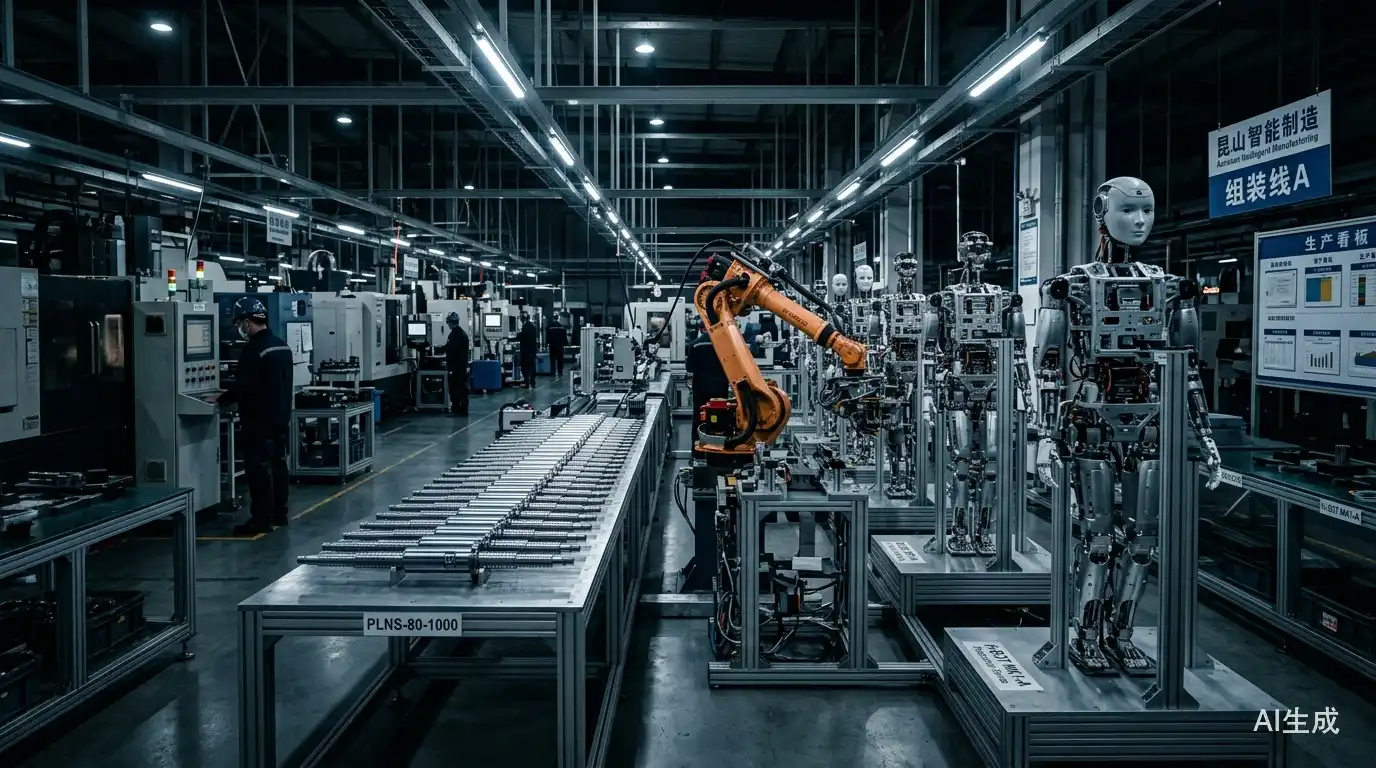
After staying relatively low-profile for years, Shanghai Bate Technology, a traditional auto parts supplier, has recently been thrust into the spotlight as a leading humanoid robotics concept stock. This shift is largely tied to the impending IPO of robotics company Unitree, with which Bate collaborates on prototype development. Bate's founder, 68-year-old Jin Kun, is making a bold bet on this new frontier. The company is investing 1.85 billion yuan to build a major R&D and production base in Kunshan for planetary roller screws—a key component in robot joints. With an annual capacity of 2.6 million sets planned, plus overseas expansion, this represents a massive, forward-looking commitment from a firm whose 2025 revenue of 2.3 billion yuan still relies almost entirely on its traditional automotive business (over 98%). The investment highlights a strategic pivot. Bate aims to leverage decades of expertise in metal processing, precision manufacturing, and heat treatment from the automotive sector and apply it to the burgeoning robotics industry. However, this move carries significant risk. The company has not yet secured formal supplier contracts or begun mass deliveries for its roller screws. It is essentially betting on future demand in a market that remains nascent. The broader industry context adds to the uncertainty. While multiple Chinese manufacturers are racing to invest in similar robotics component capacity (totaling over 6 billion yuan), the downstream humanoid robot market is still in its early stages. Estimates put 2025 global shipments at only around 18,000 units, primarily for entertainment, education, and data collection rather than large-scale industrial use. This creates a critical mismatch: the speed of upstream component factory construction and capital investment is far outpacing the commercialization and adoption of the robots themselves. Bate's story, driven by Jin Kun's decisive gamble, encapsulates the high-stakes transition facing traditional manufacturers seeking a "second growth curve" in robotics—a future full of potential but currently backed more by market anticipation than concrete financial results.

marsbit19 хв тому

After Yushu Got Hot, a 68-Year-Old Auto Parts Boss Bet 1.85 Billion

marsbit19 хв тому

EIP-8363 Explained: Burning Staking Rewards to Save Ethereum? Independent Node Operators Might Be the First to Leave

Analysis of EIP-8363: A Proposal to Burn Staking Rewards and its Potential Impacts on Ethereum A new Ethereum Improvement Proposal, EIP-8363, has sparked significant debate. Its core mechanism is to progressively burn validator consensus rewards, aiming to reduce the issuance rate to 0% once 50% of the total ETH supply is staked. Proponents argue this would cap the staked ETH ratio, enhancing credible neutrality and censorship resistance by discouraging excessive centralization among large staking operators and liquid staking token (LST) providers. However, a critical analysis suggests the proposal may create more problems than it solves. While it compresses the ETH staking range where profitability turns negative (from 70-100 million ETH down to 50-60 million ETH), it does not fundamentally alter the competitive disadvantage of independent stakers. Due to economies of scale, large operators would still retain advantages in costs and MEV opportunities. Independent stakers are predicted to be the first to face negative real returns under the new curve. The economic repercussions could be severe. A sharp decline in base staking yield would disrupt DeFi ecosystems built around this yield, potentially reversing incentives for borrowing ETH and triggering large-scale unwinding of leveraged staking strategies. This could lead to significant selling pressure on ETH as professional staking operations become unprofitable and exit. The proposal is criticized for being based on uncertain future market equilibriums and for potentially imposing costs that outweigh its stated benefits, without fully addressing the underlying issues of centralization it aims to solve.

marsbit20 хв тому

EIP-8363 Explained: Burning Staking Rewards to Save Ethereum? Independent Node Operators Might Be the First to Leave

marsbit20 хв тому

Торгівля

Спот

Популярні статті

Що таке $BANK

Bank AI: Революційний крок у майбутнє банківської справи Вступ В епоху, що характеризується швидкими технологічними змінами, Bank AI знаходиться на перетині штучного інтелекту (ШІ) та банківських послуг. Цей інноваційний проєкт прагне переосмислити фінансовий ландшафт, підвищуючи ефективність роботи, заходи безпеки та досвід клієнтів завдяки потужності ШІ. Розпочинаючи дослідження Bank AI, ми заглибимося в суть проєкту, його операційні динаміки, історичний контекст і значущі етапи. Що таке Bank AI? У своїй основі Bank AI представляє собою трансформаційну ініціативу, спрямовану на інтеграцію штучного інтелекту в різні банківські операції. Цей проєкт використовує можливості ШІ для автоматизації процесів, покращення протоколів управління ризиками та підвищення взаємодії з клієнтами через персоналізовані послуги. Основні цілі Bank AI включають: Автоматизація банківських функцій: Використовуючи технології ШІ, Bank AI прагне автоматизувати рутинні завдання, зменшуючи навантаження на людські ресурси та підвищуючи ефективність. Покращене управління ризиками: Проєкт використовує алгоритми ШІ для прогнозування та виявлення ризиків, тим самим зміцнюючи заходи безпеки проти шахрайства та інших загроз. Персоналізація банківських послуг: Bank AI зосереджується на пропозиції індивідуальних фінансових продуктів і послуг, аналізуючи дані і поведінку клієнтів. Покращення досвіду клієнтів: Впровадження рішень на основі ШІ, таких як чат-боти та віртуальні асистенти, має на меті забезпечити користувачам більш природну взаємодію, революціонізуючи спосіб, яким клієнти спілкуються з банками. З цими цілями Bank AI займає важливу роль в робленні банківської справи більш ефективною, безпечною та орієнтованою на користувача. Хто є творцем Bank AI? Деталі стосовно творця Bank AI залишаються невідомими. Таким чином, жодна конкретна особа або організація не були ідентифіковані в доступній інформації. Анонімність навколо створення проєкту піднімає питання, але це не зменшує його амбітного бачення та цілей. Хто є інвесторами Bank AI? Аналогічно творцеві проєкту, конкретна інформація стосовно інвесторів або організацій, що підтримують Bank AI, не була розкрито. Без цієї інформації важко окреслити фінансову підтримку та інституційну підтримку, які могли б сприяти розвитку проєкту. Тим не менше, важливість наявності міцної інвестиційної бази є вирішальною для забезпечення розвитку в такій інноваційній сфері. Як працює Bank AI? Bank AI функціонує на кількох інноваційних фронтах, фокусуючись на унікальних факторах, які відрізняють його від традиційних банківських структур. Нижче наведено ключові операційні характеристики: Автоматизація: Застосовуючи алгоритми машинного навчання, Bank AI автоматизує різні ручні процеси в банках. Це призводить до зниження операційних витрат і дозволяє працівникам перенаправити свої зусилля на більш стратегічні завдання. Покращене управління ризиками: Інтеграція ШІ в практики управління ризиками забезпечує банки інструментами для точного прогнозування потенційних загроз, таких як шахрайство, забезпечуючи при цьому безпеку інформації і активів клієнтів. Індивідуальні фінансові рекомендації: Завдяки безперервному навчанню з інтерaktionen з клієнтами, системи ШІ розвивають тонке розуміння потреб користувачів, що дозволяє їм пропонувати персоналізовані поради щодо фінансових рішень. Покращені взаємодії з клієнтами: Використовуючи чат-ботів і віртуальних асистентів на базі ШІ, Bank AI дозволяє створити більш залучений досвід для клієнтів, дозволяючи користувачам швидше отримувати відповіді на свої запитання, зменшуючи час очікування та підвищуючи рівень задоволеності. Разом ці операційні характеристики позиціонують Bank AI як піонера в банківському секторі, встановлюючи нові стандарти для надання послуг і операційної досконалості. Хронологія Bank AI Для розуміння траєкторії Bank AI необхідно ознайомитися з його історичним контекстом. Нижче наведено хронологію, що підкреслює важливі етапи та розробки: Ранні 2010-ті: Концептуалізація інтеграції ШІ в банківські послуги почала привертати увагу, коли банківські установи визнали потенційні переваги. 2018: Відбулося помітне збільшення впровадження технологій ШІ, коли банки почали використовувати інструменти ШІ, такі як чат-боти для базового обслуговування клієнтів та системи управління ризиками для покращення безпеки. 2023: Софістикація ШІ продовжувала розвиватися, з введенням генеративного ШІ для більш складних завдань, таких як обробка документів і аналіз інвестицій в реальному часі. Цей рік став важливим стрибком у можливостях, які забезпечує технологія ШІ для банків. 2024-актуальний статус: Станом на цей рік, Bank AI знаходиться на зростаючій траєкторії, з постійними дослідженнями та розробками, які готові подальше покращити можливості в банківських операціях. Продовження дослідження застосувань ШІ натякає на захоплюючі події, які ще попереду. Ключові моменти про Bank AI Інтеграція ШІ в банківську справу: Bank AI зосереджується на прийнятті штучного інтелекту для оптимізації банківських процесів та покращення досвіду користувачів. Автоматизація та фокус на управлінні ризиками: Проєкт сильного підкреслює ці сфери, прагнучи зshift тягар рутинних завдань, водночас підвищуючи безпеку через прогнозну аналітику. Персоналізовані банківські рішення: Завдяки використанню даних клієнтів, Bank AI забезпечує персоналізовані банківські послуги, що відповідають потребам окремих користувачів. Прихильність до розвитку: Bank AI залишається відданим постійним дослідженням і розробкам, що забезпечують його адаптацію та постійну актуальність у міру того, як технології продовжують розвиватися. Висновок Підсумовуючи, Bank AI є важливим кроком вперед у банківській індустрії, використовуючи штучний інтелект для переформатування операційних парадигм, підвищення безпеки та сприяння задоволеності клієнтів. Незважаючи на прогалини в інформації щодо творця та інвесторів, чіткі цілі і функціональні механізми Bank AI забезпечують міцну основу для його подальшої еволюції. Оскільки технологія ШІ продовжує розвиватися та інтегруватися в банківський сектор, Bank AI має всі шанси суттєво вплинути на майбутнє фінансових послуг, покращуючи спосіб, яким ми розуміємо та взаємодіємо з банківською справою.

277 переглядів усьогоОпубліковано 2024.04.06Оновлено 2024.12.03

Що таке $BANK

Як купити BANK

Ласкаво просимо до HTX.com! Ми зробили покупку Lorenzo Protocol (BANK) простою та зручною. Дотримуйтесь нашої покрокової інструкції, щоб розпочати свою криптовалютну подорож.Крок 1: Створіть обліковий запис на HTXВикористовуйте свою електронну пошту або номер телефону, щоб зареєструвати обліковий запис на HTX безплатно. Пройдіть безпроблемну реєстрацію й отримайте доступ до всіх функцій.ЗареєструватисьКрок 2: Перейдіть до розділу Купити крипту і виберіть спосіб оплатиКредитна/дебетова картка: використовуйте вашу картку Visa або Mastercard, щоб миттєво купити Lorenzo Protocol (BANK).Баланс: використовуйте кошти з балансу вашого рахунку HTX для безперешкодної торгівлі.Треті особи: ми додали популярні способи оплати, такі як Google Pay та Apple Pay, щоб підвищити зручність.P2P: Торгуйте безпосередньо з іншими користувачами на HTX.Позабіржова торгівля (OTC): ми пропонуємо індивідуальні послуги та конкурентні обмінні курси для трейдерів.Крок 3: Зберігайте свої Lorenzo Protocol (BANK)Після придбання Lorenzo Protocol (BANK) збережіть його у своєму обліковому записі на HTX. Крім того, ви можете відправити його в інше місце за допомогою блокчейн-переказу або використовувати його для торгівлі іншими криптовалютами.Крок 4: Торгівля Lorenzo Protocol (BANK)Легко торгуйте Lorenzo Protocol (BANK) на спотовому ринку HTX. Просто увійдіть до свого облікового запису, виберіть торгову пару, укладайте угоди та спостерігайте за ними в режимі реального часу. Ми пропонуємо зручний досвід як для початківців, так і для досвідчених трейдерів.

894 переглядів усьогоОпубліковано 2025.05.09Оновлено 2026.06.02

Як купити BANK

Обговорення

Ласкаво просимо до спільноти HTX. Тут ви можете бути в курсі останніх подій розвитку платформи та отримати доступ до професійної ринкової інформації. Нижче представлені думки користувачів щодо ціни BANK (BANK).

活动图片