Is crypto heading for another Q1-style sell-off amid macro FUD?

ambcryptoОпубліковано о 2026-07-08Востаннє оновлено о 2026-07-08

Анотація

Amid renewed macro concerns, including rising oil prices due to U.S. sanctions on Iran, the crypto market faces the risk of another Q1-style sell-off. Recent macro-driven volatility saw over $1 trillion erased from risk assets, mirroring earlier patterns where surging oil prices coincided with crypto market declines. Technical indicators show significant downside liquidity, with billions in potential Bitcoin liquidations if prices fall further. While Bitcoin ETF inflows hint at recovering institutional demand, they remain insufficient to offset recent outflows, leaving the market vulnerable. With weakening sentiment and growing macro pressure, the conditions for a sustained risk-off rotation in crypto are increasingly present.

Market FUD is back in focus, even though broader sentiment hasn’t fully priced it in yet.

From a macro perspective, the U.S. is revoking Iran’s newly issued general license to export oil after Iran reportedly struck three commercial vessels in the Strait of Hormuz. The U.S. called Iran’s actions “wholly unacceptable” and warned it would respond with consequences.

Naturally, this puts oil supply back in focus, raises the risk of higher crude prices, and adds another macro headwind for the crypto market, setting up conditions similar to the early Q1 risk-off rotation. Notably, the technicals are already hinting that this rotation may be underway.
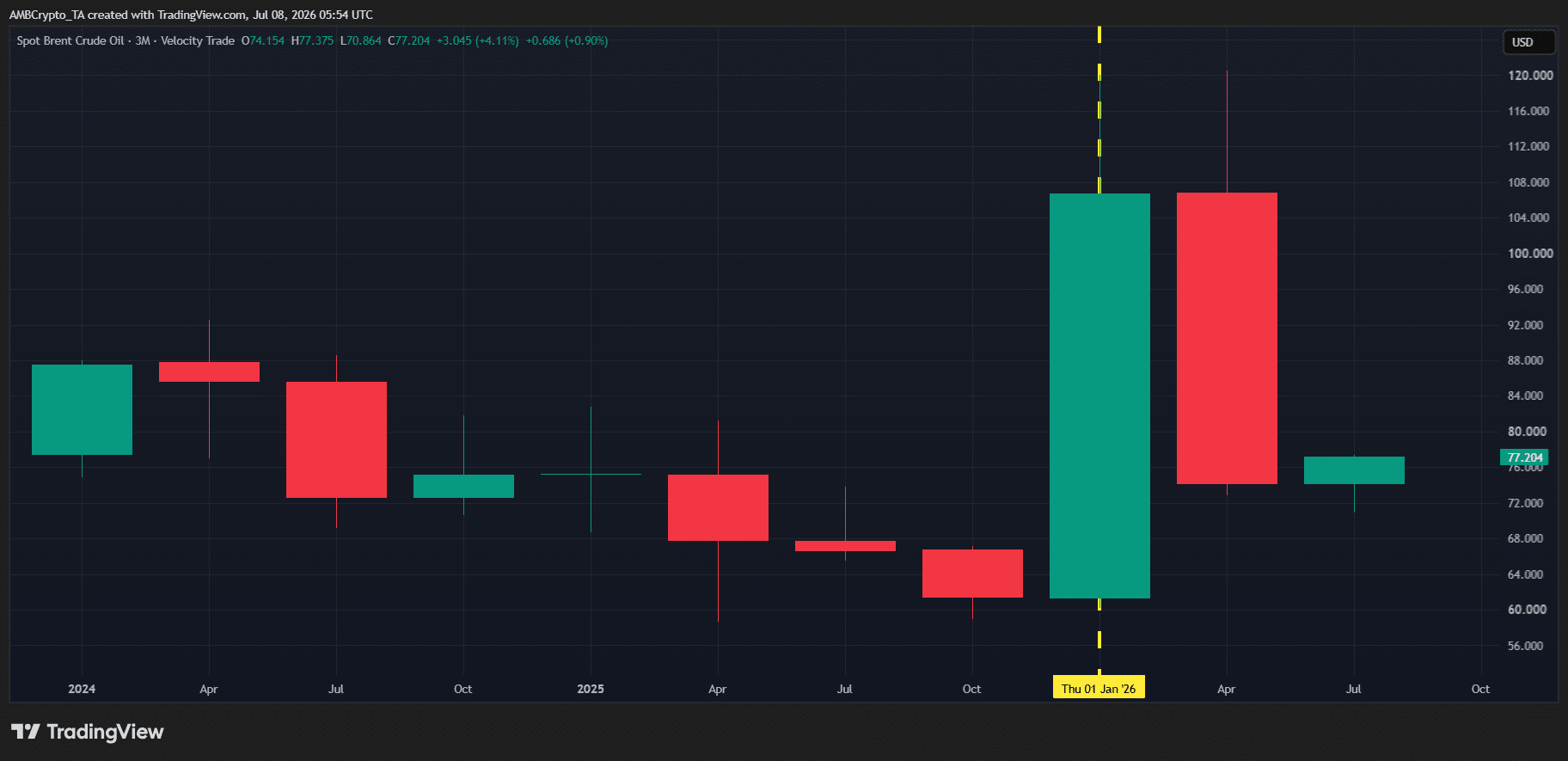
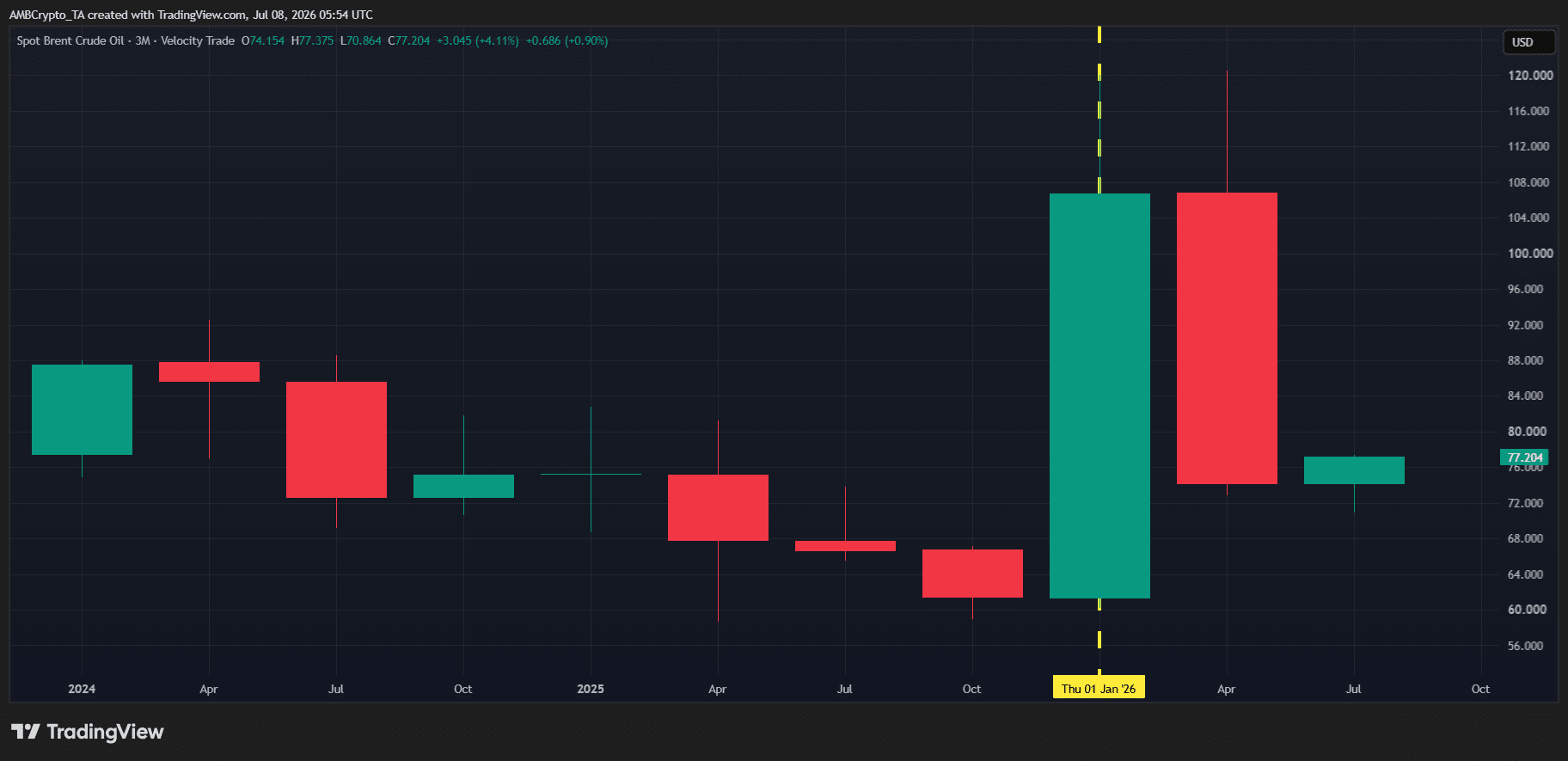
Source: TradingView (TOTAL/USDT)

As the chart above shows, Brent crude has jumped 6%+ in less than 48 hours, while the crypto market has shed around $50 billion in market cap. We’ve seen this setup before. In Q1, Brent rallied 73%+ over the quarter, while the total crypto market cap dropped 20%+ as macro FUD pushed capital out of risk assets.

Naturally, the question is: Is crypto setting up for another Q3 risk-off move?

For starters, the latest sell-off wasn’t just a crypto event. The U.S. erased more than $1 trillion from stocks, precious metals, and crypto within 30 minutes when it announced the revocation of Iran’s oil export license. That tells us the move was macro-driven, not “crypto-specific.” That said, with markets now starting to price in longer-term macro risks, the current setup still leaves room for another Q1-style rotation.

Macro pressure meets weak crypto market structure

Currently, calling the crypto market stable would be a stretch.

From a technical standpoint, the ongoing capital outflows are already showing up in sentiment. The Crypto Fear & Greed Index has rolled over sharply. Sure, it hasn’t reached the extreme fear levels seen in Q1, but with the current fragile market structure, that scenario is still on the table as investors start pricing in the longer-term impact of higher oil prices.

ETF flows tell the story: Bitcoin ETFs have already seen over $200 million in July inflows, signaling a return of institutional demand. But those inflows barely dent the more than $6 billion in outflows over the past two months. In other words, institutional positioning has improved, but it hasn’t fully recovered, leaving crypto vulnerable if macro pressure continues to build.
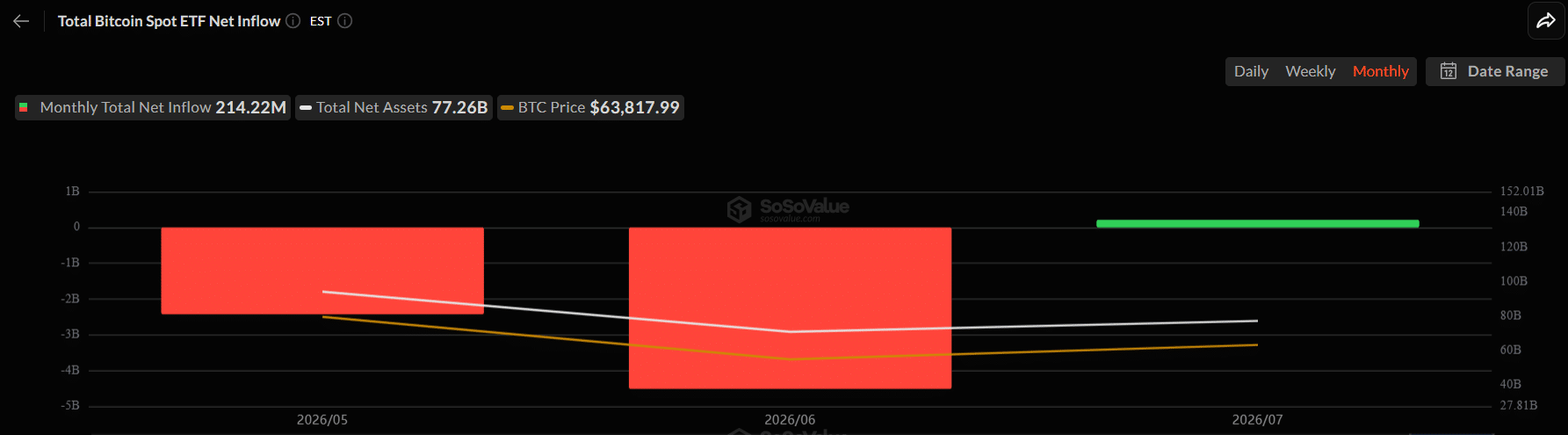
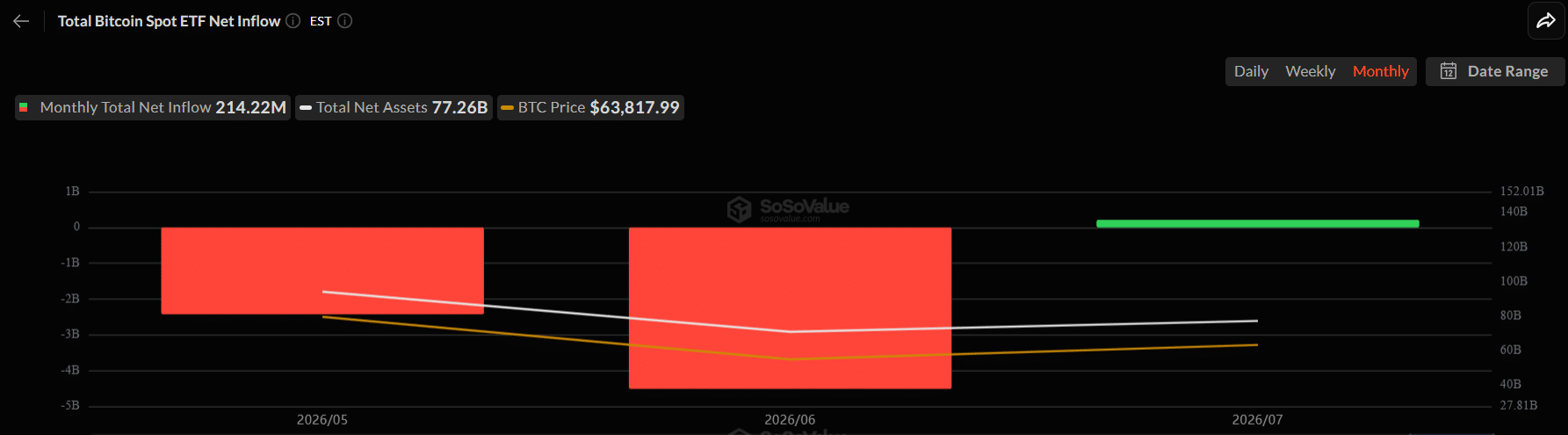
Source: SoSoValue

To make matters worse, the recent consolidation has stacked a huge amount of liquidity below price.

According to analysts, around $1.4 billion in Bitcoin long positions would be liquidated if BTC drops to $53,500, roughly 15% below the current spot price. That’s a massive long liquidity cluster, meaning sellers still have plenty of downside liquidity to target if macro sentiment deteriorates.

Against this backdrop, the crypto market sits at a critical inflection point. Macro risks are building, sentiment is weakening, and downside liquidity continues to grow. Unless ETF demand accelerates enough to absorb the selling pressure, the odds of another Q1-style risk-off rotation will remain firmly on the table.


Final Summary

  • Rising oil prices and macro FUD could trigger another Q1-style risk-off move for crypto.
  • ETF inflows are recovering, but downside liquidity still leaves Bitcoin vulnerable to another sell-off.


Трендові криптовалюти

Пов'язані питання

QAccording to the article, what specific macro event is creating FUD and risk-off sentiment similar to early Q1?

AThe U.S. revoking Iran's oil export license after Iran reportedly struck vessels in the Strait of Hormuz, which puts oil supply back in focus and raises the risk of higher crude prices.

QWhat evidence from ETF flows does the article provide about the current state of institutional demand for Bitcoin?

ABitcoin ETFs have seen over $200 million in inflows in July, signaling a return of institutional demand. However, these inflows are small compared to the more than $6 billion in outflows over the past two months, indicating positioning has improved but not fully recovered.

QWhat is the significant technical downside risk mentioned for Bitcoin if macro sentiment deteriorates?

AAnalysts state that approximately $1.4 billion in Bitcoin long positions would be liquidated if the price of BTC drops to around $53,500, representing a massive long liquidity cluster that sellers could target.

QHow does the article describe the relationship between the rise in Brent crude oil prices and the crypto market cap in Q1?

AIn Q1, Brent crude rallied over 73%, while the total cryptocurrency market cap dropped over 20% as macro FUD pushed capital out of risk assets like crypto.

QWhat key condition does the article suggest is necessary to prevent another Q1-style risk-off rotation in crypto?

AETF demand would need to accelerate enough to absorb the selling pressure created by macro risks and the large amount of downside liquidity.

Пов'язані матеріали

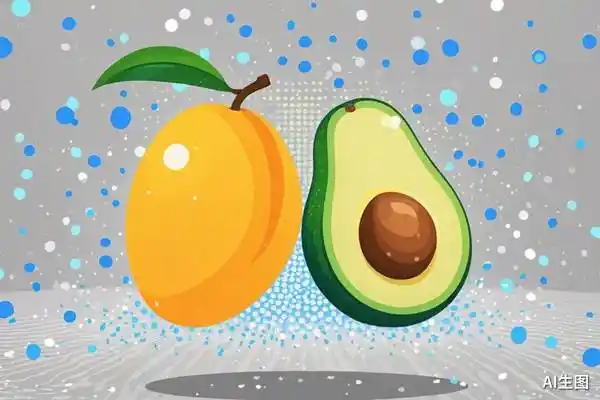
Zuckerberg's 'Mango' Image Generation Model Trails Only GPT Image 2, It Learned to Revise Prompts on Its Own

Meta's MSL has launched Muse Image, an advanced image generation model nicknamed "Mango," which ranks second globally in text-to-image benchmarks, closely trailing OpenAI's GPT Image 2. Its key innovation is agent-like behavior: it searches for factual information, writes code for charts, and, most notably, has developed self-correction abilities through reinforcement learning, allowing it to revise its own outputs without explicit programming. This shift emphasizes reasoning over immediate generation. Integrated with Meta's ecosystem, Mango connects with the Muse Spark language model for complex tasks and features a unique "@" function that can incorporate public Instagram photos into generated images—raising privacy concerns as it's enabled by default. The model is directly accessible in Meta AI, Instagram, and WhatsApp, leveraging Meta's vast user base for distribution rather than competing solely on image quality. Accompanying Mango is the preview of Muse Video, a video generation model with integrated audio, currently ranked third in its category. All Mango-generated images include an invisible, persistent watermark (Content Seal) for AI identification, alongside a public detection tool. While Mango advances "thinking" image models, its use of social data poses new ethical questions about consent and digital boundaries.

marsbit1 год тому

Zuckerberg's 'Mango' Image Generation Model Trails Only GPT Image 2, It Learned to Revise Prompts on Its Own

marsbit1 год тому

Weng Li's New Blog Proposes 'Self-Evolution Should Start from Harness', DeepSeek's Cui Tianyi Endorses with Repost

Lilian Weng, former OpenAI security VP and co-founder of Thinking Machines Lab, has published a new blog post titled "Harness Engineering for Self-Improvement," proposing a pragmatic path for AI self-evolution. She argues that Recursive Self-Improvement (RSI) may practically begin at the "Harness" layer—the external runtime system governing how models use tools, manage context, and execute tasks—rather than directly from the model rewriting its own weights. The blog outlines a progression from optimizing prompts (Context Engineering) to designing workflows, and ultimately to Self-Improving Harness systems. These systems can identify their own weaknesses, propose targeted, verifiable modifications to the harness code, and validate improvements. Works like Self-Harness and Darwin Gödel Machine (DGM) demonstrate significant performance gains on benchmarks like SWE-bench through such automated harness evolution, rivaling handcrafted agents. DeepSeek researcher Tianyi Cui endorsed the view, noting harness-based self-evolution is as promising as model-based approaches. Weng emphasizes this is complementary to model training, with both reinforcing each other. However, key challenges remain: weak evaluators for subjective tasks, reward hacking, diversity collapse, managing long-term system health versus short-term success, and defining the human oversight role. The consensus is growing: the harness is a critical variable, as the same model can exhibit vastly different capabilities within different harness systems.

marsbit1 год тому

Weng Li's New Blog Proposes 'Self-Evolution Should Start from Harness', DeepSeek's Cui Tianyi Endorses with Repost

marsbit1 год тому

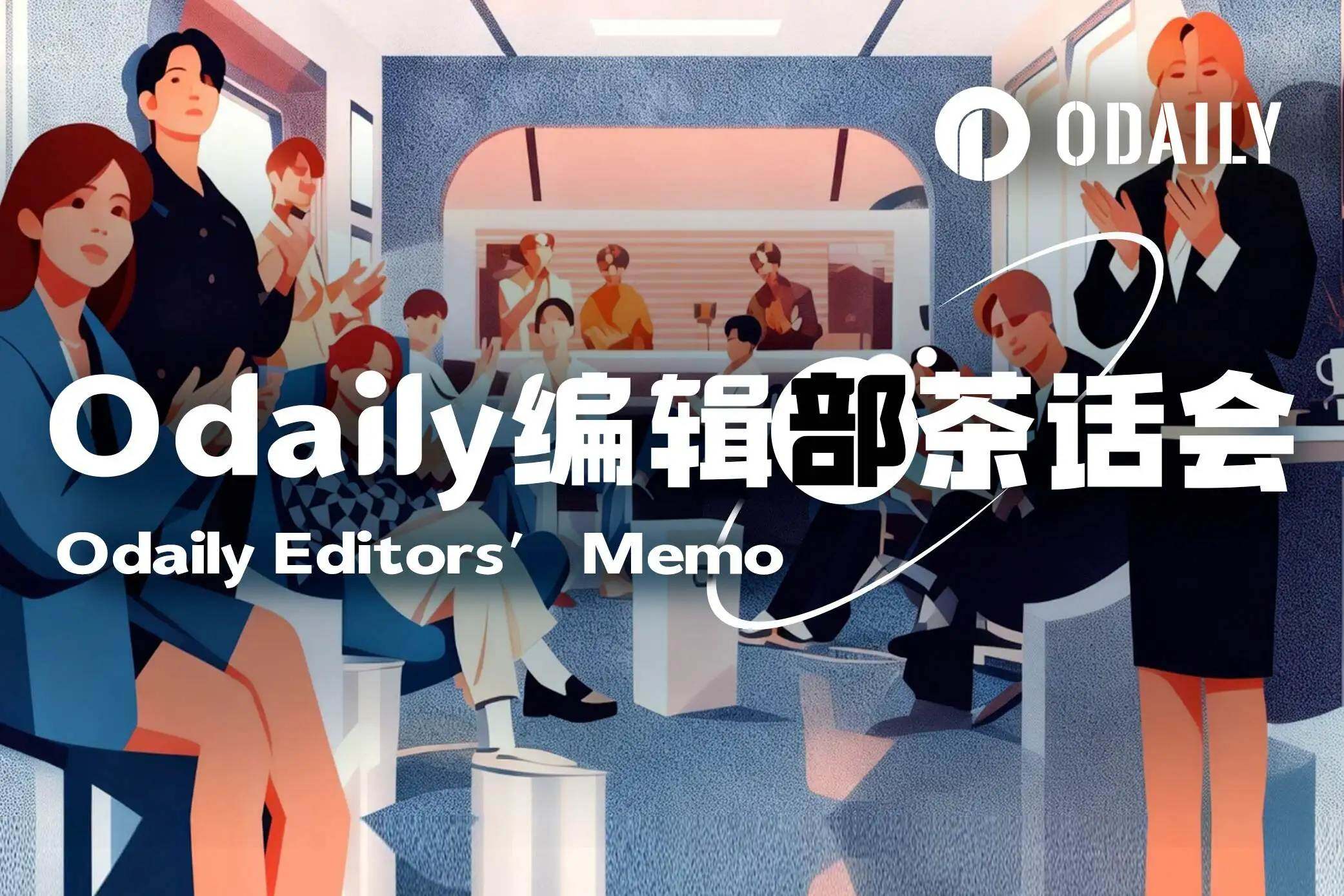
Odaily Editorial Department Tea Party (July 8)

Odaily Editorial Team Casual Chat (July 8) This is an informal column from Odaily's editorial team, sharing immediate thoughts on industry news, data, and hot topics from various angles. It presents investment ideas and opportunity hypotheses still under verification—which may not be direct wealth codes but questions in themselves—alongside observations from industry interactions and materials that genuinely enhance the team's understanding. The content is based on real investment and observation experiences, carries no advertising, and does not constitute investment advice. Its purpose is to broaden perspectives and supplement information sources, not to create consensus. Team Member Shares: * **Wenser (@wenser2010):** Noted a deeper correction (nearly 30%) in US and Korean stocks, including memory stocks, but remains bullish on DRAM due to perceived supply shortages. In prediction markets, personal small bets outperformed blind copying; favors France to win the World Cup. Views crypto-related stocks like STRK as bearish for now, while seeing Circle and Coinbase as potential rebound plays. Observes recent strength in software stocks like Microsoft but is unsure if it's a sustained recovery. * **Bcxiongdi (@bcxiongdi):** Discusses the recent "recovery training" in meme coin markets on Solana and BSC, characterized by small-scale PVP opportunities, admitting to having sold many assets too early. Suggests also watching the Robinhood chain. Found World Cup prediction markets challenging, advising to consider buying during matches rather than only before. * **Azuma (@azuma_eth):** Focuses on the US stock market, particularly the significant semiconductor correction. Believes demand fundamentals remain and considers buying the dip in DRAM stocks. Notes a potential rotation signal as hedge funds have recently concentrated buying in tech stocks. Plans to continue adding to RKLB (Rocket Lab) stock, seeing limited downside and high upside potential at current levels after its founder's share sale window closed.

Odaily星球日报1 год тому

Odaily Editorial Department Tea Party (July 8)

Odaily星球日报1 год тому

Торгівля

Спот

Популярні статті

Як купити T

Ласкаво просимо до HTX.com! Ми зробили покупку Threshold Network Token (T) простою та зручною. Дотримуйтесь нашої покрокової інструкції, щоб розпочати свою криптовалютну подорож.Крок 1: Створіть обліковий запис на HTXВикористовуйте свою електронну пошту або номер телефону, щоб зареєструвати обліковий запис на HTX безплатно. Пройдіть безпроблемну реєстрацію й отримайте доступ до всіх функцій.ЗареєструватисьКрок 2: Перейдіть до розділу Купити крипту і виберіть спосіб оплатиКредитна/дебетова картка: використовуйте вашу картку Visa або Mastercard, щоб миттєво купити Threshold Network Token (T).Баланс: використовуйте кошти з балансу вашого рахунку HTX для безперешкодної торгівлі.Треті особи: ми додали популярні способи оплати, такі як Google Pay та Apple Pay, щоб підвищити зручність.P2P: Торгуйте безпосередньо з іншими користувачами на HTX.Позабіржова торгівля (OTC): ми пропонуємо індивідуальні послуги та конкурентні обмінні курси для трейдерів.Крок 3: Зберігайте свої Threshold Network Token (T)Після придбання Threshold Network Token (T) збережіть його у своєму обліковому записі на HTX. Крім того, ви можете відправити його в інше місце за допомогою блокчейн-переказу або використовувати його для торгівлі іншими криптовалютами.Крок 4: Торгівля Threshold Network Token (T)Легко торгуйте Threshold Network Token (T) на спотовому ринку HTX. Просто увійдіть до свого облікового запису, виберіть торгову пару, укладайте угоди та спостерігайте за ними в режимі реального часу. Ми пропонуємо зручний досвід як для початківців, так і для досвідчених трейдерів.

477 переглядів усьогоОпубліковано 2024.12.10Оновлено 2026.06.02

Як купити T

Обговорення

Ласкаво просимо до спільноти HTX. Тут ви можете бути в курсі останніх подій розвитку платформи та отримати доступ до професійної ринкової інформації. Нижче представлені думки користувачів щодо ціни T (T).

活动图片