India Cracks Down: Stricter Rules To Combat Rising Digital Payments Fraud

bitcoinistОпубліковано о 2025-09-26Востаннє оновлено о 2025-09-26

Анотація

India has launched a sharp clampdown on online payment scams, ordering tougher checks and new rules that aim to cut...

Trusted Editorial content, reviewed by leading industry experts and seasoned editors. Ad Disclosure

India has launched a sharp clampdown on online payment scams, ordering tougher checks and new rules that aim to cut the rising tide of fraud. Based on reports, regulators and payment networks moved after authorities recorded big jumps in both the number of cases and the money lost to scams last year.

India: RBI And NPCI Move Fast

Regulators have pushed several changes into the banking and payments system. According to published figures, incidents tied to Unified Payments Interface or UPI more than doubled from about 7.25 lakh ($8,700) to 13.42 lakh ($16,200) in fiscal year 2023-24.

Reported losses rose too, from ₹573 crore ($69 million) the year before to ₹1,087 crore ($131 million) in 2023-24. The central bank has allowed risk-based additional checks for certain transactions, and NPCI has told banks and apps to block pull or collect requests on UPI from October 1, 2025, a move meant to shut a common scam vector.

New Authentication And Domain Rules

One of the headline changes is a requirement for two-factor authentication for payments, set to come into effect on April 1, 2026. Banks and payment firms will need to apply at least two methods of ID for transactions — such as biometrics, device tokens, or passphrases — while SMS OTPs will still be allowed in some cases.

Reports also say the industry will be asked to reserve clear, trusted web domains for banks and finance firms — examples given include “bank.in” for banks and “fin.in” for non-bank financial companies — to make phishing sites easier to spot and block.

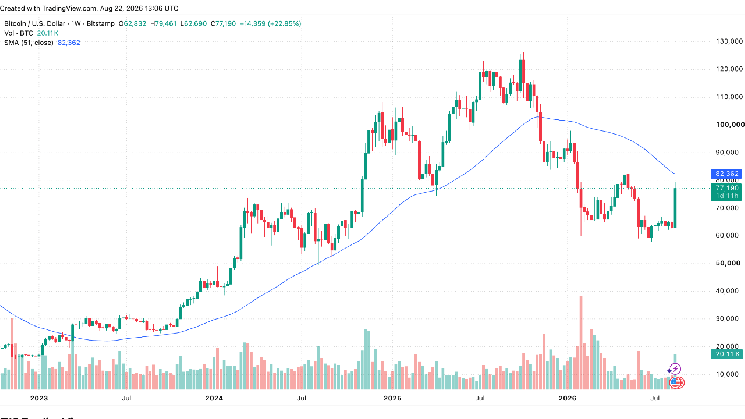
Total crypto market cap currently at $3.67 trillion. Chart: TradingView

How Users And Banks Will Be Affected

The new rules are meant to stop impersonation scams, fake calls that pretend to be law enforcement, and other social engineering tricks that send money out of accounts.

A special Cyber Fraud Mitigation Centre and the Indian Cyber Crime Coordination Centre will coordinate responses, and a suspect registry drawn from the national cybercrime portal is being used to track suspicious accounts and identities.

Banks and small operators that run Aadhaar-enabled payment services will face stricter due diligence requirements for their agents and terminals.

Costs, Complexity And The Rural Gap

Banks and tech providers must upgrade systems to run the extra checks and keep records. That will add cost and complexity, especially for smaller firms and rural operators that rely on older devices.

Users may face more steps when they pay, particularly for cross-border or unusual transactions. Reports warn that fraudsters often change tactics after rules tighten, so the measures will need constant review and active enforcement to stay effective.

Featured image from Unsplash, chart from TradingView

Editorial Process for bitcoinist is centered on delivering thoroughly researched, accurate, and unbiased content. We uphold strict sourcing standards, and each page undergoes diligent review by our team of top technology experts and seasoned editors. This process ensures the integrity, relevance, and value of our content for our readers.

Christian, a journalist and editor with leadership roles in Philippine and Canadian media, is fueled by his love for writing and cryptocurrency. Off-screen, he's a cook and cinephile who's constantly intrigued by the size of the universe.

Пов'язані матеріали

Mysterious "Whale" Sells $576 Million Worth of Bitcoin Amid BTC Price Approach to $80,000

An unidentified crypto "whale" sold 2,700 BTC (worth approximately $211.8 million) in a single transaction, bringing its total sales over three days to 7,700 BTC for roughly $576.6 million. This selling pressure occurs as Bitcoin trades near the $80,000 mark, having recently retreated from nearly reaching that level. While large holders often sell to realize profits during sharp rallies, on-chain data only confirms the movement of coins, not the motive. So far, these sales have had little impact on Bitcoin's upward momentum, with the asset posting double-digit gains recently and its strongest weekly increase since 2024. The rally was fueled by a U.S. Treasury Department announcement to at least double its long-term bond buyback operations starting September 9th, which lowered bond yields and pushed investors toward riskier assets like Bitcoin. This week's selling marks a reversal from a recent accumulation trend, where large holders had added about 43,000 BTC (worth ~$2.75B) over a 60-day period ending in mid-August, helping set the stage for the current price surge. As Bitcoin hovers around $80,000, traders are watching key factors: whether other major holders will follow suit and sell into strength, and if renewed institutional demand from ETFs can absorb the selling pressure. The outcome will likely determine Bitcoin's next major price move.

cryptonews.ru1 год тому

Mysterious "Whale" Sells $576 Million Worth of Bitcoin Amid BTC Price Approach to $80,000

cryptonews.ru1 год тому

Illinois' 0.2% Cryptocurrency Tax Sparks Major Legal Battle

Blockchain Association and Crypto Council for Innovation filed a lawsuit on August 21 in an Illinois district court against state officials, seeking to declare the state's Digital Asset Tax Act unlawful and block its implementation. The lawsuit centers on Illinois' plan to impose a 0.2% tax on the value of a digital asset for certain transactions through a digital asset broker, effective January 1. Plaintiffs argue the tax applies even to non-sales activities like transferring assets between wallets or paying for custody services, which is unlike the treatment of traditional assets like stocks or gold. They contend this discriminates against digital assets, taxing the mechanism of storage or transfer rather than an economic gain. The complaint highlights multiple ambiguities: a single crypto purchase involving exchange, deposit, and custody could trigger multiple taxable events; the law doesn't define how to value the asset or determine a customer's residency for tax purposes, leaving brokers guessing. Businesses face potential civil and criminal penalties for non-compliance, possibly leading them to avoid Illinois customers. The groups also challenge the legislative process, noting the tax was added as a small part of a massive 1,624-page bill passed hastily, violating constitutional requirements. They claim the tax violates federal laws like the Internet Tax Freedom Act and the dormant Commerce Clause. The immediate goal is to obtain an injunction before the January 1 enforcement date, testing whether a state can single out digital asset transactions for such a tax.

cryptonews.ru1 год тому

Illinois' 0.2% Cryptocurrency Tax Sparks Major Legal Battle

cryptonews.ru1 год тому

Торгівля

Спот
活动图片