Block Джека Дорси переключает внимание на майнинг биткоинов

cryptonews.ruОпубліковано о 2024-05-08Востаннє оновлено о 2024-11-08

Block Inc., ранее известная как Square, во главе с Джеком Дорси перенаправляет свою стратегию на майнинг биткоинов и кошельки с самостоятельным хранением, сокращая финансирование децентрализованных веб-проектов и приложения для потоковой передачи музыки Tidal. Этот стратегический сдвиг был сделан вскоре после победы Трампа на недавних президентских выборах в США, что вызвало позитивные настроения в криптовалютной индустрии.

Трамп поддерживал индустрию цифровых активов во время своей президентской кампании и испытывающий трудности сектор майнинга биткоинов, который стал убыточным после халвинга в первой половине этого года.

Block отдает приоритет майнингу биткоинов и разработке кошельков

Согласно письму акционеров Block за третий квартал, компания решила перераспределить ресурсы с Web5 и Tidal на продукты BTC. Block, которая занималась разработкой оборудования для майнинга вместо майнинга Bitcoin, планирует увеличить свое влияние в отрасли за счет производства оборудования для майнинга.

Компания сообщила, что в апреле 2024 года она нашла 3-нанометровый чип для майнинга, что доказывает, что компания работает над улучшением технологии майнинга для использования в бизнесе. В июле этого года Core Scientific, одна из крупнейших компаний по майнингу биткоинов, заявила, что будет использовать майнеров Block для своих операций, что свидетельствует о высоком интересе к продуктам Block.

Кроме того, Block также объявил о намерении увеличить инвестиции в Bitkey, недавно запущенный самостоятельный кошелек Bitcoin, представленный в марте. Bitkey позволяет пользователям покупать, продавать и хранить Bitcoin с возможностью подключения к приложению Block’s Cash App и платформе Coinbase. Акцент на Bitkey соответствует видению Block по предложению более безопасных решений для хранения и транзакций криптовалют.

Решение о закрытии Web5

Решение Block закрыть проект Web5 знаменует собой конец амбициозной попытки разработать децентрализованную интернет-инфраструктуру. Web5, представленный в 2022 году, был направлен на создание технологий, поддерживающих децентрализованную идентификацию, хранение персональных данных и проверяемый обмен данными.

Однако в связи с ограниченным прогрессом и растущей конкуренцией в интернет-пространстве на основе блокчейна компания Block решила прекратить проект и направить свои ресурсы в области с более высоким спросом и более ясными перспективами получения доходов.

Компания также сокращает инвестиции в Tidal, платформу потоковой передачи музыки, которую она приобрела в 2021 году почти за $300 млн. В последние годы Tidal претерпела сокращения персонала, и руководство Block признало, что платформа не оправдала ожиданий по росту числа пользователей и доходов. Перераспределяя средства из Tidal, Block стремится укрепить свое финансовое положение и направить ресурсы на свои криптовалютные инициативы.

Финансовые показатели и реакция рынка

Согласно FactSet, финансовый отчет Block за третий квартал показал доход в размере $5,98 млрд, что ниже ожиданий аналитиков в $6,24 млрд. Этот промах в сочетании с объявлением о реструктуризации привел к первоначальному падению цены акций Block на 10% в ходе внебиржевых торгов.

Хотя акции восстановили некоторые потери, Block по-прежнему испытывает давление, не позволяя себе продемонстрировать рост, особенно учитывая конкуренцию со стороны таких платежных систем, как PayPal и Stripe.

Доход от Bitcoin и Cash App также не оправдал прогнозов, составив $2,43 млрд и $3,93 млрд соответственно. Block объяснил некоторые из этих результатов сложной рыночной средой для цифровых активов. Несмотря на эти проблемы, компания сообщила о росте выручки на 6% в годовом исчислении, что отражает устойчивый рост ее основного бизнеса.


Пов'язані матеріали

Li Fei-Fei's Latest Long-Form Article: When Video Generation, Robotics, and NVIDIA All Call Themselves World Models, We Need a Taxonomy

In a new article, Dr. Fei-Fei Li addresses the widespread and often inconsistent use of the term "world model" in AI. She proposes a clear, functional taxonomy rooted in the classic Partially Observable Markov Decision Process (POMDP) loop (agent → action → state → observation → agent). According to this framework, current systems called "world models" are different projections of this loop, categorized by their primary output: 1. **Renderers**: Output observations (pixels). Their goal is visual fidelity for human consumption (e.g., video generation models like Sora). They are the most commercially mature but are limited by a focus on appearance over physical accuracy. 2. **Simulators**: Output states (geometric, physical, dynamic representations). They provide a structurally accurate world for both human professionals (e.g., architects) and computational agents (e.g., robots for training). Li argues simulators are the crucial, underappreciated bridge, as they can underpin both rendering and planning. 3. **Planners**: Output actions. Given an observation and a goal, they decide what an agent should do next (e.g., robotic action models). This area is highly promising but remains the least mature for real-world deployment. Li highlights a key trend: the boundaries between these three categories are beginning to blur, as they all rely on a shared underlying understanding of geometry, physics, and dynamics. The logical endpoint is a unified world foundation model capable of switching between rendering, simulation, and planning based on downstream needs. This convergence, she concludes, is central to advancing spatial intelligence—enabling machines not just to talk about the world, but to truly understand, imagine, and interact with it.

marsbit2 год тому

Li Fei-Fei's Latest Long-Form Article: When Video Generation, Robotics, and NVIDIA All Call Themselves World Models, We Need a Taxonomy

marsbit2 год тому

Forbes Feature: Stablecoin Cross-Border Payments Are Faster, But Not Yet Cheaper

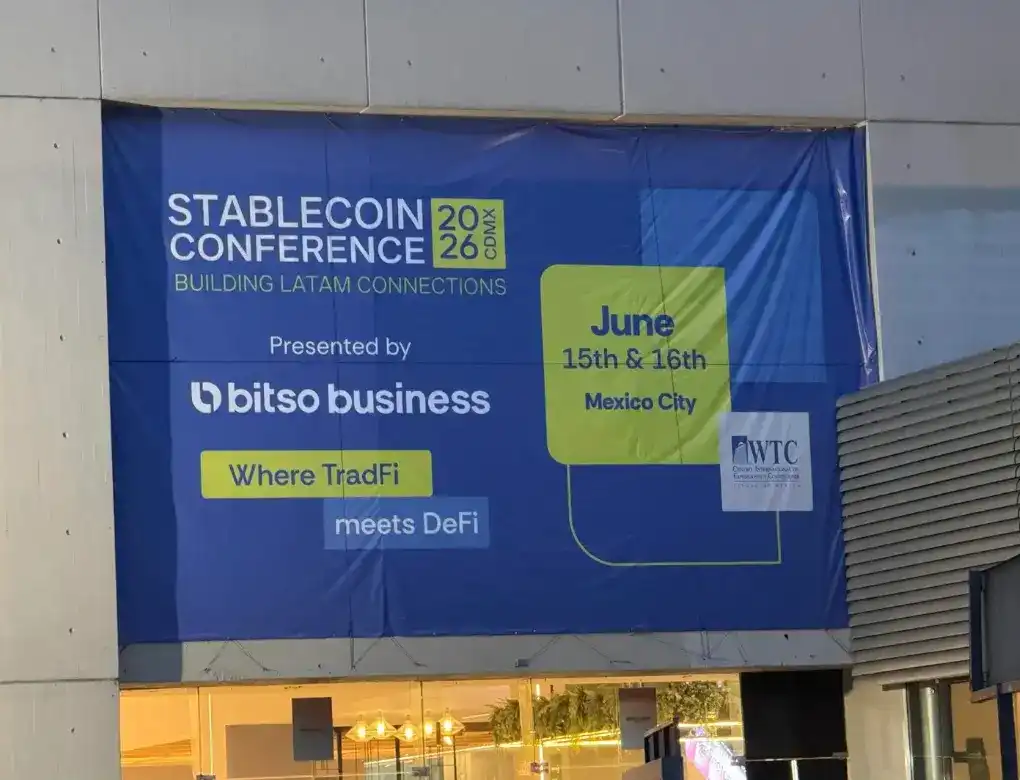
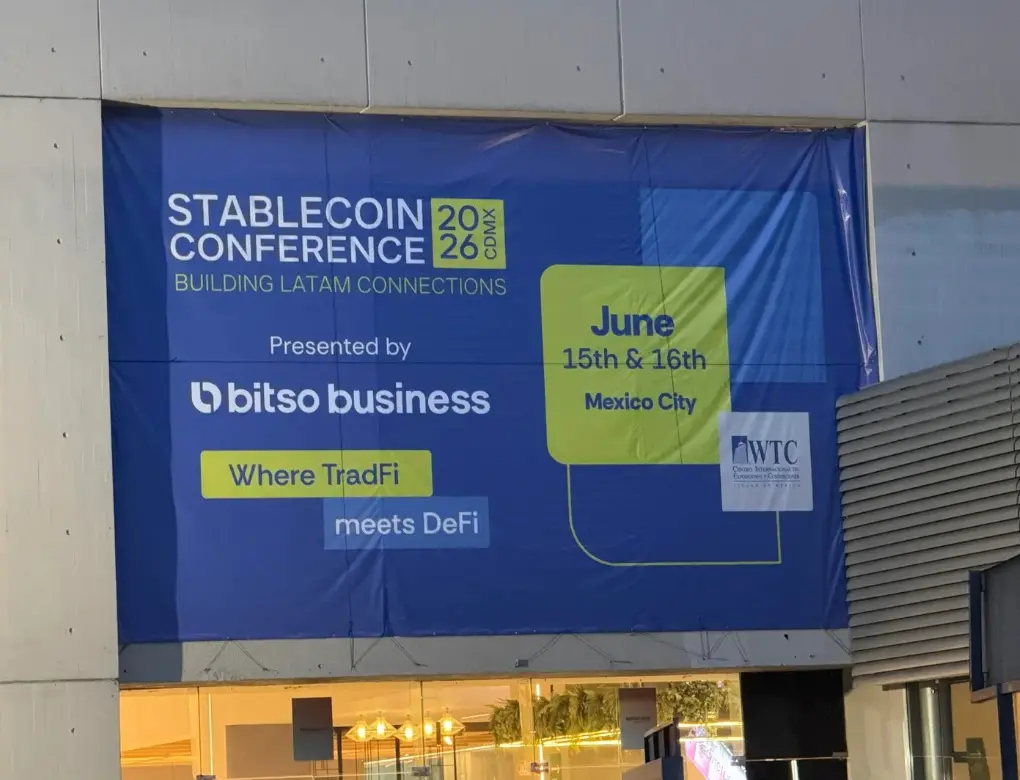
A Forbes feature delves into the state of stablecoin-based cross-border payments, noting rapid growth but a key shortfall: while faster and more accessible, they are not yet cheaper. At a recent industry conference in Mexico City, optimism about technology, regulation, and volume was tempered by discussions with practitioners. The core issue is liquidity. Traditional FX brokers charge 60-70 basis points, and stablecoins promise to slash this to 2-5 basis points. However, this theoretical cost advantage cannot be realized until deep liquidity pools are established at scale, requiring significant institutional capital inflow. A major adoption barrier is trust. Businesses often rely on long-standing relationships with traditional brokers, valuing reliability over marginal cost savings. This shift will be gradual. Furthermore, successful companies in the space are not positioning themselves as replacements for legacy systems like SWIFT, but as complements. They leverage stablecoins for speed while using traditional rails for their standardization and reliability in ensuring accurate payment details—a critical factor for supplier payments to avoid customs issues. Companies like Caliza, experiencing high monthly growth, exemplify this hybrid approach. The industry anticipates consolidation, as long-term viability will depend on securing the essential trifecta: proper licensing, robust fiat on/off-ramps, and deep liquidity. Without these, firms risk being mere intermediaries rather than building sustainable businesses.

marsbit2 год тому

Forbes Feature: Stablecoin Cross-Border Payments Are Faster, But Not Yet Cheaper

marsbit2 год тому

Li Feifei's Latest Article: When Video Generation, Robotics, and NVIDIA All Claim to Have 'World Models,' We Need a Taxonomy

"World Model" has become a widely used yet ambiguous term in AI. Drawing from the classic POMDP framework (agent → action → state → observation), this article proposes a functional taxonomy to clarify the concept. It identifies three distinct types, categorized by their output in the perception-action loop: 1. **Renderers**: Output visual observations (pixels). These models, like advanced video generators, prioritize visual fidelity but often lack underlying physical accuracy. 2. **Simulators**: Output the state of the world (geometry, physics, dynamics). They provide a structurally accurate representation for professionals (e.g., architects) and serve as training environments for robots and AI agents. 3. **Planners**: Output actions. Given an observation and a goal, they determine what an agent should do next, closing the perception-action loop (e.g., vision-language-action models). While renderers are currently the most commercially mature and planners are the most aspirational, the article argues that **simulators are the crucial, underappreciated hub**. By working at the level of geometry and physics, a simulator can project upwards to create visuals for humans and downwards to predict action consequences for agents. The future lies in the convergence of these three functions. Emerging research and products, like World Labs' Marble model which outputs both visual splats and physical collision meshes, are beginning to blur these boundaries. The logical endpoint is a unified world foundation model capable of rendering, simulating, and planning based on a shared understanding of spatial and temporal structures—ultimately enabling machines to understand, imagine, and interact with the physical world.

链捕手2 год тому

Li Feifei's Latest Article: When Video Generation, Robotics, and NVIDIA All Claim to Have 'World Models,' We Need a Taxonomy

链捕手2 год тому

Торгівля

Спот
活动图片